

Créé par Emilie, le 4 oct. 2026
Votre guide Ryo
Valencia, Spain
The Little Land of the Mediterranean
Parcours audioguidé pour visiter Valencia en 1 jour
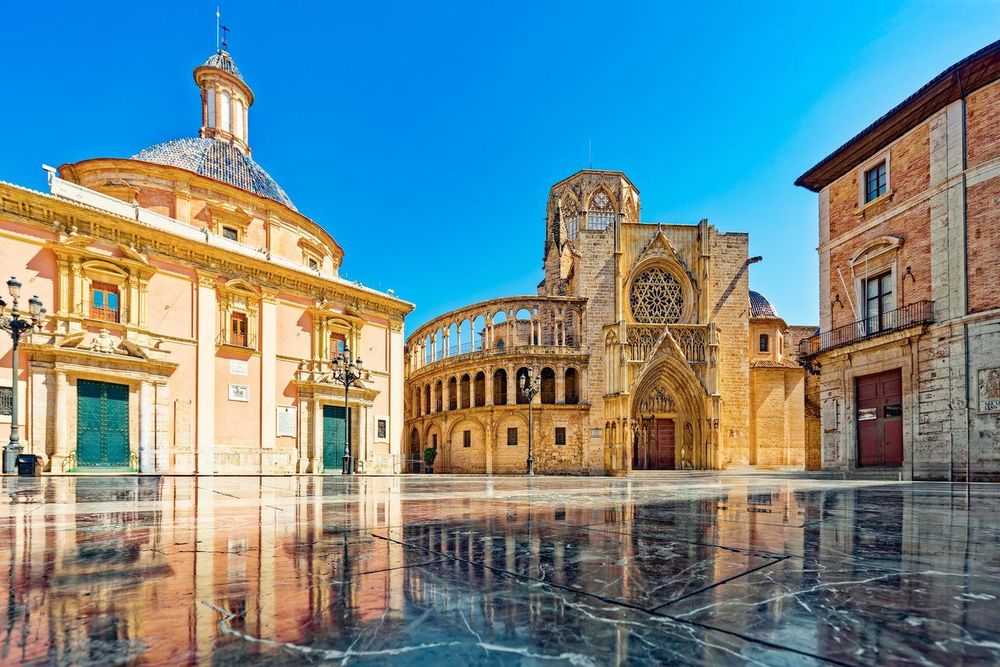
This tour of the historic heart of Valencia takes you on a journey through two thousand years of history, from majestic medieval towers to colorful modernist markets and sunlit squares. Along the way, you’ll uncover the city’s silk-making legacy, experience the richness of its local traditions, and explore iconic spots where Gothic elegance meets the lively spirit of Spanish life. It’s a simple, immersive way to discover Valencia’s warm and welcoming center at your own pace.
Quand partir à Valencia ?
Jan.
11°
4
Feb.
12°
4
March
14°
4
April
16°
5
May
19°
5
June
23°
3
July
26°
1
Aug.
26°
2
Sept.
23°
5
Oct.
19°
6
Nov.
15°
5
Dec.
12°
5
Throughout the year, Valencia enjoys an average temperature of around 16°C, thanks to its Mediterranean climate, meaning it's mild in winter and warm in summer. January and February tend to be the coldest months, with lows around 8°C. The hottest months are July and August, when temperatures reach up to 31°C. The rainiest months are January, March and November. To make the most of your trip, it's generally best to visit between May and October. As for the summer heat, there's no need to worry—Valencia has from a refreshing sea breeze that makes even the warmest days more pleasant.
Départ conseillé
No need to worry about where to begin! Our tours are designed as a loop, so you can jump in wherever you are. The navigation system and audioguide will automatically adjust to your location. However, if you happen to be nearby, we do have a preferred starting point: 23 Pl. Ciutat de Bruges.
Parking à proximité
Parking Avenida del Oeste : Av. de l'Oest, 34, Ciutat Vella
À savoir
Like any top tourist destination, Valencia offers benefits and discounts on transport and activities through the Valencia Tourist Card. It’s a great way to explore the city at your own pace, while taking advantage of deals along the way.
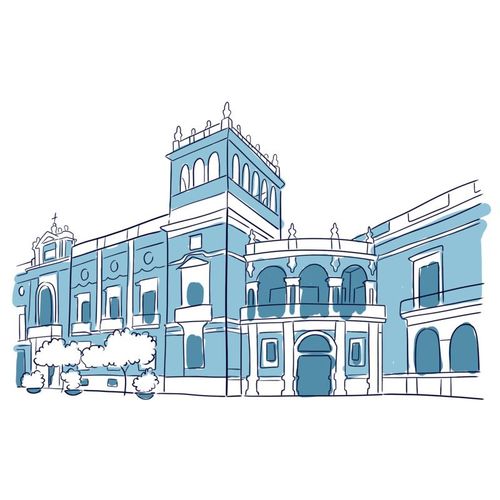
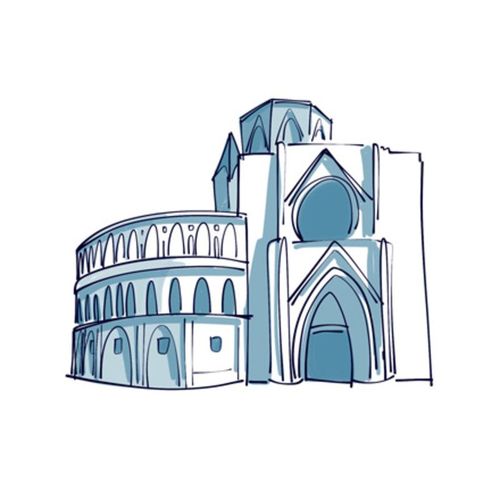
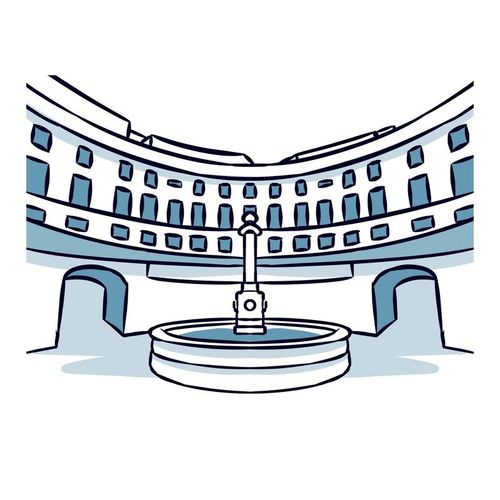
Découvrez 27 lieux d'intérêt pour visiter Valencia


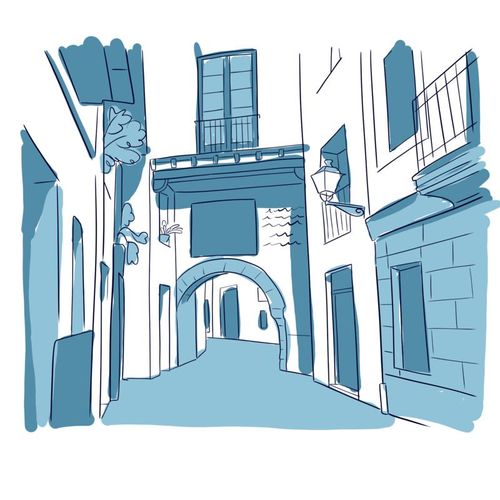
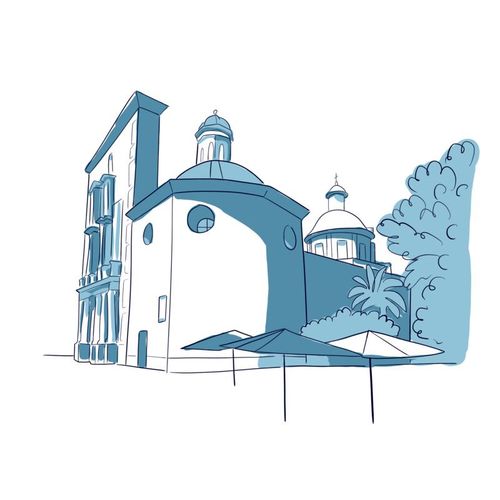
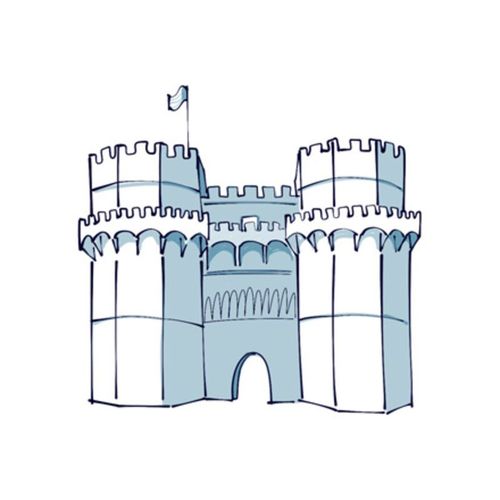



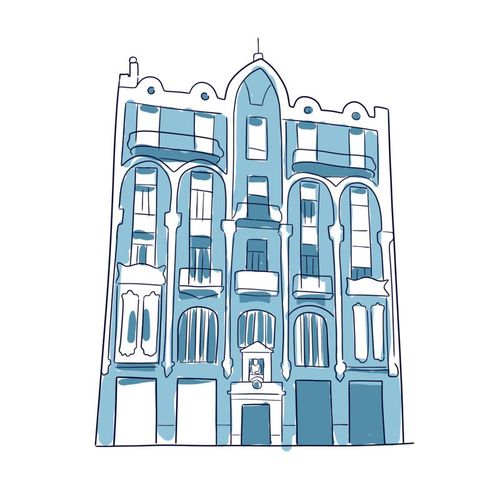












Le plein d'inspirations
Explorez le monde en totale liberté, à pied au cœur des villes ou au fil des routes. Nos guides audios transforment chaque destination en une découverte culturelle immersive et unique.





FAQ for visiting Valencia
When is the best time to visit Valencia?
Valencia enjoys a particularly pleasant Mediterranean climate that makes it possible to visit almost all year round. The months from May to October remain ideal for making the most of your stay, with mild temperatures and generous sunshine. Summer can be hot, but the sea breeze brings a welcome coolness that makes the heat bearable. If you prefer to avoid the tourist crowds, spring and autumn offer perfect conditions for exploring the city. Winter remains mild compared to other European destinations, even if January and February can be cooler. Simply avoid the months of January, March and November, which are generally rainier.
How many days do you need to visit Valencia?
To discover the essentials of Valencia, ideally plan for three to four days. This time will let you calmly explore the historic centre with its emblematic monuments, wander through the traditional markets and savour the city's atmosphere. Two days are enough to see the must-sees if your stay is short, but you'll have to make choices. With a week, you can truly soak up the Valencian rhythm, visit the museums, enjoy the beaches and perhaps even take an excursion into the surrounding area. The Ryo audioguide helps you optimise your time with a well-thought-out route that covers the major sites of the historic centre in a pleasant day's walk.
How do you get around Valencia?
Valencia has an excellent public transport network that greatly facilitates getting around. The metro and trams efficiently serve most of the tourist neighbourhoods and are generally reliable. The historic centre is best visited on foot, as the main attractions are relatively close to one another. The city is also very cycle-friendly, with many cycle paths and a well-developed public rental system. Buses complete the network for reaching the less central areas. For short trips, you'll easily find taxis or ride-hailing services. Consider buying a rechargeable transport card, which will save you money on your multiple journeys.
What must you see in the historic centre of Valencia?
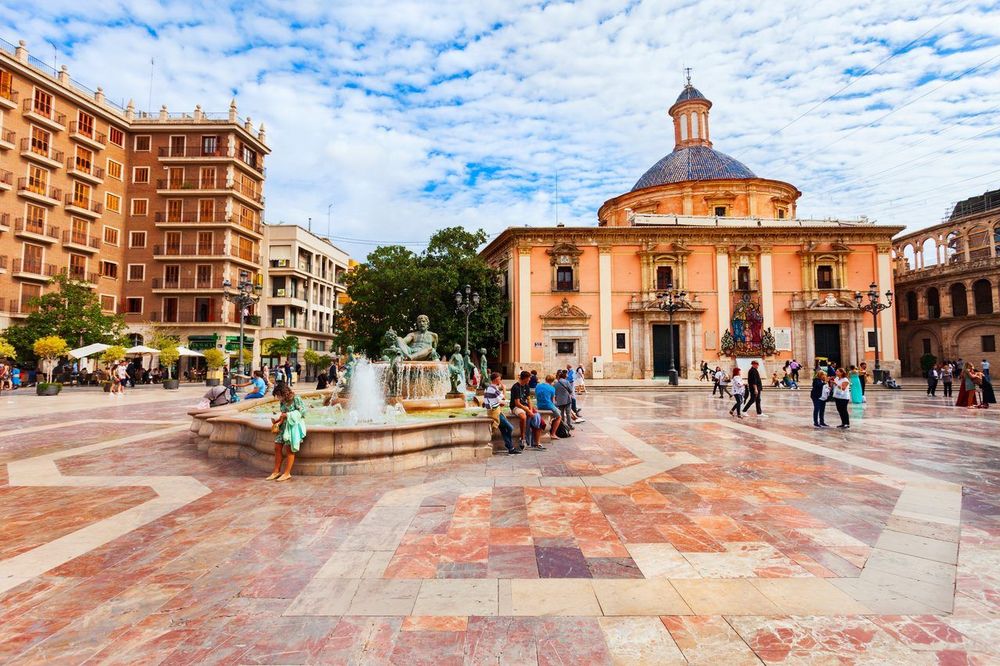
The historic centre of Valencia is full of architectural treasures that tell two millennia of history. Don't miss the Gothic cathedral and its famous bell tower, El Miguelete, which offers a panoramic view over the city. The Serranos and Quart towers, former medieval gates, bear witness to the city's fortified past. The modernist central market delights with its colours and daily bustle, while the Lonja de la Seda illustrates the past prosperity of the silk trade. Sunny squares such as the Plaza de la Virgen invite you to pause. The Ryo audioguide accompanies you on this discovery with commentary that brings these emblematic monuments to life while revealing their secrets.
Where can you eat good paella in Valencia?
As Valencia is the birthplace of paella, you'll find excellent restaurants to sample this iconic dish. The establishments near Malvarrosa beach are renowned for their seafood paellas, while in the city centre you'll discover more traditional addresses offering the authentic version with chicken and vegetables. Valencians generally eat paella at lunch rather than dinner, and it's advisable to book as the best tables fill up quickly. Look for restaurants frequented by locals rather than overly touristy establishments. Don't hesitate to venture a little outside the historic centre to find family-run addresses where the paella still simmers over a wood fire according to tradition.
How do you get from the airport to Valencia city centre?
Valencia airport is well connected to the city centre with several convenient transport options. The metro remains the most economical and efficient way, with lines 3 and 5 linking the airport directly to the centre in around twenty minutes. The EMT buses offer an alternative with regular departures throughout the day. For more comfort, taxis are available at the terminal exit and offer a reasonable fixed fare to reach the centre. Ride-hailing services are also a convenient option that you can book in advance. If you rent a car, the motorway provides quick access to the city centre, but bear in mind the parking difficulties in the historic neighbourhoods.
Is Valencia suitable for families with children?
Valencia is a particularly welcoming destination for families with children. The city offers many green spaces where little ones can let off steam, notably the Turia gardens that cross the city over several kilometres. The fine sandy beaches are an ideal playground on fine days. Many attractions are designed for families, and Valencian restaurants are generally very tolerant of children, who are an integral part of Spanish social life. The late meal times allow families to enjoy the mild evenings without pressure. Most museums offer activities suited to the youngest, and public transport is free for young children. The city's relaxed, warm atmosphere puts everyone at ease.
What can you discover at the City of Arts and Sciences in Valencia?
This futuristic complex, designed by Santiago Calatrava and Félix Candela, occupies the old riverbed south of the centre: white volumes, pools and curves that suggest by turns a whale skeleton or a giant eye, spectacular even from the outside.
Inside you will find an interactive science museum where almost everything can be handled, a planetarium housed under an egg-shaped shell, a huge aquarium arranged by marine ecosystem and an arts palace staging operas and concerts. Allow at least half a day if you go into several buildings, more with children. The site is easily reached on foot or by bike from the centre by following the Turia gardens.
What can you do in the Turia gardens in Valencia?
After a devastating flood, the river Turia was diverted and its bed turned into a long park that crosses the whole city. People walk, run and cycle there for several kilometres, passing beneath the historic bridges left standing above the empty channel.
The route strings together lawns, orange trees, sports grounds and themed gardens, all the way to Gulliver park, where children clamber over a huge reclining giant turned into slides. It is also the most pleasant way of linking the historic centre to the City of Arts and Sciences without meeting traffic. The Ryo audio guide offers a dedicated Valencia route connecting the old centre to these gardens.
Can you swim in Valencia?
Yes, the city has genuine urban beaches. Malvarrosa and Las Arenas, wide strips of sand lined by a long promenade, are reached from the centre by tram, bus or bike in about twenty minutes; the sand is fine and the slope gentle, which suits families well.
Further north, Patacona extends the promenade in a slightly quieter atmosphere, while the beaches near the Albufera nature park remain considerably wilder. The mild climate noticeably lengthens the swimming season, and the maritime district of El Cabanyal, with its houses faced in colourful ceramic tiles, is worth a detour before or after the beach.
Vos commentaires, idées et suggestions
Aucun avis pour le moment