© Shutterstock
 Votre guide Ryo
What to Do in Valencia, Spain: 15 Must-Have Experiences for 2026
In Valencia, Spain, a river vanished from its bed to become a nine-kilometre garden, and a white vessel designed by Santiago Calatrava houses Europe's largest aquarium. That is the kind of contrast that sums up this city in the Valencian Community, halfway between Gothic heritage and bold contemporary architecture. What to do in Valencia, Spain when you have a weekend or a full week? The question deserves careful consideration, as the options go far beyond the well-trodden paths of Barcelona or Madrid. To get a feel for the historic centre as soon as you arrive, the Ryo audio-guided tour of Valencia unfolds 27 audio tracks over 4.7 kilometres — around two hours of narrated walking between the cathedral, the Lonja and the Barrio del Carmen.
From the glazed dome of the Hemisfèric and medieval towers that once guarded the city gates, to an Art Nouveau covered market where the early-morning fishmongers still ply their trade, and sandy beaches less than twenty minutes from the historic centre, Valencia brings together in a single territory what other Spanish cities spread across several days of travel. Add to that a paella bearing the city's name, a nature park where flamingos land at sunset, and excursions to red canyons less than two hours away by road. This guide covers both the classic sites and the more off-the-beaten-track addresses, neighbourhood by neighbourhood, to help you build a tailor-made stay — from a quick city break to a full week.
1. The City of Arts and Sciences
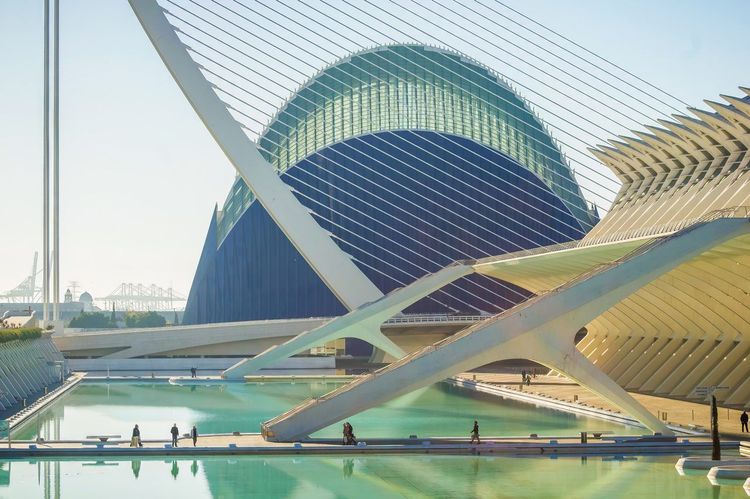
On the former bed of the Turia, at the southern end of the historic centre, a cluster of white buildings appears to float on turquoise pools. The City of Arts and Sciences was designed by Valencian architect Santiago Calatrava and his partner Félix Candela, and on its own accounts for a large share of the city's most iconic images. Allow a full half-day if you want to visit the aquarium and the science museum back to back without rushing.
The tallest building in the complex, the Palau de les Arts Reina Sofía, serves as an opera house and symphonic concert hall. Few hurried visitors stop here, yet its helmeted silhouette is visible from almost every point in the park, and an evening performance offers a completely different perspective on the entire architectural ensemble — illuminated and nearly deserted. For a thorough immersion in the architecture before visiting the exhibitions, our Ryo article Top 6 Activities to Do in Valencia details the most efficient visiting order depending on the season.
The Oceanogràfic, Europe's Largest Aquarium
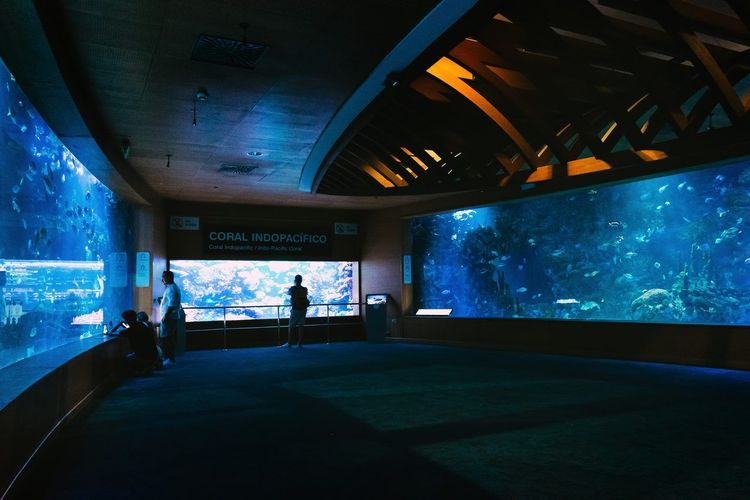
Designed by architect Félix Candela, the Oceanogràfic (Carrer d'Eduardo Primo Yúfera 1B, 46013 Valencia, rated 4.6/5 on Google based on 110,214 reviews) brings together more than 500 marine species across ten distinct ecosystems, from the Mississippi Delta to Antarctica. Children tend to linger at the shark underwater tunnel, while adults take their time at the beluga whale tank — one of the few in Europe.
Book your time slot online at least 48 hours in advance during high season. The on-site ticket office frequently sells out by 11 a.m. in July and August, and queues can easily exceed 45 minutes without a reservation.
The Hemisfèric and the Príncipe Felipe Science Museum
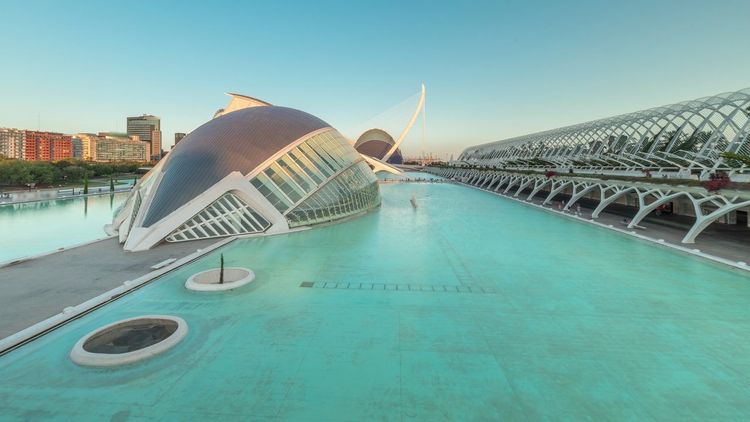
Shaped like a giant eye resting on the water, the Hemisfèric screens 3D and IMAX films beneath its 24-metre dome. Right next door, the Príncipe Felipe Science Museum offers more than 300 interactive installations across three floors, designed to be touched and explored rather than simply viewed.
A combined ticket for both buildings costs less than two separate entries and will save you time at the ticket desks. For the most spectacular photo of the complex, climb the Assut de l'Or bridge between 7 p.m. and 8:30 p.m. in summer: the raking light on the pools and white facades completely transforms the atmosphere compared to a daytime visit.
2. The Historic Centre and the Barrio del Carmen
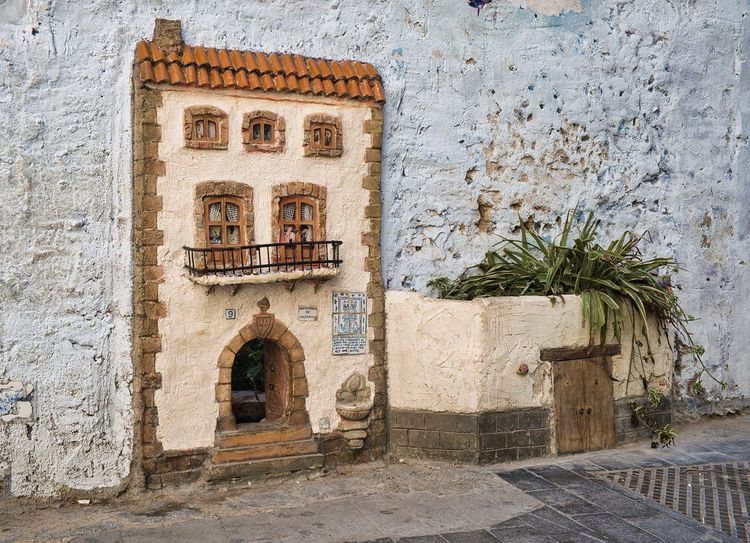
Valencia's historic centre spreads across a near-circular footprint inherited from the old city walls, now largely replaced by the Turia gardens. Within this perimeter, the Barrio del Carmen concentrates the oldest alleyways, blending crumbling Gothic façades with wine bars open until dawn. This is the neighbourhood where you get lost on purpose, without a map, simply looking for the next shaded square.
Valencia Cathedral, the Miguelete Bell Tower and the Water Tribunal
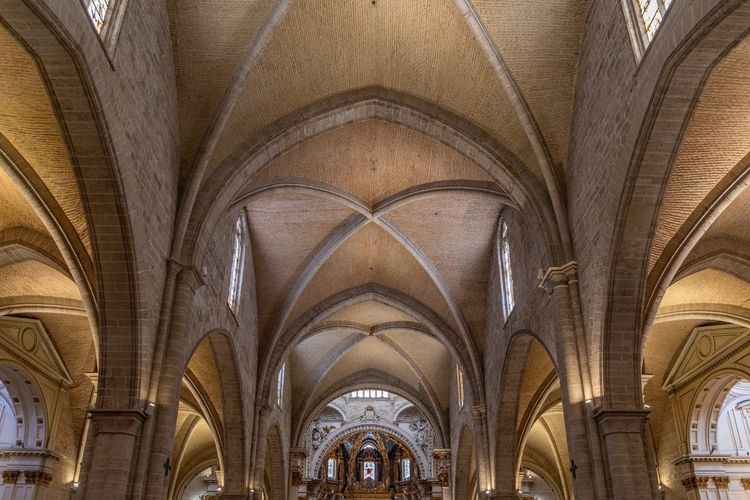
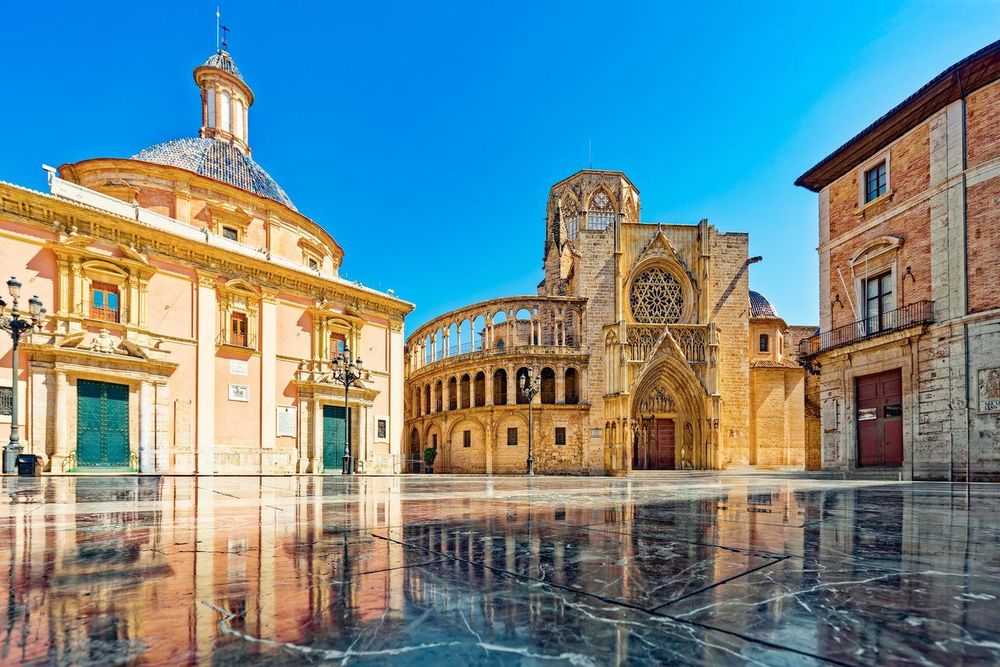
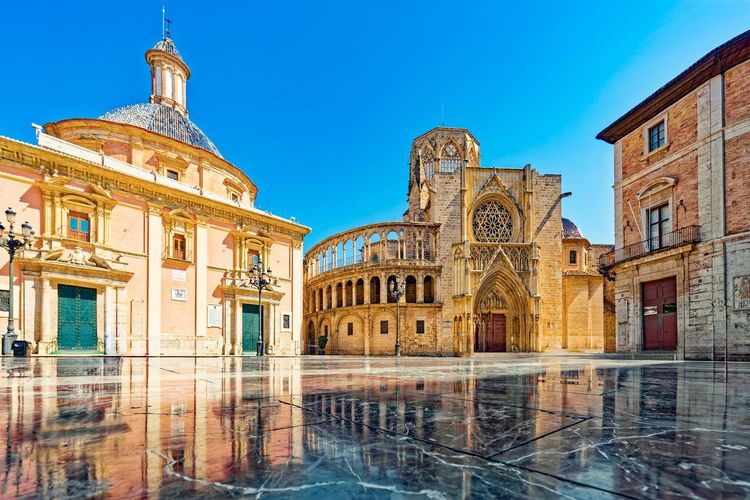
Built from 1262 on the foundations of a mosque, Valencia Cathedral blends Gothic, Romanesque and Baroque styles depending on which façade you look at. Above all, it houses what many Valencians consider their greatest pride: a chalice that local tradition — disputed but persistent — identifies as the Holy Grail used at the Last Supper.
Climb the 207 steps of the Miguelete, the octagonal bell tower attached to the cathedral, for a 360-degree panorama over the old town's orange rooftops and, on a clear day, all the way to the sea. Every Thursday at noon, on the steps of the Door of the Apostles, the Water Tribunal convenes — one of the oldest courts in Europe still in operation: eight farmer-judges have been settling irrigation disputes among farmers of the Valencian huerta since the Middle Ages, in Valencian and without lawyers.
Between the cathedral and the Basilica of the Virgin of the Forsaken, the Plaza de la Virgen has served as an outdoor living room for Valencians for centuries. The central fountain personifies the Turia surrounded by eight statues representing the huerta's irrigation canals — the very canals whose disputes the Water Tribunal still resolves every Thursday.
The Lonja de la Seda, a UNESCO-Listed Gem
A stone's throw from the Central Market, the Lonja de la Seda (Silk Exchange) is a masterpiece of Flamboyant Gothic civic architecture, built in the late 15th century to house the silk trade. Its column hall, with stone twists evoking rope, has been inscribed on UNESCO's World Heritage List since 1996.
The interior orange grove, hidden behind a blank wall, consistently surprises visitors who are not expecting it.
The Torres de Serranos and Torres de Quart
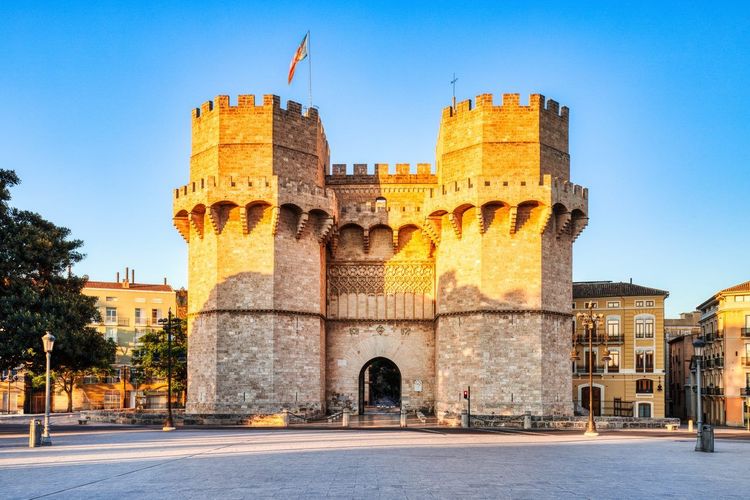
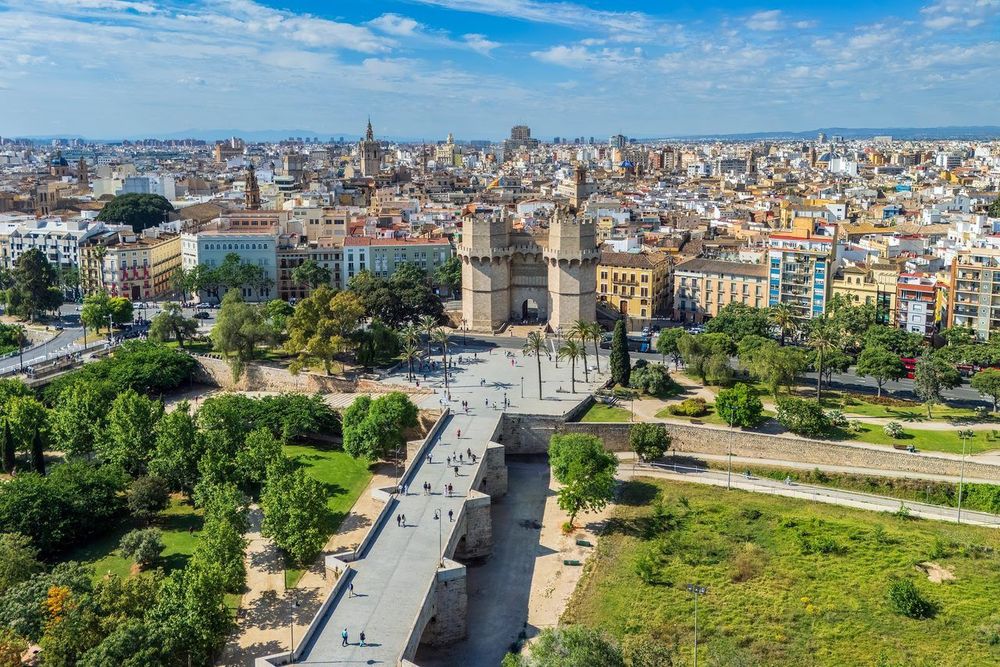
Two fortified gates survived the demolition of the city walls in the 19th century. The Torres de Serranos, built in 1392, marked the northern entrance to the city and served as a prison for more than three centuries. More modest but equally photogenic, the 15th-century Torres de Quart still bear the cannonball scars left by Napoleon's 1808 siege.
Both towers can be visited for a few euros and offer, from their summits, a fairly clear reading of the city's medieval layout.
Saint Nicholas Church, the Valencian 'Sistine Chapel'
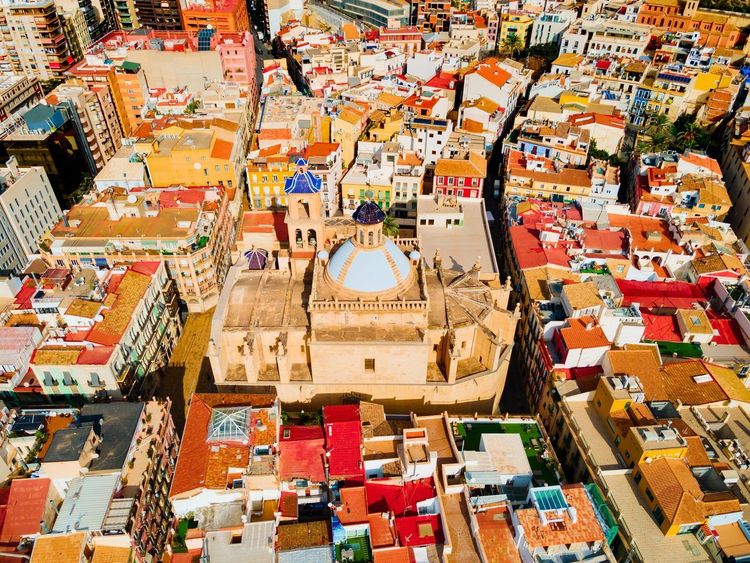
Modest on the outside, Saint Nicholas Church conceals beneath layers of whitewash — removed during a restoration completed in 2016 — Baroque frescoes covering the entire ceiling and walls. The contrast with the plain street façade is so striking that local guides without exaggeration call it the 'Sistine Chapel' of Valencia.
An audio guide is included with the entrance ticket, allowing you to take your time without feeling rushed towards the exit. This same Carmen neighbourhood, which borders the cathedral to the north-west, owes part of its current layout to the remains of the 10th-century Muslim city wall, fragments of which can still be found incorporated into certain façades along Carrer del Museu. A night-time stroll through the cathedral–Carmen–Lonja triangle, once the tour groups have dispersed, reveals an entirely different city — silent and mineral.
3. The Central Market
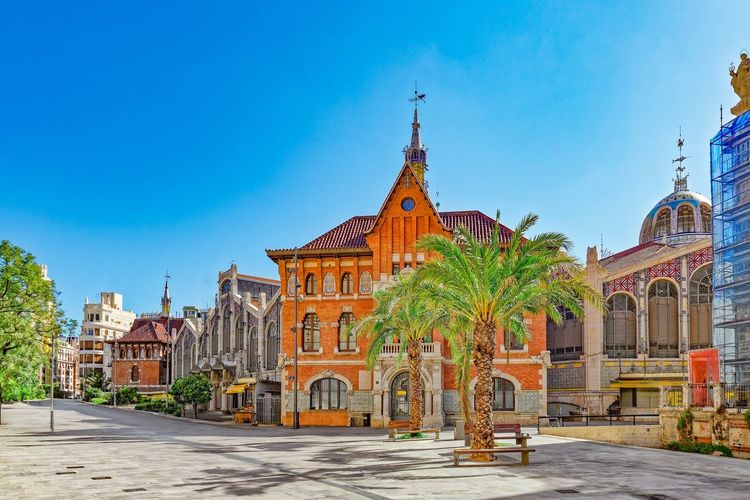
Beneath a metal framework and Art Nouveau stained-glass windows completed in 1928, Valencia's Central Market remains a working market before it is a tourist attraction: more than 300 stalls sell fish from the nearby lonja, hanging Iberian hams and vegetables from the huerta still covered in soil every morning.
The building, one of the largest covered markets in Europe at 8,160 m², was designed by architects Alexandre Soler and Francesc Guàrdia following a competition launched in 1910. Closed on Sundays, it runs at a slower pace on Mondays: opt for Tuesday or Friday for the best selection. Come early, between 8 a.m. and 10 a.m., to experience the market at its most authentic, before tour groups arrive later in the morning. Several counters offer standing tastings — ham, cheeses or oysters — an affordable way to sample local produce without booking a table. To explore the specialities worth trying here, head to the gastronomy section of this guide further below.
4. Valencia's Must-See Museums
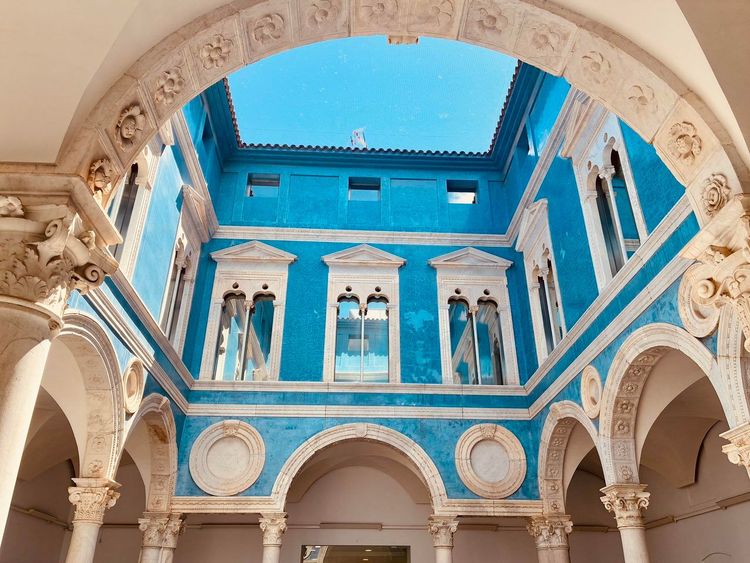
Valencia has a density of museums rarely matched for a city of its size, ranging from classical museum traditions to the most cutting-edge contemporary art.
The Museum of Fine Arts and the IVAM
The Museum of Fine Arts of Valencia, free and housed in a 17th-century former seminary, holds works by Velázquez, Goya and above all an exceptional collection by Joaquín Sorolla, the Valencian painter of Mediterranean light.
At the opposite stylistic extreme, the IVAM (Valencia Institute of Modern Art) exhibits Julio González, Miquel Navarro and a rotating programme of international contemporary art. The IVAM opened its doors in 1989 — one of the very first modern art museums created in Spain after the end of Francoism — and its outdoor patio regularly hosts monumental sculptures that can be viewed for free from the street. Allow two hours for each, rather than a flying visit that would do justice to neither.
The National Museum of Ceramics and the Hortensia Herrero Art Centre
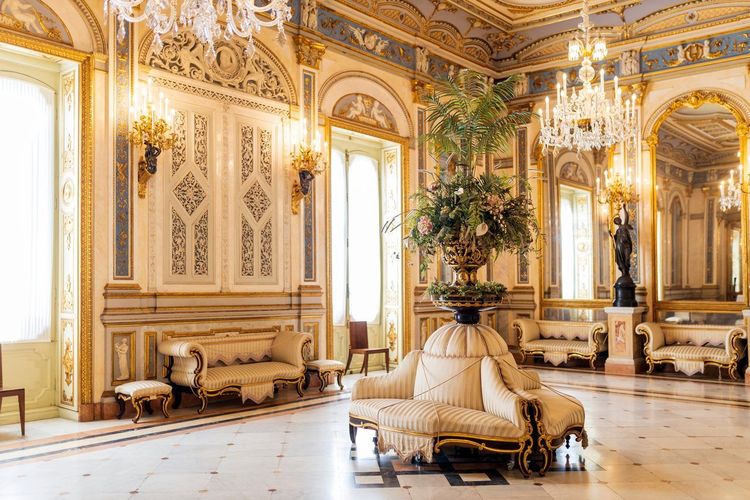
Housed in the Palace of the Marquis of Dos Aguas, whose sculpted alabaster Baroque façade is among the most photographed in the city, the González Martí National Museum of Ceramics traces eight centuries of Valencian ceramics, from Mudéjar tiles to Art Deco pieces.
More recently opened, the Hortensia Herrero Art Centre, in the 15th-century Palacio de Valeriola, pairs restored Baroque frescoes with contemporary art installations. Tickets are limited by time slot: book online, especially at weekends.
The Fallas Museum, the History Museum and the Almoina Archaeological Site

The Fallas Museum preserves the ninots indultats — life-size papier-mâché figures spared each year by public vote during the Fallas, the only survivors of a parade where everything else ends up burned. The Valencia History Museum, housed in a 19th-century former water reservoir, traces twenty-two centuries of the city's history through an immersive scenography rather than a simple succession of display cases.
Right in the heart of the cathedral quarter, the Almoina archaeological site displays, both in the open air and underground, the Roman, Visigothic and Islamic remains superimposed on top of each other — the layers upon which the city was literally built.
Good news for your budget: the Museum of Fine Arts is free year-round, and the city's municipal museums — including the Fallas Museum, the History Museum and the Almoina site — open free of charge on Sundays and public holidays. Admission prices are modest anyway, just a few euros on weekdays, and the Valencia Tourist Card mentioned further below offers additional discounts if you plan to visit several venues during your stay. One organisational tip: save the museums for the 1 p.m.–5 p.m. slot in summer, when the heat makes the historic centre difficult to explore on foot.
5. The Turia Gardens, a River Turned Green Lung
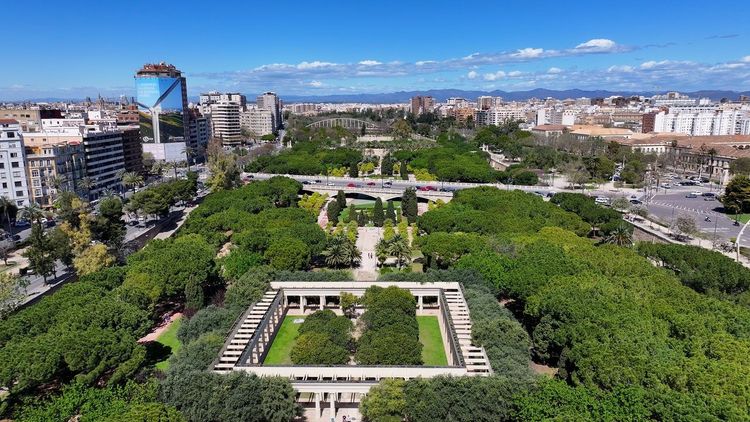
In October 1957, a historic flood of the Turia submerged a large part of Valencia under more than a metre of water, killing dozens of people. The decision that followed — to divert the river around the city rather than channel it — freed nine kilometres of dry riverbed right in the urban centre. Rather than a motorway, which was at one point considered for this space, Valencians secured the Turia Gardens, one of the largest linear urban parks in Europe.
Gulliver Park and the Children's Play Areas
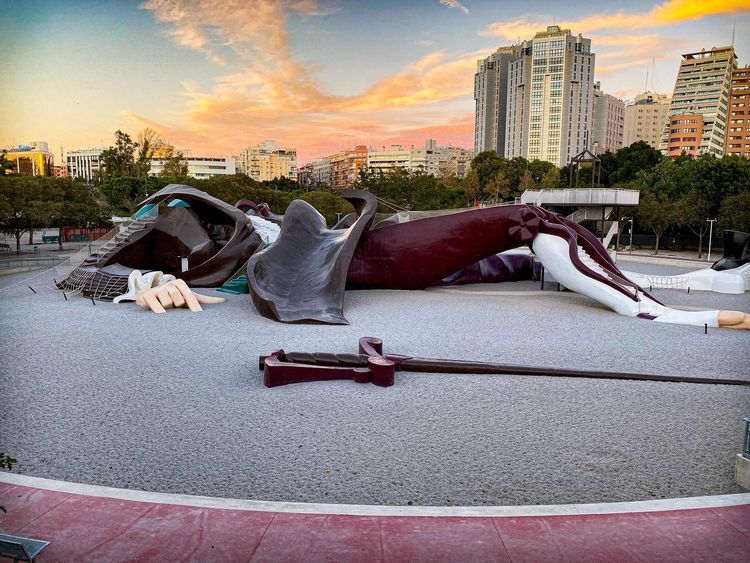
In the section of the park closest to the centre, Gulliver Park features a giant 70-metre-long reclining Gulliver, pinned to the ground by Lilliputian ropes, which children climb, slide down and explore like an inverted, human-scale playground.
Shade is scarce here in the middle of the day in summer: opt for late afternoon.
On Foot or by Bike Along the Nine Kilometres of Gardens
The park crosses the city from west to east, from the former riverbed to the City of Arts and Sciences, passing through sports fields, olive groves, fountains and cycle lanes separated from traffic. Allow around two and a half hours to cover it in full by bike, including stops, or a full day on foot if you alternate walking with breaks in the shade of umbrella pines. In July and August, several sections of the park host open-air cinema screenings and free evening concerts — an affordable way to end the day once the heat has subsided.
The Valencia audio-guided tour follows part of this path and recounts, audio by audio, how the city wrested these nine kilometres from an urban motorway project. At the western end of the park, the Valencia Botanic Garden, managed by the university since 1802, brings together more than 4,500 plant species, including a canopy of century-old fig trees that contrasts with the more mineral feel of the rest of the route.
6. The Albufera Natural Park
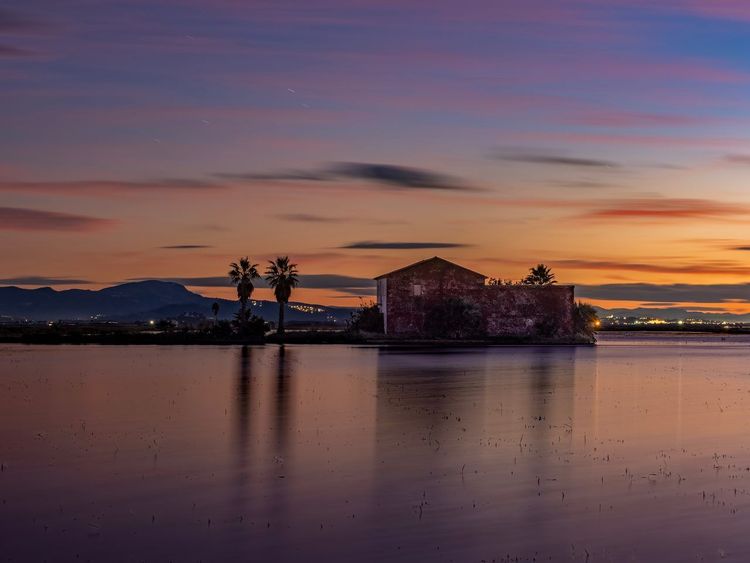
About twenty minutes by car or bus south of Valencia, the Albufera Natural Park protects Spain's largest freshwater lagoon, surrounded by rice paddies where the rice used in traditional paella valenciana is grown. The park covers more than 21,000 hectares, a large portion of which is classified as a nature reserve where motorised traffic is prohibited.
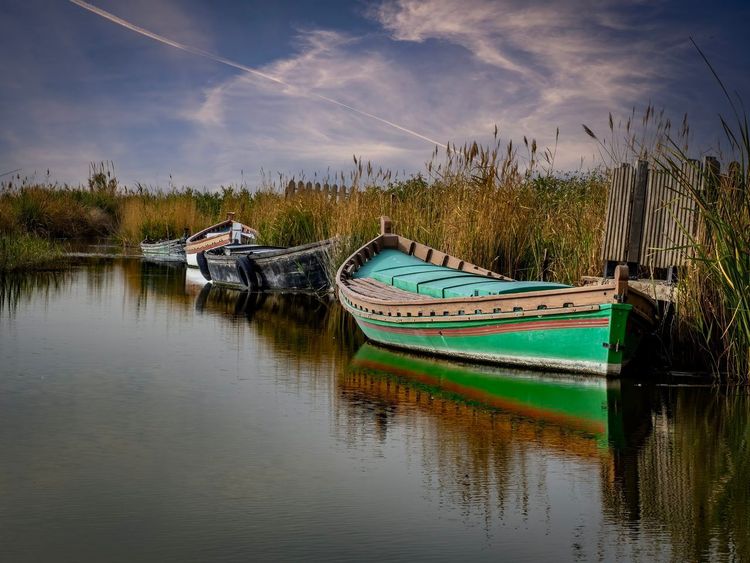
The experience that truly sets the Albufera apart from a simple nature outing is the traditional boat ride known as an albuferenc, at sunset. The flat-bottomed boats, punted by boatmen whose families have practised this trade for generations, glide silently across the water while the sky turns orange then pink above the rice fields. A tip from the Ryo team: choose a boatman who speaks French or English if you want to understand the explanations about the lagoon's ecosystem — not all of them offer multilingual commentary.
More than 350 bird species visit the lagoon throughout the seasons, including flamingos visible mainly between autumn and spring from the hides set up along the footpaths. Rice farming, introduced by the Moors in the 8th century, still shapes the landscape: the paddies are flooded in May and harvested at the end of September — a period when the lagoon takes on a particularly photogenic golden hue.
The village of El Palmar, in the heart of the lagoon, is home to the best restaurants for enjoying wood-fired paella, in former fishermen's houses converted into family dining rooms. Plan to have dinner there after your boat ride rather than heading straight back to Valencia — the combination of the two is well worth the extra twenty minutes of driving.
7. Valencia's Beaches and Waterfront
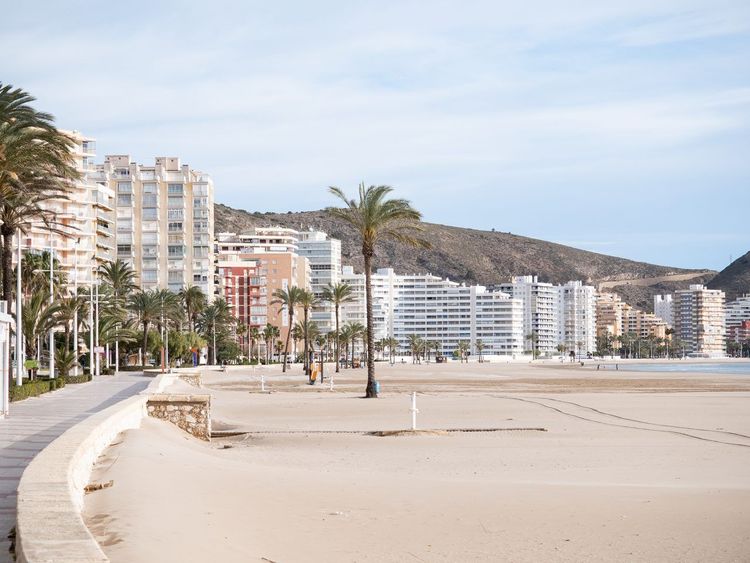
Valencia has the rare advantage of being a major cultural city with several kilometres of sandy beaches within tram distance — an asset few Spanish regional capitals can claim.
The Marina Real Juan Carlos I and the Waterfront
Redeveloped for the America's Cup in 2007 and then for the F1 Grand Prix held there until 2012, the Marina Real Juan Carlos I (Carrer d'Eduardo Primo Yúfera, 46024 Valencia, rated 4.2/5 on Google based on 57 reviews) blends former industrial warehouses converted into restaurants, a sailing pontoon and buildings designed by international architects.
At the end of the day, the waterfront terraces fill with Valencians who come to run, paddleboard or simply watch the sunset over the basins — a noticeably less touristy atmosphere than the historic centre.
Malvarrosa and Las Arenas, the Central Beaches
Almost two kilometres long, Malvarrosa Beach, lined by a palm-tree promenade and the El Cabanyal fishing district, remains the most popular beach among both locals and visitors. It extends directly into Las Arenas Beach, more urban in character, dominated by 1960s hotels and a row of paella restaurants with their feet in the sand.
The tram (lines 4 or 6) serves both beaches in about twenty minutes from the centre, with no need to hire a car.
Patacona, Pinedo and El Saler, the Quieter Beaches
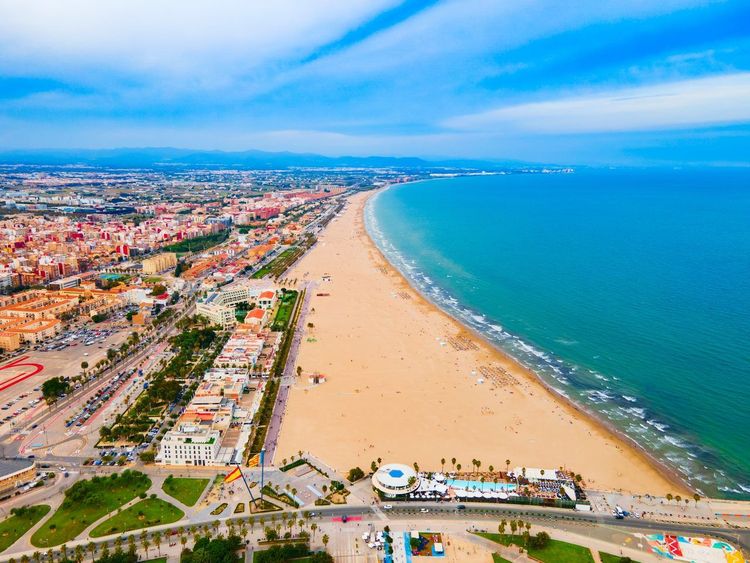
To the north, in the neighbouring municipality of Alboraya, Patacona Beach draws a younger crowd to its beach clubs and sporty atmosphere, with fewer people than Malvarrosa in peak season. To the south, heading towards the nature park, Pinedo Beach and El Saler Beach offer wider sand, preserved dunes and generally calmer water, at the cost of a slightly longer journey by public transport.
Between the Marina and Malvarrosa, the El Cabanyal neighbourhood is worth a stop before or after the beach. This former fishing village, long threatened by a road-widening project that has since been abandoned, lines up low-rise houses with façades covered in colourful ceramic tiles, a grid of streets inherited from the 19th century and a local market where lunch costs three times less than on the waterfront. Artists' studios and cafés set up in former casas de pescadores make it one of the city's most photogenic neighbourhoods today, just ten minutes' walk from the sand. These southern beaches, less well known to passing visitors, border directly onto the Albufera Natural Park described above — handy for combining a swim with a boat ride in the same day. All Valencian beaches display the European Blue Flag, a guarantee of bathing water quality monitored every season. Families with young children will prefer Las Arenas or Malvarrosa for their showers, toilets and lifeguard posts at regular intervals, from 1 June to 30 September.
8. Neighbourhoods to Live In: Ruzafa and El Carmen
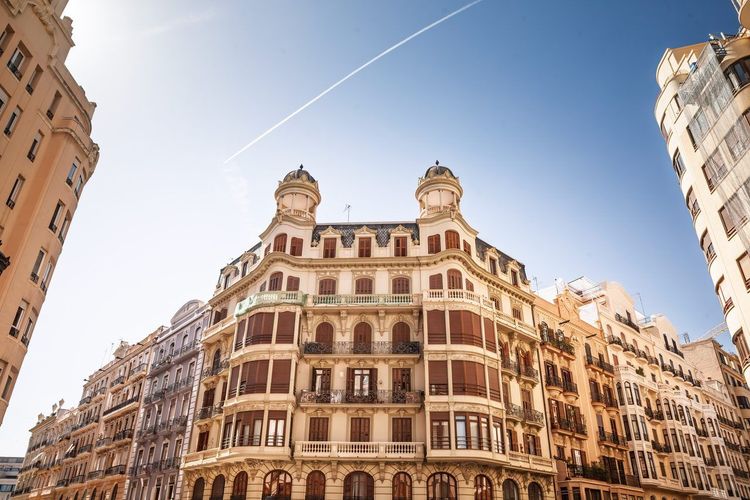
Beyond the monuments, two neighbourhoods concentrate contemporary Valencian life, each with its own identity.
Ruzafa, the Bohemian and Trendy Neighbourhood
Once an agricultural village annexed to the city in the 19th century, Ruzafa (46006 Valencia, rated 4.5/5 on Google based on 1K reviews) has transformed over the past fifteen years into one of Valencia's most sought-after neighbourhoods, driven by a scene of small restaurants, local designer boutiques and specialty cafés set up in former shops.
The Ruzafa covered market, smaller and less touristy than the Central Market, is worth a visit for a quick lunch between traditional stalls and street food counters. Every spring, the Ruzafa Fest transforms the neighbourhood's streets into an open-air stage, with temporary exhibitions, craft workshops and free concerts that attract both local residents and visitors from across the city. The neighbourhood's success has not been without tensions: rents have doubled in a decade — a gentrification phenomenon that Valencians themselves will readily comment on if you strike up a conversation at a bar.
El Carmen, Alleyways, Street Art and Nightlife
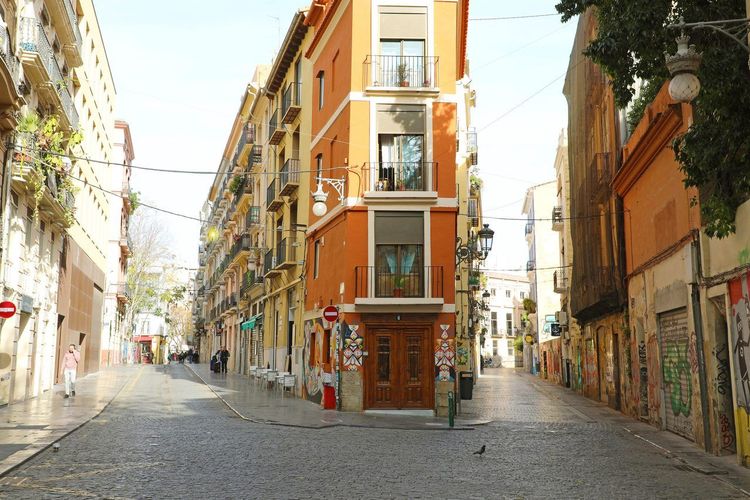
Already introduced for its medieval heritage, the Barrio del Carmen changes completely after sunset. The same Gothic alleyways then fill with wine bars, contemporary art galleries and some of the most accomplished street art murals in Spain, signed by local artists or international collectives passing through. Venues such as the Centre del Carme cultural centre host free temporary exhibitions — an alternative to the paid museums in the city centre for contemporary art lovers.
Wander deliberately through the streets around the Plaza del Tossal in the evening: that is where the highest concentration of bars can be found, and no signposted itinerary can replace the joy of discovery at random. Between Gothic heritage and contemporary creation, these two neighbourhoods together capture the cultural breadth that gives Valencia its distinctive charm.
9. Valencian Gastronomy Not to Be Missed
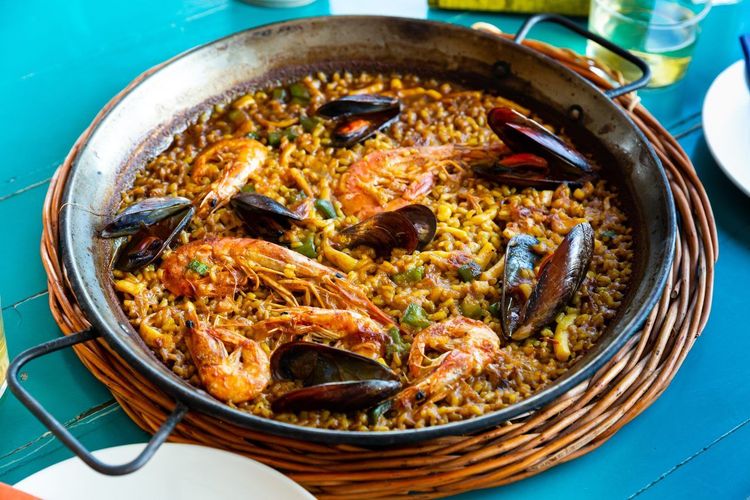
Valencia claims the paternity of paella and defends it with a passion that sometimes borders on identity politics when compared with Barcelona or Madrid, where versions deemed heretical by local purists are common.
Paella Valenciana, the City's Iconic Dish
Authentic paella valenciana — not to be confused with the seafood paella found everywhere else in Spain — is traditionally made with chicken, rabbit, flat green beans (ferraüra) and garrofón, cooked in bomba rice over a wood fire in a wide, shallow iron pan that gives the dish its name.
A traditional meal is eaten at lunch, never in the evening, and paella is generally ordered for a minimum of two people at reputable restaurants, prepared to order rather than reheated. Beware of establishments in the historic centre that display laminated photos on their terraces: the best addresses are often found a little off the beaten track, around Ruzafa or El Palmar near the Albufera.
Horchata, Fartons and Agua de Valencia

Horchata, a sweet white drink made from tiger nuts (chufa) — a tuber cultivated in the region since medieval times — is traditionally enjoyed with fartons, long, soft, sweet pastries made for dipping. The pairing of the two is a local institution going back several generations, found in every horchatería in the centre.
Another speciality to try at least once: agua de Valencia, a cocktail made from freshly squeezed orange juice, cava and gin or vodka, invented in the 1950s at a bar in the city centre and since become an institution — ordered with pleasure as an aperitif or a Sunday brunch drink.
Markets and Tapas Bars, Neighbourhood by Neighbourhood
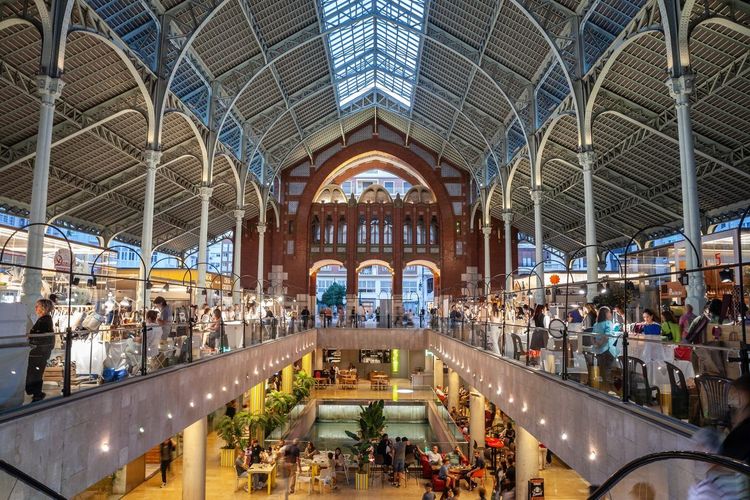
Beyond the Central Market already described, the Mercado de Colón, in a fully restored early-20th-century Modernist building, concentrates tapas bars and wine shops in a more refined — and slightly pricier — setting. For classic tapas-hopping, head to the small streets of the Barrio del Carmen in the early evening, or those of Ruzafa for a more contemporary and international scene. The Carmen neighbourhood also hosts a handful of natural wine bars — a growing scene driven by young winemakers from the region who come to present their vintages in person, a lesser-known alternative to the tourist sangria of the city centre.
Expect to pay between 3 and 6 euros per tapa at a genuine neighbourhood bar, versus double that in the most touristy areas around the cathedral. Another local habit worth adopting: the almuerzo — the hearty mid-morning snack that Valencians take around 10:30 a.m. over a bocadillo and a beer, served at almost every neighbourhood bar for less than 6 euros. It is probably the best value-for-money option in local gastronomy, and the moment when you are most likely to hear Valencian being spoken around the counter. The Valencia audio-guided tour weaves right through this same tapa-and-almuerzo territory, easy to pause for a bite along the way.
10. The Bioparc and Unusual Family Activities
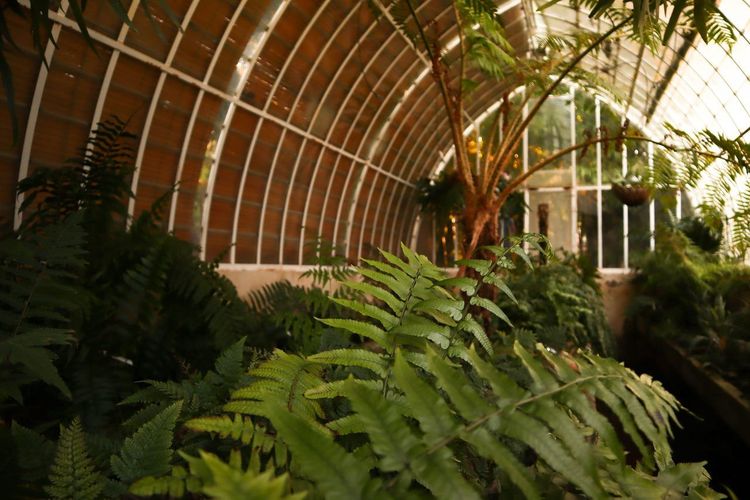
Beyond the museums and beaches, Valencia offers several activities that go beyond the standard circuit, particularly well suited to families and groups.
Bioparc Valencia, an African Savanna Immersion
Unlike a traditional zoo, Bioparc Valencia (Av. Pío Baroja 3, 46015 Valencia, rated 4.6/5 on Google based on 60,169 reviews) was designed around the concept of zoo-immersion: no visible barriers separate visitors from the animals; instead, ditches, waterways and dense vegetation faithfully recreate African savanna landscapes. Lions, giraffes, hippos and gorillas roam shared enclosures designed as genuine ecosystems.
Allow a full half-day, more if you are visiting with young children who will want to linger at every enclosure. The narrated feeding sessions, posted at the entrance, are worth organising your visit around.
Mestalla Stadium, a Free Walking Tour and a Boat Ride
For football fans, Mestalla Stadium, the historic home of Valencia CF since 1923, can be visited on non-match days with access to the dressing rooms, the players' tunnel and the club museum.
Another option for seeing the city differently: free walking tours, free to join on reservation and tipped at the end, offered in French or English several times a day departing from the Plaza de la Reina, or an electric boat ride without a licence on the Marina Real — an unusual way to see the waterfront from the water. If you prefer to go at your own pace without depending on a set departure time, the Ryo audio-guided tour of Valencia covers the same points of interest in the historic centre and pauses whenever you sit down on a terrace. The city also organises street and music festivals throughout the year, particularly in the Turia Gardens during summer, which are worth checking against the local events calendar before finalising your travel dates.
11. Day Trips from Valencia: Xàtiva, Chulilla and the Surrounding Nature
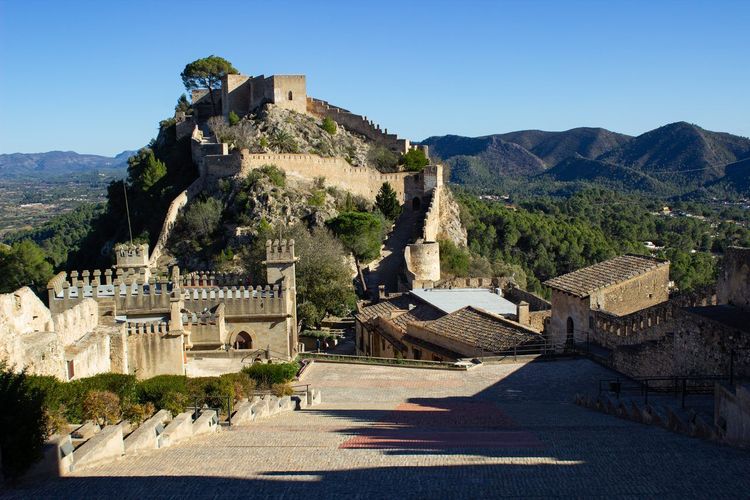
What to do around Valencia, Spain when you have an extra day or two? The region is full of natural and historical sites less than two hours away by road, largely overlooked by rushed visitors who stay only in the city centre.
Xàtiva Castle, a Panorama Over the Region
An hour by train from Valencia, the town of Xàtiva is home to one of the most impressive castles in the Valencian Community, perched on a rocky ridge overlooking the entire surrounding plain. The site, occupied since Iberian times and fortified successively by Visigoths, Muslims and Christians, stretches for nearly a kilometre of ramparts between two distinct fortresses.
The town of Xàtiva itself, birthplace of the Borgia popes, is worth an hour or two of wandering before catching the train back, with its collegiate church and Gothic fountains.
Chulilla, Pou Clar and the Cañón Rojo, Nature Less Than 2 Hours Away
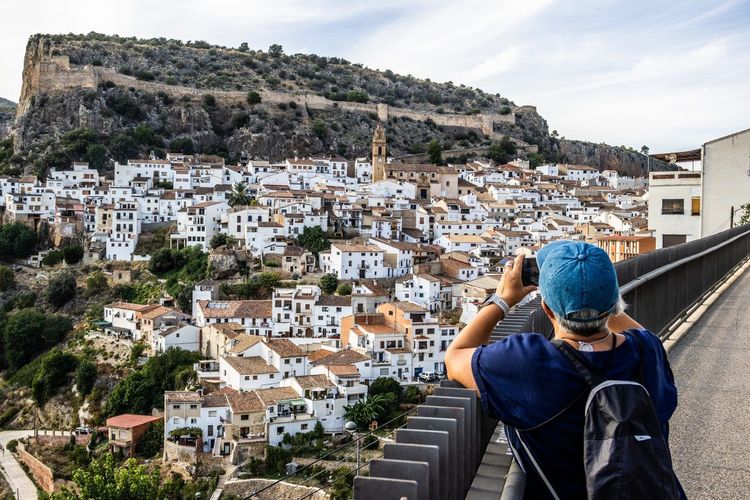
A little over an hour's drive inland, the village of Chulilla, clinging to a gorge of the Turia river, has become in recent years one of the region's most popular climbing and hiking spots, with suspension bridges hanging dozens of metres above the river.
Further south, near Ontinyent, Pou Clar offers a series of turquoise rock pools carved into limestone, ideal for swimming in summer, reached via a shaded path that follows the waterway for about 2 kilometres.
Even less well known, the Cañón Rojo (46320 Sinarcas, Valencia, rated 4.8/5 on Google based on 214 reviews) — a geological formation of red sandstone sculpted by erosion near Sinarcas — offers an almost Martian landscape to explore in one to two hours of easy walking, with no particular technical skill required.
These excursions are difficult to combine in a single day from Valencia: it is better to hire a car for the day and choose one or two destinations according to your interests, rather than trying to tick everything off at the cost of long hours on the road. Without a car, only Xàtiva remains easily accessible by direct train from Valencia's North Station, with a departure roughly every thirty minutes. For Chulilla, Pou Clar or the Cañón Rojo, hiring a vehicle is the simplest solution: expect to pay between 25 and 40 euros per day outside peak season. Several local agencies also offer organised day trips to these sites departing from Valencia — an option worth considering if you would rather not drive yourself on the narrow mountain roads leading to Chulilla. Opt for spring or early autumn for these outings: swimming at Pou Clar becomes uncomfortable once temperatures exceed 35 degrees, which is common in July and August inland.
12. Where to Stay in Valencia by Travel Style
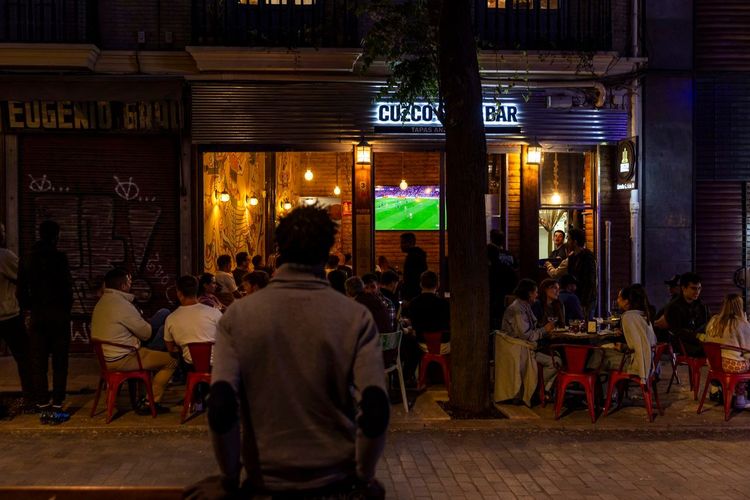
The choice of neighbourhood completely changes the experience of a stay, far more so than in Barcelona or Madrid where distances are more similar.
For Families, near the City of Arts and Sciences
The neighbourhood surrounding the City of Arts and Sciences combines recently built hotels with pools, immediate proximity to the aquarium and direct access to the Turia Gardens for letting children burn off energy before bedtime. It is also the best-served area for reaching the beaches by tram without changing lines.
For Couples, in the Historic Centre
Staying in the Barrio del Carmen or right next to the cathedral puts all the major monuments within walking distance, in a setting of cobbled streets and small squares that naturally lend themselves to evening strolls. Accommodation here is often found in renovated historic buildings — fewer large standardised hotels, but considerably more charm.
For Groups of Friends, in Ruzafa
For a group wanting to move between bars, restaurants and nightlife without relying on public transport, Ruzafa has the best selection of shared apartments and young-adult hostels, fifteen minutes' walk from the historic centre and directly convenient for Joaquín Sorolla station for train excursions.
Expect to pay an average of 90 to 130 euros per night for a mid-range hotel in the city centre during high season (June to September), compared to 60 to 90 euros in Ruzafa or slightly more peripheral neighbourhoods. Book at least two months in advance if your stay falls during the March Fallas, a period when prices can double despite an already plentiful supply of accommodation. Whichever neighbourhood you choose, the city centre remains compact enough to reach any point of interest in less than thirty minutes on foot or ten minutes by tram.
13. Getting Around Valencia
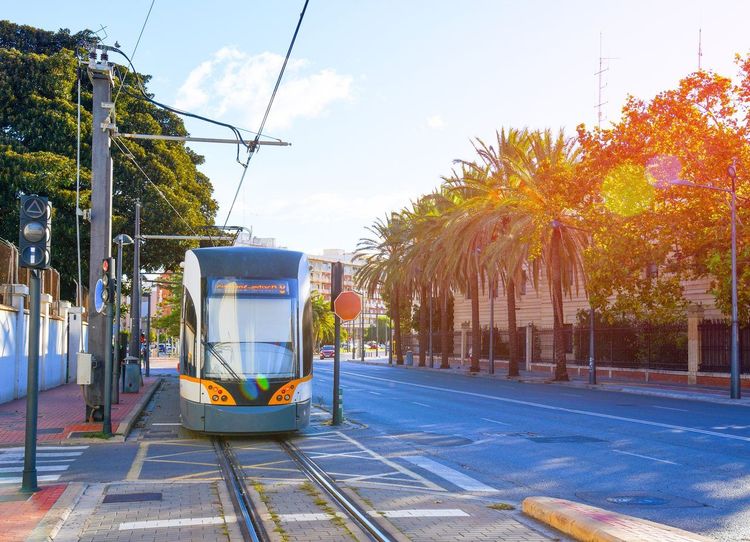
Valencia is easy to explore without a car — an advantage worth keeping in mind when planning your stay.
Metro, Bus and Tram
Valencia's metro and tram network (Metrovalencia) has 10 lines serving the main tourist neighbourhoods, the airport and the beaches in less than 30 minutes from the centre. A single ticket costs around 1.50 euros, but the rechargeable SUMA10 card works out significantly cheaper from three or more journeys. The urban bus network, EMT, effectively covers areas less well served by the metro, particularly some residential pockets around Ruzafa and El Carmen.
Bike, Electric Scooter and Valencia Tourist Card
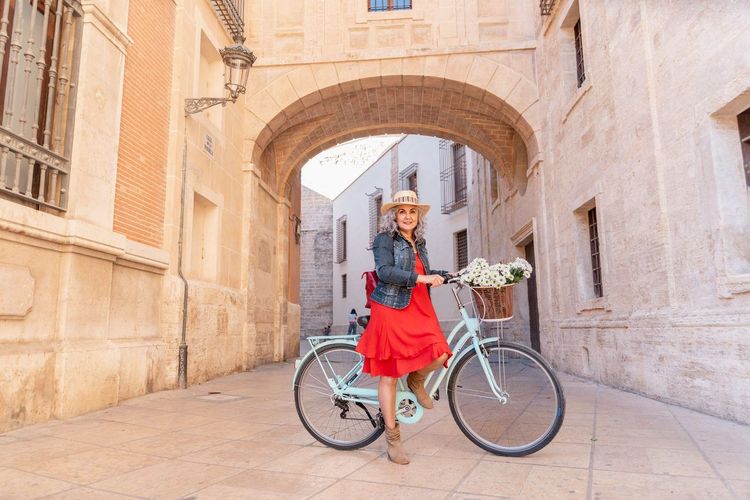
Valencia is one of Spain's flattest and best-equipped cities for separated cycle lanes, which explains the success of the Valenbisi bike-share service, with more than 275 stations spread across the city. Several free-floating electric scooter apps complement the offer for shorter trips.
The Valencia Tourist Card, available for 24, 48 or 72 hours, combines unlimited public transport with discounts on a selection of museums and monuments — worth calculating if you plan to visit several paid sites in a short time. On foot, the majority of sites in the historic centre are less than twenty minutes' walk from one another, making a car largely unnecessary for anyone staying in the city. Ride-hailing apps such as Uber and Cabify work normally in Valencia and remain useful late at night or for reaching the airport with luggage.
14. When to Go: the Fallas and Year-Round Events
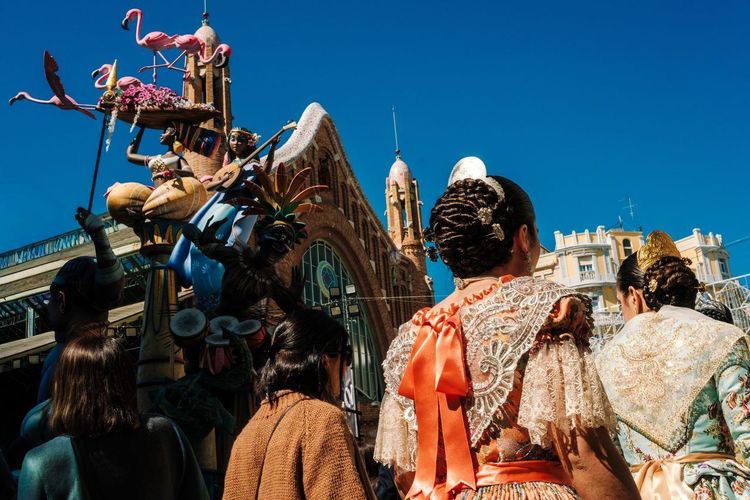
No discussion of Valencia would be complete without mentioning the Fallas, the city's most spectacular festival, celebrated every year from 15 to 19 March. For five days, hundreds of giant sculptures made from papier-mâché and polystyrene — often satirical and sometimes several storeys tall — take over the streets and squares before being burned in a single night, the famous cremà, to the uninterrupted sound of firecrackers and the daily mascletà.
If your travel dates do not coincide with the Fallas, Valencia maintains a packed events calendar throughout the year: the Feria de Julio in summer, with flower battles and fireworks, as well as various music festivals in the Turia Gardens between June and September. Check the city's official events diary before finalising your dates if a particular event interests you.
On the weather side, April–May and September–October offer the best balance between bearable heat and reasonable crowds. July and August regularly exceed 32 degrees during the day — heat that pushes most visitors to the beaches rather than museums between noon and 5 p.m. Winter remains an underrated option: temperatures rarely drop below 10 degrees at night but stay mild during the day, and accommodation prices fall sharply compared to high season.
15. How Many Days to Plan: Itineraries from 1 to 7 Days
The question comes up every time someone plans a trip: is visiting Valencia, Spain in 1 day enough, or should you plan for more?
Valencia in 1 or 2 Days: the Essentials
To visit Valencia, Spain in 1 day, focus on the historic centre in the morning (cathedral, Lonja de la Seda, Central Market) and the City of Arts and Sciences in the afternoon, finishing with dinner in Ruzafa. It is a tight but achievable format if you are on a stopover or a quick city break.
With two days, add a morning at Malvarrosa or Las Arenas beach and an evening in the Barrio del Carmen, spreading the visiting time more evenly to avoid a race against the clock. Our Ryo article Visiting Valencia in 2 Days details this itinerary hour by hour, including travel times between each stop.
Valencia in 4 to 7 Days: a Relaxed Pace and Day Trips
From four days onwards, the pace changes completely: you can fit in a sunset trip to the Albufera, a morning at the Bioparc and a half-day at the art museums without sacrificing the terrace breaks that are also part of the Valencian experience. Visiting Valencia, Spain in 5 days — a mid-length format that is actually quite popular — allows you to cover the unmissable highlights of the centre, a beach day, the Albufera and a half-day trip to Xàtiva without compromise, while keeping a free evening in Ruzafa. It is probably the format that offers the best balance between a packed programme and time to rest.
Over seven days, add one or two further-flung excursions — Xàtiva or Chulilla, for example — and leave yourself at least one day without a fixed itinerary to explore Ruzafa or the southern beaches at your own pace. For a complete three-day breakdown that can also serve as a foundation for a longer stay, our Ryo article Visiting Valencia in 3 Days offers a tried-and-tested itinerary, neighbourhood by neighbourhood.
In summary: two days are enough to tick off the essentials, four days give you room to breathe, and seven days leave space for day trips and improvisation — which, fittingly, matches the relaxed temperament of the city itself.
FAQ
How many days do you need to visit Valencia, Spain?
Two days are enough to see the highlights of the historic centre and the City of Arts and Sciences. To add the beaches, the Albufera and a day trip, plan for four to five days, and up to seven days if you want to include Xàtiva or Chulilla without rushing.
What is the best neighbourhood to stay in Valencia?
It depends on your travel style: the historic centre and the Barrio del Carmen for a romantic stay within walking distance of the monuments, the area around the City of Arts and Sciences for families, and Ruzafa for a trip with friends with nightlife right on your doorstep.
How do you get around Valencia without a car?
The Metrovalencia network (metro and tram) and EMT buses cover the main areas of the city, from the beaches to the airport. For short trips, the Valenbisi bike-share service remains a practical and affordable option in a city that is particularly flat and cycle-friendly.
When is the best time to visit Valencia to avoid crowds and heat?
April–May and September–October offer the best compromise between pleasant temperatures and moderate crowds. July–August regularly exceed 32 degrees, while March draws crowds for the Fallas — a magnificent period but noticeably busier and more expensive for accommodation.
What should you absolutely eat in Valencia?
Traditional paella valenciana, made with chicken and rabbit rather than seafood, is the must-try dish, ideally enjoyed at lunch. Round it out with a horchata accompanied by fartons, an agua de Valencia as an aperitif, and a round of tapas in Ruzafa or the Barrio del Carmen.
What can you do around Valencia in a day?
The Albufera Natural Park, twenty minutes from the centre, is perfect for a day trip — combining a boat ride at sunset with a paella lunch in El Palmar. For a more nature-focused outing, Chulilla and its suspension bridges can be reached in just over an hour by road.
Is Valencia, Spain worth visiting compared to Barcelona or Madrid?
Valencia offers a comparable density of heritage, gastronomy and beaches to both major capitals, with a smaller size, fewer crowds and a noticeably lower cost of living. It is also the only one of the three to combine a complete Gothic historic centre with direct tram access to the sea.
Valencia, a City as Worth Telling as It Is Worth Visiting
Between Gothic monuments, futuristic architecture, beaches and excursions into the hinterland, Valencia, Spain brings together enough different facets to justify a stay of several days rather than a simple stopover between Barcelona and Madrid. The city lends itself equally well to a culture-focused city break packed into three days or a longer stay blending beach time and nature outings to the Albufera or Chulilla.
To plan your route in detail, neighbourhood by neighbourhood and hour by hour, the Ryo team has documented several complete itineraries for Valencia — from the two-day express format to the three-day in-depth stay — available directly in our dedicated articles. The Ryo audio-guided tour of Valencia remains the best starting point for your first day: 27 audio tracks, 4.7 kilometres and around two hours of narrated walking connecting the cathedral, the Miguelete, the Lonja and the Barrio del Carmen — without needing to follow a guide or check a map every five minutes. Download the Ryo app before you leave: the audio tracks play offline, which avoids burning through your roaming data allowance and lets you pause whenever a terrace or a horchatería tempts you away from the programme.