© Shutterstock
 Votre guide Ryo
Visit Valencia in 2 Days: Complete Itinerary Through the Old Town, City of Arts and Beach (2026)
There are two Valencias on the map of Europe, and the confusion is common: the prefecture of Drôme, and Valencia, Spain's third city, nestled between the Mediterranean and rice paddies. It is this second city that concerns us here. To visit Valencia in 2 days without spreading yourself too thin, it's best to embrace a full pace: the Gothic old town in the morning, avant-garde architecture the following afternoon, and the beach and lagoon as breathing space. Ryo has designed a Ryo audio-guided tour of Valencia that follows exactly this logic, neighbourhood by neighbourhood, to listen to while walking through the alleyways or along the seafront promenade.
In 48 hours, you can watch the sun set over the Albufera rice paddies, climb to the top of a Gothic bell tower for a 360-degree panorama, lose yourself in a century-old Art Nouveau covered market, and walk through an underwater tunnel where sharks and rays glide overhead in Europe's largest aquarium. Add to that nearly two kilometres of fine sand right in the city centre, a former fishermen's quarter repainted in blue and yellow, and the very region where paella valenciana was born: here is the programme, day by day, with prices and the classic mistakes to avoid.
Day 1: Diving into Valencia's Historic Centre
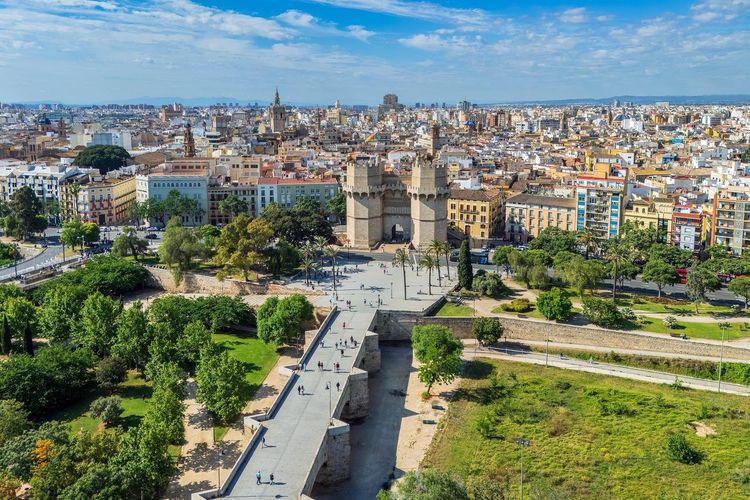
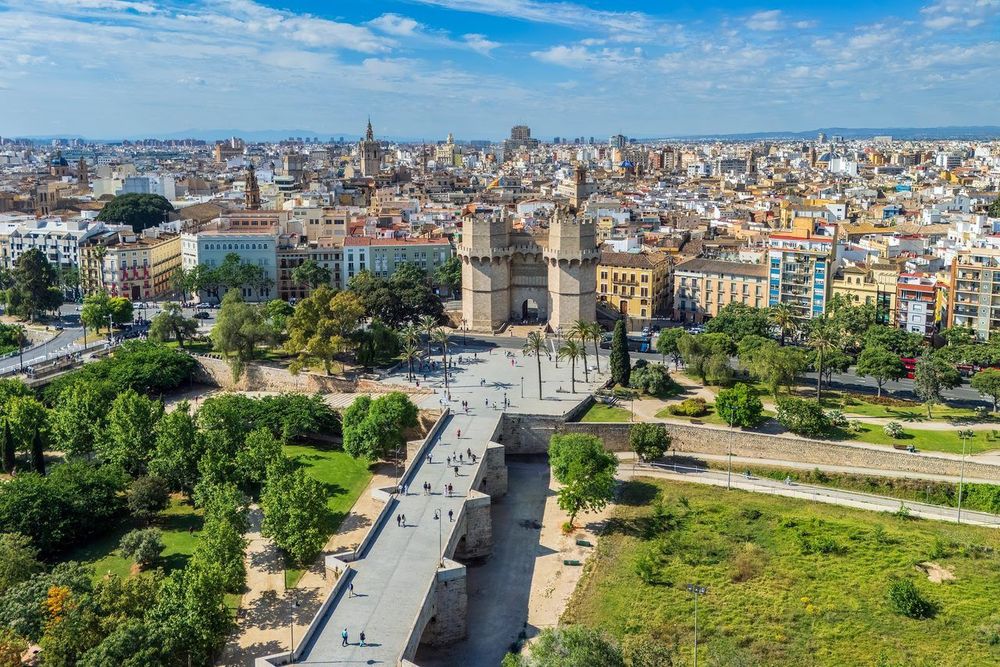
Valencia rises early in summer to escape the afternoon heat, and the historic centre lends itself perfectly to a morning exploration. Allow half a day for this first stretch, from the old town waking up to the central market, before moving on to livelier neighbourhoods late in the morning. Good news for your legs: the entire route for this first day fits within a ten-minute walking radius, between the Torres de Serranos (Pl. dels Furs s/n, 46003 València, rated 4.6/5 on Google with 50,585 reviews) to the north and the North Station to the south.
Santa Maria Cathedral and Plaza de la Virgen
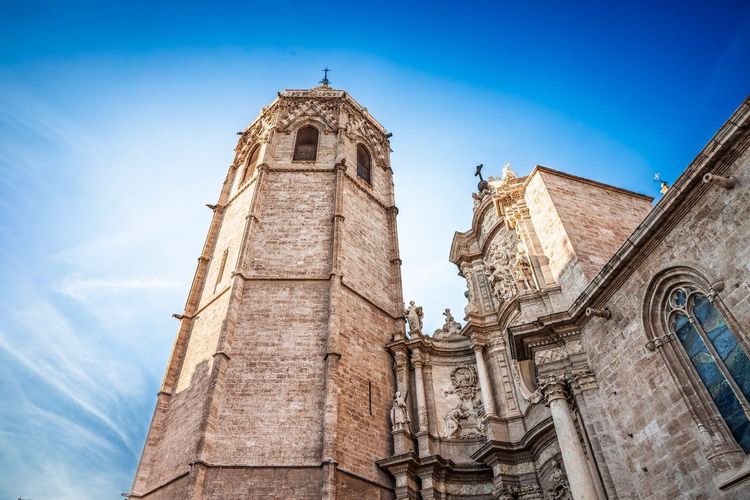
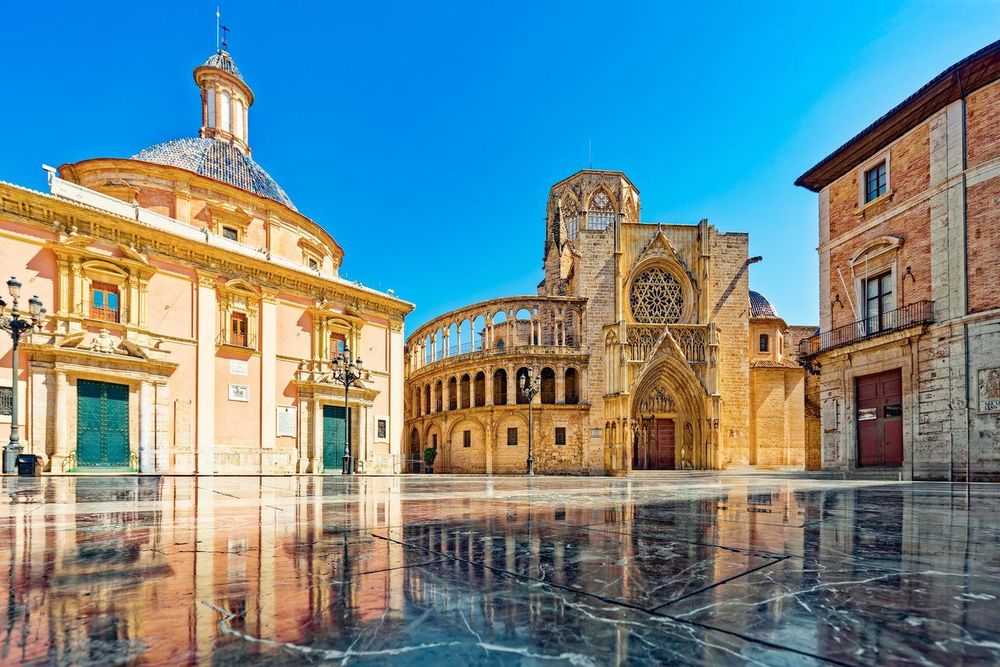
The Santa Maria Cathedral of Valencia stands on a site successively occupied by a Roman temple, a Visigothic cathedral, and a grand mosque, before James I of Aragon returned the site to Christian worship in 1238. Three religions, three archaeological layers, one single building where Gothic dominates but reveals Romanesque at the Almoina doorway, Renaissance in the chapel of the Holy Chalice, and Baroque on the main facade. A side chapel houses a chalice in agate presented as the Holy Grail by local tradition, which quietly earns Valencia a place on the map of Catholic pilgrimage sites.
Climb the Miguelete bell tower if your legs are up to it: 207 spiral steps, narrow and without a handrail near the top, for a sweeping panorama over the ochre rooftops of the historic centre and, on a clear day, all the way to the Mediterranean. Cathedral entry with audio guide costs around ten euros, the tower climb a few euros more, purchased on site with no advance booking required. A practical tip: go before 10am, as tour groups arrive mid-morning and the staircase makes passing each other quite uncomfortable.
Just in front, the Plaza de la Virgen is arranged around the Turia fountain, where a reclining stone colossus personifies the river, surrounded by eight female figures representing the eight main irrigation canals of Valencia's agricultural plain. Every Thursday at noon, in front of the cathedral's Apostles' Gate, the Water Tribunal convenes: an entirely oral jurisdiction that has been settling irrigation disputes between farmers for a thousand years, in Valencian, without lawyers or written records. UNESCO inscribed it on the Intangible Cultural Heritage of Humanity list in 2009. The session rarely lasts more than a quarter of an hour, it is free and open to the public: if your weekend falls on a Thursday, plan your morning around it — it is the kind of scene no museum can replicate.
Before moving on, push open the door of Saint Nicholas Church (Sant Nicolau), five minutes away down a lane that's easy to miss. Behind an understated Gothic facade lies a vault entirely painted with Baroque frescoes, restored over several years and brought back to light in the mid-2010s. The nickname 'Valencian Sistine Chapel' is marketing speak; the visual impact most certainly is not. Entry is paid and can be booked online or purchased on site, audio guide included, for a visit that wraps up in around thirty minutes.
La Lonja de la Seda and the Mercado Central
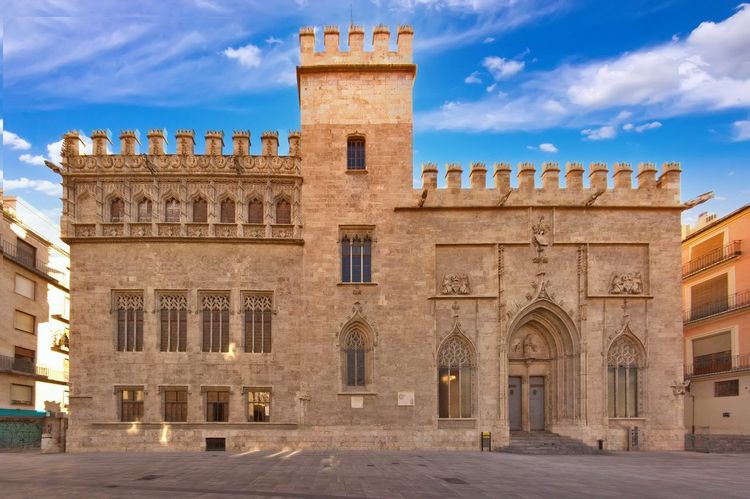
A five-minute walk away, the Lonja de la Seda (the Silk Exchange) has been a UNESCO World Heritage Site since 1996. Its twisted columns in the trading hall, standing over fifteen metres high, evoke intertwined silk ropes — an architectural nod to the building's purpose: from the 15th century onwards, one of the most precious commodities in the Mediterranean basin was traded here. Look up at the gargoyles on the facade, carved with a very medieval sense of humour that polite tour guides often gloss over. The inner courtyard planted with orange trees offers a shaded pause before moving on, and entry remains one of the cheapest in the city — just a few euros — with free admission on Sundays as in most municipal museums.
Right across the street, the Mercado Central occupies an Art Nouveau hall of iron, glass, and ceramic opened in 1928, one of the largest still in operation in Europe, with over 300 stalls spread across 8,000 m² of skylights and domes. It's worth visiting as much for the spectacle as for the food: Iberian ham sliced to order, oranges picked the day before in the surrounding huerta, a circular fish counter at the centre of the hall, tapas counters where you can grab a coffee with a pincho standing up, amid the noise and colour. Watch out for a scheduling pitfall: the market closes early in the afternoon and does not open on Sundays. Plan to spend at least 45 minutes there, ideally before noon when the crowds are still manageable.
Wandering Through the El Carmen Neighbourhood
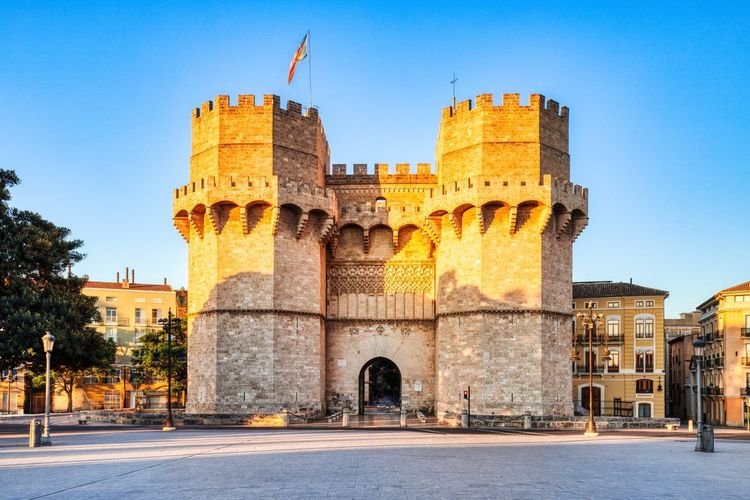
El Carmen, the medieval neighbourhood wrapping around the old town to the north-west, is best discovered without a fixed itinerary: narrow lanes, deliberately untouched crumbling facades, and one of the highest concentrations of street art in Spain. The Torres de Serranos, built in the late 14th century, are one of two fortified gateways still standing from the old city walls; climb to their terraces for a few euros, with a bird's-eye view over the Turia riverbed on one side and the rooftops of the centre on the other. Their twin, the Torres de Quart, still bear cannonball marks from the Napoleonic occupation, visible to the naked eye from the street.
This is also where you'll find the best spots for a quick lunch between sightseeing: tapas bars packed tightly together, terraces on tiny cobbled squares, traditional Valencian ceramic workshops (the famous blue and yellow azulejos) tucked inside former patios. Make a detour to the Plaza Redonda, a perfectly circular little square lined with haberdasheries and lace shops, long nicknamed 'el clot' (the hole) by Valencians. An hour of aimless wandering is usually enough to understand why this neighbourhood draws so many visitors back year after year.
If you prefer a morning with a guiding thread rather than a random stroll, the Ryo audio-guided tour links the Central Market and Plaza Redonda in the logical walking order and along the way tells you what the facades don't: why the city walls disappeared in 1865, what the silk guilds actually did, and how El Carmen went from a neglected working-class neighbourhood to an artistic laboratory.
A Green Break in the Turia Gardens
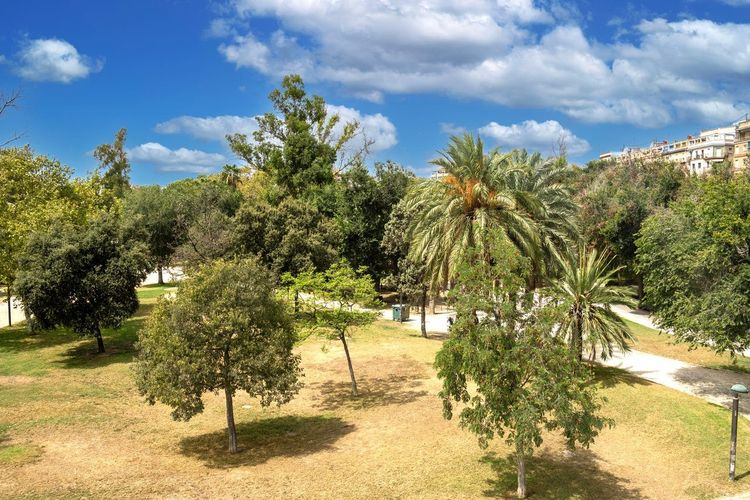
After the density of the historic centre, head to the Jardín del Turia, a nine-kilometre linear park occupying the former bed of the Turia river. Following the catastrophic flood of October 1957, which had submerged much of the city and claimed dozens of lives, the authorities took the radical decision to divert the river to the south of the urban area and transform its former bed into a green lung rather than an urban motorway, as the original plan had envisaged. The result, opened progressively from the 1980s onwards, now connects eighteen historic bridges and crosses the city from west to east all the way to the City of Arts and Sciences.
The park can be explored on foot, by running, or by bike, in the shade of rows of palm trees and stone pines. The Valenbisi bike-sharing network has stations every 300 metres or so along the route, and the short-term subscription of a few euros easily covers a weekend: it is the most efficient option for covering ground without tiring your legs before day two. Take note of the succession of bridges along the way, which in itself summarises eight centuries of Valencian architecture: the Gothic Trinity Bridge, the oldest still standing; the Flower Bridge with its planted troughs refreshed several times a year; then the white cable-stayed Assut de l'Or bridge, designed by Calatrava, whose tilted pylon is the highest point in the city.
Near the Aragón Bridge you'll find the Parque Gulliver, a giant playground in the shape of a reclining Gulliver statue that children climb, slide down, and explore like a full-scale adventure ground. Entry is free, shade is scarce: avoid the 1pm–4pm slot in summer. Even without children, the detour is worth it for the sheer scale of the sculpture, whose hair and fabric folds form a series of slides.
At the end of the afternoon, wind down this first day at a relaxed pace. Two options depending on your remaining energy: a drink on a terrace in the Ruzafa neighbourhood, a short walk from the North Station, where bars fill up from 7pm in an atmosphere that is far more local than touristy; or a detour via the Mercado de Colón (Carrer de Jorge Juan 19, 46004 València, rated 4.5/5 on Google with 47,447 reviews), a former Modernist market hall from 1916 converted into a gallery of bars and restaurants, where you can sip a horchata beneath a listed iron roof structure. Either way, dinner in Spain rarely begins before 9pm — best to adjust your rhythm from the very first evening.
Day 2: the City of Arts and Sciences, a Futuristic Masterpiece
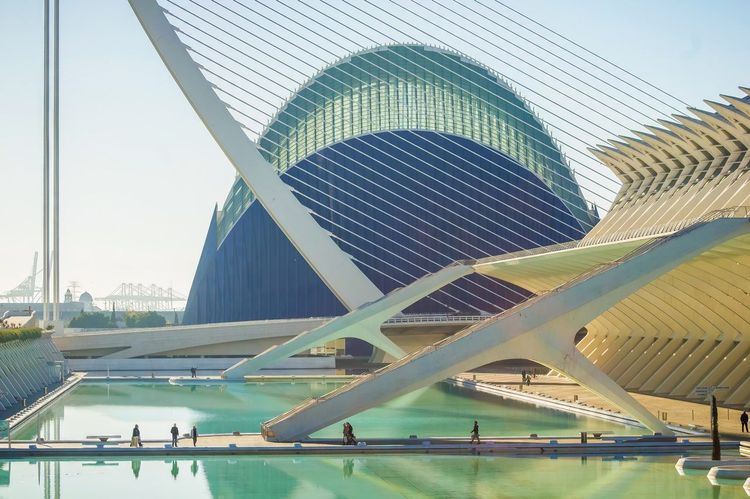
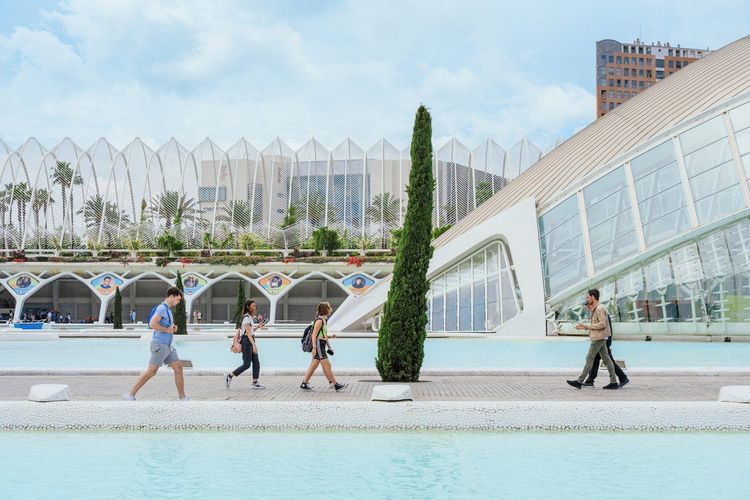
Designed by Valencian architect Santiago Calatrava and completed in stages between 1998 and 2005, the City of Arts and Sciences complex occupies the eastern end of the Turia gardens. Its white curves, reflective pools, and structures that seem to float have made Valencia a reference in contemporary architecture well beyond Spain. A useful note for planning your morning: the site is vast — about two kilometres from the first to the last building — and is navigated outdoors. Walking between the buildings is free; only the interiors (aquarium, museum, planetarium) are ticketed.
The Hemisfèric and the Palau de les Arts Reina Sofía
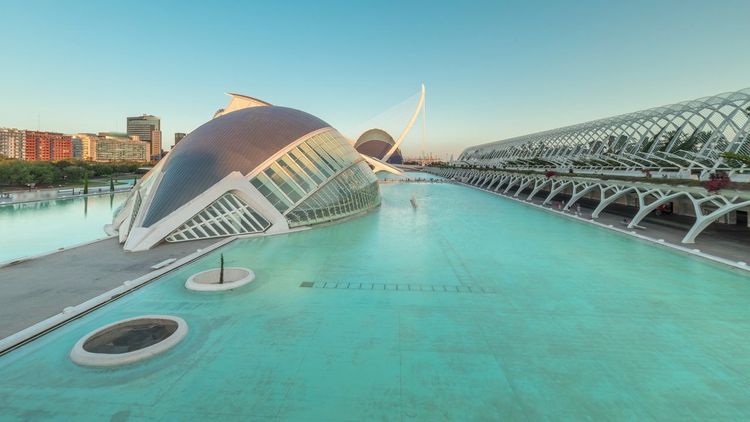
The Hemisfèric, the first building in the complex to be completed in 1998, is shaped like a giant eye resting on a mirror pool: the analogy is intentional, as it houses a hemispherical screen cinema and a planetarium beneath its dome. The pool surrounding it visually doubles the structure at sunrise and sunset, one of the most photogenic moments on the entire site. Sessions last around 45 minutes and should be booked in advance during high season.
A little further on, the Palau de les Arts Reina Sofía raises its feather- or helmet-shaped roof, stretching some 230 metres in length and rising 70 metres high. This is the city's opera house, with four distinct halls housed beneath a single metallic shell. Even without a show ticket, the exterior is worth walking around to grasp the scale of the building, which is hard to appreciate in a single photograph. Guided interior tours are offered on certain days, bookable directly through the venue.
The Science Museum, the Umbracle and the Ágora
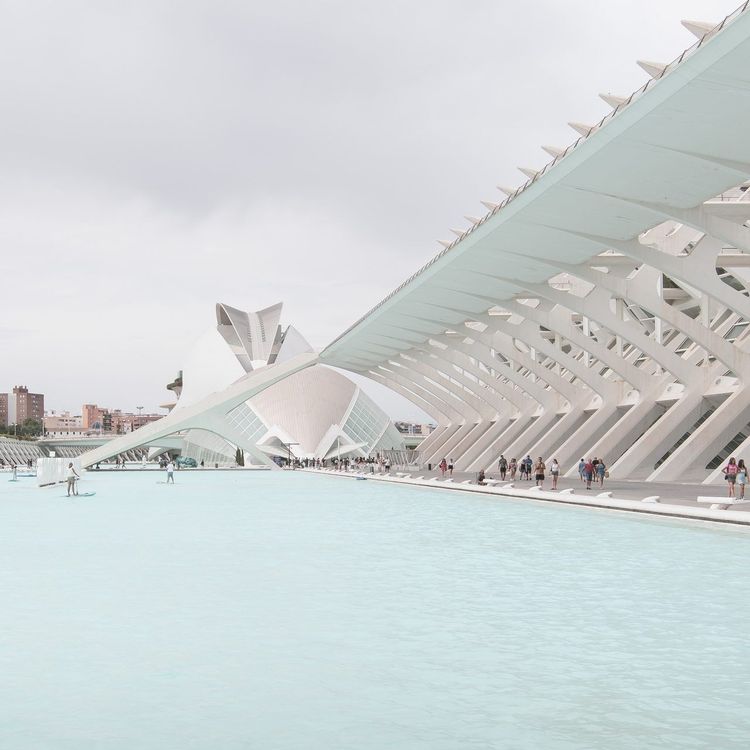
The Museu de les Ciències Príncipe Felipe stretches its whale-skeleton silhouette across nearly 40,000 m². Its motto sums up the spirit of the place: it is 'forbidden not to touch' here. Hands-on physics experiments, a Foucault pendulum, exhibitions on climate and the human body: this is the best stop if you're travelling with children and the queue for the aquarium puts you off. Allow two hours for a decent visit, more with curious under-twelves.
Just next door, the Umbracle is the complex's pleasant free surprise: a covered walkway stretching over 300 metres, punctuated by a row of white arches and planted with palm trees, bougainvillea, and Mediterranean species. Its terrace offers the best panoramic shots of the whole site, with the pools in the foreground. The Ágora, the blue tapered hull-shaped structure closing off the complex, has hosted a cultural centre with temporary exhibitions since 2022. If the weather turns or the heat becomes oppressive, it makes a smart retreat less than five minutes' walk away.
The Oceanogràfic, Europe's Largest Aquarium
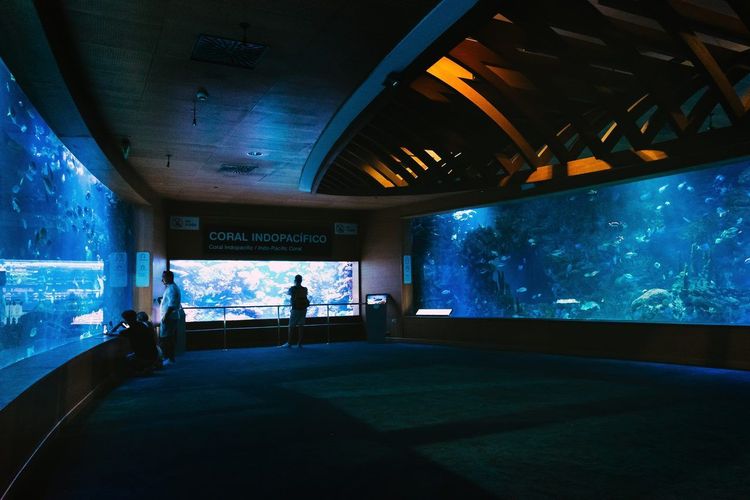
Designed by architect Félix Candela, the Oceanogràfic covers 110,000 m² and recreates around ten marine ecosystems, from Arctic seas to tropical mangroves, housing tens of thousands of animals. You'll encounter belugas, dolphins swimming in a vast open-air dolphinarium, penguins, and walk through a long underwater tunnel where sharks and rays pass overhead. The underwater restaurant, set beneath a dome surrounded by a tank, is a curiosity in its own right even if you don't eat there.
In high season, it is best to book your ticket online several days in advance: entry slots fill up quickly in July and August and on-site queues can exceed an hour. Expect around €43 for an adult ticket, the single biggest expense of the weekend: combined tickets sold by the tourist office (around €51) work out significantly cheaper than three separate entries — a calculation worth making at the time of booking. Allow a good half-day to visit everything without rushing, check the dolphin presentation times as soon as you arrive to plan your route around them, and bring water: there is little shade between the various pavilions in the height of summer. The Ryo audio-guided tour of Valencia devotes several listening points to this complex, with behind-the-scenes stories about the technical feat its construction represented.
Malvarrosa Beach and the El Cabañal Neighbourhood
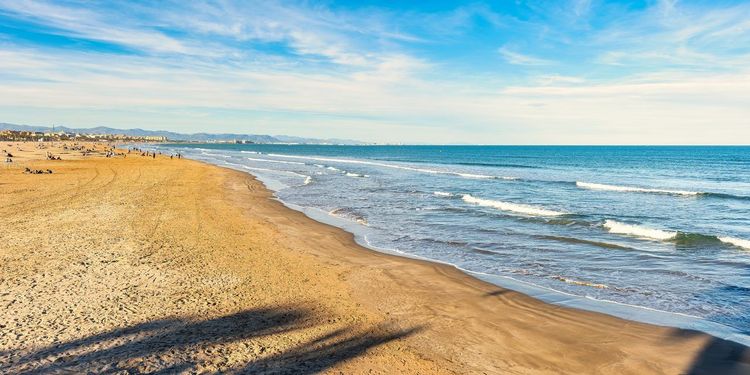
Few cities of this size in Europe offer such an accessible urban beach: around twenty minutes by tram or bus from the city centre is all it takes to go from Gothic alleyways to fine sand. This is what makes a weekend in Valencia so comfortable compared to Seville or Madrid: you can combine a museum in the morning with a swim in the afternoon without ever getting back in the car.
Malvarrosa Beach and Its Promenade
The Malvarrosa beach stretches for nearly two kilometres of golden sand and up to a hundred metres in width, bordered by a palm-lined promenade where joggers and cyclists cross paths from dawn. The shallow water over a good stretch is well suited to families; water sports enthusiasts will find paddle board and catamaran rentals directly on the sand in season, and the municipal sailing school offers short outings from the neighbouring marina.
If Malvarrosa feels too crowded on a weekend in August, two alternatives are just minutes away: Las Arenas beach to the south, a direct extension lined with historic restaurants, and La Patacona to the north, technically in the neighbouring municipality of Alboraya, with a younger and more laid-back vibe at its chiringuitos. These seafront beach shacks serve grilled fish, rice dishes, and sangria until sunset. It is also the ideal spot to unwind after the intensity of the City of Arts and Sciences, before tackling the rest of the programme.
El Cabañal, the Former Fishermen's Quarter
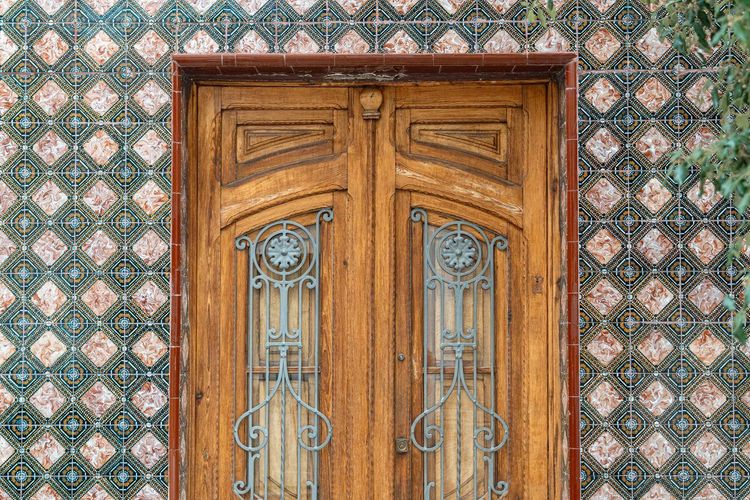
A stone's throw from the beach, El Cabañal retains the soul of a fishing village annexed by the city in the late 19th century. Its low houses clad in blue, yellow, and white azulejos tell a story of popular architecture unique in Spain, protected as a cultural heritage asset since 1993 yet long threatened by a boulevard extension project that would have cut the neighbourhood in two. The project was ultimately shelved after years of community mobilisation, and the neighbourhood is now reinventing itself around art galleries, workshops, and tapas bars set up in former fishermen's cottages.
Take the time to walk up Carrer de la Reina and then cut at random towards the sea: it is in these perpendicular streets that you'll find the most beautiful tiled facades, often next to boarded-up houses awaiting renovation — a contrast that says everything about the neighbourhood's recent history. The covered Cabanyal market, open on weekday mornings, remains one of the least touristy spots in Valencia for an almuerzo, the hearty mid-morning snack that Valencians take around 11am, typically a warm sandwich accompanied by peanuts and a small beer.
Sunset at the Albufera Natural Park
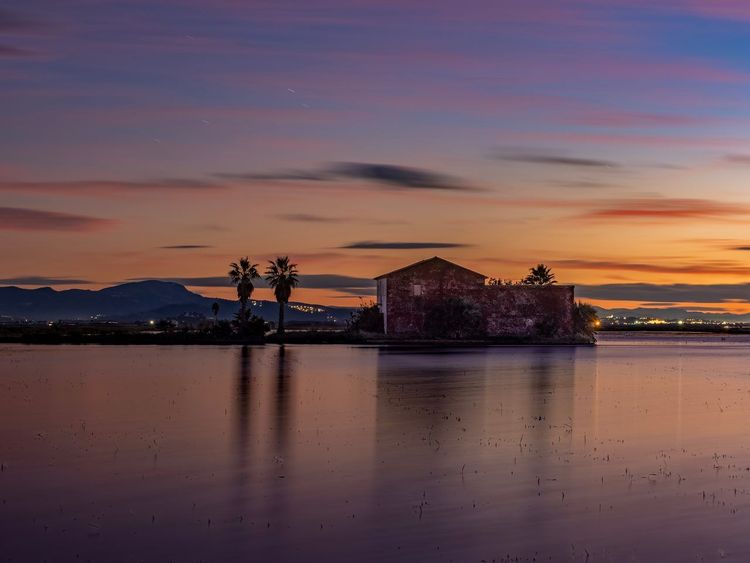
About ten kilometres south of the city centre lies the Albufera natural park, Spain's largest freshwater lagoon, surrounded by rice paddies that have supplied the city with rice since medieval times. It is precisely in this countryside that paella was born — a dish of peasants and day labourers who cooked on the spot, over a wood fire, with whatever they had to hand: rice, vegetables, rabbit, chicken, sometimes snails.
The fishing village of El Palmar, perched on the edge of the lagoon, offers traditional boat rides at dusk for a few euros per person, lasting around thirty to forty-five minutes on the water. The sun dips behind the rice paddies, reflected in the still surface of the lagoon, and the silhouettes of flat-bottomed boats glide silently through the reeds: this is arguably the most photographed moment of the entire weekend, and yet one of the least visited by rushed travellers who only see Valencia as an urban destination. The landscape changes completely with the season: a mirror of water in winter and spring when the rice fields are flooded, a sea of green in summer, ochre at harvest time in September.
The Pujol viewpoint and the Racó de l'Olla interpretation centre offer two quieter vantage points if the boats are full, with birdwatching hides: the lagoon is a major stopover for migratory birds, including herons, flamingos, and terns. A regular bus connects the city centre to the park in about thirty minutes from the south of the city, but organised excursions with transport and a boat trip included simplify logistics considerably for those with only two days to spare. Allow around two hours on site to enjoy the sunset at a relaxed pace, and check the last return time before you leave: the service becomes very infrequent in the evening.
Paella and Valencian Culinary Specialities
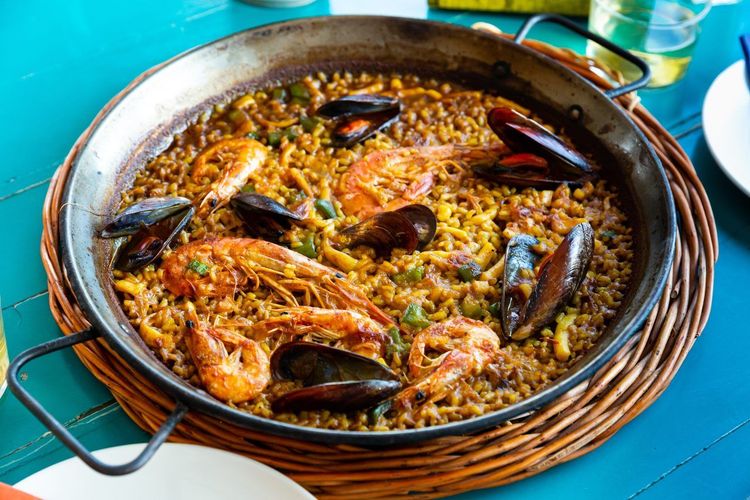
You don't visit Valencia without dedicating at least one full meal — if not two — to its gastronomy: the city proudly claims the parenthood of paella, and the word itself originally refers to the wide, flat pan used for cooking, not the dish itself. Saying 'una paella' to a Valencian therefore refers to the container as much as the contents — a subtlety that always raises a smile from waiters when a foreigner notices it.
Where to Eat the Best Paella Valenciana
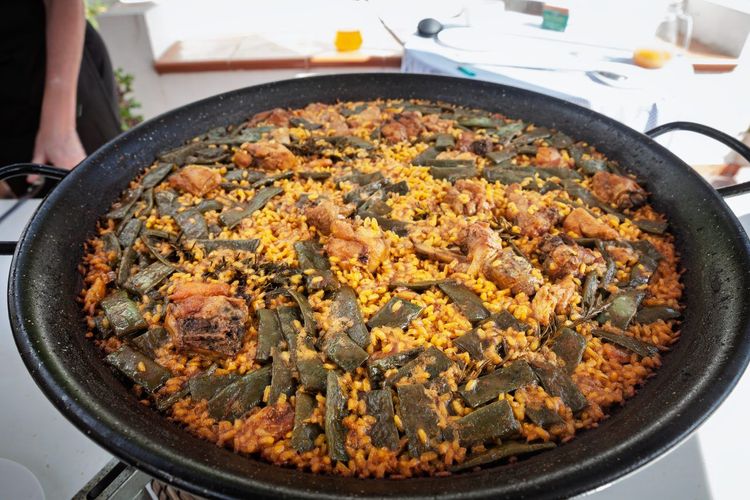
A true paella valenciana is made with rice, chicken, rabbit, flat green beans (ferradura), white beans (garrofó), tomato, saffron, and sometimes snails or duck, cooked slowly over a wood fire until the socarrat forms — that thin caramelised crust at the bottom of the pan that regulars scrape off with a spoon. Beware the common confusion with seafood paella or arroz a banda: two equally legitimate variations, but not what locals mean when they say 'paella'. A rice dish is ordered for a minimum of two people, cooked to order, and takes a good thirty minutes. If it arrives in ten, that's not a good sign.
Avoid: restaurants with laminated photo menus around the Plaza de la Virgen, where pre-cooked reheated rice mostly serves passing tour groups. La Pepica, on the seafront, has been serving traditional paella since 1898 in a dining room where Hemingway was a regular; Casa Carmela, a little further along the same avenue, still cooks over an orange wood fire in a house that opened in the 1920s. In the city centre, neighbourhood restaurants focused on lunchtime rice dishes often offer better value than the seafront; in El Palmar, on the other hand, the restaurants by the lagoon serve the most rustic version of the dish — the one that comes from its land of origin.
Paella is traditionally eaten at lunch, never in the evening: it is a hearty meal that needs time to digest before bed. Budget €18 to €25 per person at a good restaurant, and book ahead, especially at weekends and particularly on Sunday, the family meal day when dining rooms fill up from 2pm.
Horchata, Fartons, and Other Local Treats to Try
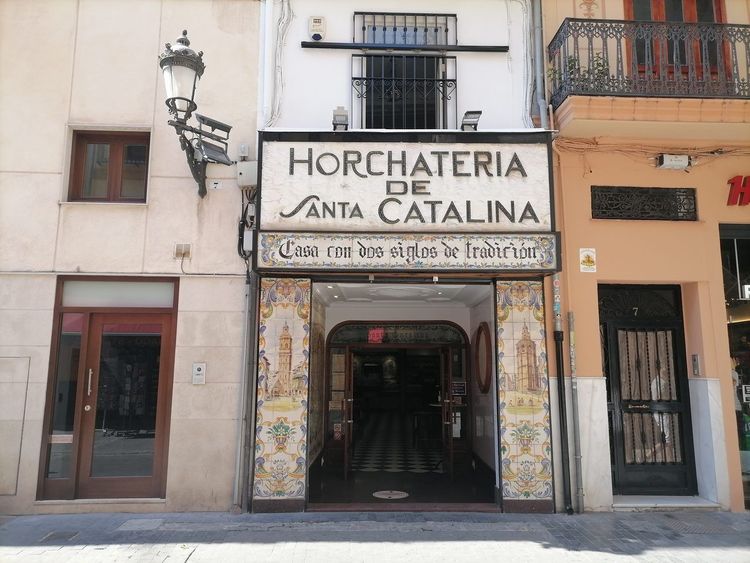
Horchata, a white, sweet drink made from tiger nuts (chufa) — a tuber grown in the huerta north of the city since Moorish times — is best enjoyed ice cold, paired with fartons, those light elongated pastries made to be dipped directly into the glass. The Horchatería de Santa Catalina (Plaça de Santa Caterina 6, 46001 València, rated 4.2/5 on Google with 12,280 reviews), open since 1836 near the central market, remains the reference for experiencing this tradition in a period setting complete with azulejos and woodwork. Purists take the tram to Alboraya, the birthplace of chufa, where family-run horchaterías press their own produce just metres from the fields.
On the savoury side, don't leave without trying esgarraet (roasted peppers and shredded salt cod) as an aperitif tapa, la titaina del Cabanyal (tuna, peppers, and pine nuts — a sailors' dish), or all i pebre, an eel stew typical of the Albufera shores, rarer but representative of local cooking beyond rice. For an aperitif, ask for an agua de Valencia: cava, orange juice, vodka, and gin, invented in a bar in the centre in the late 1950s. It is served by the jug, goes down very easily, and explains a fair few difficult Sunday mornings.
Where to Stay in Valencia: the Best Neighbourhoods
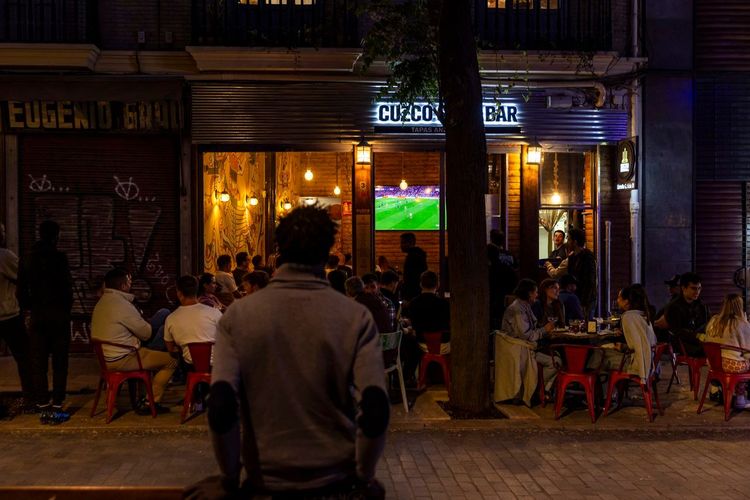
The choice of neighbourhood depends mainly on the pace you want for these two days: a dense historic centre, a quieter seafront, or a lively area for nightlife. The city is compact and well connected — none of these options will leave you more than thirty minutes from a major point of interest.
El Carmen, for a Historic Atmosphere
Staying in El Carmen puts all the first-day sights within walking distance, including the cathedral, the Lonja, and the central market. It is also the liveliest neighbourhood in the evenings, with tapas bars open late: an ideal choice if you want to step out of your hotel on foot and return the same way, far less so if you're a light sleeper. Ask for a room facing the courtyard or a quiet street, especially on Friday and Saturday nights. Prices here are the highest in the city, with many charming small hotels in old buildings that often lack lifts.
El Cabañal and Malvarrosa, Steps from the Sand
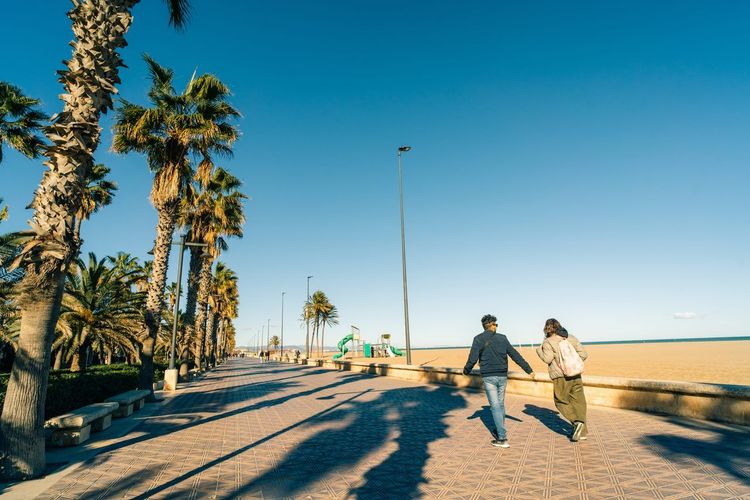
For a more relaxed stay, accommodation in the El Cabañal and Malvarrosa area offers direct beach access, often at gentler rates than the historic centre, with a high proportion of apartments and renovated fishermen's cottages. The trade-off: fifteen to twenty-five minutes by tram or bus are needed each morning to reach the monuments in the centre. A good compromise if you're travelling with family or out of season, when the seafront returns to being a residential neighbourhood rather than a resort.
Ruzafa, the Trendy and Foodie Neighbourhood
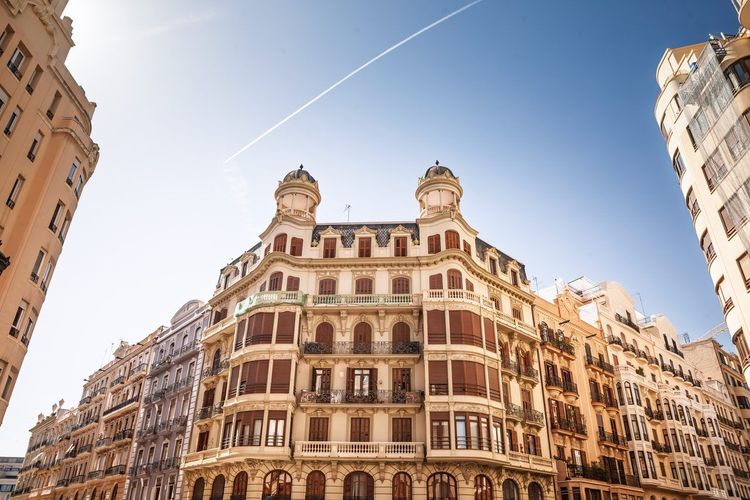
Ruzafa (Russafa in Valencian) appeals to travellers in search of quality brunches, independent shops, bookshops, and an atmosphere that is more local than touristy. Well located near the North Station, this neighbourhood is particularly well suited to a solo or couple's weekend that prioritises gastronomy and a leisurely fifteen-minute walk to the historic centre. It is also the most practical neighbourhood if you arrive by train, and the one where rates remain the most stable in high season.
How to Get to Valencia and Get Around
Two days is short: every hour lost in transit counts double. Here is what you need to know before booking.
Plane, Train or Bus from France
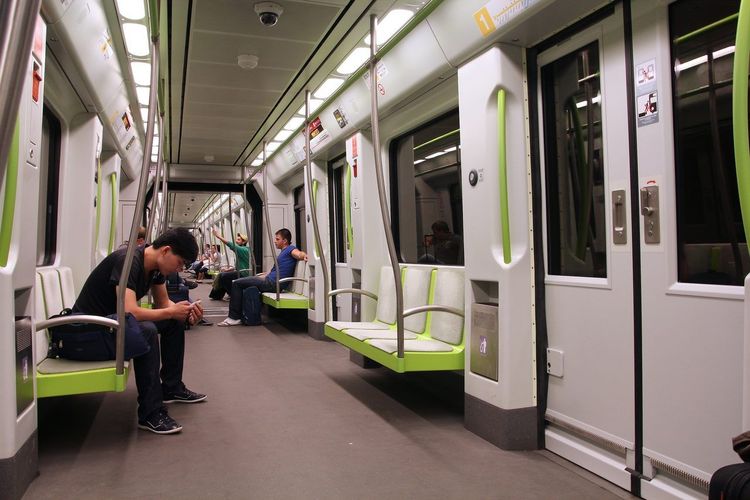
Valencia Airport (VLC), located in Manises, is just eight kilometres from the city centre, connected by metro (lines 3 and 5) in around twenty minutes for approximately €4.90, including the airport surcharge. An urban bus line also serves the centre for under two euros, slightly more slowly. Direct flights are available from Paris, Lyon, Marseille, Toulouse, and Bordeaux depending on the season and low-cost carriers, with fares often under €100 return outside school holidays.
A slower but comfortable alternative: the high-speed train via Barcelona, which reaches Valencia in just over three hours from the Catalan capital, itself less than seven hours from Paris. Long-distance coaches remain the most budget-friendly option, with overnight services from several cities in southern France. From Madrid, the AVE takes under two hours: it is the most efficient combination if you're linking two Spanish cities over a week.
Metro, Tram, Bike and Walking in the City
Valencia's historic centre is entirely walkable: ten to fifteen minutes is enough to get from the cathedral to the central market, twenty to reach the North Station. For the beach or the City of Arts and Sciences, the metro and tram network is the most practical option, with single tickets around €1.50 in the urban zone and rechargeable multi-journey cards that halve the price after just a few trips. The Valencia Tourist Card, available in 24-, 48-, or 72-hour versions, combines unlimited transport, free or discounted entry to municipal museums, and a 10% discount on City of Arts and Sciences tickets: it pays for itself from three journeys a day and two monuments.
The Valenbisi bike-sharing service complements this network effectively, especially along the Turia gardens where the cycle paths are wide and well separated from traffic. Valencia is one of the flattest and most cycle-friendly major cities in Spain, and crossing the park from end to end takes less than forty minutes by bike. A car, on the other hand, is of no use over two days: parking is difficult, the centre is largely pedestrianised, and regulated zones are widespread.
When to Go and What Budget to Plan for a Weekend in Valencia
Best Season and Tourist Crowds
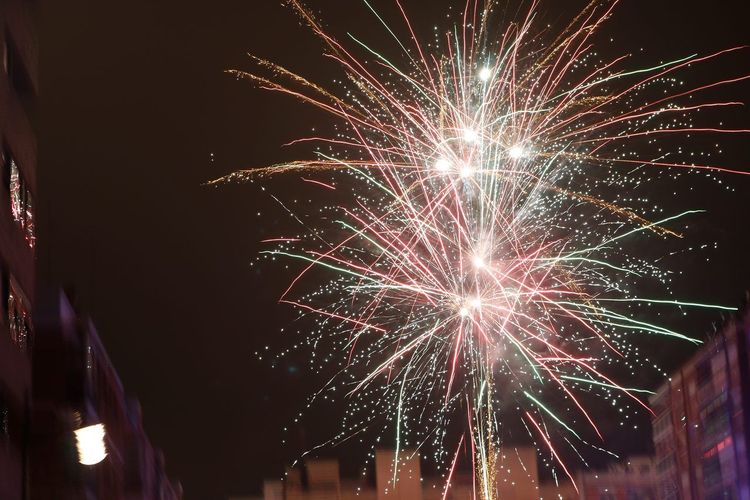
Spring, from March to May, remains the ideal time: mild temperatures around 18–22°C, fewer crowds than in summer, and the chance of catching the Fallas — those giant papier-mâché sculptures burned in the streets in mid-March at the end of a week of firecrackers and parades, inscribed on UNESCO's Intangible Heritage list. A word of warning: during the Fallas, accommodation prices double, the streets are saturated, and the standard sightseeing itinerary becomes unworkable. Autumn, from September to October, offers a similar weather trade-off, with the sea still warm. Summer (June to August) remains very busy on the coast, with temperatures regularly exceeding 30°C: ideal for the beach, but harder for back-to-back visits in the city centre during the middle of the day — hence the wisdom of scheduling monuments before 11am. Winter, mild with averages of 12–16°C and many sunny days, allows you to travel with far fewer people and often cheaper flights.
Estimated Budget for 2 Days
Excluding flights, a two-day weekend in Valencia typically costs between €150 and €300 per person depending on the level of comfort sought. Budget €60 to €120 per night for a decent city-centre hotel, €15 to €30 per meal at a mid-range restaurant, and €50 to €70 for the main paid attractions: around ten euros for the cathedral and its tower, a few euros for the Lonja, and above all the Oceanogràfic (Carrer d'Eduardo Primo Yúfera 1B, 46013 València, rated 4.6/5 on Google with 109,001 reviews), by far the biggest single item, with an adult ticket around €43 and a three-attraction City of Arts and Sciences combo approaching €51.
Metro and tram journeys remain a marginal part of the overall budget, rarely exceeding €10 for the whole stay. For budget travellers, note that many municipal museums offer free admission on Sundays, that the Turia, the Umbracle, the beaches, and wandering through El Carmen cost nothing, and that a menú del día on a weekday — typically €13 to €16 for starter, main, and dessert — remains the best deal in Spanish cuisine.
Going Further: a Third Day or an Evening in Valencia
Two days are enough to see the essentials, but Valencia lends itself readily to an extension. For nightlife, several rooftop bars in the city centre offer clear views over the old town's rooftops or the illuminated white silhouettes of the City of Arts, particularly sought-after on summer evenings. Those looking for a livelier night out will find a handful of late-night clubs near the Marina and El Cabañal, while the Blasco Ibáñez university district concentrates student bars and the most affordable prices. Bear in mind the Spanish rhythm: bars fill up around midnight, clubs after 2am.
For a third day, three options stand out clearly. The Bioparc, an immersive zoo organised by continent where the enclosures recreate African ecosystems without visible barriers, at the western end of the Turia. A day trip to Xàtiva and its medieval castle perched on a double ridge, under an hour by train, with an old town largely untouched by mass tourism. Or a day of wilder beach at El Saler, between the sea and the Albufera pine forest, reachable by bus. Our Ryo selection of the best things to do in Valencia details further ideas for filling an extra day, from heritage and nature to nights out.
On the practical side, remember to pack comfortable shoes (the cobblestones of the historic centre are punishing), a reusable water bottle (public fountains are plentiful), sunscreen even off-season, and a light layer for coastal evenings, even in summer, when the sea breeze cools things down noticeably after sunset.
FAQ
How many days do you need to visit Valencia?
Two days are enough to cover the essentials: the historic centre, the City of Arts and Sciences, and the beach. A third day allows time to explore the Albufera more thoroughly or take a day trip outside the city, without rushing from one site to another.
What is the best time to visit Valencia in Spain?
Spring (March to May) and autumn (September–October) offer the best balance between pleasant weather and moderate crowds. Summer is best suited for beach lovers despite the heat, while winter remains mild and noticeably less crowded. Avoid it if you're looking for peace and quiet: the week of the Fallas, in mid-March.
How do you get around Valencia in 2 days?
The city centre is easily explored on foot. For the beach or the City of Arts and Sciences, the metro, tram, or Valenbisi bike-sharing service are the fastest and most affordable options, with tickets around €1.50 per journey in the urban zone.
Where can you eat the best paella in Valencia?
Historic seafront restaurants such as La Pepica or Casa Carmela serve a traditional paella valenciana cooked over a wood fire. The restaurants in El Palmar, on the shores of the Albufera, offer the most rustic version. It's best to avoid establishments with laminated photo menus around the Plaza de la Virgen, which tend to cater to passing tourist trade.
What budget should you plan for a 2-day weekend in Valencia?
Excluding flights, budget between €150 and €300 per person: accommodation around €60 to €120 per night, meals between €15 and €30, and €50 to €70 for the main paid attractions, including the Oceanogràfic (around €43 for an adult ticket), which is by far the biggest single expense.
Which neighbourhood should you stay in in Valencia?
El Carmen is ideal for a historic atmosphere and nightlife, El Cabañal and Malvarrosa for proximity to the beach, and Ruzafa for a more foodie and trendy stay just a short walk from the North Station.
Should you book the City of Arts and Sciences in advance?
In high season, yes, especially for the Oceanogràfic, whose time slots fill up quickly in July and August. Booking online a few days ahead avoids queues on site, which can sometimes exceed an hour. Strolling between the buildings, on the other hand, is free and open at any time.
Two days in Valencia are enough to understand what makes this city unique in Spain: a Gothic old town that rivals Seville or Granada, paired with a futuristic district unlike anything else in Europe and a coastline that starts literally at the end of the tram line. The whole city can be explored without a car, at a pace manageable even for a simple long weekend.
If this itinerary has inspired you to explore every corner of the city in more detail, the Ryo audio walking tour of Valencia offers a complete route, neighbourhood by neighbourhood, to take directly on your phone for the duration of your stay.