
Créé par Emilie, le 4 oct. 2026
Votre guide Ryo
Barcelona, Spain
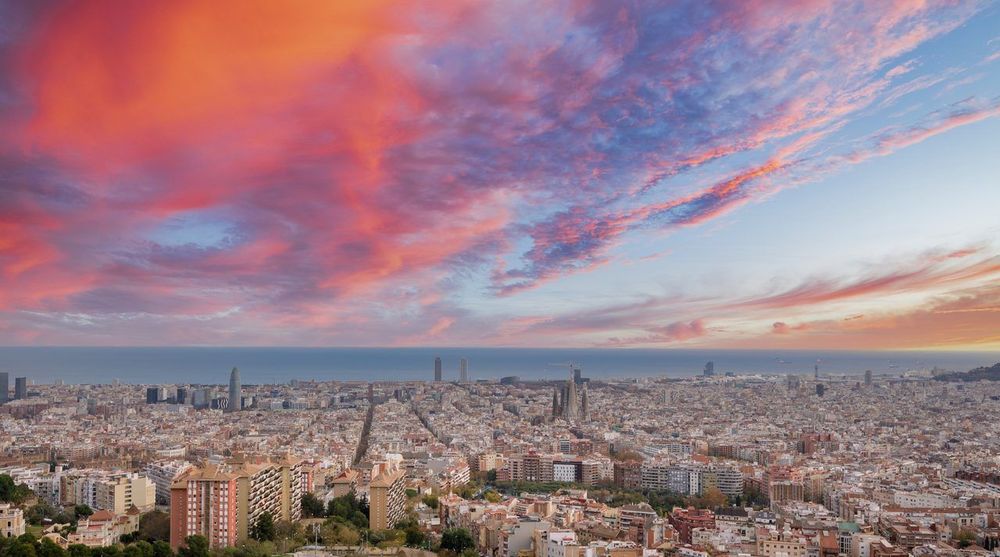
The beautiful Catalan capital
Parcours audioguidé pour visiter Barcelona en 1 jour
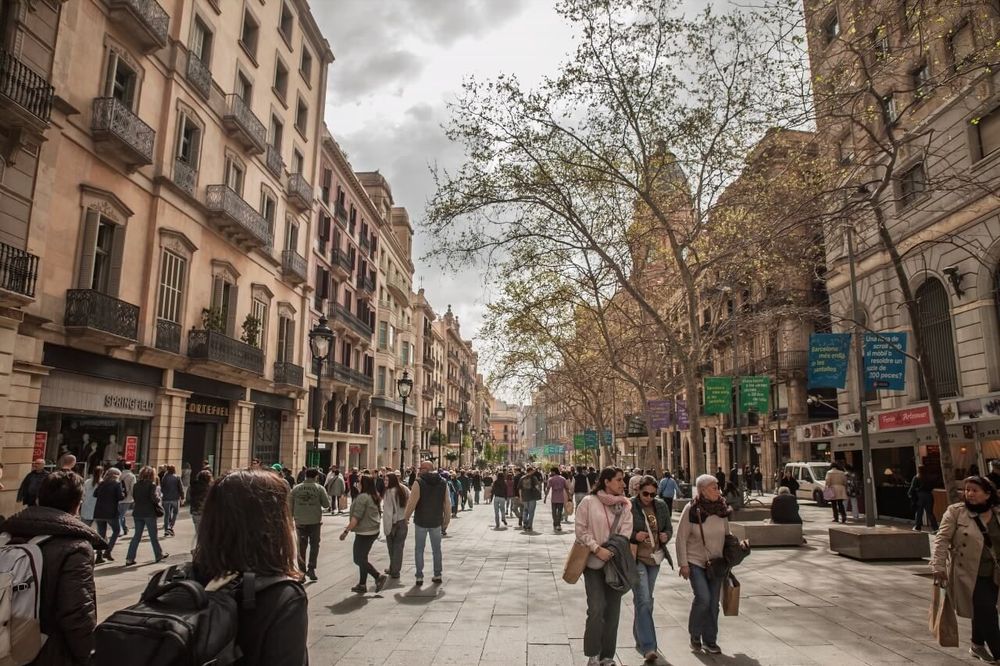
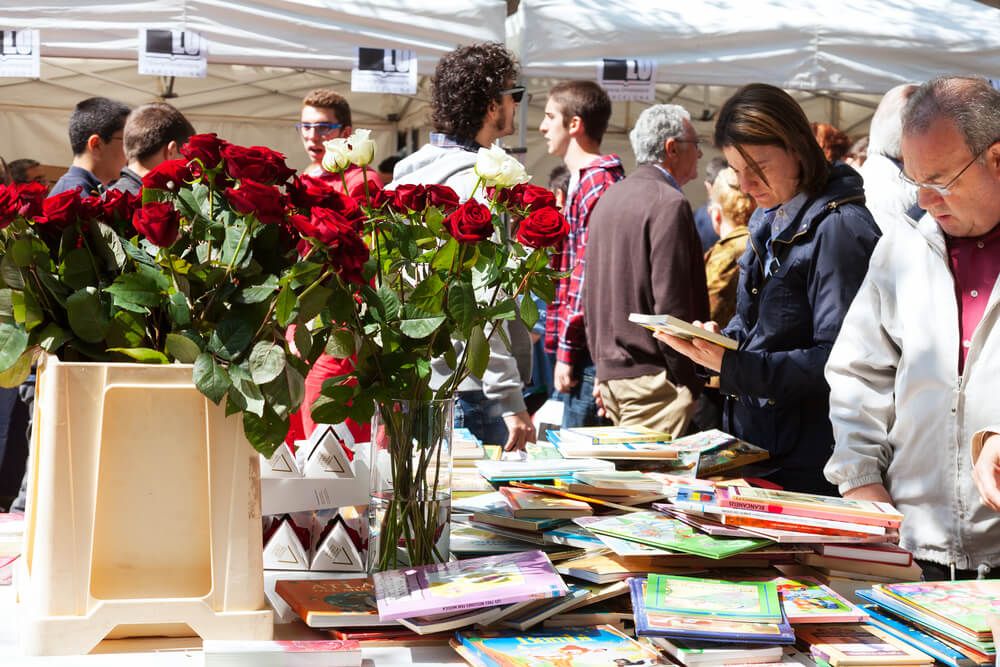
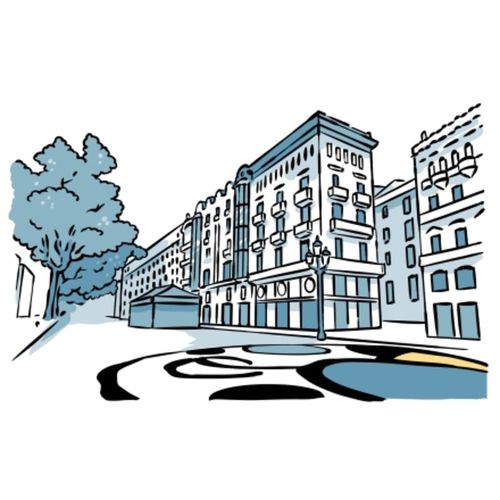
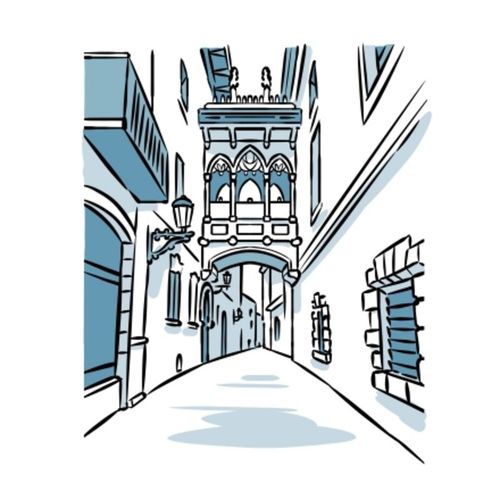
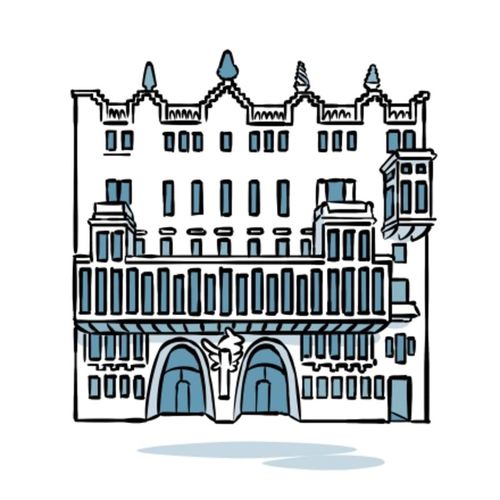
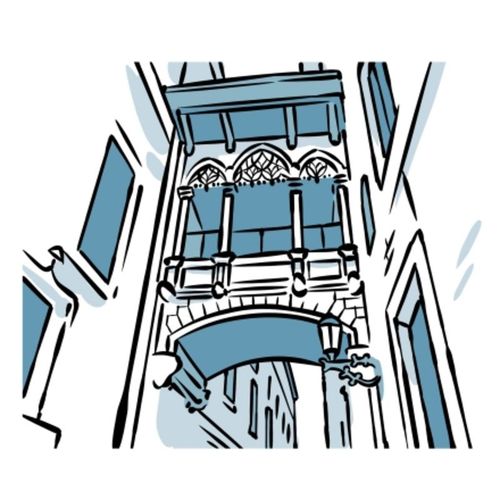
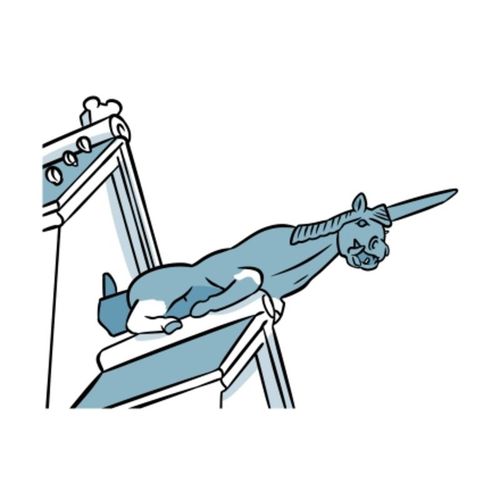
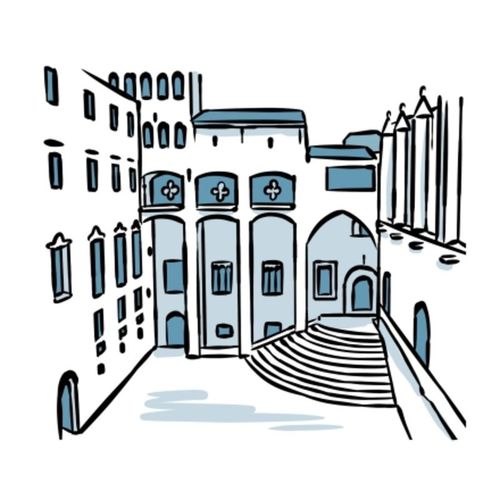
Let yourself be swept up in Barcelona’s Mediterranean rhythm, a city that moves effortlessly between the age-old secrets of its Gothic heart and the vibrant energy of its grand avenues. This route carries you from the lively buzz of La Rambla, where your senses come alive amid gourmet stalls and mosaic-lined pavements, into the winding, almost mystical streets of the Gothic Quarter. Along the way, every square, every gargoyle, and every palace—from the masterpiece of Catalan music, the Palau de la Música Catalana, to the imaginative creations commissioned by Eusebi Güell—tells a story shaped by passion, artistry, and light.
Quand partir à Barcelona ?
Jan.
10°
7
Feb.
11°
6
March
13°
7
April
15°
8
May
18°
8
June
22°
5
July
26°
4
Aug.
27°
5
Sept.
24°
9
Oct.
20°
10
Nov.
15°
8
Dec.
13°
9
Barcelona is a coastal city in the north of Spain, so the weather is pleasant all year round. The best time to visit is in spring and summer. In summer, temperatures can reach up to 30°C, while in winter they rarely drop below 14°C.
Départ conseillé
No need to worry about where to begin! Our tours are designed as a loop, so you can jump in wherever you are. The navigation system and audioguide will automatically adjust to your location. However, if you happen to be nearby, we do have a preferred starting point : Catalonia Square.
Parking à proximité
Coliseum Parking: Gran Via de les Corts Catalanes, 620
BSM Parking La Boqueria, Carrer Floristes de la Rambla
If you prefer street parking over underground car parks, there are a few things you should know. First, the colour of the parking lines indicates which zone you're in. The blue zone in the city centre and by the beach is accessible to everyone, but paid—even on weekends and public holidays. The green zone is reserved for residents. You can park there, but it’s more expensive, and you’ll only be allowed to stay for a few hours. Read the parking meters carefully and make sure you’re not breaking the rules. Barcelona is known for quick and frequent towing of cars, and the police don’t go easy on parking violations.
À savoir
This tour takes you through the Parc de la Ciutadella. Be aware that the gates close at 10:30 PM. If you're following the guide in the evening, stay on Passeig de Picasso to go around it.
Découvrez 27 lieux d'intérêt pour visiter Barcelona












Le plein d'inspirations
Explorez le monde en totale liberté, à pied au cœur des villes ou au fil des routes. Nos guides audios transforment chaque destination en une découverte culturelle immersive et unique.
FAQ for visiting Barcelona
When is the best time to visit Barcelona?
Spring and summer are the ideal seasons to discover Barcelona, when the city reveals all its Mediterranean splendour. Between April and September, you'll enjoy sunny days perfect for strolling along the Ramblas or relaxing on the beaches of Barceloneta. Summer temperatures hover pleasantly around 25-30°C, while winter stays mild with lows rarely dropping below 14°C. If you'd rather avoid the tourist crowds, opt for May-June or September-October, when the climate remains gentle and visitor numbers are more moderate. Autumn also offers a distinctive light that enhances the city's modernist architecture.
How many days do you need to visit Barcelona?
To fully appreciate the essence of Barcelona, ideally plan for between three and five days. A three-day stay lets you discover the must-sees: the Sagrada Familia, Park Güell, the Gothic Quarter and Gaudí's creations. With four or five days, you'll be able to explore the different neighbourhoods more leisurely, enjoy the beaches and soak up the Catalan rhythm. The audio tours of the Ryo app help you make the most of your time by offering themed itineraries that harmoniously connect the points of interest. Don't forget to leave time to savour tapas on a terrace and lose yourself in the lanes of the Born or Gràcia.
How do you get around Barcelona?
Barcelona has an excellent public transport network that makes getting around easy and affordable. The metro, with its many lines, efficiently serves every tourist neighbourhood and generally runs until midnight on weekdays. Buses complement the network perfectly, particularly for reaching the hills such as Montjuïc or Park Güell. The modern tram connects certain outlying districts. For a more authentic experience, rent a bike and take the many cycle paths, especially pleasant along the seafront. The city also lends itself wonderfully to walking, above all in the historic centre where pedestrian streets abound. Taxis remain affordable for the occasional journey.
Do you need to book attractions like the Sagrada Familia in advance?
Booking ahead is strongly recommended for Barcelona's major attractions, particularly the Sagrada Familia, where the queues can be off-putting. This Gaudí marvel draws millions of visitors every year, and the time slots fill up quickly, especially in high season. The same goes for Park Güell, Casa Batlló and La Pedrera. Booking online not only guarantees your entry but also often secures better rates than at the door. Plan your reservations several weeks in advance in summer; a few days are generally enough in low season. This forward planning will spare you many disappointments and let you enjoy your stay with peace of mind.
Which neighbourhoods are must-sees?
The Barrio Gótico forms the historic heart of Barcelona, a medieval labyrinth where every lane hides architectural treasures and secret squares. The Eixample will amaze you with its wide avenues and Gaudí's modernist masterpieces. The Born, the former merchants' quarter, charms with its artisan boutiques and authentic tapas bars. Gràcia retains a village atmosphere with its lively squares and bohemian spirit. Barceloneta offers a seaside vibe with its chiringuitos and golden beaches. For an in-depth discovery of these neighbourhoods, the Ryo audioguide offers narrated tours that reveal the hidden stories and fascinating anecdotes of every street corner.
What are the transport options from the airport?
El Prat airport is perfectly connected to the city centre by several transport options. The Aerobus is the most direct means, with frequent departures to Plaça Catalunya via several strategic stops. The journey generally takes around thirty minutes. The metro line L9 Sud also serves the airport and connects to the metropolitan network, ideal if your accommodation is near a station. The Rodalies suburban trains offer an economical alternative with connections to Sants and Passeig de Gràcia. For more comfort, taxis apply fixed fares to the city centre. Finally, many private shuttle and chauffeur services are available by reservation.
What can you do in Barcelona when it rains?
Rainy days in Barcelona offer the perfect opportunity to explore its sheltered cultural treasures. The city's museums rank among the most fascinating in Europe: the Museu Picasso traces the master's evolution, while the Fundació Joan Miró celebrates the Catalan artist. The MNAC at the Palau Nacional impresses with its collections of Romanesque and modernist art. Covered markets such as the Boqueria or Sant Antoni let you immerse yourself in the local atmosphere while staying dry. The modern shopping centres and the galleries of Passeig de Gràcia invite you to shop. And don't forget that visiting the interior of the Sagrada Familia or Casa Batlló is an unforgettable experience, rain or shine.
Which monuments are absolutely worth seeing in Barcelona?
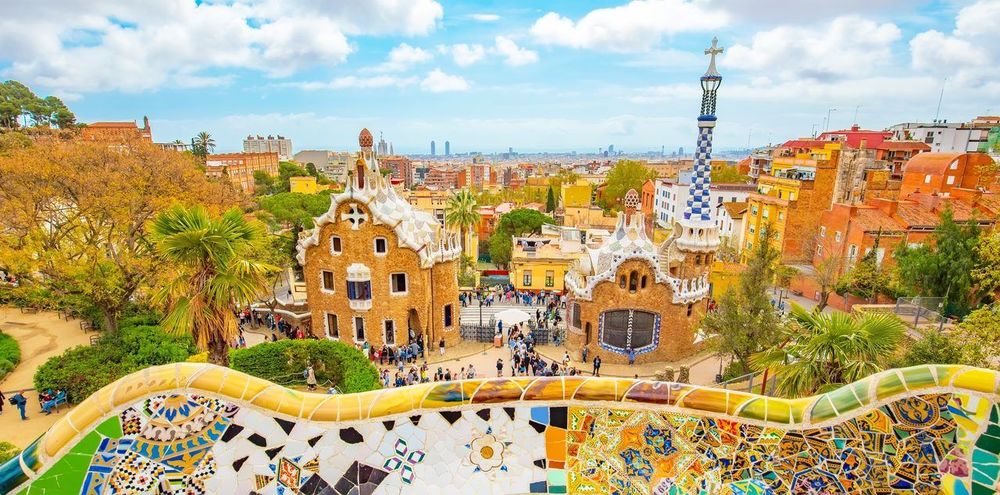
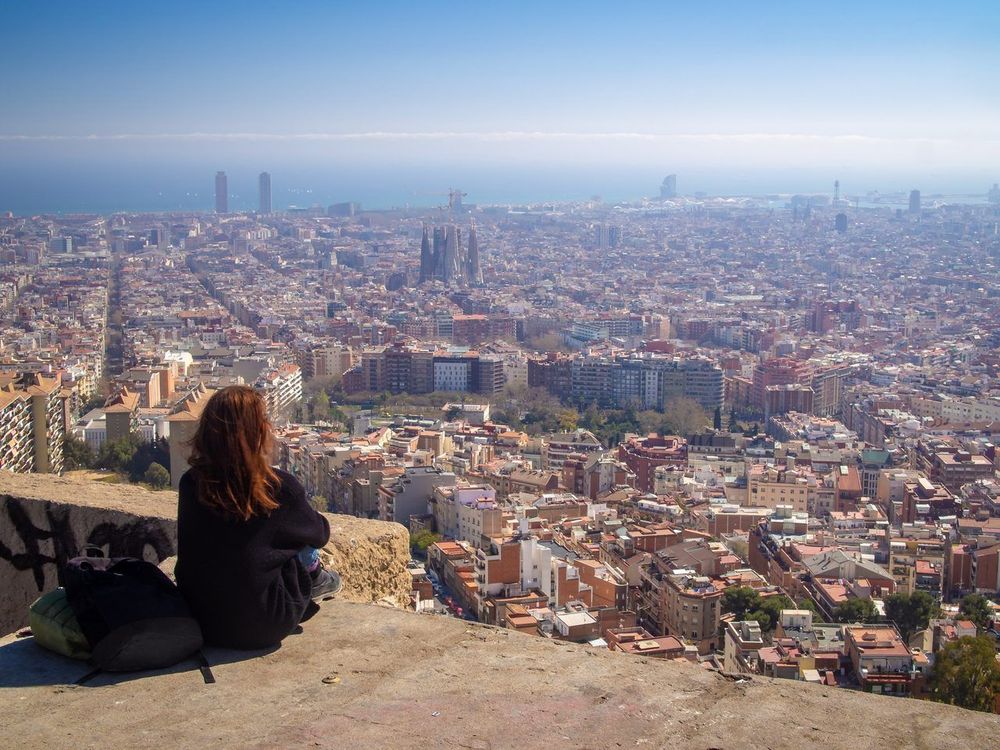
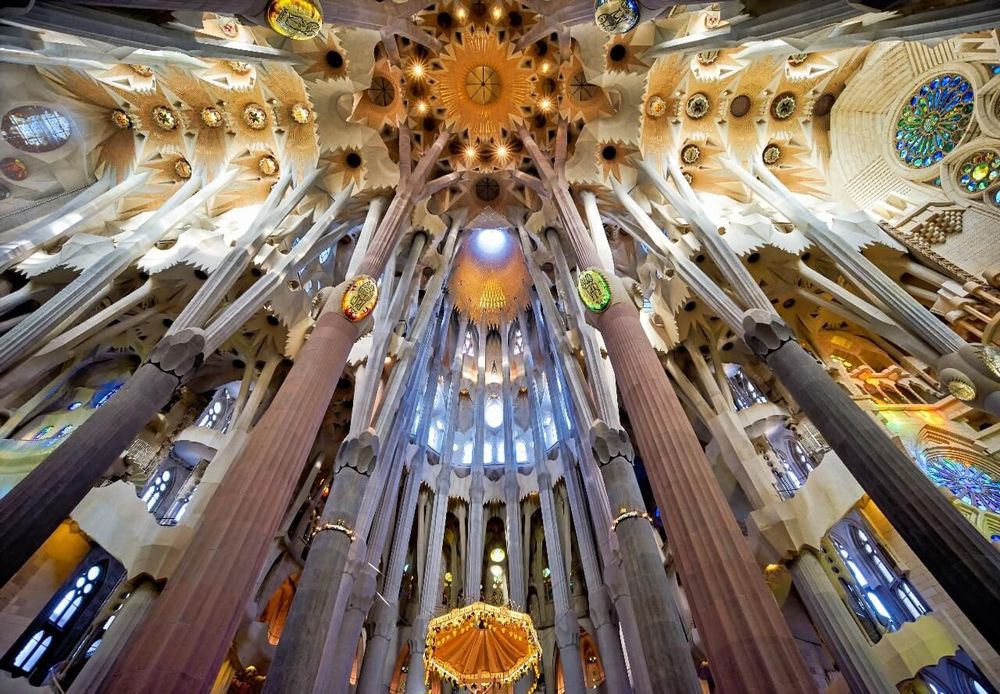
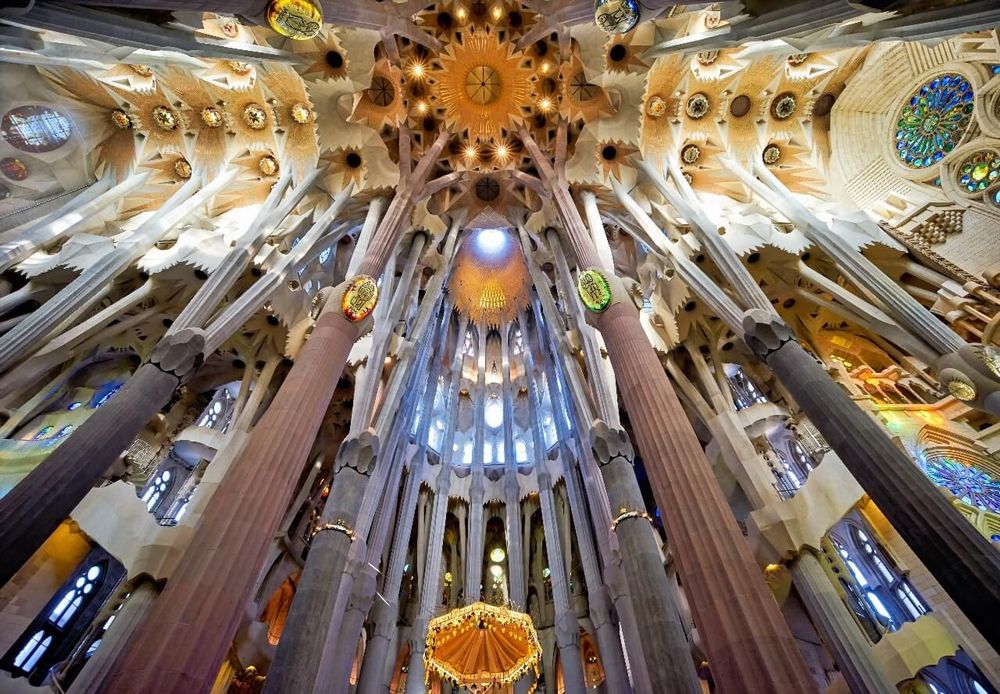
The Sagrada Família tops the list, with its ever-growing towers and a nave bathed in coloured light, followed by Park Güell and its mosaic terraces looking out over the city. On Passeig de Gràcia, Casa Batlló and Casa Milà between them sum up the daring of Catalan modernism, from undulating façades and wrought-iron balconies to rooftop terraces peopled with sculpted chimneys.
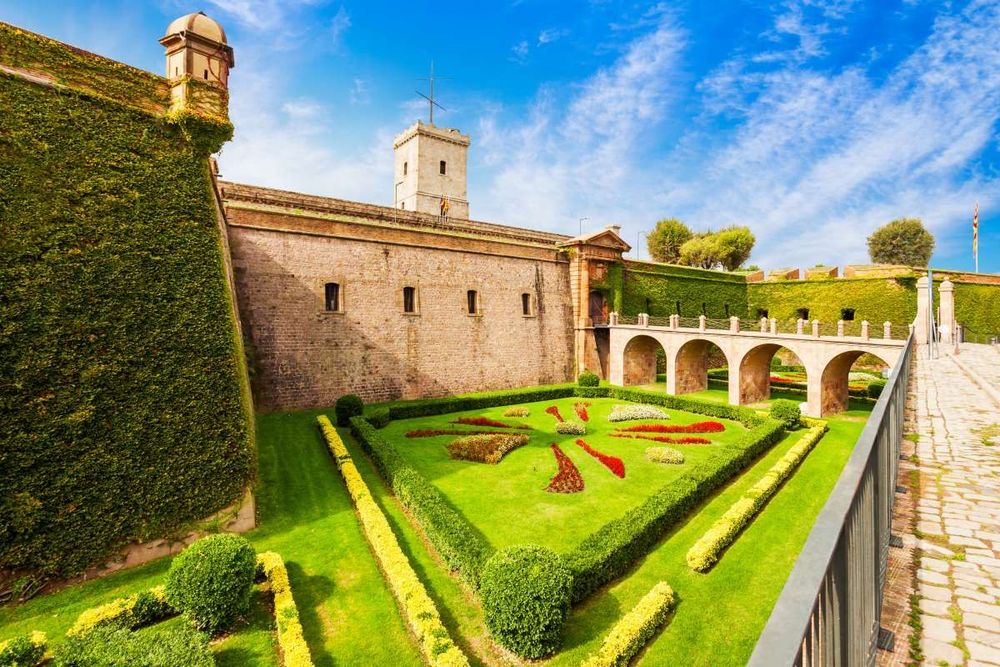
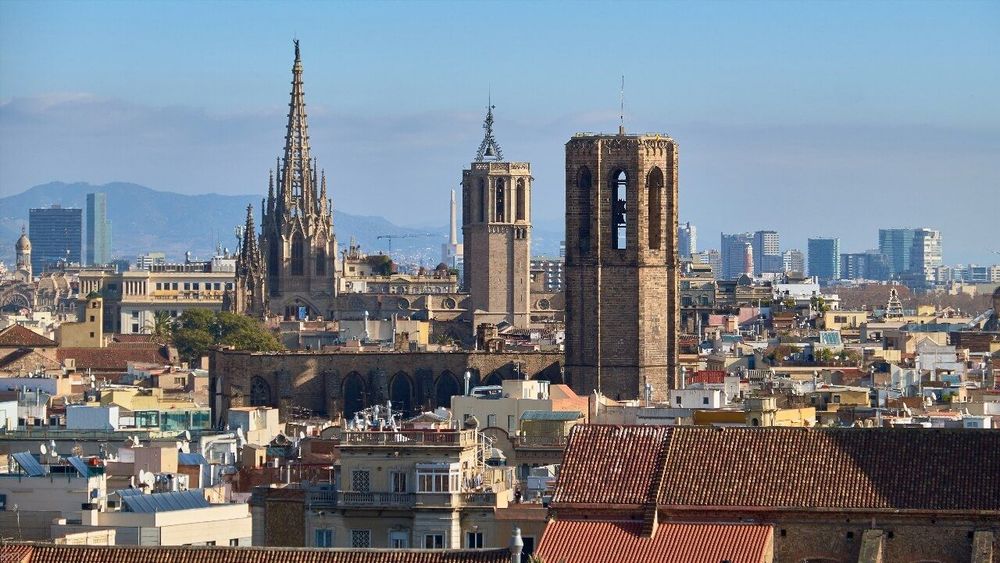
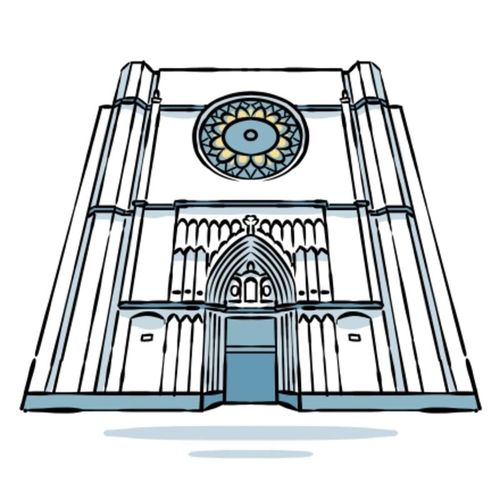
The old heart of the city holds other masterpieces: the cathedral and the lanes of the Gothic Quarter, the church of Santa Maria del Mar in El Born, and the Palau de la Música Catalana with its coloured glass dome. Higher up, the hill of Montjuïc lines up gardens, museums and views over the port. The Ryo audio guide offers a dedicated Barcelona route that links these sites and tells their story along the way.
Which museums are worth visiting in Barcelona?
The Picasso Museum, spread across several medieval palaces in the El Born district, focuses above all on the artist's formative years and his ties with the city, which makes it a very different collection from those held elsewhere. On the hill of Montjuïc, the Joan Miró Foundation occupies a light-filled building designed for it and extends the visit with a sculpture terrace.
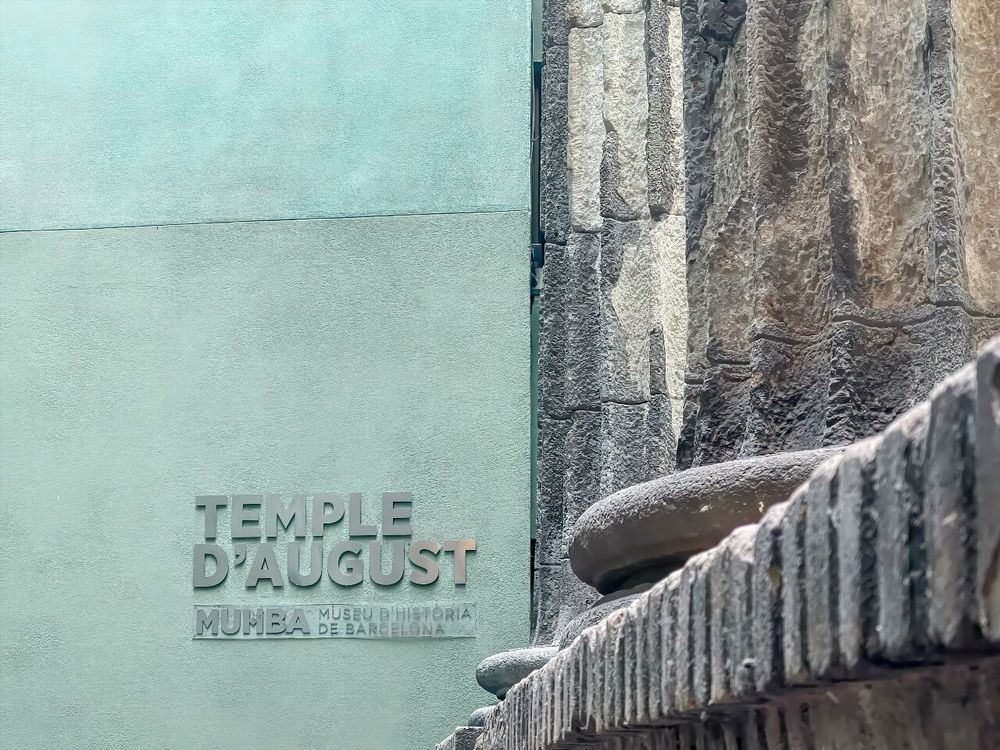
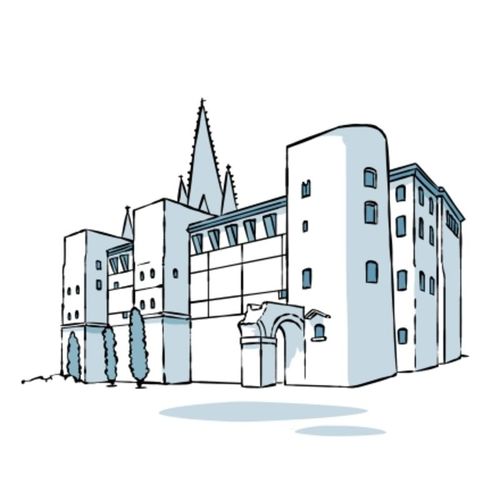
Also on Montjuïc, the National Art Museum of Catalonia holds an exceptional set of Romanesque paintings removed from Pyrenean churches and displayed in reconstructed apses. The Raval, for its part, is home to contemporary art, while the city history museum lets you walk down into the Roman streets preserved beneath the Gothic Quarter, a striking plunge into the origins of Barcelona.
Can you enjoy the sea and the beaches in Barcelona?
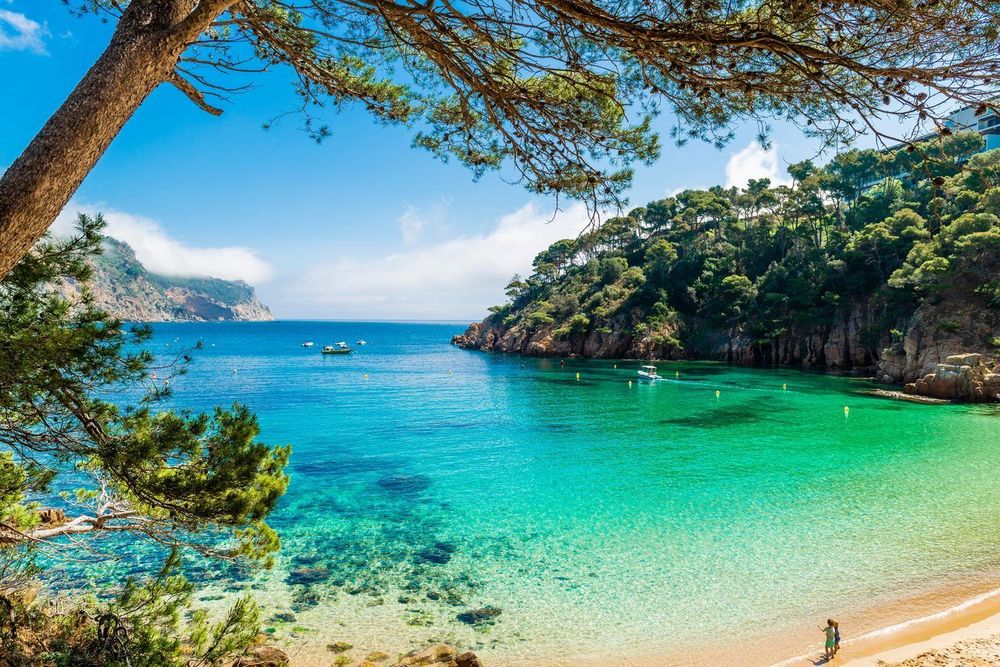
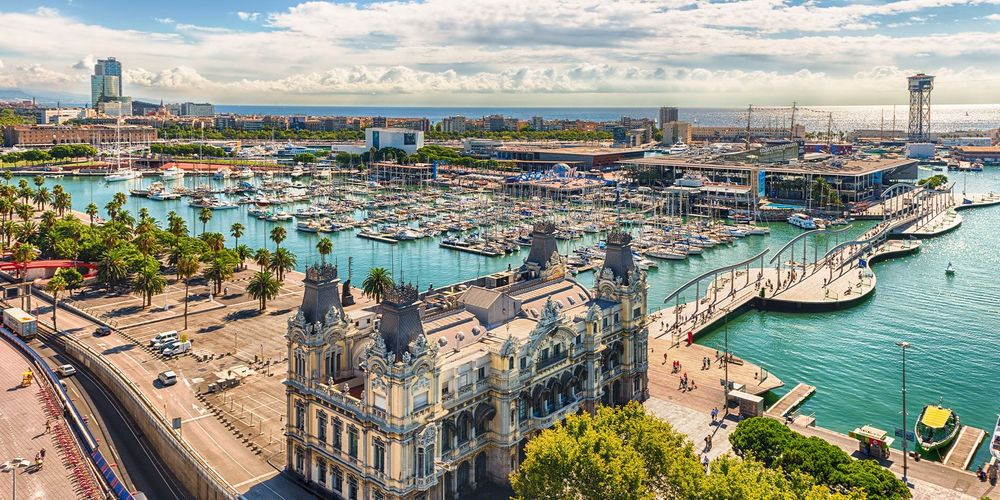
Barcelona is one of the few major European cities where you can walk to the beach from the historic centre. La Barceloneta, once a fishing enclave and now a district of tapas bars, opens onto the busiest stretch of sand, continued to the north by Nova Icària, Bogatell and Mar Bella, which are usually quieter and popular with locals.
A long promenade links these beaches to the Olympic port and then to the Fòrum area, and lends itself equally well to running and to a late-afternoon stroll. Swimming stays pleasant from late spring to early autumn, though the sea can cool quickly when the wind turns. As anywhere on a busy coastline, keep an eye on your belongings while you are in the water.
Vos commentaires, idées et suggestions
Aucun avis pour le moment