© Shutterstock
 Votre guide Ryo
Visit Barcelona in 2 Days: The Hour-by-Hour Itinerary (2026)
Forty-eight hours are never quite enough in Barcelona, but they are enough to understand why the city obsesses architects and tapas lovers in equal measure. Visiting Barcelona in 2 days means making choices: you won't see everything, but you can see the essentials without rushing in every direction, as long as you follow an itinerary built neighbourhood by neighbourhood rather than landmark by landmark. The Ryo Barcelona audio tour is built on exactly this logic of geographical proximity — the same logic this article follows hour by hour.
In 48 hours, you will climb the rippling rooftops of Casa Batlló, lose yourself in eight centuries of history stacked inside the Barri Gòtic, eat marinated anchovies standing at a counter in the Boqueria and watch the Font Màgica ignite beneath the eyes of the Montjuïc hillside. Add a military bunker turned into the city's best free viewpoint, a beach less than twenty minutes on foot from the Gothic Quarter, and you have the makings of a weekend that stands on two solid legs rather than a truncated list. The only question is what order to tackle it all in without losing three hours to transport — and that is exactly what the itinerary below sets out to answer. Follow it in sequence, or pick and choose according to your priorities: each step indicates the walking time needed to connect to the next.
Day 1, Morning: Barri Gòtic, La Rambla and the Boqueria Market
Set down your coffee at a terrace table and start the day in the medieval heart of the city: this is the densest part of the entire programme, where you encounter the most centuries per square metre.
The Cathedral and the Lanes of the Gothic Quarter
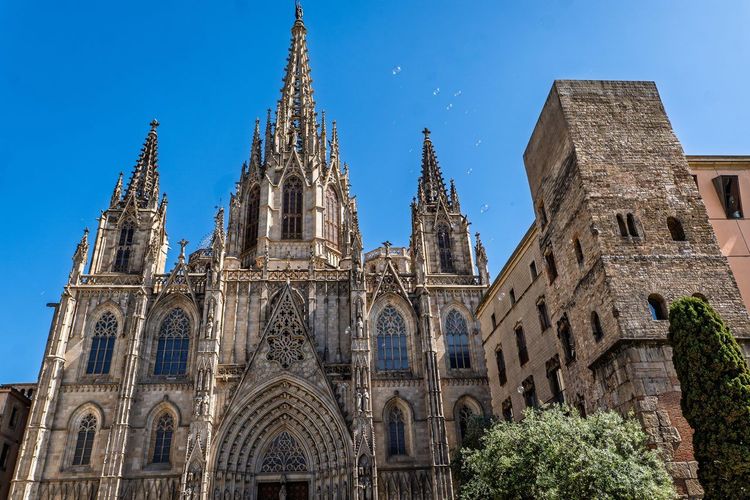
The Catedral de Barcelona, also known as La Seu, offers free access during worship hours — early in the morning and at the end of the day; at other times, the tourist visit is paid, around 9 euros, with tickets sold online. Opening slots change from season to season, so check the day before rather than turning up at the gate unannounced. Its cloister shelters thirteen white geese, a tradition said to reference the number of years lived by Saint Eulalia, the city's martyr, and the rooftop can be reached by lift for a close-up view over the Gothic Quarter's terracotta tiles.
Around it, the Barri Gòtic unfolds a labyrinth of lanes where Roman remains and 14th-century façades coexist. Push through to the Plaça del Rei, framed by the former royal palace of the counts of Barcelona, then make your way to Plaça Sant Jaume, which has faced both the city hall and the seat of the Catalan government since the Middle Ages. A stretch of Roman wall, visible on Carrer del Sotstinent Navarro, is a reminder that the city was once called Barcino. The Ryo article on the historic buildings of the Gothic Quarter goes deeper into this period if you want to explore the subject further.
A Stroll Along La Rambla and Plaça Reial
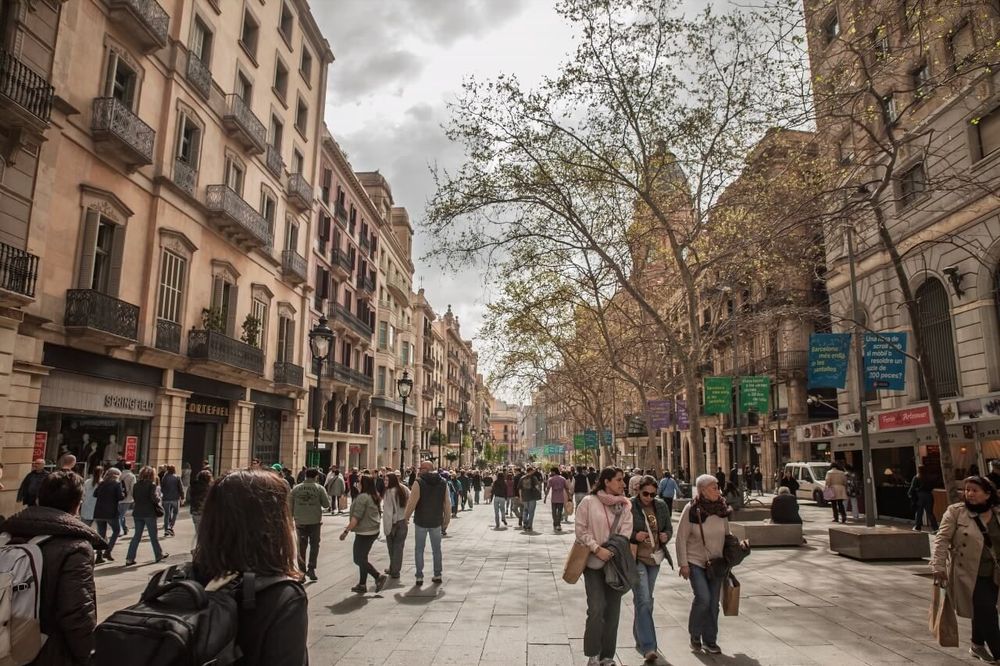
Head next to La Rambla, the 1.2 km pedestrian avenue connecting Plaça de Catalunya to the port. You will find century-old flower stalls, human statues and dense crowds from 10am onwards, but above all it serves as a practical backbone for navigating the city centre.
Take a break at the nearby Plaça Reial: its neoclassical arcades and palm trees shelter the very first street lamps ever designed by a young Antoni Gaudí in 1878, long before the Sagrada Família. A coffee on the terrace costs more here than elsewhere in the Gothic Quarter, but the spot is worth the photo early in the morning, before the tour groups arrive.
Tasting at the Boqueria Market
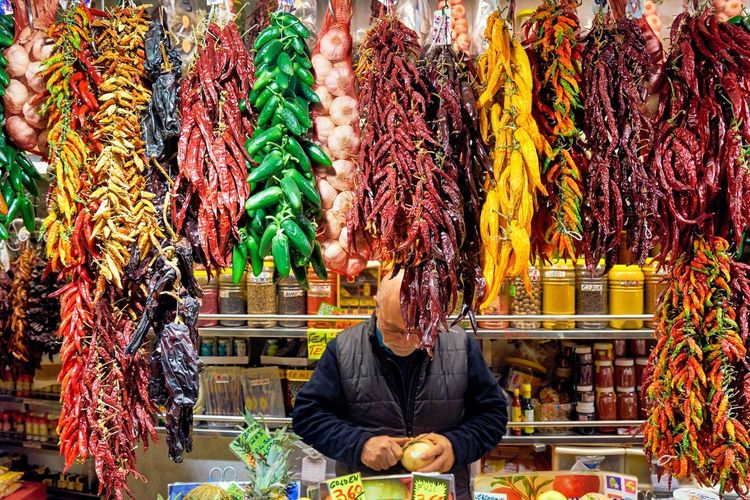
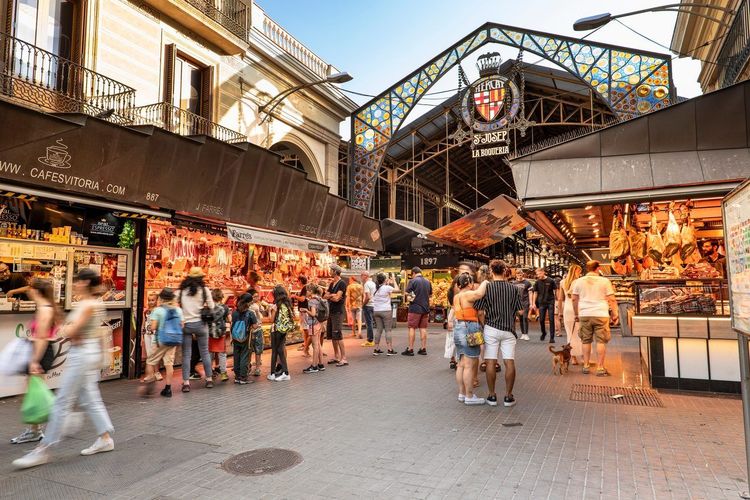
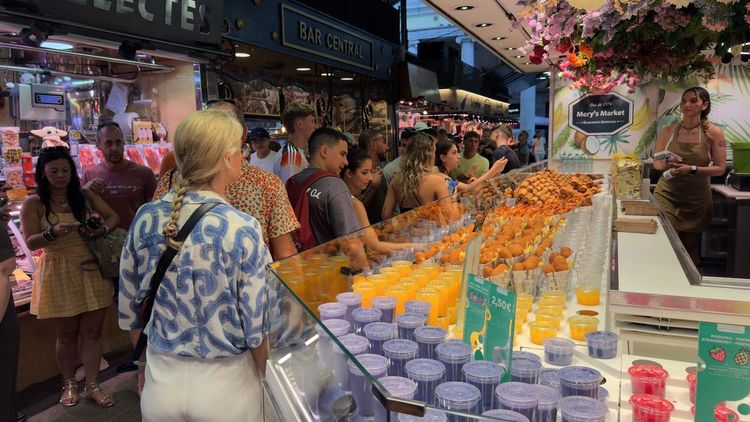
Round off the morning at the Mercat de la Boqueria (La Rambla 91, 08001 Barcelona, rated 4.5/5 on Google from 214,781 reviews), open since the 1840s and home to nearly 300 stalls. Arrive before 10am to beat the crowds: it is the only time you can still order a fresh fruit juice without queuing behind a cruise-ship group. Iberian ham, salt cod esqueixada, marinated olives or a simple glass of vermut at the counter — the market doubles as an improvised lunch before tackling the afternoon.
The market is closed on Sundays, a detail that matters if your 2-day stay falls on that day: in that case, shift this stop to Saturday or replace it with the Sant Antoni market, less well known but just as lively. The short Beautiful Catalan Capital tour passes right by La Rambla, a quiet fallback if the market is closed.
Day 1, Afternoon and Evening: El Born, the Beach and Montjuïc Illuminated
Head east now, towards the sea, before climbing at sunset to the hill that towers over the city.
Parc de la Ciutadella and the Arc de Triomf
Leaving the Boqueria, about twenty minutes on foot or three metro stops leads to the Parc de la Ciutadella, a former military fortress transformed into a green lung as early as 1888. You will find a monumental cascade that a certain Antoni Gaudí, then a student, helped design without receiving credit, a lake where you can hire a rowing boat, and the Catalan Parliament building.
Just at the park entrance stands the Arc de Triomf, built in Mudéjar-style red brick for the 1888 Universal Exposition. Unlike its Parisian cousin, it commemorates no military victory: it was the monumental gateway to the exposition grounds.
El Born and Its Cultural Centre
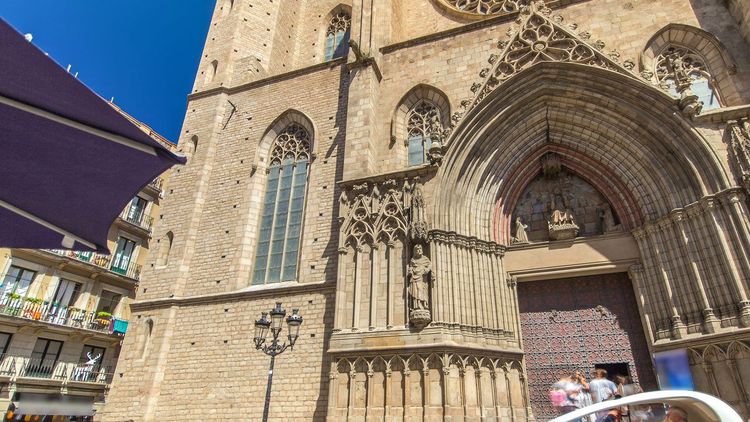
Ten minutes on foot, the El Born neighbourhood blends independent boutiques and wine bars in lanes quieter than the adjacent Gothic Quarter. Along the way, the imposing basilica of Santa Maria del Mar is worth a ten-minute stop — more austere than the morning's cathedral but equally impressive in its Gothic proportions.
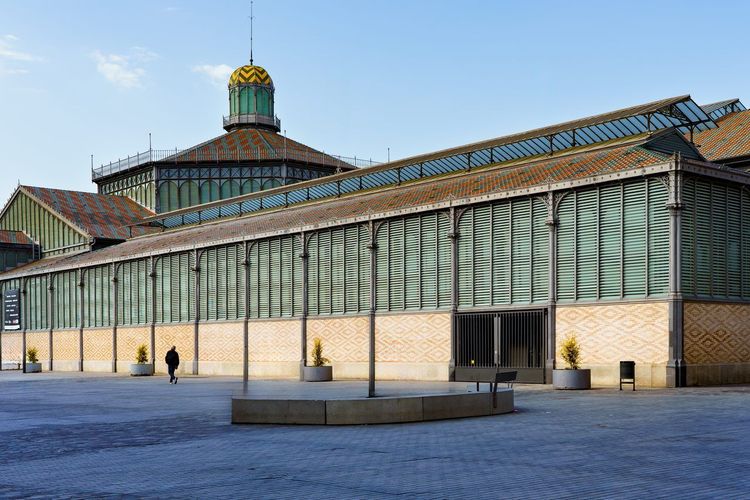
The Centre de Cultura i Memòria El Born, housed in the former market of the same name, displays in the open air the foundations of an entire neighbourhood razed in 1714 after the city's siege — a chapter of Catalan history that few hurried visitors take the time to discover. Access to the hall and the ruins viewed from the walkways is free; only temporary exhibitions are ticketed: a twenty-minute stop is enough to grasp the essentials.
Barceloneta Beach and the Port
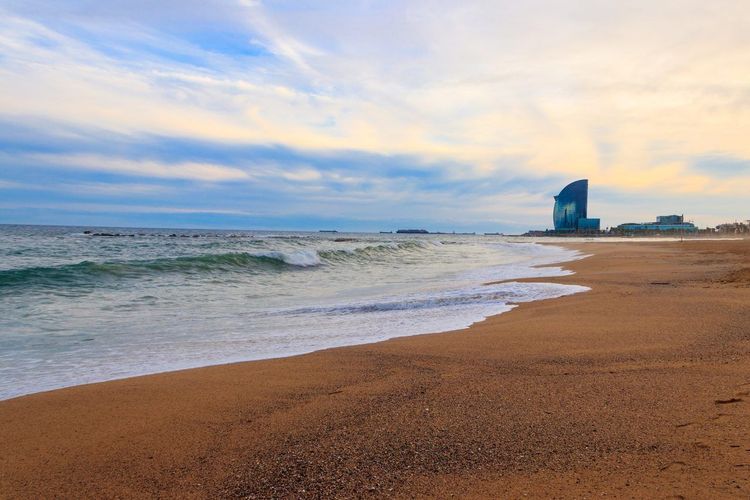
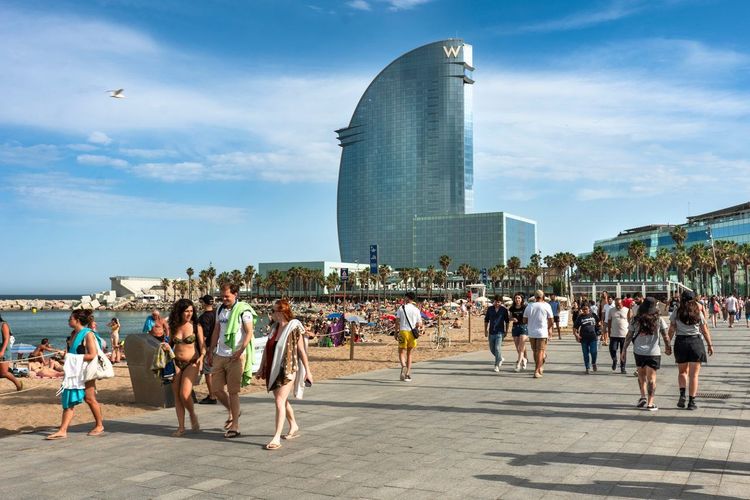
Continue south to the Platja de la Barceloneta, a former fishing neighbourhood that became the most popular beach on the seafront. Even without swimming, the late-afternoon stroll is worthwhile: chiringuitos, impromptu beach volleyball players and views over the Port Olímpic towers.
From the nearby Port Vell, the port cable car (Transbordador Aeri) links the Sant Sebastià tower to Montjuïc (Carretera de Montjuïc 66, 08038 Barcelona, rated 4.6/5 on Google from 55K reviews), soaring over the harbour basin. The cabin is in high demand at the end of the day, cannot always be booked in advance and the wait can exceed an hour at sunset; it also closes regularly for maintenance, so it is best to check the day's schedule before counting on it for the next leg of the itinerary.
Sunset on Montjuïc and the Font Màgica
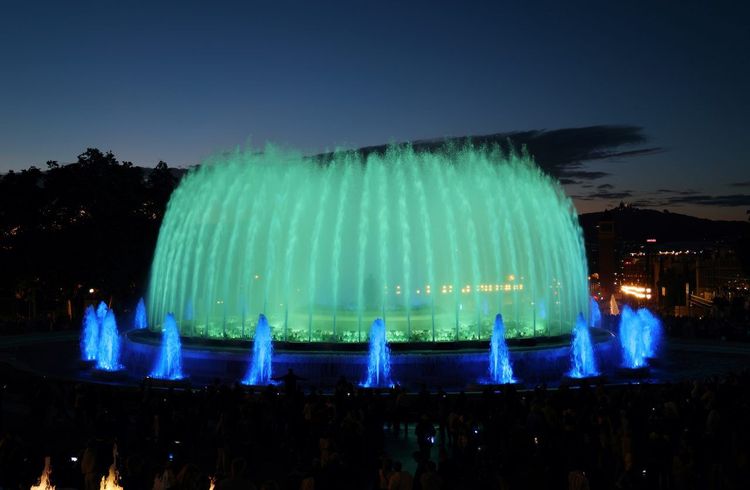
Whether you go up by cable car, bus or funicular from Paral·lel, the Montjuïc hillside offers the best end-of-day vantage point over Barcelona and its port. The castle, the 1992 Olympic stadium and the Miró Foundation all sit up here, but with only 2 days on the programme, pick one of the three according to your tastes rather than rushing through all of them. The Ryo account of the Montjuïc hillside covers each site in detail if you want to weigh your options before heading up.
Come back down in time for the Font Màgica, built for the 1929 Universal Exposition: water jets, lights and music run in sequence on several evenings a week, most often at weekends, free of charge, in front of the Palau Nacional. The schedule changes with the season and the show has already been suspended for several months during drought periods — check the day's programme before descending the hill, or you may find the basin switched off.
Dinner in the lively El Raval or El Born neighbourhood, fifteen minutes away, rounds off this first day naturally. To extend the evening, the Ryo guide to Barcelona's nightlife neighbourhoods lists the best spots by atmosphere. The Beautiful Catalan Capital tour passes close to the Parc de la Ciutadella.
Day 2, Morning: In the Footsteps of Gaudí
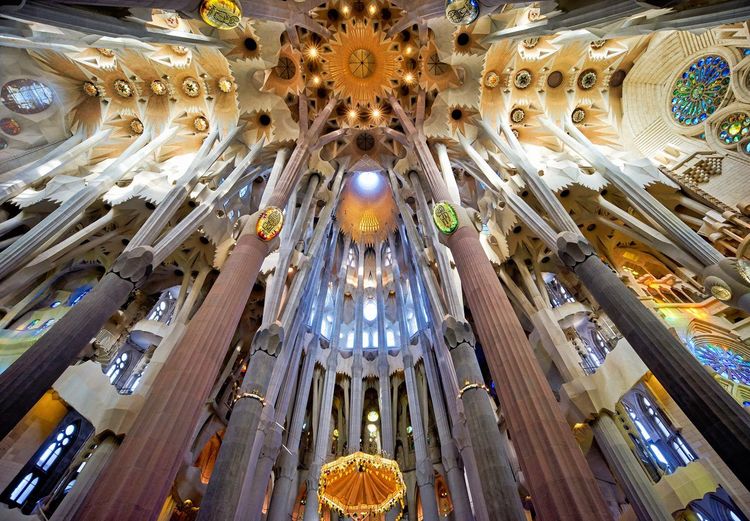
Second day, second obsession: that of an architect who redesigned part of the city without ever leaving his main construction site for more than a few weeks at a time.
The Sagrada Família, the Essential Stop
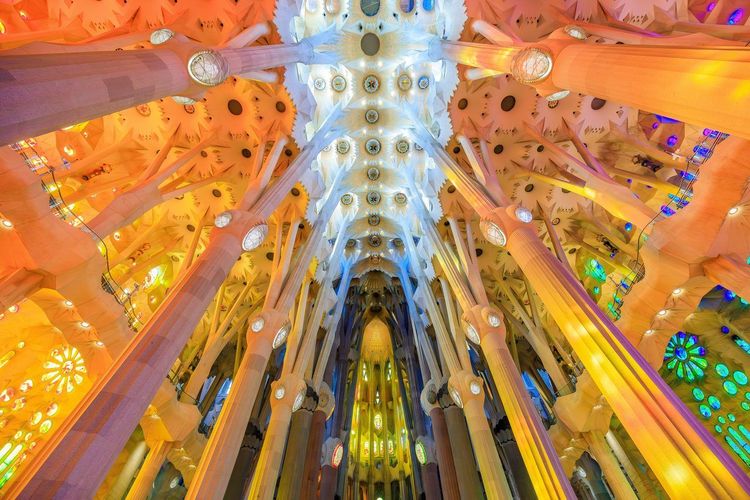
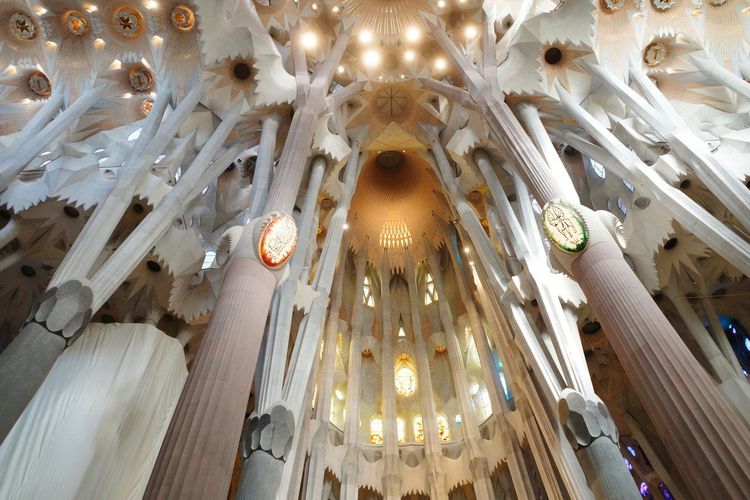
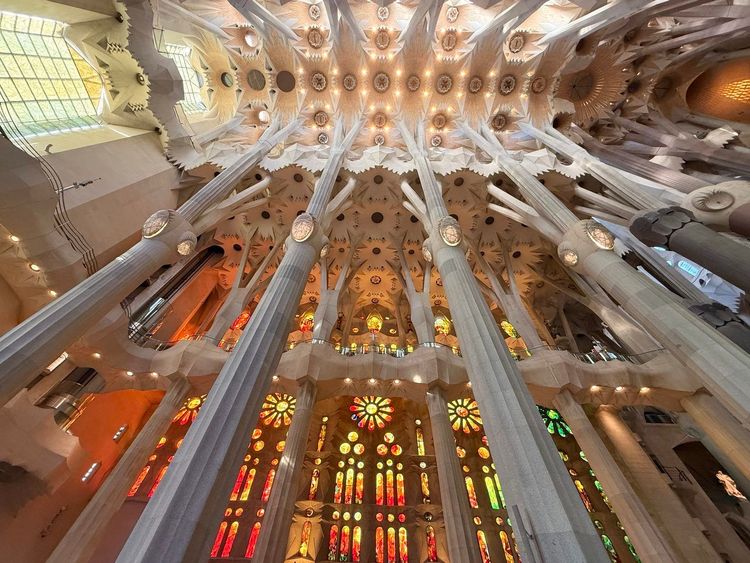
It is impossible to imagine a first visit to the Catalan capital without devoting an entire morning to the Sagrada Família. Begun in 1882, the basilica remains a permanent construction site: the tower of Jesus Christ, whose completion is targeted around the centenary of Gaudí's death in 2026, is set to bring the building to 172.5 metres and make it the tallest church in the world. Book your ticket several weeks in advance on the official website, with a specific entry time slot; without a reservation, it is not unusual to lose two hours in the queue — time that a programme this tight simply cannot afford.
Allow 1h30 to 2 hours including the tower climb option, which requires a separate ticket and a distinct time slot. On price, expect around twenty euros for a basic entry booked online, more with an audio guide or tower access. The Nativity façade, sculpted during Gaudí's lifetime, deliberately contrasts with the more angular, later Passion façade: the two tell the same story in two different architectural languages.
Casa Batlló, La Pedrera and the Passeig de Gràcia
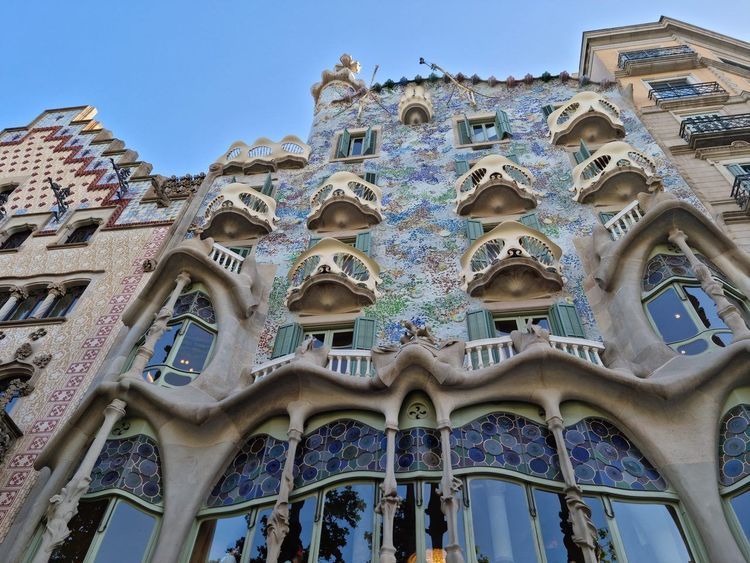
Late in the morning, head to the Passeig de Gràcia, the city's most elegant avenue, where two further masterpieces of Catalan Modernisme stand within a few hundred metres of each other. Casa Batlló, with its ceramic mosaic façade and dragon-back roof, offers an immersive visit with audio guide and projections — pricier than other landmarks (packages quickly exceed 30 euros) but spectacular for families and architecture enthusiasts alike.
A little further along, La Pedrera (Passeig de Gràcia 92, 08008 Barcelona, rated 4.1/5 on Google from 2,855 reviews) (Casa Milà) impresses with its undulating stone façade — not a single straight line — and its rooftop chimneys nicknamed "espantabruixes", the witch-scarers. If time is short for both interior visits, admiring the façades from the pavement in 15 minutes remains a perfectly valid option: the Ryo Barcelona through the eyes of Gaudí audio tour comments on each building without requiring you to go inside every one to grasp the essentials.
Before moving on, look down at the pavements themselves: the stone hexagons and trencadís benches lining the Passeig de Gràcia were also designed by Gaudí, as street furniture originally intended for Park Güell. The Through Gaudí's Eyes tour connects this same stretch of Passeig de Gràcia.
Day 2, Afternoon: Park Güell, Gràcia and a Panoramic View
Park Güell and Its Mosaics
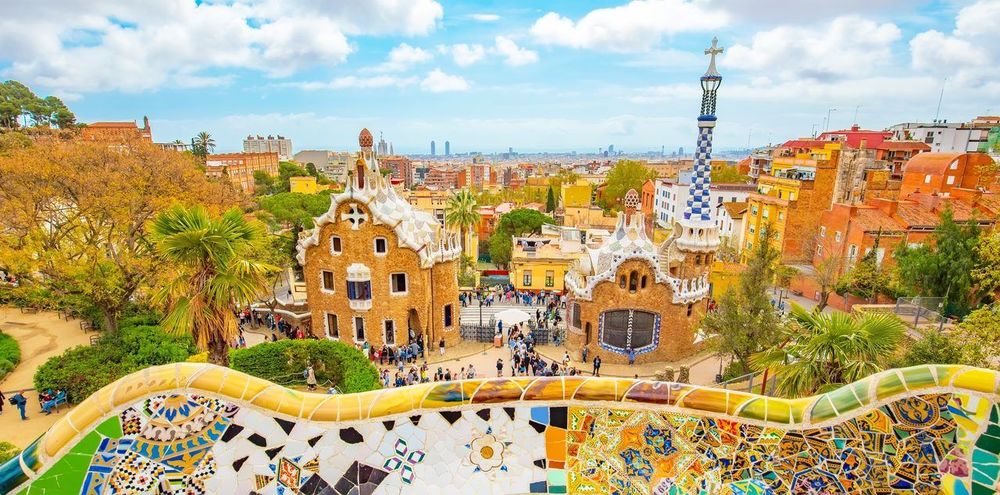
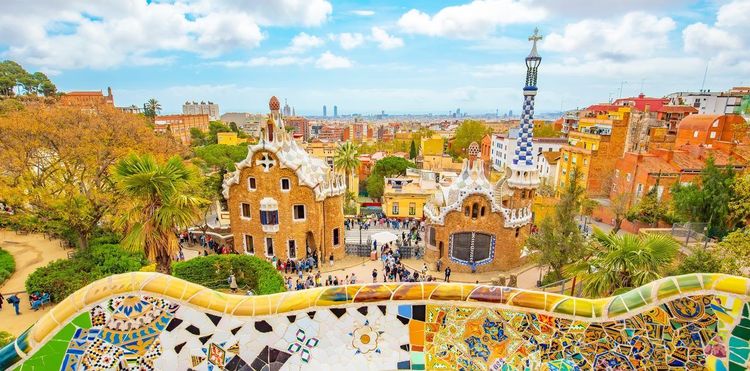
Head uphill for the afternoon, to Park Güell, conceived between 1900 and 1914 as a garden city that never found buyers for its plots. The monumental zone, the only paid section, must be booked online with a timed entry slot — just like the Sagrada Família — for around ten euros. The colourful mosaic salamander guarding the entrance staircase, nicknamed "El Drac", has become one of the city's most photographed symbols.
The rest of the park, freely accessible, already offers an open view over Barcelona and the sea from the terrace of the Greek Theatre or the higher footpaths — a worthwhile alternative if paid slots are full on the day of your visit. Expect some uphill walking: from Lesseps or Vallcarca metro stations there is a good climb, partly offset by public escalators on the Vallcarca side.
The Gràcia Neighbourhood and a Local Meal
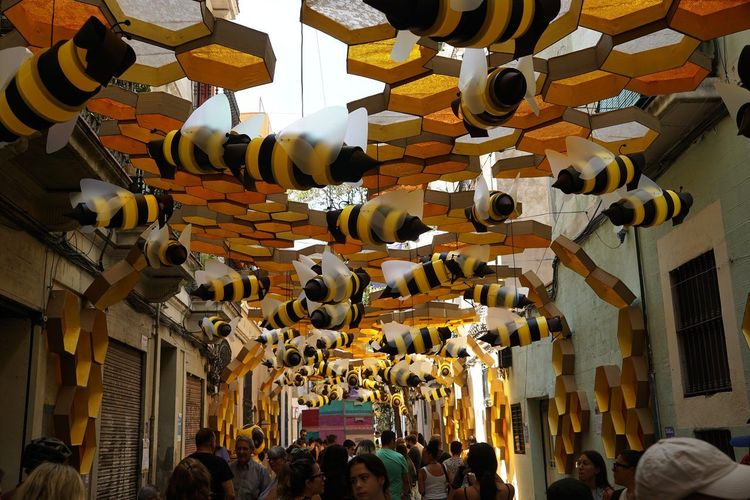
On the way back down, cut through the Gràcia neighbourhood, an independent village annexed to Barcelona in 1897 that has kept its human scale: small squares, vermuterías and an almost total absence of large tourist chains. The Plaça del Sol and the Plaça de la Vila de Gràcia gather the terrace tables where locals take an aperitif from 7pm, making it a good spot for a late, local meal before the day's final stop.
Panorama from the Turó de la Rovira (Bunker del Carmel)
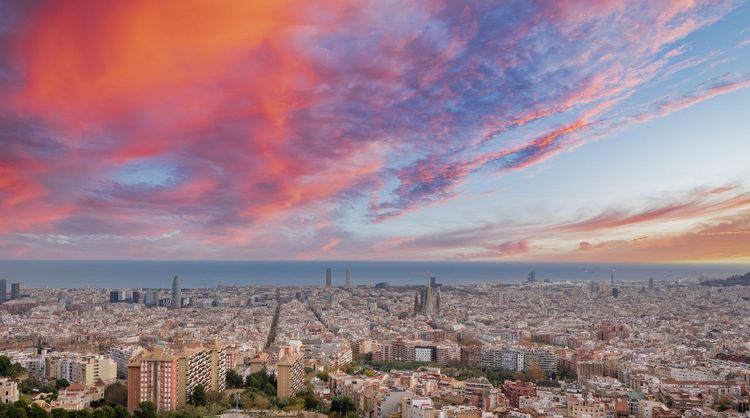
Round off this 2-day stay in Barcelona on the heights of the Turó de la Rovira (Carrer de Marià Labèrnia, 08032 Barcelona, rated 4.6/5 on Google from 17,532 reviews), better known as the Bunker del Carmel. This former anti-aircraft battery from the Spanish Civil War offers a 360-degree panorama over the entire city, from the Sagrada Família to the sea, with no entry fee and none of Montjuïc's crowds.
Allow about twenty minutes to climb from El Carmel metro station, with a real gradient at the end. The site has no safety barriers at the platform edge: keep an eye on children and plan to arrive before nightfall, as the path is unlit and the site is now closed for part of the night to preserve the peace of local residents. The Ryo article on things to do in Barcelona and the surrounding area suggests other similar viewpoints if you are extending your stay beyond these 2 days.
How to Get to Barcelona and Get Around in 2 Days

Getting to the City Centre from the Airport
Barcelona-El Prat Airport is about 12 km from the city centre. The Aerobús connects terminals 1 and 2 to Plaça de Catalunya in 35 to 40 minutes for around 7 euros one way — a fare revised almost every year and slightly discounted for a return trip. The RENFE R2 Nord train, departing from terminal 2 only, serves Passeig de Gràcia and Sants in 25 minutes for around 5 euros — a faster option if your accommodation is close to either of those stations; from terminal 1, you first need to take the free inter-terminal shuttle, adding about fifteen minutes. The metro, line L9 Sud, also exists but involves a change and a longer journey, relevant mainly if you are already staying near an L5 station.
Allow 30 to 35 euros for a taxi, best used late at night or in a group of three.
Getting Around on Foot, by Metro and by Bicing
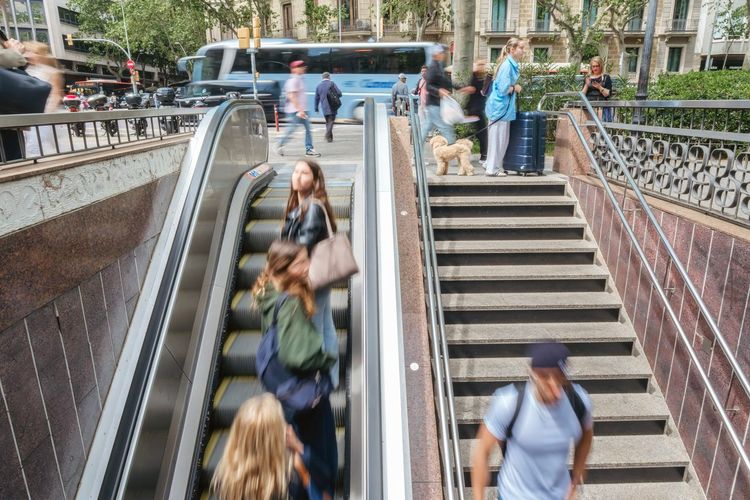
With only 2 days on the ground, walking is often the most efficient option: the Gothic Quarter, El Born and part of the Eixample are easily covered on foot, with 10 to 15 minutes between the points of interest in the itinerary above. For longer journeys, the metro covers most of the city with frequent trains; a T-Casual card, valid for 10 trips, works out cheaper than single tickets from the third journey onwards. Note that it is strictly personal and cannot be shared between two people, unlike older multi-trip formats. The Ryo guide to discovering Barcelona on foot details alternative walking routes if you prefer to stay off public transport.
The Bicing bike-share service runs on an annual subscription reserved for residents, so it is not an option for a weekend visit; however, several electric bike rental shops operate near the port and El Born if you want a break from public transport.
On mobile networks, European plans cover Spain at no extra cost for EU travellers; from elsewhere, activating a local eSIM before departure avoids nasty surprises — 4G/5G coverage is excellent throughout the city centre.
Where to Stay in Barcelona to Make the Most of 2 Days
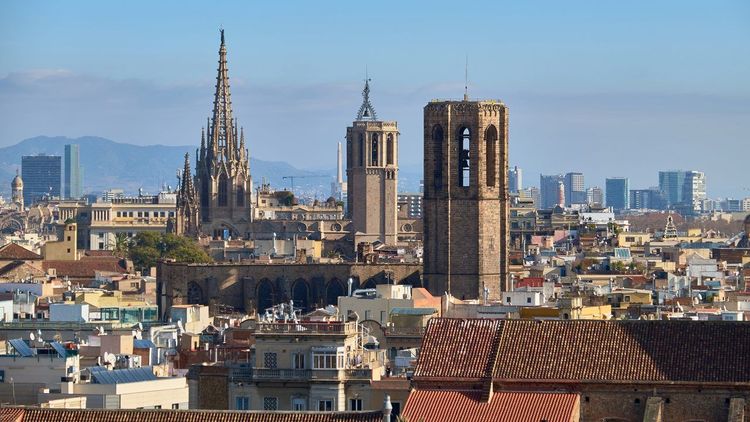
The Best Neighbourhoods to Stay In (Gothic Quarter, Eixample, Born)
With only 2 days in Barcelona, your choice of neighbourhood matters almost as much as your choice of landmarks: every journey saved is time gained on the itinerary. The Barri Gòtic puts the entire first day within walking distance, at the cost of some night-time noise on certain weekday evenings. The Eixample, more residential, places the Sagrada Família and the Passeig de Gràcia right on your doorstep — ideal if day two weighs more heavily in your priorities. El Born, between the two, offers a compromise: a lively neighbourhood, quality restaurants and 15 minutes on foot from both the beach and the Gothic Quarter. Avoid booking beyond the Diagonal or towards Sants: these are perfectly good residential areas, but every round trip will cost you twenty minutes on the metro in an already tight programme. The Ryo Barcelona audio tour lets you visualise these distances before booking, since it follows a route close to the one described in this article.
Our Recommendations by Budget
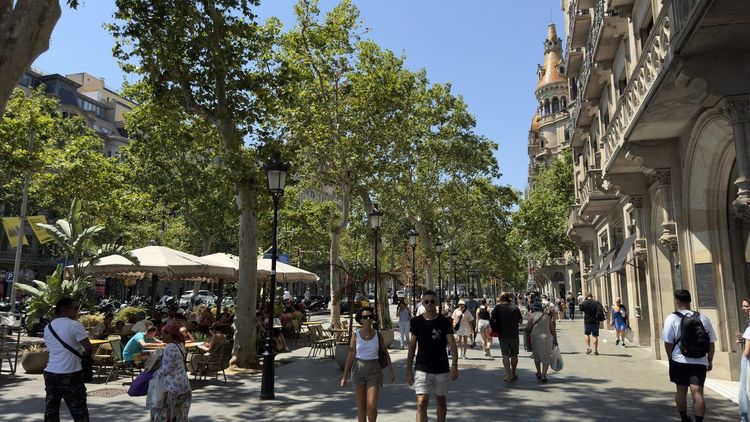
On a tight budget, hostels in the Raval or the Gothic Quarter offer dormitory beds from 20 to 25 euros a night, with a more backpacker feel. In the mid-range, allow 90 to 130 euros for a well-located double room in El Born or the Eixample. At the top end, hotels with terraces on the Passeig de Gràcia or near the port often exceed 250 euros a night but generally offer the best views over the city for such a short stay. In high season, between May and September, book at least a month in advance: the best addresses in El Born and the Eixample fill up quickly. Also check for air conditioning and double glazing — two details that make all the difference between June and September in a noisy historic centre.
Where to Eat and Enjoy Tapas in Barcelona
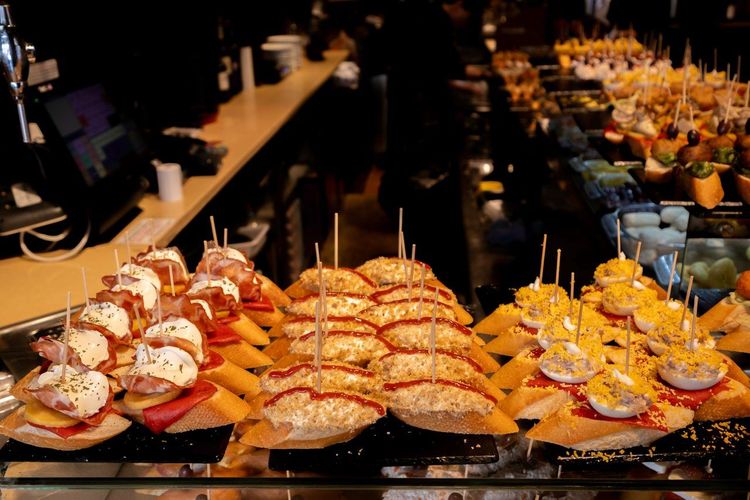
Tapas, Vermut and Wine Bars in the Centre
The Saturday lunchtime vermut ritual remains a local institution: a glass of house vermouth accompanied by olives and quality tinned foods, served in a vermutería in the Gothic Quarter or Gràcia, before anyone has even thought about lunch. For classic tapas — patatas bravas, pan con tomate and Iberian ham — eat standing at the counter in El Born bars where the evening crowd sets the tone. A simple rule for filtering addresses: avoid laminated menus in five languages with photos, and opt for counters where the daily board is in Catalan and Castilian and where a tapa costs under 4 euros.
In the morning, before resuming the itinerary, the esmorzar de forquilla — a hearty Catalan breakfast of eggs, cold cuts or fried squid — makes for a far better start than a simple coffee and croissant in neighbourhood bars away from the tourist zones. The Sant Antoni market, less famous than the Boqueria but just as busy, serves as a good alternative for a quick lunch between the Raval and the Eixample.
Good Spots Near the Day 2 Itinerary
For a more considered dinner after the Gaudí day, the Eixample is full of restaurants offering reinvented Catalan cuisine without the tourist prices of the Passeig de Gràcia itself: it is worth moving two or three perpendicular streets away to avoid fixed menus printed in multiple languages. Bear in mind that people eat late here — rarely before 9pm: booking at 7:30pm often means sitting alone in an empty dining room, when the kitchen is not still closed. The Ryo article on Barcelona's culinary specialities lists the dishes not to miss — from fideuà to crema catalana — if you want to build your own food trail between visits.
Budget and Money-Saving Tips for a Weekend in Barcelona
Average Daily Budget
For a 2-day weekend, allow around 60 to 80 euros per day per person on a budget (hostel, public transport, market and tapas), 120 to 150 euros for a comfortable stay (mid-range hotel, two restaurant meals, two paid landmarks), and over 200 euros for a high-end trip with a design hotel and fine-dining dinners. Gaudí landmarks represent the main expense outside accommodation: the Sagrada Família, Casa Batlló and Park Güell combined easily exceed 70 euros per person, with Casa Batlló alone accounting for nearly half the total. By comparison, an equivalent stay in Rome or Lisbon often costs 15 to 20% less on accommodation, but Barcelona retains the advantage of a high density of free or low-cost sites (beaches, parks, Font Màgica) that more than compensates for the difference.
Tourist Pass and Skip-the-Line Tickets
The Barcelona Card and the Articket BCN can reduce the bill if you plan to visit several museums in a row, but their value is limited over just 2 days, half of which is spent walking and exploring outdoor neighbourhoods. Worth noting: the most expensive Gaudí tickets — Sagrada Família and Casa Batlló chief among them — are not included in these passes, which further reduces the real saving. What really counts: booking online, several days or even weeks in advance in high season, skip-the-line tickets for the Sagrada Família, Casa Batlló and the timed entry for Park Güell. Without this precaution, a single poorly anticipated queue can eat up half a day on a programme this tight.
Practical Tips Before You Leave for Barcelona
Safety and Pickpockets
La Rambla, the metro at peak hours and the Barceloneta beach account for the majority of pickpocketing reports from visitors. A bag worn across the front, an inside pocket for your phone and normal vigilance are enough to avoid trouble: these are not dangerous areas, simply high tourist-density zones where a few opportunists operate accordingly. On the beach, never leave a bag unattended while swimming, even if you think you can keep an eye on it from a distance — that is the most common theft scenario in summer.
Weather, Packing and Parking If You're Coming by Car
Barcelona enjoys a Mediterranean climate: hot, dry summers — often above 28–30°C in July and August — and mild winters around 10–15°C with occasional showers. Light clothing with a jacket for the evenings is sufficient for most of the year; comfortable shoes are non-negotiable given the amount of walking in this 2-day itinerary.
Tap water is drinkable throughout the city — a detail that saves money on plastic bottles during the long walks of this itinerary. Tourist restaurants sometimes add a charge for bread or olives you did not order: nothing illegal, but worth checking the bill before paying, especially right next to La Rambla.
If you are arriving by car, book a covered car park in advance rather than hoping for a street space: most blue and green zones in the centre are reserved for residents with a permit card, and illegal parking quickly results in a fine or a tow. Also check the environmental sticker requirement: the low-emission zone covering the metropolitan area filters older vehicles on weekdays, including those registered abroad.
1 Day, 2 Days or 3 Days in Barcelona: What to Do Based on Your Profile
If you only have one day, focus on the Sagrada Família in the morning, then the Barri Gòtic and the Boqueria in the afternoon: that is the densest condensed version of this article, even if it means skipping Montjuïc and Park Güell. Conversely, a third day allows you to add the Camp Nou for football fans, the Picasso Museum in El Born, or a trip to Montserrat, just over an hour by train.
For a couple, prioritise the sunset at the Turó de la Rovira and a terrace dinner in El Born over an additional landmark: atmosphere matters more than a ticked list. For families, allow longer breaks at the Parc de la Ciutadella and the beach, and keep in mind that the pace described in this 2-day itinerary can be spread over 3 days without forcing children to walk as much as adults. The Ryo article on visiting Ajaccio with the family offers organisational principles that translate well to any city with young children. For budget travellers, free walking tours (tip-based) of the Gothic Quarter and hostels in the Raval make it possible to keep costs down without giving up the essentials of the programme.
FAQ
How many days do you need to visit Barcelona?
Forty-eight hours are enough to see the essentials: the Gothic Quarter, the Sagrada Família, Casa Batlló and Park Güell. A third day allows you to add museums, a longer beach visit and a trip to the surrounding area, without changing the overall structure of the itinerary.
Should you spend 2 or 3 days in Barcelona?
A 2-day format works well for a first condensed stay focused on the highlights of Modernisme and the historic centre. Three days are preferable if you want to explore Montjuïc in depth, visit the Picasso Museum or take a trip to Montserrat without rushing.
What budget should you plan for a 2-day weekend in Barcelona?
Allow between 150 and 300 euros per person excluding flights, accommodation included, for 2 days in comfortable mode: a mid-range hotel, two or three paid attractions and meals at restaurants. The budget climbs quickly if you add the tower climb at the Sagrada Família or a fine-dining dinner.
How do you get around Barcelona when you only have 2 days?
Walking covers most of the city-centre itinerary. The metro efficiently fills in the gaps for longer journeys, particularly to Park Güell or the airport, with a T-Casual 10-trip card being more economical than single tickets.
Can you visit Barcelona on foot in 2 days?
A large part of it, yes — particularly the Gothic Quarter, El Born, the Barceloneta and the Passeig de Gràcia, all connected by distances of 10 to 20 minutes on foot. Park Güell and Montjuïc, however, require the support of the metro, bus or funicular to avoid exhausting the day.
Do you need to book the Sagrada Família and Casa Batlló in advance?
Yes, always — especially between April and October. Time slots fill up several days in advance and buying on the spot means queuing for several hours, which is incompatible with such a tight 2-day programme.
Forty-eight hours in Barcelona work if you follow the logic of the terrain rather than a random list of landmarks: the historic centre and the sea on day one, Gaudí and the heights on day two. That is exactly the sequence offered by the Ryo Barcelona audio tour, designed to connect the sites on foot without unnecessary detours, with the anecdotes that bring each stop to life. Book your Gaudí tickets online as soon as your travel dates are set, leave room to improvise a vermut or a beach break, and the rest falls into place naturally.
À lire également