© Shutterstock
 Votre guide Ryo
Nightlife in Barcelona in 2026: Lively Neighborhoods, Bars, and Clubs for Unforgettable Evenings
Barcelona never sleeps, or almost never. Locals rarely dine before 10 pm, clubs don't really get going until past midnight, and some venues close their doors when the sun rises over the Mediterranean. If you want to experience Barcelona's nightlife without wasting an hour figuring out where to go, you first need to understand how the city is organized at night. Each neighborhood has its own character: the Eixample and Aribau Street for trendy late-night bars, El Born for cocktails among ancient stones, El Raval for underground scenes, and La Barceloneta for beachside clubs until dawn. To complete your daytime visit, the Ryo audio guide tour of Barcelona takes you through 26 iconic landmarks in 2.5 hours. But tonight, here is the guide to enjoying the city when it truly comes alive.
Las Ramblas and the Barrio Gótico: the Classic Starting Point
For a first night out in Barcelona, everyone eventually passes through Las Ramblas. This 1.3 km boulevard between Plaça de Catalunya and the port is noisy, often crowded with tourists, and yet hard to avoid — it leads directly to what truly matters: the Barrio Gótico just to the east.
In the Gothic Quarter, the medieval lanes transform from 9 pm onwards into a labyrinth of bars and small restaurants where locals mingle. Plaza Real (Plaça Reial, 08002 Barcelona, rated 4.5/5 on Google with 37K reviews) is the square not to miss at the start of the evening: surrounded by arcades, it is home to terrace bars, including Jamboree in the basement, a Barcelona institution for jazz, R&B, and hip-hop since 1960.
A practical tip: don't stay on Las Ramblas to drink. Prices there are inflated by 30 to 50% compared to the rest of the city, and the atmosphere is more touristy than local. Instead, dive into the side streets — Carrer dels Escudellers or Carrer de la Mercè — to find tapas bars where a caña still costs €2. The Barrio Gótico works well until midnight, after which the action shifts to El Born or El Raval.
For those who want to better explore this history-laden neighborhood before or after their evening, our article on the historic buildings of Barcelona's Gothic Quarter covers the Roman facades, the Bisbe Bridge, and the cathedral in detail. The Gothic Quarter and Plaça Reial are early stops on our audio walking tour, if you would rather see them in daylight first.
El Born and El Raval: Two Vibes, One Energy
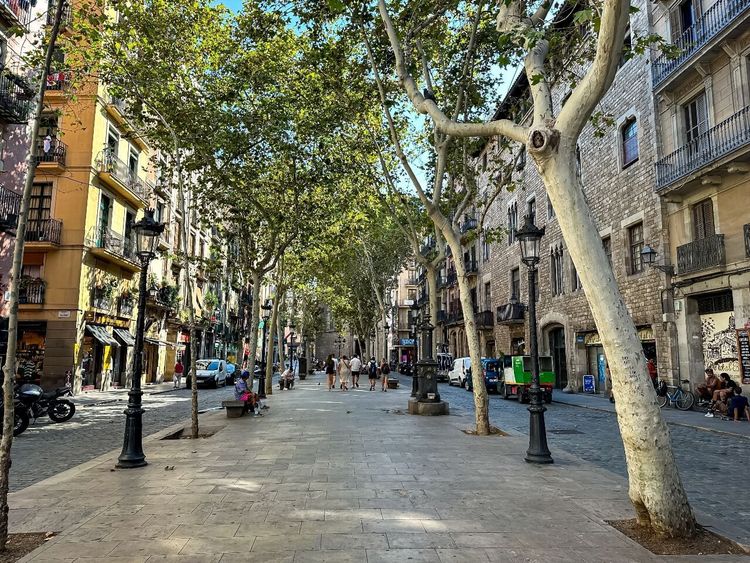
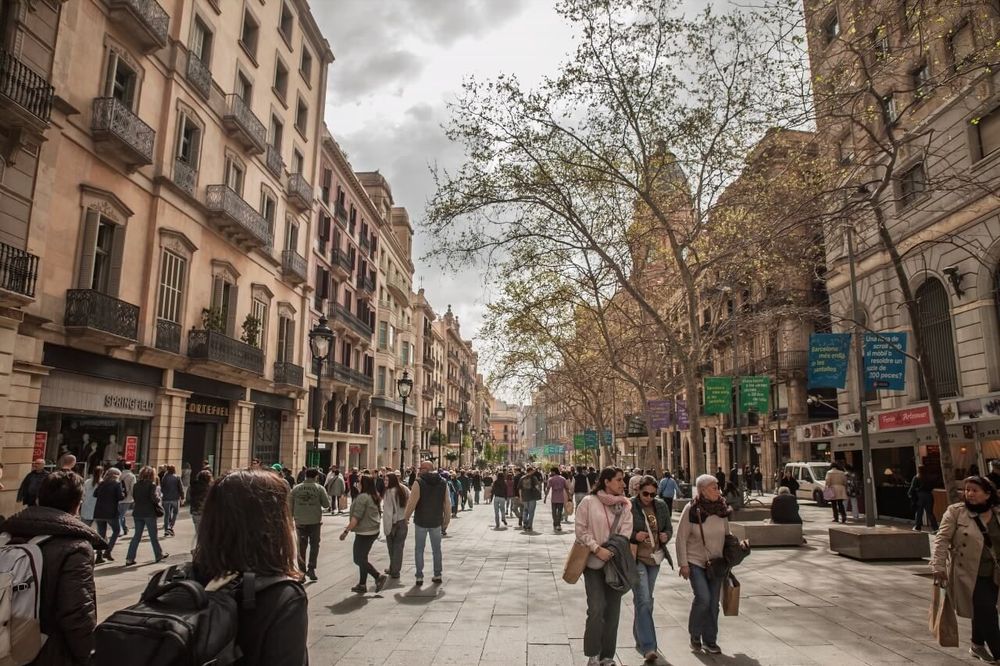
El Born is the neighborhood where Barcelona's trendsetters gather on weeknights and weekends alike. The action starts around Carrer del Parlament on the Raval side and the Passeig del Born on the Born side, a pedestrian artery lined with cocktail bars that also serve as social hubs until 2 am.
The philosophy in El Born is the lingering bar: you are not necessarily looking to go to a club — you stay in the same spot from 8 pm to 1 am, switch drinks, and run into friends along the way. The bar El Xampanyet, open since the 1930s, embodies this culture of glasses that stretch on, set to the backdrop of Catalan cava and homemade tapas.
A ten-minute walk to the west, El Raval offers something radically different. This historically working-class neighborhood, long avoided, has become since the 2000s the home of Barcelona's alternative scene. Industrial techno, late-night jazz concerts, vinyl bars — El Raval draws artists, students, and night owls looking for something beyond the usual circuits.
The Moog is the neighborhood's best-known club: a 300-person venue just steps from Las Ramblas, open since 1996 and specializing in techno and minimal electro. Entry between €10 and €15, focused atmosphere, and impeccable sound. Marula Café (Carrer dels Escudellers, 49, 08002 Barcelona, rated 4.3/5 on Google with 1,931 reviews), on Carrer dels Escudellers, spins funk, soul, and jazz vinyl records, with live sets on some evenings — a rarer find on the Barcelona scene.
The Eixample and Aribau Street: the Beating Heart of Barcelona's Nightlife
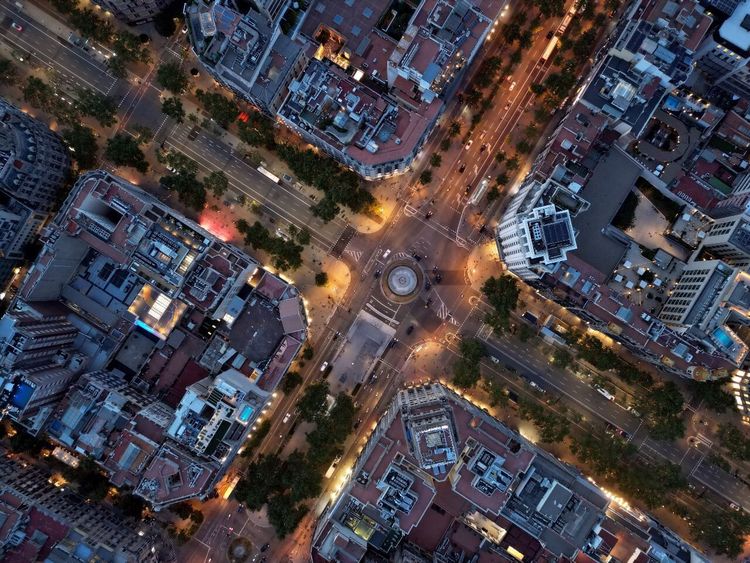
If you could only choose one neighborhood for a night out in Barcelona, the Eixample would probably be the best compromise between accessibility, bar quality, and nightlife staying power. This grand Haussmann-style grid north of the old city boasts an exceptional density of bars and clubs, particularly around two main axes: Aribau Street and the area nicknamed "Gayxample."
Aribau Street is the go-to address for nights out in the Eixample. Over just a few hundred meters, between Gran Via and Avinguda Diagonal, it lines up modern cocktail bars, clubs that open at midnight, and heated terraces in winter. The atmosphere is urban and refined: outfits lean smarter than in El Raval, prices are slightly higher, but the quality of drinks matches.
Sutton is the emblematic club of this area: decorated like a luxury apartment, it attracts an international and local crowd looking for commercial music in a very exclusive setting. Entry often by list, bottle service starting from €200. Bling Bling and Costa Breve play in the same league: glamour, pop and R&B music, themed nights.
The "Gayxample," around the intersection of Carrer del Consell de Cent and Carrer de Muntaner, is recognized as one of the most vibrant LGBTQ+ neighborhoods in Europe. Bars there stay open until 3 am on weeknights, even later on weekends, and the energy is particularly warm. Aire Barcelona (Carrer de Valencia, 236, 08007 Barcelona, rated 4.7/5 on Google with 1,493 reviews) and Arena Madre rank among the most popular clubs in this area.
To reach the Eixample from the city center, metro line 2 (Universitat station) or line 3 (Diagonal) drop you directly into the neighborhood. The last metro departs around midnight on weekdays and 2 am on weekends — keep that in mind for the journey home.
Gracia and Poble Sec: the Locals' Neighborhoods
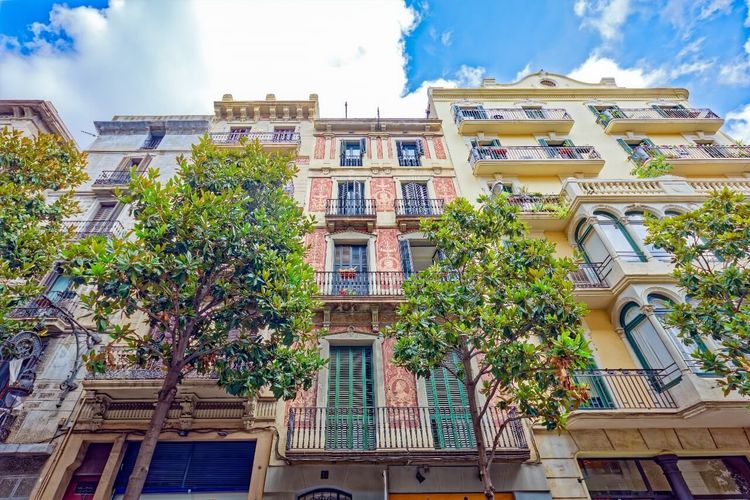
Gracia is the neighborhood that Barcelona residents recommend when asked where to go out "for real." A former independent village absorbed by the city in the 19th century, it has preserved a strong identity: lively little squares, an artistic community, and bars where you recognize familiar faces week after week.
Plaça de la Vila de Gràcia and Plaça del Sol are the two nerve centers of the neighborhood's nightlife. From 8 pm, the terraces fill with families, groups of friends, and students from the nearby university. The atmosphere is relaxed, prices are reasonable (a beer on a terrace around €3), and conversations sometimes spill out onto the pavement.
Gracia works better in the early evening than after midnight: bars generally close around 2 am, and there is no major club scene in this residential neighborhood. It is the ideal spot for a late dinner followed by a drink or two before migrating to the Eixample or El Raval.
Poble Sec is the revelation of the past five years. This neighborhood at the foot of Montjuïc, long overlooked by tourist guides, has become one of the most creative in Barcelona. Carrer del Parlament and Carrer de Blai, famous for its €1 pintxos, are home to a constellation of independent bars, natural wine restaurants, and small concert venues.
Sala Apolo (Carrer Nou de la Rambla, 113, 08004 Barcelona, rated 4.2/5 on Google with 12,090 reviews), on Avinguda del Paral·lel, is the most respected concert hall and club in Poble Sec. Its programming blends indie rock, live electronics, and retro club nights (the legendary "Nasty Mondays" draws hundreds of people every Monday). Capacity of 1,200, online ticketing recommended.
La Barceloneta and the Port Olímpic: Partying by the Sea
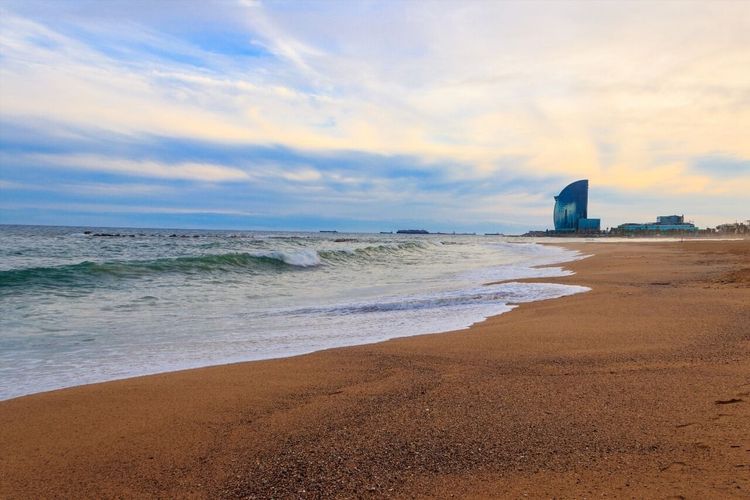
La Barceloneta is Barcelona's historic waterfront neighborhood, with its grid of lanes laid out in the 18th century and its seafood restaurants. In summer, it is also the starting point for the city's most festive nights: clubs set up literally on the beach, terraces overflow until 4 am, and the collective energy reaches its peak.
The Port Olímpic, built for the 1992 Games, houses a concentration of commercial clubs on two levels — the inner ring and the seafront. Opium Barcelona, Shoko, and Pacha Barcelona are the three big names in this area: commercial music (pop, R&B, house), high bottle-service prices, and a mixed international crowd. Expect €15 to €20 entry, sometimes waived on the guest list until midnight.
Beyond the Port Olímpic clubs, La Barceloneta has a few beach bars (chiringuitos) that stay open until midnight in summer. Ànima Beach and La Cova Fumada (Carrer del Baluard, 56, 08003 Barcelona, rated 4.6/5 on Google with 5,627 reviews) are two lesser-known addresses off the tourist circuit — the latter, open since 1944, is the neighborhood locals' canteen in the morning and a pilgrimage destination for fans of the bomba (the croquette invented here).
Worth noting: La Barceloneta and the Port Olímpic are significantly more lively from April to October. In winter, several clubs close or reduce their hours.
Barcelona's Major Clubs: Razzmatazz, Input, La Fira, and Macarena
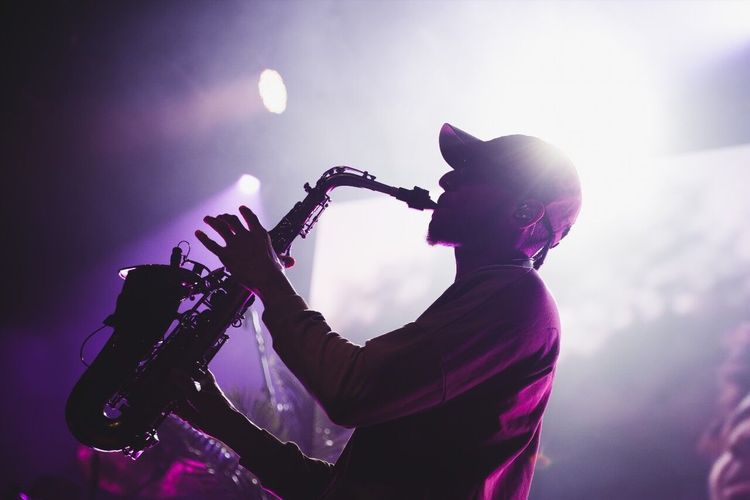
Barcelona's clubs regularly host some of the biggest names on the international circuit, and the duration of nights out — often from midnight to 7 am — is a hallmark that few cities can claim.
Razzmatazz is arguably the most iconic club in the city. This roughly 3,700 m² complex in the Poblenou neighborhood, open since 2000 in former textile factories, brings together five different rooms under one roof: pop and electronics in the large main room, techno and house in the "Loft," rock and indie in the "Razz Club," pop and electro in the "Pop Bar," and electro-rock in the "Rex Room." Each room has its own DJ, its own atmosphere, and its own entry prices (combined ticket between €15 and €25).
Input High Fidelity Club is Barcelona's reference for pure techno enthusiasts. Located in a former industrial space in Poblenou, this club has invested in an EV Nexo sound system regarded as one of the best in Europe. Deliberately limited to 500 people, a focused atmosphere, no phones in the main room. The artists booked here are names you would find at Berghain or Fabric.
La Fira (Carrer de Provença, 171, 08036 Barcelona, rated 3.6/5 on Google with 320 reviews) is a surprising venue in the Eixample: a former 1920s hall of mirrors converted into a club, with its original distorting mirrors, circus carousels, and perfectly preserved kitsch decor. The music is electro and house, the atmosphere wonderfully offbeat. A night at La Fira is like nothing else.
Macarena is the most intimate club on this list: a maximum of 100 people in a basement of the Barrio Gótico. Specializing in techno and minimal electro, it opens at 12:30 am and rarely closes before 6 am. No reservations possible, entry at the door, sometimes a long queue — but the sonic experience is worth the wait.
Cocktail Bars and Rooftops: Barcelona from a Different Angle
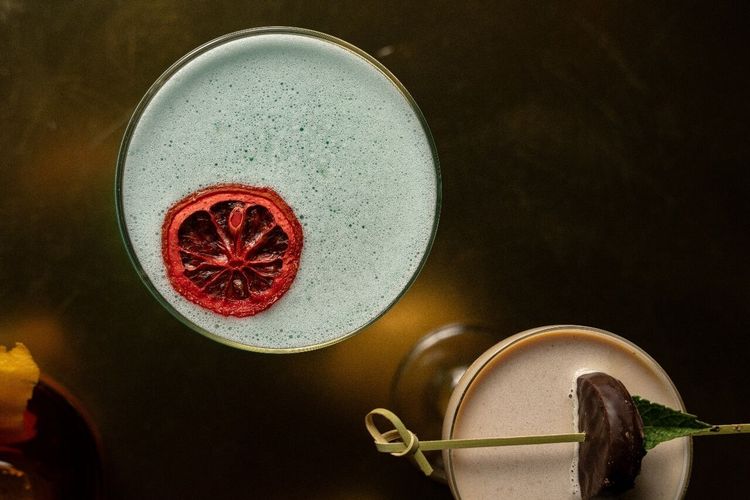
Barcelona is not all clubs and nightclubs. The city has a very well-developed cocktail bar scene, particularly since the explosion of the "craft" movement that hit the city between 2015 and 2020.
Paradiso is perhaps the most celebrated cocktail bar in Spain: it has featured for several years in the ranking of the world's 50 best bars. The entrance is through a fake refrigerator door inside a sandwich shop — behind it, a 40-seat bar serving elaborate cocktails at around €14.
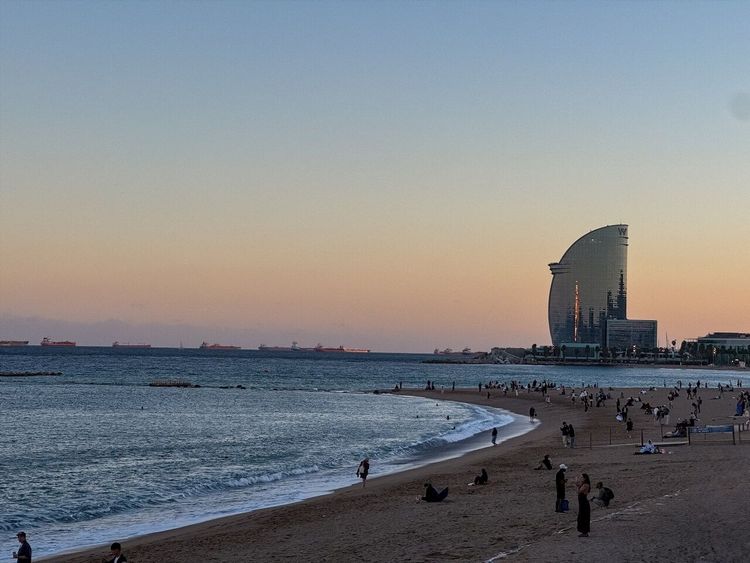
For rooftops, two addresses stand out. The Ohla Hotel rooftop in the Barrio Gótico offers a view over the Gothic rooftops of the city with a pool open in summer. The W Hotel 360° Bar on the Barceloneta is even more spectacular: perched 26 floors above the sea, it offers one of the finest views of the Mediterranean you can enjoy with a drink in hand.
In the Eixample, Dry Martini Barcelona (Carrer d'Aribau, 162, 08036 Barcelona, rated 4.4/5 on Google with 3,330 reviews) is an institution: open since 1978, it serves what many consider the best martini in the city, in a setting of dark wood paneling and copper — halfway between a hotel bar and a speakeasy.
Live Music and Alternative Scenes
Beyond the clubs, Barcelona has a rich network of concert halls and alternative venues that make its nightlife so compelling.
Sala Apolo (already mentioned in Poble Sec) is the absolute benchmark: rock concerts, live electronics, club nights after the shows — all in a 1940s ballroom whose parquet floors and chandeliers have survived every passing trend. On the jazz side, Jamboree has been running two concerts a night for decades (8:30 pm and 10:30 pm), with an electronic club session taking over after midnight.
Heliogàbal (Carrer de Ramon i Cajal, 80, 08012 Barcelona, rated 4.3/5 on Google with 671 reviews) in Gracia is the intimate concert bar par excellence: a small room where you discover emerging bands and poetry sessions on some evenings. BARTS, on Avinguda del Paral·lel, is a mid-sized venue (around 700 capacity) that presents national and international artists in a more produced format than neighborhood venues.
For flamenco enthusiasts, Tablao de Carmen in Montjuïc and Palau Dalmases in El Born offer touristy but polished shows — a way to combine culture and nightlife, particularly for first evenings in Barcelona.
Going Out in Barcelona According to Your Style
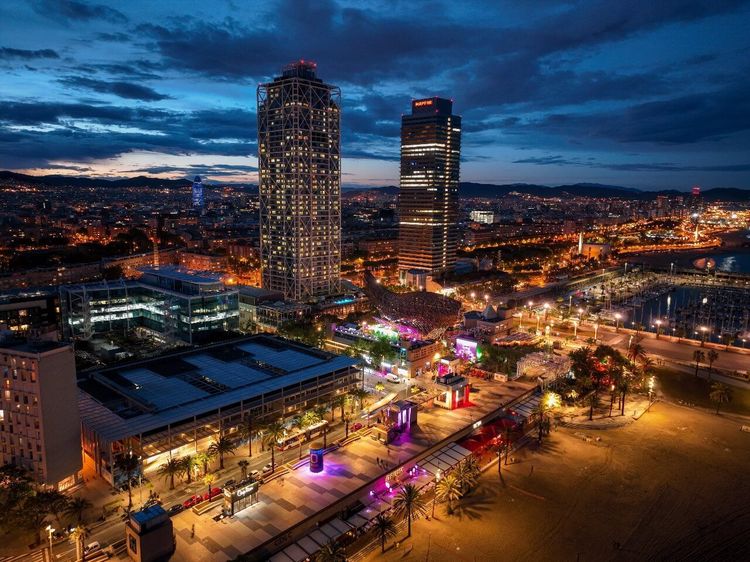
The city is so diverse at night that it is worth choosing your neighborhood based on what you are truly after.
Into electronic music and techno? Head to Razzmatazz, Input, or Moog — all three are open until the early hours and book internationally acclaimed artists. Prefer a well-crafted cocktail in an original setting? Paradiso or La Fira are experiences in their own right. Looking for a lively night without a club? Carrer d'Aribau (Carrer d'Aribau, 08011 Barcelona) in the Eixample will keep you entertained until 3 am with its bars spilling out onto the pavement.
Travelers who want to explore the city before experiencing it at night will find in our Barcelona audio-guided tour an efficient way to discover the neighborhoods by day — which also helps you navigate more confidently after dark. The Ryo app covers 27 highlights in 2 hours 35, including several in neighborhoods that come alive as soon as the sun goes down.
If your stay lasts several days, also check out our article on things to do in Barcelona and the surrounding area to balance your evenings with your days.
Going Out in Barcelona over 40
Barcelona is often associated with a youthful, fast-paced crowd, but the city welcomes night owls of all ages with disarming ease. If you prefer a more relaxed atmosphere, a few addresses stand out.
Aribau Street in the Eixample works well for the 35–55 age group: the bars are refined, the music less deafening than in clubs, and the terraces allow for extended conversation. The rooftops of the W Hotel and Hotel Arts draw an adult international clientele, with prices to match the setting (cocktails between €18 and €25). For live music, the Palau de la Música Catalana (Carrer del Palau de la Música, 4-6, 08003 Barcelona, rated 4.7/5 on Google with 54,513 reviews) holds evening concerts in a UNESCO-listed Modernista setting — a fine alternative to the classic nightclub.
Going Out on a Sunday Night in Barcelona
Sunday nights have a bad reputation in many European cities, but not in Barcelona. The Catalan tradition of an active "domingo" keeps many bars open until 2 am, and some clubs hold their best nights on Sundays to attract local residents rather than weekend tourists.
"Nasty Mondays" at Sala Apolo is technically a Monday night event, but the queue starts forming as early as Sunday at 11:30 pm. Razzmatazz is one of the rare large clubs to open on Sunday nights. In the neighborhoods, bars in Gracia and El Born stay lively until midnight even on weekdays. A tip: avoid the Port Olímpic clubs on Sundays, which tend to run at a slow pace outside the summer season.
Practical Tips for a Night Out in Barcelona
A few things to know before your first night out:
The schedule runs later than the rest of Europe. Restaurants don't close their kitchens before 11 pm, bars fill up after midnight, and clubs hit full swing between 2 am and 4 am. If you arrive at a club at 11 pm, you will be practically alone.
The metro stops around midnight on weekdays (last departures from major stations) and stays open until 2 am on Fridays and Saturdays. Taxis and ride-hailing apps (Cabify, Uber) are available all night and are relatively affordable for short distances within the city.
Guest lists exist at most major clubs. To get on them, you usually just need to sign up through the club's app or platforms like Xceed or RA (Resident Advisor). The benefits are twofold: free or reduced entry before 1:30 am, and skipping the queue.
Summer heat can make some open-air clubs very pleasant, but turns underground venues into saunas. Bring hydration and check whether the venue has adequate ventilation before spending the night there.
Budget for a Night Out in Barcelona
Spending varies considerably depending on the type of night out:
- Beer at a neighborhood bar: €2 to €3
- Cocktail at a cocktail bar: €12 to €18
- Club entry: €10 to €20 (often free before midnight on the guest list)
- VIP table bottle service: from €150–200 depending on the club
- Taxi home (city center): €10 to €15
A bar and club night for two, without going overboard, generally comes to between €60 and €100. Barcelona remains cheaper than Paris or London for comparable experiences.
FAQ
What is the best neighborhood for nightlife in Barcelona?
The Eixample, and more specifically Aribau Street, is the neighborhood that offers the best combination of bar density, quality, and accessibility. It works well from 9 pm to 4 am and suits all styles. El Born and El Raval remain excellent alternatives depending on whether you are looking for cocktails or the alternative scene.
What time does the nightlife start in Barcelona?
Locals don't go out before 10 pm for dinner, and bars don't really fill up until after 11:30 pm. Clubs officially open around midnight but are empty before 1 am. If you arrive earlier, you will be surrounded by tourists and staff.
Are Barcelona's clubs open year-round?
Most indoor clubs (Razzmatazz, La Fira, Moog, Input) are open year-round from Thursday to Sunday. Beachside clubs (Opium, Shoko, Pacha) reduce their activity from October to March. Summer nights remain the most intense, especially in July and August.
How do you get to nightclubs by public transport?
The Barcelona metro serves all key nightlife areas until midnight on weekdays and 2 am on weekends. After the metro closes, Nitbus buses (lines N1 to N17) cover the city every 20 minutes. Taxis are also available 24 hours a day.
Is there a dress code in Barcelona's clubs?
Upscale clubs in the Eixample (Sutton, Bling Bling, Pacha) enforce an unspoken dress code: smart attire, no flip-flops or shorts for men. Alternative clubs like Razzmatazz, Moog, or Input have no dress restrictions. When in doubt, a casual but non-sportswear outfit works everywhere.
What to do in Barcelona before going out at night?
Make the most of the afternoon to discover the neighborhoods you will be exploring in the evening. The Ryo audio guide for Barcelona offers a 2.5-hour tour through 26 iconic landmarks — an efficient way to get your geographical bearings in El Born, the Barrio Gótico, or the Eixample before exploring them after dinner. Find this Ryo Barcelona audio guide tour directly in the app.
Barcelona Awaits You as Soon as Night Falls
Going out in Barcelona means accepting to live on Catalan time: dining late, taking your time, letting the night stretch without watching the clock. Whether you are after a cocktail on a rooftop with a Mediterranean view, a techno set in a former Poblenou warehouse, or simply a lively drink on a terrace in Gracia, the city has an answer for every mood.
To plan your stay in full — from the neighborhoods to explore by day to the culinary spots to try before heading out — the Ryo audio guide tour through the eyes of Gaudí is a perfect introduction to the city. And if you want to extend your trip through Spain, our guide to Barcelona's culinary specialties will give you plenty to eat well before a long night.
À lire également