








Créé par Romane, le 4 oct. 2026
Votre guide Ryo
Cadiz, Spain
The city of sea and freedom
Parcours audioguidé pour visiter Cadiz en 1 jour
Set on a peninsula facing the Atlantic Ocean, Cádiz is one of the oldest cities in Western Europe. With its whitewashed streets, maritime history, and ocean views, it offers a bright atmosphere full of character.
Quand partir à Cadiz ?
Jan.
13°
7
Feb.
14°
6
March
16°
5
April
18°
5
May
21°
3
June
25°
1
July
28°
0
Aug.
29°
0
Sept.
26°
2
Oct.
22°
4
Nov.
18°
6
Dec.
15°
7
Cádiz enjoys a Mediterranean–oceanic climate, with mild winters and warm summers moderated by the sea breeze. The most pleasant months to visit are generally April to June and September to October, when temperatures are comfortable, sunshine is plentiful and visitor numbers are lower than in high summer.
Départ conseillé
No need to worry about where to begin! Our tours are designed as a loop, so you can jump in wherever you are. The navigation system and audio-guide will automatically adjust to your location. However, if you happen to be nearby, we do have a preferred starting point: on Plaza de San Juan de Dios
Parking à proximité
Aparcamiento Interparking Canalejas : Avda del Puerto s/n
In Cádiz, visitors can park in several underground car parks close to the centre, such as Canalejas or Santa Bárbara, which are convenient for exploring the old town on foot. There are also paid blue-zone spaces on the streets, useful for short visits though often time-limited. For those who prefer to avoid driving in the historic centre, there are peripheral car parks, generally cheaper, from which you can reach the centre by bus or on foot along the seafront.
À savoir
The route passes through Genovés Park, one of the most beautiful green spaces in Cádiz. However, keep in mind that the park has set opening hours and closes each evening at sunset. If you arrive when the gates are shut, no problem: simply continue along the park on Avenida Doctor Gómez Ulla, and you will rejoin the route just afterwards.
The currency used in Spain is the euro.
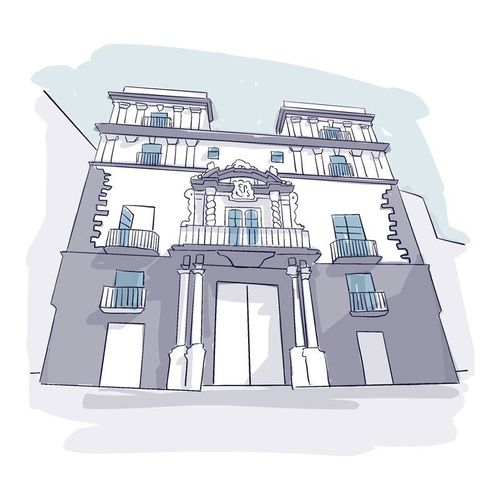
Découvrez 25 lieux d'intérêt pour visiter Cadiz







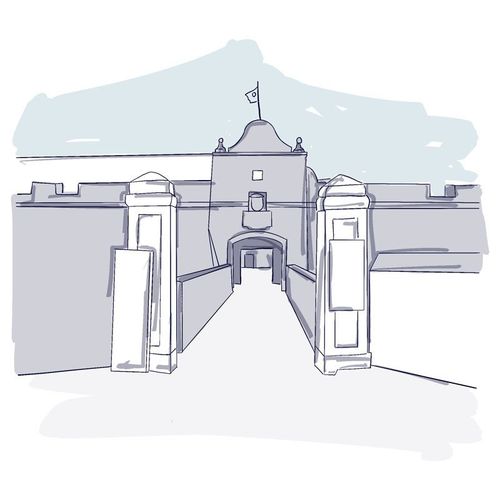




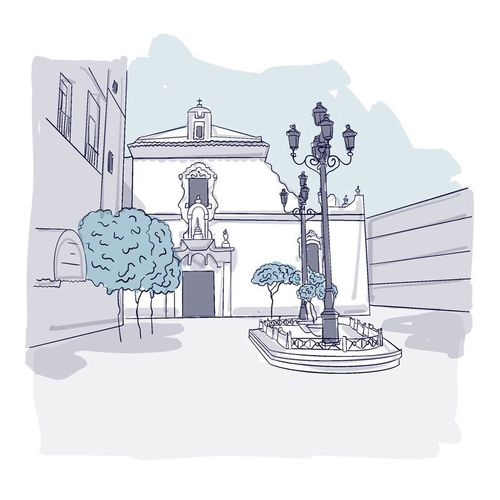


Le plein d'inspirations
Explorez le monde en totale liberté, à pied au cœur des villes ou au fil des routes. Nos guides audios transforment chaque destination en une découverte culturelle immersive et unique.










FAQ for visiting Cadiz
When is the best time to visit Cadiz?
The best time to explore Cadiz runs from April to June and from September to October. During these months, you'll enjoy ideal temperatures for exploring the city on foot, with generous sunshine and a pleasant sea breeze. Summers remain pleasant thanks to the influence of the Atlantic Ocean, but tourist crowds are heavier. Winters are mild and also allow for a comfortable visit, although the weather is more changeable. If you're looking for lively festivities, opt for February and its carnival, one of the most famous in Spain. For a quieter, more authentic experience, spring and autumn will let you fully appreciate the unique atmosphere of this maritime city.
How many days do you need to visit Cadiz?
Two to three days is an ideal amount of time to explore Cadiz and soak up its maritime atmosphere. In two days, you can wander through the historic centre, discover the main monuments and enjoy at least one beach. With three days, you'll have time to delve deeper into your visit, stroll through working-class neighbourhoods like La Viña, savour the local cuisine and perhaps even take a trip to the surrounding area. If you only have one day, focus on the old town and its iconic monuments. The advantage of Cadiz is its manageable size, which allows you to see everything on foot, making exploration easy and enjoyable even on a short stay.
How do you get around Cadiz?
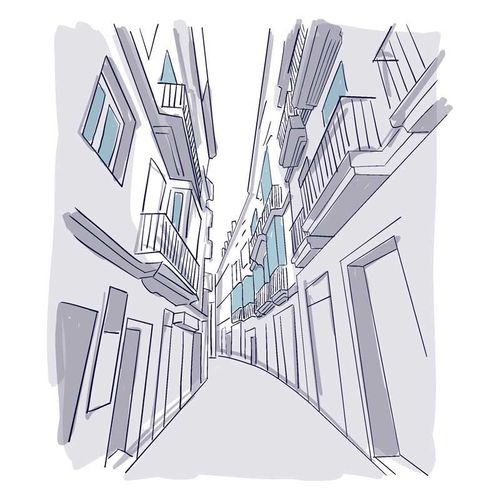
Cadiz is a city perfectly suited to walking, and that's actually the best way to discover it. The historic centre is compact and pedestrianised, making it easy to reach all the points of interest on foot. For more distant beaches like La Cortadura or La Victoria, the city buses are convenient and frequent. Cycling is an excellent alternative, with bike lanes along the seafront. Taxis are available but rarely necessary except to reach the station or Jerez airport. If you arrive by car, be aware that parking in the centre is difficult and paid. It's best to leave it in a car park on the outskirts and continue on foot to fully enjoy the charm of the narrow streets.
What are the must-see monuments in Cadiz?
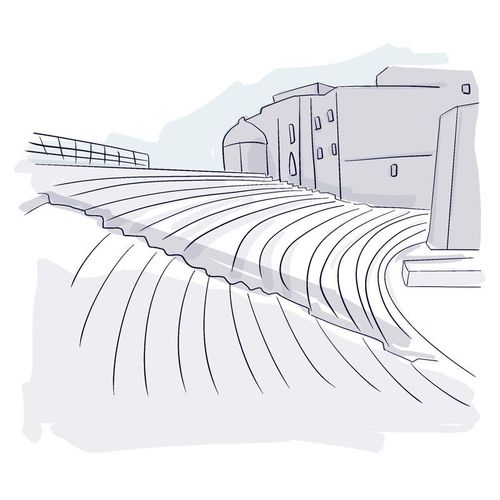
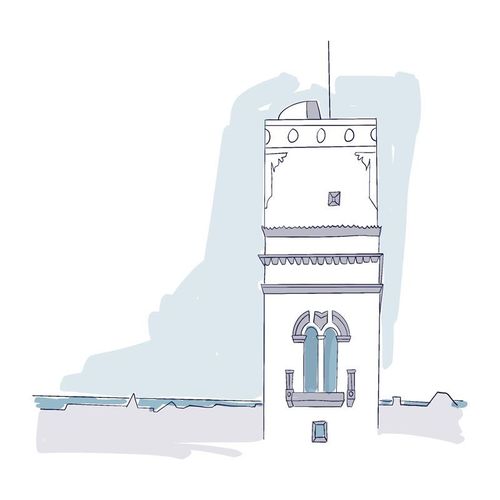
Cadiz is brimming with architectural treasures that bear witness to its rich maritime past. The Baroque cathedral, with its golden dome, dominates the cityscape and offers a spectacular view from its tower. The Roman theatre, one of the largest in Spain, reveals the city's ancient origins. The Torre Tavira lets you admire a complete panorama thanks to its camera obscura. Squares such as the Plaza de San Juan de Dios and the Plaza de las Flores embody the soul of Cadiz. The castle of San Sebastián, set on an islet, and the castle of Santa Catalina tell the story of the city's defences. The Ryo audioguide guides you through this discovery with commented tours that reveal the secrets and anecdotes of each monument, enriching your visit to the city.
Where are the most beautiful beaches in Cadiz?
Cadiz is blessed with several magnificent beaches, each with its own character. La Caleta, nestled between two castles in the old town, is the most iconic and easily reached on foot from the centre. For wider stretches, head to La Victoria beach, several kilometres long and lined with a pleasant seaside promenade. La Cortadura beach, wilder, offers an unspoilt natural setting ideal for escaping the crowds. Santa María del Mar attracts families with its calm waters and amenities. All these beaches have fine golden sand and generally enjoy clear water. In summer, they come alive with chiringuitos, those typical beach bars where you can enjoy pescaítos fritos facing the ocean.
How do you get to Cadiz from Seville or Jerez?
From Seville, the train is the most convenient way to reach Cadiz. Direct trains make the journey in about an hour and a half, with frequent departures throughout the day. Buses are an economical alternative, with a similar travel time. If you're coming from Jerez, located just around thirty kilometres away, the options are even more numerous. The cercanías train links the two cities in less than forty-five minutes with very regular departures. Buses are also frequent, and the drive along the motorway is quick. Jerez airport is, in fact, the nearest gateway by air to Cadiz. From both cities, connections are simple and well organised, greatly facilitating access to the pearl of the Atlantic.
Is Cadiz accessible for people with reduced mobility?
Cadiz is making considerable efforts to improve its accessibility, even if some challenges remain due to its historic layout. The main streets and squares of the centre have been adapted with ramps and lowered kerbs. Many important monuments, such as the cathedral, have adapted access, although it's advisable to check on a case-by-case basis. The beaches of La Victoria and La Cortadura offer specific services with walkways and sometimes amphibious wheelchairs in summer. City buses are generally equipped to accommodate wheelchairs. However, some narrow streets in the old quarter can present difficulties with their uneven cobblestones. It's advisable to favour the renovated areas and to enquire at the tourist office, which provides detailed information on accessibility.
What can you do in Cadiz with children?
Cadiz is a family destination par excellence, thanks to its safe beaches and its many child-friendly activities. The beaches of La Victoria and Santa María del Mar are perfect, with their shallow waters and play areas. The castle of Santa Catalina fascinates young explorers with its ramparts and its sea views. The camera obscura of the Torre Tavira offers a magical experience that captivates young and old alike. The Genovés park offers vast green spaces, artificial grottoes and even ducks. Boat trips around the bay let you see the city from a different angle. The Ryo audioguide offers family-friendly tours, with stories and anecdotes that make discovering the heritage fun and accessible to the youngest visitors, turning the visit into a real adventure.
Which districts should you explore in the old town of Cadiz?
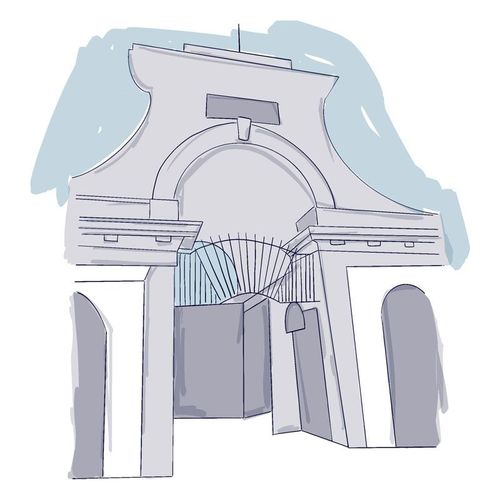
The old town, surrounded by the sea, is divided into districts with quite distinct characters. El Pópulo, the oldest, keeps its medieval gates and shelters the Roman theatre, rediscovered beneath the houses. Next to it, Santa María retains a working-class, gypsy atmosphere, with its courtyards and weathered façades. La Viña, the former fishermen's quarter, comes alive in the evening around the fried-fish counters and runs down to La Caleta beach, framed by its two fortresses. El Mentidero, more well-to-do, lines up leafy squares and buildings topped with watchtowers, a legacy of the merchants who traded with the Americas. The Ryo audio guide offers a route dedicated to Cadiz that links these districts and tells their story.
What should you eat in Cadiz?
The city lives to the rhythm of the sea, and so does its cooking. Pescaíto frito, fish and squid fried in a light batter and served in a paper cone, is eaten standing up outside the fry shops. Tortillitas de camarones, thin crisp fritters made with tiny shrimp, are the other essential, along with prawns from the bay, sea urchins in season and tuna caught not far away using the traditional almadraba technique. The central market is the best place to take in this abundance and eat something quick at a counter. As for drinks, the region's dry, lively wines are a perfect match for these briny flavours.
Vos commentaires, idées et suggestions
Aucun avis pour le moment
