






Créé par Romane, le 4 oct. 2026
Votre guide Ryo
Ronda, Spain
Suspended between Sky and Peaks
Parcours audioguidé pour visiter Ronda en 1 jour
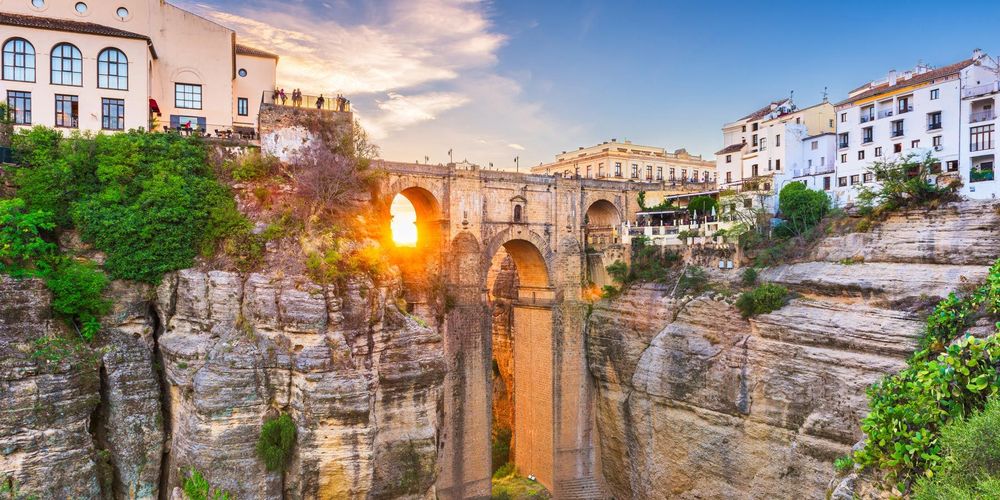
Perched above its dramatic gorge, Ronda is one of the most spectacular towns in Andalusia. With its monumental bridge, Moorish heritage, and sweeping landscapes, it exudes a unique atmosphere that is both striking and deeply Andalusian.
Quand partir à Ronda ?
Jan.
10°
8
Feb.
11°
7
March
13°
7
April
16°
7
May
20°
5
June
25°
2
July
29°
0
Aug.
29°
1
Sept.
25°
3
Oct.
20°
6
Nov.
15°
8
Dec.
12°
9
The best times to visit Ronda are spring and autumn, when temperatures are mild and the light enhances the landscapes of the Serranía beautifully. In April, May, September and October, the city is pleasant to explore, with long days and a more comfortable level of visitors than in the height of summer. Winter also offers a calm, bright atmosphere, though with cooler evenings, while summer can be very hot, especially around midday.
Départ conseillé
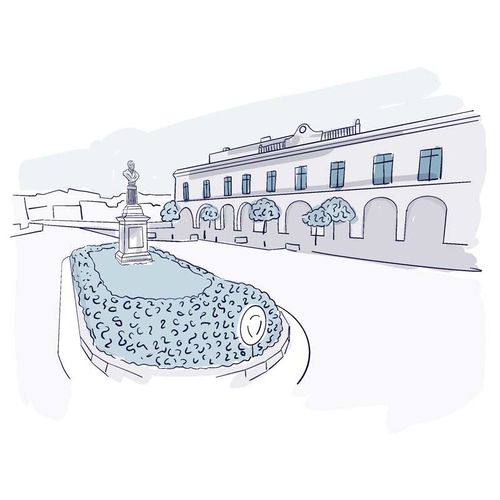
No need to worry about where to begin! Our tours are designed as a loop, so you can jump in wherever you are. The navigation system and audio-guide will automatically adjust to your location. However, if you happen to be nearby, we do have a preferred starting point: on Plaza Carmen Abela.
Parking à proximité
Parking Martínez Astein : Av. Martínez Astein
The Martínez Astein car park, although not the closest to the historic centre, remains the best option for visiting Ronda. It is spacious, easy to access and ideal for avoiding the narrow streets of the old town. For those who prefer to park closer to the main sights, the Plaza del Socorro car park offers a central, covered alternative. You can also choose the area around the train station or certain peripheral zones to find free parking spaces, with about a ten-minute walk to the heart of the city.
À savoir
Ronda offers a tourist pass called the Bono Turístico Ronda, a single card that provides access to several of the city’s key sites without buying separate tickets. It includes, among others, the Arab Baths, the Palacio de Mondragón, the Casa del Gigante, the Joaquín Peinado Museum and the Puente Nuevo Interpretation Centre, making it a practical and economical option for discovering the main monuments. The pass can be purchased or collected directly at the tourism office located on the Paseo Blas Infante.
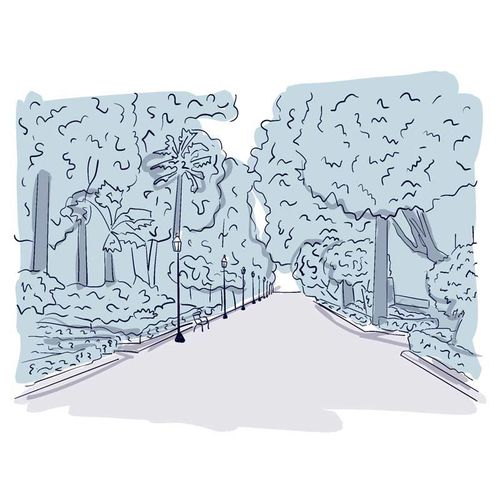
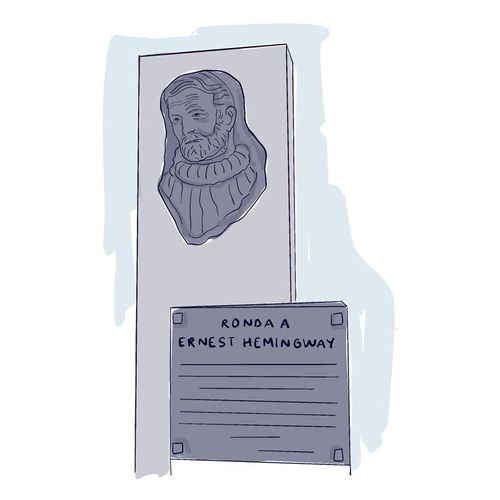
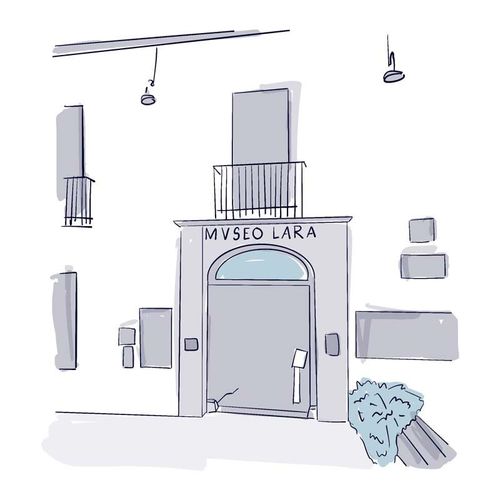
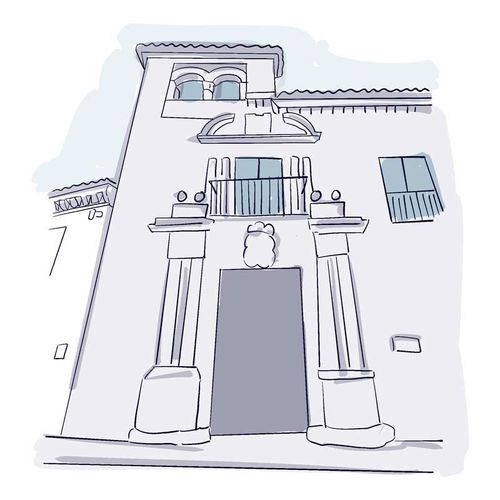
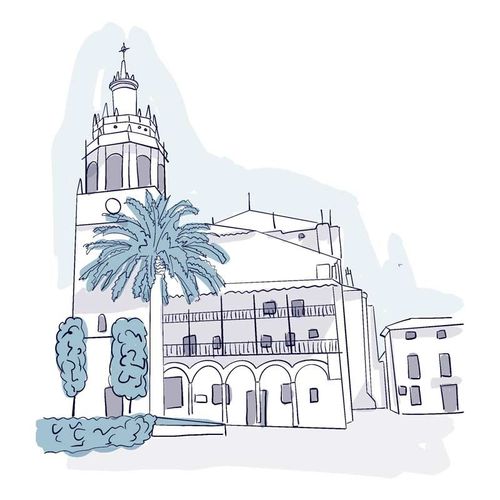
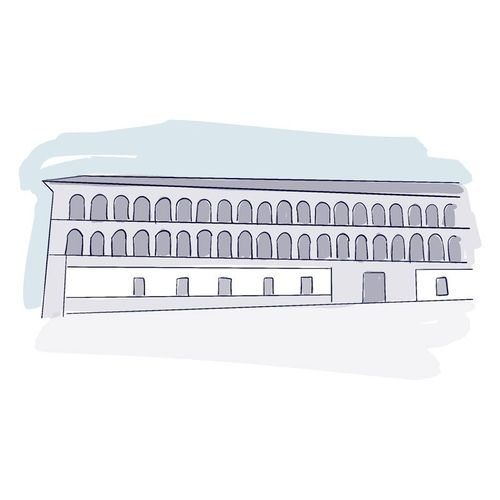
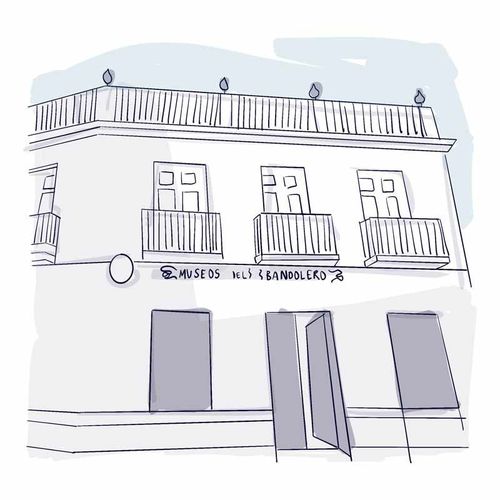
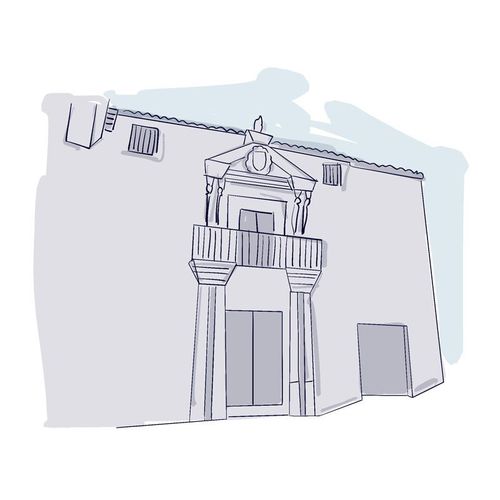
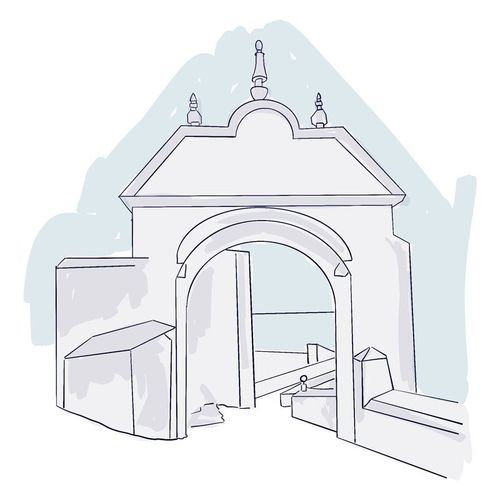
Découvrez 27 lieux d'intérêt pour visiter Ronda



Le plein d'inspirations
Explorez le monde en totale liberté, à pied au cœur des villes ou au fil des routes. Nos guides audios transforment chaque destination en une découverte culturelle immersive et unique.
FAQ for visiting Ronda
When is the best time to visit Ronda?
The best times to discover Ronda are spring and autumn, particularly in April, May, September and October. Temperatures are then ideal for exploring the town on foot, and the light brings out the spectacular landscapes of the Serranía. Tourist crowds remain reasonable compared to the summer months. Winter offers a peaceful atmosphere with beautiful light, even though evenings can be cool at altitude. Summer can be very hot during the day, which makes visits less comfortable, especially between noon and four in the afternoon. The long spring and autumn days will let you make the most of the terraces in the evening after wandering through the historic streets.
How many days do you need to visit Ronda?
Two full days are the ideal length of time to enjoy Ronda without rushing. One day lets you discover the major sights such as the New Bridge, the bullring and the historic centre, but you risk skimming over some of the more authentic neighbourhoods. With two days, you can explore the old town at leisure, descend into the Tajo gorge, visit the Arab baths and soak up the unique atmosphere of this clifftop city. If you have three days, you will have time to add a hike in the surrounding area or visit the nearby white villages. Half a day is not enough to grasp the essence of Ronda and its very special character, poised between sky and precipice.
How do you get to Ronda?
Ronda can be reached by several means of transport. By car, the town lies about an hour and a half from Málaga via the A-357, and two hours from Seville via the A-376. The roads are winding but offer magnificent panoramas. The train links Ronda to Málaga, Algeciras and Madrid, with picturesque journeys crossing the mountains. Regular buses run from Málaga, Seville, Marbella and other Andalusian cities. If you arrive by plane, Málaga airport is the closest, followed by Seville. From there, you can rent a car or take public transport. The access roads wind through the mountains, already offering a spectacular foretaste of your destination.
Where can you park in Ronda?
Parking in Ronda can be a challenge, especially in high season. Several paid car parks are available near the historic centre, notably the underground car park at Plaza del Socorro, very convenient for reaching the main sights on foot. The Plaza de la Merced car park is also a good alternative. Free spaces exist in the residential neighbourhoods on the outskirts, but they often require more walking. Avoid venturing by car into the narrow streets of the old town. The car parks near the New Bridge fill up quickly. It is generally advisable to arrive early in the morning or in the late afternoon to find a space more easily, especially on weekends and during the summer months.
What are the must-see sights in Ronda?
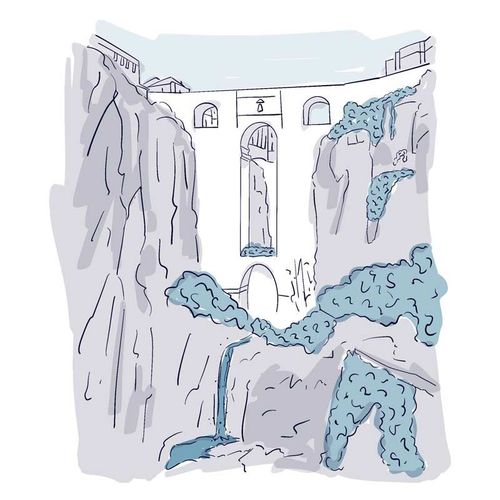
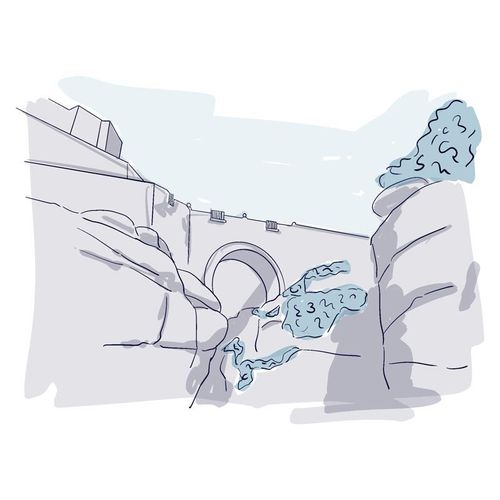
The New Bridge, Ronda's emblematic symbol, remains the leading attraction with its dizzying view over the Tajo gorge. The oldest bullring in Spain deserves a visit for its neoclassical architecture and its bullfighting history. The Ciudad district, the former Arab heart, reveals winding streets, the Arab baths and the Mondragón Palace. The Casa del Rey Moro offers hanging gardens and a staircase carved into the rock descending to the river. The church of Santa María la Mayor bears witness to the transformation of a mosque into a Christian temple. For a complete, narrated discovery of these wonders, the Ryo audioguide offers a captivating route that reveals the secrets and fascinating history of each monument.
Can you explore Ronda on foot?
Ronda lends itself wonderfully to discovery on foot. The historic centre is compact and all the major sights are within reasonable walking distance. The cobbled lanes of the old town invite you to stroll, even if some slopes can be steep. The walk along the gorge offers spectacular viewpoints accessible on foot. Allow about three hours for a basic circuit linking the main attractions. Comfortable shoes are recommended for navigating the sometimes slippery cobblestones and the changes in elevation. The Ryo audioguide is the ideal companion for this urban exploration, offering an optimised itinerary with enriching commentary that brings to life every street corner and monument you come across along the way.
What is there to do in Ronda in the evening?
Evenings in Ronda offer a peaceful and authentically Andalusian atmosphere. The terraces of Plaza del Socorro and Plaza Duquesa de Parcent come alive from late afternoon, perfect for savouring tapas as you watch the sun go down. The traditional bars serve local wines in a convivial atmosphere where locals and visitors mingle. The sunset from the Mirador de Ronda or the Cuenca gardens creates magical moments, with golden hues lighting up the landscape. Several restaurants serve refined Andalusian cuisine in historic settings. The lantern-lit lanes invite you on a romantic evening stroll. During the summer months, flamenco shows are occasionally staged in the town's emblematic venues.
What is the weather like in Ronda?
Ronda enjoys a Mediterranean climate with mountain influences due to its altitude. Summers are hot and dry, with temperatures that can exceed thirty degrees, but evenings generally stay cooler than on the plains. Winters are mild during the day but can be cool at night, with occasional frosts. Spring and autumn offer ideal temperatures, generally between fifteen and twenty-five degrees. Rainfall is concentrated mainly between October and April, with showers that are sometimes intense but usually brief. The town's altitude, perched at more than seven hundred metres, guarantees fresher air and more pleasant nights than in the Andalusian coastal cities, even in high summer.
Which local specialities should you taste in Ronda?
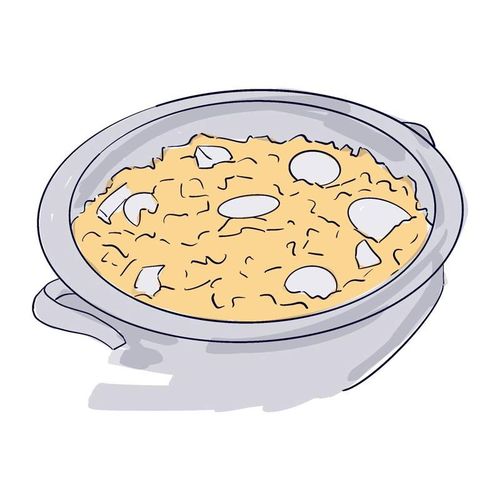
The cooking of Ronda is that of the Andalusian mountains, more rustic than on the coast. Soups and stews feature readily, among them the sopa de los siete ramales, along with migas, game in season and the famous rabo de toro, oxtail simmered at length and regarded as the town's emblematic dish.
The Serranía de Ronda also produces well-regarded cured meats and hams from pigs raised in the hills, as well as goat's cheeses. The vineyards planted around the town have revived a wine production that turns up on restaurant lists and in a few cellars open to visitors. Finish with a local pastry, often made to convent recipes.
Why is the bullring in Ronda so famous?
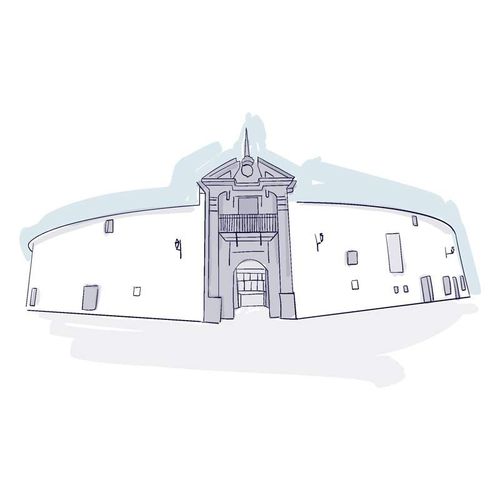
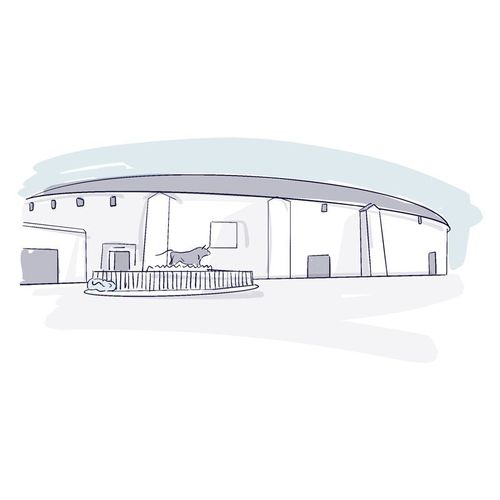
The Plaza de Toros of Ronda is one of the oldest in Spain, its sandy ring encircled by a double gallery of arcades resting on stone columns. It was here that the Romero family is said to have set out, in the eighteenth century, the rules of bullfighting on foot, making the town one of the birthplaces of the modern corrida.
The building can be visited outside the rare bullfights, as can the museum attached to it, devoted to costumes, posters and the history of the rondeña school. Just behind, the mirador and the Alameda del Tajo open onto the valley. The Ryo audio guide offers a dedicated Ronda route linking the bullring, the Puente Nuevo and the old town.
Vos commentaires, idées et suggestions
Aucun avis pour le moment
