© Shutterstock
 Votre guide Ryo
Christmas Market in Ronda: Lights, Andalusian Traditions and Great Places to Visit in 2026
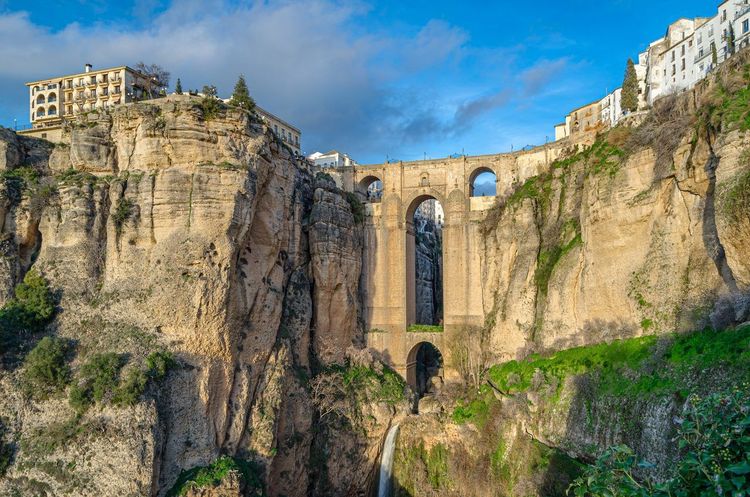
At 750 meters above sea level and split in two by a gorge more than 100 meters deep, Ronda hardly has the profile of a Christmas postcard. Yet the Christmas markets in Ronda have a charm all their own: between the two halves of the town linked by the Puente Nuevo, you will find fir trees, local crafts and Andalusian traditions, never slipping into Nordic kitsch. The Ryo audio-guided tour of Ronda tells the story of the facades surrounding the square where the first stalls go up, so you can walk among the vendors with a bit more context in your ears.
Here, there is no Ferris wheel or ice rink. Instead, you will find an entire street turned into a tunnel of garlands, a living nativity scene where residents play their own roles, improvised singing gatherings in the tapas bars and a night walk that runs along the edge of the void with a view of an illuminated bridge. Add a bodega on the outskirts of town to end your stay over a glass of wine, a detour through the Moorish old town and a few winter dishes from the Serranía, and you have a version of an Andalusian Christmas unlike any other.
The Ronda Christmas Market: Where, When and What You Will Find at the Stalls
Market Location, Dates and Opening Hours
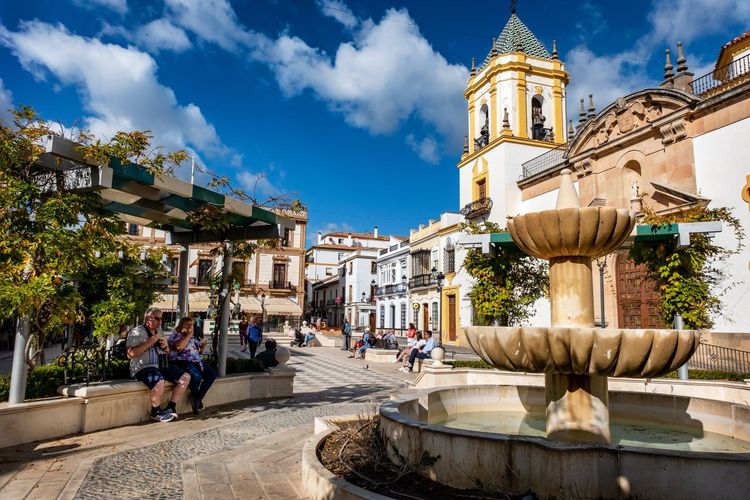
The market is most often set up on the Plaza del Socorro (Plaza del Socorro, 29400 Ronda, rated 4.4/5 on Google from 1.8K reviews), the main square of the El Mercadillo district, a short walk from the bullring and the viewpoint over the valley.
The stalls generally appear in early December and stay in place until the Three Kings, covering both the Immaculate Conception and Epiphany, two dates that matter as much as Christmas in the Andalusian calendar. Opening hours follow the Spanish rhythm: opening in late morning, a break in mid-afternoon, then reopening until the evening, often later on weekends when families go out after dinner. Since the location and calendar can vary from year to year, a stop at the tourist office, on the Paseo de Blas Infante opposite the bullring, will give you the exact program for the 2026 edition.
You will not need to book or buy a ticket: access is free, and the square is large enough to stroll without bumping into people, even on a late-December Saturday night. Allow a good hour to go around the stalls, longer if you stop at every tasting.
The neighborhood around the square deserves some time. The Socorro church and the imposing Círculo de Artistas building, both from the 20th century, frame the esplanade where Blas Infante had the Andalusian flag raised for the first time in 1918. The Ryo audio-guided tour evokes this setting step by step, which is quite useful between two stalls.
Local Crafts, Treats and Seasonal Products at the Stalls
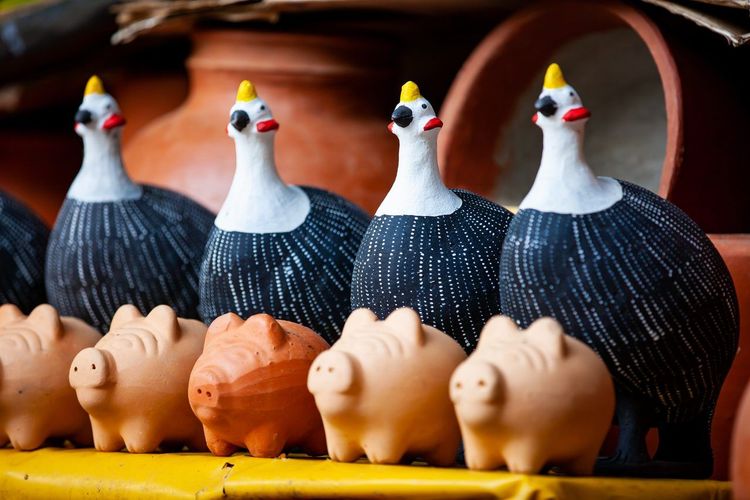
At the stalls, craftsmanship takes precedence over imported trinkets. Glazed pottery, leather goods (Ubrique, Andalusia's leather capital, is only about forty minutes away), olive wood objects and jewelry sit side by side in the same wooden chalets as at any European market, but the content is completely different.
For treats, the stalls focus on products from the Serranía de Ronda: olive oil, aged goat cheeses, Iberian cured meats, mountain honey and, of course, mantecados and polvorones, those festive biscuits made with lard and almonds that you find all over Spain at this time of year, but which each bakery makes with its own family recipe.
Roasted chestnuts hold a special place. Sold in paper cones, they often go with a hot chocolate, and their smoky smell announces the market before you even see it.
A tip if you want to avoid the crowds: go in late morning on a weekday rather than on a weekend evening. The vendors then have time to explain their products, and you will leave with better recommendations.
Christmas Lights and a Night Walk Above the Tajo
The Alumbrado Inauguration and the Illuminated Calle de la Bola
The inauguration of the Christmas lights, the alumbrado, is a ritual in its own right throughout Spain, and Ronda is no exception. On an evening in late November or very early December (the date varies each year according to the town hall), the lights come on all at once, often accompanied by a concert or entertainment for children. The crowd gathers in the center, countdown included, for the moment that officially launches the season.
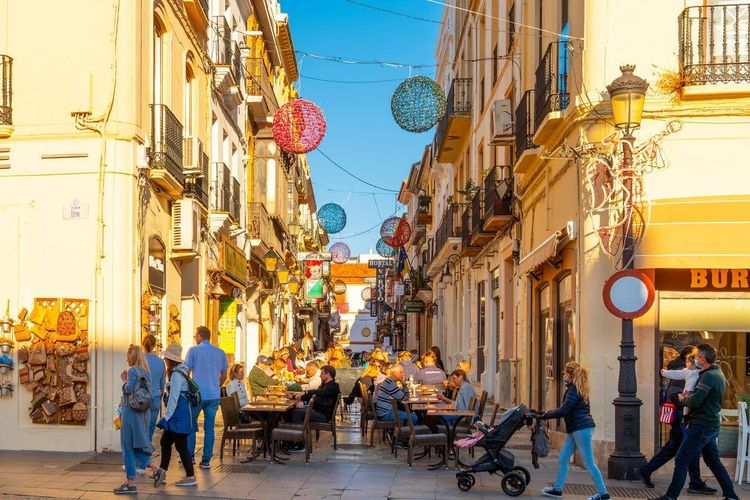
The Calle de la Bola, the nickname all Rondeños give to the Carrera Espinel, the main pedestrian shopping street of El Mercadillo, then becomes one of the most spectacular: garlands stretched from one sidewalk to the other along its entire length, creating a long tunnel of light that you walk up while browsing the shop windows.
Families come to take photos there, and it is also the ideal place for last-minute shopping. Go early in the evening: you will avoid the crowds that build up after dinner, around 9 or 10 pm, as is the Spanish custom.
The Night Walk Along the Tajo de Ronda and the Puente Nuevo
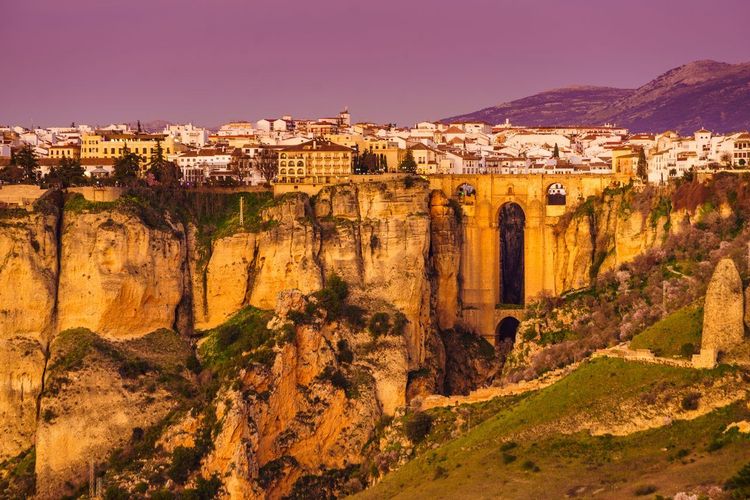
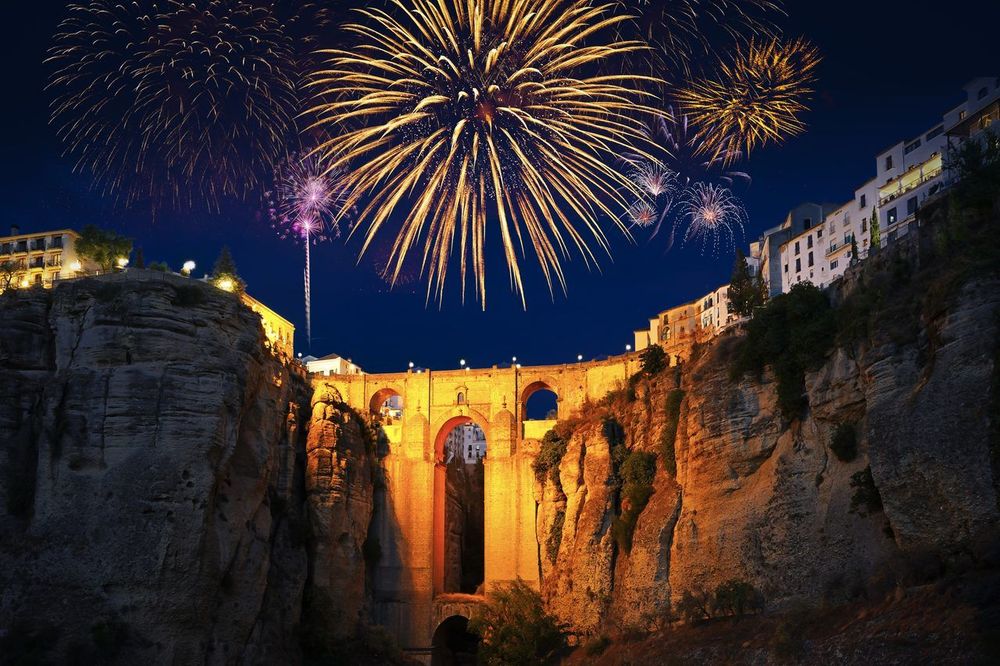
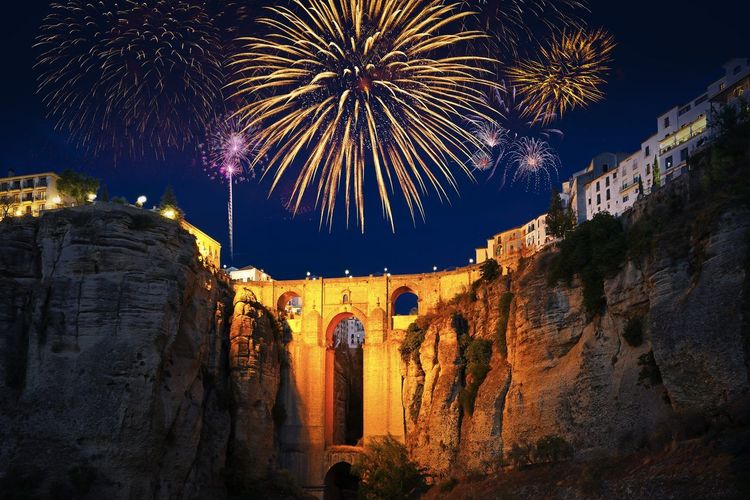
Once you have left the Calle de la Bola behind, the real night experience of Ronda at Christmas takes place on the heights of the Tajo, the canyon about a hundred meters deep that cuts the town in two. The path that runs along the gorge, between the Alameda del Tajo and the Puente Nuevo (Plaza de España, 29400 Ronda, rated 4.7/5 on Google from 33,421 reviews), remains accessible after nightfall, and this is where the lights make the most sense: the bridge, completed in 1793 after more than forty years of construction, lit from its base, stands out against the black of the gorge as if it were floating.
Take the time to walk to the balconies of the Alameda, suspended above the void, then to the parapet of the bridge: at night, with the Christmas lights in the background, the view takes on a completely different look compared with the daytime postcard you see everywhere.
This route along the Tajo is one of the stops on the Ryo audio-guided tour of Ronda: at each stop, an anecdote about the gorge, from the room built above the central arch, which served as a prison, to the dark episodes of the 1936 civil war. Listened to with headphones during the night walk, the story makes the stroll a little more vertiginous.
Dress accordingly: at this altitude, the temperature drops quickly once the sun has set, and the wind rising from the canyon makes December evenings much cooler than in Málaga or Seville.
Andalusian Christmas Traditions: Living Nativity and Zambombas
The Belén Viviente, a Life-Size Living Nativity
The Belén Viviente of Ronda brings together residents of all ages, children included, who reenact the Nativity in costume in the alleys of the historic center. It is not a static nativity scene: the roles are played live, over one or several evenings around Christmas, with reconstructed trades (weaver, baker, blacksmith) that give the whole thing the feel of a village from long ago rather than a simple religious backdrop.
The performance is generally held in the historic Ciudad district, around the Plaza Duquesa de Parcent (Plaza Duquesa de Parcent, 29400 Ronda) and the church of Santa María la Mayor, rather than in El Mercadillo where the market is located. Check the dates on site, as they change from year to year.
Plan to come in the evening: the living nativity is best discovered by torchlight and soft lighting, which clearly sets it apart from the static nativity scenes displayed in most Spanish churches at this time of year.
Zambombas: Singing Gatherings in the Tapas Bars
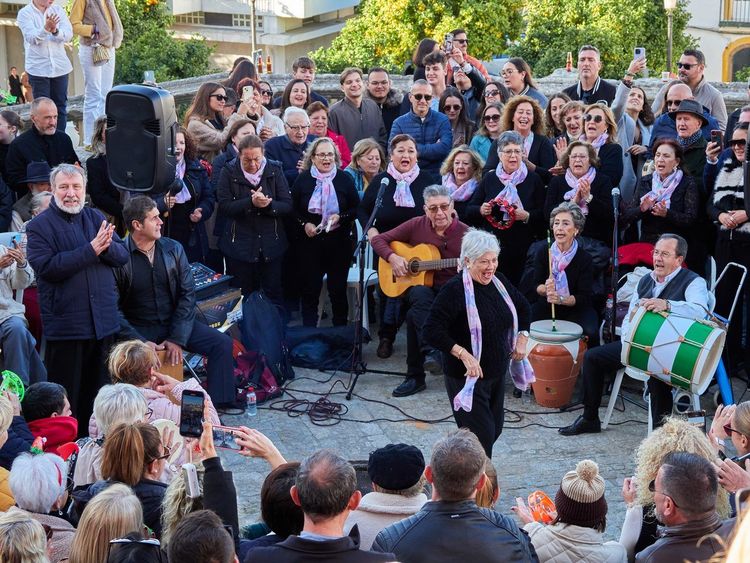
Andalusian zambombas are mostly associated with Jerez de la Frontera, where they have been declared an asset of cultural interest, but the tradition has spread throughout the region, Ronda included. These are gatherings where people sing villancicos (popular Christmas carols) accompanied by the zambomba itself, a friction drum with a deep, continuous sound, as well as tambourines and castanets.
No invitation is needed to attend: it is often enough to push open the door of a bar in the center on a weekend evening in December and follow the noise. The establishments around the Plaza del Socorro and the neighboring streets organize them regularly, sometimes without so much as a poster.
Each bar has its regulars, its repertoire, its unofficial schedule. The Ryo audio guide places these customs in the history of the neighborhoods where they continue, helping you understand why certain streets have hosted these gatherings for generations.
The Holiday Calendar in Ronda, from the Immaculate Conception to the Three Kings
Christmas in Andalusia is not limited to December 25. December 8, the public holiday of the Immaculate Conception, truly opens the season: many Spaniards take advantage of the December "bridge" weekend for a getaway, and Ronda is then fully booked. Book your accommodation early if you are aiming for these dates.
The Nochebuena, on the evening of the 24th, is spent with family, and many bars and restaurants close early or only reopen the next day at lunchtime. December 28, the day of the Santos Inocentes, is the Spanish equivalent of April Fools' Day: beware of fake news in the local press. On Nochevieja, tradition has it that you eat twelve grapes to the rhythm of the twelve strokes of midnight.
The highlight for children arrives on the evening of January 5 with the Cabalgata de Reyes, the parade of the Three Kings who throw candy from their floats in the streets of the center. The next day, people share the roscón de Reyes, a brioche ring in which a bean and a small figurine are hidden. If you are traveling with family, it is probably the most memorable evening of the trip.
Jardines de Cuenca and Winter Nature Getaways
The Jardines de Cuenca (Calle Tenorio, 29400 Ronda, rated 4.7/5 on Google from 598 reviews) form a terraced garden clinging to the wall of the Tajo, between the Puente Nuevo and the Puente Viejo. You descend several successive levels, with a new angle on the bridges and the gorge at each one.
In winter, the Mediterranean vegetation (laurels, cypresses, rose bushes) keeps its colors, making it a quiet break away from the bustle of the market. The place is much less crowded in December than in summer, and the low afternoon light is particularly photogenic.
Around Ronda, several trails can be walked in half a day, notably in the Sierra de las Nieves National Park, designated in 2021, about thirty minutes away by car, or in the neighboring Sierra de Grazalema. In winter, these routes are cooler but also quieter. Bring good shoes: the trails remain rocky, and snow is not uncommon on the summits.
The Old Town and Its Secret Corners at Christmas
The Puerta de Almocábar and Its Legends
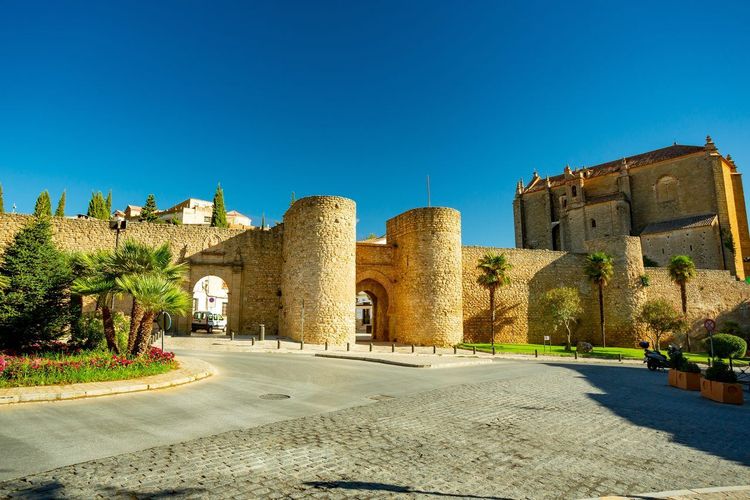
The Puerta de Almocábar (Calle Almocábar, 29400 Ronda, rated 4.5/5 on Google from 5,694 reviews) is one of the gates that pierced the walls of the Ciudad, the oldest district of Ronda, fortified in the Muslim era. Its name is said to come from the Arabic al-maqabir, the cemetery, in reference to the necropolis that stretched outside the walls.
Local tradition holds that the troops of the Catholic Monarchs entered through this gate when the town was taken in 1485, an episode the Rondeños gladly recount beneath the arch. At Christmas, the contrast between the rough stone of the ramparts and the few garlands hung at the windows gives the neighborhood a more intimate atmosphere than the market, barely ten minutes away on foot.
The Secret Rincones of the Historic Center
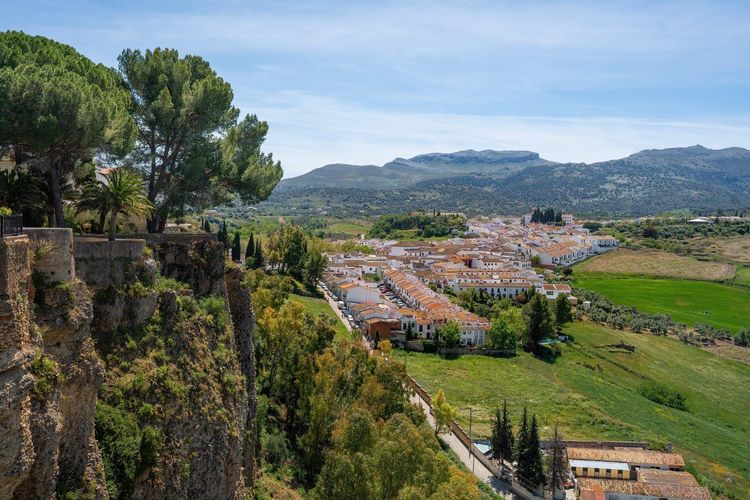
Beyond the gate, the neighborhood is full of nooks that escape the classic tourist routes. The Barrio de San Francisco, just behind the Puerta de Almocábar, preserves its narrow alleys and whitewashed facades.
A little further on, the Minarete de San Sebastián, a remnant of a former mosque isolated among houses, always surprises those who stumble upon it. On the gorge side, the Arab Baths, among the best preserved on the peninsula, and the Casa del Rey Moro with its staircase cut into the rock down to the river complete this more secret side of Ronda.
To miss none of these detours, the main Ryo audio-guided tour of Ronda passes through the Puerta de Almocábar and the alleys of the Moorish quarter, with an anecdote at each stop that you would have no chance of knowing if you walked alone.
Christmas Gastronomy: Tapas, Mountain Cuisine and Bodega
Tapas Route and Andalusian Winter Dishes
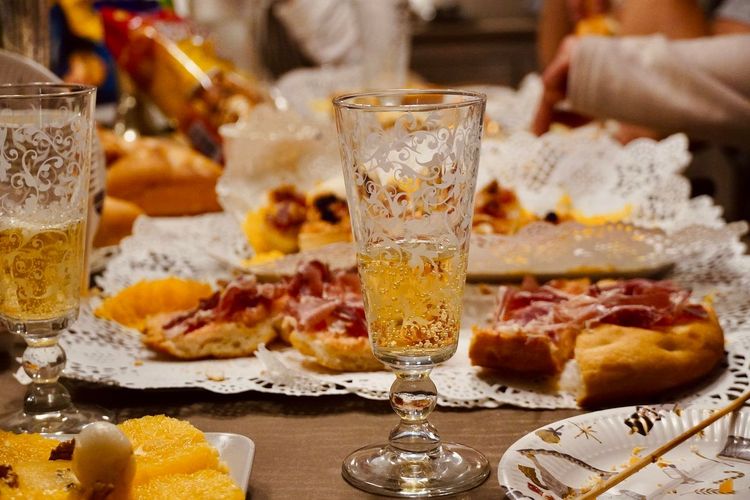
Winter noticeably changes the menu at tapas bars. Gazpacho gives way to heartier dishes: rabo de toro (stewed oxtail, very present in this town with a bullfighting tradition), migas (fried breadcrumbs with chorizo), sopa de los cortijeros and game stews from the Serranía.
The Calle Armiñán and the small squares leading off it concentrate a good share of the bars serving these seasonal dishes. Go from two or three places rather than settling into a single restaurant: that is the very spirit of a tapas crawl, one drink and one plate per stop.
For dessert, look for yemas de Ronda, small sweets made of egg yolk and sugar sold in the pastry shops of the center, or pestiños with honey, aniseed fritters that Andalusian families prepare for the holidays. One last tip: kitchens close late, but many bars also close on the evenings of the 24th and 31st, so book your table if you plan to celebrate out.
A Tasting at a Bodega Nearby
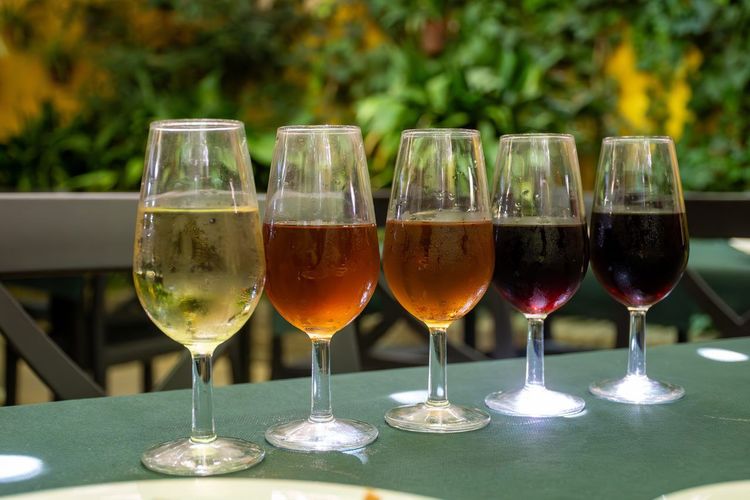
A few minutes from the center, the Bodega Doña Felisa (Carretera Ronda-Campillos km 4, 29400 Ronda, rated 4.7/5 on Google from 303 reviews) offers tastings that make a fitting finale to a Christmas day in Ronda. The region, under the Sierras de Málaga appellation, produces mountain reds that are sometimes served with a plate of local cured meats, in a setting that retains something of the original wine farm.
Book in advance during the holiday season: slots fill up quickly, especially on weekends, and groups are deliberately kept small.
Other Christmas Markets to Visit Around Ronda
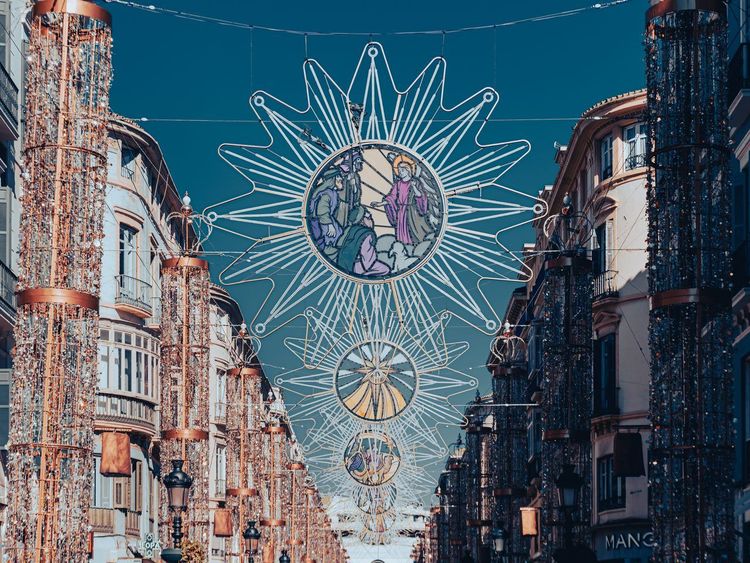
If the Christmas markets in Ronda have whetted your appetite, the region lets you extend the tour. In Málaga, the Calle Larios hosts one of the most popular light displays in Spain every year, with sound and light shows several times each evening, while the Christmas market stretches along the Paseo del Parque, a short walk from the port.
Closer by, Setenil de las Bodegas, about twenty minutes by road, is worth the detour for its houses built into the rock, prettily decorated in December. Seville, a little under two hours away, offers its famous nativity scene fair and handmade figurines near the cathedral.
The white villages of the Serranía play a more discreet tune. In several of them, local associations set up small one-weekend craft markets in December, often accompanied by a zambomba on the church square and tastings of local products. These events are rarely announced beyond municipal social media: if you are staying a few days in Ronda, ask your host or the tourist office what is being planned in the surrounding area. You will often find gentler prices than in town and producers happy to talk about their craft.
Where to Stay in Ronda During the Holidays
To enjoy the evenings without getting back on the road, stay in El Mercadillo, near the Plaza del Socorro and the Calle de la Bola: everything is done on foot, from the market to the zambomba bars. The Parador de Ronda, housed in the former town hall at the edge of the Puente Nuevo, offers the most spectacular view of the illuminated gorge.
If you prefer quiet, the Ciudad has several small boutique hotels in old mansions, a few steps from the Belén Viviente. Remember to book as early as autumn for the December 8 long weekend and for New Year's Eve, the two busiest periods.
Outside these peaks, the week between Christmas and New Year's often remains affordable, and rates drop noticeably after January 6. If you are traveling by car, check that your accommodation has parking: the historic center is narrow, partly reserved for residents, and the public car parks near the Plaza del Socorro fill up quickly on event evenings.
Practical Information: Getting There, Weather and Length of Stay
Ronda is about 1h45 by road from Málaga, and direct buses connect the two cities several times a day in about two hours. The train, more scenic (the line crosses the Serranía through a succession of tunnels and viaducts), generally requires a change at Antequera and runs less often in winter.
A full day is enough to cover the market, the lights and one or two viewpoints over the Tajo. If you want to add the living nativity, a zambomba and the bodega, plan instead to spend a night there.
As for the weather, Ronda is much higher than Málaga (about 750 meters versus sea level), hence nights that sometimes fall below 5 degrees in December, compared with 10 to 12 degrees on the Costa del Sol. Keep a warm layer for the night walk along the Tajo.
If time allows, Ronda lends itself well to an extension: the Ryo road trip route in Andalusia links the town to several stops in the region for those who want to turn this winter break into a real journey.



FAQ
Is Ronda worth visiting at Christmas?
Yes, and not just for the market: the lights above the Tajo, the living nativity scene and the improvised zambombas in the bars give the Christmas markets in Ronda a different atmosphere from classic markets, with the bonus of a natural setting (the gorge, the 18th-century bridge) that is unique in Andalusia.
Is Ronda colder than Málaga in winter?
Yes, noticeably. Its altitude of about 750 meters brings nighttime temperatures below 5 degrees in December, compared with 10 to 12 degrees on the coast. Pack warm clothes, especially for evening walks near the Tajo.
How long does it take to visit Ronda?
A full day lets you see the essentials: the market, the lights and the viewpoints over the Tajo. To add the living nativity scene, a zambomba and a tasting at a bodega, plan to stay one night.
How do you get to Ronda from Málaga?
By car, allow about 1h45; by direct bus, around two hours. There is also a train, with a scenic route through the Serranía, but it usually requires a change at Antequera.
When are the Christmas markets in Ronda held?
The stalls usually go up in early December and stay until the Three Kings in early January. The exact dates vary each year: the tourist office publishes them a few weeks beforehand.
What is an Andalusian zambomba?
It is a typical Andalusian singing gathering, often improvised in a bar, where people sing villancicos (Christmas carols) accompanied by the instrument of the same name, tambourines and castanets.
Between the Plaza del Socorro market, the garlands of Calle de la Bola and the night walk along the Tajo, Christmas in Ronda fits into one well-filled day, or stretches into a longer stay if you add the living nativity scene, a zambomba and a detour to the bodega. Christmas markets in Ronda owe less to German markets than to Andalusian traditions themselves, and that is precisely what makes them memorable.
To connect all these places once you are there, the Ryo audio-guided tour of Ronda takes you from the facades of Plaza del Socorro to the alleys of the Puerta de Almocábar, at your own pace and with no set visiting hours.