






Créé par Romane, le 4 oct. 2026
Votre guide Ryo
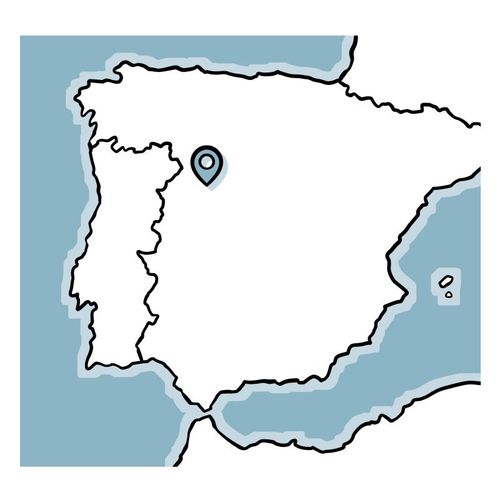
Salamanca, Spain
Long live the Golden City !
Parcours audioguidé pour visiter Salamanca en 1 jour
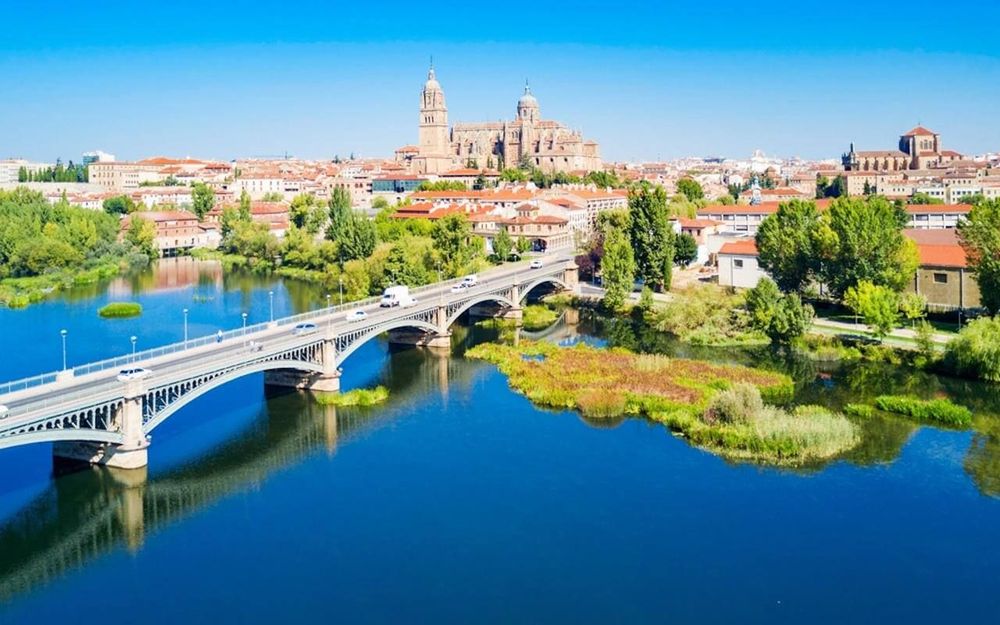
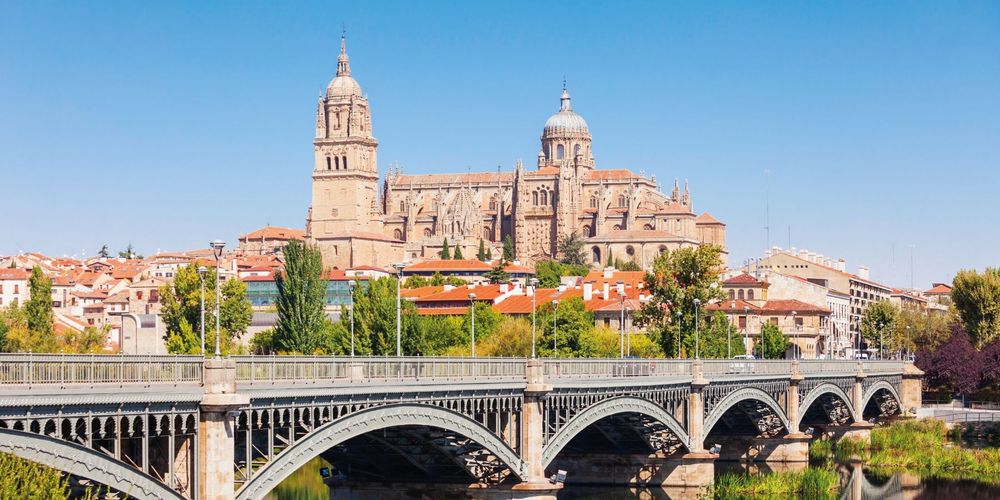
Famous for its golden sandstone heritage, Salamanca reveals a remarkable architectural ensemble listed as a UNESCO World Heritage Site. With its iconic landmarks and prestigious university, the city embodies Spanish elegance and cultural influence.
Quand partir à Salamanca ?
Jan.
-4°
10
Feb.
-3°
8
March
1°
9
April
6°
9
May
12°
9
June
16°
10
July
18°
11
Aug.
17°
11
Sept.
13°
10
Oct.
8°
11
Nov.
3°
11
Dec.
-1°
11
Throughout the year, Salamanca enjoys an average temperature of around 13°C, thanks to a continental climate marked by cold winters and hot, dry summers. December and January bring the chilliest days, with lows around 2°C, while July and August see the hottest weather, with highs reaching up to 31°C. The rainiest months are typically February, March, and April. To make the most of your visit, the best time to travel is between June and October, when the weather is most favorable.
Départ conseillé
No need to worry about where to begin! Our tours are designed as a loop, so you can jump in wherever you are. The navigation system and audio-guide will automatically adjust to your location. However, if you happen to be nearby, we do have a preferred starting point : At 2 Zamora Street.
Parking à proximité
Santa Eulalia Parking : Sta. Eulalia Square
Despite having several public car parks scattered throughout the city, Salamanca doesn’t make parking easy. Whether underground or on the street in green or blue zones, one thing’s for sure: you’ll have to pay. To find free parking spots, you’ll need to look for the white zones located outside the city centre. Since there aren’t many, they’re often snapped up quickly—especially at certain times of day or during key periods of the year, like the famous Holy Week in April. That celebration draws such big crowds that getting around by car—and finding a place to park—becomes extremely tricky.
À savoir
Just like any top tourist destination, Salamanca offers a range of perks and discounts on attractions, as well as selected hotels and restaurants, thanks to the Salamanca Card. It’s a great way to explore the city at your own pace while taking advantage of special deals along the way.
You’ll quickly notice that public restrooms are few and far between in Salamanca. To avoid any uncomfortable situations during your visit, we recommend taking advantage of rest stops at places where you’re eating or grabbing a drink.
Découvrez 22 lieux d'intérêt pour visiter Salamanca

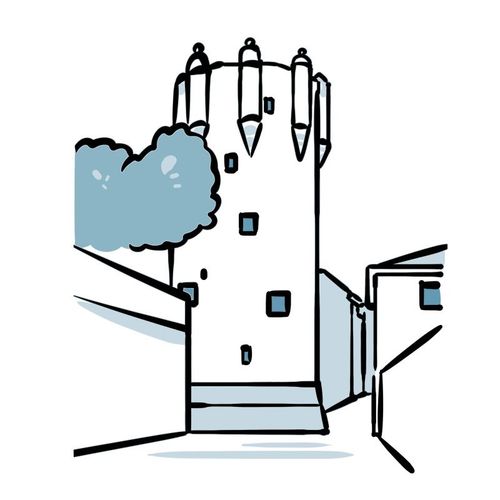
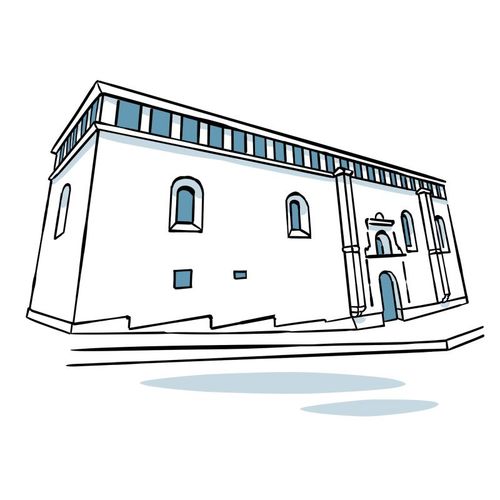
4. Clavero Tower












Le plein d'inspirations
Explorez le monde en totale liberté, à pied au cœur des villes ou au fil des routes. Nos guides audios transforment chaque destination en une découverte culturelle immersive et unique.
FAQ for visiting Salamanca
When is the best time to visit Salamanca?
The ideal time to discover Salamanca runs from June to October, when temperatures are pleasant and the days sunny. During these months, you'll enjoy a perfect climate for exploring the city on foot and admiring its golden monuments at their best. Summers can be hot, with temperatures around 31°C in July and August, but the evenings stay mild. If you'd rather avoid the tourist crowds, September and October offer an excellent compromise with still-mild weather. Avoid February, March and April, which are generally the rainiest, as well as December and January, when temperatures can drop to around 2°C.
How many days do you need to visit Salamanca?
Two to three days is the ideal length of time to discover Salamanca without rushing. In two full days, you'll have time to visit the major monuments such as the Plaza Mayor, the cathedrals, the historic university and the Casa de las Conchas, while savouring the unique atmosphere of this golden city. If you have an extra day, you can explore the less touristy neighbourhoods, make more of the local cuisine and perhaps take a floodlit night tour. Audio tours such as those offered by the Ryo app help you optimise your time by following well-thought-out routes that link the must-see sites.
How do you get around Salamanca?
The historic centre of Salamanca is perfectly suited to walking, with most attractions concentrated within a relatively small area. The cobbled streets and pedestrian squares make exploring on foot particularly enjoyable. For longer trips or if you're tired, the city has an efficient urban bus network that serves every neighbourhood. Taxis are also available and remain affordable for short distances. If you arrive by car, opt for the car parks on the edge of the centre, as parking there is limited. Bike-sharing is an appealing alternative for exploring the more distant neighbourhoods.
What are the must-sees in Salamanca?
The Plaza Mayor, considered one of the most beautiful in Spain, is the beating heart of Salamanca with its exceptional Baroque architecture. The two cathedrals, the old and the new, offer an architectural journey from Romanesque to late Gothic. The historic university, founded in the 13th century, impresses with its Plateresque facade where the famous frog is hidden. The Casa de las Conchas, adorned with hundreds of carved shells, and the Convent of San Esteban round out the must-sees. For a complete, narrated discovery of these wonders, the Ryo audioguide accompanies you with routes enriched by historical anecdotes that bring these iconic monuments to life.
How much does it cost to visit the main monuments?
The admission prices for Salamanca's monuments generally remain affordable, allowing you to discover the city's rich heritage without breaking the bank. Entry to the cathedrals is usually chargeable, as is access to certain parts of the historic university and to the towers offering panoramic views. Many monuments offer reduced rates for students, seniors and groups. Some sites have free time slots, often early in the morning or on certain days of the week. There are also combined tourist passes that can prove economical if you plan to visit several monuments. Don't forget that strolling through the golden streets and admiring the facades from outside remains completely free.
Where can you eat tapas in Salamanca?
Salamanca has a deeply rooted tapas tradition, with numerous bars concentrated around the Plaza Mayor and in the adjacent lanes. The Van Dyck district is particularly renowned for its authentic establishments frequented by locals. There you'll find traditional tapas such as the famous hornazo, farinato or the delicious patatas meneás. Local custom means you'll often receive a free tapa with your drink, a generous tradition that lives on. Prices remain very affordable compared with the big tourist cities. For an authentic experience, follow the students and residents who know the best spots, often the simplest-looking ones.
How do you find the frog on the University of Salamanca?
The search for the famous frog carved on the university facade has become a must-do tradition for every visitor. This little creature hides among the hundreds of details of the Plateresque facade, perched on a skull. Legend has it that students who find it unaided will pass their exams. To spot it, stand facing the main door and look in the right-hand part of the facade, usually about a third of the way up. You'll often see groups of tourists pointing and photographing the exact spot. Don't be discouraged if you don't find it straight away; that's part of the charm of the search.
Why is Salamanca nicknamed the golden city?
The nickname comes from Villamayor stone, a sandstone quarried nearby whose grain is rich in iron oxide. As it weathers in the open air, it takes on a warm shade, from pale blond to deep gold, that seems to set the façades alight as soon as the sun drops. It is also a soft material, easy to carve, which allowed stonemasons to cover the buildings in plateresque motifs of remarkable delicacy.
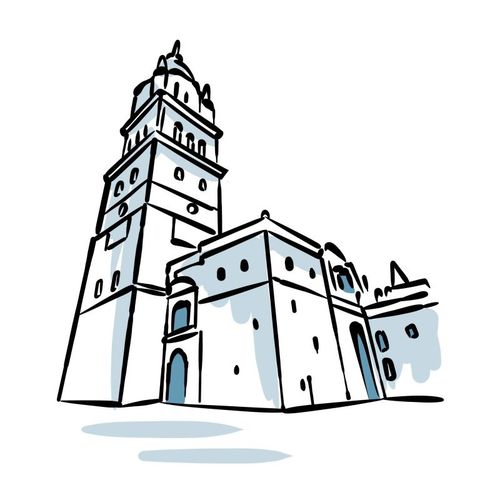
You will feel the effect on the Plaza Mayor, on the university façade and on the two cathedrals standing side by side, especially late in the day and then once the night lighting comes on. The city is often described as a book written in stone, so densely do its inscriptions, coats of arms and carved medallions tell the story of its university and religious past.
Where can you enjoy the finest views over Salamanca?
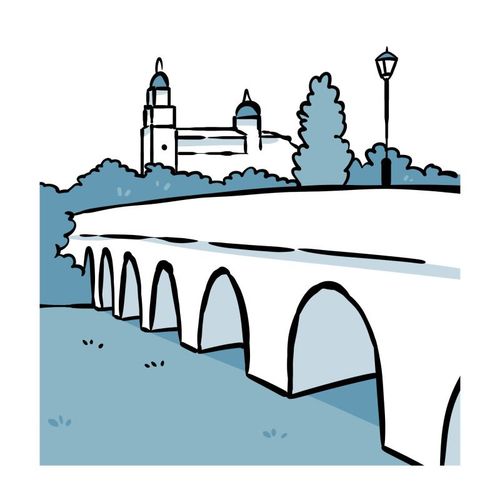
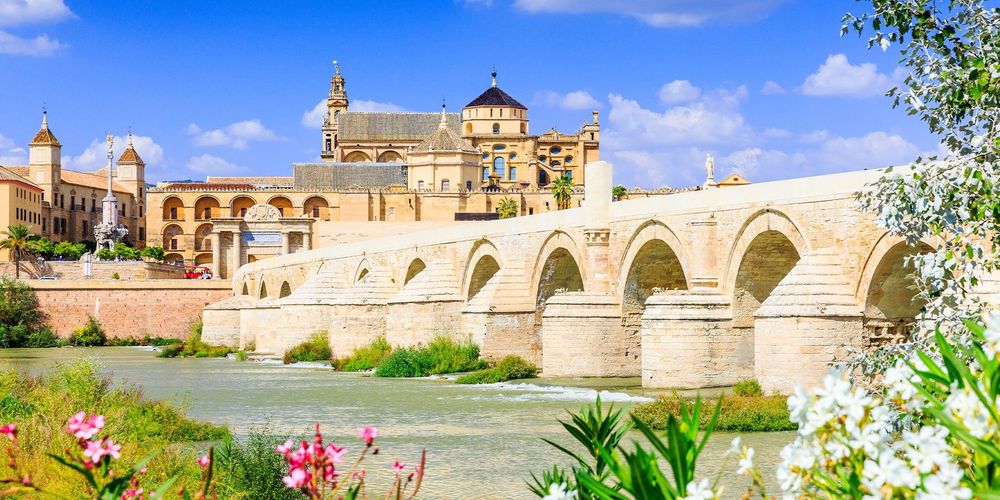
The classic viewpoint is from the Roman bridge, on the bank of the Tormes: from there the outline of the two cathedrals stands out above the rooftops, a superb framing at sunrise as well as sunset. Walking back up towards the old town, the Huerto de Calixto y Melibea, a small terraced garden clinging to the old walls, offers a shaded pause with a view over the Clerecía and the surrounding countryside.
To look down on the whole city, raised walkways let you move around inside the towers of the Clerecía and the cathedral, stepping from one gallery to the next high above the streets. The Ryo audio guide offers a dedicated Salamanca route linking these viewpoints to the great monuments of the historic centre.
What can you do in Salamanca in the evening?
As night falls, the Plaza Mayor lights up and becomes the city's drawing room: you settle on a terrace, walk a loop under the arcades, and the buzz carries on late, driven by a large student population drawn from all over the world. The streets radiating outwards, especially towards the Rúa Mayor and the Van Dyck district, are lined with bars, terraces and small music venues.
The floodlighting of the monuments is reason enough for a walk in itself: the university façade, the Casa de las Conchas and the cathedrals take on a completely different character after dark, and the lanes empty of the daytime crowds. Depending on the time of year, the city also schedules projections, concerts and street performances that take over the squares of the historic centre.
Vos commentaires, idées et suggestions
Aucun avis pour le moment