© Shutterstock
 Votre guide Ryo
Visit Salamanca without a Car: the Complete Walking Guide (2026)
Visiting Salamanca without a car is no gamble: the only road that matters here is paved with golden stones, closed to traffic for decades. In the historic centre listed as a UNESCO World Heritage Site, a vehicle is absolutely useless — except for hunting down a parking spot that nobody ever really finds. Leave the car at home, take the train or bus, and come on foot: it is exactly for this kind of stroll that Ryo's audio-guided tour of Salamanca traces a step-by-step itinerary between the two cathedrals, the oldest university in Spain, and the golden stone alleyways.
In a few hours of walking, you will encounter a frog sculpted on a five-century-old university façade, some 300 scallop shells carved on the front of a 15th-century house, an astronaut hidden on a cathedral doorway, a romantic garden drawn from a medieval novel, and a Roman bridge that witnessed two thousand years of history before the first automobile. Trains, buses, and sturdy shoes are more than enough to explore the city. Here is how to get there, how to find your way on foot through the historic centre, where to eat and sleep, and how to miss nothing — from the most photographed monument to the hidden gem that hurried visitors never bother to seek out. And if you are still wondering whether to rent a car to visit Salamanca, the answer is simple: definitely not.
Do You Need a Car to Visit Salamanca?
No — and in fact, a car is more of a handicap in Salamanca. The historic centre, where virtually all the monuments are concentrated (Plaza Mayor, cathedrals, university, Casa de las Conchas), is largely pedestrianised. The few streets still open to vehicles are reserved for residents, with bollards blocking entry to unauthorised number plates.
The city fits within a walking radius of roughly 1.5 km: from Plaza Mayor, you reach the cathedral in five minutes, the university in eight, and the Roman bridge in fifteen. Add to that a network of trains and buses linking Salamanca to Madrid, Ávila, and Valladolid, and the equation becomes clear: coming without a car is not a constraint — it is the most comfortable way to discover the city.
How to Get to Salamanca without a Car
From Madrid by Train or Bus
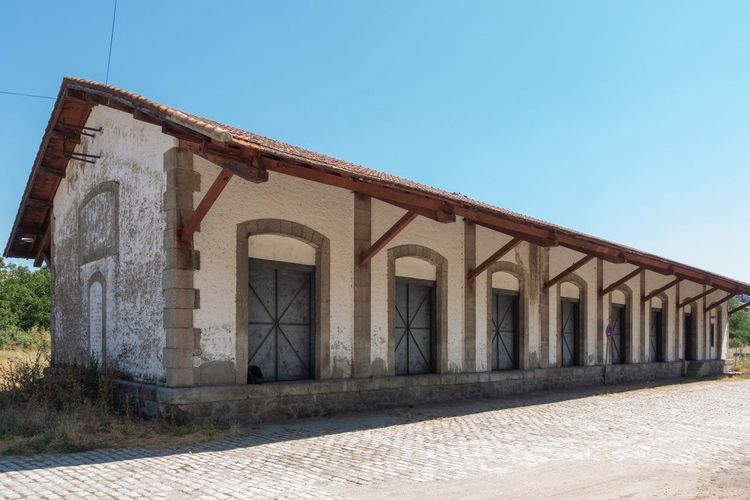
From Madrid, two options are both excellent. The Renfe train (Alvia) connects Madrid-Chamartín station to Salamanca in approximately 1h30 to 1h45, with several daily departures and promotional fares of around fifteen euros if you book early. This is the most comfortable option: you arrive directly at Salamanca station, a 20-minute walk (or 10-minute urban bus ride) from the historic centre.
The bus, operated by Avanza, departs from Madrid-Estación Sur bus terminal and takes approximately 2h30 to 3h to reach Salamanca's bus station, a fifteen-minute walk from the centre. Expect to pay between €15 and €25 depending on the time and class (standard or supra), with frequent departures throughout the day. This is the most flexible option for a last-minute trip.
Once there, forget about a hire car: both the train station and bus station are connected to the historic centre by urban buses and a 15–20-minute walk. If you arrive early and your room is not yet ready, check with your accommodation — most will hold luggage free of charge.
From Ávila, Valladolid, or Madrid Airport
From Ávila, about a hundred kilometres away, the train takes just over an hour, as does the bus — making it the ideal option for combining two UNESCO-listed cities in a single car-free trip. From Valladolid, allow 1h15 to 1h30 by train or around 1h30 by bus, with several daily connections.
If you land at Madrid-Barajas, check Avanza timetables first: the company offers services from the airport to Salamanca, sometimes with a connection at Madrid-Estación Sur. Otherwise, make your way to central Madrid (Exprés Aeropuerto bus, metro, or suburban train to Chamartín) and then switch to the train or bus. Allow 45 minutes to an hour of buffer time for this connection if you are arriving late in the day.
In all cases, both Salamanca's train station and bus station drop passengers within 2 km of Plaza Mayor: there is no reason to look for a hire car agency on your way out of the train. Book your Renfe or Avanza tickets a few days in advance during high season (July, September, Holy Week) to get the best fares.
Getting Around on Foot in Salamanca's Historic Centre
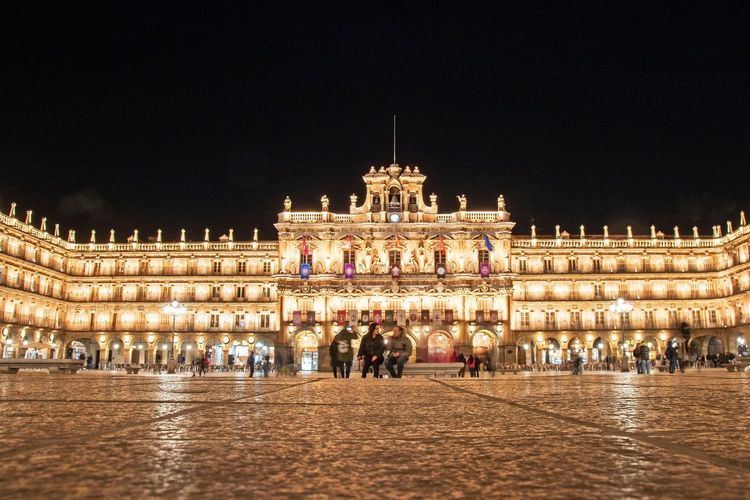
Salamanca is best discovered at a leisurely pace. The historic centre, built on a hill, clusters around Plaza Mayor and slopes down toward the Tormes: allow 25 to 30 minutes to cross it from end to end without stopping, and considerably more if you linger in front of each carved façade. The cobblestones are uneven in places (closed-toe shoes recommended), but most streets are flat or gently sloping.
No complicated map needed: the monuments flow almost naturally from one to the next, from Plaza Mayor to the university, then to the two cathedrals and the Roman bridge. That is precisely what Ryo's audio-guided tour covers, guiding you step by step through the entire UNESCO-listed centre, with no itinerary to improvise and no parking to manage: you listen, you walk, and you stop whenever a detail catches your eye.
In the morning, before 10am, the alleyways around the cathedral are almost deserted — the perfect time to photograph the façades without a single silhouette in the frame. Late in the afternoon, the raking light sets the Villamayor stone ablaze, the golden sandstone that earned the city its nickname of "ciudad dorada".
If you do arrive by car, park it at the edge of the city: several underground car parks ring the historic centre (details in the FAQ), and none of them allow direct access to the pedestrian heart. If your hotel is slightly out of the way, urban buses serve the Gran Vía every 10 to 15 minutes for around €1. But once you are in the historic centre, you will quickly tuck the bus map to the bottom of your bag.
Plaza Mayor and the Two Cathedrals of Salamanca
Plaza Mayor, the Most Beautiful Baroque Square in Spain
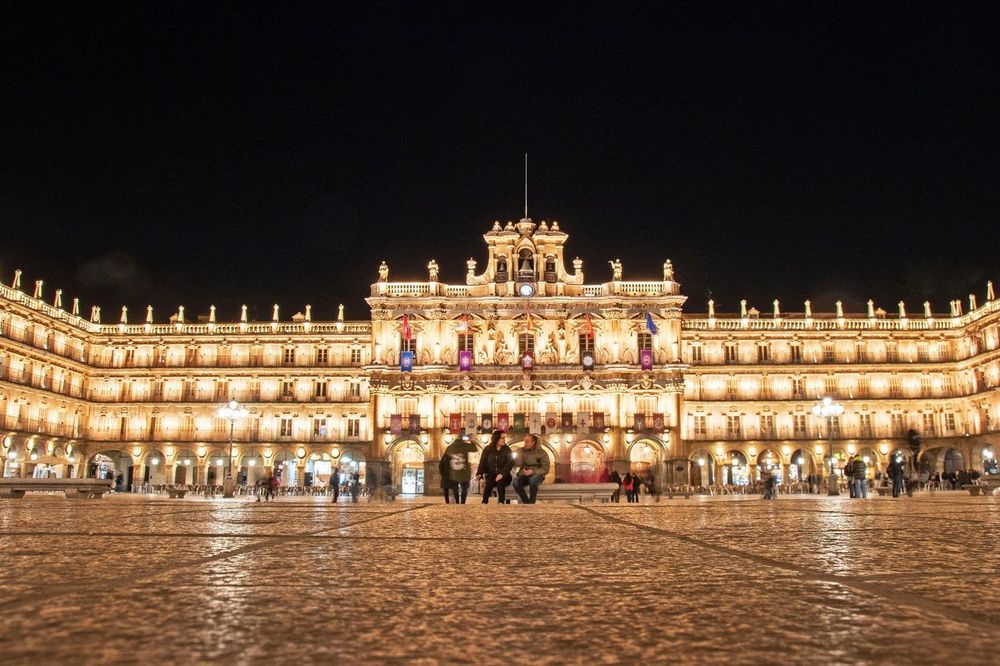
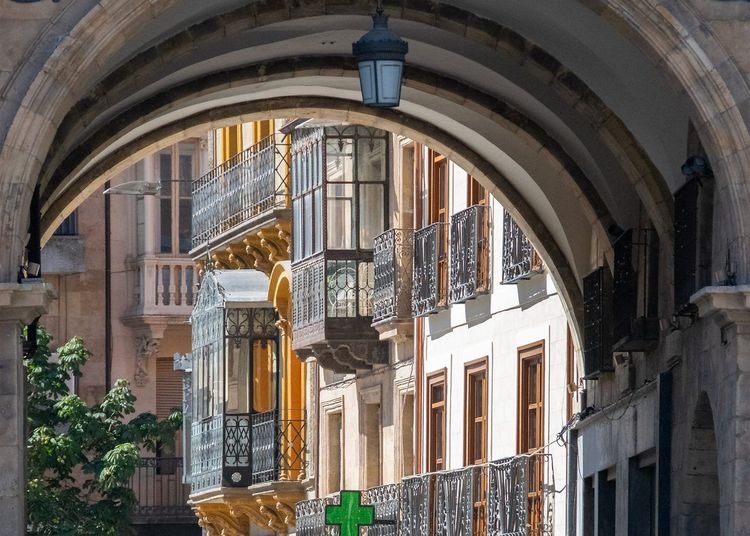
Salamanca's Plaza Mayor (Plaza Mayor, 37002 Salamanca, rated 4.8/5 on Google from 22K reviews) is not merely a must-see stopping point — it is the open-air living room of the entire city. Built between 1729 and 1755 to the designs of Alberto de Churriguera, it is widely regarded as the most beautiful Baroque square in Spain. Its continuous arcades on all four sides are adorned with carved medallions depicting kings, queens, and historical figures — some of which still await their faces.
Lingering here is time well spent. The café terraces lining the square are pricey for a simple coffee (expect to pay double what you would at a neighbourhood bar), but they offer the best vantage point for watching local life: students crossing in groups, Sunday families, bands of "tunos" in black capes singing under the arcades on certain evenings. At night, the golden stone is lit up and the square takes on a completely different character.
For a mid-afternoon drink without the evening crowds, settle in around 5pm: prices do not change, but the tables are still free. Plaza Mayor works equally well as a starting point or an ending point — and it is indeed where Ryo's audio-guided tour of Salamanca begins, before continuing to the two cathedrals in an unbroken loop.
The Catedral Vieja and Catedral Nueva Side by Side
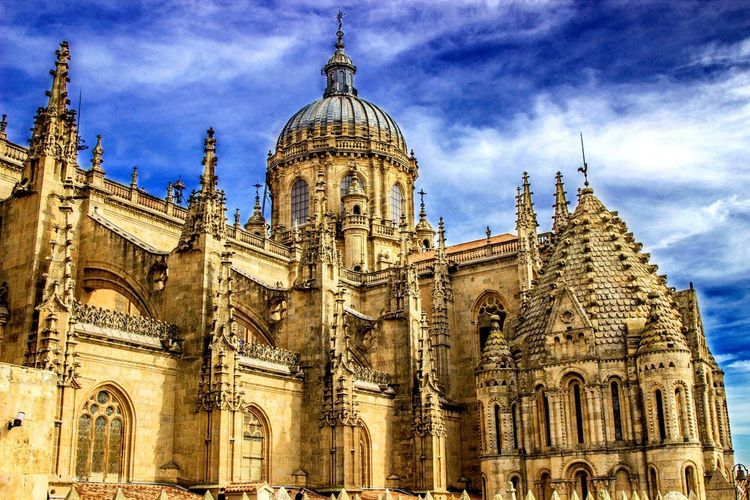
A few minutes south of Plaza Mayor stands a unique ensemble in Spain: two cathedrals built side by side, centuries apart. The Catedral Vieja, Romanesque in style, was begun in the 12th century and retains its distinctive tower, the Torre del Gallo, crowned with stone scales reminiscent of Byzantine domes. Inside, the high altar retable features 53 painted panels depicting the lives of Christ and the Virgin.
The Catedral Nueva was built between 1513 and the 18th century in a style that blends late Gothic, Plateresque, and Baroque — a combination that shouldn't work yet impresses from the very first porch. On the Puerta de Ramos, look for the astronaut in a spacesuit: added during a 1992 restoration, it has become one of the most photographed details in the city, along with the small dragon enjoying an ice cream just beside it. These are the two favourite quirky attractions for families.
A ticket of around ten euros gives access to both buildings, audioguide included. The towers and upper terraces (Ieronimus circuit) require a separate ticket and should not be missed for the rooftop views. Allow 1 hour for the cathedrals, and 45 minutes more for the towers. Arrive at opening time if possible: organised groups fill the porch from 11am onwards.
The University of Salamanca and its Historic Quarter
The University of Salamanca, the Oldest in Spain
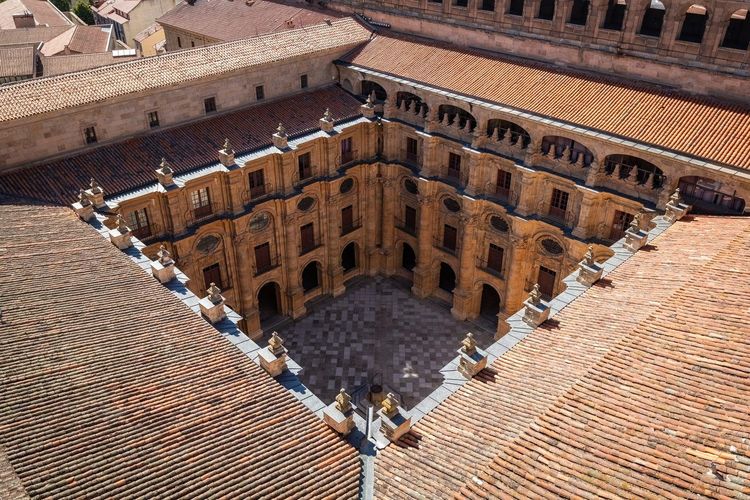
Founded in 1218, the University of Salamanca is the oldest still in operation in Spain and one of the oldest in Europe. Its Plateresque façade, carved around 1529, is a festival of detail so dense that it takes several minutes to take in fully: a medallion of the Catholic Monarchs, vegetal motifs, mythological figures interwoven across its entire width.
Local legend has it that a small frog is hidden within this profusion of carvings, perched on a skull. Student tradition holds that spotting it unaided brings good luck in exams, which explains the groups standing transfixed before the façade, phones in hand. If you give up after ten minutes, here is a hint: look at the right-hand pillar, on one of the skulls.
Inside, the courtyard and the old lecture halls (including the one where Fray Luis de León taught) can be visited with a ticket of around ten euros, which also gives a view of the historic library from a glazed gallery. Half an hour is enough if you do not linger in every room.
In front of the façade, the Patio de Escuelas is the beating heart of university life: in June and September, you will often see students in ceremonial dress gathered to be photographed on their graduation day.
The Clerecía and Palacio de Anaya
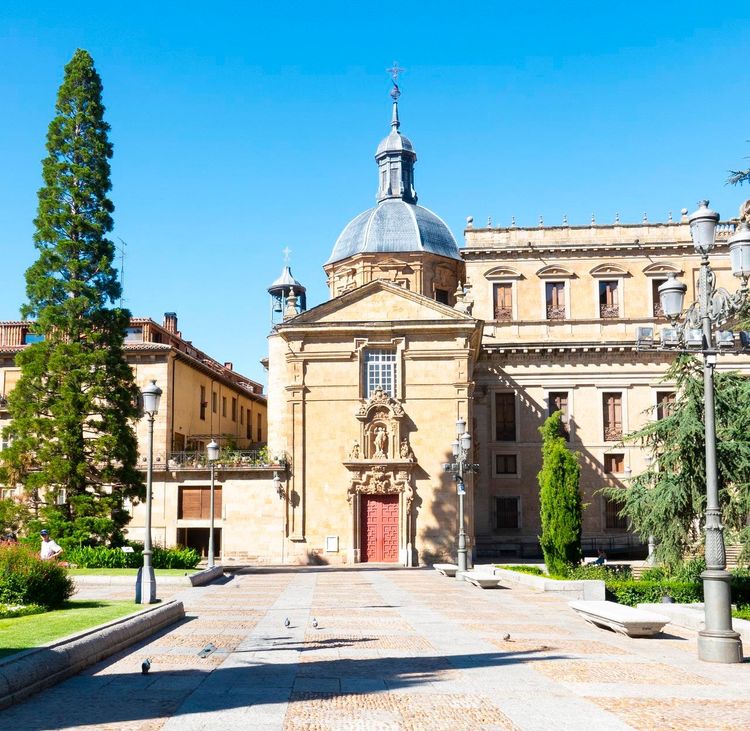
Just nearby, the Clerecía, a former Jesuit college begun in the 17th century, commands the skyline with its twin Baroque towers. You can climb inside (see below, Scala Coeli) for a 360-degree view over the golden rooftops of the historic centre.
Facing the side of the Catedral Nueva, the Palacio de Anaya (Calle Palacio de Anaya, 37008 Salamanca, rated 4.7/5 on Google from 1,333 reviews), neoclassical in style, today houses the university's faculty of philology. Its staircase and inner courtyard, freely accessible during opening hours, offer a quiet pause away from the crowds gathered in front of the university façade.
This neighbourhood is the heart of student life: the city has around 30,000 students out of roughly 145,000 residents, a ratio that explains the lively terrace and bar scene in the evenings — far removed from the image of a frozen museum city.
Casa de las Conchas, Casa Lis, and the Lesser-Known Palaces
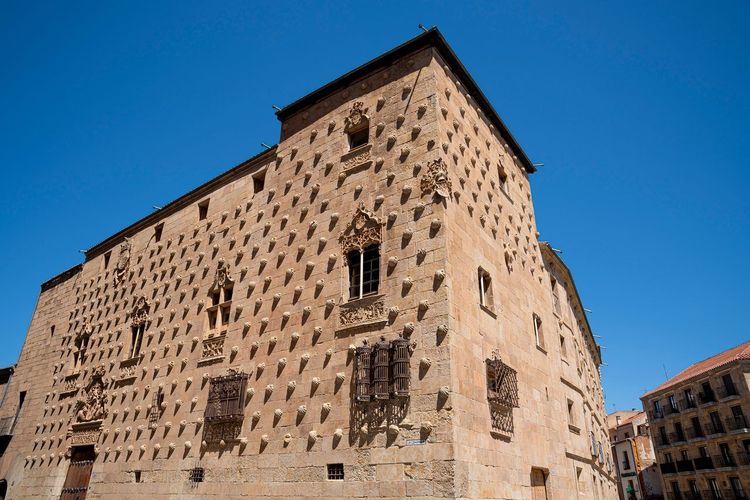
Casa de las Conchas, the House of Shells
The Casa de las Conchas, built at the end of the 15th century, takes its name from the roughly 300 scallop shells carved on its façade — the emblem of the Order of Santiago, to which its patron, Rodrigo Arias Maldonado, belonged. The contrast between the intricately worked stone and the Gothic wrought-iron window grilles makes it one of the most photographed façades in the city.
Entry is free: the building now houses a public library, and its two-storey Renaissance courtyard can be visited freely during opening hours. Work it into your itinerary without hesitation, between two paid monuments. A persistent legend holds that a gold coin is hidden beneath one of the shells — no one has ever found it.
Casa Lis and its Art Nouveau Museum
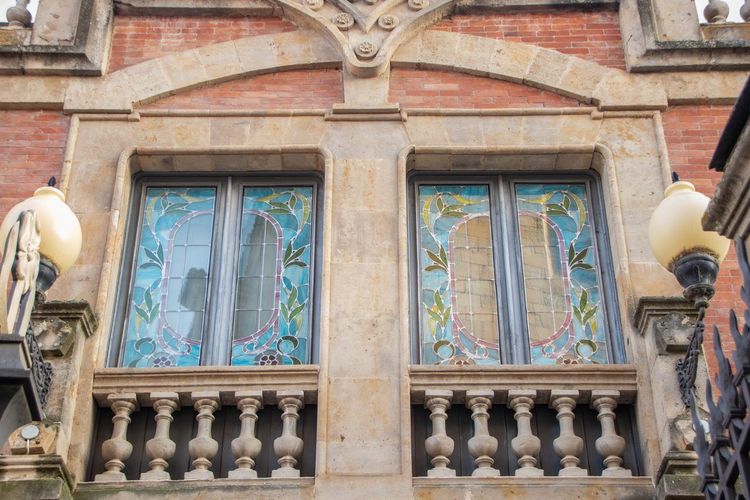
A few hundred metres away, Casa Lis, an Art Nouveau residence built in 1905 for industrialist Miguel de Lis, leans against the old city walls with views over the Tormes. It houses Salamanca's Art Nouveau and Art Deco museum, with its collection of antique dolls, Lalique glassware, and bronzes, beneath a skylight that floods the rooms with coloured light on sunny days.
Allow about an hour for the visit; tickets are around €5 to €7. It makes an excellent counterpoint after a morning spent among Baroque and Plateresque monuments: here, everything is wrought-iron curves and coloured glass. On the river side, the stained-glass façade can be admired for free from the gardens that slope down toward the Roman bridge — one of the most underrated viewpoints in the city.
Palacio de Monterrey and Palacio de la Salina
Two palaces complete this trio of less-visited façades. The Palacio de Monterrey, begun in 1539 for the 3rd Count of Monterrey and today owned by the House of Alba, is one of the pinnacles of the Plateresque style, with its corner turrets and openwork cresting. Left unfinished (only one wing was built), it has been open for guided visits since 2018 — a fine opportunity to explore the salons and the Alba family's collection.
The Palacio de la Salina (Calle San Pablo, 37001 Salamanca, rated 4.5/5 on Google from 1,044 reviews) now houses the provincial Diputación. Its Renaissance courtyard, famous for its carved wooden corbels featuring grotesque figures supporting the gallery, is accessible during weekday office hours: few guides mention it, making it one of the most peaceful hidden gems in the centre.
This is exactly the kind of façade you miss when wandering alone with a map in hand. Ryo's audio-guided tour of Salamanca brings these lesser-known addresses together into a single logical walking loop, so you do not have to search for them at random on a map.
The Convent of San Esteban and the Scala Coeli Towers
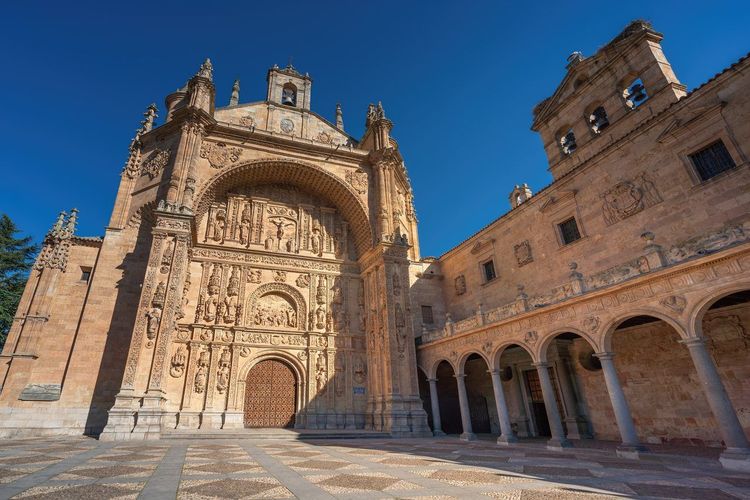
The Convent of San Esteban, a Dominican Gem
Slightly off the main tourist trail, the Convent of San Esteban is well worth the ten-minute walk from Plaza Mayor. Its Plateresque façade, a true stone retable completed in the early 17th century, depicts the stoning of Saint Stephen with remarkable precision. Inside, a vast gilded Baroque retable by José de Churriguera (1692) awaits — a member of the architectural dynasty that gave its name to the "Churrigueresque" style.
According to tradition, it was here that the Dominicans sheltered and supported Christopher Columbus when he was defending his westward voyage project before the scholars of the university. Nothing definitively proves it, but the story adds another layer of history to an already rich visit.
Tickets cost a few euros, cloister included. The silence that reigns in the cloister, even at the height of the season, contrasts sharply with the bustle of Plaza Mayor.
Climbing the Scala Coeli Towers for a Panoramic View
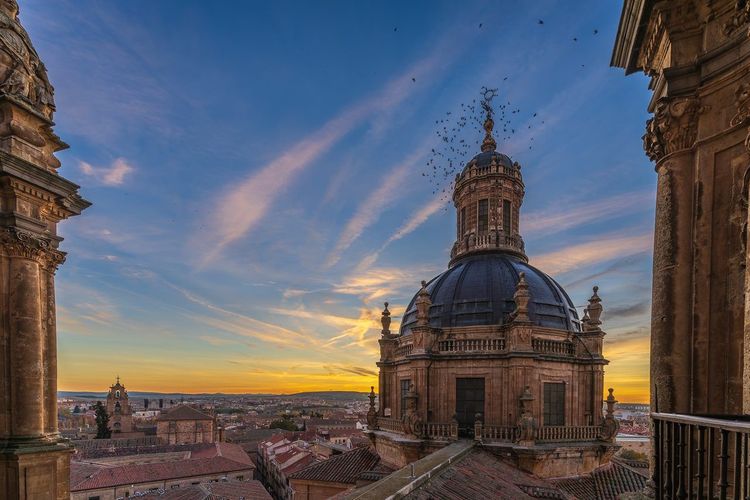
To gain some height, head for the Scala Coeli Towers, accessible from the Clerecía. The ascent is on foot, via staircases and narrow passages, up to the balconies overlooking the golden rooftops of the historic centre, with a direct view of both cathedrals, the university, and — on a clear day — the Castilian countryside.
Tickets are around €5, with a limited number of simultaneous visitors: book your time slot if you visit in high season. Go up in the late afternoon: the raking light sets the Villamayor stone aglow, and your photos will be a world apart from those taken at noon, when the sun flattens all the relief. If you find narrow staircases uncomfortable, the cathedral towers (Ieronimus) are wider.
The Roman Bridge, the Tormes Gardens, and Salamanca Illuminated at Night
The Roman Bridge and the Huerto de Calixto y Melibea
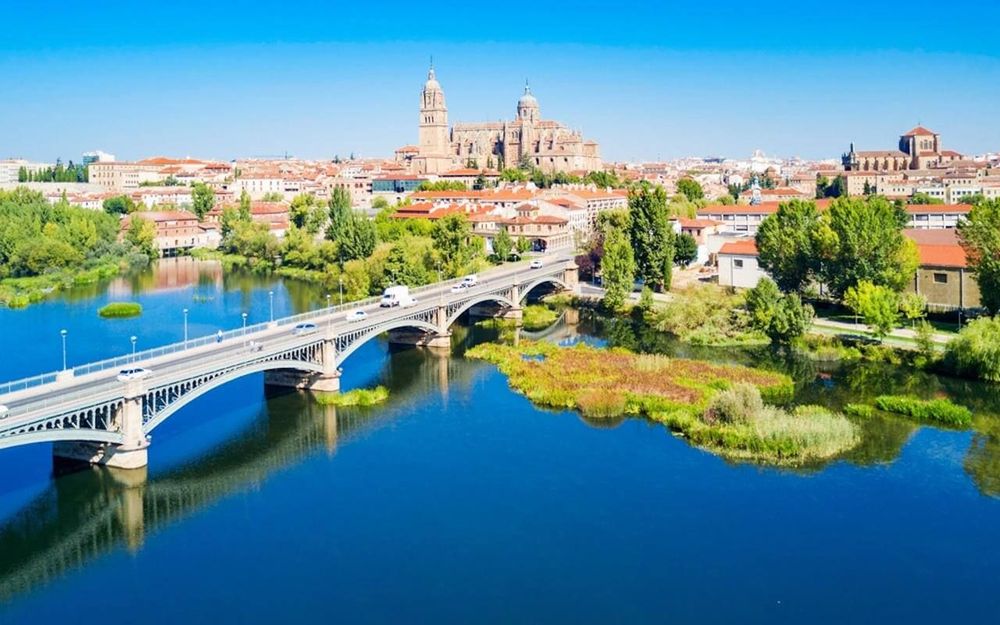
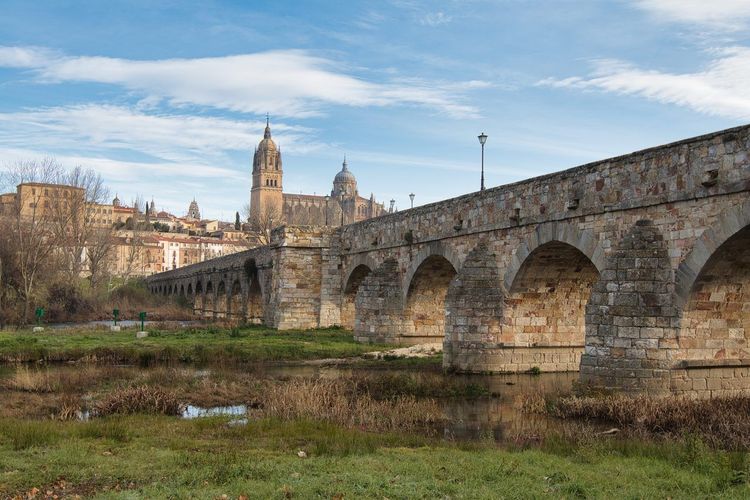
The Roman Bridge has spanned the Tormes since the 1st century AD: of its 26 arches, 15 are still Roman originals, the rest having been rebuilt after floods. At its city-side entrance, a stone boar from the pre-Roman era — mentioned in the picaresque novel Lazarillo de Tormes — watches over passers-by.
Cross the bridge, then turn back to face the city: the golden silhouette of the historic centre is reflected in the Tormes, cathedrals foremost. It is also the best vantage point for understanding Salamanca's topography — built on high ground to protect against floods.
Heading back up toward the cathedral through the gardens that line the old walls, you pass through the Huerto de Calixto y Melibea (Calle San Buenaventura, 37008 Salamanca, rated 4.5/5 on Google from 13,717 reviews), a garden named after the two lovers of La Celestine, a landmark work of late 15th-century Spanish literature. This green corner, free to enter, remains surprisingly quiet even at the height of the season, and couples often attach a padlock near the well.
Salamanca Illuminated, the Capital of the Night
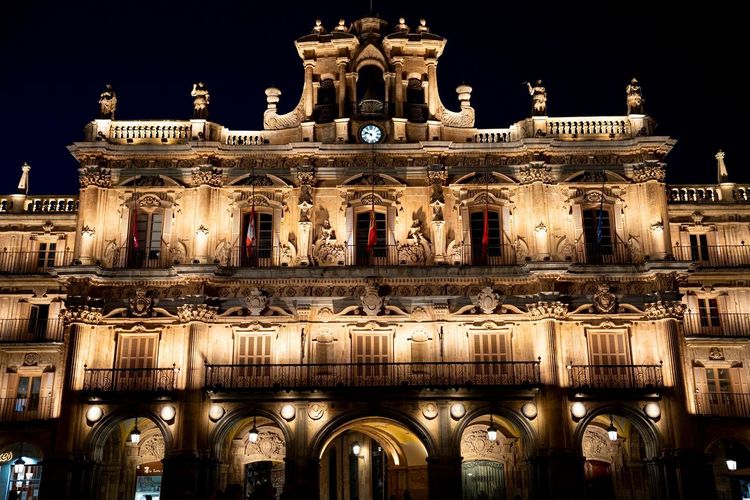
After dark, Salamanca is transformed. The public lighting brings out the Villamayor stone: the cathedrals, the university, and the Clerecía are bathed in warm light that accentuates every carved detail, often flattened in the harsh Castilian sun during the day.
The best hour falls between 9pm and 11pm in summer, a little earlier in winter: Plaza Mayor takes on the atmosphere of a theatre set. If you are staying outside the centre, do not leave before nightfall — this is when the city reveals the romantic reputation that goes well beyond daytime postcards. And with its student bars open late, Salamanca more than earns its nickname as the capital of the night.
Ryo's audio-guided tour ends along the Tormes, all the way to the Roman bridge, with an audio anecdote about the legend of Calixto and Melibea: save this final stretch for the golden hour, when the light strikes the stone at its best.
Where to Eat in Salamanca: Tapas Crawl and Local Gastronomy
Going on a Tapas Crawl
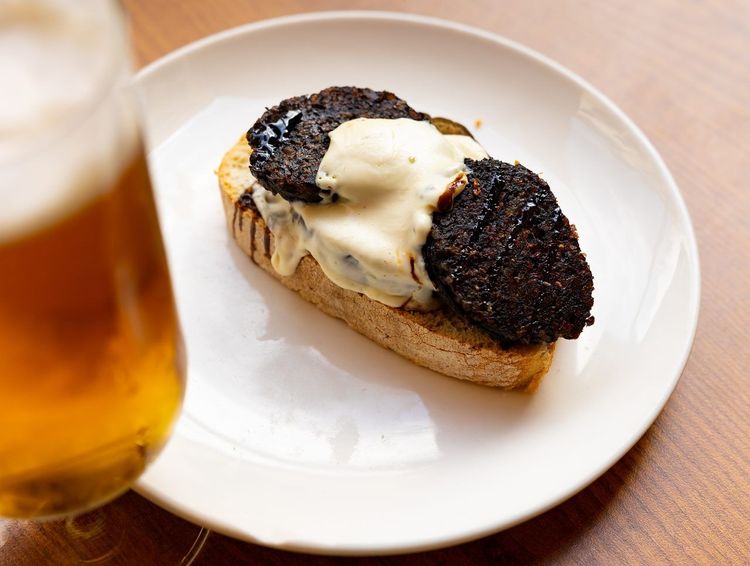
The tapas crawl is done in the late afternoon or evening, walking from one bar to the next and never staying more than a quarter of an hour. The area around Calle Van Dyck, a little to the north of the centre, concentrates most of the spots frequented by locals, with pinchos often served for a few euros with a drink.
No need to order a full meal: the vibe is relaxed, standing at the bar, chatting with the server who often recommends the house speciality. Allow two to three hours for a proper crawl, moving through four or five bars.
Avoid the Plaza Mayor terraces for this part: prices are notably higher there. Save them for a last drink at the end of the evening. On weekends, the most popular bars fill up from 8:30pm: arrive a little earlier if you want a spot at the bar.
Local Specialities and Good Addresses
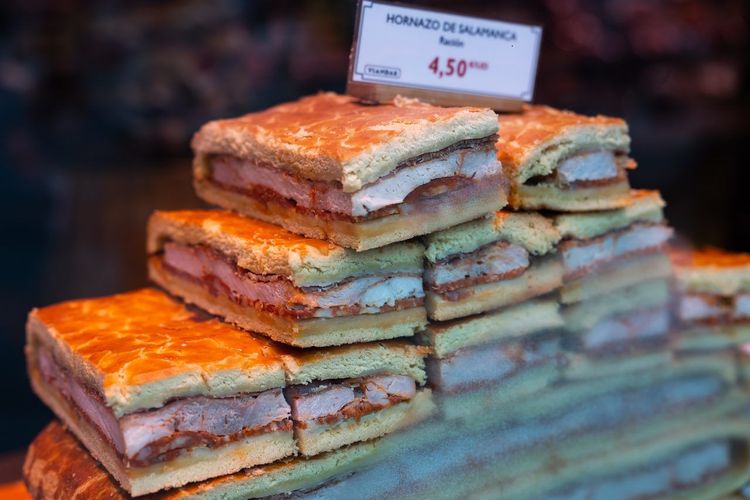
On the specialities front, hornazo is the local star: a savoury pie stuffed with chorizo, lomo, and sometimes hard-boiled egg, traditionally eaten during Lunes de Aguas — the Monday after Holy Week — but available year-round in bakeries throughout the centre. Iberian ham from Guijuelo, a town in the province renowned across Spain, appears on almost every menu, often as a sharing board.
Other specialities worth trying: patatas meneás (potatoes mashed with paprika and lard), farinato (a sausage made from breadcrumbs and lard, typical of Ciudad Rodrigo), and, for those with a sweet tooth, perronillas — small anise-flavoured shortbread biscuits sold in bakeries throughout the centre.
For a sit-down meal, the small streets leading from Plaza Mayor toward the university have plenty of restaurants at reasonable prices. At lunchtime during the week, the "menú del día" (starter, main, dessert, drink) runs from €13 to €18 per person. Book ahead at the most popular spots, especially at weekends.
Where to Stay in Salamanca without a Car
Without a car, the choice of neighbourhood matters more than the hotel's star rating. Staying in the historic centre, around Plaza Mayor or between the cathedral and the university, means you can do everything on foot — including walking home late after an evening of tapas, without depending on a last bus. Prices there are slightly higher than on the outskirts, but the difference remains reasonable for a city of this size.
Among the best hotels in the centre, the Hospes Palacio de San Esteban occupies part of the old Dominican convent, the Hotel Rector offers a charming address steps from the cathedral, and the NH Collection Salamanca Palacio de Castellanos is set within a 15th-century palace facing San Esteban. The Parador is on the other side of the Tormes: stunning views, but a 25-minute uphill walk to Plaza Mayor.
The area around the Gran Vía, five to ten minutes' walk from the pedestrian centre, offers a good compromise: slightly more affordable hotels, still within easy walking distance of everything, and close to the bus station. Avoid accommodation too near the train station, which is a little out of the way, unless a direct urban bus serves your hotel.
Without a car, the "parking" line (often €15–20 per night) disappears from your budget. On summer nights, sleeping on Plaza Mayor has one drawback: the terrace noise can go on late — opt for a side street instead. Book at least a month in advance for Holy Week, the September festivals, or graduation periods.
Day Trips around Salamanca without a Car
Alba de Tormes and Ciudad Rodrigo by Bus
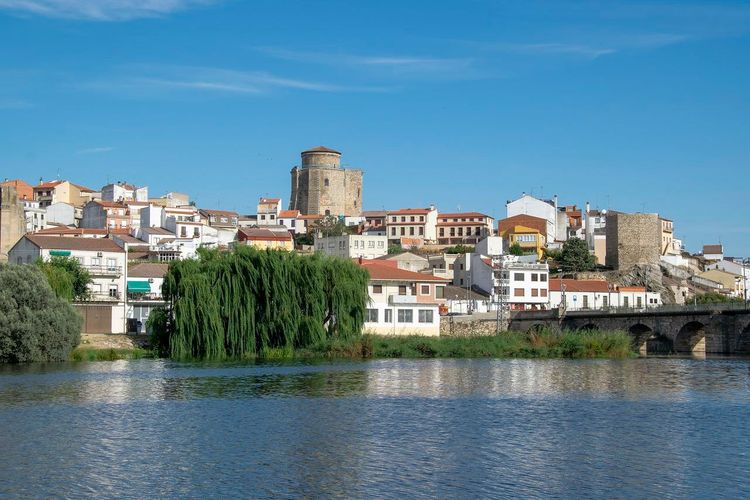
Just twenty kilometres away, Alba de Tormes is reachable in about thirty minutes by bus from the bus station. The town is inseparable from Saint Teresa of Ávila, whose body rests at the Convento de la Anunciación (Carretera de Peñaranda, 37800 Alba de Tormes, rated 4.6/5 on Google from 162 reviews) of the Carmelites: the relics draw pilgrims from around the world. The Torre de la Armería, the last remaining tower of the dukes of Alba's castle, dominates the valley.
Ciudad Rodrigo, further away (about 90 km, just over an hour by bus), deserves a full day. This fortified town, encircled by still-intact ramparts that you can walk in their entirety, is home to a cathedral begun in the 12th century and a Plaza Mayor lined with palaces, often peaceful even at the height of the season.
Buses to both destinations depart from the same bus station as those to Madrid: buy tickets at the counter or the machines, and advance booking is rarely essential outside holiday weekends.
The Wine Route, Béjar, and Valladolid on an Organised Tour
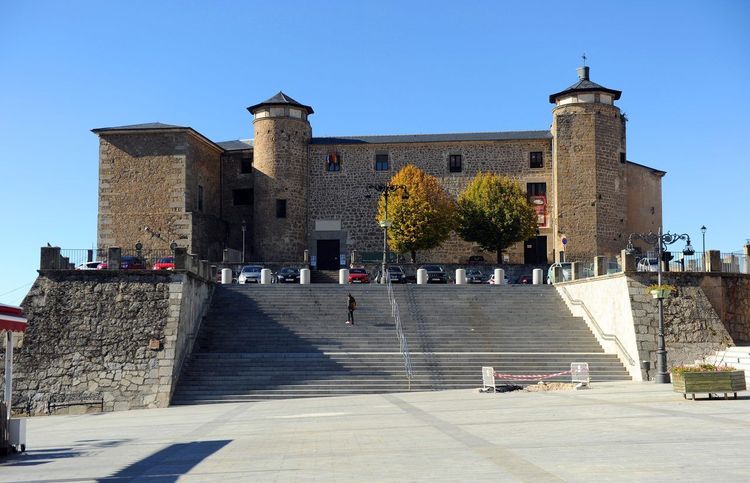
Béjar, about 75 km to the south (1h to 1h15 by bus), long thrived on its textile industry: a museum housed in a former factory tells this story, set in a mid-mountain landscape very different from the Castilian plain. Do not miss its ducal palace and El Bosque, a classified Renaissance garden-villa.
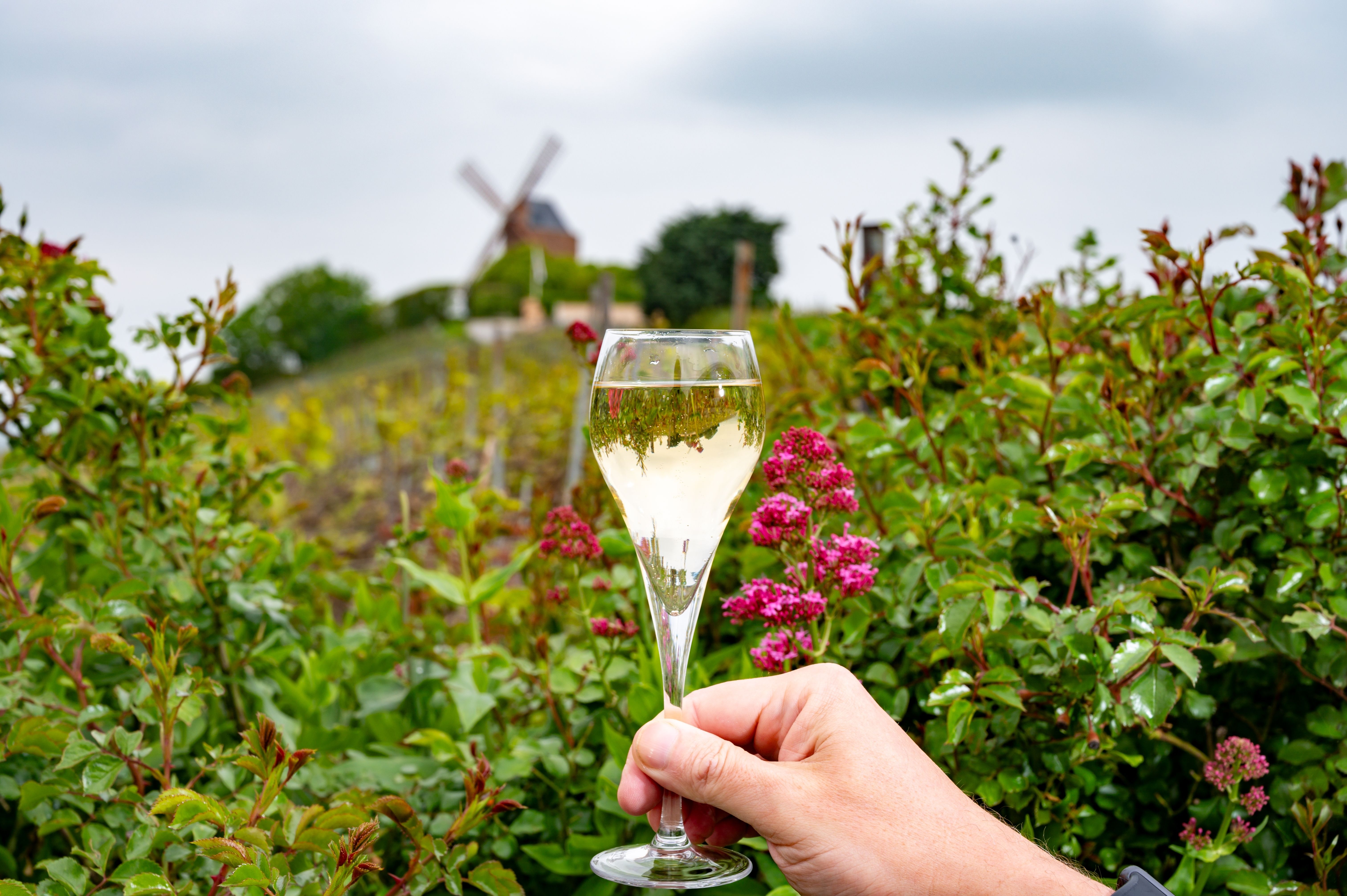
Further afield, Valladolid (115 km, 1h15 to 1h30 by train) allows you to combine two university cities in the same weekend, with the National Museum of Sculpture, one of the richest in Spain. For the wine region around Salamanca, covering the Arribes and Sierra de Salamanca appellations, it is better to book a small-group organised tour (minibus with driver): public transport links there are sparse.
For these day trips, set off early and return before the last bus of the evening, often around 8pm: check timetables the night before, especially on Sundays.
FAQ
Can you really visit Salamanca without a car?
Yes, without a doubt. The historic centre is largely pedestrianised, all major monuments are within a 20-minute walk of each other, and trains and buses connecting Salamanca to Madrid, Ávila, or Valladolid run several times a day. Once there, a car offers no real advantage — only parking headaches.
How many days do you need to visit Salamanca?
Two days are enough to see the highlights: Plaza Mayor, the cathedrals, the university, Casa de las Conchas, and the Roman bridge. Allow three days if you want to add the lesser-known palaces, the Convent of San Esteban, a full tapas crawl, and a day trip to Alba de Tormes or Ciudad Rodrigo.
Where to park if you arrive by car anyway?
Several paid underground car parks surround the historic centre, a 10–15-minute walk from Plaza Mayor, without providing direct access to it. Expect to pay €15–20 for 24 hours. The easiest option is to choose a hotel that offers partner parking, then leave the car for the rest of your stay.
How do you get from Salamanca to Madrid or Ávila without a car?
The Renfe train connects Salamanca to Madrid-Chamartín in 1h30 to 1h45, several times a day. The Avanza bus takes 2h30 to 3h for the same journey. For Ávila, allow just over an hour by train or bus, with several daily departures.
Is Salamanca worth visiting?
Absolutely. The city packs an unusually dense concentration of Plateresque and Baroque monuments, UNESCO World Heritage-listed since 1988, while remaining lively thanks to its 30,000 students. Few cities of this size offer so much within such a compact area.
What are the free things to do in Salamanca?
Spot the frog on the university façade, visit the patio of Casa de las Conchas, the courtyard of Palacio de Anaya or Palacio de la Salina, walk across the Roman bridge, stroll through the Huerto de Calixto y Melibea, or simply wander through the illuminated historic centre at night.
Why is Salamanca famous?
For its university, the oldest in Spain (1218), for its Villamayor stone that turns the entire city golden at sunset, and for the exceptional density of its Plateresque and Baroque heritage, UNESCO-listed since 1988.
Salamanca on Foot: Key Takeaways
Salamanca is one of the rare Spanish cities where going car-free genuinely improves the visit: everything that matters, from Plaza Mayor to the Roman bridge, fits within a pedestrian radius of barely 1.5 km. The trains and buses connecting it to Madrid, Ávila, or Valladolid make getting there as easy as the walk itself.
Two or three days are enough to miss nothing of the must-sees, as long as you leave time for the lesser-known addresses: Casa Lis, Palacio de la Salina, the Scala Coeli towers. To string it all together without checking your phone at every corner, launch Ryo's audio guide to Salamanca: it walks you through neighbourhood after neighbourhood, right up to the last golden light on the Tormes.