
Créé par Romane, le 4 oct. 2026
Votre guide Ryo
Epernay, France
The Champagne Capital
Parcours audioguidé pour visiter Épernay en 1 jour
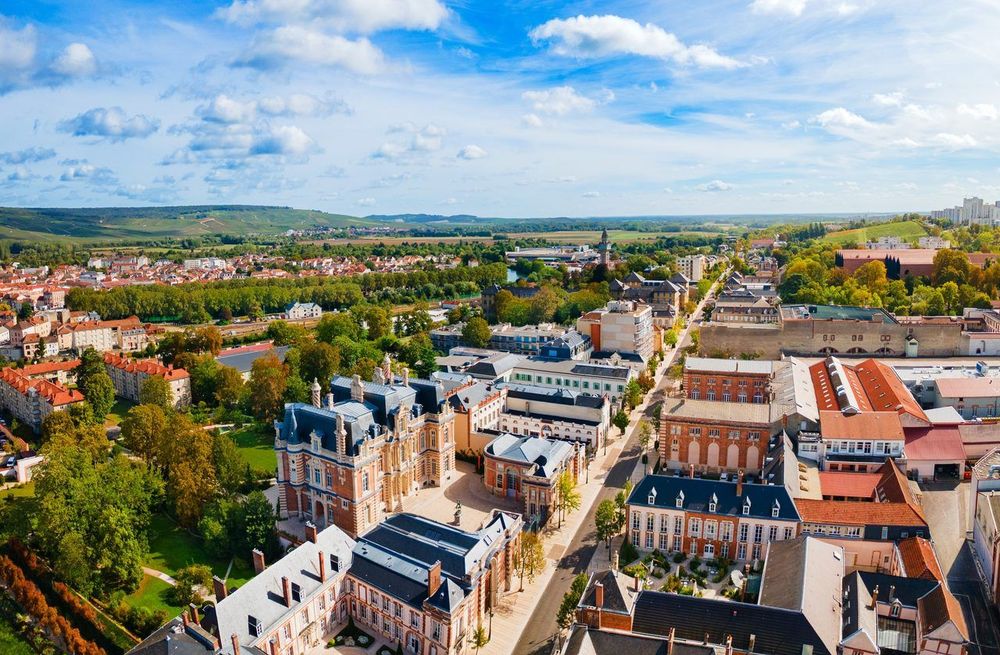
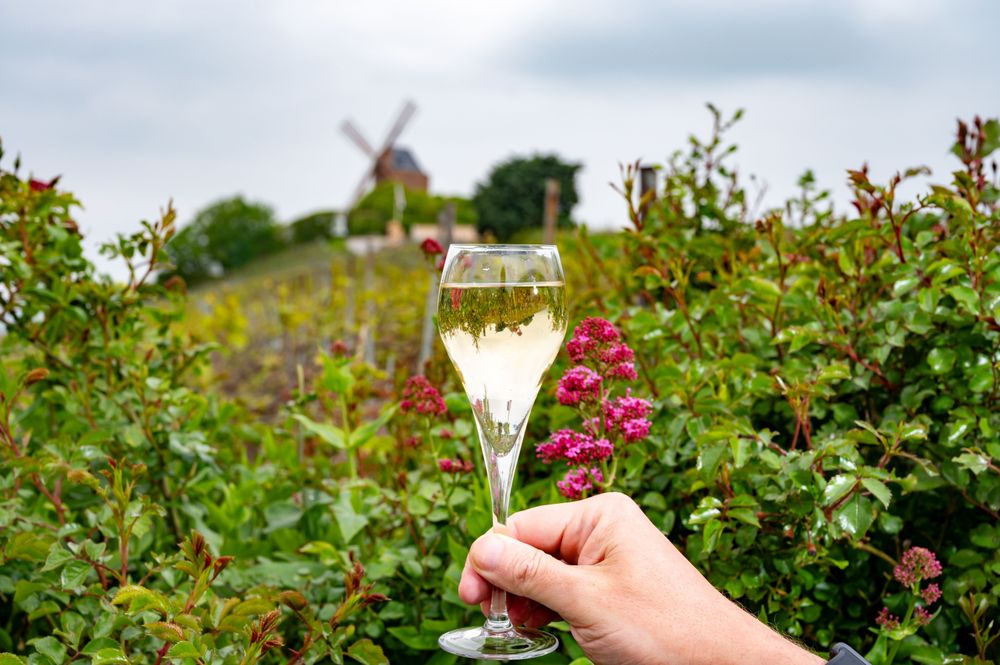
In the heart of the vineyards, Épernay is the capital of Champagne. With its great houses, prestigious cellars, and local heritage, the town invites you to discover the world of this iconic wine.
Quand partir à Épernay ?
Jan.
3°
11
Feb.
4°
9
March
8°
10
April
11°
10
May
15°
11
June
19°
10
July
22°
9
Aug.
22°
9
Sept.
18°
9
Oct.
13°
10
Nov.
7°
11
Dec.
4°
11
The climate in Épernay is a degraded oceanic type with a continental influence, featuring cool winters, generally between 1 and 8°C, sometimes accompanied by frost, and moderately warm summers, most often ranging from 23 to 28°C, with possible hotter spells during heatwaves; the best times to visit are typically from April to June and then from September to October, when temperatures are pleasant, the vineyard landscapes are particularly beautiful, and conditions are ideal for enjoying the town and the Champagne vineyards in a calmer atmosphere than at the height of summer.
Départ conseillé
No need to worry about where to begin! Our tours are designed as a loop, so you can jump in wherever you are. The navigation system and audio-guide will automatically adjust to your location. However, if you happen to be nearby, we do have a preferred starting point: Place de la République
Parking à proximité
Parking du Jard, rue Eugène Mercier
To park in Epernay, you have the choice between the various underground parking garages downtown, or street parking. In the underground parking garages, you get one hour of free parking. On the street, there are several parking zones: the red zone, in the city center, is limited to 3 hours of parking, while the green zone is limited to 9 hours. In all cases, the spaces are paid, except for the blue spaces where you must display the parking disc.
À savoir
The tour passes along Avenue de Champagne, in front of the great champagne houses. Don't hesitate to inquire in advance if you wish to book a tour or tasting at one of these houses.
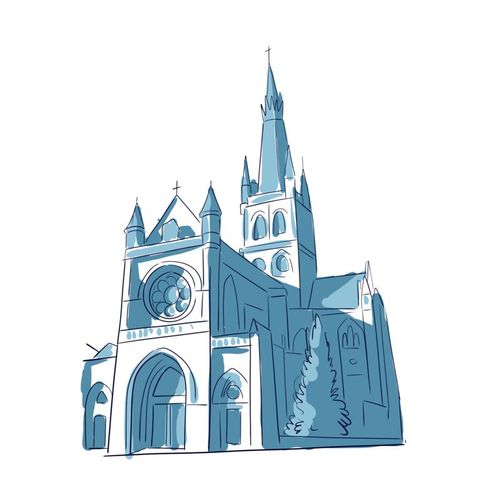
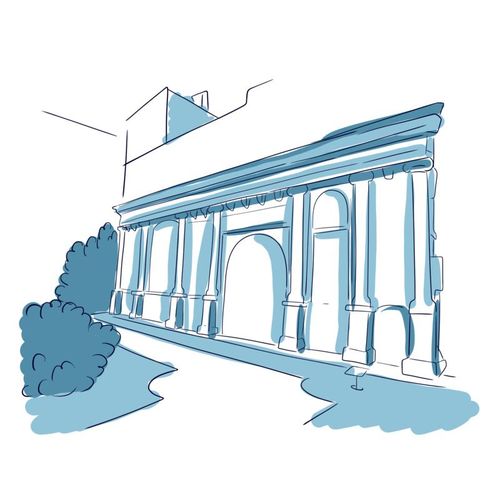
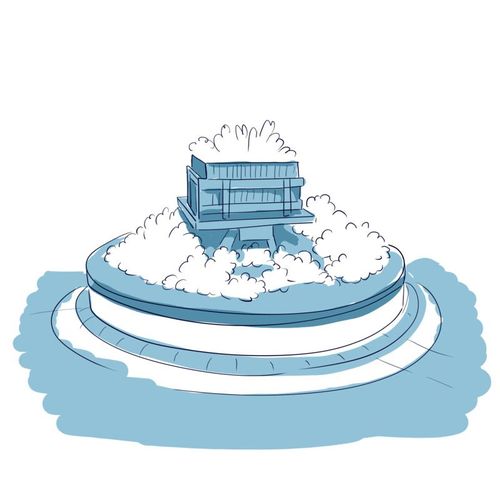
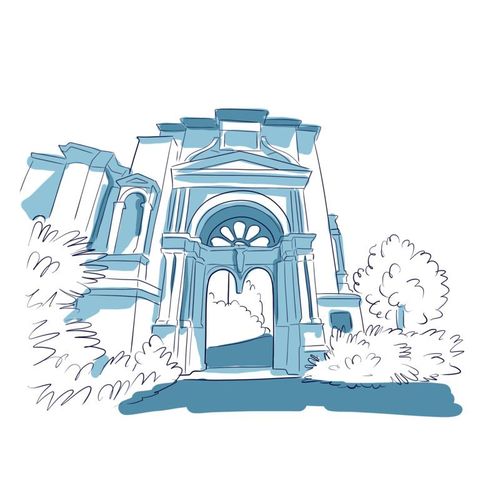
Découvrez 16 lieux d'intérêt pour visiter Épernay
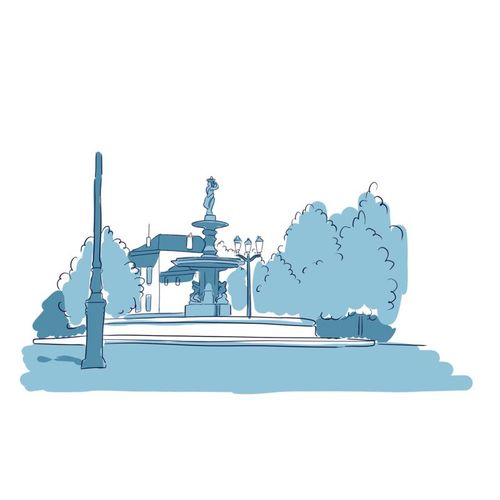
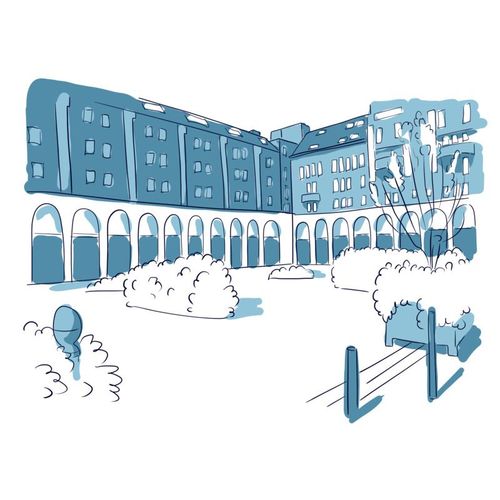
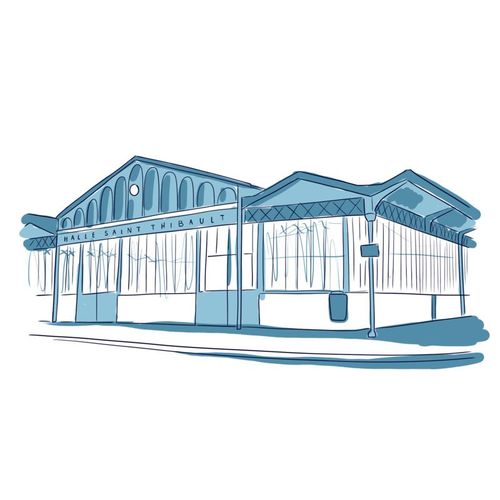
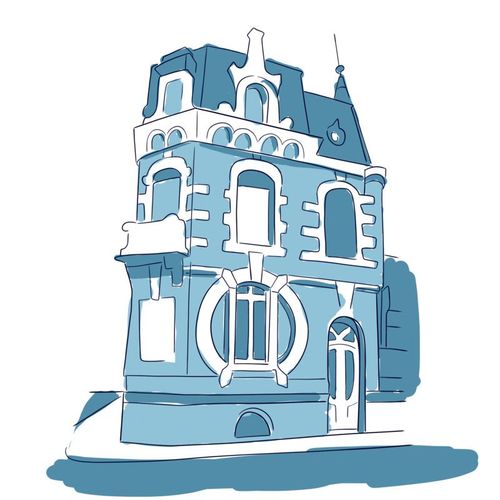

Le plein d'inspirations
Explorez le monde en totale liberté, à pied au cœur des villes ou au fil des routes. Nos guides audios transforment chaque destination en une découverte culturelle immersive et unique.
FAQ for visiting Épernay
When is the best time to visit Epernay?
The best time to discover Epernay runs from April to June, then from September to October. During these months, you'll enjoy pleasant temperatures and particularly beautiful vineyard landscapes. The vines offer a changing spectacle with the seasons, green in spring and golden in autumn. The atmosphere is also calmer than in high summer, allowing you to visit the cellars and wander through the town more peacefully. Winters remain cool with temperatures generally between 1 and 8°C, while summers are moderately warm, most often ranging between 23 and 28°C. The region's oceanic climate can bring the occasional shower, but that's part of the Champagne charm.
How many days do you need to visit Epernay?
Two full days is the ideal length of time to properly discover Epernay. On the first day, you can explore the town centre with the Avenue de Champagne, visit one or two of the great houses and soak up the unique atmosphere of the Champagne capital. The second day lets you deepen your discovery with other cellar visits, a walk through the surrounding vineyards or a look at the local heritage. If you have more time, a third day will let you explore the nearby wine villages. For an optimal discovery of the historic centre on foot, the Ryo audioguide offers a narrated tour that takes you to the town's must-sees at your own pace. A weekend stay is nonetheless enough to get a fine overview of Epernay.
How do you get to Epernay from Paris?
The train remains the most practical way to reach Epernay from Paris. Direct connections depart regularly from Gare de l'Est, with a journey of about an hour and a half. This option spares you the traffic jams and drops you directly in the town centre. If you prefer to drive, allow about an hour and a half by road via the A4 motorway, taking the Château-Thierry exit then the N3. This solution offers more flexibility to explore the surrounding vineyards afterwards. Bus services also exist, generally with a connection in Reims, but the journeys are longer. For groups, hiring a minibus with a driver can be an interesting alternative, combining comfort with the possibility of organising visits to several estates.
What are the must-visit Champagne houses?
The Avenue de Champagne concentrates the most prestigious houses to visit during your stay. Moët & Chandon impresses with its monumental cellars and its centuries-old history, while Perrier-Jouët charms with its unique Art Nouveau heritage. Pol Roger offers a more intimate experience in traditional cellars, and Mercier proposes a spectacular visit with its giant barrel. De Castellane stands out with its tower offering a panoramic view over the town. Each house has its own personality and tells a different facet of the history of champagne. The Ryo audioguide accompanies you along the Avenue de Champagne, revealing the secrets and anecdotes of these emblematic houses. Generally allow between one hour and an hour and a half per visit to fully enjoy the experience.
Do you need to book cellar visits in advance?
Booking in advance is strongly recommended, even compulsory for most of the great Champagne houses. In high season, from May to September, as well as during weekends and public holidays, the visit slots fill up quickly. Some houses offer visits in several languages at fixed times, others offer more personalised experiences by appointment. Bookings are generally made online on the houses' official websites or by telephone. Booking not only guarantees you a place, but also lets you choose the type of visit you want, with some houses offering different packages with varied tastings. In low season, you'll have more flexibility, but booking remains advisable to avoid any disappointment, especially if you have specific time preferences.
What is there to do in Epernay when it rains?
On rainy days, Epernay offers plenty of sheltered activities to continue your discovery. Cellar visits are the ideal activity, allowing you to stay dry while exploring the kilometres of underground galleries where millions of bottles rest. The Museum of Champagne Wine and Regional Archaeology is also worth a visit to understand the winegrowing history and local heritage. The boutiques of the Avenue de Champagne welcome you for tastings and purchases in a cosy atmosphere. Some champagne bars offer tasting workshops, perfect for deepening your oenological knowledge. The Ryo audioguide remains usable even in rainy weather, allowing you to discover the town between showers with strategic stops in covered places.
Where can you park in Epernay?
Parking in Epernay remains relatively easy with several options available. The Place Mendès-France car park, close to the town centre and the Avenue de Champagne, offers numerous spaces and is convenient for exploring on foot. The station car park is perfect if you arrive by train or want to park for the day. Free spaces can be found in the streets adjacent to the centre, but watch out for the blue zones limited in duration. Along the Avenue de Champagne, parking is generally paid and limited. At weekends, some car parks become free, so check locally. If your hotel has a car park, opt for this option for greater peace of mind. The town remains of a human scale, allowing you to visit everything on foot once parked.
Which villages around Epernay are worth the detour?
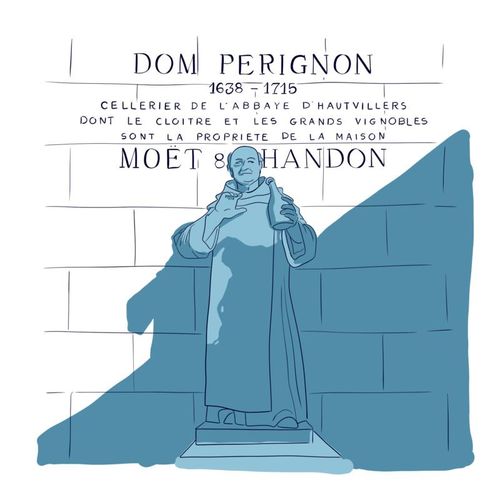
The surroundings of Epernay are full of picturesque villages that will enrich your discovery of Champagne. Hautvillers, the birthplace of champagne where Dom Pérignon lived, offers flower-filled alleys and exceptional viewpoints over the valley. Aÿ-Champagne charms with its winegrowing heritage and its traditional houses. The village of Cumières, nestled at the foot of the hillsides, is perfect for lovely walks through the vines. Pierry is home to charming winegrowers' residences, while Chouilly is renowned for its grands crus of Chardonnay. These villages can easily be visited by car or by bike for the sportier among you. The Ryo audioguide offers themed routes that include some of these villages, allowing you to discover their histories and particularities while admiring the vineyard landscapes that make the region famous.
What is the Avenue de Champagne and what can you see there?
The Avenue de Champagne lines up the mansions and headquarters of the great Champagne houses along roughly a kilometre, in a setting of classical façades and wrought-iron gates. Beneath the roadway runs an immense network of galleries dug into the chalk, where millions of bottles rest: it is this underground world, listed as World Heritage along with the hillsides, houses and cellars of Champagne, that made the place famous.
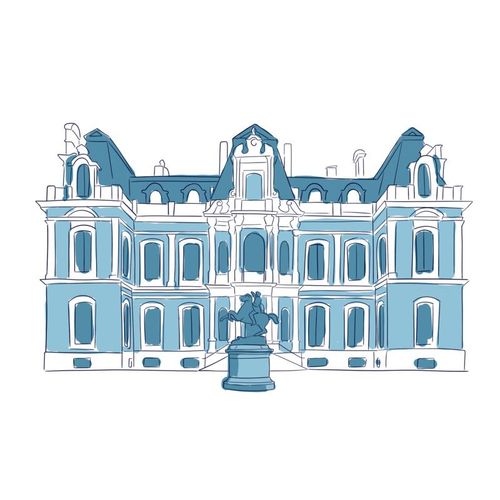
Above ground, the walk is free at any hour; some houses can only be admired from the street, while others open shops and tasting rooms. Carry on to the town hall park and the Champagne Wine Museum, set in a former château, to understand the history of the vineyards. The Ryo audio guide offers a dedicated Épernay route that follows the avenue and tells the story of the families who built it.
Can you explore the vineyards around Épernay by bike?
Yes, and it is one of the finest ways to take in Champagne. Rental shops in town offer both standard and electrically assisted bikes, the latter being welcome since the slopes rise steeply as soon as you leave the Marne valley.
Several waymarked routes start from Épernay and cross the wine villages: the Côte des Blancs to the south, with its chardonnay grand crus and endless rows of vines, or the right bank of the Marne towards Hautvillers, where the abbey holds the tomb of Dom Pérignon. Allow half a day for a short loop, a full day if you stop at growers along the way. Bring water, as the countryside has few shops between villages.
Vos commentaires, idées et suggestions
Aucun avis pour le moment