





Walk
The Champagne Capital
Épernay, France
Walk
The Champagne Capital
Épernay, France
2.1 km
Distance
1h00
Durée
16
Audios
Loop
Parcours
Shutterstock
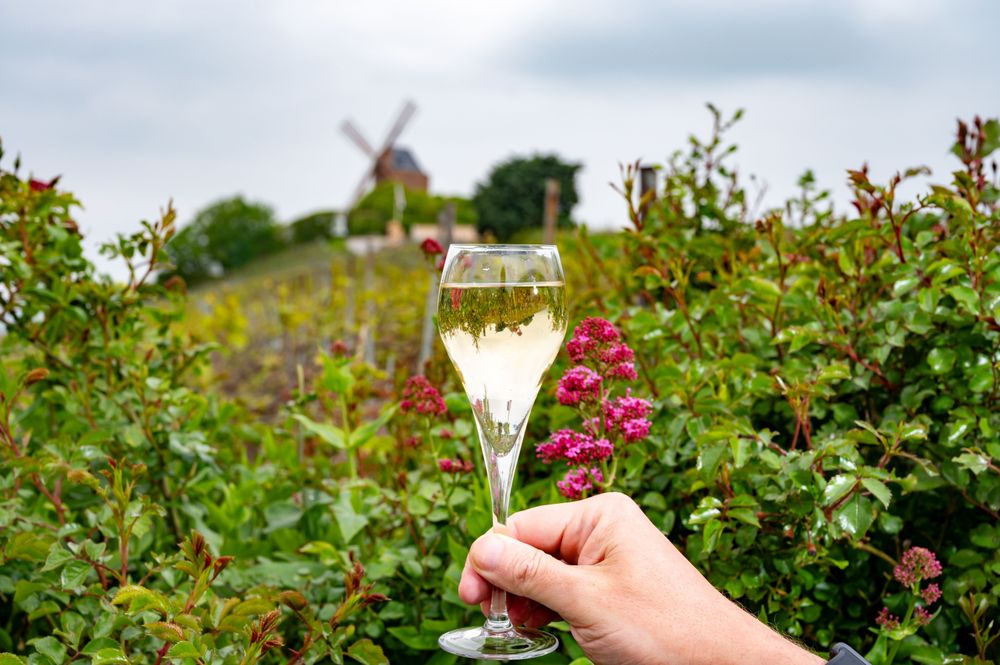
In Épernay, capital of champagne, the Épernay audio-guided tour invites you to discover the history of the vineyards and the famous sparkling wine. On the way to the Avenue de Champagne, it is the opportunity to evoke the long history of this wine that bears the name of a whole region.
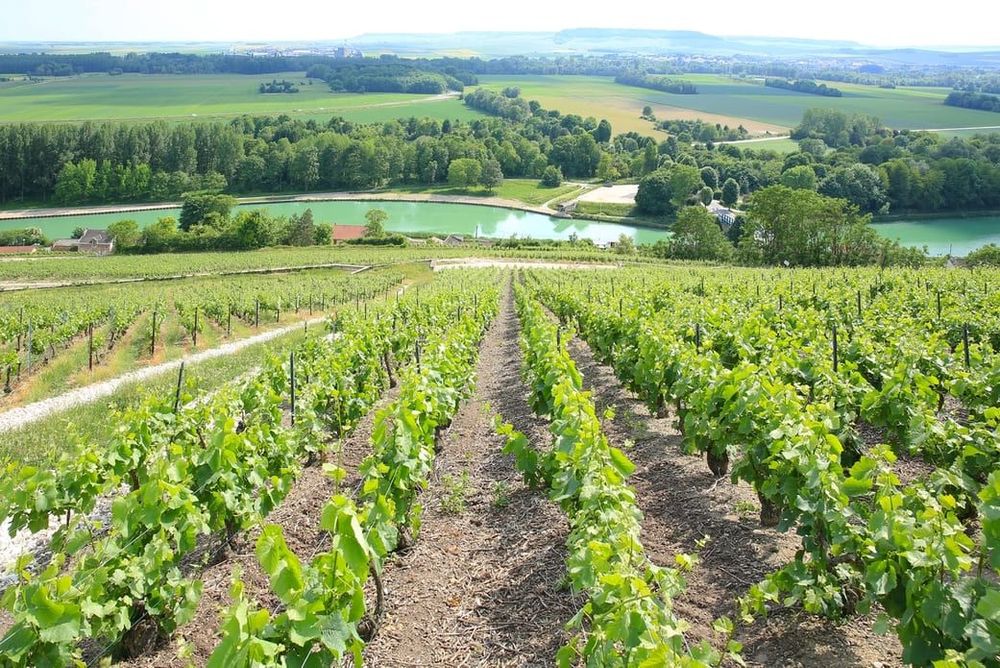
The history of champagne begins in the Middle Ages, when the vine develops in the region. Over the centuries, the know-how of the winegrowers and the houses has made it possible to perfect this unique sparkling wine, become synonymous with celebration and prestige throughout the world. Épernay, in the heart of the vineyard, is one of its capitals: its cellars dug into the chalk and its great houses testify to this rich history, celebrated along the Avenue de Champagne.
Along the tour, you evoke the history of the vineyards and of champagne, from the medieval origins to the great houses of today, walking towards the Avenue de Champagne. This narrative sheds light on the identity of Épernay, capital of champagne. It is a stop for those curious about heritage and wine-growing traditions, to be experienced in the heart of the town.
The history of the vineyards is evoked along the tour in Épernay, notably while walking towards the Avenue de Champagne, reachable on foot. To learn more, the cellars of the great houses and the sites dedicated to champagne offer visits, according to their own hours and conditions. It is best to enquire to discover them.
In the Middle Ages, when the vine develops in the region; the know-how of the winegrowers and the houses then perfected this unique sparkling wine.
Because it is one of the capitals of champagne, in the heart of the vineyard, with its cellars dug into the chalk and its great houses along the Avenue de Champagne.
Aucun avis pour le moment
