
Créé par Emilie, le 4 oct. 2026
Votre guide Ryo
Troyes, France
Journey Through the Champagne Cork
Parcours audioguidé pour visiter Troyes en 1 jour
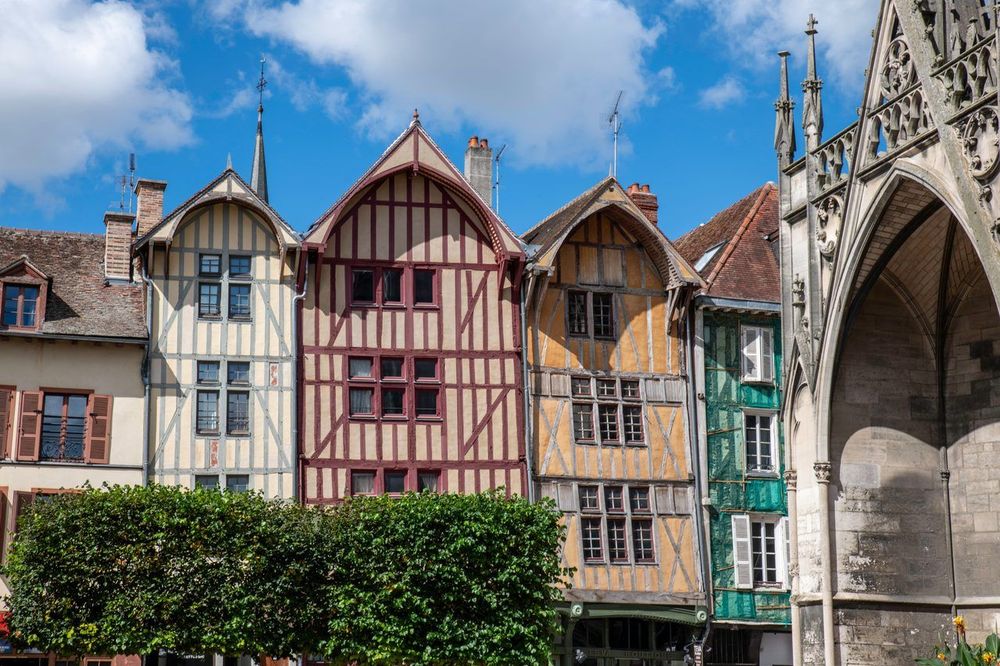
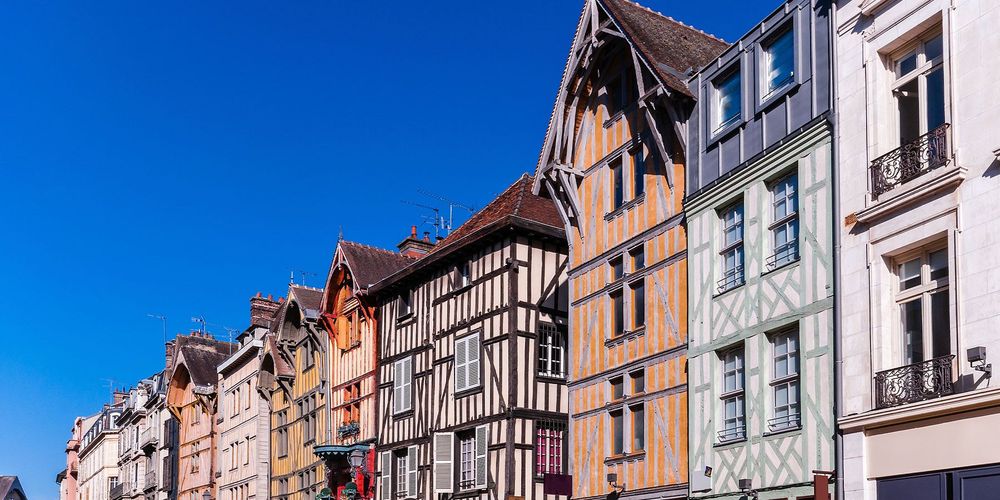
This tour of Troyes invites you into a setting straight out of a storybook, where half-timbered houses lean gently over cobbled streets. Let yourself be drawn along the narrow Ruelle des Chats and admire the radiant stained glass of Troyes Cathedral, a masterpiece that feels like lacework in glass, before pausing for a relaxed, indulgent break on a shaded square. Between its Renaissance townhouses and the distinctive outline of its historic center, shaped like a champagne cork, the city reveals a character that is both warm and finely detailed. It’s a walk through hidden gardens and a rich textile heritage, offering a poetic glimpse into a place where craftsmanship and charm go hand in hand.
Quand partir à Troyes ?
Jan.
6°
11
Feb.
8°
9
March
12°
9
April
16°
9
May
20°
10
June
24°
9
July
26°
8
Aug.
26°
8
Sept.
22°
8
Oct.
16°
10
Nov.
10°
10
Dec.
7°
11
Troyes enjoys a temperate climate with a semi-continental influence, offering warm, sunny summers with averages around 26°C and fairly cold winters, marked by frequent frosts and temperatures close to 1°C. The ideal period to discover the "Tricasse" city and its famous "Bouchon de Champagne" (Champagne Cork) runs from May to September, providing pleasant weather to admire the colorful half-timbered houses and the exceptional stained glass windows of its churches. The month of December also holds a special charm with its illuminations highlighting the medieval heritage, while the periods of January and July are the essential dates for shopping enthusiasts, as the city is the historical capital of brand outlets and factory stores.
Départ conseillé
No need to worry about where to begin! Our tours are designed as a loop, so you can jump in wherever you are. The navigation system and audio-guide will automatically adjust to your location. However, if you happen to be nearby, we do have a preferred starting point: Place Jean Jaurès
Parking à proximité
Parking des Halles- Rue Général de Gaulle
Parking is free every Thursday and Friday from 5 p.m. (except in the yellow zone). Closed parking lots (excluding underground ones) are free between 12 p.m. and 2 p.m., as well as from 7 p.m. to 9 a.m.
In the red zone, located in the city center, parking is intended for short stays — 2 hours is recommended, with a maximum of 3 hours. In the orange and yellow zones, you can park for up to 7.5 hours. The yellow zone is designated for long-term parking, mainly for residents.
À savoir
The itinerary takes you briefly through the Jardin du Rocher. The garden gates are closed at night — from 8 p.m. in winter and 10 p.m. in summer. If you choose to do this visit in the evening, you’ll simply need to stay on Louis Mony Street.
Découvrez 27 lieux d'intérêt pour visiter Troyes






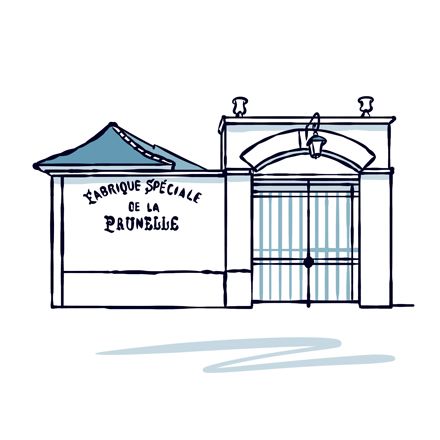
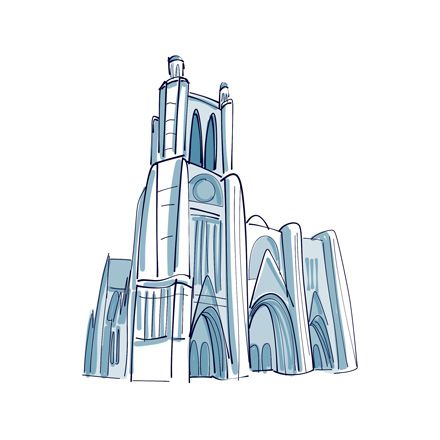
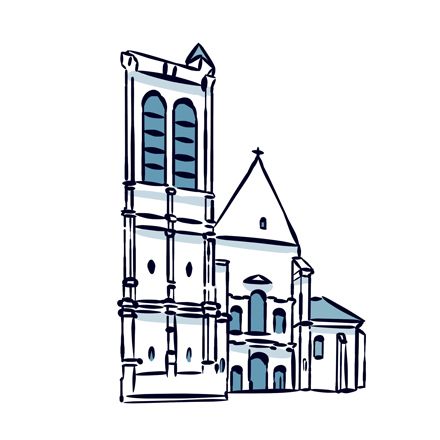
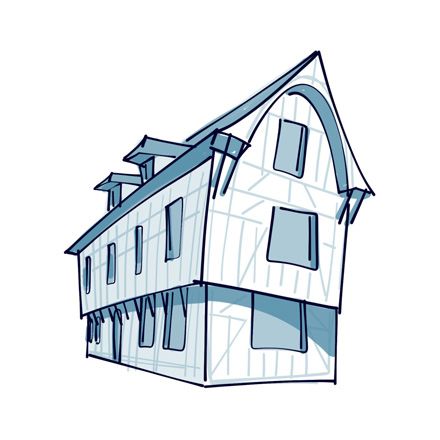





Le plein d'inspirations
Explorez le monde en totale liberté, à pied au cœur des villes ou au fil des routes. Nos guides audios transforment chaque destination en une découverte culturelle immersive et unique.

FAQ for visiting Troyes
When is the best time to visit Troyes?
The ideal time to discover Troyes runs from May to September, when the city's temperate climate offers sunny, warm days, perfect for wandering through the medieval lanes and admiring the colourful façades of the half-timbered houses. Summer temperatures generally hover around 26°C, creating pleasant conditions for exploring the champagne-cork-shaped city centre. December is a charming alternative with its magical illuminations that enhance the architectural heritage. For shopping enthusiasts, January and July traditionally coincide with the sales periods in the many outlet stores that have made the capital of the Aube famous.
How much time do you need to visit Troyes?
A full day is enough to discover the essentials of Troyes, exploring its historic centre and visiting its main monuments. For a more thorough exploration including the museums, the churches and a shopping break in the outlet stores, plan on two days instead. A weekend gives you the time needed to appreciate the city's unique atmosphere, stroll through the medieval lanes such as the famous ruelle des Chats, admire the exceptional stained-glass windows of the cathedral and soak up the charm of the shaded squares. This length of stay also lets you savour the local specialities and fully enjoy the warm atmosphere that characterises this Champagne city.
How do you get to Troyes from Paris?
Troyes is easily reached from Paris by several means of transport. By train, allow generally between an hour and a half and two hours for a direct journey from the Gare de l'Est, with regular services throughout the day. By car, the A5 motorway links Paris directly to Troyes in about an hour and a half to two hours depending on traffic. Bus services also offer journeys between the two cities, often at economical fares but with longer travel times. Once you arrive in Troyes, the historic centre is close to the station, letting you quickly begin your discovery of the city on foot.
What are the must-see sights in Troyes?
Troyes is full of architectural treasures that bear witness to its rich medieval and Renaissance past. The Saint-Pierre-et-Saint-Paul cathedral impresses with its exceptional stained-glass windows, true lace of glass that lights up the interior of the building. The colourful half-timbered houses, notably in the ruelle des Chats, offer a fairy-tale setting where the gables seem to lean over the cobblestones. The Renaissance mansions tell of the city's past opulence, while churches such as Saint-Urbain or Saint-Pantaléon house masterpieces of sacred art. The Ryo audioguide accompanies you on this discovery with a narrated route that reveals the secrets and history of these emblematic monuments.
Where can you park easily in Troyes?
Troyes offers several convenient parking options for visitors. The city centre generally provides paid underground car parks located right next to the tourist areas, making access to the main historic sites easier. Surface car parks are also available on the outskirts of the centre, often at more advantageous rates and sometimes free depending on the zones and times. On market days or during special events, it is advisable to arrive early to find a space easily. Some hotels in the centre also offer parking solutions for their guests. Once parked, the entire historic centre can be visited easily on foot, as the distances between the various points of interest are relatively short.
What can you visit for free in Troyes?
Troyes offers many opportunities for free discoveries that will delight visitors. The historic centre is an open-air museum where you can freely admire the façades of the half-timbered houses, stroll through the picturesque medieval lanes and discover the inner courtyards of the mansions visible from the street. Entry to the churches is generally free, letting you appreciate the remarkable stained-glass windows and the Gothic architecture. The public gardens offer pleasant spaces to relax, while the local markets provide an authentic immersion in Troyes life. Walking along the old canals or exploring the various historic neighbourhoods costs nothing and lets you fully soak up the city's unique atmosphere.
What are the culinary specialities of Troyes?
Troyes will delight you with its gourmet specialities that reflect the Champagne terroir. The andouillette de Troyes, protected by an appellation, is the undisputed star of local gastronomy, prized by lovers of traditional charcuterie. The chaource, a creamy soft cheese produced in the region, pairs perfectly with a glass of local champagne. The prunelles de Troyes, traditional sweets, offer a typical sugary touch, while the boudin blanc troyen delights the taste buds during festivities. The city also offers the pink biscuits of Reims and various regional pastries. The restaurants of the historic centre serve these specialities in a warm atmosphere, often accompanied by the Champagne wines that are the pride of the region.
Why is Troyes known as a capital of stained glass?
The city and its department preserve an exceptionally rich body of stained glass, inherited from the Champagne workshops active from the Middle Ages to the Renaissance. The cathedral of Saint-Pierre-et-Saint-Paul offers the most spectacular display with its tall coloured windows, but the churches of Sainte-Madeleine, Saint-Nizier and Saint-Pantaléon also hold superb examples.
To understand the techniques and the way styles evolved, the Cité du vitrail, housed in the former hôtel-Dieu, shows panels at eye level, which changes everything compared with windows set several metres above the ground. Visit the churches in the middle of the day, when light pours through the glass: the effect is nothing like it is under a grey sky.
What does the Champagne Cork mean in Troyes?
It is the nickname given to the historic centre, whose ring of former boulevards traces the outline of a champagne cork on the map. Inside it you walk between brightly coloured half-timbered houses, hidden courtyards and narrow lanes such as the famous Ruelle des Chats, where the roofs almost meet above your head.
The district can only be explored on foot, with no set route: it is better to wander at random and look up at the timber frames and old shop signs. The Ryo audio guide offers a dedicated route through Troyes that links the highlights of this medieval centre.
What is worth visiting around Troyes?
East of the city, the large lakes of the Forêt d'Orient form a vast natural area popular for swimming, sailing and watching migratory birds, with easy trails through the oak woods. The surrounding villages have kept fine half-timbered churches, an architecture typical of the wetland Champagne that you will see almost nowhere else.
To the south, the Côte des Bar extends the Champagne vineyards over steeper slopes, with signposted scenic routes linking the winegrowing villages. You can also head to Chaource, home of the cheese of the same name, or to Essoyes, the village where Renoir spent his summers and where his studio can be visited.
Vos commentaires, idées et suggestions
Aucun avis pour le moment