© Shutterstock
 Votre guide Ryo
Visiting Troyes with Family: the Complete Guide for a Great Stay in 2026
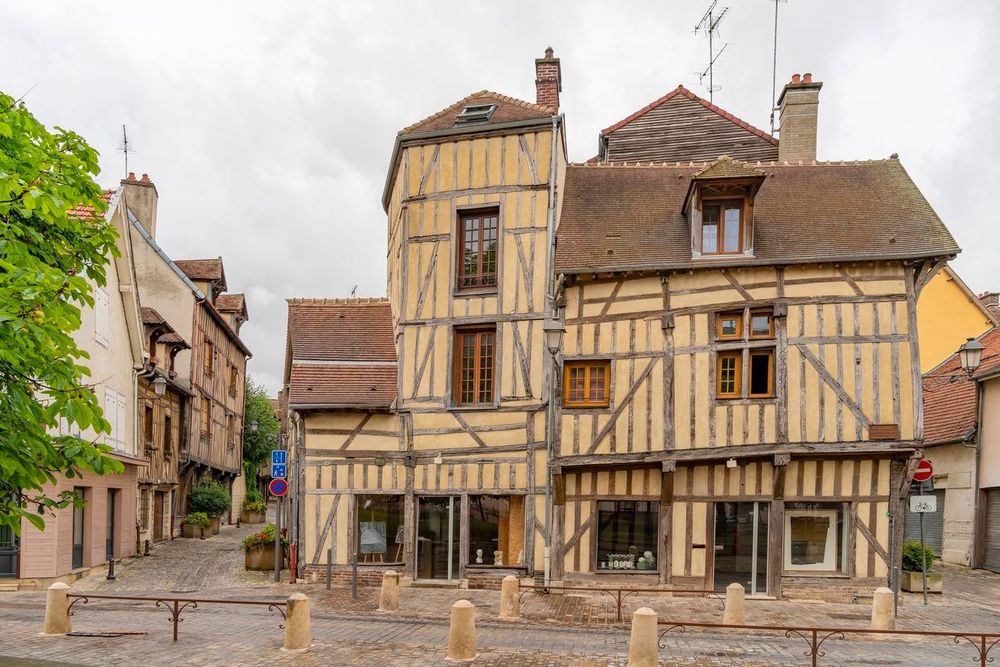
Visiting Troyes with family means first learning to look up: in the Bouchon de Champagne district, the half-timbered houses lean over the narrow lanes to the point where some rooftops seem almost to touch — a storybook setting that delights children and parents alike. There is no need to force enthusiasm from the youngest visitors when the city looks like a picture book and Nigloland is just forty minutes away by road. The Ryo audio tour of Troyes guides you through this discovery in 25 audio stops, 1h40 of walking and 4.1 km, with no booking or timetable required.
On the programme for this guide: treasure hunts in the historic centre, a day at Nigloland and its roller coasters, cycling trips and swims by Lac d'Orient, deer and wild boar at the Espace Faune, and a farm where children can feed alpacas. You will also find two heritage day trips in the Aube (a medieval moated castle and the village where Renoir spent his summers), a family-friendly introduction to champagne, and all the practical information you need to plan your stay without any nasty surprises: season, parking, accommodation, and budget.
Troyes with Family: the Old Town and Its Half-Timbered Houses
The Historic Centre and Its Half-Timbered Houses
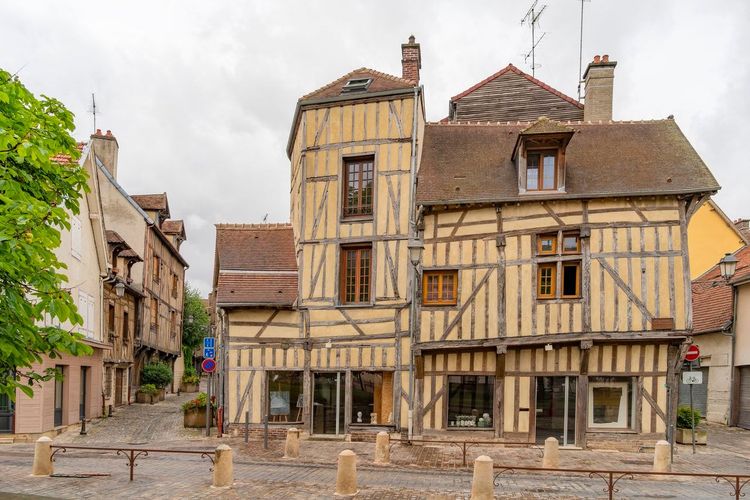
Seen from above, the historic centre of Troyes is shaped like a champagne cork. Show the map to your children before you set off: they will love spotting the shape and then exploring it on foot. The half-timbered houses, sometimes tilting at an angle that seems to defy gravity, line cobbled lanes where cars have almost no place. In the eastern part of the "cork" stands the cathédrale Saint-Pierre-et-Saint-Paul, whose oldest stained-glass windows date back to the 13th century — a perfect excuse for an impromptu spot-the-difference game in front of each window.
Allow a good hour to walk through the district with plenty of stops along the way. The colourful facades lend themselves to a spontaneous photo competition, and everyone ends up picking their favourite house from among the dozens of timber-framed buildings in the area.
The Little Secrets and Hidden Treasures of Troyes
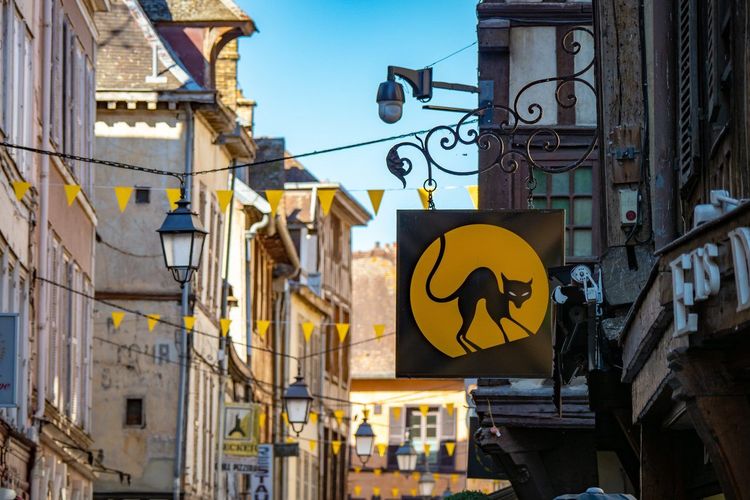
Beyond the main squares, Troyes hides a collection of details that hurried visitors tend to miss. The ruelle des Chats, so narrow that the rooftops of the houses almost touch, is said according to tradition to owe its name to the cats that would leap from one ledge to another without ever setting a paw on the ground.
At the end of the lane, the cour du Mortier d'Or holds a small surprise with its carved facades. Elsewhere, a wrought-iron shop sign, an ornate doorway, or a stretch of old bare wall sandwiched between two newer buildings catches the eye of the most observant visitors. These little secrets, more than the monuments themselves, give the walk its treasure-hunt feel: give each child a mission (count the carved cats, find the narrowest door) and the stroll becomes a game.
Museums and Cultural Offerings for Young Visitors
Troyes brings together around ten museums within a small area, and several have designed their educational programmes with children in mind. The Maison de l'Outil et de la Pensée Ouvrière (7 Rue de la Trinité, 10000 Troyes, rated 4.6/5 on Google from 346 reviews), housed in the Hôtel de Mauroy, a fine 16th-century mansion, displays thousands of hand tools crafted by generations of artisans — enough to fascinate young enthusiasts.
The Cité du Vitrail, opened in late 2022 in the Hôtel-Dieu-le-Comte, lets visitors examine stained-glass windows at eye level — a rare luxury after spotting them perched twenty metres up in the cathedral. Right next door, the Apothicairerie and its painted boxes often captivate curious children. Before your visit, check the programme of children's workshops held during school holidays: it offers a genuine immersion in the heritage of the Aube, without ever requiring anyone to stand still in front of a display case.
To connect these stops, the Ryo audio tour of Troyes takes you through the half-timbered houses, the cathedral, and the lanes of the Bouchon de Champagne in 25 stops — 1h40 in total — at your own pace and without depending on a guide's schedule.
Treasure Hunts, Riddles, and Playful Routes around Troyes
Treasure Hunts and Urban Games in the Streets of Troyes
Troyes has developed a full range of treasure hunts, sold at the tourist office or available to download before your trip. The concept is straightforward: a booklet of riddles guides you from one spot to the next, with each correct answer unlocking the next clue leading to a landmark in the historic centre.
The Urban Games take the concept further, with timed challenges and teams competing along the same route. This format is particularly popular with children aged 8 to 14 who enjoy a competitive edge. Depending on the age of the participants, a game lasts between 1h30 and 2 hours.
The "Arthurian Legends" Collection Booklet and Photo Rally
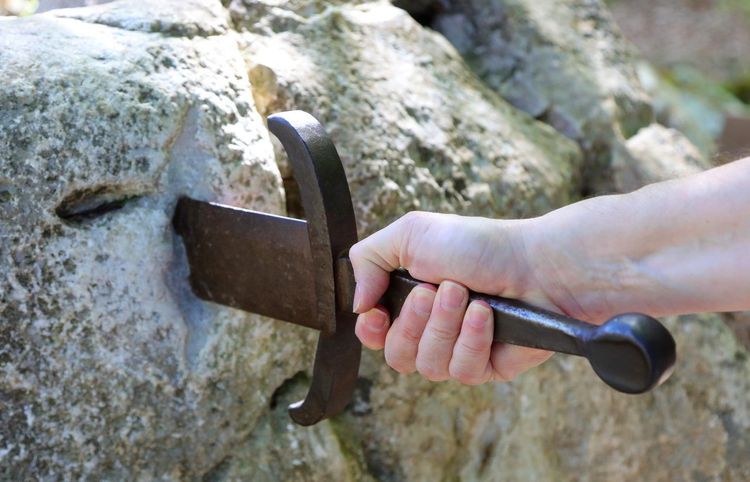
Another local variation: the "Arthurian Legends" collection booklet, a nod to Chrétien de Troyes, who wrote the first Arthurian romances of the Round Table and the Holy Grail in the 12th century. Younger children collect the symbols hidden on building facades, while older ones decode the legends associated with each stop.
The photo rally works on a similar principle, with no materials to carry: a list of architectural details to spot and photograph with your phone, from a discreet gargoyle to a forgotten sign above a doorway.
Geocaching and "A kid'jouer"
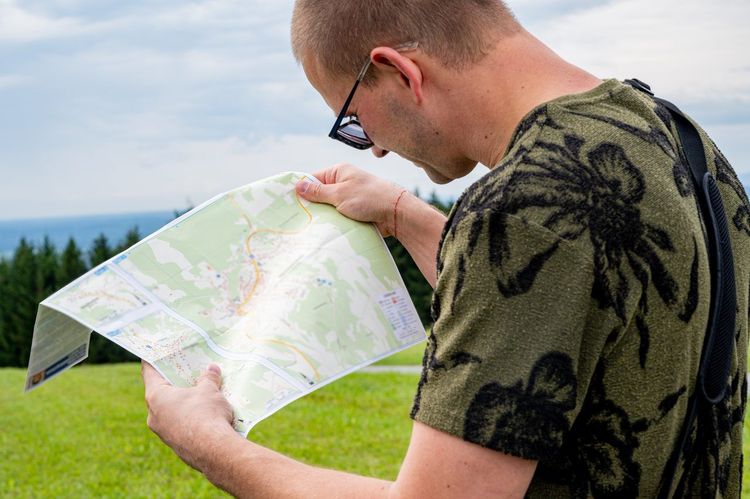
Geocaching has also found its place in the Bouchon de Champagne: several caches are hidden around the city centre and can be located using a free GPS app. Perfect for filling an end-of-afternoon without spending a penny.
Finally, the "A kid'jouer" programme targets children aged 4 to 10 with short activities spread across several venues in the centre. Ask at the tourist office about the participating stops at the time of your visit.
Would you rather enjoy a quieter stroll, without a booklet to fill in or a riddle to solve? The Ryo audio guide offers another way to play with the city: at each stop, an anecdote or a little mystery whispered in your ear, listened to together or each with their own earphones.
Nigloland, the Must-Visit Amusement Park in the Aube
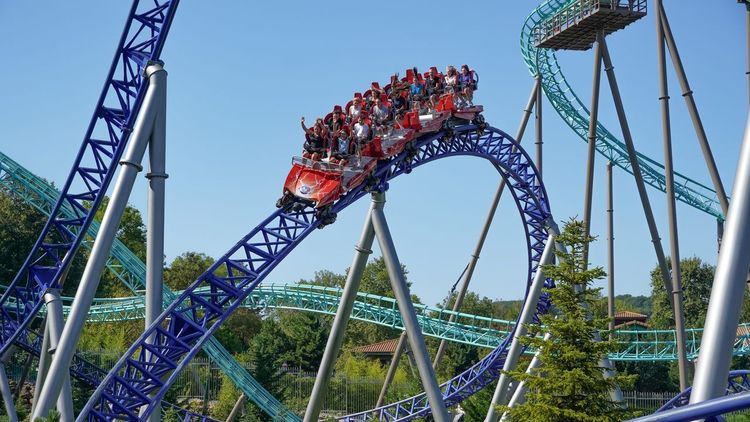
Nigloland (1 Rue Nigloland, 10340 Dolancourt, rated 4.6/5 on Google from 20,286 reviews) is the number-one reason many parents choose Troyes over another destination in the Grand Est. Around forty kilometres to the east of the city, in Dolancourt near Bar-sur-Aube, the park lines up nearly 40 attractions, including six roller coasters, rides for children under 6, and the thrills of Alpina Blitz, a steel mega coaster that opened in 2014.
Allow 40 to 45 minutes by road from the centre of Troyes, and set aside a full day: between the queues in high season and shows scheduled at fixed times, half a day is rarely enough to cover the whole park.
Among the must-dos, Krampus Expédition, a water ride by boat that opened in 2021, and Alpina Blitz attract the longest queues from opening time: head there first to keep waiting times down. Younger children will find plenty to enjoy on the gentler rides, often accessible with an accompanying adult. Check the minimum height requirements on site, as they vary from one attraction to another.
The park generally opens from April to early November, with closing days during the low season: check the calendar before planning your visit, especially outside school holidays. Also set aside a separate budget, as tickets, food, and parking can quickly add up.
The Forêt d'Orient and Its Lakes: Nature, Cycling, and Wildlife
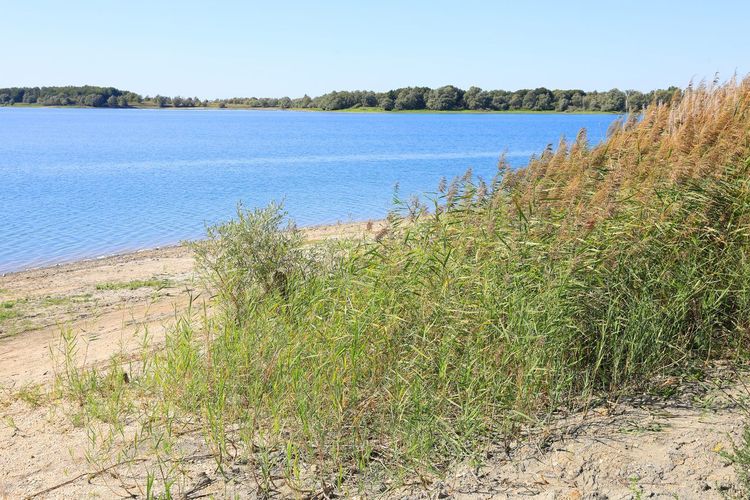
About twenty minutes to the east of Troyes lies the Parc Naturel Régional de la Forêt d'Orient and its three reservoir lakes: Orient, Temple, and Amance. Dug in the 1960s to regulate the Seine and protect Paris from flooding, they now form the natural playground of any stay in the area. At 23 km², Lac d'Orient is the third-largest artificial lake in mainland France.
Cycling along the Voie Verte des Grands Lacs and through the Forest
The voie verte des lacs, a safe and largely flat cycle path, runs alongside Lac d'Orient and continues towards Lac du Temple. There is no need to cover the whole route: a loop of 8 to 12 km starting from Mesnil-Saint-Père or Géraudot is more than enough with young children, whether using a trailer or a balance bike.
Inside the forest, more technical trails wind between the trees, with stretches through the undergrowth that require more attention. Several hire shops offer electric bikes and child trailers by the day near the lakes: a worthwhile option if your group includes very young cyclists.
Water Activities on the Lakes of the Forêt d'Orient
Lac d'Orient concentrates most of the water-based activities: supervised swimming in summer on the managed beaches at Mesnil-Saint-Père, Géraudot, or Lusigny-sur-Barse, along with sailing, paddle boarding, and canoeing — with the major advantage that motorised boats are banned. The lakeside water sports centres offer hourly rentals and supervised courses for children.
Lac Amance and Lac du Temple, on the other hand, are reserved for motorised water sports and fishing: the former attracts water-skiing enthusiasts, the latter anglers and birdwatchers. If your goal is to get the children in the water first thing in the morning, Lac d'Orient is the one to head for.
The Espace Faune and the Submerged Forest of Lac d'Orient
The Espace Faune de la Forêt d'Orient (Route Touristique du Lac, 10220 Piney, rated 4.3/5 on Google from 323 reviews) allows visitors to observe local wildlife in semi-freedom: red deer, roe deer, and wild boar roam large wooded enclosures that can be watched from observation platforms. Come early in the morning or late in the afternoon if possible, when the animals are most active.
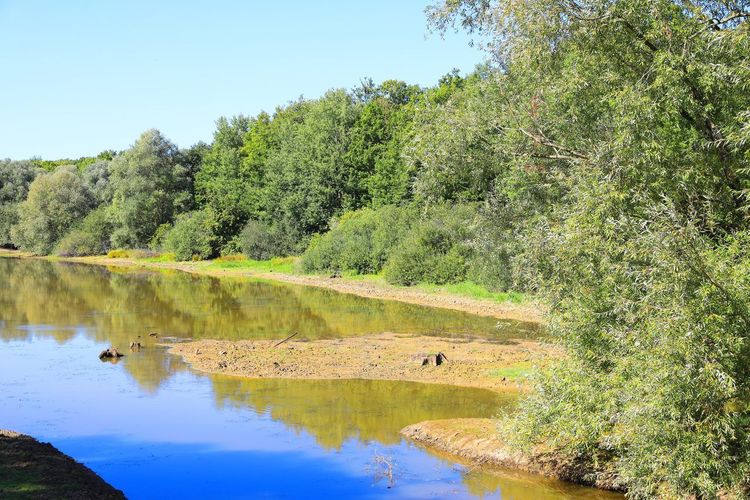
Not far away, the "submerged forest" of Lac d'Orient offers a rarer spectacle: during periods of low water, particularly in autumn, tree stumps and remnants of the drowned landscape — old pond embankments, ruins of a tile works — reappear at the surface. An almost surreal setting that children are unlikely to forget.
For more ideas, the Ryo article What to See around Troyes lists other walks and viewpoints scattered throughout the forest.
Educational Farm and Meeting the Alpacas
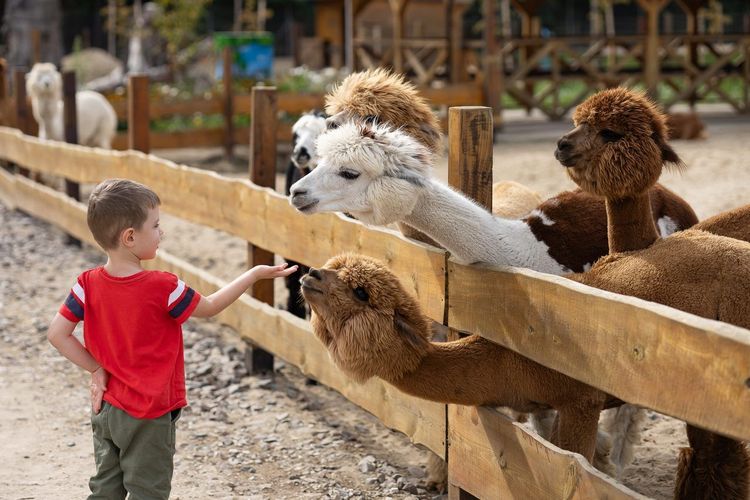
About fifteen minutes from Troyes, several educational farms welcome visitors for a morning or a full day in the company of animals. Children feed goats, sheep, and poultry, sometimes take part in collecting eggs, and leave with slightly muddy hands and broad smiles.
Meeting the alpacas has become one of the most sought-after activities in the area. These camelids from the Andes, known for their calm nature, can be approached and sometimes led on a halter along a marked trail — an experience that leaves a lasting impression on children under 10.
Prices generally run from around 8 to 12 euros per child for a guided visit of about 1h30. Book in advance if possible: slots, often limited to around fifteen people to preserve the animals' calm, fill up quickly at weekends and during school holidays.
Tree Climbing: a Sporty Outing in the Treetops
The Forêt d'Orient also serves as the backdrop for tree-climbing courses set up at the forest's edge. The levels range from low-height routes for children aged 3 to 6 up to zip lines and rope bridges suspended more than 10 metres up for teenagers and adults.
A full course takes 2 to 3 hours, harness and safety briefing included. Fit your children with closed trainers rather than sandals, and check the minimum height required before booking: most facilities accept children from around 1 metre on the lowest courses. Prices generally range from 15 to 22 euros per child depending on age and duration, often with group discounts.
Heritage Day Trips around Troyes: the Château de Vaux and the Village of Essoyes
The Château de Vaux: an Unusual Place for a Leap back in Time
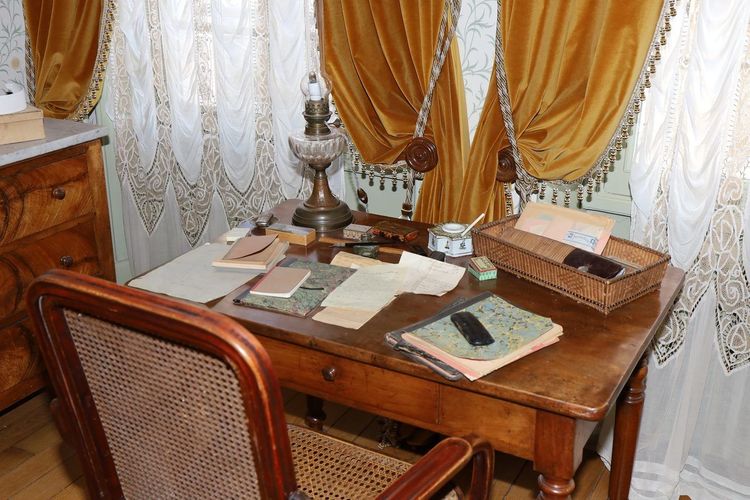
In the commune of Fouchères, about 25 km south-east of Troyes, the château de Vaux is a medieval complex surrounded by a moat, which has been restored over the years by a team of dedicated enthusiasts. Far from conventional museums, the site can be visited like a living building site, with guided tours and, depending on the calendar, historical events and medieval festivals that children tend to love.
Allow half an hour by road from Troyes. The grounds remain largely navigable with a pushchair — a detail worth noting if you are travelling with very young children. Check the opening days before you set off, as the site relies heavily on volunteers.
Essoyes and the Renoir House
The village of Essoyes, just under an hour south-east of Troyes, is the birthplace of Aline Charigot, the wife of Pierre-Auguste Renoir. The painter visited for the first time in 1888, bought a house there in 1896, and from then on spent much of his summers in the village. He now rests in the small village cemetery. The Renoir house (Rue Pierre Renoir, 10360 Essoyes, rated 4.6/5 on Google from 175 reviews) and its studio, open to the public, trace the artist's family life, with a route short enough to remain accessible to children.
The village, crossed by the Ource river, lends itself to a peaceful wander between wash houses, shaded riverbanks, and flower-lined lanes. Look with your children for the spots that Renoir painted: several panels are dotted around the village and reproduce his canvases at the very spot where he set up his easel.
On the way back from this excursion, why not round off the day by rediscovering Troyes from a fresh angle? The Ryo audio tour can be launched in the late afternoon from the city centre, and the Ryo article Visiting Troyes in 2 Days helps you plan this rediscovery without having to improvise an itinerary.
Champagne with Children: Family-Friendly Visits and Introductions
It is hard to visit the Aube without touching on the subject of champagne, even with children in tow. Several houses on the Côte des Bar have adapted their welcome: cellar tours without obligatory tasting, sensory workshops exploring fruit and floral aromas, and grape juice for the youngest at the end of the experience.
Some estates also offer label-designing workshops or introductions to vineyard work — a hands-on activity that appeals to children aged 6 to 12, while the adults enjoy a classic tasting. A full visit lasts about an hour; in high season, book ahead.
To choose from among the dozens of estates on the Côte des Bar, the Ryo article Which Vineyards to Visit around Troyes details the most accessible houses.
When to Come and How to Get around Troyes
When to Visit Troyes with Family
Spring and early autumn offer the best compromise: mild temperatures for strolling through the lanes, fewer crowds than in midsummer, and Nigloland still open most weekends. July and August remain the most popular months, particularly for combining city sightseeing with swimming at Lac d'Orient, at the cost of more noticeable congestion in car parks and city-centre restaurants.
Winter is still possible for a shorter city break, provided you accept that Nigloland and some of the outdoor activities close between November and March. The museums then become a welcome refuge on rainy days.
Getting around and Parking with Ease
The historic centre of Troyes can be explored entirely on foot within a compact area of roughly 1 km in diameter: once parked, you will not need the car again, except for excursions to Nigloland or the Forêt d'Orient. Several multi-storey car parks are located around the city centre, at reasonable rates compared to other tourist destinations in the Grand Est.
For outings around the Aube, the car remains the simplest option: public transport serves Nigloland and the lakes poorly, especially at weekends. Consider loading your bikes if you plan to cycle on the voie verte, or book a rental on site.
Where to Eat, Where to Stay, and What Budget to Expect
Where to Eat with Children
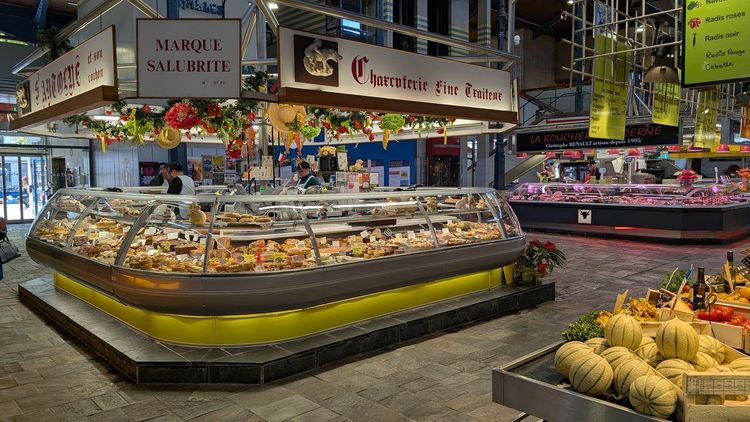
The city centre is full of brasseries accustomed to children's menus and shaded terraces, particularly around Rue Champeaux and Place Alexandre-Israël. Troyes andouillette, the local speciality, may not win over the youngest diners, but most restaurants offer a more straightforward alternative. For a sweet break, the Halles de Troyes market hall has everything you need to put together a quick snack.
Where to Stay
Two options are available: a city-centre hotel, convenient for doing everything on foot, or a rental property on the outskirts or near the lakes, better suited if your stay combines city and nature. Campsites and gîtes around Lac d'Orient are particularly popular in summer, with the beach just minutes away.
Budget for a Weekend in Troyes
Budget on average 350 to 550 euros for a two-day weekend for four people, including accommodation and meals but excluding Nigloland tickets. City walks, geocaching, and the beaches at Lac d'Orient cost nothing and can easily balance out the overall spend.
To avoid juggling multiple apps during your stay, the Ryo audio tour of Troyes and the Ryo article Strolling around Troyes together cover the city-centre visit from the first lane to the last half-timbered house.

FAQ
How many days should you plan to visit Troyes with family?
Two days are enough for the essentials: one day in the historic centre with its treasure hunts and museums, another at Nigloland or in the Forêt d'Orient depending on your preferences. A third day allows you to add a heritage excursion — the château de Vaux or the village of Essoyes — without rushing.
Is Troyes a city suitable for pushchairs and young children?
Generally yes: the historic centre is largely pedestrianised and flat, although some old cobblestones require a little care with a standard pushchair. The main nature sites, including the Espace Faune and the grounds of the château de Vaux, remain manageable for most of their routes.
What budget should you plan for a weekend in Troyes with children?
For two days for four people, budget between 350 and 550 euros excluding Nigloland tickets, with accommodation and meals included. A day at Nigloland can easily add 150 to 200 euros for four people, including on-site dining.
What free activities can you do with children in Troyes?
A stroll through the historic centre and its half-timbered houses costs nothing, as does the photo rally, geocaching around the city, or swimming on the beaches of Lac d'Orient. Several museums also offer reduced rates or free admission slots depending on the time of year.
When is the best time to visit Troyes for outdoor activities?
Spring and early autumn remain the most comfortable periods for cycling, tree-climbing courses, and the Espace Faune, with fewer crowds than in midsummer. For swimming at Lac d'Orient, aim for July and August.
Are Nigloland and the Forêt d'Orient easily accessible from Troyes?
Yes: Nigloland is about 40 to 45 minutes by road to the east of Troyes, and the lakes of the Forêt d'Orient are about twenty minutes away. Both sites are in the same direction, but each deserves at least half a day — it is better to dedicate two separate days to them.
Visiting Troyes with family is ultimately less about ticking off a list of museums than about exploring a human-scale playground, between half-timbered lanes, treasure hunts, Lac d'Orient, and Nigloland — enough to fill a weekend without ever feeling like you are chasing an overloaded schedule.
To lay the groundwork for the city side of the stay, the Ryo audio tour of Troyes is the simplest starting point: 25 audio stops, 1h40 of walking and 4.1 km to cover at your own pace, with no booking or timetable required.