
Créé par Romane, le 2 oct. 2026
Votre guide Ryo
San Sebastian, Spain
Short tour - The Pearl of the Cantabrian Sea
Parcours audioguidé pour visiter San Sebastian en 1 jour
This is the short version of the tour, perfect for discovering the city's highlights in no time. If you'd like to explore further, the full tour is also available, allowing you to discover the city in much greater depth.
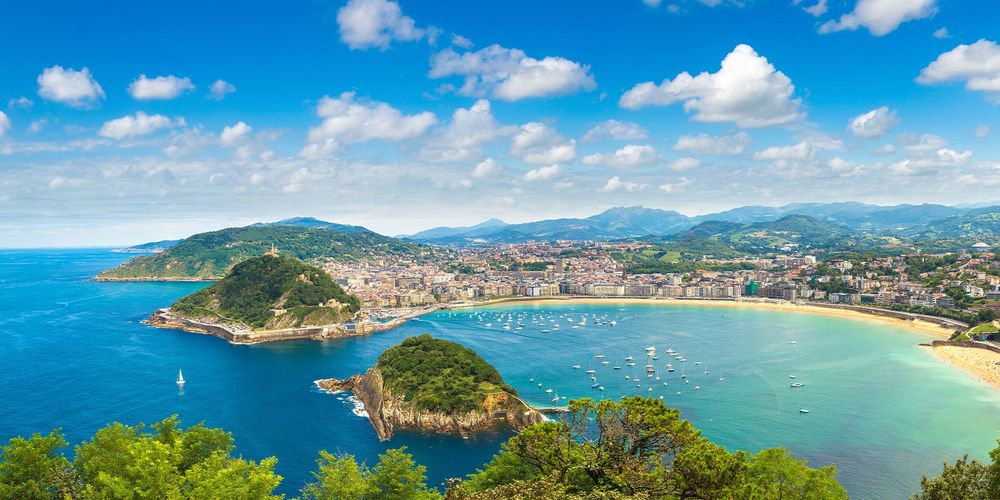
On the Bay of Biscay, San Sebastian blends seaside elegance, Basque culture, and renowned gastronomy. With its spectacular bay, relaxed atmosphere, and pintxos, the city embodies the lifestyle of northern Spain.
Quand partir à San Sebastian ?
Jan.
10°
12
Feb.
10°
11
March
12°
12
April
13°
13
May
16°
12
June
20°
10
July
23°
8
Aug.
24°
9
Sept.
22°
10
Oct.
18°
12
Nov.
14°
13
Dec.
11°
12
The best times to visit San Sebastian are spring, summer, and the month of September. The warmest months are July and August, with average temperatures ranging from 19 to 24°C. If you're hoping to enjoy the beach, June, July, and August are the ideal months to go. January and December are the coldest and wettest months, with temperatures ranging between 8 and 12°C.
Départ conseillé
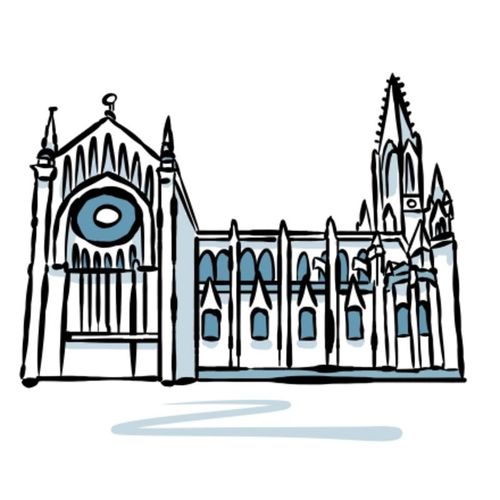
No need to worry about where to begin! Our tours are designed as a loop, so you can jump in wherever you are. The navigation system and audioguide will automatically adjust to your location. However, if you happen to be nearby, we do have a preferred starting point: The Cathedral of the Good Shepherd.
Parking à proximité
Buen Pastor Parking : San Bartolome Kalea, 1
San Sebastian may be a small city, but the large number of visitors, especially during the summer months, can make traffic and parking in the city centre quite challenging. It's strongly recommended to rely instead on public transport. The best option is to leave your car in a park-and-ride on the outskirts and take public transport into the centre. It’s free and spares you the hassle of navigating the narrow streets. If you want to get closer to the heart of the city, paid car parks are your best bet. They’re more expensive than on-street parking, but far more convenient. Street parking is limited, comes with a fee, and many spots are reserved for residents or specific vehicles. Be very careful about where you park, the rates, and time limits. Don’t forget to pay at the parking meter!
Découvrez 19 lieux d'intérêt pour visiter San Sebastian



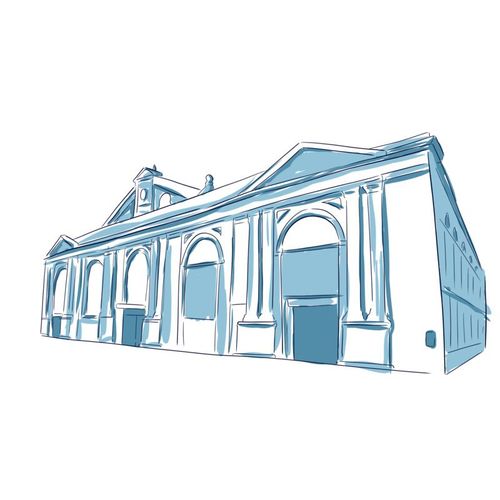
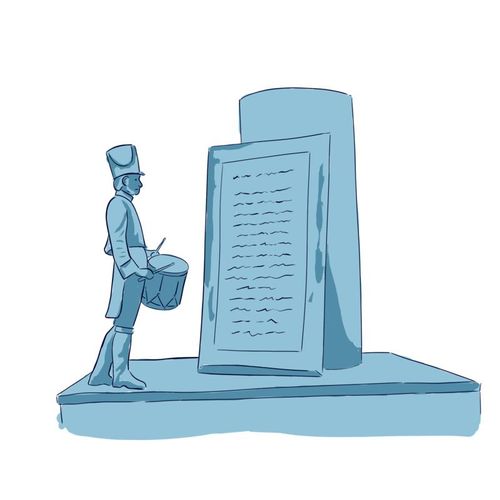

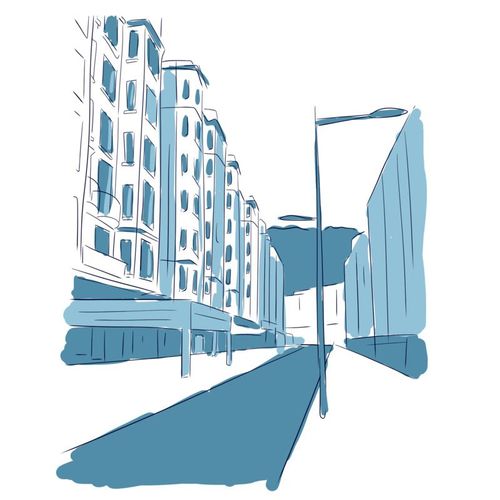

Le plein d'inspirations
Explorez le monde en totale liberté, à pied au cœur des villes ou au fil des routes. Nos guides audios transforment chaque destination en une découverte culturelle immersive et unique.
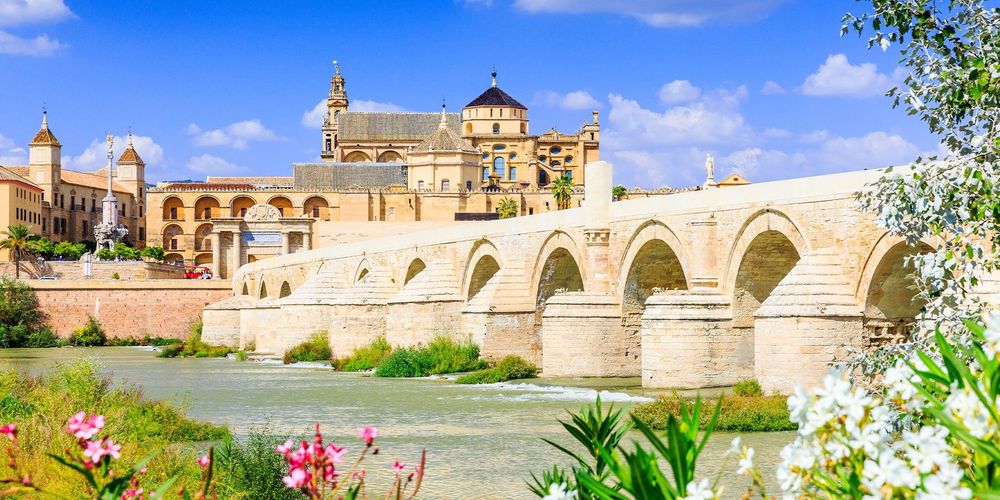
FAQ for visiting San Sebastian
When is the best time to visit San Sebastian?
The best time to visit San Sebastian runs from spring through early autumn. June, July and August are ideal if you want to make the most of the beaches, with pleasant temperatures ranging between 19 and 24°C. Spring and September also offer excellent conditions, with fewer crowds and a mild climate perfect for exploring the city. Winter, particularly January and December, remains cooler and rainier with temperatures between 8 and 12°C, but the city keeps its charm with a more authentic, local atmosphere.
How long do you need to visit San Sebastian?
A stay of two to three days lets you comfortably discover the essentials of San Sebastian. In two days, you'll have time to explore the old town with its pintxos bars, stroll along the famous La Concha beach, climb Mount Urgull or Igueldo to admire the panoramic views, and wander through the different neighbourhoods. With an extra day, you can delve deeper into the museums, enjoy the beaches more, or explore the surrounding area. Food lovers may want to allow more time to fully savour the city's exceptional culinary scene.
How do you get to San Sebastian from France?
San Sebastian is easily accessible from France, located just twenty or so kilometres from the border. By car, you can take the A63/AP-8 motorway from Bayonne or Biarritz, a journey of about 45 minutes. The train is an excellent alternative, with direct TGV connections from Paris to Hendaye, followed by a transfer on the regional Euskotren train to San Sebastian. Regular buses also provide connections from the cities of south-western France. The nearest airport on the French side is Biarritz, while on the Spanish side, San Sebastian airport offers domestic flights and a few international connections.
How do you get around San Sebastian?
San Sebastian is a human-sized city where walking remains the most pleasant way to explore the historic centre, the beaches and the main tourist areas. The Dbus urban bus network efficiently covers the whole city with frequent, reliable lines. The dbizi bike-sharing scheme is a practical option for quicker journeys, with numerous cycle paths along the coast. To reach the more distant beaches or the panoramic hills, the bus or the funicular are recommended. Taxis are available, but the city's compact size rarely makes them necessary for visitors staying in the centre.
Where can you park in San Sebastian?
Parking in San Sebastian can prove tricky, especially in high season and in the city centre where on-street spaces are limited and paid. Public underground car parks are the most convenient solution, with several well-located options near La Concha beach, beneath Okendo square or near the Kursaal. Rates vary depending on location and duration, but generally remain reasonable for a full day of parking. If you're staying several days, opt for accommodation with parking or look into the residential parking zones on the outskirts, often free and well served by public transport.
Where should you stay in San Sebastian?
The choice of neighbourhood will depend on your priorities and budget. La Parte Vieja, the historic heart, immerses you in an authentic atmosphere with its pintxos bars and lively nightlife, ideal for lovers of urban life. The Centro district offers elegance and proximity to La Concha beach, perfect for a comfortable seaside stay. Gros has a quieter, family-friendly feel near Zurriola beach, popular with surfers. For a tighter budget, the Amara or Antiguo districts are good alternatives with easy access to the centre. Accommodation options range from family guesthouses to luxury hotels, as well as numerous holiday apartments.
What are the must-see sights in San Sebastian?
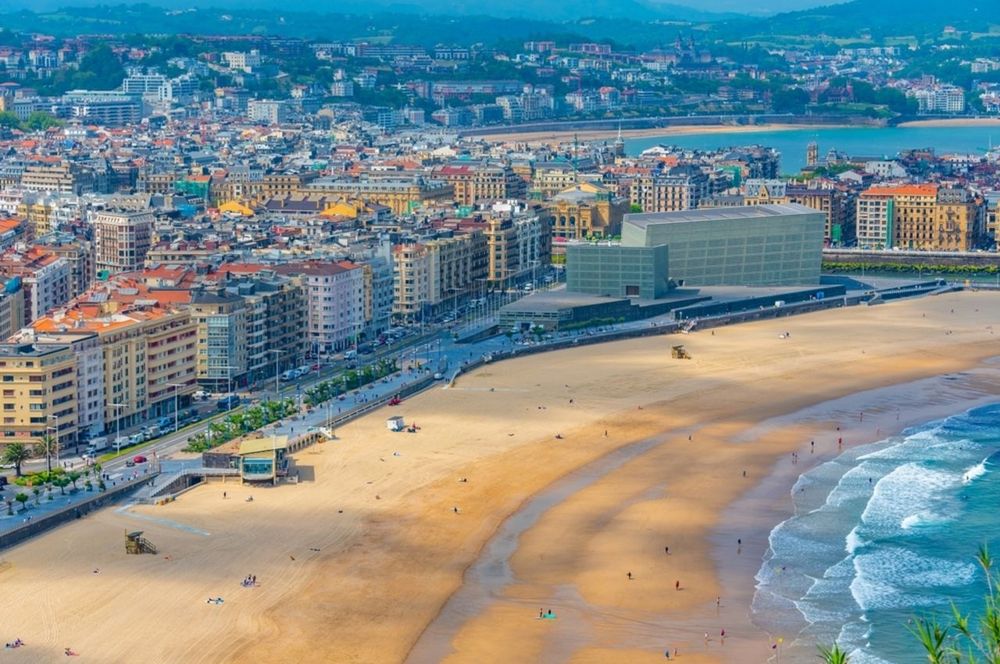
La Concha bay sets the tone: its shell-shaped beach and its promenade lined with white railings are among the best-known images of the Basque Country. Right next to it, the Parte Vieja, the old town, unfolds its narrow lanes around the Plaza de la Constitución, the Santa María del Coro basilica and the Bretxa market.
Then gain some height by climbing Mount Urgull, which watches over the harbour, before heading to the Comb of the Wind, the Eduardo Chillida sculptures anchored in the rocks at the western end of the bay. The San Telmo museum and the port district easily round off a first day. The Ryo audio guide offers a dedicated San Sebastian route that links these highlights on foot.
What food should you try in San Sebastian?
The city lives to the rhythm of pintxos, those small bites laid out on bar counters that you eat standing up, often moving from one address to the next. In the Parte Vieja as well as in the Gros district, every bar has its speciality: prawn skewers, grilled mushrooms, cod in sauce or the famous creamy cheesecake found almost everywhere.
For a sit-down meal, Basque cooking celebrates seafood, from txangurro, stuffed spider crab, to grilled turbot, served with a glass of txakoli, the slightly sparkling white wine poured from a height. The best approach is to follow the locals: late in the day, the busiest counters are rarely the weakest ones.
What are the beaches of San Sebastian like?
Three beaches share the seafront. La Concha, the most famous, forms a sheltered crescent in the heart of the city: its calm water and fine sand make it the most family-friendly. It continues into Ondarreta, quieter, at the foot of Mount Igueldo and a stone's throw from the Comb of the Wind.
On the other side of the Urumea river mouth, Zurriola draws a younger crowd and above all surfers: open to the swell, it is where the surf schools gather. All of them are within walking distance of the centre. Depending on the season the water can be cool, and the tide noticeably changes how wide the sand is, so it is worth checking the information posted on site.
Which museums are worth visiting in San Sebastian?
The San Telmo museum, set in a former Dominican convent backing onto Mount Urgull, is the best starting point for understanding Basque society, its history and its traditions; its cloister and decorated chapel alone justify the visit.
Contemporary art lovers should head to Chillida Leku, on the edge of the city, where Eduardo Chillida's monumental sculptures stand in a wooded park around a restored farmhouse. The aquarium, down by the harbour, is a great favourite with families thanks to its tunnel beneath the sharks and its rooms devoted to the city's maritime history. Do check closing days, as they change with the season.
Vos commentaires, idées et suggestions
Aucun avis pour le moment