
Créé par Emilie, le 4 oct. 2026
Votre guide Ryo
Bilbao, Spain
From One World to Another
Parcours audioguidé pour visiter Bilbao en 1 jour
This visit invites you to an immersion in the heart of a city that has successfully transformed its industrial heritage into a masterpiece of modernity. Let yourself be carried by the boldness of the steel and glass lines bordering the river, before losing yourself in the warmth of the Old Quarter's narrow streets, where the historical heart of the Basque city beats. Between the elegance of its Belle Époque facades and the strength of its avant-garde architecture, the city reveals a character that is proud, daring, and deeply forward-looking. An exploration on foot, balancing reinvented riverbanks and exceptional culinary flavors, to capture the full energy of a metropolis that has turned its mutation into an art of living.
Quand partir à Bilbao ?
Jan.
13°
13
Feb.
14°
12
March
16°
11
April
18°
12
May
21°
11
June
24°
8
July
26°
7
Aug.
26°
8
Sept.
24°
9
Oct.
21°
10
Nov.
16°
13
Dec.
14°
12
Bilbao has a warm climate, so whilst the average temperature varies year-round, it's usually around 13.5°C. Temperatures are the lowest in January and February, with minimum temperatures around 7°C. July and August are the hottest months, as maximum temperatures reach 25°C. The rainiest months are January, February and November. We recommend visiting between April and August, to get the most out of Bilbao's warm climate, but there may still be occasional showers.
Départ conseillé
No need to worry about where to begin! Our tours are designed as a loop, so you can jump in wherever you are. The navigation system and audioguide will automatically adjust to your location. However, if you happen to be nearby, we do have a preferred starting point: 47 Iparraguirre Kalea.
Parking à proximité
Indautxu aparkalekua : Indautxu Plaza, 2
À savoir
Just like any top tourist destination, Bilbao offers various offers and discounts on its public transport and attractions with the Bilbao Bizkaia Card. This is a great way to discover the city at your own pace, while making use of any offers available!
Découvrez 22 lieux d'intérêt pour visiter Bilbao









Le plein d'inspirations
Explorez le monde en totale liberté, à pied au cœur des villes ou au fil des routes. Nos guides audios transforment chaque destination en une découverte culturelle immersive et unique.
FAQ for visiting Bilbao
When is the best time to visit Bilbao?
The ideal time to discover Bilbao runs from April to August, when temperatures are at their mildest and the city reveals all its energy. The temperate oceanic climate offers mild summers with highs around 25°C in July and August, perfect for strolling along the Ría. Spring is particularly pleasant for exploring on foot, even if a few showers are still possible. Avoid January, February and November, which are rainier and cooler with lows around 7°C. Autumn can surprise you with beautiful sunny days, ideal for enjoying the terraces and the local atmosphere without the summer crowds.
How many days do you need to visit Bilbao?
Two to three days is the ideal length of time to fully appreciate Bilbao. This gives you time to discover the essentials: the famous Guggenheim Museum and its futuristic surroundings, the authentic charm of the Casco Viejo with its seven historic streets, and the redeveloped banks of the Ría. With an extra day, you'll be able to explore the less touristy neighbourhoods, enjoy more of the local cuisine in the pintxos bars, or even take a getaway to the nearby Basque coast. The audio tours of the Ryo app guide you efficiently through the city's must-sees, optimising your time for a complete and enriching visit.
How do you get around Bilbao?
Bilbao is a city perfectly suited to walking, with a compact centre and reasonable distances between the main sites. The metro, recognisable by its design entrances created by Norman Foster, serves the city efficiently with its three lines. The modern tram links the neighbourhoods along the Ría, while the city buses complete the network. To reach the heights, the Artxanda funicular offers a picturesque climb with a panoramic view. Bike-sharing is a pleasant alternative along the developed riverbanks. Most tourist attractions are within walking distance, making motorised transport often unnecessary for visitors.
What should you eat in Bilbao?
Bilbao's cuisine is an art of living centred on pintxos, those miniature culinary creations displayed on the bar counters. Let yourself be tempted by the tortilla de bacalao, the txangurro (spider crab) or the traditional gildas. Restaurants serve emblematic dishes such as bacalao al pil-pil, merluza a la vasca or tuna marmitako. Don't miss the grilled pimientos de Gernika and the local Idiazabal cheese. Markets such as La Ribera are full of fresh produce for discovering authentic flavours. Accompany your tastings with a txakoli, this slightly sparkling local white wine poured from a height to release its aromas.
What are the main attractions in Bilbao?
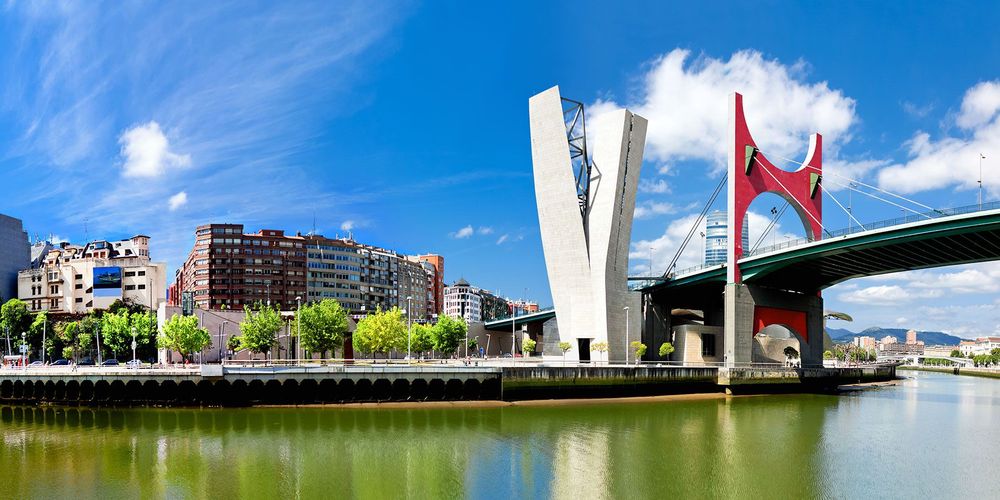
The Guggenheim Museum remains the essential icon, with its titanic architecture designed by Frank Gehry and its contemporary art collections. The Casco Viejo, a historic heart of medieval streets, is home to Santiago Cathedral, the La Ribera market and countless pintxos bars. The Fine Arts Museum offers a remarkable classical and modern collection. The redeveloped riverbanks invite you to stroll between emblematic bridges such as Calatrava's Zubizuri. The Azkuna Zentroa, a former warehouse converted by Philippe Starck, perfectly illustrates the city's urban transformation. The Ryo audioguide takes you through these major sites with captivating commentary that reveals the history and secrets of this architectural metamorphosis.
Is Bilbao a safe city to visit?
Bilbao is generally considered a very safe city for tourists, with a relatively low crime rate compared to other major European cities. The tourist districts such as the Casco Viejo and the area around the Guggenheim are well monitored and lively until late in the evening. As everywhere, stay alert with your belongings in crowded tourist areas and on public transport. The people of Bilbao are known for being welcoming and helpful with visitors. The city is well lit at night and women travelling alone generally feel safe there. Emergency services are efficient and many locals speak a little English in addition to Basque and Spanish.
How do you get to Bilbao from the airport?
Bilbao airport is located about twelve kilometres from the city centre, with several transport options available. The Bizkaibus A3247 shuttle provides a direct and economical link to the centre in about thirty minutes, with regular departures throughout the day. Taxis offer a faster and more comfortable journey, generally in twenty minutes depending on traffic. For more independence, car rental services are available in the terminal. Some hotels offer private shuttles on request. The bus journey drops you near the Termibus station or in the city centre, from where you can easily reach your accommodation on foot or by metro.
Is Bilbao suitable for families with children?
Bilbao warmly welcomes families, with many activities suited to children. The Guggenheim Museum offers creative workshops and audioguides specially designed for young visitors. Doña Casilda park offers vast green spaces with playgrounds and a duck pond. The Artxanda funicular delights young and old with its spectacular climb and its amusement park at the top. The Itsasmuseum maritime museum fascinates with its life-sized boats. The beaches accessible by metro make for refreshing getaways. Restaurants are generally welcoming to children, often offering suitable portions. The compact city and efficient transport make getting around with pushchairs easy.
Is Bilbao worth visiting?
Yes, and probably more than its reputation suggests. Bilbao was long an industrial port city, shaped by shipyards and blast furnaces; within a single generation it reinvented itself around its river, the Nervión, with the arrival of the Guggenheim Museum, a metro designed by Norman Foster, contemporary footbridges and riverbanks handed back to walkers.
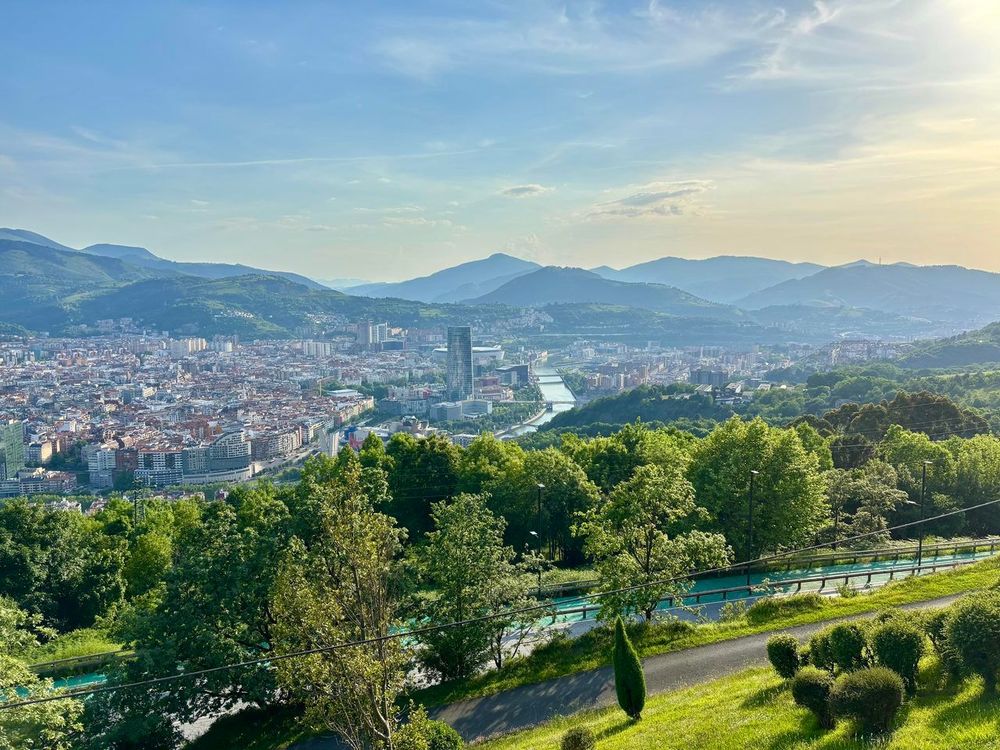
What wins people over today is the contrast: on one side the medieval lanes and balconied façades of the old quarter, on the other the architectural boldness of the redeveloped riverside. Add a warm, sociable bar culture, green hills closing the horizon and the Cantabrian coast within easy reach by train, and you get a city break that works both in its own right and as a gateway to the Basque Country.
What is there to see in Bilbao's Casco Viejo?
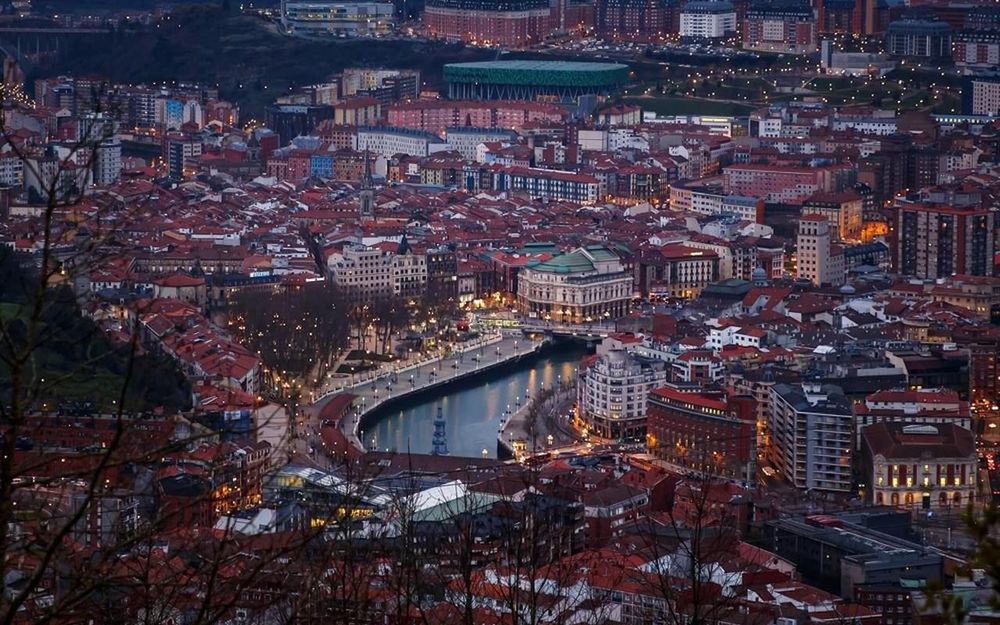
The Casco Viejo, also known as the Seven Streets, Zazpi Kaleak in Basque, is the historic core of the city on the right bank of the Nervión. It is built around seven parallel streets that appeared in the Middle Ages, now pedestrianised and lined with long-established shops, bars and colourful balconies. Here you can visit Santiago Cathedral and its Gothic cloister, the church of San Nicolás, and cross the Plaza Nueva, a broad square of neoclassical arcades where a market is usually held on Sundays.
Down towards the water, the Ribera market, one of the largest covered halls in Europe, lines up its stalls at the river's edge. Uphill, a long staircase and a public lift lead to the basilica of Begoña and a sweeping view over the rooftops. The Ryo audio guide offers a dedicated Bilbao route that links these stops in the old quarter.
Vos commentaires, idées et suggestions
Aucun avis pour le moment