






Créé par Emilie, le 4 oct. 2026
Votre guide Ryo
Mérida, Spain
A well-kept Roman secret
Parcours audioguidé pour visiter Mérida en 1 jour
Rich in exceptional ancient heritage, Mérida reveals one of the best-preserved Roman ensembles in Spain. With its theater, amphitheater, and aqueducts, the city offers a true immersion in antiquity.
Quand partir à Mérida ?
Jan.
11°
7
Feb.
12°
6
March
15°
6
April
18°
7
May
23°
5
June
29°
2
July
34°
0
Aug.
34°
1
Sept.
28°
3
Oct.
22°
5
Nov.
16°
7
Dec.
12°
7
Extremadura enjoys a Mediterranean climate with hot summers. The average annual temperature is around 24°C (75°F). Winter is best avoided, as it tends to be grey, relatively cold, and rainier. The ideal time to visit Mérida and the surrounding region is from April to October, or early November. That said, keep in mind that July and August can be extremely hot, with peak temperatures reaching around 36°C (97°F).
Départ conseillé
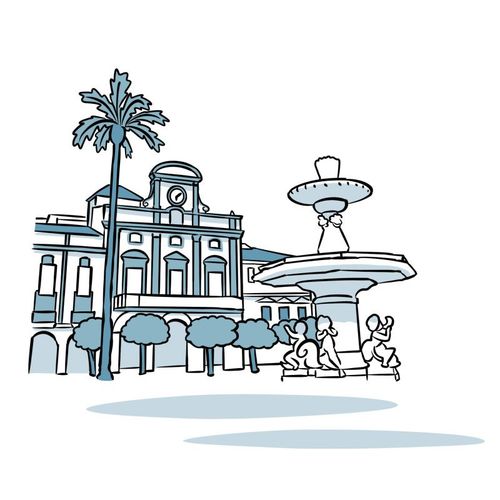
No need to worry about where to begin! Our tours are designed as a loop, so you can jump in wherever you are. The navigation system and audio-guide will automatically adjust to your location. However, if you happen to be nearby, we do have a preferred starting point : Spain Square (Plaza de España)
Parking à proximité
Municipal Parking Atarazanas, 12 Atazazanas Street.
À savoir
Mérida, often nicknamed the Spanish Rome, is best explored much like its Italian sister — by visiting numerous historical sites, many of which require paid entry. This tour takes you past all the major landmarks and provides historical context, but to fully explore the Roman sites in depth, you’ll need to purchase tickets. It’s highly recommended to buy a combined ticket that covers the entire Roman monumental complex, rather than paying for individual entries.
Découvrez 19 lieux d'intérêt pour visiter Mérida





Le plein d'inspirations
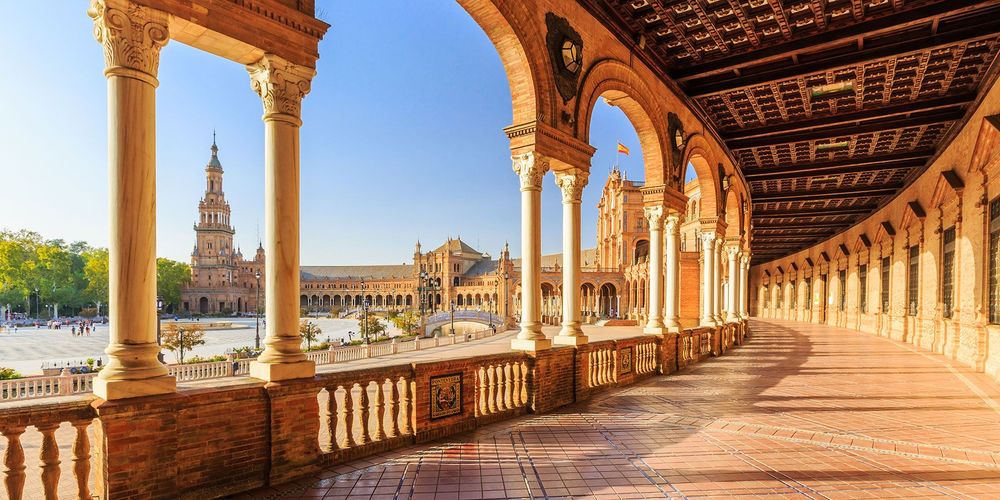
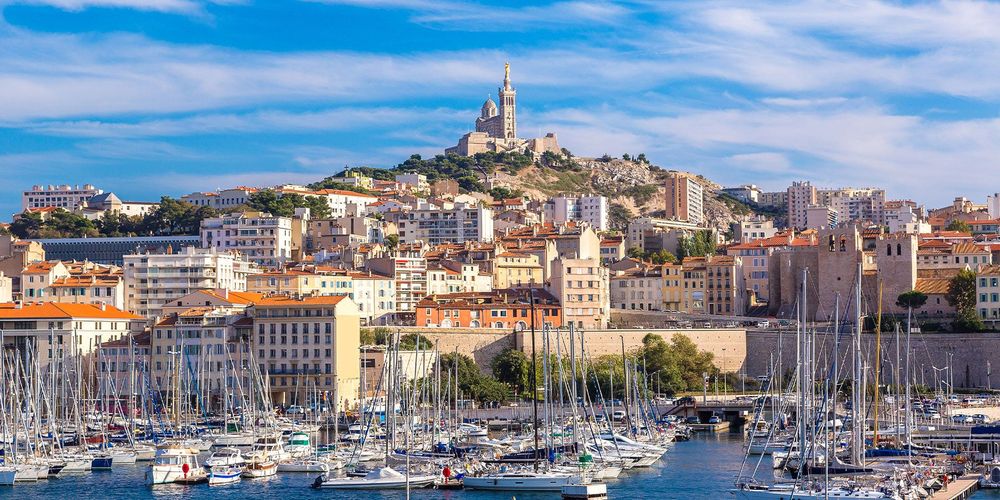
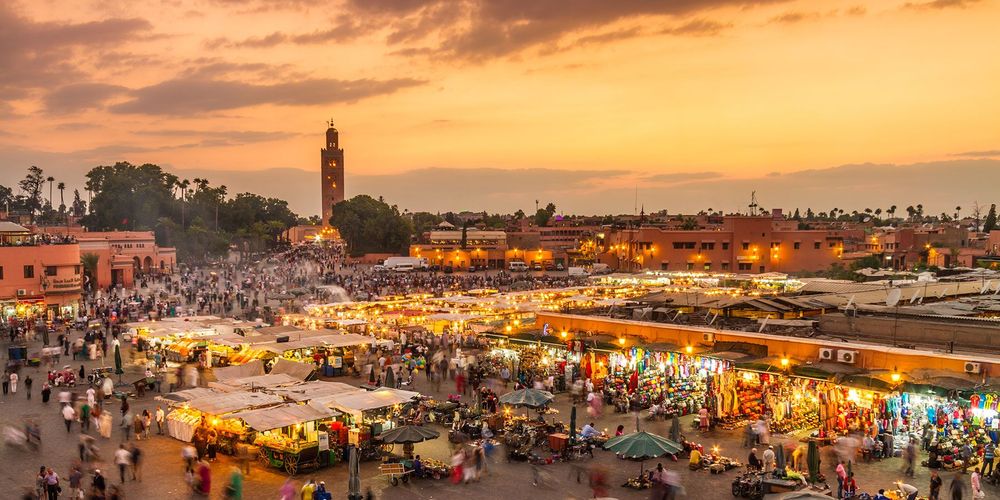
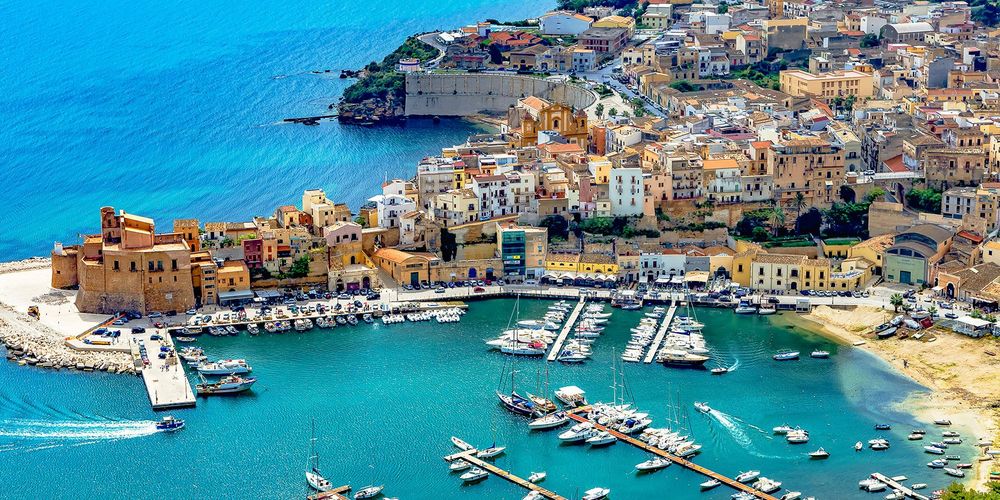
Explorez le monde en totale liberté, à pied au cœur des villes ou au fil des routes. Nos guides audios transforment chaque destination en une découverte culturelle immersive et unique.
FAQ for visiting Mérida
When is the best time to visit Mérida?
Spring and autumn are by far the most pleasant seasons. In Extremadura the summer is scorching and the thermometer climbs very high during the day: visiting the archaeological sites, nearly all of them open-air and without shade, becomes gruelling before late afternoon. In April, May, September and October the light is beautiful, the temperatures bearable and the crowds thinner.
Winter stays mild compared with the rest of inland Spain, with cool but often sunny days, which makes it a perfectly workable time for a short stay. If the performances in the Roman theatre appeal to you, note that the classical theatre festival takes place in high summer, in the evening, once the heat finally drops.
How many days do you need to visit Mérida?
One full day is enough to see the essentials: the theatre and the amphitheatre, which are visited together, the national museum of Roman art just opposite, the temple of Diana and the Roman bridge. The town is compact and the distances between the monuments are easily covered on foot.
Two days give a far more comfortable pace and let you add the alcazaba, the slightly out-of-the-way Roman circus, the Los Milagros aqueduct, the basilica of Santa Eulalia and the remains of the Morería quarter, while keeping time for the terraces and for seeing the great monuments lit up after dark. It is also the ideal length if your stay falls during the theatre festival.
What are the must-sees in Mérida?
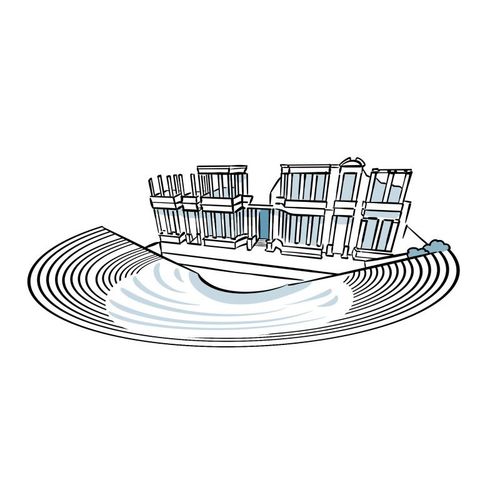
The archaeological ensemble of Mérida is one of the most complete in Europe. The Roman theatre, with its re-erected colonnaded stage, and the neighbouring amphitheatre are the highlight of any visit. A few steps away, the national museum of Roman art, designed by Rafael Moneo, displays mosaics, statues and everyday objects in a brick nave that echoes ancient architecture.
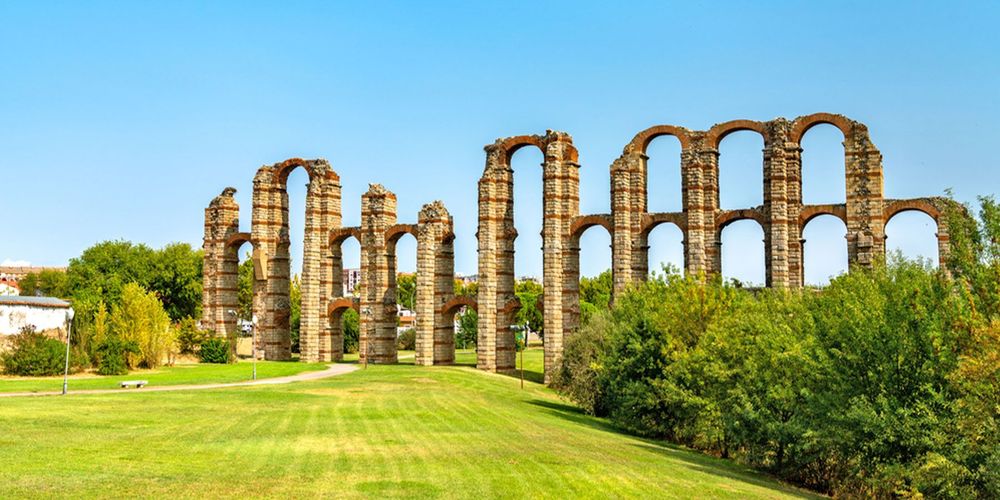
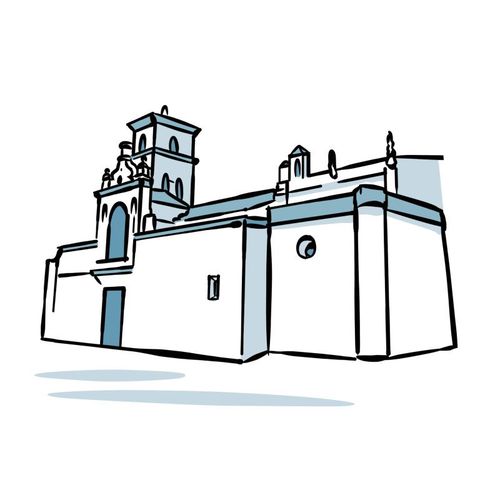
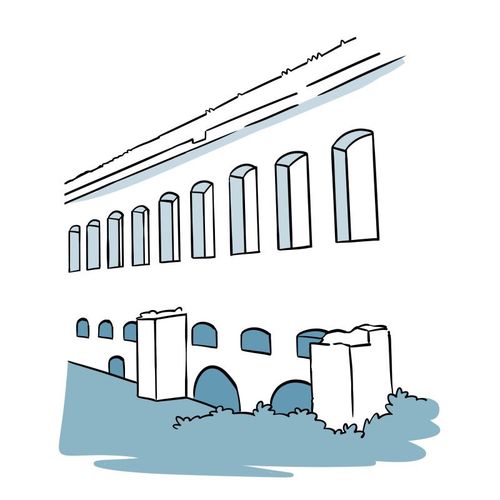
The temple of Diana, embedded in a Renaissance palace, the Roman bridge over the Guadiana, the Los Milagros aqueduct with its arches of brick and granite, the circus and the Moorish alcazaba complete the picture, with the basilica of Santa Eulalia standing for the early Christian period. The Ryo audio guide offers a dedicated Mérida route that links these monuments and tells the story of Augusta Emerita.
Why is Mérida a UNESCO World Heritage site?
Founded in 25 BC to settle the veterans of Augustus's legions, Augusta Emerita became the capital of the Roman province of Lusitania and one of the most important cities on the peninsula. Its archaeological ensemble is inscribed on the World Heritage list because it preserves, within an urban fabric that is still lived in, almost all the facilities of a major Roman city.
Theatre, amphitheatre, circus, bridges, aqueducts, temples, mosaic houses and water supply networks remain legible there, often at the turn of an ordinary street. Later periods added their own layers, with the early Christian basilica of Santa Eulalia and then the alcazaba built by the emirs of Córdoba, so you can follow more than two thousand years of urban history without leaving the centre.
How do you get around Mérida?
Mérida is best explored on foot. The historic centre is flat and compact, and most of the monuments stand a few minutes apart. Only the Roman circus, the Los Milagros aqueduct and a few outlying remains call for a slightly longer walk, pleasant in the morning but heavy going under the afternoon sun.
A network of city buses serves the outer districts and taxis are easy to find around the station and the plaza de España. If you arrive by car, it is better to leave it in a car park on the edge of the centre, as several streets are pedestrianised or have restricted traffic. The Roman bridge and the nearby footbridge let you cross the Guadiana on foot to reach the far bank.
How do you get to Mérida?
Mérida is connected to the rest of Spain by road and by rail. The motorways crossing Extremadura put it a few hours from Madrid, Seville and the Portuguese border, which makes it a natural stop on an itinerary between the centre of the country, Andalusia or Portugal.
The railway station, set apart from the centre but within walking distance, receives trains from Madrid, Badajoz and Cáceres among others, and coach services fill in the rest of the network. The nearest airport, at Badajoz, remains a small one: most international visitors arrive through Madrid, Seville or Lisbon and continue by train or hire car.
What is the classical theatre festival in Mérida?
Every summer the Roman theatre returns to its original purpose: the international classical theatre festival stages Greek and Latin tragedies and comedies there, performed after dark in the ancient tiers facing the colonnaded stage. It is one of the oldest festivals in Spain and attracts companies and actors who are household names for Spanish audiences.
Performances take place in the evening, once the heat has dropped, and the town then lives to a particular rhythm, with shows also held in other ancient venues. Seats for the most anticipated productions go quickly, so it is wise to plan ahead if your stay falls at that time. Outside the festival, the theatre can be visited as normal during the day.
What are the culinary specialities of Mérida and Extremadura?
Extremadura is the land of Iberian pork raised in the dehesas, those pastures dotted with holm oaks where the animals feed on acorns. Acorn-fed Iberian ham is the flagship product, alongside cured meats such as lomo, chorizo and morcilla patatera. Pimentón de la Vera, paprika smoked over oak wood, flavours a great many local dishes.
At the table you will come across torta del Casar, a sheep's cheese so creamy it is eaten with a spoon, shepherd's migas, gazpacho in summer and roast lamb or pork. The wines of the Ribera del Guadiana go with all of it. The terraces on the plaza de España and the neighbouring pedestrian streets are the most pleasant place to try these things at the end of the day.
What can you do in Mérida at the end of the day?
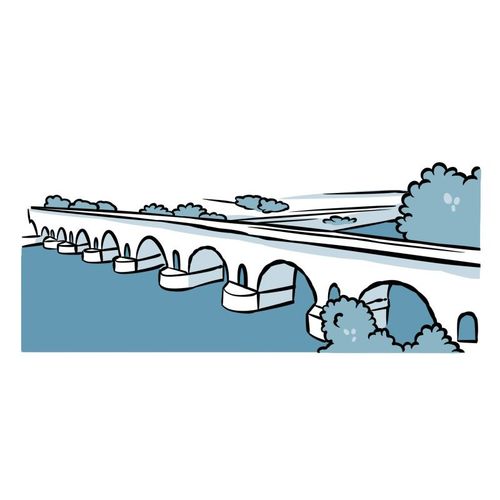
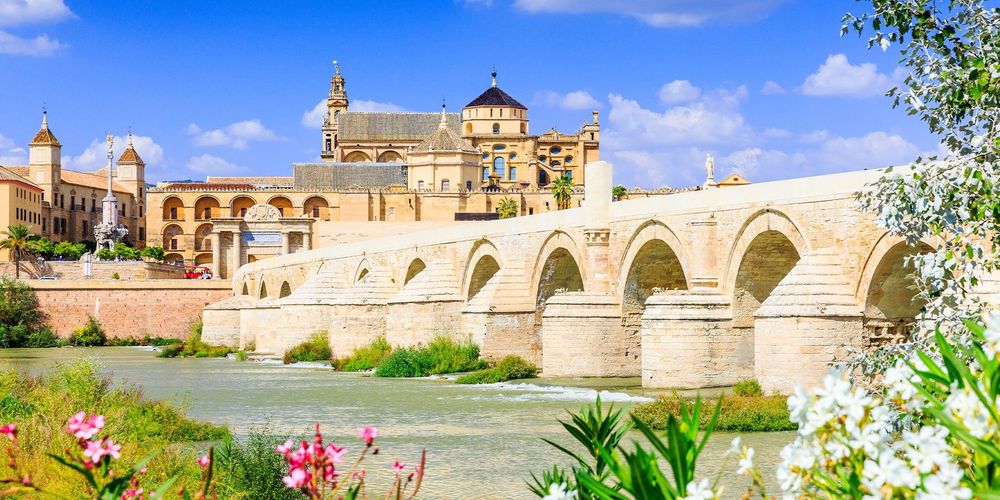
As the light fades, the banks of the Guadiana become the best place in town. The Roman bridge, a long stone structure closed to traffic, is crossed on foot facing the sunset, with the alcazaba on one side and the riverside park on the other. The modern footbridge alongside offers another view over the whole scene.
The centre then comes alive around the plaza de España, lined with arcades and terraces, and along the lanes leading to the temple of Diana, picked out by discreet lighting. The great monuments look their best at this hour, and the atmosphere of summer evenings, lively until late, contrasts with the stillness of the archaeological sites in the middle of the day.
Vos commentaires, idées et suggestions
Aucun avis pour le moment
