






Créé par Emilie, le 4 oct. 2026
Votre guide Ryo
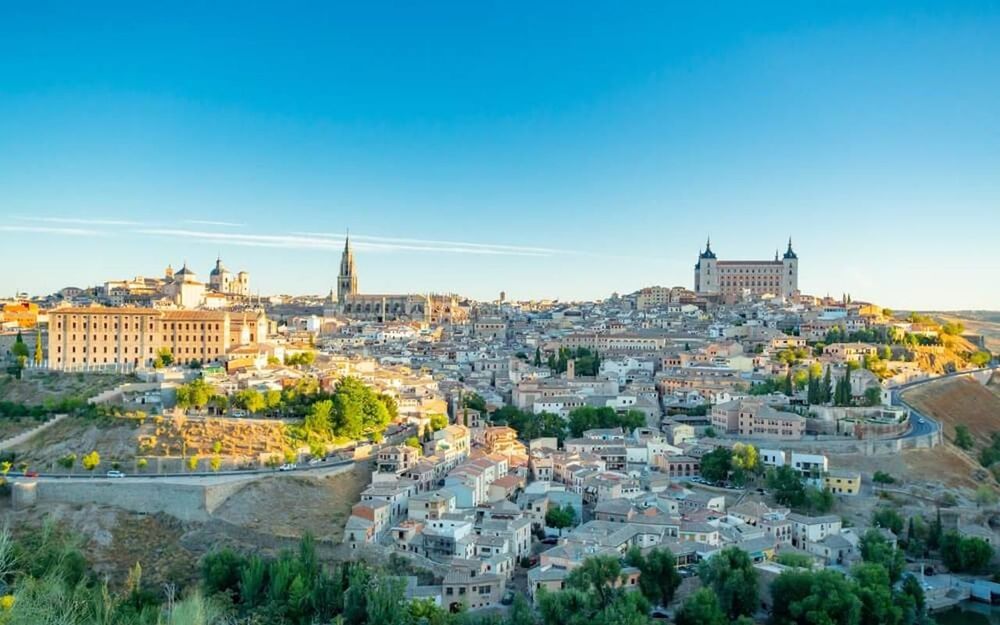
Toledo, Spain
A gem by the Tagus River
Parcours audioguidé pour visiter Toledo en 1 jour
Perched above the Tagus River, Toledo embodies the history of Spain through its Christian, Muslim, and Jewish influences. With its medieval streets, exceptional heritage, and multicultural legacy, the city offers a true journey through time.
Quand partir à Toledo ?
Jan.
9°
6
Feb.
11°
5
March
14°
5
April
17°
6
May
22°
5
June
28°
2
July
34°
0
Aug.
34°
1
Sept.
28°
3
Oct.
22°
5
Nov.
15°
6
Dec.
11°
6
The weather in Toledo is quite extreme, unlike what you were probably expecting. It's dry and you must forget that we're on a mountain! In winter, it's cold. In summer, it's very warm. From December to February, temperatures drop to below 0°C/32°F at night, whereas during the day, average temperatures are around 7°C/45°F. In summer, it's quite sunny with average temperatures elevating at 27°C/80°F. In July/August, it can even reach 35°C/95°F. However, speaking of maximal temperatures is kind of useless now as in 2021, Toledo beat a record of 44°C/111°F! There isn't much rain all year-round here. The best time to visit is either in spring or autumn so that you don't have to face extreme temperatures!
Départ conseillé
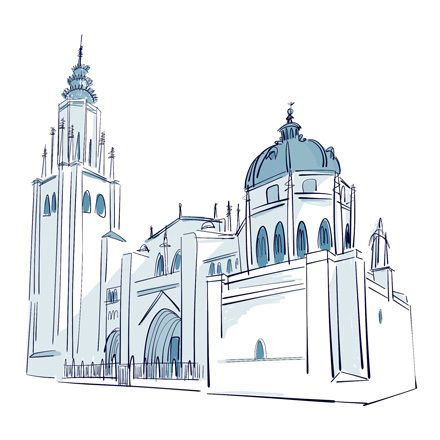
No need to worry about where to begin! Our tours are designed as a loop, so you can jump in wherever you are. The navigation system and audio-guide will automatically adjust to your location. However, if you happen to be nearby, we do have a preferred starting point: Plaza del Ayuntamiento, Cathedral of Saint Mary of Toledo.
Parking à proximité
Nuevo Aparcamiento de Azarquiel, Paseo de la Rosa 1A
Public parking is free in the outskirts, allowing easy access on foot to the city centre all while admiring a beautiful view of the Tagus River and the city. Parking public gratuit en dehors du centre-ville qui vous permettra un accès facile et à pied, tout en vous offrant de belles vues sur le Tage et la ville.
We advise you not to enter the city centre by car. Traffic is complicated, streets here are like a maze, and green zones are only for residents! As for blue and orange zones, you'll have to pay and are only allowed to park for 2h maximum. You can easily be mistaken then, but it's best to avoid finding an unpleasant surprise on your windscreen. If you're visiting by car and your accommodation offers private parking, then leave your car there. Otherwise, you can still find free and public parking, or even private guarded parking, though it's best finding one out of town and access the city centre on foot.
À savoir
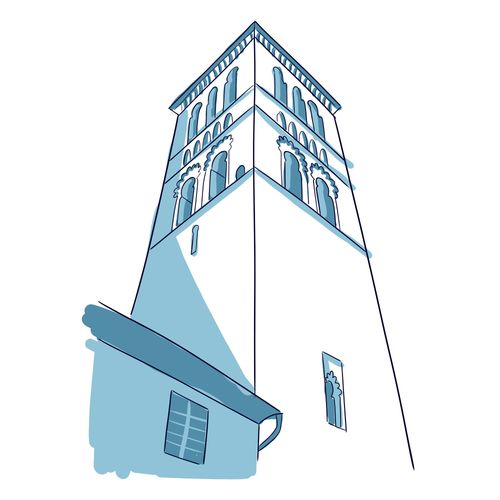
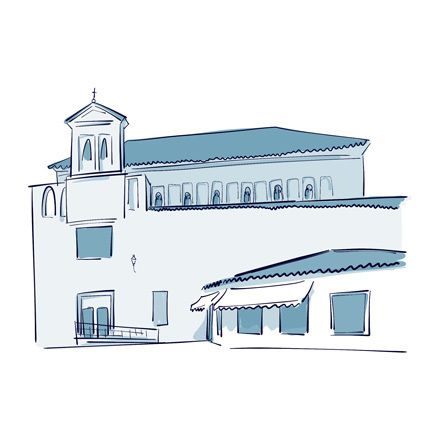
Toledo has implemented the "Pulsera Turística de Toledo". It's a red bracelet you can purchase to access many landmarks. For about 10 euros, you'll be able to easily access: The Royal College of Noble Maids, Jesuits Church, San Juan de los Reyes, the former mosque of Cristo de la Luz, Santo Tomé Church, El Salvador Church, and the former synagogue of Santa María la Blanca.
Découvrez 25 lieux d'intérêt pour visiter Toledo



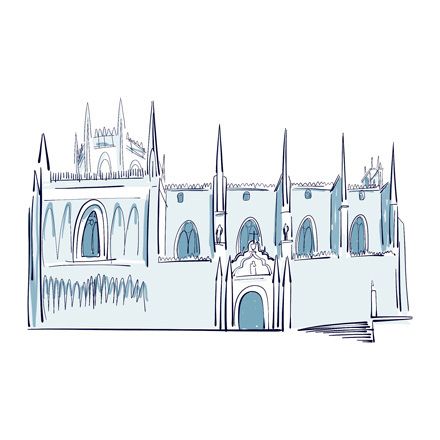
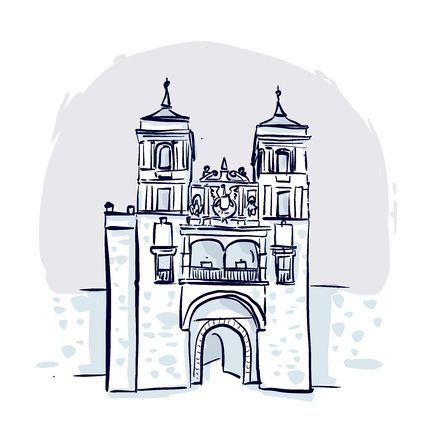
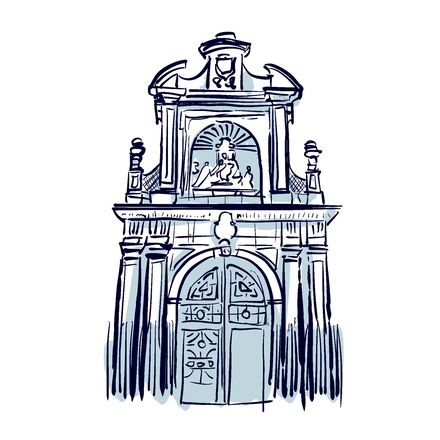
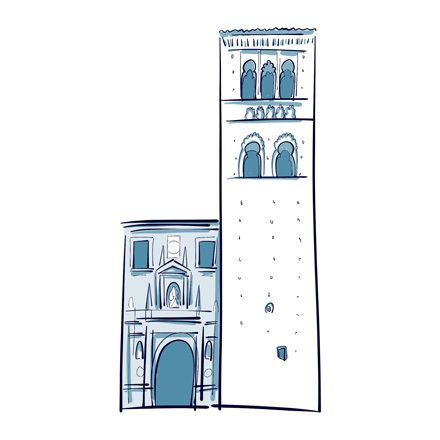
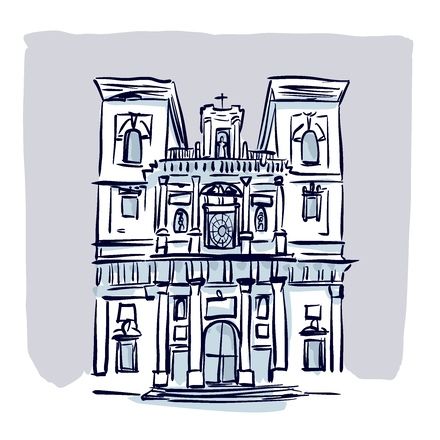
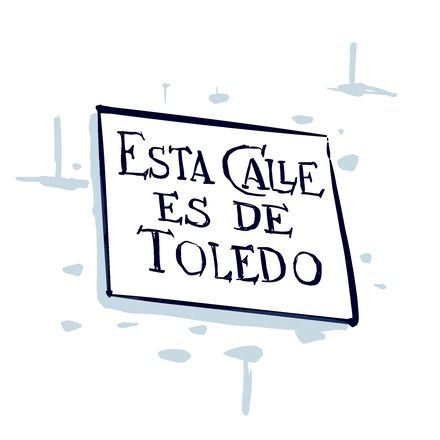
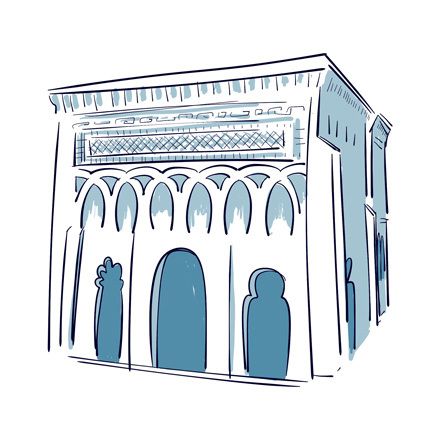

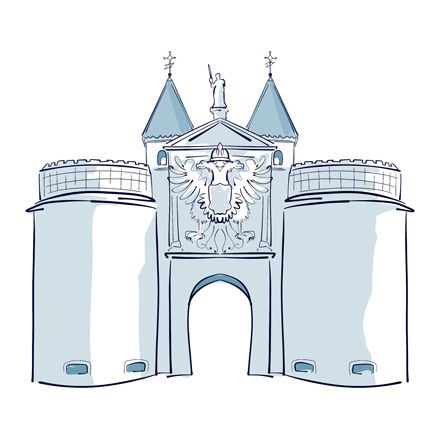




Le plein d'inspirations
Explorez le monde en totale liberté, à pied au cœur des villes ou au fil des routes. Nos guides audios transforment chaque destination en une découverte culturelle immersive et unique.


FAQ for visiting Toledo
When is the best time to visit Toledo?
Spring and autumn are ideal for discovering Toledo in the best conditions. Between April and May, then September and October, you'll enjoy mild, pleasant temperatures for wandering the city's steep lanes. Summer can be gruelling, with temperatures often exceeding 35°C, making visits difficult, especially in the middle of the afternoon. Winter remains an interesting option if you can cope with the cold, as you'll find fewer tourists and a more authentic atmosphere. The days are generally sunny all year round, with very little rainfall.
How many days do you need to visit Toledo?
A full day lets you discover Toledo's main monuments, but two days will give you a richer and more relaxed experience. In one day, you can visit the cathedral, the Alcázar and stroll through the Jewish quarter. With two days, you'll have time to explore the synagogues, the lesser-known churches and truly soak up the city's unique atmosphere. The Ryo audioguide offers an optimised route that lets you see the essentials in one day while understanding the fascinating history of this city of three cultures. If you have more time, you can delve deeper into your visit and explore the museums.
How do you get to Toledo from Madrid?
The AVANT high-speed train is the most convenient way to reach Toledo from Madrid. The journey takes only thirty minutes from Atocha station, with frequent departures throughout the day. The bus is an economical alternative, with a journey of about an hour from Plaza Elíptica. If you prefer to drive, allow one hour on the A-42 motorway. Once in Toledo, the railway station is located outside the historic city, but local buses and taxis will quickly take you to the centre. Many visitors opt for a day trip from Madrid.
Can you visit Toledo by car?
Visiting Toledo's historic centre by car is strongly discouraged and, in fact, impossible in most of the medieval lanes. The old town is essentially pedestrian, with narrow, steep streets unsuited to car traffic. The best approach is to park your vehicle in one of the car parks located outside the ramparts and explore the city on foot. Toledo's compact layout makes walking not only necessary but also very pleasant for discovering its hidden treasures. The escalators installed in certain spots make it easier to reach the upper parts of the city from the car parks.
What are the monuments' opening hours?
The opening hours of Toledo's monuments vary depending on the season and the day of the week. Generally, the main sites open around ten in the morning and close between five and seven in the evening. The cathedral and the Alcázar usually follow these hours, but may close later in summer. Note that many monuments close on Mondays, and some religious sites may have reduced hours on Sunday mornings for services. The synagogues and small museums often have a midday break. It's advisable to check the specific hours before your visit, especially during public holidays, when changes are frequent.
How can you avoid the crowds in Toledo?
To enjoy Toledo in good conditions, opt for a visit early in the morning or late in the afternoon. Tour groups generally arrive around ten and leave in the middle of the afternoon. By getting up early, you'll discover a peaceful and authentic city. The Ryo audioguide suggests alternative routes to avoid the busiest sites at peak times. Absolutely avoid weekends and Spanish public holidays, when the crowds can be stifling. The months of July and August are the busiest. Go for weekdays outside the school holidays for a more serene experience.
Where can you park in Toledo?
Several paid car parks surround Toledo's old town, making access easier for visitors with vehicles. The Safont car park, near the Alcázar, and the Miradero one, on the north side, are among the most convenient. The daily rates generally remain reasonable. Free car parks exist further from the centre, particularly near the station, but then require you to take a bus or taxi. On weekends, finding a space can prove tricky, especially in high season. Some car parks have escalators that make access to the historic centre much easier, a welcome advantage given the city's steep topography.
Is Toledo suitable for families with children?
Toledo can be visited as a family, but certain aspects require some planning. The many slopes and stairs can tire out the youngest, and strollers are hard to manoeuvre in the cobbled lanes. Plan for regular breaks and perhaps a baby carrier for toddlers. Children usually enjoy the Alcázar with its military collections, and the city's medieval atmosphere sparks their imagination. Toledo's swords often fascinate the older ones. Favour short visits and alternate with moments of relaxation in the gardens or on the panoramic terraces. The city offers many restaurants that are welcoming to families.
Is Toledo worth the trip?
Very much so. Perched on a promontory almost entirely encircled by the Tagus, Toledo has kept a medieval centre listed as World Heritage, where in a few minutes you move from the Gothic cathedral to the synagogues, from a former mosque to a convent, all within a very small area.
It is this blend that earns the city its reputation as the city of three cultures: Christians, Jews and Muslims lived and built side by side here for centuries, and the lanes still bear the traces. Add the canvases of El Greco, who spent the end of his life here, the craft of damascened steel and the view of the city from the far bank of the river, and the visit is amply justified, even on a single day. The Ryo audio guide offers a dedicated Toledo route linking the main monuments on foot.
What local specialities should you try in Toledo?
Marzipan is the city's sweet emblem: this almond paste, worked since the Middle Ages and often shaped into small figures, is sold in the pastry shops of the centre and even in a few convents where the nuns still prepare it.
On the savoury side, Castilian cooking gives pride of place to game, with partridge in escabeche as its signature dish, to slow-cooked stews such as carcamusas served as tapas, and to the region's manchego cheese, often paired with a wine from La Mancha. The alleys around Plaza de Zocodover concentrate the traditional taverns; tables in the lower town, near the river, are generally quieter.
Vos commentaires, idées et suggestions
Aucun avis pour le moment