
Créé par Emilie, le 4 oct. 2026
Votre guide Ryo
Palma de Mallorca, Spain
Isle of Kings
Parcours audioguidé pour visiter Palma de Mallorca en 1 jour
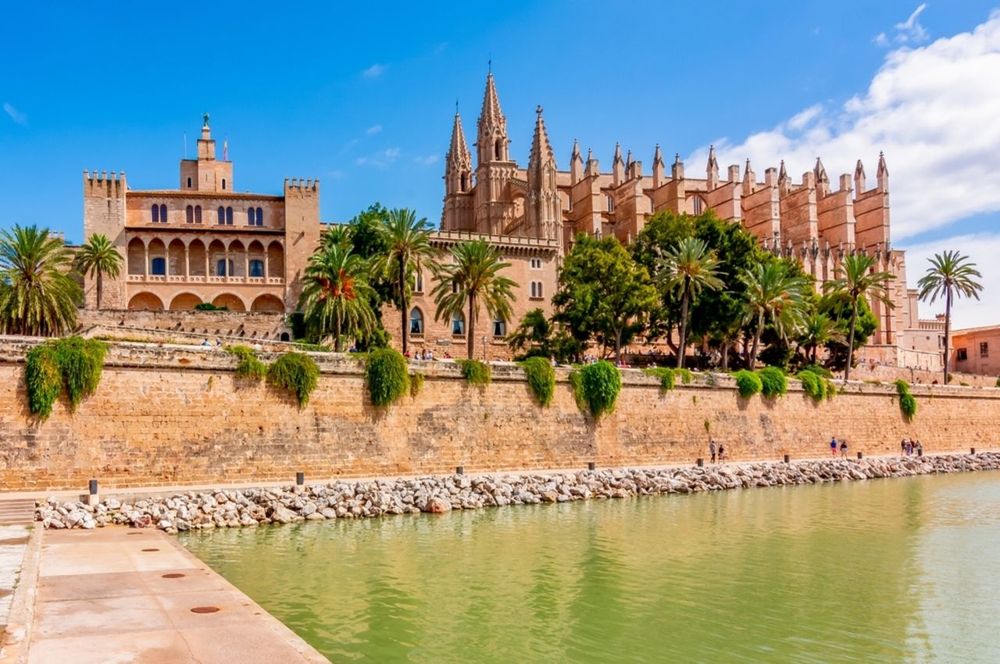
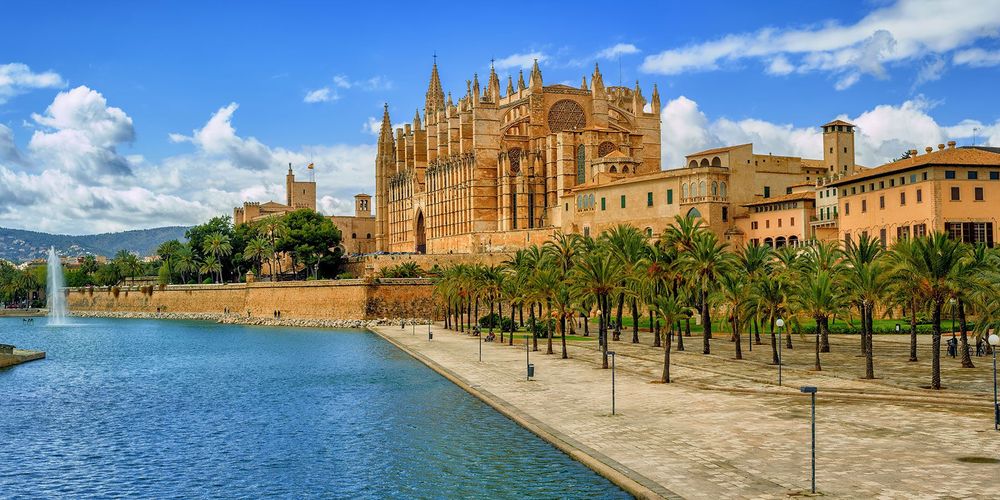
This tour of Palma’s historic center invites you to explore a city of elegance and history, dominated by the towering sandstone silhouette of its cathedral facing the sea. Throughout the route, get lost in the labyrinth of medieval streets, peek into the famous Majorcan courtyards, and discover the legacy of the kings, merchants, and artists who shaped this island capital. A simple and immersive way to explore the vibrant heart of Palma at your own pace.
Quand partir à Palma de Mallorca ?
Jan.
11°
6
Feb.
11°
6
Mar.
13°
5
Apr.
15°
5
May
19°
4
Jun.
23°
2
Jul.
26°
1
Aug.
26°
2
Sep.
23°
5
Oct.
20°
7
Nov.
15°
8
Dec.
12°
8
Palma has a typical Mediterranean climate, characterized by mild and wet winters while summers are hot and dry. Summers can get quite hot, with record temperatures sometimes reaching 40°C. On average, though, summer temperatures range between 25°C and 30°C, while winter temperatures hover between 10°C and 15°C. The months with the most rain are from September to November.
Départ conseillé
No need to worry about where to begin! Our tours are designed as a loop, so you can jump in wherever you are. The navigation system and audioguide will automatically adjust to your location. However, if you happen to be nearby, we do have a preferred starting point: Parque del Mar
Parking à proximité
Aparcament Parc de la Mar, Gabriel Roca Avinguda
If you're parking on a street, there are a couple of things you need to know to avoid fines. Blue-painted zones indicate paid parking at the meter from Monday to Friday between 9:00 AM and 2:30 PM, and again from 4:30 PM to 8:00 PM. On Saturdays, parking is taxed from 9:00 AM to 2:30 PM. Parking time is limited from 2 to 3 hours depending on the area. Also, the closer you are to the city centre, the higher the rates. You can pay for your parking online using the mobile app "mobiAPParc".
If you're opting for underground parking, don't worry! You'll find plenty of them in Palma. Plus, most of them are open 24/7.
À savoir
The Seu Cathedral is closed on Sundays.
Découvrez 26 lieux d'intérêt pour visiter Palma de Mallorca







Le plein d'inspirations
Explorez le monde en totale liberté, à pied au cœur des villes ou au fil des routes. Nos guides audios transforment chaque destination en une découverte culturelle immersive et unique.
FAQ for visiting Palma de Mallorca
When is the best time to visit Palma de Mallorca?
The ideal time to explore Palma runs from April to June and from September to October. You will enjoy pleasant temperatures, generally between 20 and 25 degrees, perfect for wandering through the medieval streets without suffering the summer heat. Spring offers a city in bloom and sunny days, while autumn stays mild despite the odd possible shower. Summer draws large crowds and can be very hot, with temperatures sometimes topping 30 degrees. Winter remains gentle with temperatures around 10 to 15 degrees, ideal if you prefer to avoid the crowds and take advantage of better-value rates.
How many days do you need to visit Palma de Mallorca?
To comfortably discover Palma's historic centre and its main attractions, allow two to three days. A first day will let you explore the old town, with its majestic cathedral, medieval streets and the famous Mallorcan patios. On the second day, you can visit the museums, Bellver Castle and stroll through the more modern neighbourhoods. If you have a third day, take the chance to discover the nearby beaches or take a trip into the surrounding area. Of course, if you wish to explore the island of Mallorca further, plan at least a full week to combine your visit to Palma with other remarkable sites on the island.
How do you get around in Palma de Mallorca?
Palma's historic centre is best explored on foot, its cobbled streets and short distances making walking very pleasant. For longer journeys, the EMT bus network covers the city and its surroundings well, with frequent lines and affordable fares. Self-service bikes are an excellent alternative for exploring the neighbourhoods close to the centre and riding along the seafront. Taxis are available everywhere, handy for reaching the airport or the more distant beaches. If you wish to discover the island beyond Palma, renting a car becomes worthwhile, but be aware that parking in the historic centre can prove complicated and expensive.
What are the must-see monuments in Palma de Mallorca?
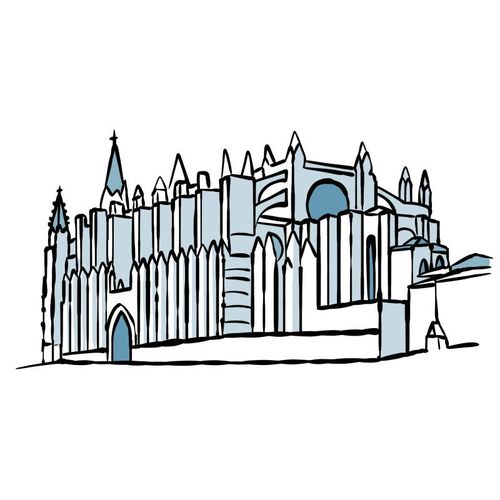
La Seu Cathedral majestically dominates the bay and is Palma's architectural jewel, with its impressive Gothic rose windows and Gaudí's interventions. Right next to it, the Royal Palace of La Almudaina bears witness to the city's royal past. The circular Bellver Castle offers exceptional panoramic views over Palma and the Mediterranean. In the maze of streets, the Mallorcan patios hide architectural treasures with their columns and inner gardens. The Ryo audioguide accompanies you precisely on this journey through the historic centre, revealing the secrets of these emblematic monuments and guiding you through the most charming passages of the old town.
Where are the most beautiful beaches near Palma de Mallorca?
A few kilometres from the city centre, you will find several easily accessible beaches. Playa de Palma stretches over several kilometres to the east, very busy but convenient with its many services. For more peace and quiet, head towards Cala Major or Illetas to the west, with crystal-clear waters and more intimate coves. The small beach of Ciudad Jardín remains little known to tourists and offers an authentic local atmosphere. Further away but well worth the trip, Es Trenc to the south has turquoise waters and white sand reminiscent of the Caribbean. Most of these beaches are accessible by bus from the centre of Palma; allow generally between fifteen and forty minutes' travel depending on your destination.
What culinary specialities should you try in Mallorca?
Mallorcan cuisine has some lovely discoveries in store, starting with the ensaimada, that spiral pastry dusted with icing sugar, perfect for breakfast. Tumbet, the local ratatouille with potatoes, aubergines and peppers, goes wonderfully with grilled fish. Don't miss sobrassada, a spicy paprika-cured sausage to spread on pa amb oli bread. Those with a sweet tooth will fall for coca de patata, a soft potato brioche. As for drinks, try the pomada, a local cocktail of Xoriguer gin and lemonade. Markets such as the Olivar or Santa Catalina are brimming with local produce, while the restaurants of the historic centre serve these specialities in an authentic setting.
Which neighbourhoods should you visit in Palma's historic centre?
The Seu district around the cathedral forms the historic heart with its noble palaces and charming cobbled streets. Sa Calatrava charms with its bohemian atmosphere, its art galleries and its shaded terraces. The Jewish quarter of El Call preserves narrow, mysterious passages bearing witness to its medieval past. Santa Catalina, a former fishing village, now buzzes with a cosmopolitan atmosphere thanks to its colourful markets and trendy restaurants. La Lonja, the old port district, blends Gothic architecture with a lively nightlife. The Ryo audioguide takes you precisely through these various neighbourhoods, revealing their hidden histories and guiding you towards the most beautiful patios and monuments of each area.
Should you book your visits in advance during peak season?
In peak season, particularly from June to September, booking in advance is strongly recommended for the major sites. The cathedral and Bellver Castle experience large crowds, and visiting slots can fill up quickly. Specialised guided tours and boat trips are often fully booked several days ahead. For the popular restaurants in the historic centre, a reservation the day before or two days before is generally essential. On the other hand, many sites such as the patios or the secondary churches remain accessible without booking. Out of season, the situation becomes more flexible, although booking a few days ahead remains wise for the flagship attractions and guarantees better visiting conditions.
Which day trips can you take around the island from Palma de Mallorca?
Palma makes a convenient base for exploring Mallorca. The historic wooden train to Sóller crosses orchards and the foothills of the Serra de Tramuntana before an old tram takes you down to the port; it is the island's most iconic outing. The villages of Valldemossa and Deià, clinging to the mountainside, charm visitors with their stone lanes and their views over the north coast.
Further out, the Cap de Formentor unrolls a cliff road as far as the lighthouse, the dizzying descent to Sa Calobra leads to a cove hemmed in between rock faces, and the Drach caves, in the east, are visited along an underground lake. Regular buses and hire cars reach most of these places from Palma, and it is far more enjoyable to give them a full day than a single morning.
What can you do in Palma de Mallorca on a rainy day?
Showers are rare but they do happen, above all in autumn and winter. The old centre lends itself well to those days: the cathedral and the Almudaina palace can be visited under cover, the Arab baths recall the city's Muslim past, and there is no shortage of museums, from Es Baluard set in the ramparts to the foundation devoted to Joan Miró and the collections of the March palace.
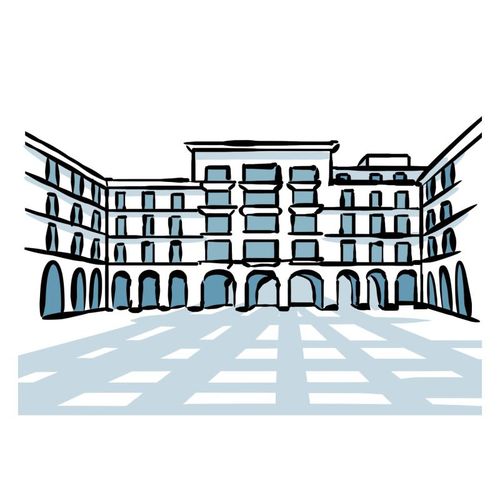
The arcades and covered walkways around the Passeig del Born and the Plaça Major let you stroll without getting wet, and the old-fashioned cafés of the centre, with their ensaïmada and hot chocolate, are perfect for waiting out a squall. The covered market of L'Olivar is another good stop, between fish stalls, cured meats and small tasting counters.
Vos commentaires, idées et suggestions
Aucun avis pour le moment