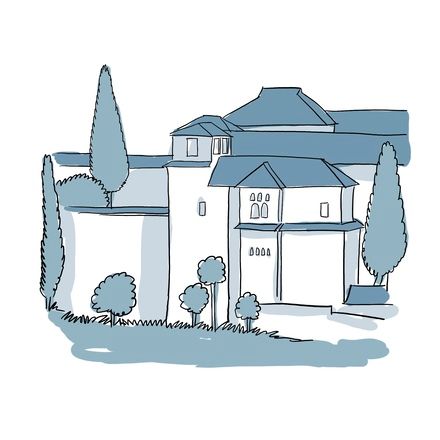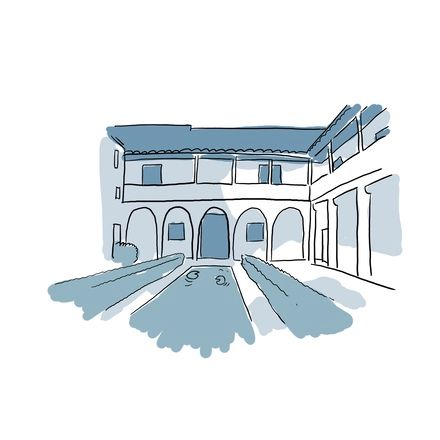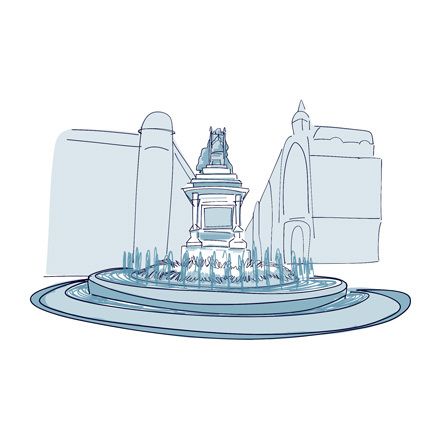
Plaza de la Trinidad
1/24

Créé par Romane, le 20 août 2026
Votre guide Ryo
Granada, Spain
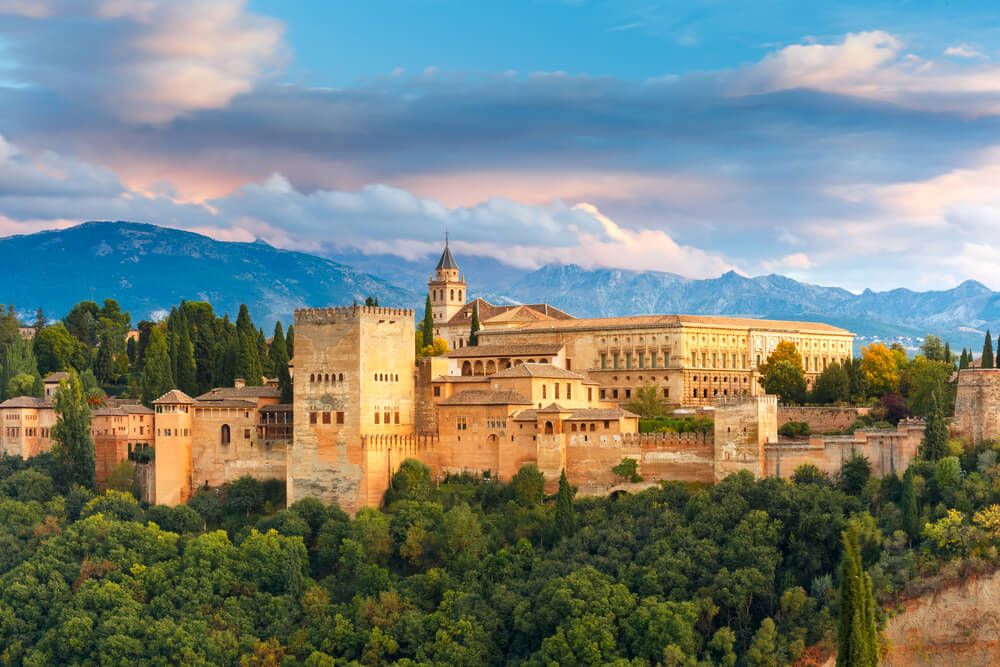
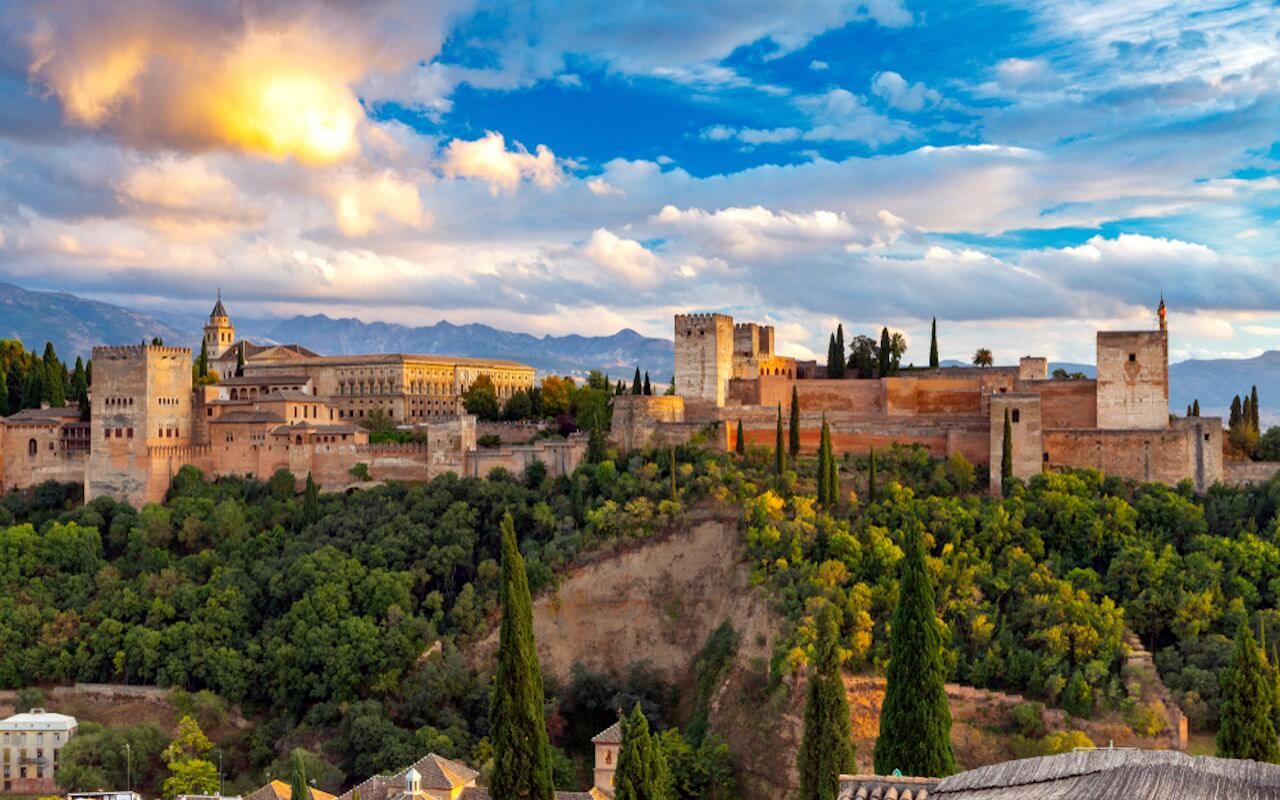
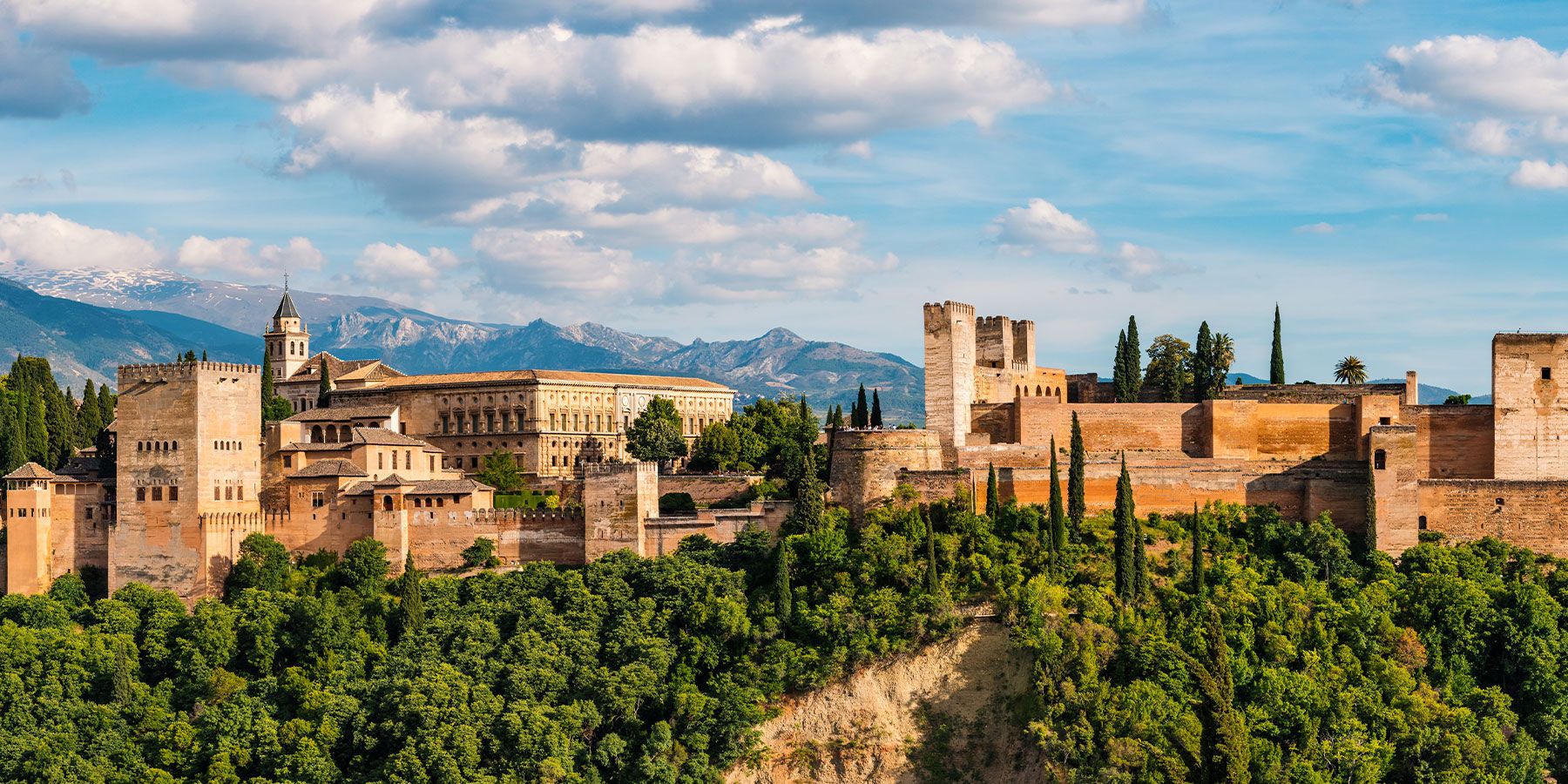
This tour of Granada’s historic center invites you to step back in time, featuring Moorish palaces, secret gardens, and whitewashed streets filled with mystery. Throughout the route, discover the incredible fusion of Muslim and Christian cultures, the vibrant energy of spice markets, and the landmarks that gave birth to the legend of the Alhambra. A simple and immersive way to explore the enchanting heart of Granada at your own pace.
Plaza de la Trinidad
1/24
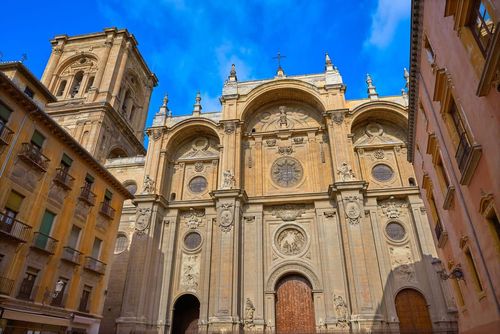
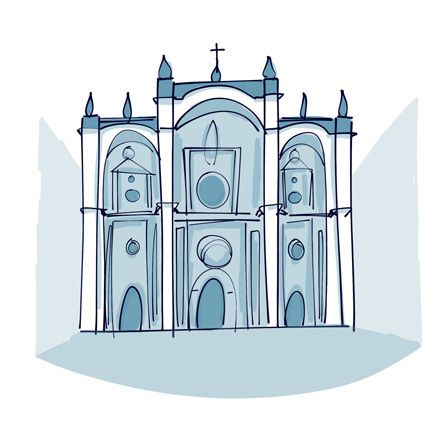
Granada Cathedral
2/24
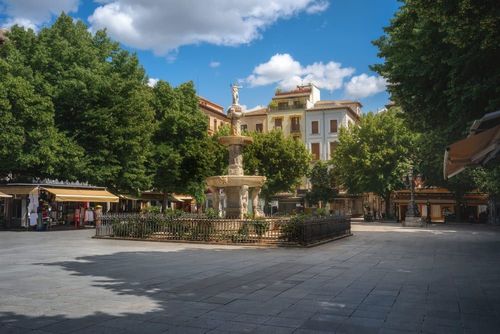
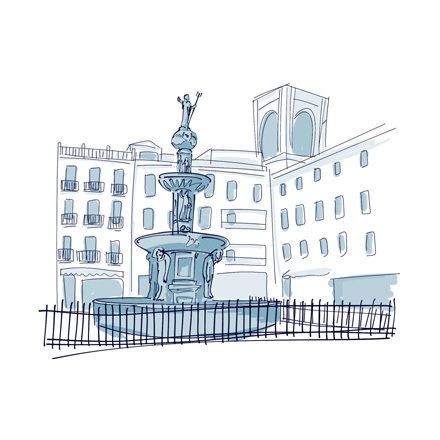
Bib-Rambla Square
3/24

Calle Ermita
4/24
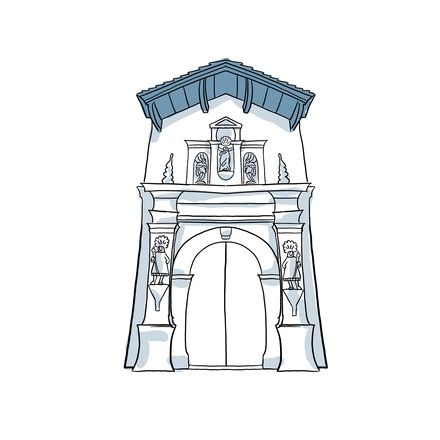
Royal Chapel
5/24
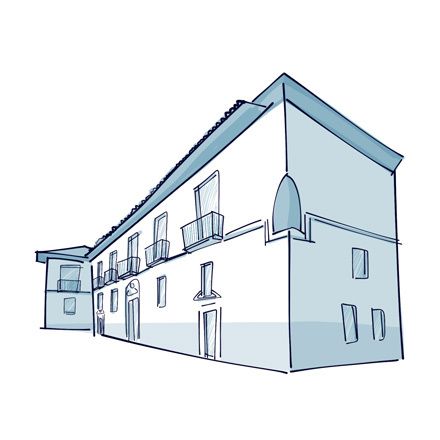
Palace of the Madraza
6/24
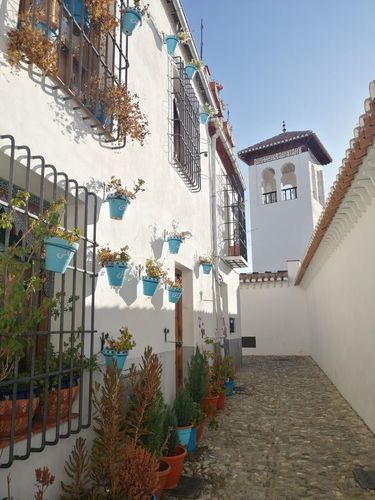
Albaicín District
7/24
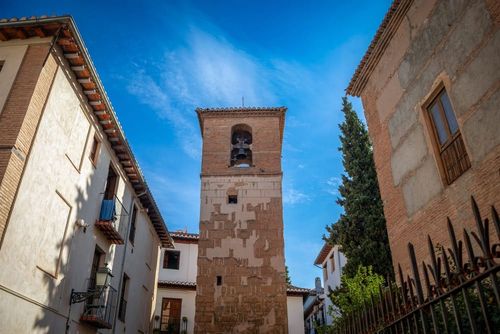
Minaret of San José
8/24
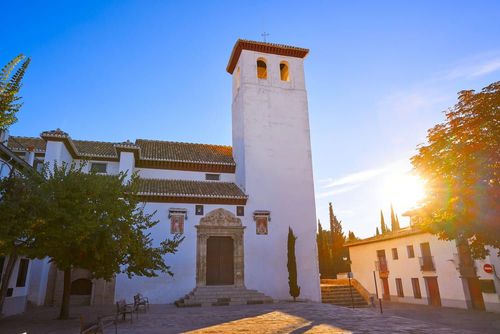
Church of San Miguel Bajo
9/24
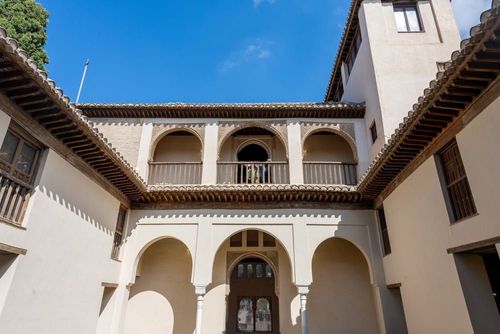
Dar al-Horra Palace
10/24

Mirador de San Nicolás
11/24
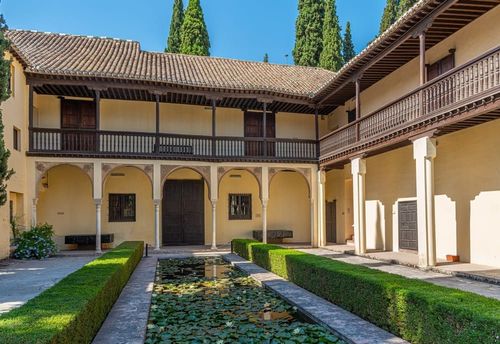
Casa del Chapiz
12/24
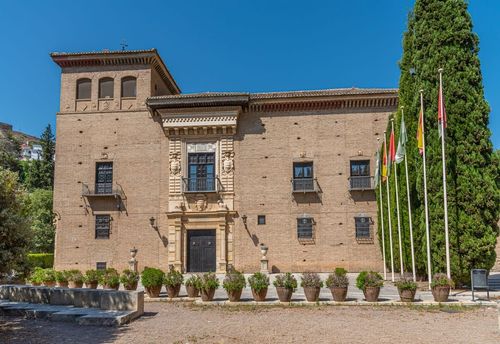
Palace of los Córdova
13/24
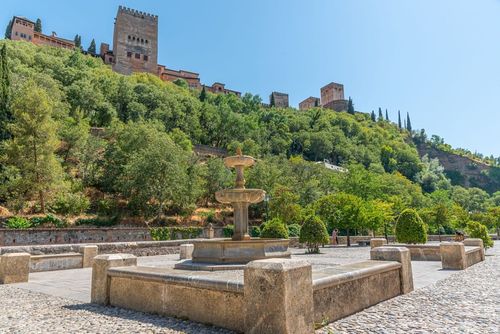
Paseo de los Tristes
14/24
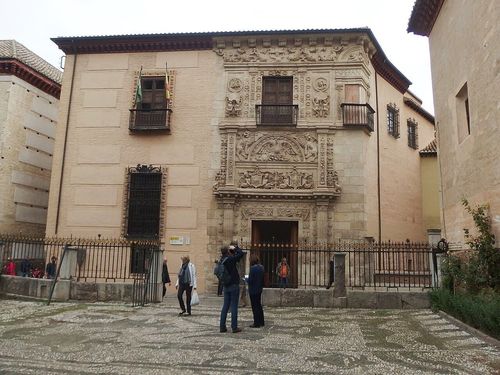
Casa de Castril
15/24
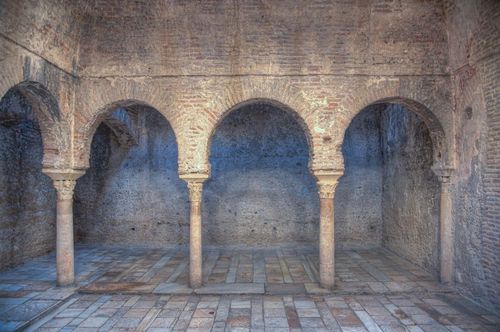
El Bañuelo
16/24
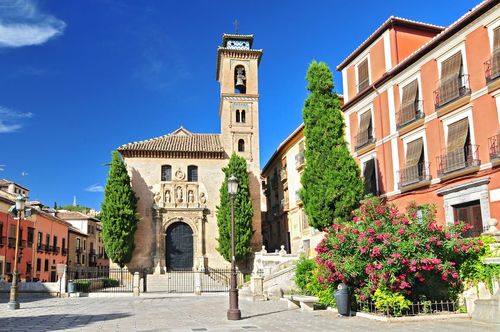
Church of San Gil and Santa Ana
17/24

View of the Albaicín
18/24
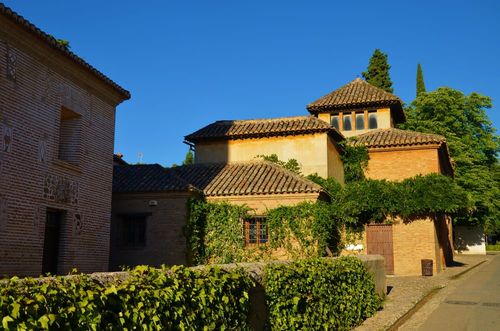
Gardens at the Foot of the Alhambra
19/24
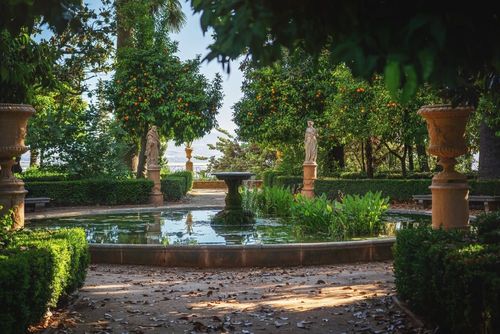
Carmen de los Mártires
20/24
View Over the City
21/24

Placeta Puerta del Sol
22/24
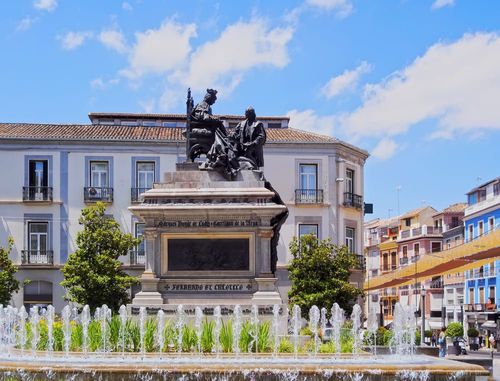
Isabel la Católica Square
23/24

Advice
24/24
Jan.
7°
Feb.
9°
March
12°
April
14°
May
18°
June
23°
July
26°
Aug.
26°
Sept.
21°
Oct.
16°
Nov.
11°
Dec.
8°
Granada is located in Andalusia, where summer temperatures reach 40°C in July and August, making sightseeing quite exhausting. It’s best to visit in spring or autumn, when the days are still sunny but more comfortable. Even then, a hat and sunscreen are highly recommended!
No need to worry about where to begin! Our tours are designed as a loop, so you can jump in wherever you are. The navigation system and audioguide will automatically adjust to your location. However, if you happen to be nearby, we do have a preferred starting point: Plaza Isabel la Católica
Victoria covered parking : calle San Anton, 1 Narvaez covered parking, calle Gral. Narvaez, 6 Driving in the city centre of Granada is far from easy. Many areas are restricted to traffic, so you need to check in advance where you’re allowed to drive and park. It’s a good idea to contact your hotel ahead of time to make sure you’re allowed to access it by car—and even better if it has its own car park. Otherwise, you’ll need to plan to park on the outskirts and take public transport into the city centre. If you do find a parking spot, be sure to check the time limits and rates. Underground car parks are generally affordable and let you park fairly close to the historic centre. Booking in advance is recommended if you want to guarantee a spot and know the rate.
Public toilets are few and far between in Granada. You’ll rarely come across one during your walk. If you need to use the bathroom during your visit, you’ll most likely have to step into a café or restaurant. This tour takes you through the Carmen de los Mártires garden. Entry is free, but the garden is only open during set hours. If it's closed when you arrive, simply continue along the Paseo del Generalife to rejoin the rest of the route.
Explorez le monde en totale liberté, à pied au cœur des villes ou au fil des routes. Nos guides audios transforment chaque destination en une découverte culturelle immersive et unique.
Spring and autumn are undoubtedly the best seasons to discover Granada. From April to May and from September to November, you'll enjoy pleasant temperatures, ideal for strolling through the lanes of the Albaicín or exploring the Alhambra without suffering from the heat. The Andalusian summer can be brutal, with temperatures often exceeding 40°C in July and August, which makes sightseeing truly exhausting. Winter remains mild, but the evenings can be chilly. Whatever the season, remember to bring a cap and sunscreen, as the Andalusian sun is fierce even in spring and autumn.
Ideally, allow three full days to savour Granada without rushing. One full day will be devoted to the Alhambra and the Generalife gardens, as this site is so vast and fascinating. On the second day, explore the Albaicín district with its winding lanes and viewpoints offering spectacular views, then head down to the cathedral and the Royal Chapel. The third day will let you discover the Sacromonte, the district of the Roma community and flamenco, and wander through the markets and shops of the centre. With only two days, you'll see the essentials but at a hurried pace.
Booking ahead is absolutely essential for the Alhambra, as tickets sell out very quickly, sometimes several months in advance during high season. The official website lets you book online and is the safest method. Choose your time slot for the Nasrid Palaces, as access there is strictly limited. You can also opt for combined tickets including the Alcazaba, the Generalife and the palaces. Avoid unofficial resellers who charge excessive prices. If everything is sold out, try your luck very early in the morning at the ticket offices for the few tickets sold on the day itself.
The historic centre of Granada is best explored on foot, even if the steep streets of the Albaicín can put your calves to the test. The C30 and C31 minibuses serve the Albaicín and the C34 climbs up to the Sacromonte, very handy for avoiding the uphill walks. The metro efficiently connects the outskirts to the city centre. For the Alhambra, buses leave regularly from the Plaza Isabel la Católica, or you can walk up in about twenty minutes. Taxis remain affordable for short journeys. A rechargeable transport card makes using the buses and metro easier.
The choice of neighbourhood depends on your priorities. The Albaicín offers authentic charm with its white houses and views over the Alhambra, but be prepared for the steep lanes and suitcases to carry. The city centre around the cathedral remains the most convenient, with shops, restaurants and easy access to transport. The Realejo, the former Jewish quarter, combines local atmosphere with proximity to the tourist sites. For a romantic stay, some carmenes in the Albaicín offer charming accommodation with private gardens. Avoid neighbourhoods too far from the centre, which would force you to rely constantly on transport.
The Sacromonte remains the birthplace of Granada's flamenco, with its Roma zambras in the traditional caves. These shows in the cuevas offer an intimate and authentic atmosphere, even if some venues have become very touristy. For a more local experience, seek out the peñas flamencas such as La Platería in the Albaicín, where aficionados gather. The tablaos in the city centre put on quality professional shows. Avoid shows with dinner included, which are often disappointing on the culinary side. Book in advance, especially in high season, and choose small venues to truly feel the emotion of flamenco.
The Alhambra obviously tops the list with its Nasrid palaces, an exceptional testament to Islamic art in Europe. The Albaicín district will transport you into a maze of Moorish lanes dotted with viewpoints offering unforgettable panoramas. The Renaissance cathedral and the Royal Chapel house the tombs of the Catholic Monarchs. Don't miss the sunset from the Mirador de San Nicolás, a magical moment when the Alhambra takes on golden hues. The Ryo audioguide accompanies you through these wonders with a narrated route that reveals the fascinating history of this unique fusion between Muslim and Christian cultures.
From Seville, the bus remains the most convenient option, with direct journeys of about three hours. The companies offer several daily departures and tickets are easy to buy online or at the bus station. The train exists but often requires a change and takes longer. From Malaga, allow about two hours on a direct bus, an economical and comfortable solution. Renting a car offers more flexibility for exploring Andalusia, but parking in Granada can prove complicated. The airports of Seville and Malaga also offer direct shuttles to Granada, handy if you arrive by plane.
Clinging to the hillside facing the Alhambra, the Albaicín is Granada's former Muslim quarter: a tangle of cobbled lanes, whitewashed walls and carmenes, those houses closed around a secret garden planted with cypresses and jasmine. You climb up on foot, happily losing your way among shaded little squares, Arab cisterns and small churches built over former mosques.
The San Nicolás viewpoint offers the most famous outlook over the fortress and the Sierra Nevada, at its best at sunset, though the neighbouring terraces are often quieter. Coming back down towards the Paseo de los Tristes, you follow the Darro and its old bridges. The Ryo audio guide offers a dedicated Granada route that traces these lanes and tells their story as you walk.
Granada is one of the few Spanish cities where a tapa still comes with your drink without being ordered: each round is generally served with a small plate chosen by the house, which changes as the evening goes on. The custom encourages you to move from one bar to the next rather than settle in, and it often takes the place of dinner.
You will meet the Andalusian classics along the way, salmorejo, cured ham, fried fish, but also the city's Arab heritage, with fried aubergines drizzled in cane honey and slow-cooked dishes rich in spices. The streets around calle Navas, Elvira and the Realejo quarter hold the busiest addresses, generally at their liveliest late in the day.
Aucun avis pour le moment