






Créé par Romane, le 4 oct. 2026
Votre guide Ryo
Úbeda, Spain
The Hidden Jewel of the Spanish Renaissance
Parcours audioguidé pour visiter Úbeda en 1 jour
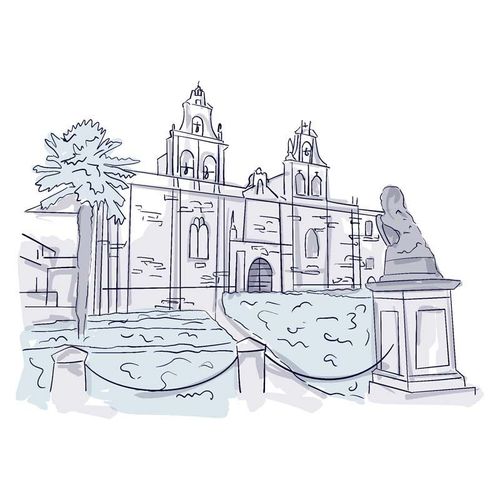
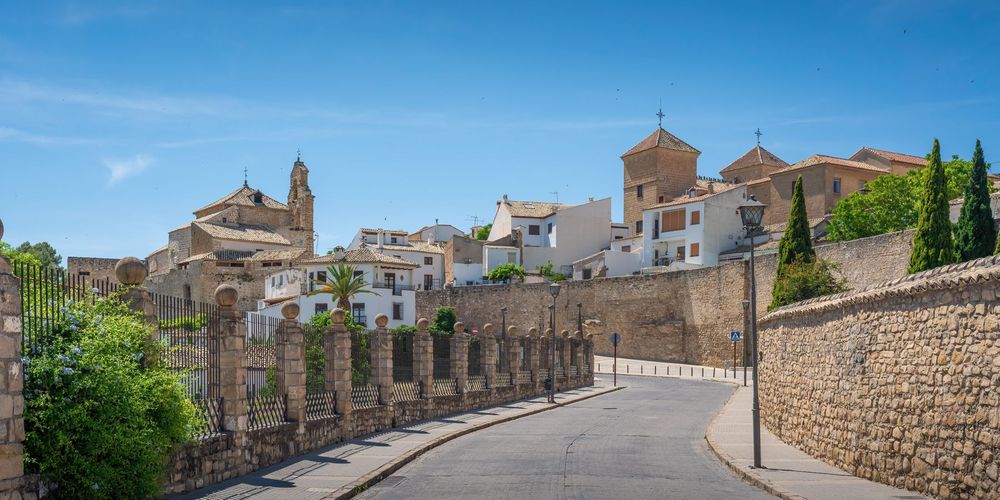
In the heart of Andalusia’s olive groves, Úbeda stands out for its remarkable Renaissance ensemble listed as a UNESCO World Heritage Site. With its elegant palaces, peaceful squares, and artisanal traditions, the town reveals a harmonious and authentic atmosphere.
Quand partir à Úbeda ?
Jan.
10°
7
Feb.
11°
6
March
14°
6
April
17°
7
May
22°
5
June
28°
2
July
33°
0
Aug.
33°
1
Sept.
27°
3
Oct.
21°
5
Nov.
15°
7
Dec.
11°
7
The best times to visit Úbeda are spring, from April to June, and autumn, from September to October. The climate is mild, ideal for enjoying the historic streets and the views over the olive groves without the intense summer heat. Summer in Andalusia is very hot and can make sightseeing less pleasant, while winter remains calm and usually sunny, though cooler and sometimes windy.
Départ conseillé
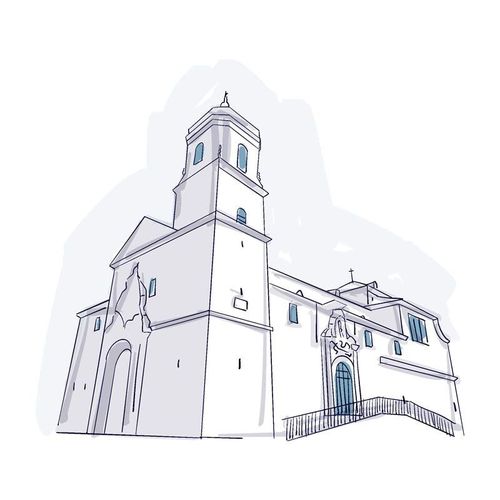
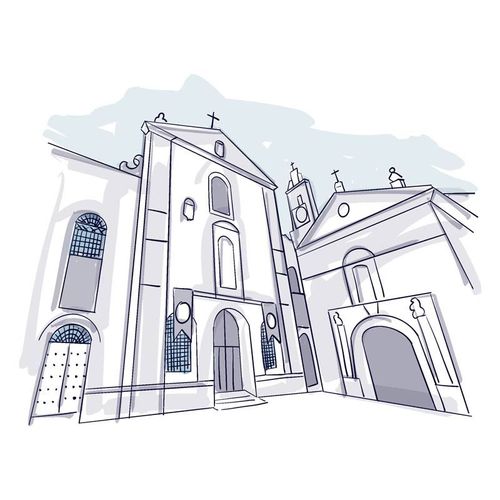
No need to worry about where to begin! Our tours are designed as a loop, so you can jump in wherever you are. The navigation system and audio-guide will automatically adjust to your location. However, if you happen to be nearby, we do have a preferred starting point: in front of the Basilica of Santa María de los Reales Alcázares.
Parking à proximité
Free Parking – Plaza de Santa Clara. Free Parking – Calle Redonda de Miradores.
There are several options for parking in Úbeda. The most convenient is often the free car park in Plaza Santa Clara, located right in the centre and providing quick access to the main monuments. Another good choice is the free Miradores car park, a larger area just outside the historic centre, ideal for avoiding the narrow streets. You can also find spaces in some streets with free on-street parking, such as around Calle Santo Domingo, or choose paid underground car parks, particularly the one in Plaza Andalucía, which is practical if you want to park close to the shopping district.
À savoir
A tourist pass is available that allows you to visit several monuments in Úbeda — and sometimes also in Baeza — with a single combined ticket. This pass, generally called the “Bono Turístico Úbeda-Baeza", includes access to key sites as well as guided tours depending on the option selected.
Découvrez 23 lieux d'intérêt pour visiter Úbeda


Le plein d'inspirations
Explorez le monde en totale liberté, à pied au cœur des villes ou au fil des routes. Nos guides audios transforment chaque destination en une découverte culturelle immersive et unique.
FAQ for visiting Úbeda
When is the best time to visit Úbeda?
The best times to visit Úbeda are spring, from April to June, and autumn, from September to October. The climate is then particularly mild and pleasant for exploring the town on foot and admiring its Renaissance treasures. You'll enjoy ideal temperatures for strolling through the historic streets and taking in the panoramas over the surrounding olive groves. The Andalusian summer can be very hot, making visits less comfortable, especially in the middle of the day. Winter remains an interesting option with generally sunny weather, but the cooler temperatures and occasional wind can make exploring less pleasant. These shoulder seasons will also let you avoid the tourist crowds.
How many days do you need to visit Úbeda?
A full day is generally enough to discover the main attractions of Úbeda and its magnificent Renaissance centre. You'll have time to explore the major monuments, wander the iconic squares and soak up the town's unique atmosphere. If you want to delve deeper into your visit, take your time in the museums or discover local crafts, two days will allow a more relaxed exploration. This length will also give you the chance to savour the local cuisine and venture into the less touristy neighbourhoods. Many visitors combine Úbeda with Baeza, its nearby Renaissance twin town, which then requires two full days to fully appreciate both cities.
What are the must-see monuments in Úbeda?
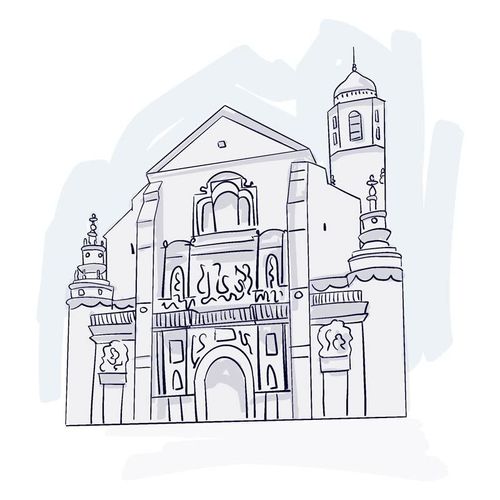
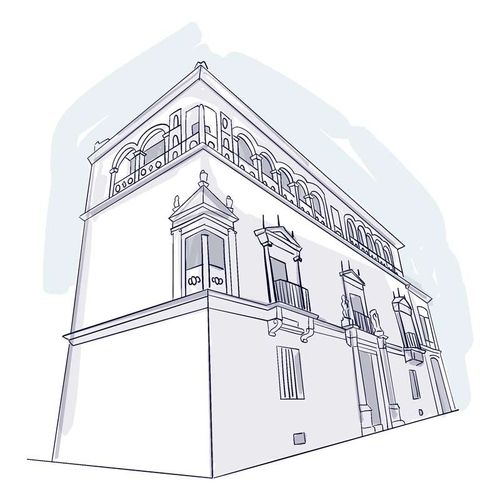
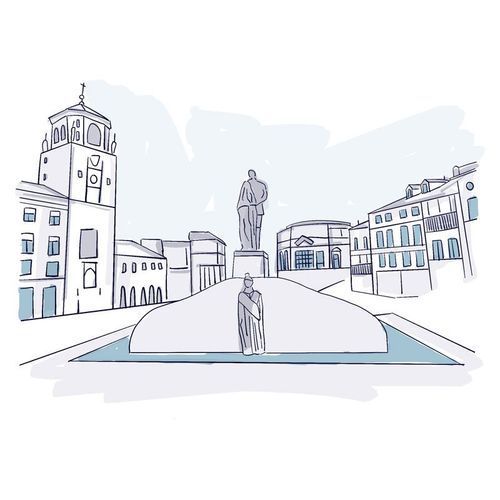
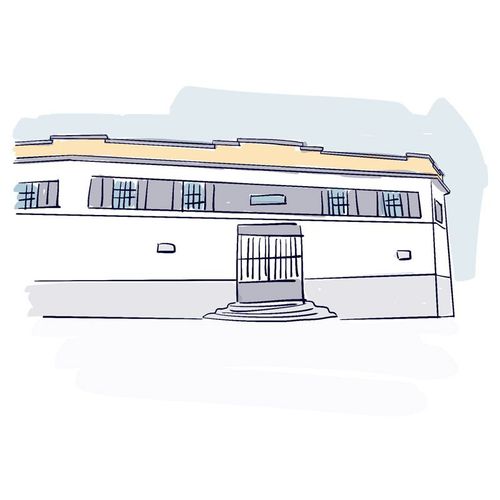
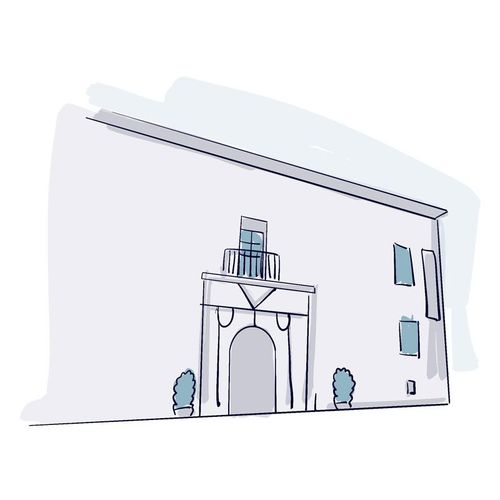
Úbeda is brimming with Renaissance marvels not to be missed. The Plaza Vázquez de Molina forms the monumental heart, with the majestic Sacra Capilla del Salvador and the Palacio de las Cadenas. The church of Santa María de los Reales Alcázares impresses with its dimensions and its blend of styles. The Palacio del Deán Ortega, now a national parador, is worth the detour for its Renaissance patio. Don't forget the Casa de las Torres with its Plateresque façade, nor the Hospital de Santiago, a masterpiece by Andrés de Vandelvira. The Ryo audioguide accompanies you in discovering these architectural gems with detailed commentary that enriches your tour. The picturesque squares and cobbled streets between these monuments also hold lovely surprises.
How do you get around Úbeda?
The historic centre of Úbeda is ideally explored on foot. The distances between the main monuments are short and the cobbled streets invite you to stroll. The town is relatively flat, which makes walking pleasant for everyone. To reach the centre from your accommodation or the bus station, you can use the local taxis, generally available and affordable. If you arrive by car, several car parks are located on the outskirts of the historic centre, as many streets in the centre are pedestrianised or have restricted traffic. The urban buses mainly serve the residential districts and are less useful for tourists. The human scale of the town means everything is accessible within a few minutes' walk from the centre.
What souvenirs should you bring back from Úbeda?
Úbeda is renowned for its traditional crafts, particularly the characteristic green pottery known as alfarería. These glazed ceramics, with geometric or floral motifs, make an authentic souvenir typical of the region. Local extra virgin olive oil is also an excellent choice, as the province of Jaén is the world's leading producer. You'll find specialist shops offering different varieties in pretty bottles. Items made of esparto grass and woven wicker, such as baskets or placemats, reflect the local know-how. Those with a sweet tooth will enjoy the ochíos, traditional pastries made with olive oil, or the virolos, typical biscuits. The craft workshops of the historic centre also offer unique pieces in leather or wrought metal.
Can you visit Úbeda and Baeza in the same day?
Visiting Úbeda and Baeza on the same day is technically possible but quite ambitious. These two Renaissance towns, about ten kilometres apart, each deserve special attention. In a single day, you'll have to settle for a quick overview of the main monuments of each town, without really being able to soak up their unique atmosphere. Ideally, you should devote at least a full half-day to each, or even a whole day if you want to visit the interiors of the monuments and take your time. If your time is really limited, focus on one of the two towns for an in-depth visit rather than rushing between the two. The Ryo audioguides offer dedicated tours for each town, helping you make the most of your visiting time.
What activities can you do around Úbeda?
The surroundings of Úbeda offer wonderful opportunities for discovery. Visiting the olive groves with an olive oil tasting is an authentic experience of this producing land. The Sierras de Cazorla, Segura y Las Villas Natural Park, about an hour's drive away, offers magnificent hikes and mountain landscapes. History lovers can explore the region's Iberian archaeological sites or visit other monumental towns such as Jaén with its Renaissance cathedral. The white villages nearby, such as Sabiote with its castle, are also worth the detour. For a relaxing day, the historic thermal springs of Canena offer a moment of relaxation. The Route of the Renaissance links several towns in the province, allowing you to discover other lesser-known architectural gems.
Why is Úbeda considered a jewel of the Renaissance?
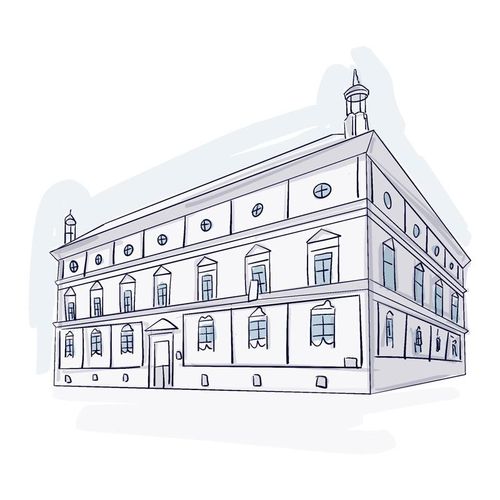
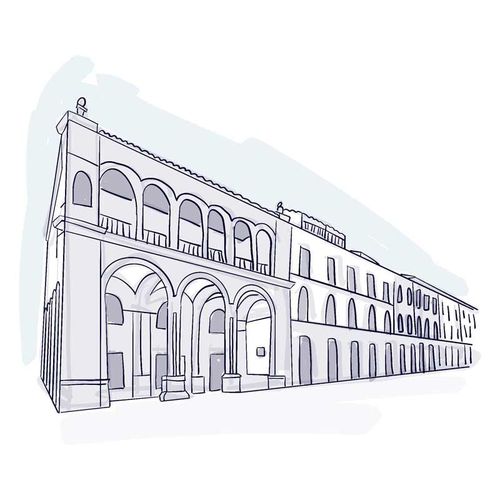
In the sixteenth century the town benefited from the fortunes of great families in the service of the crown, starting with Francisco de los Cobos, secretary to Charles the Fifth, and then his successor Juan Vázquez de Molina. They brought in the architect Andrés de Vandelvira, who designed palaces, churches and squares according to principles imported from Italy: balanced proportions, restrained façades, domes and carved portals. The result is an ensemble of rare coherence, gathered around the Plaza Vázquez de Molina, where the Chapel of the Saviour, the Palace of the Chains, now the town hall, and the basilica of Santa María answer one another. That unity, shared with neighbouring Baeza, is what earned the town its World Heritage listing. The Ryo audio guide offers a dedicated Úbeda route linking these monuments.
What is the Water Synagogue in Úbeda?
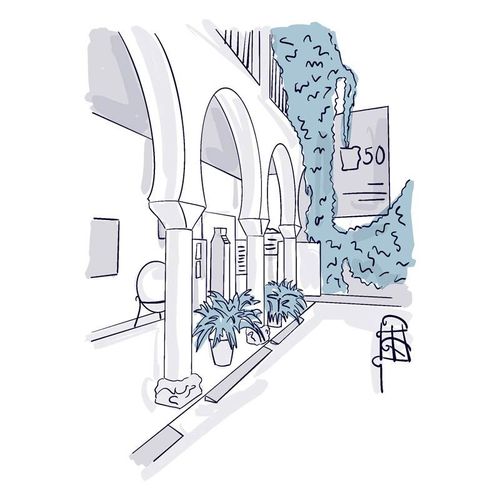
It is one of the town's most surprising visits: a medieval building identified as a former synagogue, uncovered during building work in the historic centre, beneath houses that had absorbed it over the centuries. Inside you walk through a prayer hall with stone arches, a women's gallery, cellars and above all a ritual bath fed by a spring whose water still rises to the surface, which is what gave the place its name. At certain times of year, sunlight falls straight into the pool, an effect the guides enjoy recounting. The visit is short but dense, and recalls the Jewish presence in medieval Andalusia, before the expulsions.
How do you get to Úbeda from Granada, Seville or Madrid?
Driving remains the simplest option: the town lies in the province of Jaén, in the middle of a sea of olive trees, and the roads from Granada, Córdoba or Madrid are good, with a few hours behind the wheel depending on your starting point. Coaches also connect Úbeda with the main Andalusian cities and the capital, stopping at the bus station a few minutes' walk from the monumental centre. There is no railway station in town: rail travellers get off at Linares-Baeza, a few kilometres away, then take a bus or a taxi. Once you have arrived, a vehicle becomes unnecessary, as the historic centre is entirely walkable.
Vos commentaires, idées et suggestions
Aucun avis pour le moment
