
Créé par Emilie, le 4 oct. 2026
Votre guide Ryo
Alicante, Spain
The City of Sunshine !
Parcours audioguidé pour visiter Alicante en 1 jour
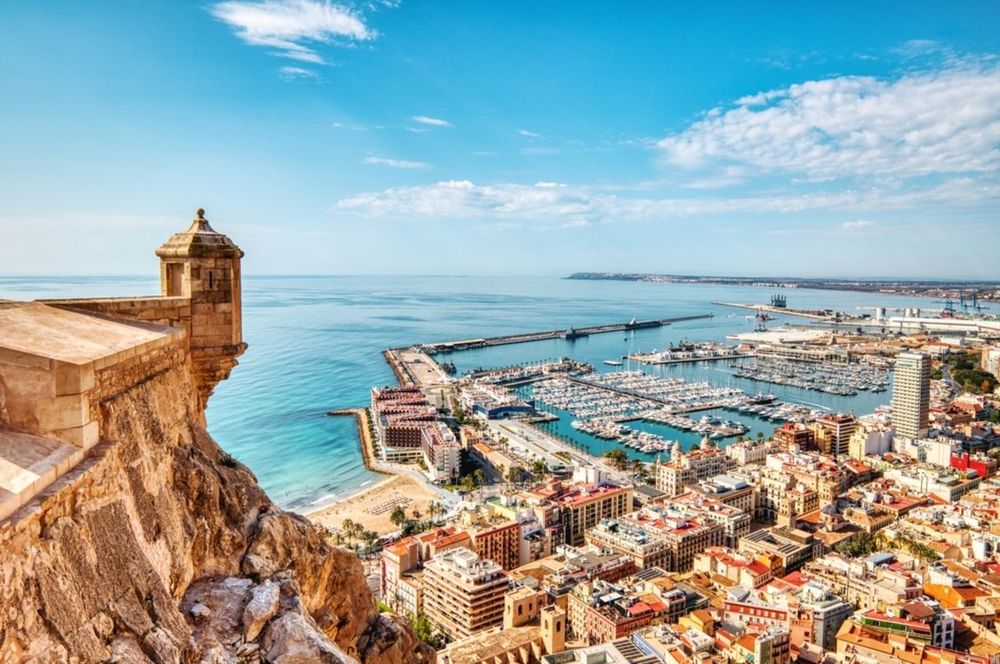
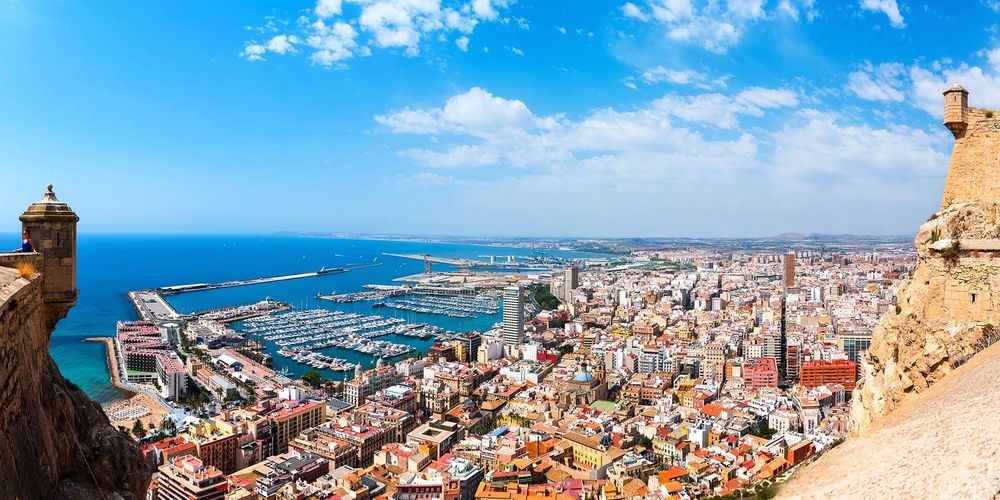
In the heart of the Costa Blanca, Alicante offers a balance between sunny beaches and a lively historic center. Dominated by its castle, the city stands out for its friendly atmosphere and Mediterranean lifestyle.
Quand partir à Alicante ?
Jan.
12°
5
Feb.
13°
4
March
15°
5
April
17°
5
May
21°
4
June
25°
2
July
28°
1
Aug.
29°
1
Sept.
26°
3
Oct.
22°
5
Nov.
17°
6
Dec.
13°
5
Alicante is one of those Mediterranean cities blessed with pleasant weather all year round, with hot summers and mild winters. Its semi-arid climate means little rainfall and exceptional sunshine — making it a perfect place to enjoy the beach even outside of peak season, and to escape the crowds that flock to the Costa Brava in July and August. May, June, September and October are all great months to visit, with temperatures still warm enough for swimming. In June and September, highs average around 27°C, and in July and August they can easily top 30°C — with temperatures expected to keep rising in the years to come.
Départ conseillé
Our tours are designed as a loop, so you can jump in wherever you are. The navigation system and audioguide will automatically adjust to your location. However, if you happen to be nearby, we do have a preferred starting point: Town Hall Square, Plaza del Ayuntamiento
Parking à proximité
InterParking Plaza del Puerto : Muelle de Levante
You can park along the streets by paying, but be aware that these spots are limited to 2 hours — or just 1 hour in residential areas marked in orange — so they’re not exactly the most convenient. There are free parking zones too, marked with white lines and located outside the historic centre. However, these spots are often already taken by locals, so finding one can be tricky. The best option is to go for a paid, supervised car park — like the one we recommended.
À savoir
Alicante’s star attraction is its castle perched high above the city, free to visit. To keep things simple, we suggest taking the paid lift, which will bring you up to the castle site for a small fee. Then you can enjoy a pleasant walk back down through Ereta Park. If you’d rather hike up, there’s also a marked trail leading to the top — we’ve indicated the access point on the map.
Découvrez 18 lieux d'intérêt pour visiter Alicante



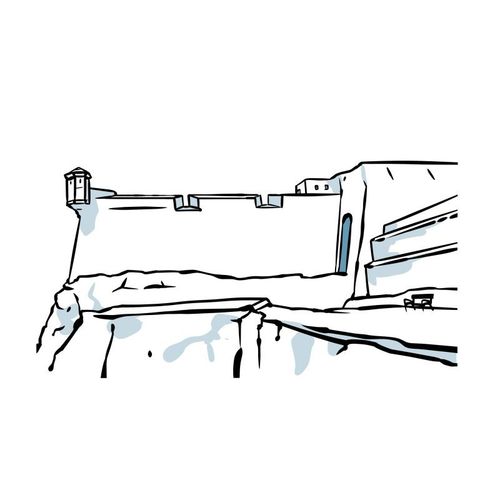




12. Palacio del Portalet






Le plein d'inspirations
Explorez le monde en totale liberté, à pied au cœur des villes ou au fil des routes. Nos guides audios transforment chaque destination en une découverte culturelle immersive et unique.




FAQ for visiting Alicante
When is the best time to visit Alicante?
Alicante enjoys an exceptional Mediterranean climate that makes it pleasant to visit all year round. The months of May, June, September and October are particularly recommended, with temperatures around 27°C and the chance to enjoy the beaches without the summer crowds. July and August remain very popular despite temperatures that often exceed 30°C. Winter is mild and sunny, ideal for exploring the city on foot even if swimming becomes cooler. The semi-arid climate guarantees very little rain and remarkable sunshine, making Alicante a perfect destination for escaping the grey skies, whatever season you choose.
How many days do you need to visit Alicante?
Two to three days are generally enough to discover the essentials of Alicante. Over a weekend, you'll have time to explore the historic centre, climb up to Santa Barbara Castle, stroll along the Explanada de España and enjoy an afternoon at the beach. With three days, you can deepen your visit by discovering the less touristy districts, visit a few museums and even take an excursion into the surroundings. If you really want to make the most of the Mediterranean pace of life and alternate cultural visits with moments of relaxation on the beaches, four to five days will let you fully savour the Alicante atmosphere without rushing.
How do you get around Alicante?
Alicante's town centre is compact and easy to visit on foot, which remains the best way to discover its charm. For longer distances, the modern tram efficiently serves the main districts and the beaches as far as El Campello and Benidorm. The urban buses complement the network well, especially for reaching the more distant beaches. The self-service bikes are handy for riding along the seafront. Taxis remain affordable for occasional journeys. If you arrive at the airport, the C6 bus takes you directly to the town centre. To explore the surroundings, renting a car can be worthwhile, but it isn't necessary to enjoy the city itself.
Where are the best beaches in Alicante?
The Playa del Postiguet, at the foot of the historic centre, remains the most accessible and lively, with its chiringuitos and its view of the castle. For more peace and quiet, head to the Playa de San Juan, a long stretch of fine sand to the north of the city, very popular with families. The Playa de la Albufereta, smaller and more sheltered, offers calm waters ideal for swimming. The rocky coves of the Cabo de las Huertas will appeal to snorkelling enthusiasts. Further south, the beaches of El Saladar and Agua Amarga remain wilder. All these beaches are easily reachable by public transport and generally offer all the necessary services during the summer season.
What are the must-see sights in Alicante?
Santa Barbara Castle majestically dominates the city and offers spectacular views over the bay. The historic Barrio de Santa Cruz, with its colourful houses and flower-filled lanes, deserves a thorough exploration. The Explanada de España, a famous palm-lined promenade bordered by undulating mosaics, captures the Mediterranean essence of the city. Don't miss the Basilica of Santa María, the oldest church in Alicante, and the central market for an immersion in local life. The port and its modern marina contrast beautifully with the old districts. To discover these sites in an enriching way, the Ryo audioguide offers narrated routes that reveal the history and secrets of each emblematic place.
How do you get up to Santa Barbara Castle?
Several options are available for reaching this castle perched at more than 160 metres above sea level. The lift carved into the rock, accessible from the Postiguet beach, remains the most comfortable and fastest way. The entrance is opposite the beach, and the ascent already offers unique sensations. For the more sporty, several paths let you walk up from the town centre, notably from the Ereta park, which offers a gradual route with rest areas. By car, you can reach the car park located near the castle's main entrance. The climb on foot generally takes between twenty and thirty minutes depending on your pace and the path you choose.
Where should you eat in Alicante and what are the local specialities?
Alicante gastronomy celebrates the produce of the sea and of the local huerta. The restaurants of the Barrio de Santa Cruz and around the central market offer authentic cuisine. Don't miss the Alicante paella, different from the Valencian one as it contains rabbit and snails. Rice dishes such as arroz a banda or caldero are must-tries. Turrón, a sweet speciality made with almonds, remains emblematic of the region. For an aperitif, taste the local tapas accompanied by a glass of mistela. The beach chiringuitos serve excellent grilled fish in a relaxed atmosphere. Spanish schedules apply: lunch around 2–3 pm and dinner rarely before 9 pm.
Is Alicante a safe city for tourists?
Alicante is generally regarded as a safe destination for tourists. The city enjoys a relaxed and welcoming atmosphere, typical of the Costa Blanca. As in any tourist destination, stay alert in very busy areas, particularly on the beaches and on public transport where pickpockets may operate. The historic centre and the tourist districts are well lit and lively in the evening. The people of Alicante are known for their hospitality and are happy to help visitors. The local police are present and responsive. Simply take the usual precautions: keep an eye on your belongings, avoid displaying valuables and favour official taxis for your night-time journeys.
Is Alicante worth it for a short stay?
Yes, provided you do not reduce it to a gateway to the Costa Blanca. The city combines a lively historic centre, the Santa Cruz district with its whitewashed houses clinging to the hill, a long tiled promenade along the port and a city beach you can reach on foot. The castle of Santa Bárbara looms above it all and offers a panorama that alone justifies the climb.
Add to that a very Spanish neighbourhood life, covered markets, terraces open late and a mild climate for much of the year. A short stay is enough to see it without rushing, while keeping time for the surrounding area. The Ryo audio guide offers a dedicated Alicante route linking the old centre, the port and the heights.
How do you visit the island of Tabarca from Alicante?
Tabarca is the only inhabited island in the Valencian Community, a former corsairs' haunt fortified in the eighteenth century. You reach it by boat from the port of Alicante, with more crossings in summer than in winter, a season when the service is greatly reduced and depends on the weather.
Once there, everything is done on foot: the small walled town, its monumental gates, the church and the white lanes on one side, and the flat, rocky part on the other, edged with clear water protected by a marine reserve. The island's restaurants are known for caldero, a slow-cooked fish rice. Bring shade and water, as trees are scarce, and check the time of the last return before wandering far.
Vos commentaires, idées et suggestions
Aucun avis pour le moment