© Shutterstock
 Votre guide Ryo
Visit Alicante in 3 Days: Complete Itinerary, Day Trips and Tips for 2026
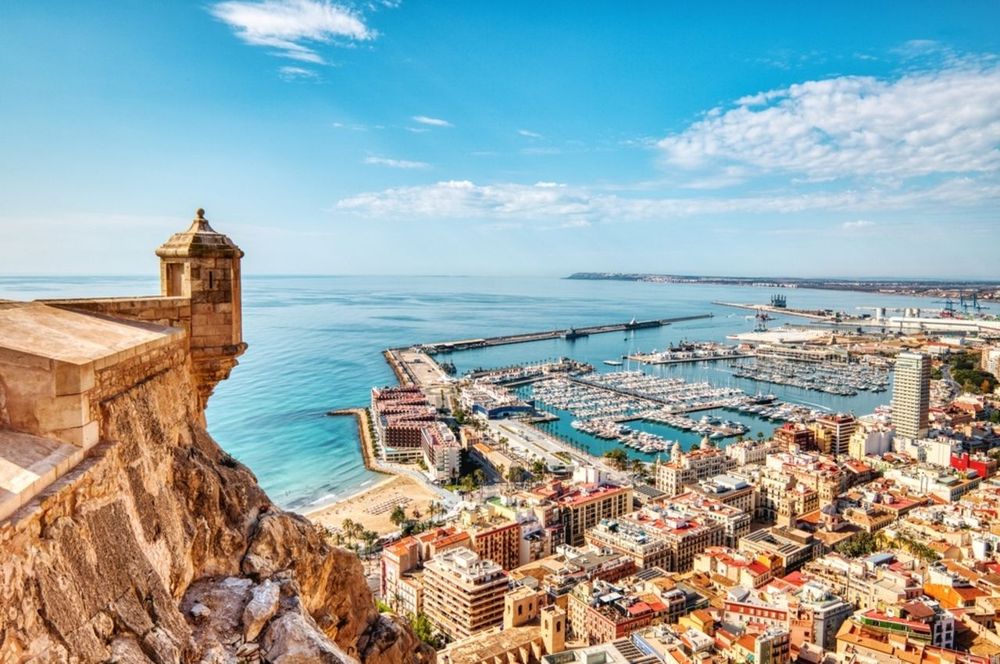
The dry heat of Spain's Levante hits you as soon as you leave the airport, and yet Alicante is far less crowded than Valencia or Barcelona on the same coast. Visiting Alicante in 3 days lets you combine a castle perched 166 meters above the city, an old town with painted façades, an urban beach at the foot of the ramparts and, an hour away by boat, an inhabited island surrounded by a marine reserve. To lay the groundwork for your stay from the very first evening, the Ryo audio-guided tour of Alicante already covers the essentials of the historic center, from Santa Bárbara Castle to the port.
In three days, the program leaves time to go up to the castle by panoramic elevator or through the Ereta park, to get lost in the colorful alleys of Santa Cruz, to compare the collections of the MARQ and the MACA, to swim facing the city center at Postiguet beach, and then to reach Tabarca, the only inhabited island in the entire Valencian Community. This guide details a day-by-day itinerary, ideas for excursions in the hinterland and on the Costa Blanca, as well as practical information (transport, budget, weather, safety) to plan your stay without unpleasant surprises.
Why Alicante Deserves a 3-Day Getaway
Founded by the Greeks under the name Akra Leuké before becoming Lucentum under the Romans, Alicante is today the economic capital of the Costa Blanca, with around 350,000 inhabitants. The city enjoys one of the mildest climates in continental Europe, claiming more than 300 days of sunshine a year, which explains its nickname "the City of the Sun," which is also used by one of the Ryo audio itineraries dedicated to the historic center.
Three days are enough to cover the essentials without rushing: one day for the heritage of the center, one for the museums and the beach, and a last one for an excursion out to sea or into the hinterland. With less time, you would have to choose between the castle and the island of Tabarca; with more, this article offers additional ideas around Elche, Murcia or the Costa Blanca to extend your stay. The city itself is explored on foot: the historic center fits in a handkerchief, between the Benacantil hill and the port.
The appeal of Alicante lies precisely in this constant contrast between medieval fortress, modernist façades and urban beaches a stone's throw from café terraces. In ten minutes you go from a 16th-century rampart to a towel laid on the sand, then from a contemporary art museum to a market counter where you are served a plate of fried fish. A compact format that makes it a destination as suited to a long weekend as to a first stop before exploring the Costa Blanca.
Day 1: Santa Bárbara Castle, Santa Cruz and the Seafront
Santa Bárbara Castle and the Ereta Park
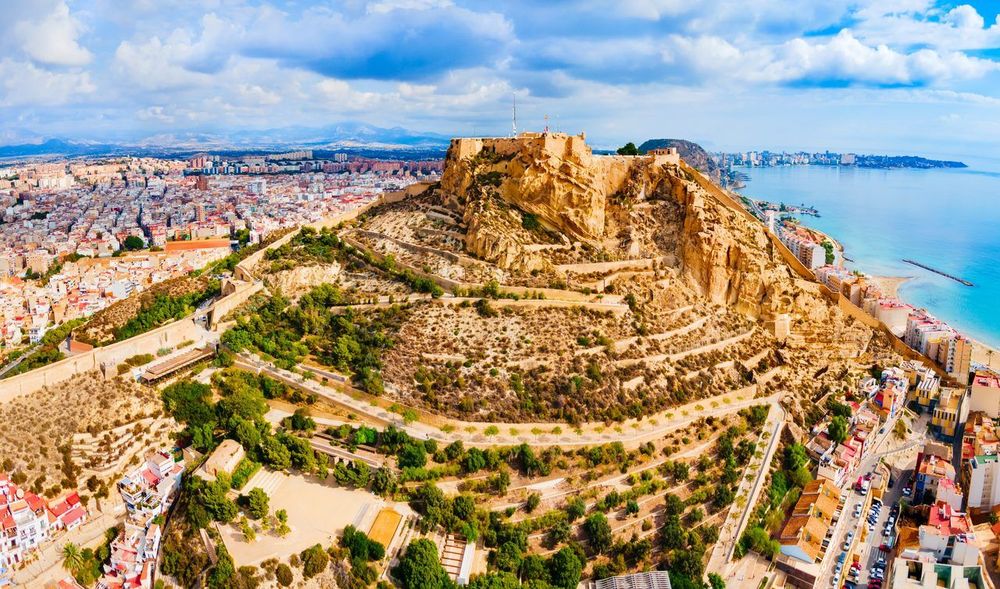
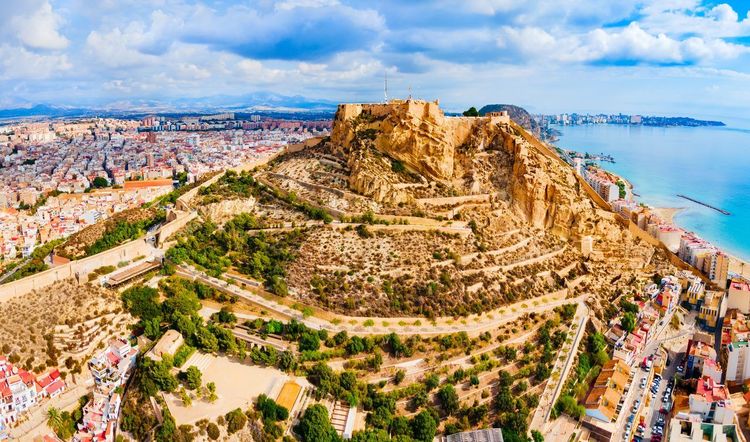
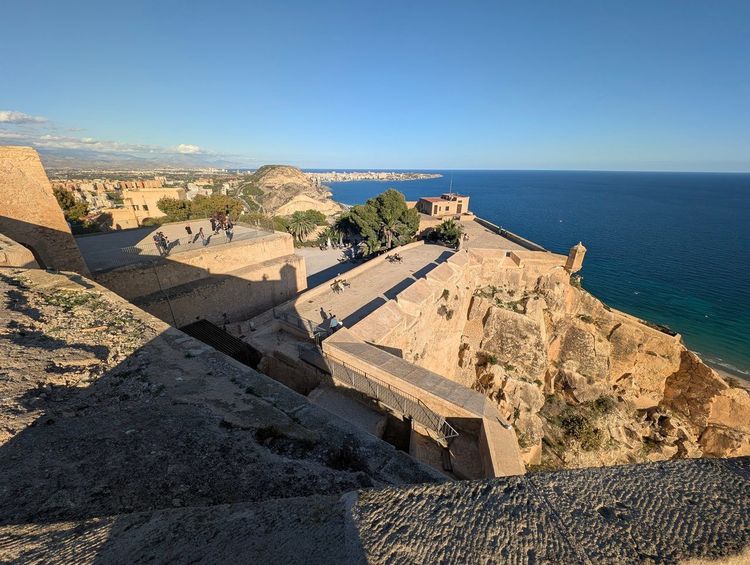
Perched 166 meters above sea level on Mount Benacantil, Santa Bárbara Castle overlooks the whole bay of Alicante. The first fortifications date back to the 9th century under Muslim rule, but most of what you can visit today dates from the 16th to 18th centuries, when the Spanish crown strengthened its defenses against Barbary attacks. Entry to the castle is free; only the panoramic elevator carved into the rock, whose entrance is opposite Postiguet beach, is paid (2.70 euros).
Allow a good hour and a half for the visit if you go up early, before the sun beats down on the white stone. Three levels follow one another, from the lowest rampart reserved for events to the summit platform, where the view stretches to the island of Tabarca on a clear day. For the descent, take the path that crosses the Ereta Park, a contemporary terraced garden laid out on the hillside, with a restaurant perched above and benches in the shade of pine trees.
In June, the sunset turns the castle's stone orange before the port lights come on one by one: one of the best reasons to go up at the end of the day rather than in the midday heat.
Santa Cruz Quarter and the Old Town (El Barrio)
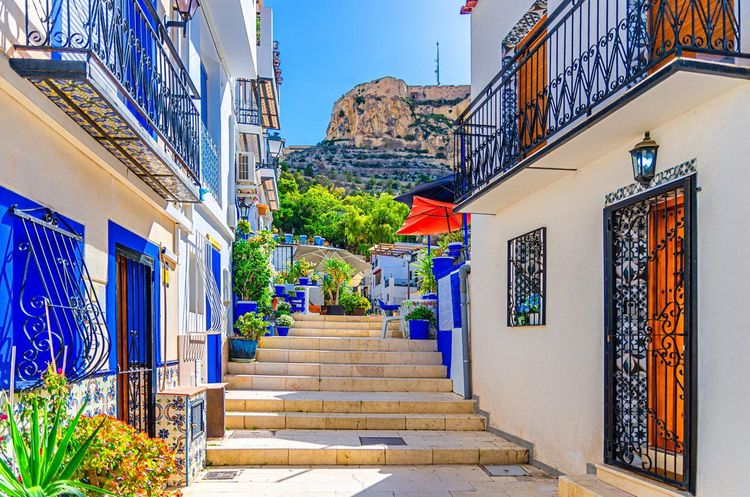
On the way back down to the center, the Santa Cruz quarter tiers its white façades and geranium pots up the slopes of Benacantil. Ranked among the most photogenic in the city, this part of the old town (El Barrio) has kept a layout of narrow alleys inherited from the Muslim era, dotted with flower-lined stairways and painted ceramics.
Several small squares punctuate the walk: Plaza del Carmen, Plaza de la Santísima Faz, or a tiny viewpoint built against the ramparts, where a few bar tables are enough to turn a break into a special moment. When evening comes, El Barrio changes character: its tapas bars and terraces become the heart of Alicante's nightlife.
It is best to explore Santa Cruz in late morning or late afternoon: the very narrow alleys heat up quickly and offer little shade between 1 and 5 p.m. in summer.
San Nicolás Co-Cathedral, Santa María Basilica and the Central Market
At the exit of Santa Cruz, the San Nicolás de Bari Co-Cathedral stands on the site of a former mosque. Built between 1616 and 1662 in a rather sober Renaissance style on the outside, it houses a cloister where traces of an earlier 15th-century building remain, and a dome about 45 meters high.
Just a few steps away, Santa María Basilica is the oldest church in the city, built in the 14th century on the foundations of a mosque, in a Valencian Gothic style later completed by a Baroque façade. The rather dark interior contrasts with the whiteness of the square surrounding it.
For lunch or simply to stroll, the central market (Mercado Central), a modernist building inaugurated in 1921, brings together dozens of stalls selling fish, cured meats and fruit on two levels. It closes around 2:30 p.m. on weekdays, so it is better to stop by in late morning if you plan to try the fried fish tapas sold by some stands.
Explanada de España and the Port of Alicante
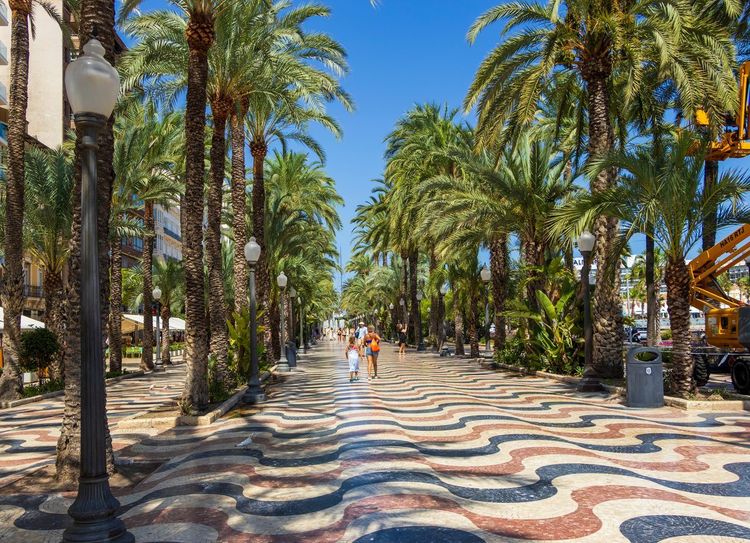
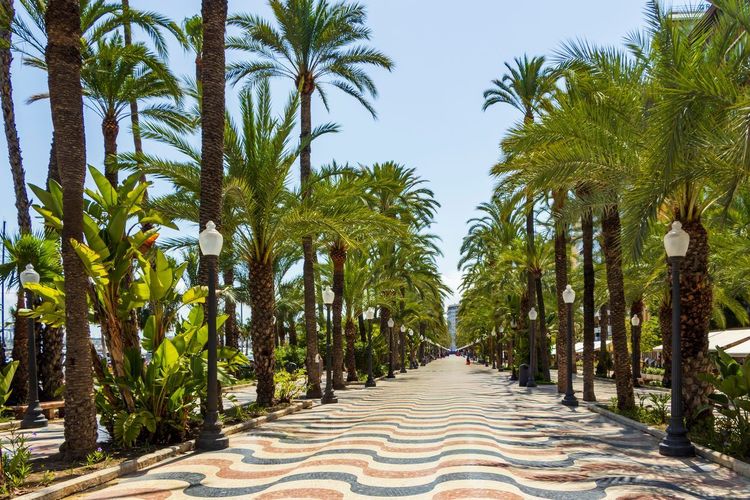
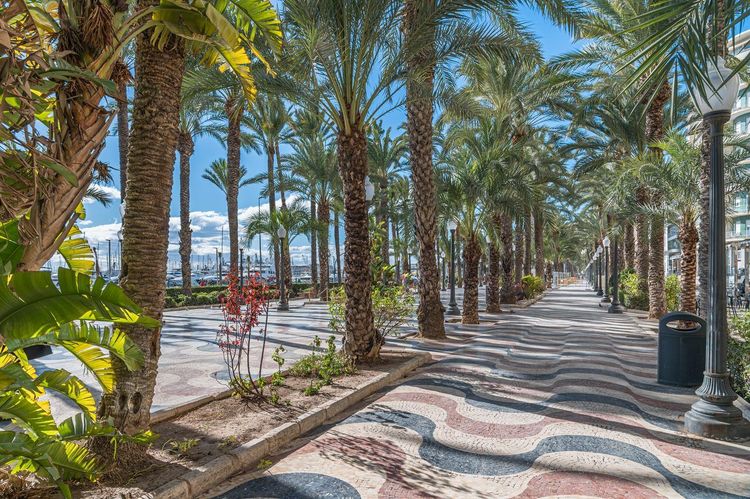
The walk logically ends on the Explanada de España (03001 Alicante, rated 4.6/5 on Google from 25K reviews), an esplanade about 500 meters long paved with more than 6 million marble tesserae forming waves, and planted with century-old palm trees. It is where the city gathers at the end of the day, among café terraces, street musicians and craft vendors.
Right next to it, the port of Alicante combines a marina, ferries to the Balearic Islands and a few seafood restaurants with terraces, an option for dinner with a view of the boats or to extend the evening in one of the lively bars of the neighborhood. If you would rather be guided than wander randomly between the alleys, the Ryo audio-guided tour The City of the Sun links Santa Bárbara Castle, Santa Cruz and the Explanada in 17 audio stops over about 2.5 hours and 6.3 km, a format that fits this first day almost exactly.
Day 2: Museums, Postiguet Beach and Local Life
MARQ and MACA: The Must-See Museums of the Center
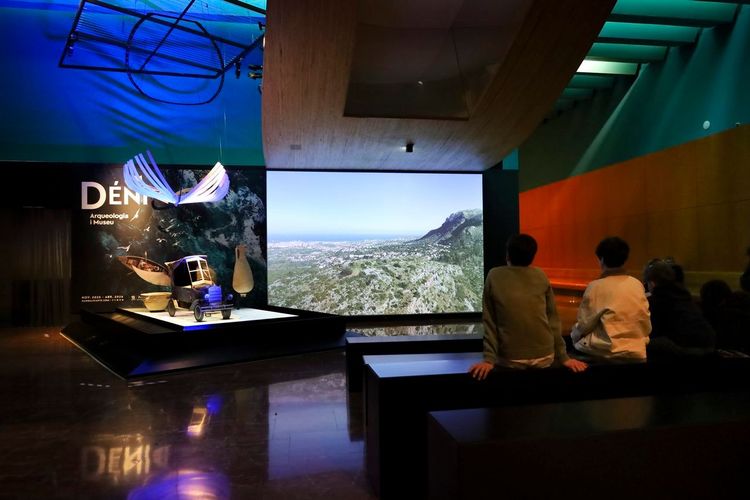
Housed in the former San Juan de Dios hospital, the MARQ (provincial archaeological museum) won the European Museum of the Year award in 2004 for its immersive scenography: reconstructed excavations, Iberian culture and a Roman collection from the Lucentum site, near Albufereta beach. Allow about 1.5 hours for the full visit, with an entrance ticket of around 3 euros.
A few meters from Santa María Basilica, the MACA (contemporary art museum) occupies the former Casa de la Asegurada, the oldest civil building in the city. Its collection brings together Picasso, Miró, Dalí and Chillida over three floors, with free entry all year round, making it one of the best value-for-time stops in the historic center.
If you want to go further, three other collections complete the picture without requiring half a day each: the Gravina Fine Arts Museum (MUBAG), devoted to Alicante and Valencian painting from the 16th to the 20th century; the Fogueres Museum, which traces the Saint John's bonfire festival through ninots (satirical figures) spared from the flames; and the nativity scene museum (Museo de los Belenes), a curiosity bringing together hundreds of nativity figurines from around the world in an old mansion. The first two are free, the third is modestly priced, and all of them can be visited in a combined hour if time is short.
All of them generally close on Mondays, a detail to check before planning your second day if you arrive on a long weekend.
Postiguet Beach and Swimming in the City
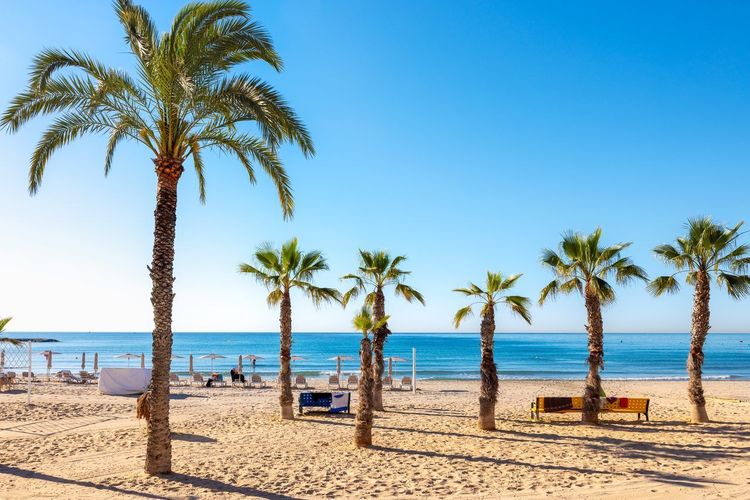
Five minutes on foot from the Explanada, Postiguet Beach stretches for about 900 meters of fine sand directly beneath Santa Bárbara Castle. Regularly awarded the Blue Flag, it has showers, lifeguard stations and accessible facilities for people with reduced mobility in season.
If you are looking for more peace and quiet, the beaches of Albufereta and San Juan, 10-20 minutes by tram from the center, offer more space in high season: San Juan alone stretches over about 7 km of sand. Both are reached by the tram lines that run along the coast to the north.
In the middle of August, swimming facing the castle right after lunch, while the city takes its siesta, remains one of the most pleasant moments of the stay, with almost nobody around.
The Centro Quarter, Plaza Gabriel Miró and Shopping
The Centro quarter, between the Explanada and Avenida Maisonnave, concentrates most of the shops and major Spanish chains. Plaza Gabriel Miró, shaded by giant ficus trees and lined with early 20th-century buildings, serves as a crossing point between the central market and the seafront.
Nearby, the Mushroom Street (Calle San Francisco) owes its nickname to the giant mushroom sculptures installed in 2014 on the pedestrian roadway: children climb on them, adults settle at the neighboring terraces, and it is one of the most photographed settings in Alicante.
For shopping, Calle Castaños and Avenida Maisonnave gather the classic chains, while small independent shops are tucked away around Santa Cruz and Calle Mayor. The Ryo audio-guided tour also passes back through the museums and the seafront with a different anecdote at each stop, a way to vary the rhythm between the first two days without seeing everything twice.
Day 3: Tabarca Island or a Hinterland Escape
Tabarca Island: Marine Reserve and Boat Crossing
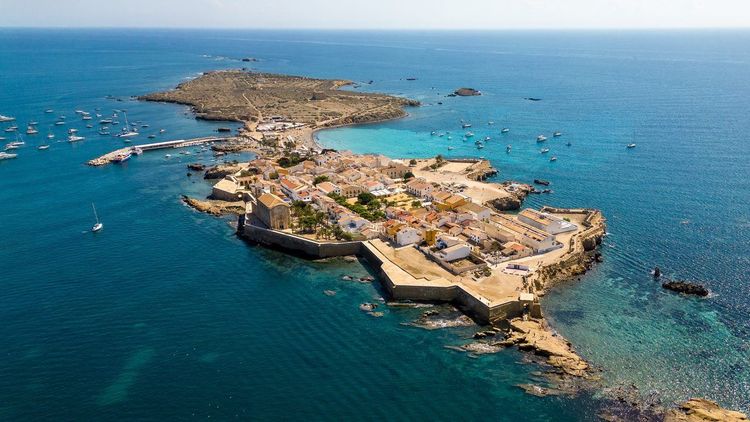
One hour by boat off the coast of Alicante, the island of Tabarca is the only inhabited island in the entire Valencian Community, with around fifty permanent residents. Fortified in the 18th century on the orders of Charles III to house families of Genoese origin ransomed from captivity in Tunisia, it has kept its ramparts, its small Baroque church and a grid-like street plan that is rather surprising for a territory barely 1.8 km long.
The waters surrounding it form the first marine reserve created in Spain, in 1986, with biodiversity well preserved enough to attract divers and snorkelers around the Posidonia seagrass meadows. The particularly clear water often lets you see the bottom without a mask from the first few meters.
Boats leave mainly from the port of Alicante (about 1 hour of crossing, around 25-30 euros round trip depending on the company) or from Santa Pola, which is faster (20-25 minutes). In high season, book the day before: departures fill up quickly in July-August, and the last evening boat is often full by mid-afternoon.
Once there, allow half a day to walk around the island, have lunch with a caldero (rice with local fish) in one of the harbor restaurants, then swim from the rocks before taking the boat back. No cars circulate on the island: everything is done on foot, making it a restful stop after two more urban days.
Inland Alternative: Guadalest, Canelobre Caves and Altea
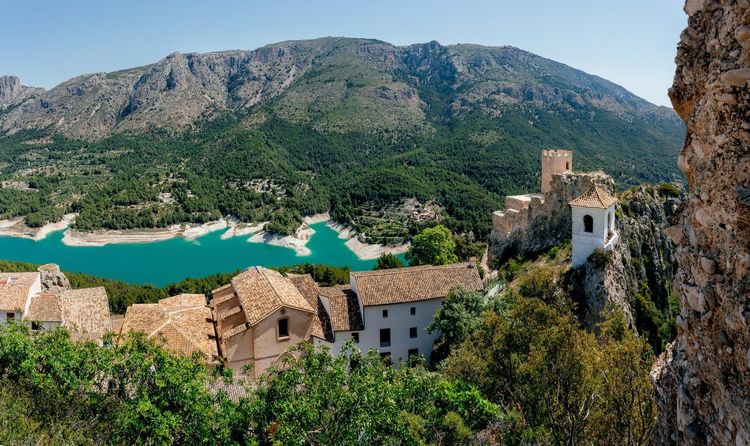
Do you prefer the hinterland to the sea? The village of Guadalest, an hour's drive north of Alicante, clings to a rocky outcrop around the ruins of San José Castle. Ranked among the most beautiful villages in Spain, it can be visited in 2 to 3 hours, among cobbled alleys, quirky little museums and a sweeping view of the turquoise reservoir below.
Halfway there, the Canelobre caves, near Busot, are among the tallest visitable caverns in Spain, with a main vault of about 70 meters. The temperature remains cool and constant all year round, a welcome break in the middle of summer, and concerts are held there on certain evenings thanks to the exceptional acoustics of the site.
On the way back, Altea (03590 Altea, Alicante, rated 4.6/5 on Google from 9K reviews) is worth a detour for its white old town topped by a church with blue ceramic domes, perched on a hill facing the Mediterranean. The atmosphere, more artistic and calmer than neighboring Benidorm, has long attracted painters and ceramists.
These three stops can be combined into a full day by car (rental recommended, around 150 km round trip), but rarely by public transport. Before choosing between the sea and the road, note that the Ryo audio guide lets you complete the historic center of Alicante in one morning thanks to its 17 stops, leaving the afternoon free for one or the other of these options.
Extending Your Stay: Around Alicante
Elche, Murcia and the Turrón Museum in Jijona
About thirty minutes by train from Alicante, Elche is home to the largest palm grove in Europe, with around 200,000 palm trees dating back to antiquity, listed as a UNESCO World Heritage Site in 2000. The Municipal Park and the Huerto del Cura, a botanical garden home to the famous seven-branched imperial palm, can be visited in half a day from Alicante.
A little further on, Murcia, capital of the neighboring region, is reached in about 1h15 by regional train. Its Baroque cathedral, its 19th-century casino and its tapas bars around Plaza de las Flores make it a day trip for those staying more than 3 days in the area.
Finally, the village of Jijona, about thirty minutes to the north, is home to the turrón museum housed in a factory, where the making of this confection of almonds and honey, which has made the whole province famous, is retraced, with a tasting at the end.
Villages and Resorts of the Costa Blanca: Villajoyosa, Benidorm, Altea, Santa Pola, Torrevieja
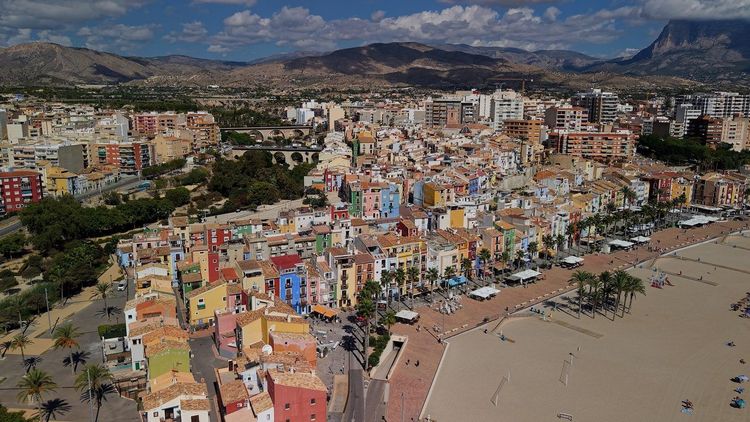
On the coast to the north, La Vilajoyosa in Valencian) lines up fishermen's houses painted in bright colors, a tradition that once allowed sailors to spot their homes from out at sea. The town is also a chocolate capital: the Valor factory opens a museum there with a tour and tasting. Ten minutes or so away, Benidorm (03501 Benidorm, Alicante, rated 4.3/5 on Google from 30K reviews) embraces, by contrast, its profile as a vertical seaside resort, with its skyscrapers and two huge beaches, a total contrast with the historic center of Alicante.
To the south, the port of Santa Pola mainly serves as an alternative departure point for the island of Tabarca, with a shorter crossing than from Alicante. Further still, Torrevieja is known for its pink lagoon, whose salt pans attract flamingos for a good part of the year.
Altea, already mentioned for the hinterland, can be reached without a car via line 9 of the Alicante TRAM, which also serves La Vilajoyosa and Benidorm: a way to combine several of these stops in the same day.
How to Get to Alicante and Get Around
Plane, Train or Car: Getting to Alicante
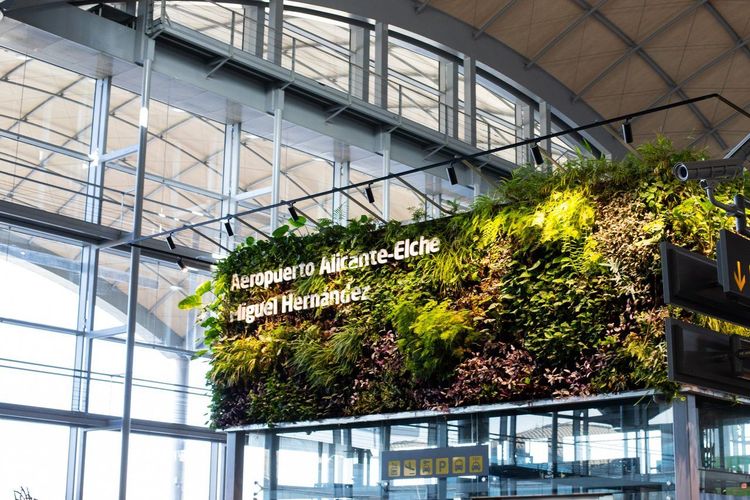
The Alicante-Elche Airport (ALC), one of the busiest in Spain, receives direct flights from many French cities (Paris, Lyon, Marseille, Nantes) in 1h45 to 2h of flight time, with low-cost airlines such as Vueling, Ryanair or easyJet depending on the season.
By train, the high-speed line connects Madrid to Alicante in about 2h15-2h30. From France, you generally have to change in Madrid or Barcelona, for a total journey of 8 to 10 hours, to be booked mostly for the stopover itself rather than for speed.
By car from the French border, allow about 7 to 8 hours of driving via Barcelona and Valencia on the AP-7 motorway, a trip that lends itself well to an overnight stop near Valencia. Long-distance carpooling is also an option between Madrid, Valencia and Alicante, often cheaper than the train.
From the Airport to the City Center
From the airport, bus line C-6 reaches the center of Alicante in 30 to 40 minutes, for around 5 euros. A taxi costs 20-25 euros and takes 15 to 20 minutes depending on traffic.
If you arrive late in the evening, opt for a taxi: C-6 buses become less frequent late at night.
Parking and Getting Around Alicante
The historic center can be explored entirely on foot, and it is in fact the best way to link the castle, Santa Cruz and the seafront without wasting time on parking. If you rent a car for the third-day excursions, several underground car parks in the center (Plaza de los Luceros, Mercado Central) charge around 18-20 euros per day.
For the more distant beaches or the Costa Blanca, the TRAM d'Alacant network complements the city buses at a good price. Do you need a car to visit Alicante? Not for the first two days, but it becomes useful as soon as you want to combine Guadalest, the Canelobre caves and Altea in a single day.
Where to Stay in Alicante: Neighborhoods and Hotel Picks
The Centro quarter, around Plaza Gabriel Miró and Avenida Maisonnave, concentrates most of the mid-range and high-end hotels, within walking distance of everything: Explanada, central market, train station. It is the most practical choice for a first stay, especially if you do not plan to rent a car.
Staying in the Santa Cruz and San Roque quarters, on the heights, offers more charm (old houses, views of the castle) but involves a few sloping streets and fewer options for an early breakfast. Accommodation there is often apartments or small guesthouses rather than large hotel chains.
To wake up with a view of the beach, aim for the seafront hotels along Avenida Méndez Núñez facing Postiguet: you can go down for a swim before breakfast. It is also the liveliest area in the evening, with more noise on some summer weekends.
Whichever neighborhood you choose, once your bags are down, the Ryo audio-guided tour lets you take in the center's must-sees from the very first evening, with no reservation to make and no ticket to buy in advance. The Ryo article on the best activities in Alicante is a useful complement to this selection for anyone looking for more ideas for outings.
Where to Eat in Alicante and What to Bring Back: Local Specialties
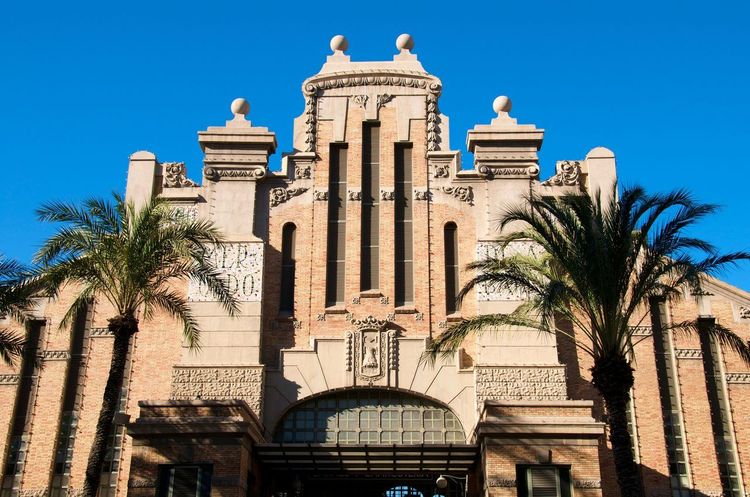
Central Market and Good Addresses in the Center
For breakfast, the cafés around Plaza Gabriel Miró and the central market serve a tostada con tomate with a café con leche for 3 to 5 euros, a combination widely adopted by locals before 10 a.m.
For lunch and dinner, the small places around Santa Cruz and Calle San Francisco offer set menus of around 12-15 euros, often cheaper and just as generous as the tourist restaurants of the Explanada. The central market itself hosts a few counters where you can enjoy tapas and fried fish on the go, on weekdays.
Specialties to Taste and Souvenirs to Bring Back (Turrón, Rice, Wine)
As for specialties, arroz a banda (rice cooked in fish broth, served without the pieces) and fideuà (a variant made with vermicelli) are two must-tries that are far more typical of the region than a classic paella, which is often reserved for tables of at least two people in traditional restaurants.
For souvenirs, turrón from Jijona (soft) and Alicante turrón (hard, with whole almonds) remain the classics, available all year round in the grocery stores of the center and not just at Christmas. A bottle from the Alicante DOP appellation, often based on monastrell, or a fondillón, the province's historic sweet wine, rounds out the selection nicely if you have room in your suitcase.
The central market remains the best place to buy these products at local prices, away from the tourist shops of the Explanada.
When to Go and How Many Days to Plan in Alicante
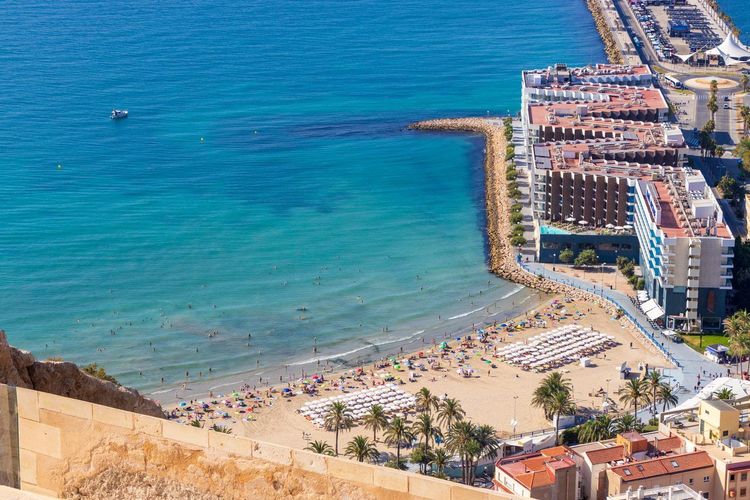
With more than 300 days of sunshine a year and daytime highs that rarely fall below 15°C in winter, Alicante can be visited all year round. Summer (June to September) is the high season, with peaks of 32-34°C in August and maximum crowds on Postiguet beach and on the boats to Tabarca.
Spring (April-May) and early autumn (September-October) offer the best compromise: 22-26°C, a sea still warm enough for swimming until the end of October, and much shorter queues at the castle or the MARQ.
If your dates are flexible, aim for the week of June 20 to 24: the Hogueras de San Juan (Fogueres de Sant Joan), the city's main festival, erect dozens of papier-mâché monuments in the streets before burning them on the night of the Cremà, on June 24, under fireworks launched from the castle. Book your accommodation very early: the city is fully booked.
How many days do you need to visit Alicante? One day is enough for a condensed overview of the castle, Santa Cruz and the Explanada if you are on a stopover. Two days allow you to add the museums and the beach. Three days, as in this itinerary, leave room for Tabarca or a hinterland excursion. From four or five days, you can combine several excursions (Guadalest AND Tabarca, for example) or go as far as Elche and Murcia without coming back exhausted.
Practical Alicante: Budget, Safety, Language and Good to Know
Safety, Budget and Language on the Ground
Is Alicante a dangerous city? No: it is among the Spanish cities considered safe for visitors, with petty crime essentially limited to pickpocketing in very touristy areas (Explanada, market) in high season. The usual precautions (closed bag, no phone on display) are more than enough.
In terms of budget, expect around 70 to 100 euros per day per person at mid-range level (3-star hotel, two restaurant meals, one excursion), and more like 40-50 euros when traveling on a tighter budget (hostel, market, free museums). Local transport (bus, tram) remains inexpensive, and a family of four can aim for a daily budget close to 200 euros when staying in an apartment.
What language is spoken in Alicante? Spanish (Castilian) and Valencian, a variant of Catalan, coexist on signs and in administration, but Castilian largely dominates in everyday exchanges. English remains limited outside the tourist areas of the center and the seafront.
What to Do in Alicante for Free
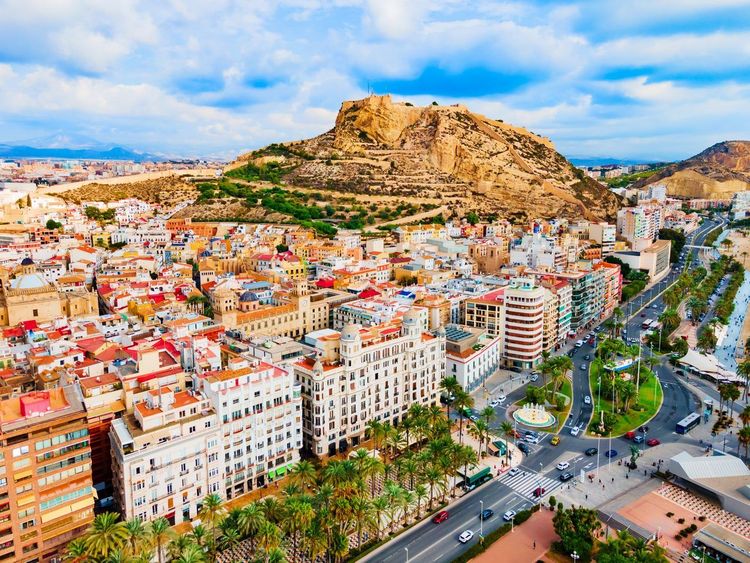
Good news for your budget: a large part of this itinerary costs nothing. Entry to Santa Bárbara Castle is free if you walk up through the Ereta park, as is the stroll through Santa Cruz, the Explanada and the beaches. On the cultural side, the MACA, the MUBAG and the Fogueres Museum are free, and both the co-cathedral and Santa María Basilica can be visited outside of services. In summer, open-air concerts and the Hogueras fireworks complete this program without spending a euro.
Children, Disability and Rainy Days
What to do in Alicante with children? Postiguet beach, the castle accessible by elevator, the giant mushrooms of Calle San Francisco and the museums of the center (MACA, MARQ with its educational workshops) make up a program that is easy to combine in a single day, without complicated transport.
Visiting Alicante with a disability is generally made easier by a flat city center around the Explanada and the seafront, even though some alleys in Santa Cruz remain steep and cobbled. The castle is accessible by elevator, but not all of the upper ramparts.
What to do in Alicante when it rains? The museums of the center (MARQ, MACA, MUBAG) are enough to fill an entire day indoors. And if you hesitate between the two neighboring destinations: Alicante is all about the sea and coastal heritage, while Murcia, more inland, stands out for its market-garden cuisine and Baroque architecture, two atmospheres different enough not to really compete with each other.



FAQ
How many days do you need to visit Alicante?
Three days cover the essentials: the historic center and the castle on the first day, the museums and the beach on the second, and a day trip (Tabarca or the hinterland) on the third. A one-day stay is possible in a condensed version, and five days allow you to add Elche or Murcia without rushing.
Is Alicante a dangerous city?
No, Alicante is considered one of the safer Spanish cities for visitors. The main risk is pickpocketing in busy areas during high season, as in any Mediterranean tourist city.
What budget should you plan for 3 days in Alicante?
Budget between 200 and 350 euros per person for three days at mid-range level (hotel, meals, one excursion such as Tabarca), excluding flights. A tighter budget of around 150 euros is possible by relying on the central market and free museums.
Do you need a car to visit Alicante?
Not for the first two days: the center can be explored entirely on foot. A car becomes useful on the third day if you choose the hinterland (Guadalest, Canelobre caves) rather than the island of Tabarca, which is reached by boat.
What language is spoken in Alicante?
Spanish (Castilian) dominates in exchanges with visitors, alongside Valencian, which appears on official signage. English remains limited outside the tourist center and the seafront.
What can you do in Alicante when it rains?
The museums in the center (MARQ, MACA, MUBAG, Fogueres Museum) let you spend a whole day indoors on a minimal budget, and the covered central market is another option for strolling in the dry.
Is Alicante really worth it?
Yes, for anyone looking for a compact format combining heritage and easy excursions (island, mountains, another city) without the crowds of Barcelona or Valencia. It is also a good base for exploring the whole Costa Blanca.
Three days in Alicante are enough to take in atmospheres that seem to belong to different cities: the white stone of Santa Bárbara Castle, the colorful alleys of Santa Cruz, the sand of Postiguet and the deep blue surrounding the island of Tabarca. It is this variety, more than the size of the city, that justifies lingering beyond a simple stopover.
To plan the first day without a second thought, the Ryo audio guide to Alicante is the simplest starting point: just follow the stops from the castle to the port, headphones on, so you miss nothing essential before setting off to discover the rest of the Costa Blanca.