
Créé par Romane, le 17 nov. 2026
Votre guide Ryo
Mont-de-Marsan, France
The city of three rivers
Parcours audioguidé pour visiter Mont-de-Marsan en 1 jour
This visit invites you to an immersion in the heart of a singular city, where the waters of the Douze and the Midou unite to give birth to the Midouze. Let yourself be charmed by the harmony of a city that has preserved its medieval soul and its fortified houses, while opening up to a generous and omnipresent nature. Between the poetry of the landscaped riverbanks and the elegance of its shaded squares, this city of the Landes reveals a character that is proud, friendly, and deeply marked by the arts.
Quand partir à Mont-de-Marsan ?
Jan.
10°
11
Feb.
12°
9
March
16°
9
April
18°
11
May
22°
11
June
26°
8
July
28°
7
Aug.
29°
7
Sept.
26°
8
Oct.
21°
10
Nov.
14°
11
Dec.
11°
11
This destination enjoys an Aquitaine oceanic climate, with hot summers averaging around 28°C and mild winters fluctuating between 2°C and 11°C. The ideal period runs from May to October to enjoy the surrounding nature. The month of July is marked by a unique local festive fervor, while September offers ideal mildness for savoring regional gastronomy and exploring the Landes forest under generous sunshine.
Départ conseillé
No need to worry about where to begin! Our tours are designed as a loop, so you can jump in wherever you are. The navigation system and audio-guide will automatically adjust to your location. However, if you happen to be nearby, we do have a preferred starting point: On the Pont du Commerce (the Commerce Bridge).
Parking à proximité
Parking Place Raymond Point Carré
In Mont-de-Marsan, parking is organized around several practical options depending on the duration and your needs. The city center offers surface parking lots such as Place Raymond-Poincaré, Place Saint-Roch, and the Midou parking lot, all of which are close to shops and administrative buildings. Some spots are free for limited durations, while others are paid in "blue zones" or via parking meters, with rates adapted for short- or medium-term stays. Covered or secure parking lots are also available for longer stays or for subscribers, notably near major roads and the historic center. Finally, free parking zones exist on the outskirts, just a few minutes' walk from the center—ideal for visitors wishing to avoid the heart of the city while enjoying easy access to the main districts.
Découvrez 21 lieux d'intérêt pour visiter Mont-de-Marsan





What to see in Mont-de-Marsan on your 1h tour?
This 2.1 km loop takes about 1 h and links 19 sights, from the banks of the Midouze, Villa Mirasol, the Vignotte Rotunda, old washhouses and the former flour mill, to the medieval old town, through Rue des Arceaux, the Romanesque houses and Lacataye Keep, up to Place Saint-Roch and its market, passing the Plumaçon arena and the Madeleine Festival. With the Ryo app in your ears, every stone and every tradition tells the story of Mont-de-Marsan, at your own pace.
Information checked in November 2026 and subject to change.
1 - Villa Mirasol
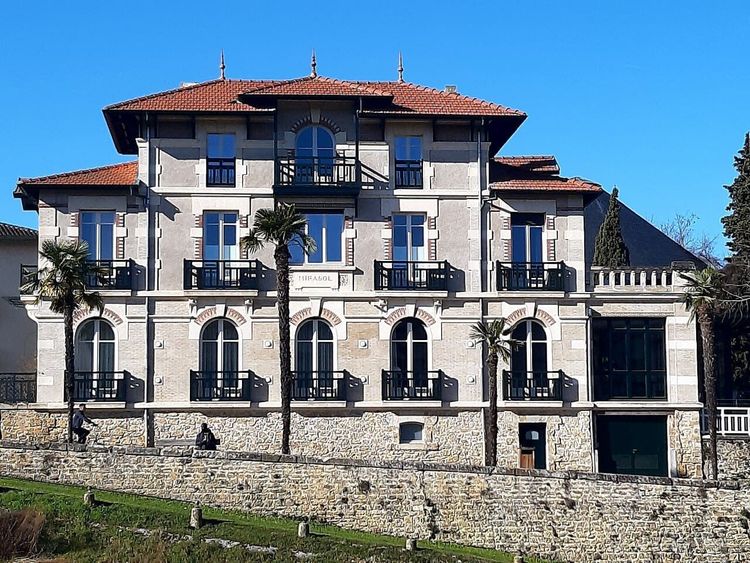
Flour miller Joseph Lapelle-Lateulère had this house built so he could keep an eye, from across the river, on his mill facing it on the Douze. Local architect Léonce Léglise drew on the villas of Hossegor and Capbreton to design this Belle Époque statement, blending Landes brick with a four-sided roof across 470 square metres of carved rooms. Long abandoned, it now houses a hotel and two restaurants. Its Spanish name evokes a gaze turned toward the sun.
Free to see from outside
2 - Vignotte Rotunda
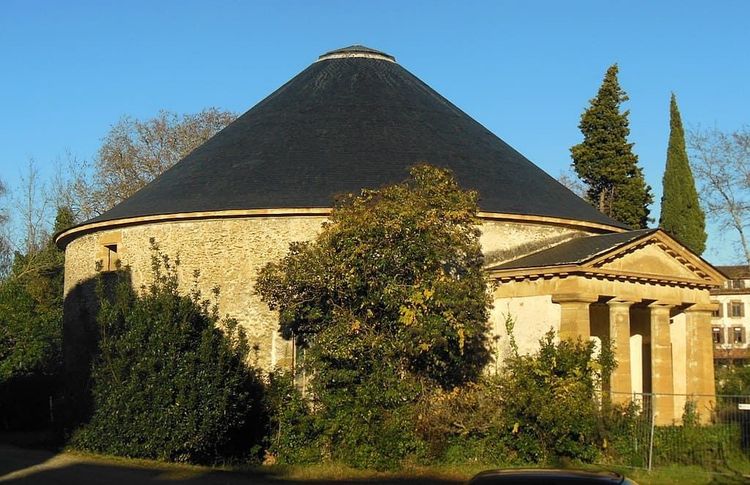
Given by Napoleon I to the local agricultural society during his visit in 1808, this plot, once planted with vines, received a neoclassical rotunda that a lack of funds kept from ever being properly finished. Passing between owners and tenants, the building was used at various times to distil resin or dry clay tiles. Listed as a historic monument since 1986, it remains an architectural curiosity without a clearly settled purpose.
Free to see from outside
3 - The Midouze
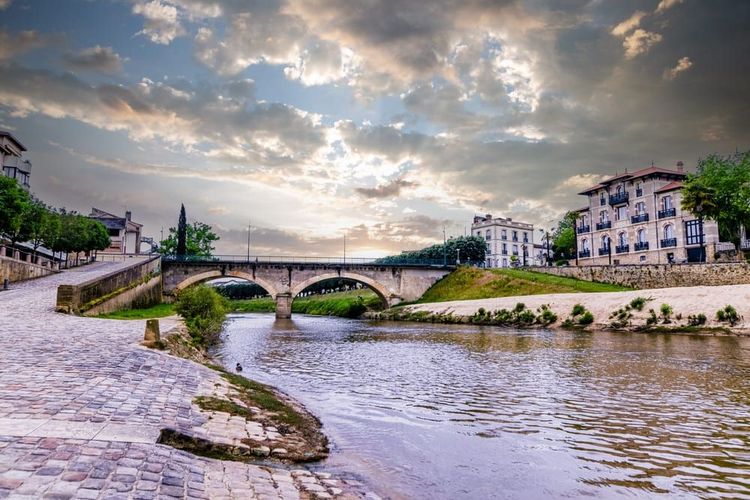
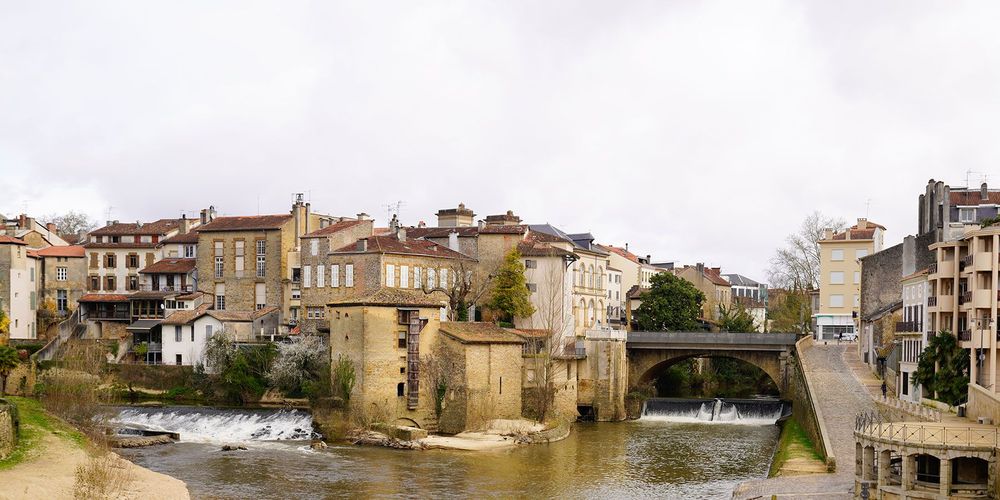
Standing on this bridge dedicated to human rights, your eye catches the meeting of two tunefully named rivers, the Midou and the Douze, which together give birth to the Midouze flowing right beneath you. This confluence earned the town its nickname, the city of three rivers. Armagnac, grain, honey and wool once travelled here by boat; of that former port, only pleasant riverside walks remain.
Free entry
4 - Cale de l'Abreuvoir Washhouse
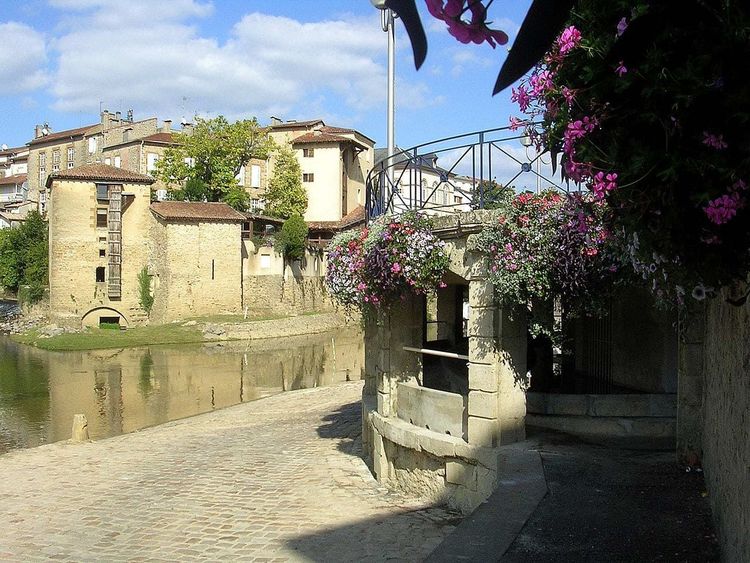
This half-ellipse washhouse, lined with ten arches, dates back to 1870, when it replaced an older structure by the water. In the days of river trade, its basin also served to water the horses that pulled cargo barges between deliveries. Water was channelled here from nearby springs through underground aqueducts, making it a prized water point. It now ranks among the hundred most beautiful washhouses in France.
Free entry
5 - Former Flour Mill
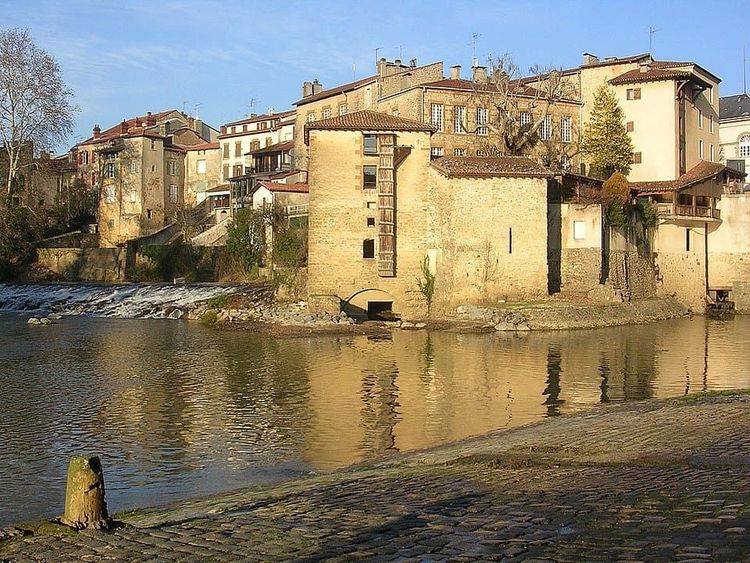
Two fortified water mills, once protected by the Château Vieux, stood on this site as far back as the Middle Ages: the Midou mill, possibly older than the 12th century, and the Douze mill, built somewhat later. Merged into a single flour mill in 1840, they operated until 1963, before becoming an art gallery named La Minoterie. Since 2013, the buildings have also come to house the tourist office and a memorial space honouring the Resistance.
6 - Rue des Arceaux
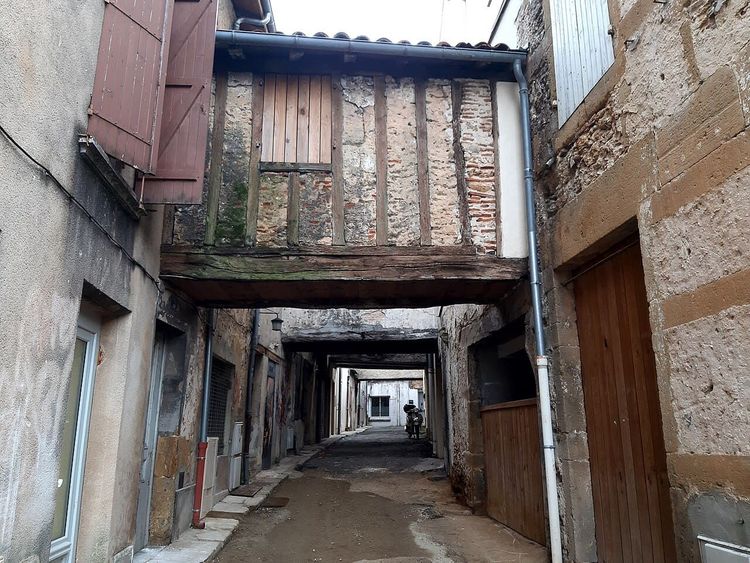
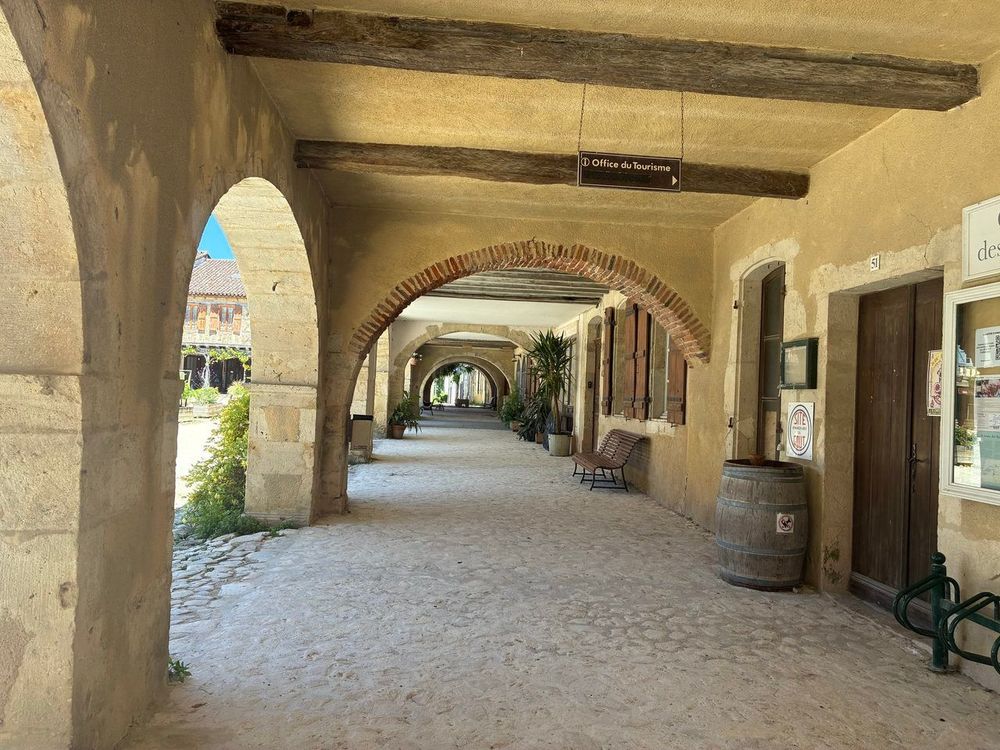
Laid out as early as the 12th century south of the Midou, this timber-framed lane takes its name from the six covered footbridges that span it, once linking the shops on Rue Gambetta to the storerooms on Rue Thiébaud. At number 15, a small opening in the stone marks the spot where troublemakers were once locked up overnight. Wide at one end and pedestrian-only at the other, it plunges straight into medieval Mont-de-Marsan.
Free entry
7 - The Diver
Suspended above the Midouze, this bronze diver by Annick Leroy won over social media when it was unveiled in 2016, during a local event devoted to contemporary sculpture in public spaces. It proved so popular that residents rallied to keep it for good: a crowdfunding campaign raised close to thirty thousand euros so the work could stay permanently on the riverbank where it first appeared.
Free entry
8 - “Le Molière” Municipal Theater
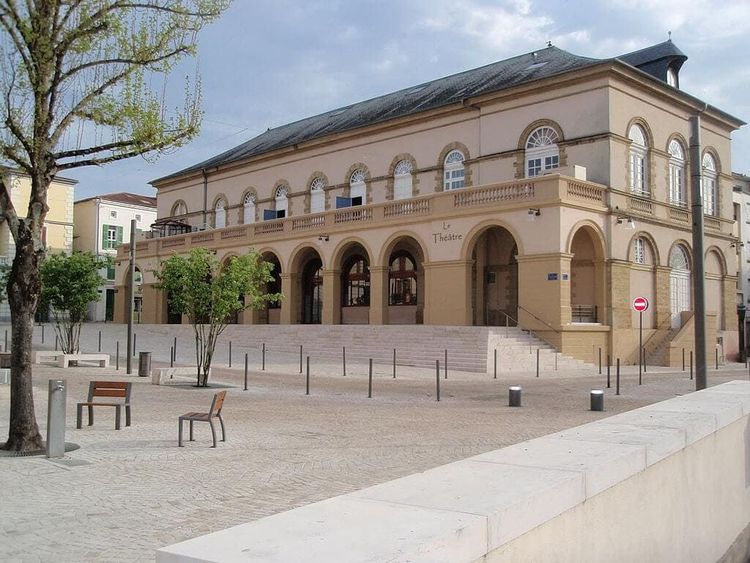
This Italian-style theatre was born in 1830, replacing an old real-tennis court, after the town's first cultural shows had made do with a converted convent. Its columned peristyle, added in 1927, gave it a more monumental air. Renovated in 2008 without losing its character, it still hosts a varied programme spanning drama and music.
Free to see from outside
9 - Madeleine Church
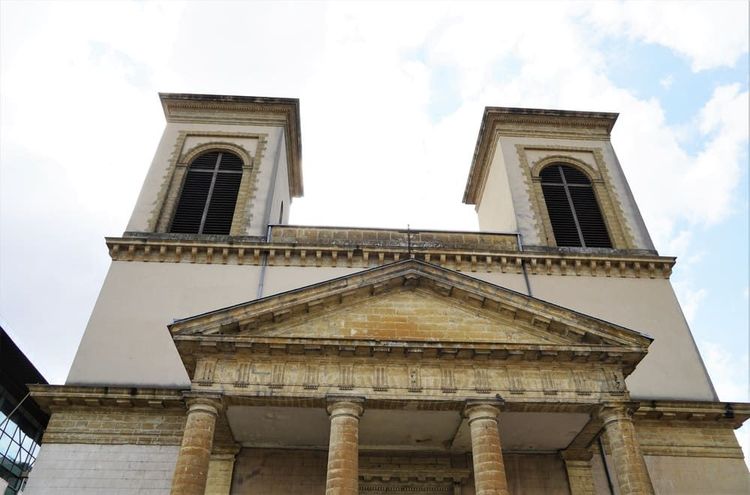
Patron saint of Mont-de-Marsan since its medieval founding, Mary Magdalene long made the town a stop on the roads to Compostela. The current building, finished around 1821 after its predecessor collapsed, follows a plain neoclassical style, with an entrance facing north, a quirk forced by the neighbourhood's layout. Listed as a historic monument in 1975, it holds an elegant marble high altar.
Free entry
10 - Victor Hugo Street
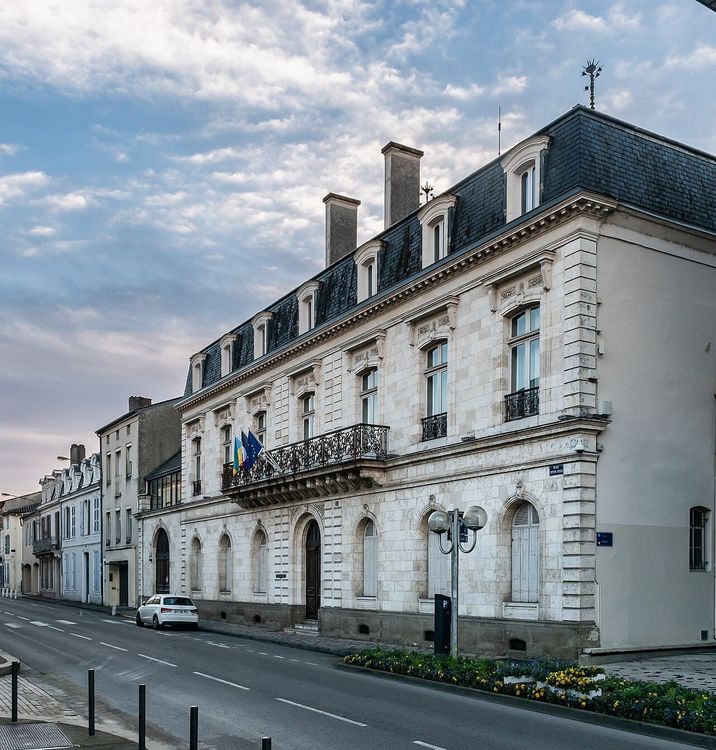
When Mont-de-Marsan became the county seat of the Landes in 1790, ahead of rivals Dax and Tartas, this street gathered between 1807 and 1821 the new buildings of power: law courts, prefecture, gendarmerie, prison. Notable families and the wealthy soon followed, building along its 360 metres what became one of the town's most elegant quarters, a legacy of its newly won administrative status.
Free entry
11 - Mont-de-Marsan Romanesque Houses
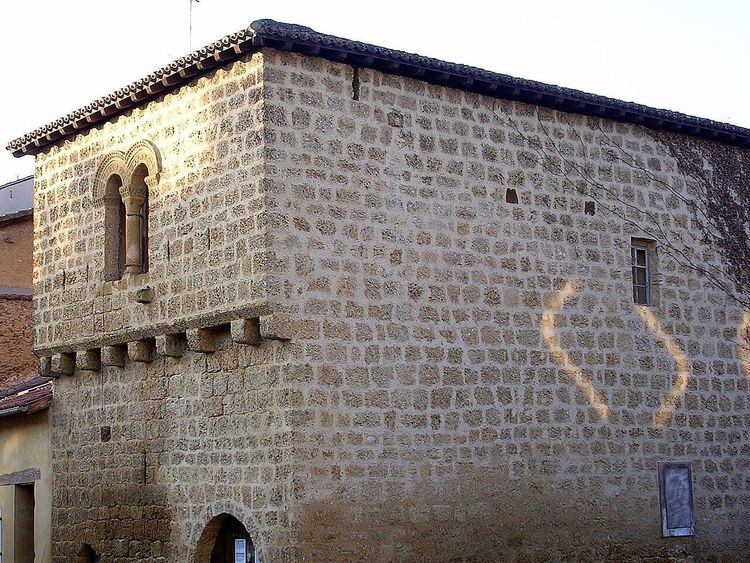
Dating from the high Middle Ages, these fortified houses rank among the oldest civil dwellings preserved in France. Built into the town's defences alongside Lacataye Keep and the ramparts, they still bear narrow loopholes pierced through their walls. Declared protected heritage across a series of rulings from 1929 to 1942, they were bought up by the town and now house prefecture offices or small museums, open to visitors by appointment.
Free to see from outside
12 - Despiau-Wlérick Museum
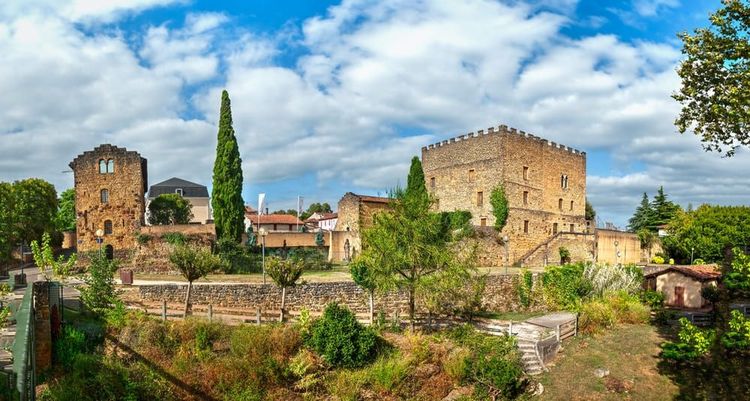
France's only museum built entirely around figurative sculpture, this institution opened in 1968 and brings together the work of two local sculptors, Charles Despiau and Robert Wlérick, who often chose the female figure as their favourite subject. Around 300 pieces in bronze, wood, plaster and marble sit alongside works by their contemporaries. Under renovation until 2027, the museum still keeps its sculpture garden and temporary exhibitions open.
13 - Lacataye Keep
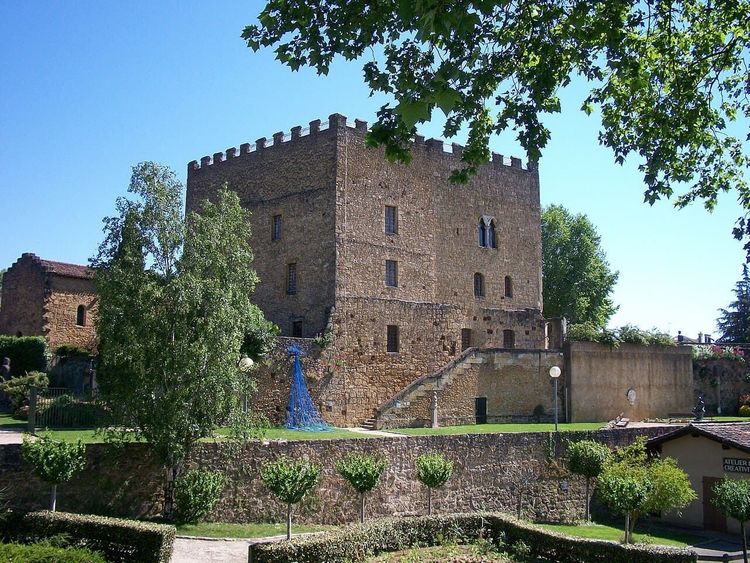
Two Romanesque houses merged to form this keep, whose name is thought to come from the Spanish castar, to watch or to keep guard, echoing its original defensive role. Mayor Antoine Lacaze had it restored before donating it to the town, which used it in turn as barracks, a girls' boarding school and a workshop. Since 1968 it has housed the Despiau-Wlérick museum of figurative sculpture.
Free to see from outside
14 - Ramparts and Promenade of August 21, 1944
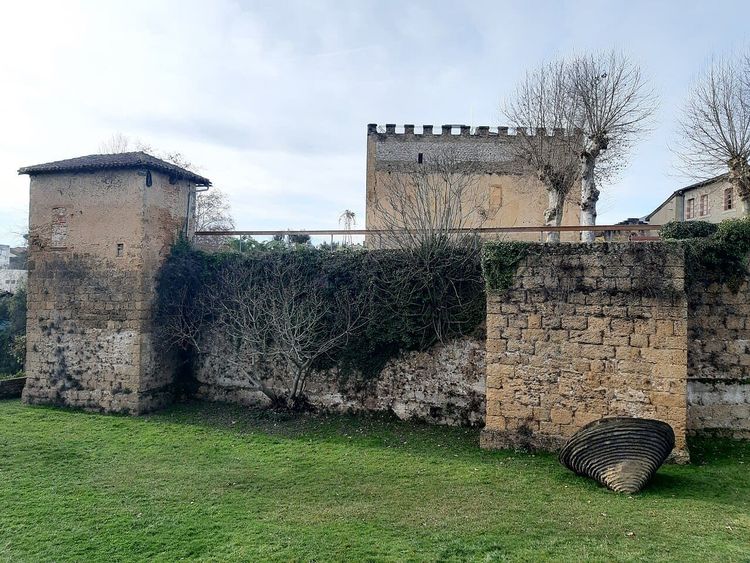
It was Viscount Pierre de Marsan who, founding the town in 1133, surrounded it with ten-metre-high walls pierced by five fortified gates, now listed as a historic monument since 1942. The promenade running alongside them today carries the date of the town's liberation, 21 August 1944, in memory of the fighting near the Bats and Luxey bridges and of the townspeople who died for that newly won freedom.
Free entry
Everything about the Ramparts and the Promenade of August 21, 1944
15 - Defeated Athlete Sculpture
Jean Carton, trained at the Beaux-Arts in the wake of local sculptor Robert Wlérick, chose here to portray not victory but the moment after: an athlete bent by effort and defeat. Cast in bronze and set beside the Midou in the 1970s, the work marks a stretch of the open-air sculpture trail that runs from the train station to the park named after Jean Rameau.
Free entry
16 - Saint-Roch Square
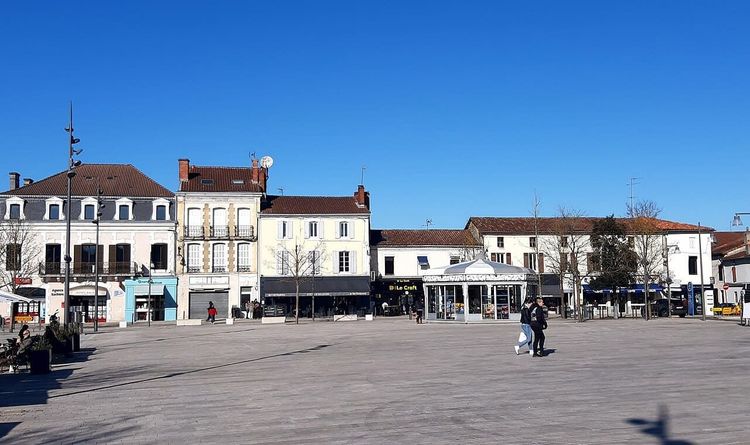
Once a shell-stone quarry that supplied the town's second wall, this plot took in new suburbs during the 17th and 18th centuries, including the Saint-Roch quarter, named after a saint invoked against the plague. Renamed several times during the Revolution, the square also hosted the town's first bullfighting shows around 1852, before permanent arenas took over elsewhere. Its red paving later earned it the nickname red square.
Free entry
17 - Saint-Roch Covered Market
On Tuesdays and Saturdays, this wooden covered market brings together the best of Landes produce: foie gras, cassoulet, apple croustade and fine cuts of local beef. Until 1949, though, it was nicknamed the thieves' market, as farmers sold objects carved from wood taken none too scrupulously from nearby forests. It now ranks among the most beautiful markets in France.
Free entry
18 - Madeleine Festival
Every July, five days and five nights are enough to turn Mont-de-Marsan into the capital of Landes festivity, in honour of Mary Magdalene, a tradition said to date back to 1594 under Henri IV. Bullfights, a carnival parade, brass bands and course landaise fill the celebrations, carried by festayres dressed in blue and white, the town's own colours rather than the red usually seen at ferias further south.
19 - Plumaçon Arena
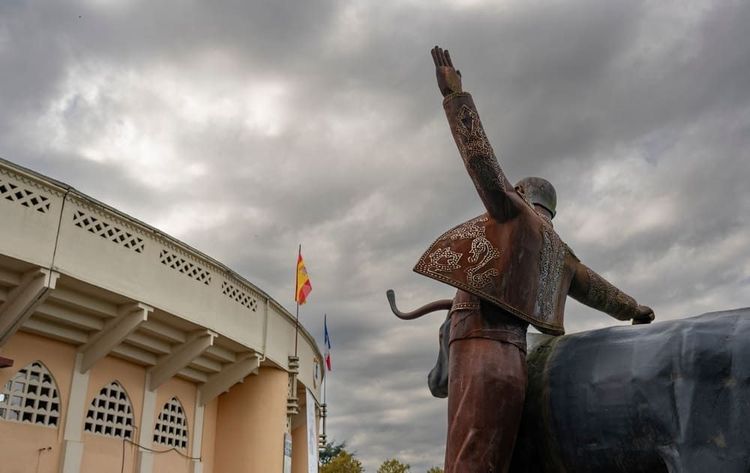
Bullfighting has stirred Mont-de-Marsan since the 17th century, when Louis XV demanded sturdier arenas after an earlier wooden structure burned down. Opened in 1889 on former vineyard land and enlarged in 1933 to seat 7,100 spectators, Plumaçon Arena, listed as 20th-century heritage, remains the stage for the great Landes bullfighting events, not least during the Madeleine Festival.
Free to see from outside
Which neighbourhoods does the tour cross?
In one loop, the route links the banks of the Midouze to the medieval, then festive, heart of Mont-de-Marsan.
It starts on the banks of the Midouze, between Villa Mirasol and the puzzling Vignotte Rotunda, where the river is born from the meeting of the Midou and the Douze, near the Cale de l'Abreuvoir washhouse and the former flour mill turned art gallery (stops 1 to 5).
Rue des Arceaux, laid out as early as the Middle Ages under its covered walkways, leads to the statue of the Diver and then to the Le Molière municipal theatre, before Madeleine church, a stop on the way to Compostela (stops 6 to 9).
Victor Hugo street, often presented as the most elegant part of Mont-de-Marsan, a legacy of the town's role as capital of the Landes, leads to the Romanesque houses and then to Lacataye Keep, along the ramparts and the Promenade of 21 August 1944, up to the Defeated Athlete sculpture (stops 10 to 15).
The last stretch ends at Place Saint-Roch and its covered market, before recalling the Madeleine Festival and the Plumaçon arena, heart of Mont-de-Marsan's bullfighting tradition (stops 16 to 19).
How much does it cost to visit Mont-de-Marsan?
The route itself needs no ticket. Of its 19 stops, ten can be explored freely, between riverbanks, streets and squares, and most of the others, such as the municipal theatre or the Romanesque houses, are admired from the street. The only museum along the way, the Despiau-Wlérick, has closed its permanent collections for works until a full reopening announced for late 2027 or early 2028.
Information checked in November 2026 and subject to change.
Where to stop for a bite along the tour?
The route runs along Place Saint-Roch and its covered market, a tasty stop for sampling the flavours of the Landes (stop 17).
Here you find foie gras and crispy duck gratton as a starter, cassoulet or a cut of Chalosse beef as a main, then Amou, a sheep's cheese with a thin golden crust, and apple croustade to finish. The market is held on Tuesdays and Saturdays, and ranks among the 100 finest markets in France.
What should you know before visiting Mont-de-Marsan?
A few practical points are worth knowing before setting off on the Mont-de-Marsan loop.
The Romanesque houses that were turned into museums only open to school groups or by appointment, so they are admired from the street, for their stone facades and arrow slits.
The Despiau-Wlérick museum is going through a works campaign: its permanent collections remain closed, but part of it can still be visited at the Dubalen Romanesque house, pending a full reopening announced for late 2027 or early 2028.
Every July, the Madeleine Festival draws hundreds of thousands of visitors over five days and five nights: better book accommodation well ahead if your visit coincides with this feria week.
What to see around Mont-de-Marsan?
Mont-de-Marsan pairs well with a trip to its neighbouring towns, between Basque country and Bordeaux facades.
At 67 km, Pau combines aristocratic elegance with views of the Pyrenees from its boulevard; at 90 km, Bayonne comes alive where the Adour meets the Nive, at the heart of the Basque Country.
Further off, Agen and its pink bricks on the Garonne, Biarritz, the seaside resort launched by Empress Eugénie, or Arcachon between dune and bay round off the trip, before Bordeaux and its honey-coloured stone facades, at 106 km.
What's on in Mont-de-Marsan right now?
As the year draws to a close, two exhibitions are livening up Mont-de-Marsan's cultural venues.
At the media library, “Passerelle(s)”, 4th edition, explores encounters between cultures until 27 March 2027. At the departmental archives, an exhibition traces the history of forensic science, from Paris to the Landes, until 30 June 2028.
Information checked in November 2026 and subject to change.
Le plein d'inspirations
Explorez le monde en totale liberté, à pied au cœur des villes ou au fil des routes. Nos guides audios transforment chaque destination en une découverte culturelle immersive et unique.
FAQ for visiting Mont-de-Marsan
When is the best time to visit Mont-de-Marsan?
The ideal time to discover Mont-de-Marsan runs from May to October, when the oceanic Aquitaine climate offers its finest days. Summer temperatures pleasantly hover around 28°C, perfect for strolling along the landscaped riverbanks. July plunges you into a uniquely festive atmosphere with the famous local fairs, while September reveals an exceptional mildness ideal for savouring the regional cuisine. Winters remain mild, ranging between 2°C and 11°C, allowing visits all year round. Spring sees the surrounding nature bloom magnificently, and autumn drapes the Landes forest in blazing colours under a generous sun.
How many days do you need to visit Mont-de-Marsan?
A stay of two to three days will let you comfortably discover Mont-de-Marsan and its charms. A full day is enough to explore the historic centre, its medieval fortified houses and the landscaped banks where the Douze and the Midou converge. An extra day will give you time to appreciate the scented gardens, the open-air sculptures and to soak up the atmosphere of the shady squares. If you wish to explore the surroundings, notably the Landes forest, or make the most of the local cuisine and markets, allow for a third day. This length of stay will also give you the leisure to live at the peaceful pace of this Landes town.
How do you get to Mont-de-Marsan?
Mont-de-Marsan enjoys excellent accessibility from the main French cities. By train, the SNCF station connects you directly to Bordeaux in under two hours, with connections to Paris and Toulouse. By car, the A65 motorway links the town to Pau and Bordeaux, while the N134 main road makes access easier from the Béarn region. The nearest airport is in Pau, about an hour's drive away, but Bordeaux-Mérignac offers more international connections. Regional bus lines also serve the prefecture of the Landes from neighbouring towns. Once there, the compact town centre is easily explored on foot to make the most of your visit.
What are the must-sees in Mont-de-Marsan?
Mont-de-Marsan reveals its treasures along a walk between heritage and nature. The confluence of the three rivers forms the symbolic heart of the town, where the landscaped banks invite contemplation. The medieval fortified houses bear witness to the historic past, while the shady squares breathe the Landes way of life. Don't miss the scented gardens and the contemporary sculpture trail that punctuate the town. The Ryo audioguide offers precisely a narrated itinerary that guides you through these must-sees, enriching your discovery with local anecdotes and stories. The historic centre also reveals beautiful Art Deco facades and picturesque lanes where strolling becomes a pleasure.
Where can you easily park in the centre of Mont-de-Marsan?
Parking in Mont-de-Marsan generally remains accessible, with several options depending on your needs. The town centre's underground car parks offer secure spaces in the immediate vicinity of the tourist sites and shops. Free parking areas are often found on the outskirts of the historic centre, a few minutes' walk from the main attractions. On-street spaces usually follow a zone system with limited durations, ideal for short stops. On Saturday afternoons and Sundays, parking generally becomes free in many areas. For a hassle-free visit, opt for the park-and-ride facilities located at the town's entrances, particularly handy on market days or during festive events.
When are the markets held in Mont-de-Marsan?
The markets of Mont-de-Marsan set the rhythm of local life and offer an authentic immersion in Landes culture. The main market is generally held several times a week in the town centre, offering fresh produce, regional specialities and local crafts. Mornings are traditionally the busiest, when producers and traders lay out their colourful stalls. Depending on the season, you'll discover the flagship products of the Landes: foie gras, confit, armagnac and local vegetables. Themed markets also punctuate the year, notably during the July local fairs. The friendly atmosphere and exchanges with producers make these gatherings special moments to taste the authenticity of Mont-de-Marsan and leave with gourmet souvenirs.
Where can you walk in nature around Mont-de-Marsan?
Mont-de-Marsan offers wonderful opportunities for nature walks thanks to its privileged location. The landscaped banks of the Douze, the Midou and the Midouze make for shaded walks that are ideal in any season. The nearby Landes forest unfolds its trails beneath the maritime pines for restorative hikes. The urban parks offer generous green spaces where scented gardens and relaxation areas blend together. Waymarked routes often set off from the town centre to explore the verdant surroundings, between old mills and picturesque bridges. Cycling enthusiasts will appreciate the greenways that wind through the surrounding countryside, offering bucolic getaways just a few pedal strokes from the urban heart.
Which local gastronomic specialities should you taste?
The cuisine of Mont-de-Marsan proudly celebrates the generous flavours of the South-West. Foie gras from the Landes reigns supreme, served as smooth terrines or pan-fried for special occasions. Duck confit, simmered in its own fat, traditionally accompanies Sarladaise potatoes. The local armagnac enhances meals and goes into the making of refined desserts such as the tourtière. The markets overflow with local produce: smoked duck breast, Landes black pudding and sheep's cheeses from the nearby Pyrenees. Don't miss the garbure, that hearty soup of vegetables and confit that warms up cool evenings. Local restaurants keep these culinary traditions alive, often with a modern touch that delights curious palates.
Why is Mont-de-Marsan known as the town of three rivers?
The nickname comes from the meeting, right in the centre, of the Midou and the Douze, which join at the foot of the keep to form the Midouze. That confluence explains why the town grew up here in the Middle Ages: the river carried timber, wine and the produce of the Landes down to the Adour and on to the ocean, and the Romanesque houses clinging to the bank still bear witness to that merchant prosperity. Today the landscaped quays, footbridges and old wash houses let you walk the whole loop, between the Lacataye keep, which houses the Despiau-Wlérick museum, and the sculptures scattered through the streets. The Ryo audio guide offers a dedicated Mont-de-Marsan route that follows this thread of water.
What are the Fêtes de la Madeleine in Mont-de-Marsan?
They are the town's great popular festival, held every summer, usually around the middle of July. For several days the centre switches to feria time: white outfits with a red scarf, brass bands in the streets, bodegas, shared meals, courses landaises and bullfights in the Plumaçon arena, one of the strongholds of bullfighting in south-west France. The atmosphere is intense and the town fills up, so accommodation is booked a long way ahead; plan early if you want to join in, or pick another time of year if you would rather discover Mont-de-Marsan in peace. The rest of the year, the arena and its history can still be taken in from the surrounding streets.
Vos commentaires, idées et suggestions
Aucun avis pour le moment