
Créé par Emilie, le 4 oct. 2026
Votre guide Ryo
Pau, France
From the Bay of Biscay to the Gulf of Lion
Parcours audioguidé pour visiter Pau en 1 jour
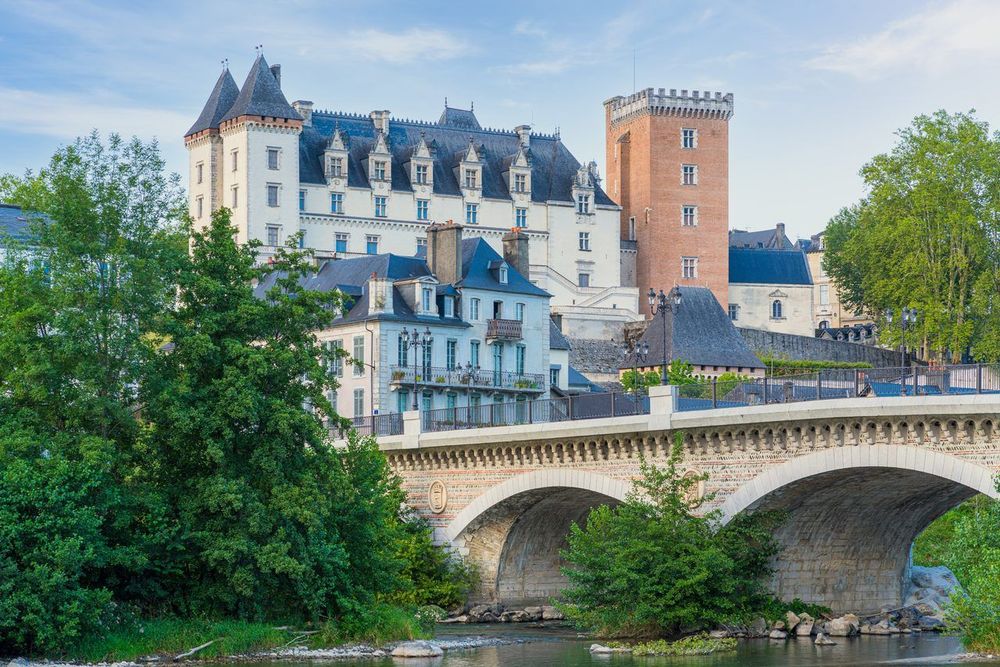
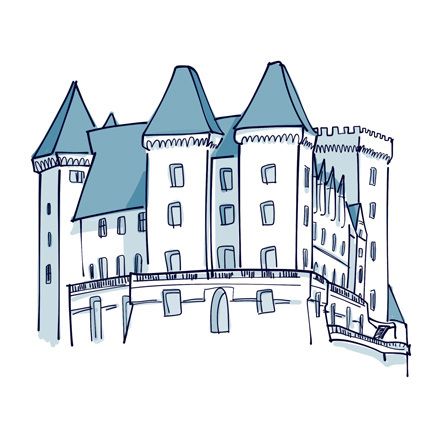
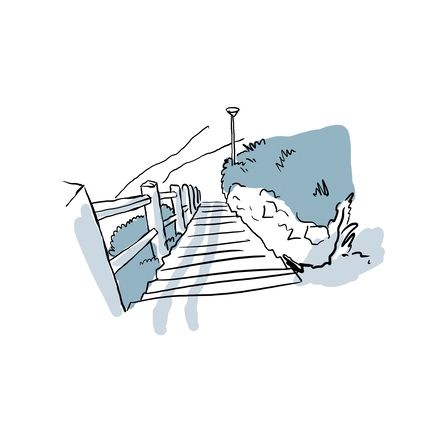
This tour of Pau invites you into a world where aristocratic elegance meets sweeping landscapes. Follow the grandeur of the Boulevard des Pyrénées, a remarkable terrace overlooking the snow-capped peaks, before pausing at the foot of the Château de Pau, birthplace of Henry IV of France. Between the refinement of its English-style villas and the gentle charm of its climate, the Béarnaise city reveals a character that feels both noble and serene. It’s a walk through palm-lined gardens and royal history, offering a unique way to experience a city that seems to gaze out over the world from its lofty vantage point.
Quand partir à Pau ?
Jan.
11°
11
Feb.
12°
10
March
15°
10
April
17°
12
May
20°
12
June
23°
10
July
25°
8
Aug.
26°
8
Sept.
23°
9
Oct.
20°
11
Nov.
14°
12
Dec.
12°
11
Pau enjoys a particularly mild and temperate oceanic climate, protected by its proximity to the Pyrenees, with pleasant summers averaging around 25°C and remarkably mild winters where the mercury often reaches 10°C during the day. The best times to discover the royal city and its famous Boulevard des Pyrénées are spring (May and June) and early autumn (September and October), offering exceptional visibility of the snow-capped peaks and ideal mildness for strolling.
Départ conseillé
No need to worry about where to begin! Our tours are designed as a loop, so you can jump in where ever you are. The navigation system and audio-guide will automatically adjust to your location. However, if you happen to be nearby, we do have a prefered starting pont: Pau Station
Parking à proximité
Verdun Parking : Ambroise Bordelongue street
À savoir
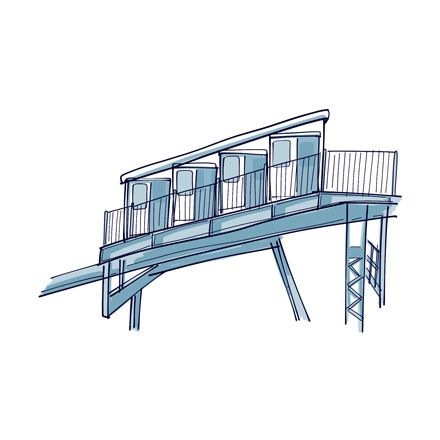
This tour includes taking the funicular in Pau. Access is free, but the last departure is at 9:40 PM. (Sundays and Public holidays : open from 1:45PM to 8:50PM)
During this tour, you'll pass by the Pau Castle. The surroundings of the castle, the gardens, and the Basse-Plante are open to the public from 8 AM to 5:30 PM. If you arrive after closing time, you'll need to backtrack via Boulevard des Pyrénées.
Découvrez 19 lieux d'intérêt pour visiter Pau







Le plein d'inspirations
Explorez le monde en totale liberté, à pied au cœur des villes ou au fil des routes. Nos guides audios transforment chaque destination en une découverte culturelle immersive et unique.






FAQ for visiting Pau
When is the best time to visit Pau?
The ideal time to discover Pau runs from spring to early autumn. May and June offer mild temperatures around 20-25°C and lush green nature, while September and October often guarantee clear weather with exceptional visibility over the Pyrenees. Winter remains pleasant with mild temperatures around 10°C, but the days are shorter. Summer can be hot but stays bearable thanks to the oceanic influence. The spring and autumn months will let you make the most of the terraces and the Boulevard des Pyrénées in optimal conditions, with the mountain range revealing itself in all its splendour.
How do you get around Pau?
The historic centre of Pau is ideally explored on foot, allowing you to savour the unique atmosphere of this Béarn town. A free funicular links the lower town to the upper town, making it easy to reach the castle district. The urban bus network efficiently serves the different neighbourhoods if you wish to venture away from the centre. For faster travel, taxis and ride-hailing services are available. The city also offers a self-service bike system to explore the banks of the gave or the residential neighbourhoods. As distances remain reasonable in the city centre, walking is still the best way to discover the picturesque lanes and the English villas that make up the charm of Pau.
How long do you need to visit Pau?
A full day will let you discover the main attractions of Pau, notably the castle, the Boulevard des Pyrénées and the historic district. For an in-depth visit including the museums, the gardens and a more leisurely exploration of the English neighbourhoods, allow two days. A weekend proves ideal for combining cultural discovery with moments of relaxation in the parks or on the panoramic terraces. Visitors in a hurry can nevertheless appreciate the essentials in an intensive half-day. If you also wish to explore the surrounding area such as the Jurançon vineyard or take an excursion into the nearby Pyrenees, count on three to four days to make the most of your stay in Pau.
What can you do in Pau when it rains?
On rainy days, Pau offers many exciting indoor activities. The Château de Pau, birthplace of Henri IV, can be visited entirely indoors with its royal apartments and its historical collections. The Museum of Fine Arts presents a rich collection of European paintings in an elegant setting. The covered market hall will let you discover local products while staying dry. The Palais Beaumont regularly offers temporary exhibitions and concerts. For a gourmet break, the many cafés and tea rooms of the city centre offer warm refuges. The funicular, entirely covered, remains an attraction in its own right. Finally, the shopping arcades and boutiques of the centre let you stroll under cover while discovering local craftsmanship.
Where to park in Pau?
Parking in Pau is made easier by several underground and above-ground car parks well distributed throughout the city. The Beaumont car park, close to the historic centre, offers a large capacity and direct access to the main attractions. The Clémenceau car park is ideally located near the castle and the Boulevard des Pyrénées. For short visits, on-street spaces with parking meters are available, generally limited to two hours. The République and Verdun car parks are other practical options for exploring the city centre. Parking is generally paid during the day from Monday to Saturday, but some car parks offer attractive day rates. Sundays and public holidays are often free. Arriving early in the morning makes finding a space much easier, especially in high season.
What are the must-sees in Pau?
Pau is full of treasures to discover on your visit. The Château de Pau, birthplace of Henri IV, impresses with its architecture and its royal collections. The Boulevard des Pyrénées, a true balcony over the mountain range, offers a spectacular walk of nearly two kilometres. The Trespoey district charms with its sumptuous English villas that bear witness to the city's aristocratic past. The castle gardens and Beaumont park invite you to stroll among palm trees and exotic species. The historic funicular and the Church of Saint-Martin are also worth the detour. The Ryo audioguide accompanies you in discovering these emblematic sites with enriching commentary that reveals the fascinating history of this Béarn town.
How do you reach the Boulevard des Pyrénées?
The Boulevard des Pyrénées, the jewel of Pau, is easily accessible from several points in the city. From the Place Royale, the historic heart, a few minutes' walk is enough to reach this panoramic promenade. The free funicular is a practical and picturesque option, dropping you off right next to the boulevard from the lower station. If you come by car, the Beaumont and Aragon car parks offer quick pedestrian access. From the castle, a pleasant walk through the gardens naturally leads you towards this exceptional balcony. The boulevard stretches for nearly two kilometres, allowing you to reach it from different staircases and ramps distributed along its length. People with reduced mobility will appreciate the level access from the eastern and western ends.
Is Pau worth visiting?
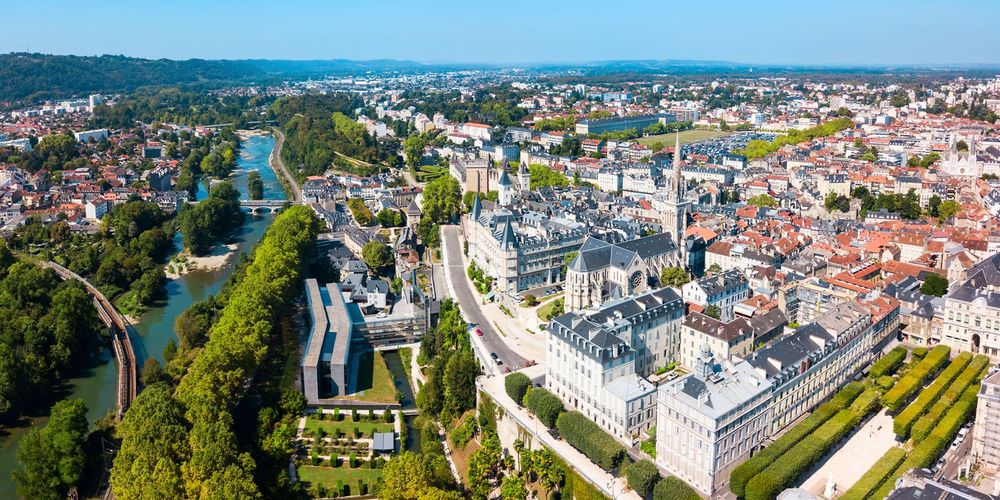
Yes, and Pau often surprises travellers who only meant to stop there on the way to the Pyrenees. The setting comes first: from the Boulevard des Pyrénées the mountain range unfolds from one end of the horizon to the other, a rare sight for a town of this size. Pau also keeps up an art of living inherited from the nineteenth century, when a British colony came to spend the winter here for the mild climate, leaving behind villas, large parks, a golf course and a racecourse.
Add to that the castle where Henry IV was born, an old centre you can cover entirely on foot, a free funicular linking the station to the boulevard, and lively streets around the covered market. Pau works just as well for a cultural break as for a base before heading into the mountains. The Ryo audio guide offers a dedicated Pau route that links these stops in the centre.
What is there to see at the Château de Pau?
The castle owes its fame to Henry IV, who was born here and whose cradle, a sea turtle shell, is still on display. Originally a medieval fortress, it was transformed during the Renaissance by Marguerite d'Angoulême, then restored in the nineteenth century by Louis-Philippe and Napoleon III, so that the periods sit one on top of the other: brick keep, Renaissance staircase, neo-Gothic décor. The royal apartments hold one of the richest tapestry collections in France, unfolding from room to room.
Visits are usually guided, which helps you follow the thread of the Bourbon dynasty and of Béarn itself. Outside, the gardens and terraced park drop towards the river, provide shade in summer and give a fine view over the rooftops of the old town.
What do people eat in Pau, and where can you find Béarn specialities?
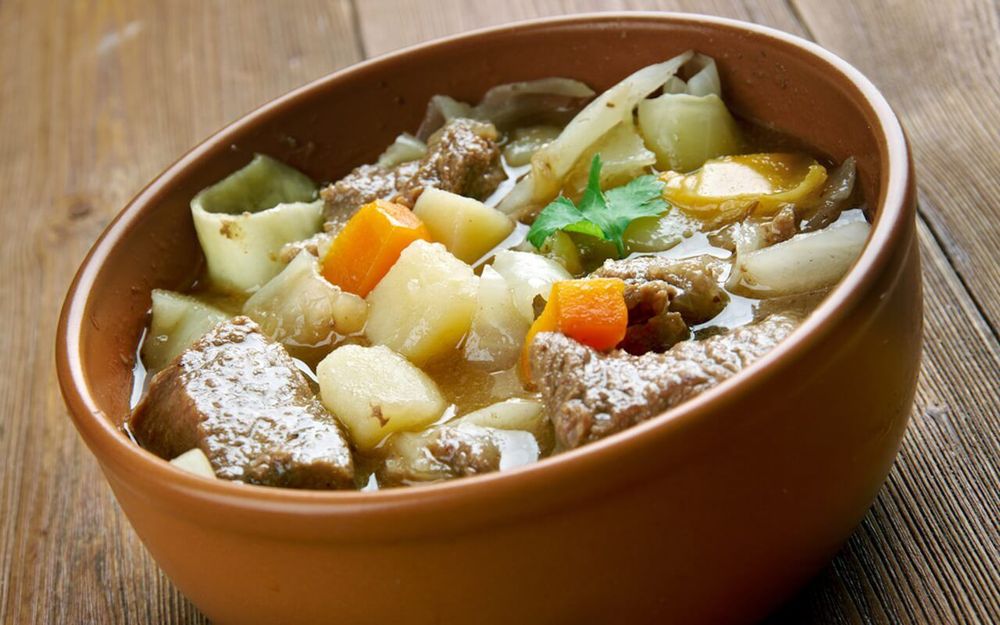
Béarn cooking is generous and rooted in the mountains. Try garbure, a thick cabbage and vegetable soup lifted by preserved duck, the poule au pot associated with Henry IV, sheep's cheeses from the neighbouring valleys served with black cherry jam, or the gâteau à la broche, baked in layers in front of an open fire. The nearby Basque Country and Landes also bring Espelette pepper, cured ham and slow-cooked dishes seasoned with mild chilli.
For shopping, the covered market of Pau, right in the centre, gathers growers, cheesemongers and pork butchers in a modern building that is at its busiest in the morning. Around it, the Hédas district, a former sunken street given a new lease of life, is full of wine bars and small restaurants. In the glass, the sweet or dry whites of Jurançon and the sturdy reds of Madiran remain the usual companions.
Vos commentaires, idées et suggestions
Aucun avis pour le moment