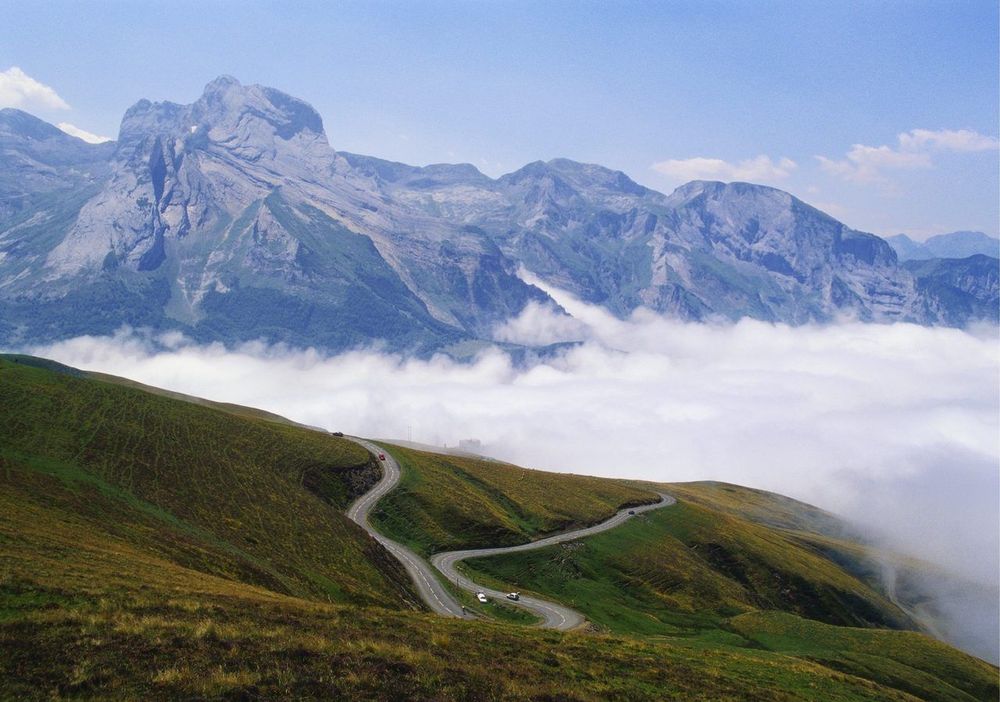
© Shutterstock
 Votre guide Ryo
A Weekend in Pau: 2-Day Itinerary for 2026
Just ten minutes walking along the Boulevard des Pyrénées on a clear morning is enough to understand why 19th-century English visitors chose Pau as their winter retreat: the Pyrenean range unfolds all at once, from the Pic du Midi d'Ossau to the Spanish summits, like a white wall set against the horizon. If you are wondering how to plan a weekend in Pau, this Béarn city packs a royal birthplace château, a century-old funicular, a gourmet covered market, and wine-growing hills less than twenty minutes away into just two days. The itinerary below fits within 48 hours: Saturday between the Château de Pau and the lanes of the Hédas district, Sunday between the covered market, a museum, and a short trip to Jurançon or Lescar. Enough to fill your weekend without ever watching the clock. The Ryo audio-guided tour of Pau accompanies several of these stops with historical commentary to listen to as you walk.
Day 1: the Château de Pau and the Lanes of the Historic Centre
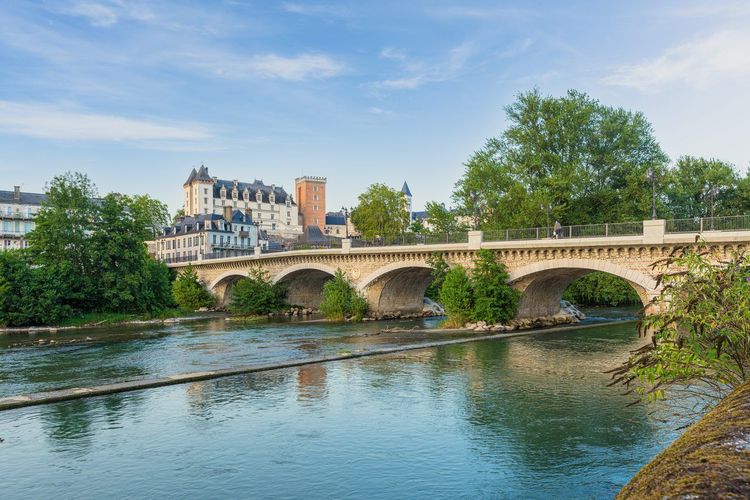
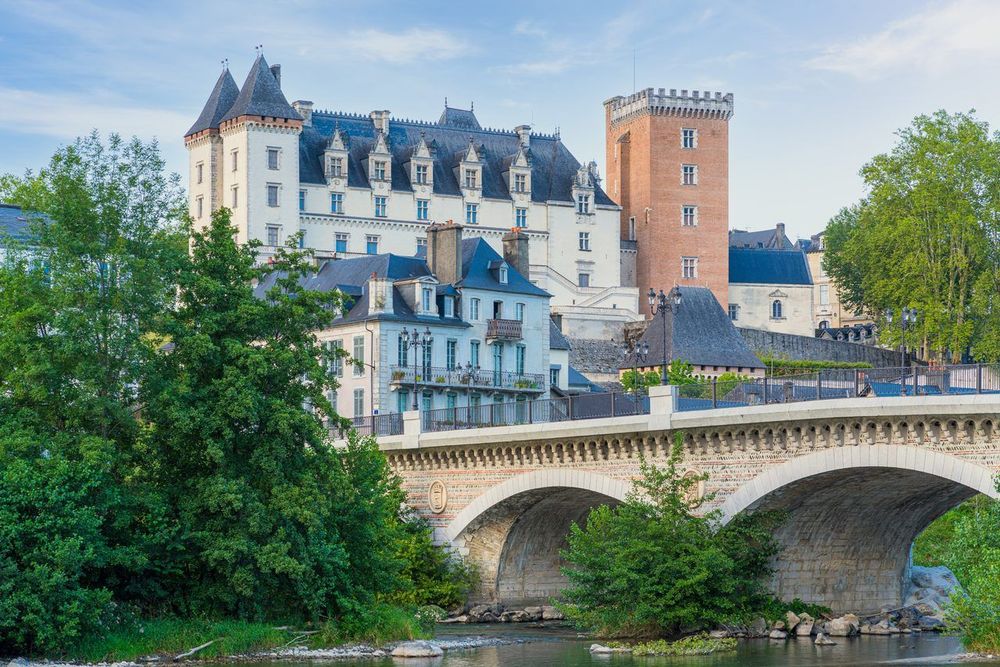
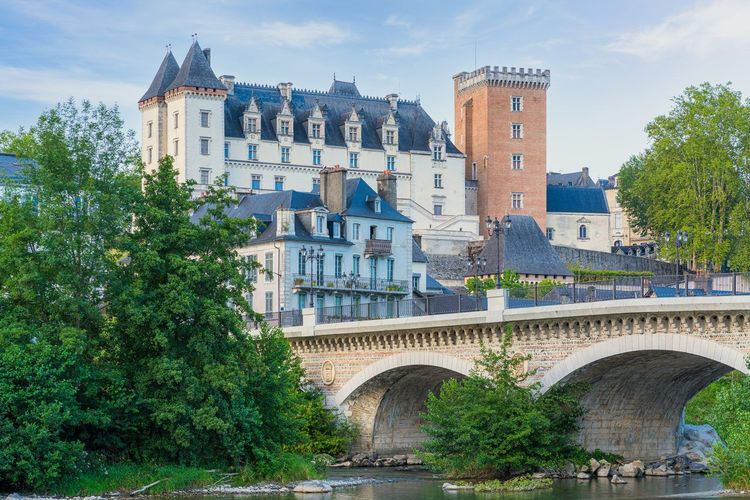
The Château de Pau opens its doors from 9:30 am and deserves the entire morning. Henri IV was born here in 1553, in a chamber whose cradle — a suspended tortoise shell — remains one of the most photographed objects in the museum. François I had already had the medieval fortress remodelled; his sister Marguerite de Navarre added the Renaissance galleries that visitors explore today. The collection of Gobelins and Flemish tapestries, reassembled piece by piece during the Restoration period, occupies a large part of the tour.
Allow an hour and a half for the guided tour, slightly less for a self-guided visit with an audio guide. The combined ticket with the national museum gives access to the terraced gardens, from which the eye looks straight across the Gave de Pau valley and the first Pyrenean foothills. Arrive before 10:30 am on Saturdays: school groups and tour coaches fill the rooms from early afternoon onwards.
Marguerite de Navarre, sister of François I and grandmother of Henri IV, transformed the fortress into a literary residence in the 16th century. She received poets and humanists here, and had the wide mullioned windows opened up that today distinguish the Renaissance wing from the more austere medieval section. The contrast between the two eras is readable from one room to the next, without any knowledge of Béarn's history being necessary to notice it.
On leaving, Place Royale opens onto the same panorama, with an equestrian statue of Henri IV at its centre. This is the best free viewpoint over the mountain range, weather permitting. Head next along Rue Tran and Rue du Château, two cobbled streets lined with half-timbered houses that are home to a handful of craftsmen's workshops and wine bars opening from midday.
Plan lunch around Rue des Cordeliers, livelier than the tourist streets near the château. This is where you'll find the city's best garbure, the Béarnaise cabbage stew that serves as the local national dish. In the afternoon, église Saint-Martin, rebuilt in a neo-Gothic style in the 19th century, rounds off the visit of the historic centre in about twenty minutes.
If time allows, continue to the Haras national de Pau (Rue Louis Barthou, 64000 Pau, rated 4.1/5 on Google from 26 reviews), ten minutes on foot from the château. Founded in the 19th century, it still houses Anglo-Arab horses and is open for free on certain afternoons, with educational tours of the 19th-century stables.
Day 1, Late Afternoon: Boulevard des Pyrénées and the Hédas District
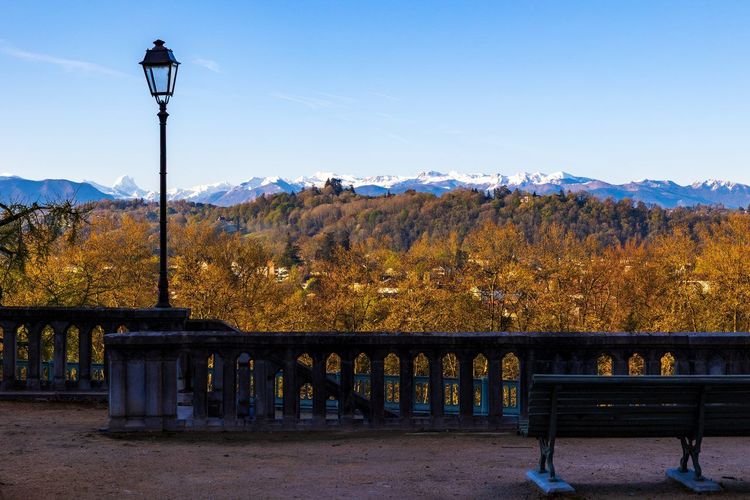
The Boulevard des Pyrénées is ideally walked an hour before sunset, when the raking light catches the palm trees planted in 1900 and carves out the silhouette of the summits. Stretching 1.8 kilometres, it links the château to Parc Beaumont without ever losing sight of the mountain range. The benches placed every fifty metres are claimed by locals themselves at weekends, which gives a telling indication: this urban balcony is far more than a tourist postcard.
On the Ryo app, this stretch between the château and the Hédas is part of the Pau audio-guided tour, with commentary that places each viewpoint in its historical context — a way to extend the walk without having to pull out your phone to look things up.
To head back down to the lower town and the station, take the funiculaire de Pau (Avenue Léon Say, 64000 Pau, rated 4.5/5 on Google from 76 reviews), free since its inauguration in 1908. The journey takes about three minutes and connects the Boulevard des Pyrénées to the station district, sparing you a steep flight of steps after a full day of walking. Useful to know for 2026: the funicular is closed for major renovation works from 30 March to 29 August 2026; a free electric shuttle replaces it for the entire duration of the works.
At the bottom, the Hédas district occupies the former bed of a stream that once ran through the lower town. Long a zone of craftsmen and tanners, it now concentrates most of the bars and small restaurants for Saturday evening dining. Terraces fill up from 7:30 pm, especially from May to September, and a few vaulted passageways recall the former course of the now-covered watercourse.
Book a table if you have your eye on one of the Hédas's most popular restaurants: at weekends, the wait can exceed 45 minutes without a reservation. Wine enthusiasts will find several bars specialising in Jurançon and Madiran vintages, just a few hundred metres from the bottom of the funicular — itself one of the stops on Ryo's audio-guided tour of Pau.
Day 2: Covered Market, Museum, and Parc Beaumont
Sunday morning starts at the Halles de Pau, a covered market open every day except Monday, with peak footfall between 9 am and 12:30 pm. Producers from the Ossau valley, cheese makers, fishmongers, and an oyster bar run by the same family for several generations all rub shoulders here. It's the place to try Pyrenean sheep's cheese or leave with a bottle of Jurançon bought directly from the estate.
The market shifts slightly in character depending on the day: Wednesdays and Saturdays draw more small producers down from the valleys, while Sunday morning remains the liveliest slot for atmosphere and impromptu tastings between the stalls. Allow 45 minutes to browse, longer if you stop at the tasting counter set up in the centre of the market hall.
The Halles generally close around 1:30 pm on Sundays — a timing not to miss, or you'll find the shutters down just as the museum doesn't open until 2 pm. It's best to visit the market first thing in the morning so you can move seamlessly on to the museum and then the park.
Ten minutes away on foot, the Musée des Beaux-Arts de Pau rounds off the cultural morning. The collection is compact but rich: Italian primitives, Spanish Golden Age masters, and above all a Degas painted during his family stay in Louisiana, often cited as the museum's most prized work. Our Ryo article on the best things to do in Pau goes into greater detail on this museum and other must-see stops.
Parc Beaumont (Allée Alfred de Lassence, 64000 Pau, rated 4.8/5 on Google from 32 reviews), with its 8 hectares laid out in the English landscape style, closes the loop on the weekend. Palm trees, century-old cedars, and a Belle Époque casino border the lawns where local families picnic from the first warm days. A bandstand still hosts free concerts on some spring and summer Sundays — an activity that answers directly the question of what to do in Pau on a Sunday afternoon without spending a cent.
If the museum is closed on a public holiday, the park remains a safe bet: open every day of the year, with extended hours until 10 pm in summer.
Day Trip to Jurançon: Vineyards and the Pyrénées
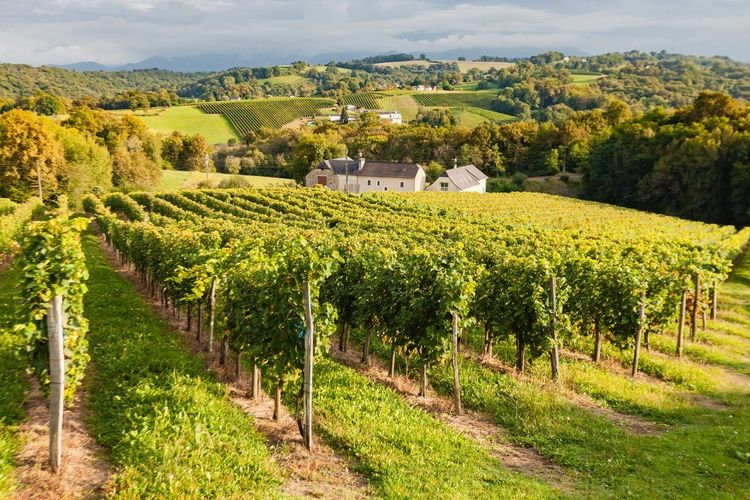
Fifteen minutes' drive south of Pau, the hillsides of Jurançon have been growing vines on terraces since the Middle Ages. The appellation produces a white wine — dry or sweet depending on the grape variety — and local legend has it that Henri IV had his lips rubbed at birth with Jurançon wine and a clove of garlic.
Several estates open their cellars for tasting at weekends, with no reservation required for small groups. Allow half a day to visit two or three properties and enjoy the views over the Pyrenean range from the heights of the vineyard, which are particularly clear in late morning. Some estates also run guided tours of the terraced slopes, a cultivation technique shaped over centuries to capture maximum sunlight on sometimes vertiginous gradients. The landscape alone is worth the trip, even for those who don't drink wine.
Day Trip to Lescar: the Cathedral of the Kings of Navarre
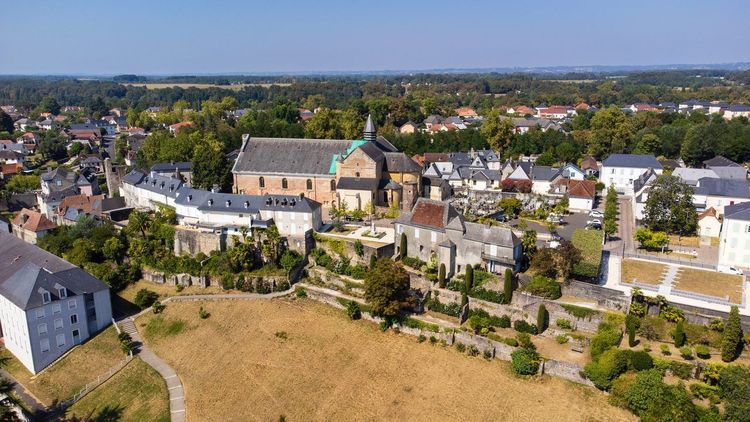
Ten minutes by car or twenty minutes by bus from the centre of Pau, Lescar is home to the cathédrale Notre-Dame, a 12th-century Romanesque building where several kings of Navarre are buried, including the parents of Henri IV. The choir mosaic, depicting hunting scenes, is among the oldest preserved in the South-West of France.
The medieval village surrounding the building can be explored in just under an hour. For an event near Lescar this weekend, check the calendar of producers' markets held on certain Saturday mornings on the central square. The very name of Lescar recalls its past as the capital of Béarn before Pau took over in the late Middle Ages. A small archaeological museum, installed near the cathedral, traces this history for those who wish to extend their visit by another half hour.
Day Trip to Oloron-Sainte-Marie: the Aspe Valley Within Reach
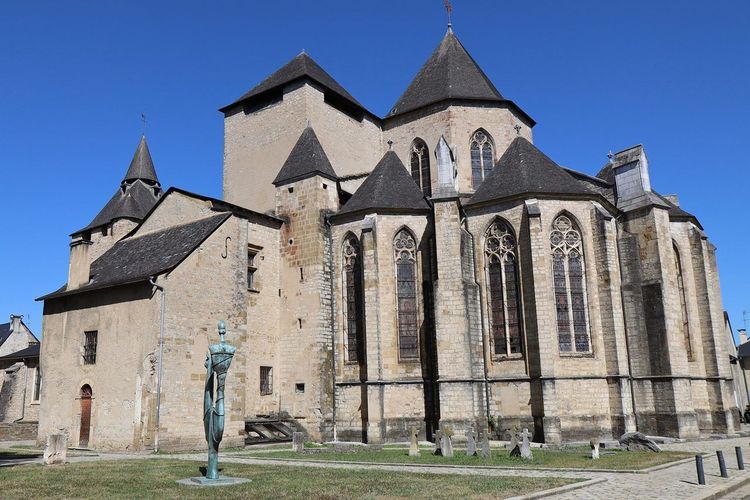
Allow 35 minutes by road from Pau to reach Oloron-Sainte-Marie, a town born at the confluence of the Gave d'Aspe and the Gave d'Ossau. The cathédrale Sainte-Marie, listed as a UNESCO World Heritage Site as part of the routes to Compostela, features a sculpted Romanesque portal that has survived eight centuries without losing its relief carvings.
Beyond the cathedral, the town serves mainly as a gateway to the Aspe valley and its mountain roads. If you are looking for something to do near Oloron-Sainte-Marie this weekend, the Saturday morning markets, well regarded throughout Béarn, are worth the trip on their own, with sheep's cheeses and local charcuterie on offer. The town also benefits from two rivers that meet at its centre, providing several supervised bathing spots in summer, less than an hour's drive from Pau — a good option for ending the weekend on a more active note if the ever-changing Béarnaise weather obliges.
Where to Stay for a Weekend in Pau
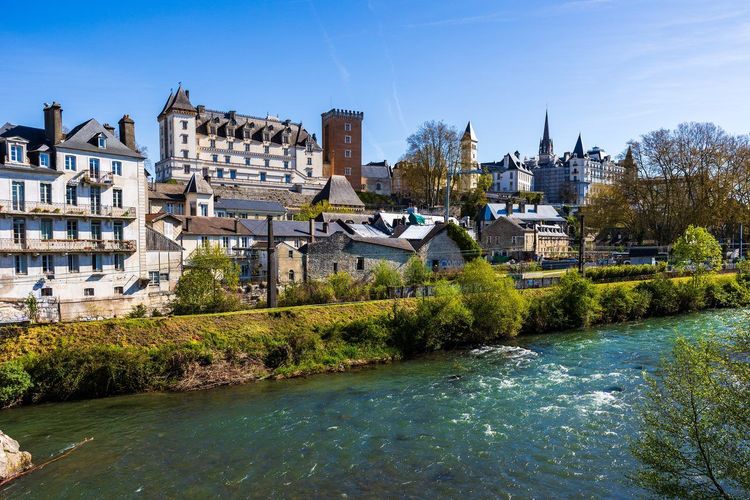
The historic centre, around Rue Serviez and Place Clemenceau, remains the most convenient area: everything is walkable to the château and the Hédas. Boutique hotels here list prices between €90 and €140 per night at weekends, slightly more during the Grand Prix de Pau motor race in May.
For a quieter stay, accommodation near Parc Beaumont offers a compromise between walking distance to the centre and a green setting. Bed and breakfasts in the Hédas district, fewer in number, often need to be booked several weeks in advance for spring weekends.
Where to Eat: Béarnaise Specialities Not to Miss
Garbure, poule au pot, and piperade compete for space on menus in the city-centre restaurants. Around the Halles and the Hédas, several places make the most of produce from the Ossau valley, particularly the AOP sheep's cheese that bears its name — best enjoyed at the end of a meal rather than as a starter, according to local tradition.
On Sundays, many restaurants close in the evening, unlike Saturdays when reservations are essential. A good habit is to have an early and hearty Sunday lunch, then settle for a salad or a Béarnaise tapa in the evening before heading home.
To explore the subject further before you go, our Ryo article on Pau's culinary specialities details the addresses and dishes to try first, from sheep's cheese to the gâteau à la broche sold at the markets.
The tea rooms and cafés on Place Clemenceau are a handy complement for a Sunday brunch — a simpler option than booking a gastronomic restaurant on Sunday lunchtime. Several offer set menus featuring Itxassou black cherry jam or sheep's cheese, two typical products from the neighbouring Basque Country that appear regularly on Pau's menus.
The wine bars of the Hédas complete the picture, with lists that favour Jurançon and Madiran over more expected appellations. Budget between €25 and €35 for a full menu at a city-centre restaurant — less than you would spend in Bordeaux or Bayonne for comparable quality.
Getting to Pau and Getting Around
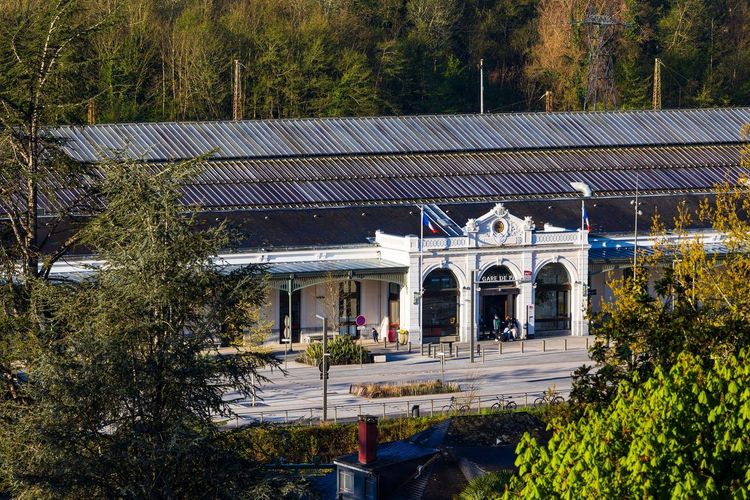
Pau's train station, served by direct TGV from Paris in just over 4 hours 30 minutes, drops travellers fifteen minutes on foot from the château. By car, allow 2 hours 30 minutes from Bordeaux and under an hour from Bayonne via the A64 motorway.
Once there, the city centre is entirely walkable thanks to the funicular and an urban bus network (Idelis) that reaches Jurançon and Lescar in under 20 minutes. A car remains useful for Oloron-Sainte-Marie and the Aspe valley.
Pau-Pyrénées airport, 15 minutes from the centre, offers direct flights to Paris several times a day — a useful alternative if the weekend is limited to two full days. For parking, city-centre car parks charge around €1.50 per hour, with a day pass often better value at weekends.
Budget and Practical Tips for Your Weekend in Pau
Budget between €150 and €250 per person for a full weekend, including accommodation, meals, and entry fees but excluding train tickets. The Château de Pau charges €10 for a full-price ticket, free for under-26s who are citizens of the European Union.
On the first Sunday of each month, the château and several other national museums offer free entry for everyone. Check the calendar before scheduling your visit around this slot, as it is very popular.
For accommodation, a standard three-star hotel weekend works out at between €100 and €160 per night for a double room, outside of sporting events that push prices up. Travellers on a tighter budget will find bed and breakfasts on the immediate outskirts from €65, provided they book at least a month ahead for spring Saturdays.
What to Do in Pau on a Sunday When the Shops Are Closed
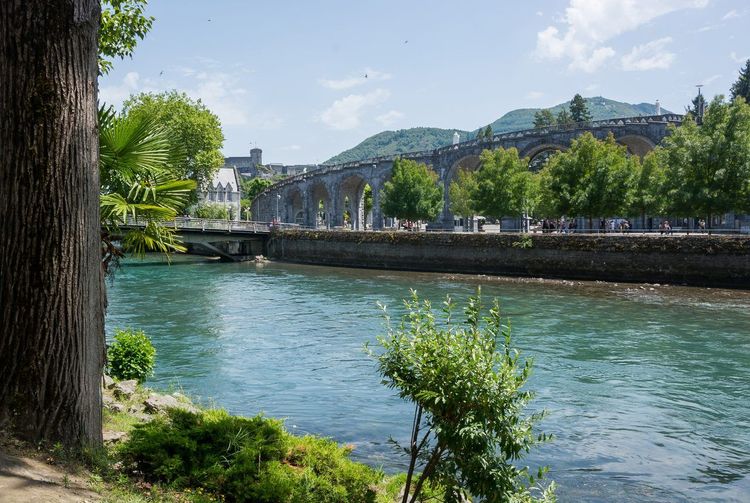
On Sunday afternoon, a good portion of the city-centre shops pull down their shutters, but the city doesn't grind to a halt. The walk along the Gave de Pau (Chemin du Gave, 64000 Pau, rated 4.8/5 on Google from 51 reviews), accessible from the Boulevard des Pyrénées via a discreet stairway, lets you follow the river on foot or by bike as far as the Pont d'Espagne.
From October to May, a Section paloise match — the local rugby club — often fills the Stade du Hameau on late afternoons. Tickets are easy to pick up on the day for regular league fixtures outside the big games.
For a quieter Sunday activity, Parc Beaumont and its shaded paths are more than sufficient, rounded off with a hot chocolate in one of the tea rooms bordering Place Georges Clemenceau — one of the few corners of the centre that stays lively throughout Sunday.
In the morning, make the most of the market and a leisurely post-breakfast stroll before the city slows down after lunch. In the afternoon, the raking light on the Boulevard des Pyrénées often provides the best photographic conditions of the entire weekend — a detail many visitors only discover once they're back home.
FAQ
What can couples do in Pau for a romantic weekend?
A sunset stroll along the Boulevard des Pyrénées, dinner in the Hédas neighbourhood, and a Jurançon wine tasting make for a simple, fuss-free programme — perfect for a weekend for two.
What can you do in Pau on a Sunday when the museums are closed?
Parc Beaumont, a walk along the Gave de Pau, and the Halles market — open in the morning — remain accessible even when museums are closed.
How long does it take to visit the Château de Pau?
Allow around an hour and a half for a self-guided visit with an audio guide, a little longer for a guided tour that covers the royal apartments and the tapestry collection in detail.
How do you get around Pau without a car?
The city centre is entirely walkable, the funicular connects the boulevard to the lower town for free, and the Idelis bus network reaches Jurançon and Lescar in under 20 minutes.
What is the best time of year for a weekend in Pau?
Spring and early autumn offer the clearest views of the Pyrénées, with milder temperatures than midsummer for walking along the Boulevard des Pyrénées.
What can you do around Pau in half a day?
Jurançon and its vineyards, Lescar and its Romanesque cathedral, or Oloron-Sainte-Marie and the Aspe valley are all reachable in under 40 minutes and can be explored in a few hours.
A weekend in Pau fits neatly into two full but unhurried days: the château on Saturday morning, the Boulevard des Pyrénées at sunset, the Halles and Parc Beaumont on Sunday, with the option of heading out to Jurançon, Lescar, or Oloron-Sainte-Marie as the mood dictates. The city suits solo travellers, couples, and families alike, driven by those ever-changing views of the Pyrénées from one street to the next.
To make sure you don't miss a thing, the Ryo audio tour of Pau offers a complete guided route with 19 audio tracks spread across roughly 1 hour 40 minutes of walking between the château, the boulevard, and the Hédas district — turning this weekend into a fully guided itinerary, with no preparation required on your part.
À lire également