© Shutterstock
 Votre guide Ryo
Things to Do in Lourdes in 2026: 16 Places and Experiences at the Foot of the Pyrenees
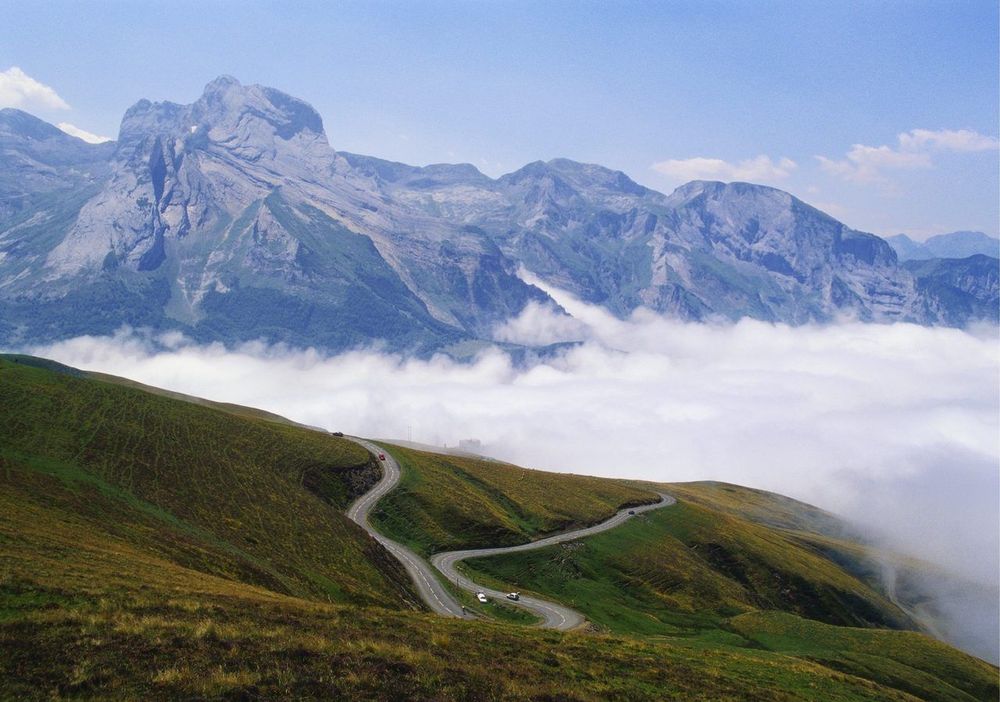
Every year, more than three million visitors converge on this Pyrenean town of fewer than 15,000 inhabitants, making Lourdes one of the most visited religious destinations in the world after Rome. But what is there to do in Lourdes once you have been to the Massabielle Grotto? Far from its image as a simple pilgrimage site, the town hides a château fort perched on a rocky outcrop, a lake where locals swim summer and winter alike, and underground caves a few kilometres away where you can glide by boat beneath a vault of millennia-old stalactites. To extend your discovery beyond the sanctuary, a Ryo audio guide lets you follow a commentary-led route through the lanes of the historic centre, headphones on, at your own pace.
Between one of Europe's steepest funiculars, a 360° panorama over the Pyrenean range, a wildlife park where brown bears roam in semi-freedom, and a torchlight procession that gathers thousands of people every evening regardless of faith, the town turns out to be far richer than a mere stopover. This guide covers 16 experiences, from the sanctuary to excursions into the Parc national des Pyrénées, with suggestions for rainy days and winter evenings.
1. The Notre-Dame de Lourdes Sanctuary and the Massabielle Grotto
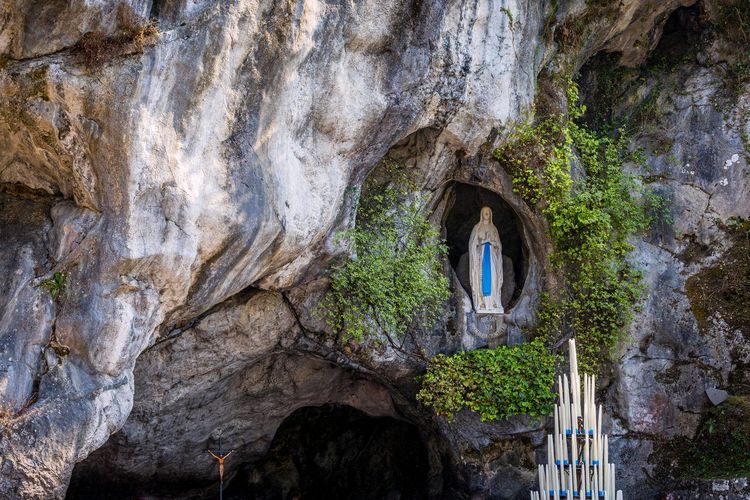
The Notre-Dame de Lourdes sanctuary (1 Avenue Monseigneur Théas, 65100 Lourdes, rated 4.8/5 on Google from 11,469 reviews) spans 51 hectares along the Gave de Pau, centred on the Massabielle Grotto where, between February and July 1858, a 14-year-old girl named Bernadette Soubirous reported 18 Marian apparitions. Access to the grounds is entirely free, from dawn until 10 p.m. in high season, making it one of the most obvious visits you can do without spending a penny.
Three basilicas are stacked on the site: the upper Basilica of the Immaculate Conception, the Rosary Basilica with its Byzantine mosaics, and the underground Basilica of Saint Pius X, capable of holding 25,000 people beneath a vault of prestressed concrete completed in 1958. Many visitors underestimate this last building — buried and barely visible from the esplanade — even though it is an engineering feat built in under three years for the centenary of the apparitions.
If you only have one morning, make a point of passing by the grotto early, before organised groups arrive, then head up to the spring fountains where you can collect water from the source — open to everyone, believers or not. A Ryo audio guide lets you understand the timeline of the apparitions without depending on official guided-tour schedules, a good starting point before exploring the rest of the town.
2. The Pic du Jer and Its 360° Panorama
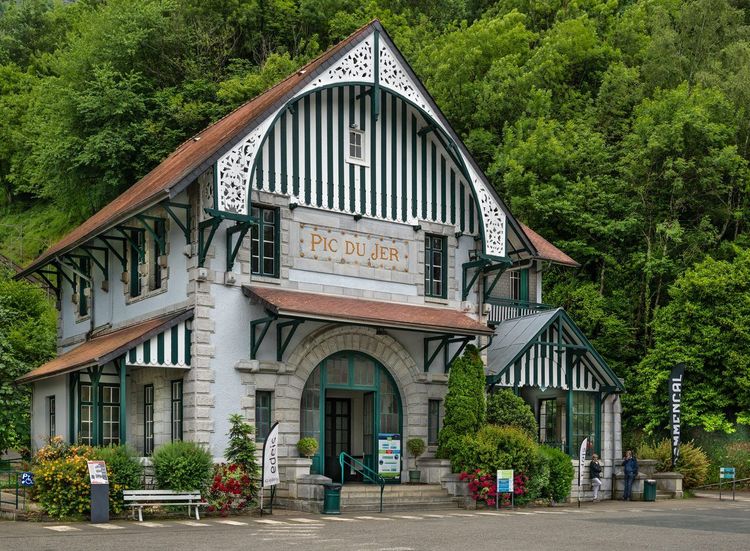
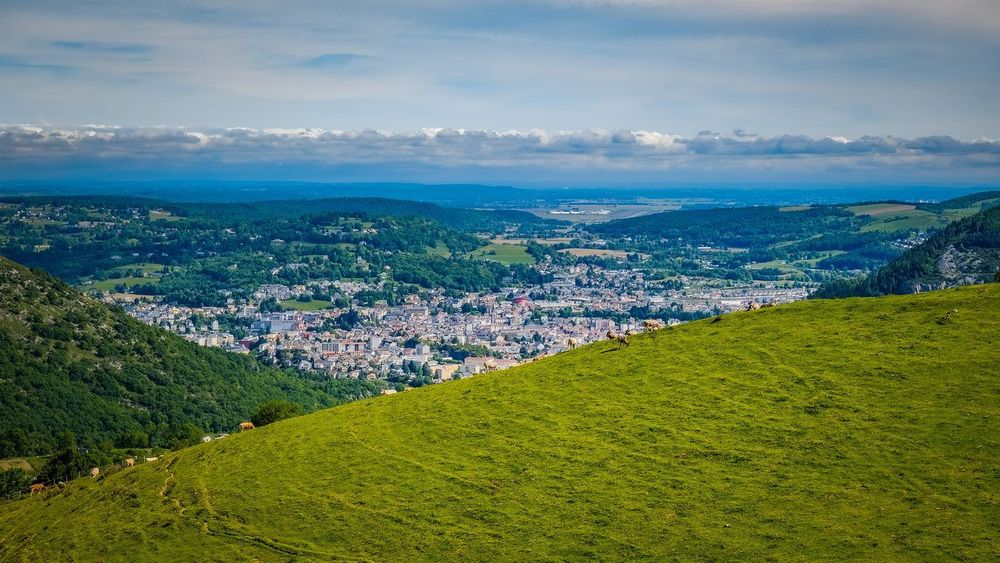
The Pic du Jer funicular (Avenue Francis Lagardère, 65100 Lourdes, rated 4.5/5 on Google from 3,936 reviews) climbs one of Europe's steepest gradients for this type of installation, reaching a summit at 948 metres above sea level. The ascent takes about eight minutes and opens onto a terrace overlooking the Lavedan valley, the town of Lourdes, and, on a clear day, much of the Pyrenean range all the way to the Pic du Midi.
At the top, an illuminated cross visible from across the town at night marks the highest point, and a hiking trail descends back to Lourdes in around two hours for those who prefer effort over machinery. Allow a good hour at the summit to enjoy the view without feeling rushed, especially in late afternoon when the light rakes across the ridgelines.
3. The Château Fort de Lourdes and the Pyrenean Museum
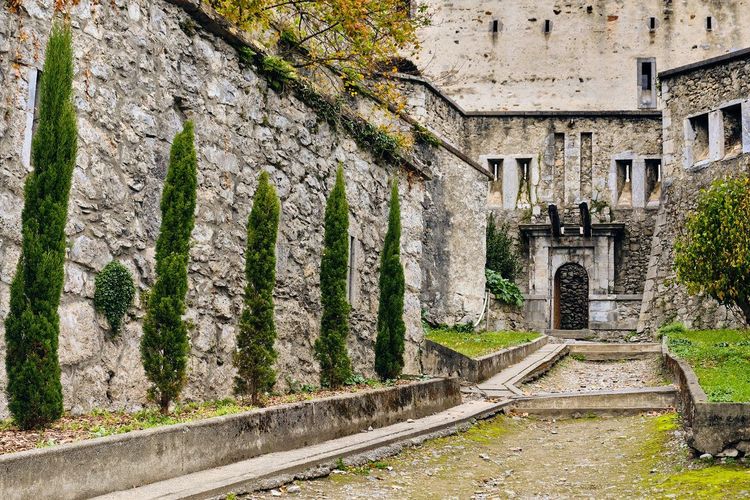
Perched on a rocky spur that has dominated the town for more than a thousand years, the château fort de Lourdes (25 Rue du Fort, 65100 Lourdes, rated 4.5/5 on Google from 3,902 reviews) successively served as a comital fortress, a state prison under Louis XIV, and then a barracks before becoming a museum in 1921. Its strategic position made it, for centuries, a military gateway controlling access to the Pyrenean valleys.
Inside, the Pyrenean museum houses a substantial ethnographic collection: traditional costumes, pastoral tools, scale models of mountain summits, and reconstructions of 19th-century mountain interiors. The climb to the ramparts, made easier by an inclined lift, also offers an unobstructed view over the town and the sanctuary below — different from the Pic du Jer viewpoint because it is closer in and focused on the urban fabric.
Military history enthusiasts will appreciate the room dedicated to the famous prisoners who were held within these walls, including several Huguenot figures imprisoned after the revocation of the Edict of Nantes. Allow around 1h30 for a complete visit of the château and the museum.
4. Lac de Lourdes
About two kilometres from the town centre, Lac de Lourdes (Chemin du Lac, 65100 Lourdes, rated 4.3/5 on Google from 682 reviews) covers around forty hectares of freshwater surrounded by a shaded pedestrian path. This is where locals come to run, fish, or simply sit away from the tourist bustle of the historic centre.
In summer, a small supervised beach allows swimming, while a leisure centre offers pedalo and paddleboard rentals. A full loop of the lake on foot takes about 50 minutes at a leisurely pace — a good alternative for those looking to breathe some fresh air outside the religious circuit.
5. Le Cachot, Bernadette Soubirous's Childhood Home
Before the apparitions, the Soubirous family lived in a single room measuring 4 metres by 4, a disused prison cell known locally as the Cachot. The contrast between this documented poverty and the grandeur of today's sanctuary gives this modest place an emotional charge that few visitors anticipate.
Admission is free and the visit takes only ten minutes, but it provides real insight into the very poor social context in which Bernadette grew up before the events of 1858. Many organised tours pass by without stopping, making it an almost hidden gem despite its immediate proximity to the sanctuary.
6. The Musée de Lourdes
Located near the grotto, the Musée de Lourdes (72 Rue de la Grotte, 65100 Lourdes, rated 4.6/5 on Google from 1,117 reviews) traces the history of the apparitions through life-size reconstructed scenes and period objects belonging to the Soubirous family. The staging, more immersive than documentary, is aimed at families who are not very familiar with the 19th-century Pyrenean context.
The visit lasts about 45 minutes and usefully complements a visit to Le Cachot for anyone wishing to understand the full biography of Bernadette Soubirous, from her childhood to her entry into the convent at Nevers.
7. The Cité Saint-Pierre and Its Gardens
Less well known to passing visitors, the Cité Saint-Pierre is a welcome centre for sick or disabled pilgrims, open to the public for its landscaped gardens and contemporary chapel. The place exudes a rare calm compared to the bustle of the main sanctuary.
Laid out in the 1950s on the heights of the town and managed by the Secours Catholique, the complex extends over about twenty hectares of wooded hillside where you can walk, read, or picnic freely. The benches along the paths offer a pleasant midday resting point, especially for families with young children who need a break after visiting the grotto. Entry is free — a real luxury just steps from such a busy sanctuary.
8. The Bétharram Caves
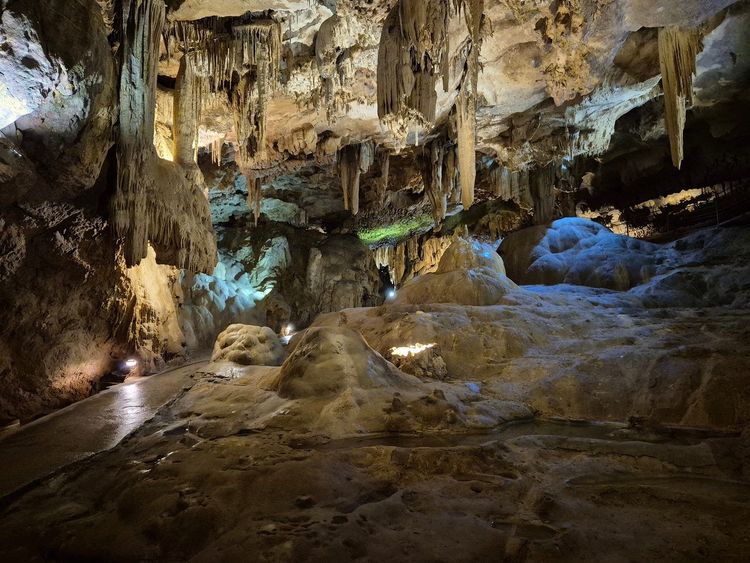
About twenty minutes' drive from Lourdes, the Bétharram Caves (Route des Grottes, 64800 Saint-Pé-de-Bigorre, rated 4.6/5 on Google from 9,870 reviews) form one of the most extensive underground networks open to the public in the Pyrenees, with five levels of galleries carved over nearly 20 kilometres, of which around 2.5 are open for visits. What makes the site special is its mixed route: walking through the most spectacular chambers, then boarding a silent boat that glides along an underground river, before finishing on a miniature train running on old mine rails.
The interior temperature remains stable at around 14°C all year round, making it an ideal excursion to escape the summer heat or, conversely, a perfect activity on rainy days since the entire circuit takes place underground. The full visit lasts around 1h30 and requires a booking in high season, as time slots fill up quickly in July and August.
The most impressive stalactites and stalagmites reach several metres in height, formed over tens of thousands of years by limestone seepage. Subtle lighting, designed to preserve the site's natural darkness, highlights the formations without resorting to overly theatrical effects.
9. The Pyrenees Wildlife Park
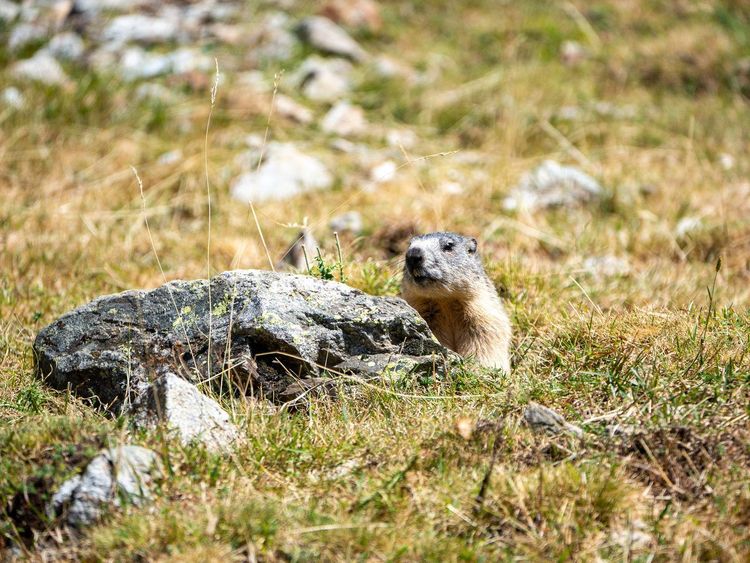
In Argelès-Gazost, about fifteen kilometres from Lourdes, the Pyrenees Wildlife Park (Château Fort, 65400 Argelès-Gazost, rated 4.7/5 on Google from 9,858 reviews) brings together more than 1,000 animals spread across 22 hectares of Pyrenean forest, with a strong focus on local and international mountain wildlife. Brown bears, wolves, European bison, and lynxes roam in spacious landscaped enclosures designed to minimise animal stress.
The fully pedestrian route winds for about 3 kilometres and requires three to four hours for a complete family visit without rushing. Elevated observation points allow you to watch the brown bears without a glass barrier between you — a fairly rare experience in French zoological parks.
For children, several petting areas with dwarf goats and llamas complement the route, while educational panels detail the reintroduction programmes carried out in the Pyrenean massif since the 1990s, notably for the brown bear and the ibex.
10. The Pibeste-Aoulhet Regional Nature Reserve
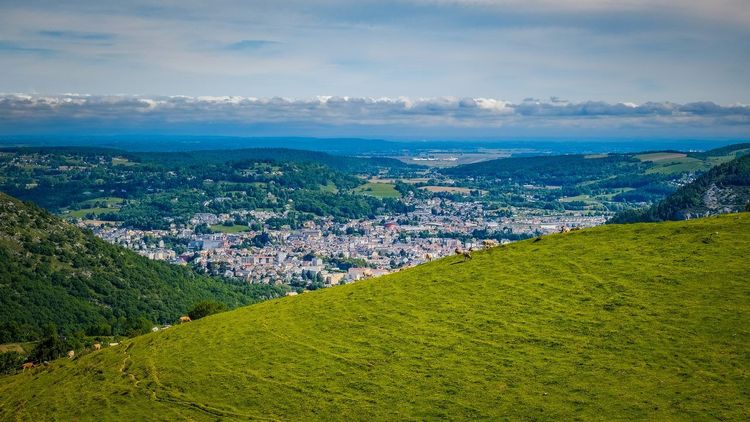
Less visited than the major tourist sites, the Pibeste-Aoulhet nature reserve protects 2,476 hectares of limestone ridges between 400 and 1,675 metres altitude, visible from Lourdes on a clear day. Around ten marked trails allow you to spot griffon vultures and bearded vultures, two emblematic species whose reintroduction has been closely followed by local naturalists.
Experienced hikers can aim for the Pibeste summit in half a day from Ouzous, with an elevation gain of around 900 metres. For a shorter outing, the Sentier des Chênaies starting from Ossen gives a taste of the reserve in under two hours, accessible to families with children who are used to walking. For those who prefer to stay in town, Pau's audio-guided tour is a gentler way to take in its historic centre.
11. The Old Town, the Market Hall, and the Covered Market
Outside the sanctuary perimeter, the old town of Lourdes retains a tight medieval fabric around the Rue du Bourg, with its half-timbered houses and shops selling Pyrenean specialities. The Halles de Lourdes (Place du Champ Commun, 65100 Lourdes, rated 4.3/5 on Google from 2,381 reviews), a 19th-century covered market, welcomes local producers several mornings a week.
Sheep's cheese, garbure stew, and spit cake are among the specialities to sample on the spot — a far cry from the image of a town focused solely on religious souvenir shops. A detour through this part of town, often overlooked by visitors in a hurry, reveals an everyday Lourdes quite removed from the pilgrim coaches.
12. With Kids: the Lake, Market Hall, and Wildlife Park Combo
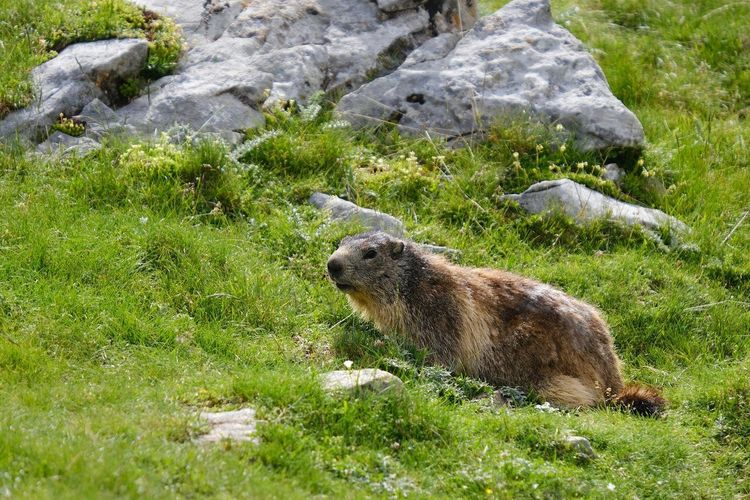
With children, the most effective combination pairs a morning at Lac de Lourdes to burn off some energy, lunch at the market hall, then an afternoon at the Pyrenees Wildlife Park or the Bétharram Caves depending on the weather. These three sites concentrate the best activities suited to younger visitors without requiring long car journeys.
The Pic du Jer funicular is a particular hit with children for its steep incline — almost a fairground ride in itself — while the château fort provides a playful pause between more contemplative visits. To keep kids entertained during journeys and give them some historical context without lengthy explanations, an audio-guided route designed for families curious about local history can turn a simple walk into a commented treasure hunt.
Families with very young children will prefer short, spaced-out visits: Le Cachot (15 Rue des Petits Fossés, 65100 Lourdes, rated 4.7/5 on Google from 830 reviews) followed by the Musée de Lourdes complement each other well on the same morning, without exceeding two hours of continuous activity.
13. The Torchlight Procession, the Evening Highlight
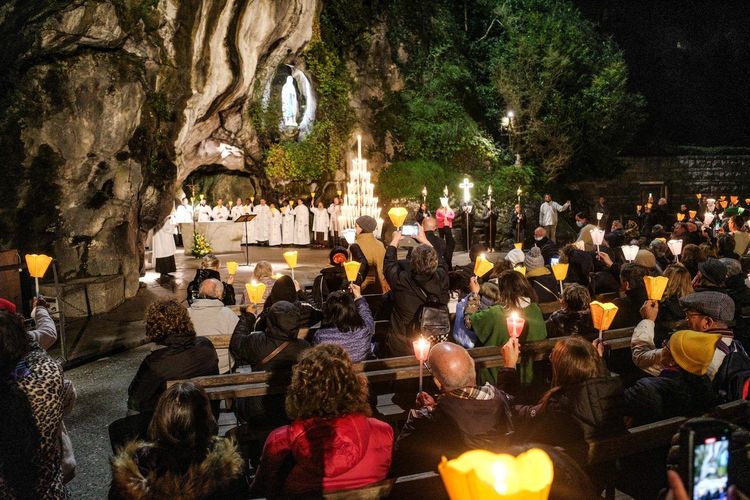
Every evening between April and October, a Marian torchlight procession gathers several thousand participants on the sanctuary esplanade, with the rosary and hymns sung in multiple languages. The event, free and open to all, generally begins around 9 p.m. and lasts about an hour.
Even without any personal religious involvement, the visual scale of the procession of lights — with participants from dozens of different countries — makes it a fairly unique spectacle in Europe. It is undoubtedly the most memorable evening activity, since most other businesses close relatively early outside the town centre.
For visitors who prefer a quieter evening, a few bars in the centre offer terraces with views of the illuminated château fort — a peaceful alternative after a full day of sightseeing.
14. The Best Options on Rainy Days
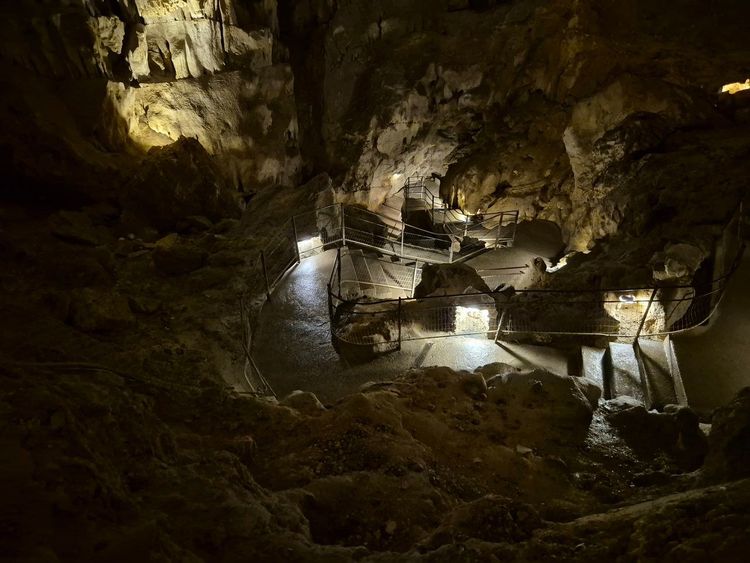
On rainy days, the Bétharram Caves remain the best option since the entire route takes place underground at a constant temperature. The château fort and its Pyrenean museum also provide full shelter for a good part of the day, with enough collections to keep you occupied for 1h30 without repetition.
In town, the Musée de Lourdes and Le Cachot can be visited quickly and allow you to string together two covered activities in a single morning. For families, the Pyrenees Wildlife Park remains manageable even in light rain thanks to the wooded paths, but it is worth bringing suitable clothing since the route is almost entirely outdoors.
15. Lourdes in Winter: Rediscovering the Calm
Between November and March, tourist numbers drop sharply, making a visit to the sanctuary particularly peaceful, without the summer queues. The nearby ski resorts of Cauterets and Luz-Ardiden, less than an hour's drive away, usefully complement a winter stay for snow sports enthusiasts.
Lac de Lourdes sometimes takes on an almost Scandinavian feel beneath a morning frost, and the Bétharram Caves remain open all year at a stable temperature. On the other hand, certain outdoor sites such as the Pibeste-Aoulhet reserve require appropriate cold-weather and snow gear at altitude.
16. Day Trips from Lourdes: Gavarnie, Cauterets, and the Pic du Midi
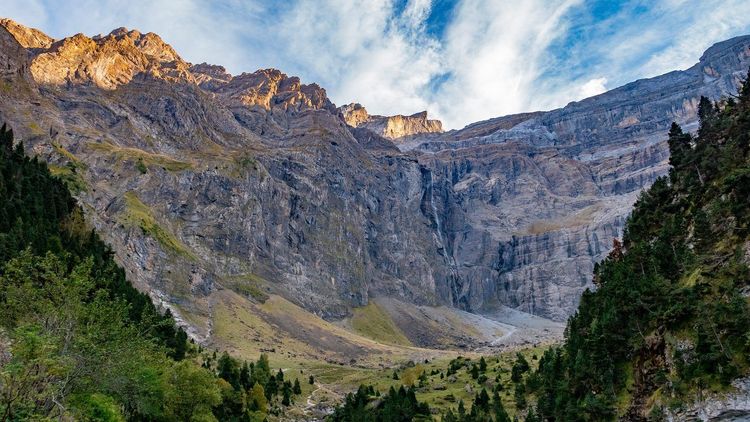
For those with an extra day to spare, the cirque de Gavarnie, listed as a UNESCO World Heritage Site, lies just under an hour's drive from Lourdes. This 1,500-metre-high limestone amphitheatre, punctuated by France's tallest waterfall with its 423-metre drop, is reached after roughly 1h30 of walking from the village.
To the west, the spa town of Cauterets combines natural hot springs with direct access to the Parc national des Pyrénées, with several waterfalls reachable in under an hour's walk from the town centre. The Belle Époque atmosphere of its thermal baths contrasts sharply with the religious tourism of Lourdes.
Finally, the Pic du Midi de Bigorre (Chemin des Étoiles, 65200 La Mongie, rated 4.4/5 on Google from 2,248 reviews), accessible by cable car from La Mongie, peaks at 2,877 metres and is home to an astronomical observatory still in operation, open to the public for stargazing nights. On a clear day, the view stretches for several hundred kilometres — a breadth of panorama rarely matched in the massif.
Each of these three excursions requires half a day to a full day and cannot easily be combined on the same short trip; it is better to choose one according to your priorities — wild nature for Gavarnie, thermal relaxation for Cauterets, or astronomy for the Pic du Midi.
How to Get to Lourdes and Where to Stay

Lourdes has direct train connections from Paris, Bordeaux, and Toulouse: its station, one of the few pilgrimage stations in France, is about fifteen minutes' walk from the sanctuary. By car, the A64 motorway links Toulouse to Bayonne and serves the Tarbes-Ouest exit, around thirty minutes away. Tarbes-Lourdes-Pyrénées airport, about ten kilometres away, offers a few regular routes and seasonal flights.
As for accommodation, the town boasts France's second-largest hotel stock after Paris, with more than 150 hotels in every category, most clustered around the Avenue de la Grotte and the station. Prices rise significantly during the pilgrimage season, from April to October; for a quieter and often cheaper stay, nearby villages such as Argelès-Gazost or Saint-Pé-de-Bigorre provide a practical base less than twenty minutes' drive away.
FAQ
What can you do in Lourdes for free?
Access to the Notre-Dame de Lourdes sanctuary, the Massabielle Grotto, and the spring fountains is entirely free. Le Cachot, a stroll around Lac de Lourdes, and the evening torchlight procession are also free of charge, making it easy to fill a full day without any budget for admissions.
What can you do in Lourdes in one day?
In one day, focus on the sanctuary in the morning, lunch at the market hall, then the château fort or the Pic du Jer in the afternoon depending on how much walking you enjoy. End with the torchlight procession in the evening if your visit falls between April and October.
What can you do in Lourdes with kids?
The Pyrenees Wildlife Park, Lac de Lourdes, and the Pic du Jer funicular are a trio that children love. The Bétharram Caves, with their boat ride and miniature train, add a fun dimension that kids from age 5–6 onwards tend to enjoy.
What can you do in Lourdes when it rains?
Head to indoor sites: the Bétharram Caves, the château fort and its Pyrenean museum, the Musée de Lourdes, and Le Cachot. These four venues can easily fill an entire day under shelter without depending on the weather.
What can you do in Lourdes in the evening?
The Marian torchlight procession, held every evening from April to October on the sanctuary esplanade, is the most striking evening activity. Out of season, a few bars and restaurants in the town centre with views of the illuminated château fort round out the options.
What can you do in Lourdes in winter?
Between November and March, the sanctuary can be visited in peace, far from summer crowds. The ski resorts of Cauterets and Luz-Ardiden, less than an hour away, along with the Bétharram Caves at a stable temperature, complement a winter stay nicely.
In Summary
Beyond its image as a pilgrimage town, Lourdes reveals itself as a Pyrenean destination in its own right: a château fort, a lake, underground caves, and a wildlife park are more than enough to fill several days without ever returning to the same place twice. The town also serves as an ideal base for venturing out to the glacial cirques, spa resorts, and summits that surround it.
Whether you follow the Ryo audio guide step by step through the lanes of the historic centre or prefer to improvise as you go, a Ryo audio guide helps you connect these places and grasp the history that links them — from Bernadette's Cachot to the château ramparts. From a one-day stopover to an extended stay exploring the neighbouring cirques and summits, the town deserves a look well beyond the grotto.