© Shutterstock
 Votre guide Ryo
Things to Do in Oloron-Sainte-Marie in 2026: 13 Experiences between Béarn and the Pyrenees
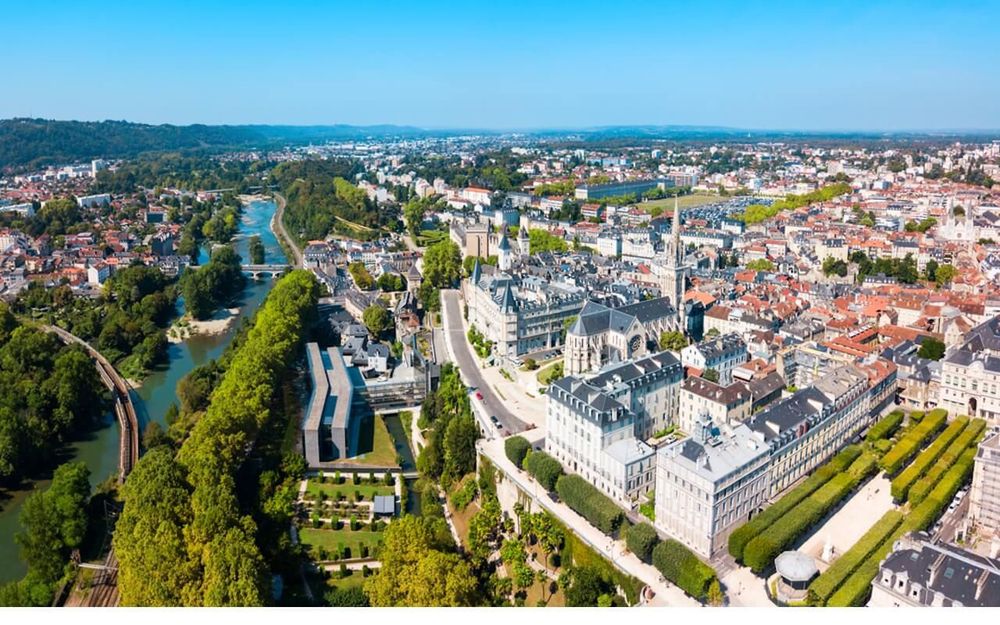
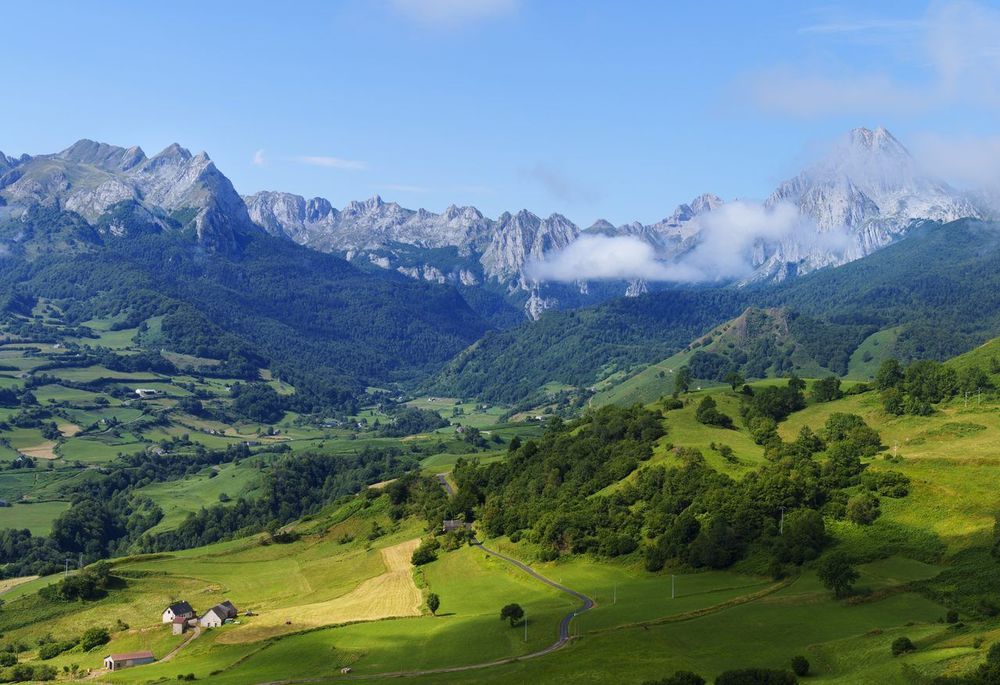
Between the rushing waters of the Gave d'Oloron and the first Pyrenean foothills, Oloron-Sainte-Marie has a discreet dual identity: two twin towns, Sainte-Marie and Sainte-Croix, long rivals and today united around a single Romanesque bell tower. Wondering what to do in Oloron-Sainte-Marie means accepting a step off the beaten track of classic Béarnaise tourism, between Pau and the mountains, to discover a town that long lived off its fairs, its textile industry and its position as a gateway to the Aspe and Barétous valleys.
Within just a few kilometres, you encounter a Romanesque portal sculpted over eight centuries ago, a brotherhood that defends spoonful by spoonful the traditional garburade recipe, a weaving workshop that has been producing Basque linen on shuttle looms since 1910, and a ski resort reachable in under an hour by road. Add to that villages where Alexandre Dumas may have found the name of a musketeer, a wine route that climbs towards Jurançon, and leisure bases where the waters of the Gave warm up from June onwards: here is the substance of a complete Béarnaise city break, whether you are planning a stopover before the Pyrenees or a long weekend on the spot. Many visitors arrive via Pau, 35 km away: the Ryo's audio-guided tour of Pau serves as a warm-up before venturing into the interior Béarn.
1. The Historic Heritage of Oloron-Sainte-Marie
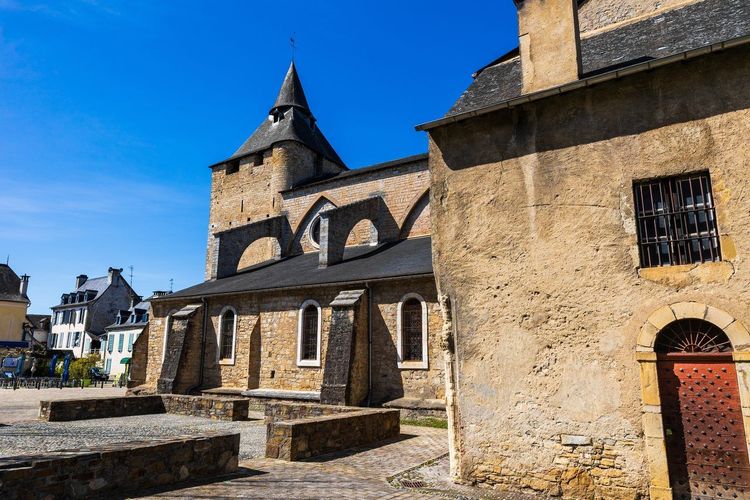
A little history first, to understand why Oloron-Sainte-Marie bears two names joined together. Until the 19th century, Sainte-Marie and Sainte-Croix were two distinct towns, separated by the Gave, each with its own ramparts, market and bell-tower rivalry. Their administrative merger in 1858 gave birth to the present-day town, but the two districts have retained a distinct identity that can still be felt when crossing the Pont Sainte-Claire. Asking what to see and do in Oloron-Sainte-Marie almost always starts here, in this maze of alleyways that has preserved its medieval layout, far from the main tourist routes of more institutional Béarnaise tourism.
The Sainte-Marie District and Its Romanesque Cathedral
The Cathédrale Sainte-Marie d'Oloron (Place de la Cathédrale, 64400 Oloron-Sainte-Marie, rated 4.7/5 on Google from 241 reviews) has dominated the left-bank district since the 12th century. Its sculpted portal, one of the most complete examples of Pyrenean Romanesque art, blends biblical scenes with chained figures perhaps evoking Saracen captives, beneath a tympanum that the elements have weathered without ever fully erasing. A stop on the pilgrimage routes of Santiago de Compostela — the Pyrenean foothill route listed as a UNESCO World Heritage Site as part of the Routes of Compostela in France — the building still welcomes walkers on their way to Roncevaux today.
Take the time to walk around the building along the street that runs beside the apse: it is from this angle that the successive modifications are most clearly visible, from the original Romanesque to the Gothic additions and then the 19th-century restorations. Inside, the historic organ and the portal's capitals are worth a visit of twenty to thirty minutes, longer if a guided tour is being offered by the Piémont Oloronais tourist office.
Around the cathedral, the steep alleyways of the Sainte-Marie district retain a few half-timbered houses and vestiges of the old medieval walls. This was also where most of the town's textile trade was once concentrated, before the activity gradually shifted to the Sainte-Croix bank over the centuries. The mullioned windows and carriage gateways encountered along the way quietly tell the story of old Oloron's mercantile prosperity.
The Sainte-Croix District, the Medieval Soul of the Town
On the other side of the Gave, the Sainte-Croix district climbs steeply towards its fortified church, a rare blend of Romanesque, Gothic and Hispano-Moorish influences in the ribbed dome that crowns the chancel. This architectural plan, unique in the region, is said to date from the 12th century and to have been remodelled after several successive fires. The lanes and stone stairways that wind around it connect the half-timbered houses of old Oloron to terraces overlooking the valley.
It was in this district that, from the Middle Ages onwards, the textile industry developed that long sustained the town: weaving of Pyrenean wool, then the making of berets, a tradition still kept alive today by the Laulhère manufacture, founded in 1840 and still based in Oloron-Sainte-Marie, the last major French beret maker. The great fairs, held several times a year on the Place de la Résistance and along the Allées du Comte de Tréville, built the town's commercial reputation until the 20th century, drawing livestock traders, wool merchants and wine sellers from across the Béarn foothills. The importance of fairs in Oloron-Sainte-Marie's history has never truly faded: it has simply changed form, shifting from wholesale trade to producers' markets and the gourmet fairs of today.
Allow a good hour to walk through both districts in a loop, including the cathedral: the elevation gain is modest, but the uneven cobblestones call for closed-toe shoes. In season, the tourist office offers themed guided tours, a good option if you want to place each architectural detail in its proper context. This contrast between the two banks — one more commercial and bourgeois, the other more working-class and steep — remains arguably the best entry point for understanding tourism in Oloron-Sainte-Marie today.
2. The Gave d'Oloron and Its Banks
The Gave d'Oloron is born just upstream of the town, at the confluence of the Gave d'Aspe and the Gave d'Ossau, two Pyrenean torrents that lose their names here to form a single river heading towards the Adour and then the ocean. This meeting of waters, visible from several points around town, gives Oloron-Sainte-Marie's urban landscape a quality rare among Béarnaise towns: you are always within walking distance of a fast-flowing river, bordered by secondary streams and, further upstream towards the gorges, by small seasonal waterfalls that locals head to in summer.
Walks and Relaxation along the Gave
The landscaped quays along the Gave d'Oloron form a flat, shaded promenade, pleasant in summer and winter alike. The stretch between the Pont Sainte-Claire and the Pont du Camboué, roughly two kilometres, can be walked or cycled and passes former industrial sites now converted to new uses.
For a shorter walk with children, favour the left bank, which is wider and flat; the regularly placed benches make it a comfortable route for families with pushchairs.
Early in the morning, fly fishermen standing in the current are a reminder that the Gave d'Oloron remains a renowned salmon and trout river, ranked among the best fishing stretches in the greater South-West by several local federations.
Upstream, near the Aspe gorges and towards Escot, several seasonal waterfalls form after the snowmelt, between April and June. They are not signposted from the town centre but are among the classic day trips from Oloron-Sainte-Marie, complementing an urban walk along the Gave.
Swimming and Leisure Bases in the Béarn
The Faget leisure base (Route du Faget, 64400 Oloron-Sainte-Marie, rated 4.4/5 on Google from 9 reviews) remains the local reference for swimming in the Béarn in summer: a supervised lake, a developed beach, a picnic area and a fitness trail make it an essential family destination, less than ten minutes from the town centre. Admission is free; only the summer supervision, generally from July to the end of August, is time-limited.
Arrive before 11am in July and August: the car park fills up quickly on hot days, and shade is scarce on the main beach in the early afternoon.
Other leisure bases and rivers suitable for swimming can be found within a thirty-minute radius of Oloron-Sainte-Marie, particularly along the Gave d'Ossau near Buzy or along the cooler mountain streams of the Aspe valley. These spots, often unsupervised, require greater caution: the current can remain strong even when the surface looks calm.
For families combining beach time with heritage exploration, a typical day involves a morning swim at the Faget followed by an afternoon in old Oloron: the whole thing can be done without a car, on foot or by bike, which simplifies the logistics of a stress-free stay.
3. Hikes and Walks around Oloron-Sainte-Marie
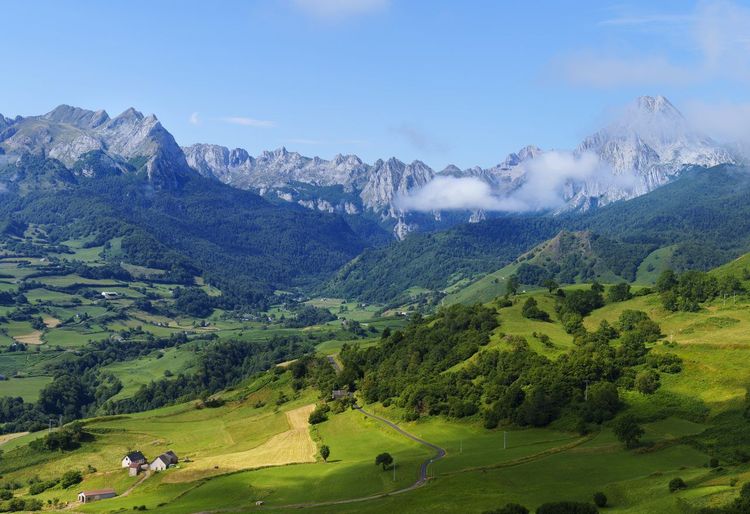
Hiking around Oloron-Sainte-Marie often means gateway: the town marks the start of several itineraries climbing towards the Aspe and Barétous valleys, but also the departure point for far more accessible nearby walks, along the terraces above the Gave or towards neighbouring villages. Whether you are looking for a two-hour outing or a multi-day cycling journey, the region offers a gradual elevation gain, from the Pyrenean gorges to the first passes, via greenways laid out on former railway lines.
The Terraces of the Gave d'Aspe, on Foot or by Bike
The wheeled trail no. 35, named 'The Terraces of the Gave d'Aspe at Oloron', follows a former railway line converted into a greenway for approximately 12 km, between Oloron-Sainte-Marie and the first hamlets of the Aspe valley. The compacted, smooth surface is equally suited to walking and cycling, including with a pushchair or wheelchair over most of the route.
The route runs alongside the Gave d'Aspe on alluvial terraces offering open views over the first Pyrenean foothills, without ever presenting a significant elevation gain: it is one of the rare itineraries in the region accessible to all levels, including children.
Allow around three hours for the full return journey on foot, or just under an hour by bike. Choose the morning in summer: the greenway, with little shade on some stretches, heats up quickly in the middle of the day.
This former railway line once connected Oloron-Sainte-Marie to Bedous and then to Canfranc on the Spanish side, before its gradual closure in the 20th century. The Oloron-Bedous section was reinstated for passenger services in 2016, with a view to fully reopening the Pau-Canfranc line, but services beyond Oloron-Sainte-Marie remain subject to ongoing works: check the current timetable with SNCF or the Region before counting on the train for your return from a hike.
Several bike hire shops in Oloron-Sainte-Marie offer electric-assist bicycles by the day, a comfortable option for combining the greenway with a ride up to the first villages of the Aspe valley without exhausting yourself on the steeper sections.
Other nearby walks complement this main itinerary, including short loops around the Bois du Laring or along the banks of the Gave d'Oloron mentioned above. Most are waymarked by the Pyrénées-Atlantiques Department and detailed on information panels installed at the main starting points, notably on the Place Clemenceau.
From Oloron to Bedous and l'Hôpital-Saint-Blaise by Eco-Mobility
The eco-mobility itinerary from Oloron-Sainte-Marie to Bedous extends the previous greenway by around thirty additional kilometres, following cycling sections and low-traffic roads. It can be tackled on an electric-assist bicycle, increasingly available to hire in the valley, or on foot in several stages.
The route from Oloron-Sainte-Marie to l'Hôpital-Saint-Blaise heads in a completely different direction, westward into the Barétous valley. This small village is home to a fortified church listed as a UNESCO World Heritage Site as part of the Routes of Santiago de Compostela, recognisable by its octagonal dome of Hispano-Moorish inspiration, unique in the Béarn.
Allow half a day for the return by car with a visit stop, or a full day by electric bike from Oloron-Sainte-Marie. These two itineraries are rarely combined in a single outing: it is better to treat them as two separate excursions depending on your mode of transport.
To prepare these two routes, it is worth checking the condition of the sections in advance: some segments are still under works depending on the season, particularly on the stretch closest to Bedous. Local tourist offices publish an updated map each spring.
Overall, the area around Oloron-Sainte-Marie has several dozen kilometres of waymarked trails and greenways, from family-friendly flat riverside routes to mountain itineraries towards the Pyrenean passes. An IGN Top25 map remains an essential companion for outings that venture beyond the official greenways.
4. Payssas Arboretum and Bois du Laring: Nature and Cool Shade
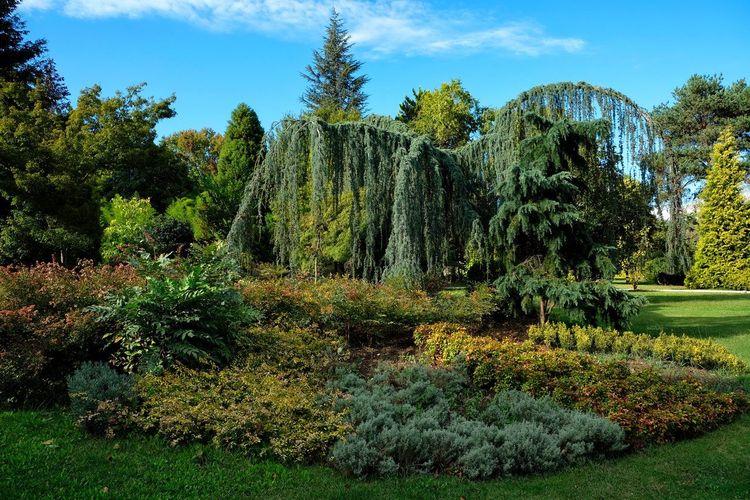
The Payssas arboretum, laid out on a former private estate, brings together several dozen tree species, some of them centuries old, along a shaded path taking less than an hour to walk. Giant sequoias, Atlas cedars and more local species coexist along a waymarked trail, freely accessible year-round.
Entry is free and the site lends itself well to a cool break in the height of summer, when the dense canopy drops the temperature by several degrees compared to the town centre. Do wear sturdy shoes though: some sections remain on bare earth after rain.
A few kilometres away, the Bois du Laring (64400 Oloron-Sainte-Marie) offers another side of nature around Oloron-Sainte-Marie: a deciduous forest crossed by several walking loops, wilder than the arboretum and popular with local runners and cyclists at weekends.
These two natural spaces complement each other well: the arboretum for a short, educational outing, the Bois du Laring for a more energetic walk of an hour and a half to two hours. Together they provide an alternative to the more frequented routes in the town centre, particularly useful on days of heavy tourist footfall in summer.
Neither site has on-site catering: it is best to bring a picnic or head back to the town centre, less than fifteen minutes by car from both sites. The tables at the arboretum are available for an impromptu lunch break, however.
For photography enthusiasts, the low raking light at the end of the day filters particularly well through the Bois du Laring canopy, a time slot worth prioritising to capture the forest atmosphere before the weekend crowds arrive.
5. Lartigue 1910, Basque Linen Woven at the Gates of Oloron
Among the curiosities that set Oloron-Sainte-Marie apart from neighbouring towns is Lartigue 1910 (64400 Bidos, rated 4.7/5 on Google from 248 reviews), a weaving house located in Bidos, the commune right on the southern edge of Oloron-Sainte-Marie, where the same family of weavers has been continuing the tradition of Basque linen for four generations.
You know the pattern even if you do not know its name: those coloured stripes on an off-white background, originally seven in number like the seven provinces of the Basque Country, that run across tablecloths, tea towels and cushions on tables throughout the South-West. The workshop weaves, cuts and finishes on site, from yarn to finished product — a level of integration that has become rare in French textiles.
The workshop visit is the real highlight of the stop: you can watch the looms running, follow the passage of the weft and understand why a tablecloth takes several hours to come off the loom. Allow just under an hour, including the shop, and check time slots in advance: visits are scheduled around the production rhythm, not the other way round.
Two official recognitions testify to the solidity of the craft: the Living Heritage Company label, awarded in 2017, and the geographical indication 'Linge basque', obtained in 2020, which protects the designation against imported imitations. A detail worth knowing if you leave with a tablecloth: the price is justified by the local weaving, not the label.
It is also the ideal stop on a rainy day, when the mountains are clouded over: the workshop combines easily with a morning in the historic centre and a visit to the market, without driving more than five minutes. Textile enthusiasts can continue to the beret manufacture in the town centre, covered later in this article.
6. Villages and Valleys to Discover around Oloron-Sainte-Marie
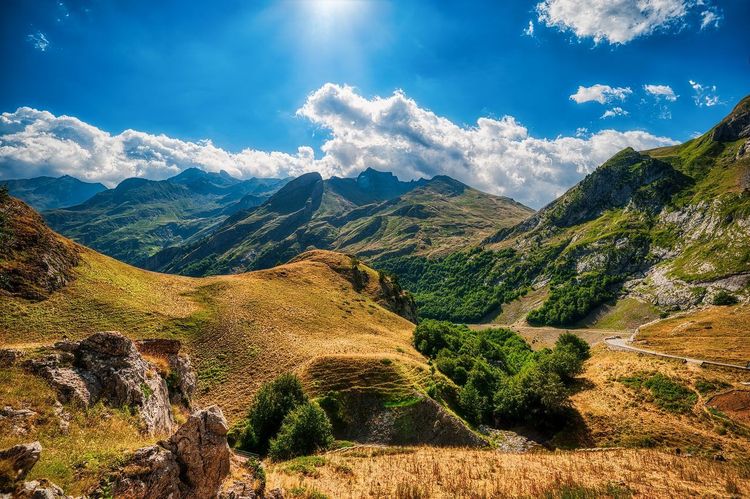
Beyond the town centre, the villages around Oloron-Sainte-Marie form an arc stretching from the first Pyrenean passes to the Jurançon vineyard. When exploring the surrounding area, two quite distinct groups stand out by their atmosphere: the mountain valley to the south-west and the gentler foothill villages to the north-east. These destinations lend themselves equally to a day trip or a multi-day road trip, especially if you continue onto the wine route covered later in this article.
The Barétous Valley: Aramits and Arette-La Pierre Saint-Martin
The Barétous valley opens up to the south-west of Oloron-Sainte-Marie, about twenty kilometres away, and brings together the best activities and sights in the valley: characterful villages, alpine pastures and the first mountain resort of the area. Aramits (64570 Aramits), the valley's historic chief town, is said to have given its name to Aramis, one of the characters in Alexandre Dumas's The Three Musketeers, in tribute to a real musketeer from the village in the 17th century.
The village retains a fortified church and a few old houses typical of Barétounaise architecture, with steeply pitched roofs and local stone. It is also the starting point for several trails towards the ridges separating the Béarn from the neighbouring Basque Country.
Aramits also hosts a modest but authentic weekly market, where sheep cheese producers and valley farmers cross paths: a good opportunity to taste a farmhouse Ossau-Iraty before hitting the road again.
Higher up in the valley, Arette-La Pierre Saint-Martin combines a valley-floor village with a winter sports resort perched at over 1,650 metres altitude. The resort is best known for its alpine and Nordic ski area, but also for the Pierre Saint-Martin pothole, one of the deepest karst systems in the world, first explored in the 1950s.
Outside the ski season, the road climbing to the resort offers one of the finest views in the Béarn over the border ridges; allow 45 minutes from Oloron-Sainte-Marie and make sure your tank is full, as petrol stations become scarce beyond Arette.
Hikers and trail runners particularly appreciate the area for its loops towards the Col de la Pierre Saint-Martin and the surrounding karst plateau, a mineral landscape quite different from the rest of the Béarn, almost lunar in places.
Villages of the Béarn Foothills: Aren, Monein and Arudy
In the opposite direction, towards the north-east, the villages of the Béarn foothills offer a gentler atmosphere, amid vines and orchards. Aren, a small village nestled on the heights, charms visitors with its panoramic view of the Pyrenean chain and its characterful houses grouped around the church.
Monein is the heart of the Jurançon vineyard: this wine-growing village is home to the church of Saint-Girons, renowned for its inverted boat-hull roof structure, one of the largest in France and a masterpiece of 16th-century carpentry rarely highlighted in mainstream guides.
Several wine estates around Monein offer tastings and cellar visits, often by appointment outside the summer months. It is a natural stop if you are already planning the road trip along the Jurançon wine route covered later in this article.
Arudy (64260 Arudy), further south towards the Ossau valley, is distinguished by its houses built in local grey marble, quarried in the surrounding area since Roman times. The village also has a Pyrenees National Park House, useful for planning a more demanding mountain hike.
These three villages can easily be visited in the same day from Oloron-Sainte-Marie, in a loop of under 60 km, a format that complements the most popular attractions around Oloron-Sainte-Marie covered in this article.
You will also enjoy the small road linking Aren to Monein as it runs along the first Jurançon slopes, a little-used secondary route that is particularly photogenic at sunset, when the raking light catches the rows of vines.
For a stay of several days in the area, alternating between a mountain village (Aramits or Arette) and a foothill village (Monein or Arudy) allows you to experience two very different Béarnaise atmospheres without multiplying car journeys.
Taken together, this constellation of villages around Oloron-Sainte-Marie illustrates the diversity of the territory: pastoral mountains on one side, wine-growing foothills on the other, with the town itself as the pivot point between the two. This proximity is what makes Oloron-Sainte-Marie an ideal base for anyone wishing to explore the Béarn without spending hours on the road every day.
7. An Exceptional Road Trip: from the Barétous Valley to the Jurançon Wine Route
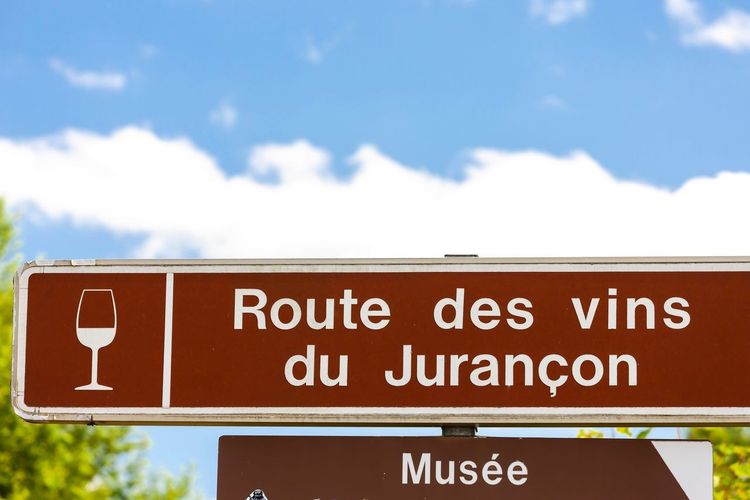
For those with a full day or a weekend to spare, a road trip from the Barétous valley to the Jurançon wine route allows you to cross three Béarnaise atmospheres in a single loop starting from Oloron-Sainte-Marie: mountains, foothills and vineyards. Allow around 90 km in total, doable in one day with stops, or spread over two days if you want time to taste along the way.
The typical itinerary starts at Arette-La Pierre Saint-Martin early in the morning to enjoy the cool mountain air, descends towards Aramits and Oloron-Sainte-Marie at late morning, then climbs to Monein and the Jurançon slopes for the afternoon, with one or two cellar visits depending on the time available.
Along the way, several unusual spots in the Béarn are worth a detour: small isolated chapels in the middle of the countryside, communal wash-houses still in use, or impromptu viewpoints on back roads rarely mentioned in mainstream tourist guides. These spontaneous stops often make the best memories of a Béarnaise road trip, more so than the planned highlights.
Fill up with petrol before leaving Oloron-Sainte-Marie: filling stations become scarce on the minor mountain roads. Also bring water and a picnic, as shops with continuous opening hours are rare in the villages along the way.
This type of itinerary is also among the most popular routes around Oloron-Sainte-Marie noted by regular visitors to the area, particularly in late spring when the mountain passes reopen and the Jurançon vines are just beginning to turn green.
If you are travelling with family, it is better to split the route over two days with a night on the spot, rather than covering the full 90 km in a single day: the winding mountain roads are more tiring than the mileage suggests.
For road cycling enthusiasts, this same route, or part of it, also constitutes a locally recognised sporting challenge, with a significant cumulative elevation gain on the Barétous valley side and a more rolling section once back down towards the vineyards.
8. Oloron-Sainte-Marie with Family, between Farms and Nature
A family visit to Oloron-Sainte-Marie benefits from a human-scale territory where the distances between activities are rarely more than 30 minutes by car. Between leisure bases, educational farms and first steps into the great outdoors, the region responds well to the desires of families with young children, without requiring an overly packed programme each day.
Visiting Farms in the Béarnaise Pyrenees
Several farms in the Béarnaise Pyrenees open their doors to visitors around Oloron-Sainte-Marie, generally sheep or goat farms producing Ossau-Iraty, the local cheese appellation. Some offer a guided tour of the milking and ageing process, followed by a tasting — an activity that particularly appeals to children curious about where their food comes from.
Book ahead if possible: most of these farms operate as small family businesses and only welcome a few groups per day, especially during the main milking season in spring and summer.
Some farms have also diversified their activities to include alpaca or pony farming, designed specifically for younger visitors, with the opportunity to stroke or feed the animals under supervision.
These farms fit well into a day combined with one of the walks described above: a light morning hike, an afternoon farm visit — a rhythm that avoids tiring toddlers while keeping a genuine element of discovery.
Most of these farms sell their produce directly, a good opportunity to leave with a cheese aged for several months, far more flavourful than anything found in a supermarket, while directly supporting the local pastoral economy.
Nature Activities and First Experiences with Family
For nature-loving families visiting the Pyrenees with children, the area around Oloron-Sainte-Marie offers plenty of opportunities to observe still-unspoilt wildlife, from griffon vultures soaring over the Barétous valley ridges to grey herons along the Gave d'Oloron.
How about trying something for the first time: several local providers offer introductory sessions in tree-top adventure courses, canoeing on the Gave or climbing on the area's first crags, generally suitable from the age of 6 or 7 depending on the activity chosen.
For a successful first experience, favour operators offering short slots of around an hour rather than a full half-day: young children lose focus quickly, and it is better to leave on a high note than to push through a programme that has gone on too long.
In winter, some of these outdoor activities naturally shift to snow-based alternatives, a convenient segue into the Pierre Saint-Martin resort mentioned later in this article.
Many families combine these outdoor outings with a check of the Ryo app to spot, once back in town, the must-see places before hitting the road: a simple way to extend the discovery without devoting an entire extra day to it. The audio-guided tour of Pau, a short drive away, makes a fitting way to round off the trip.
9. Gastronomy and Béarnaise Flavours to Savour
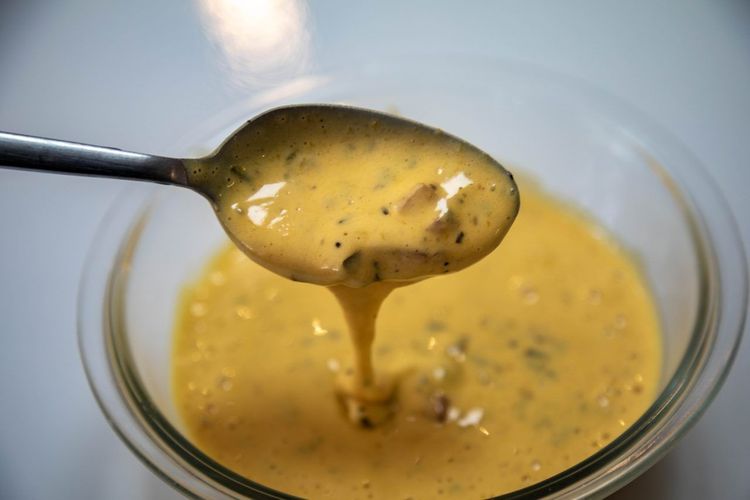
For food lovers visiting the Pyrenees, Oloron-Sainte-Marie has an obvious answer: the town concentrates the flavours and expertise of a generous Béarnaise terroir, from sheep's cheese and Jurançon wine to black pig charcuterie and slow-cooked dishes passed down through the generations. Béarnaise gastronomy cannot be reduced to a single dish, but one stands out above all in Oloron-Sainte-Marie: the garburade.
The Garburade, the Emblematic Dish of the Béarn
The garburade is a thick peasant soup made with cabbage, beans, potatoes and confit, simmered for several hours. Oloron-Sainte-Marie has turned it into a genuine institution: the town hosts the Garburade every autumn, a popular festival run by a local brotherhood that has been defending the traditional recipe for several decades. The dates vary from year to year: check the Haut-Béarn tourist office calendar before planning your visit around it.
During this fair, thousands of bowls are prepared and handed out in the streets of the town centre, a convivial gathering that brings together local producers, associations and visitors from across the Béarn.
Outside the fair period, several restaurants in the town centre serve garburade on their menu, particularly in autumn and winter when the dish regains its full comforting meaning. Ask for the 'maison' garburade: some establishments still prepare it with confit from their own production.
This dish alone sums up the importance of fairs in the economic and social history of Oloron-Sainte-Marie: it was around these great commercial gatherings that local culinary traditions took shape, blending produce from the farm and the mountain.
Some Oloron families still preserve a recipe handed down through several generations, with slight variations depending on the ingredients available: duck or goose confit, Toulouse sausage, sometimes a pork knuckle depending on the season.
Markets, Fairs and Good Local Tables
The Oloron-Sainte-Marie market (Place de la Résistance, 64400 Oloron-Sainte-Marie, rated 4.7/5 on Google from 15 reviews) is held several mornings a week and remains the best starting point for tasting local flavours and craftsmanship: farmhouse sheep's cheese, mountain honey, black pig charcuterie and seasonal vegetables.
Come towards the end of the morning for the widest choice, but avoid the very end of the market if you want access to the best produce: farmhouse cheese stalls sell out quickly.
Several good restaurants in the town centre round out the offering, from traditional bistros serving garburade and piperade to more contemporary addresses that reinvent the Béarnaise terroir with always-local produce.
For wine lovers, Jurançon remains unmissable: dry or sweet depending on the grape varieties and the timing of the harvest, it pairs equally well with a cheese course or a local fruit-based dessert.
Some Oloron restaurateurs source directly from the Béarnaise Pyrenean farms mentioned above, a short supply chain that guarantees a freshness hard to find elsewhere, and worth asking about in the dining room before ordering.
Outside market days, a few specialist food shops in the town centre stock the same products all week, a practical option if your visit to Oloron-Sainte-Marie does not coincide with a market day.
10. Crafts and Shops in Oloron-Sainte-Marie

The crafts and shops of Oloron-Sainte-Marie bear witness to a textile and manual expertise that has survived the centuries. The Laulhère manufacture, founded in 1840, still makes berets here from start to finish, from knitting the merino wool to felting and shaping: it is the last major French beret maker, in a region historically associated with this accessory that has become a national symbol. In the town centre, the Souviron Palas shop stocks the full range if the workshop is not open for visits on the day of your visit.
A few kilometres away, near Mauléon-Licharre, espadrille production completes this Béarnaise textile tradition, with workshops perpetuating a century-old craft now sought after by customers looking for local manufacturing rather than imports.
Oloron-Sainte-Marie's town centre has several independent regional produce shops: aged cheese, duck preserves, Jurançon and Madiran wines, and local textiles. A good option for finding a souvenir that goes beyond the traditional fridge magnet.
Some local craftspeople open their workshops to visits by appointment, an interesting option for understanding the stages of making a beret or an aged cheese before leaving with the finished product.
These addresses remain largely family-run, passed down from generation to generation, which also explains why they do not always top mainstream tourist searches but are well worth a detour for anyone interested in the economic history of the Béarn.
The best time to browse these shops is Saturday morning, combined with a visit to the nearby market, which allows you to combine fresh produce and crafts in the same outing.
11. Cultural Life and Events in Oloron-Sainte-Marie
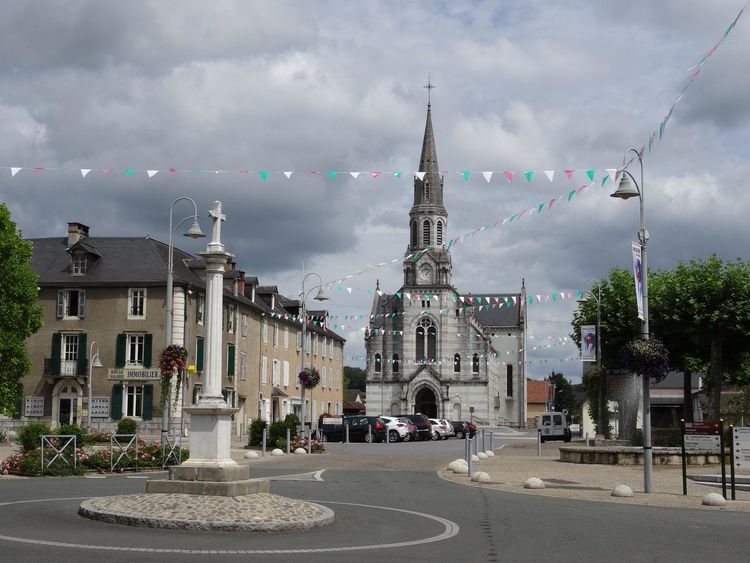
Cultural life in Oloron-Sainte-Marie revolves throughout the year around a few recurring fixtures, never reaching the bustle of a large city — a pace that suits a peaceful stay very well. Events in Oloron-Sainte-Marie blend local traditions, such as the Garburade fair already mentioned, with a more contemporary cultural programme.
Several municipal and community venues host, depending on the season, temporary exhibitions by local and regional artists, often focused on painting, ceramics or photography. These exhibitions change regularly, generally every few weeks, a pace that encourages checking the tourist office's updated programme before planning a specific visit.
Two venues concentrate most of this cultural life. The Villa Bedat, a former bourgeois residence surrounded by its park, hosts temporary exhibitions and community events; the Médiathèque des Gaves, designed by architect Pascale Guédot. Both can be reached on foot from the historic centre in under ten minutes.
The town and its surroundings have also inspired several artists, writers and poets over the centuries, drawn by the particular light of the Pyrenean foothills and the contrast between the agricultural plain and the nearby summits. Some of these influences can still be glimpsed in the names of streets and places in the historic centre.
If your stay coincides with a seasonal market or a neighbourhood celebration, there is no need to change your plans: upcoming events in Oloron-Sainte-Marie slot easily into a day already organised around heritage or nature, rather than requiring a dedicated trip.
The summer months naturally concentrate the most outdoor entertainment — night markets and concerts on the squares — while autumn and winter favour indoor exhibitions and creative workshops run by local associations. Ryo continues to expand its coverage of the South-West, town by town, to support this kind of local cultural discovery.
To make sure you miss nothing, the simplest approach is to consult the cultural calendar published by the town hall and the tourist office a few weeks before your visit, rather than relying on a fixed list: the programme changes from year to year.
12. Oloron-Sainte-Marie in Winter: Sports and Wide Open Spaces
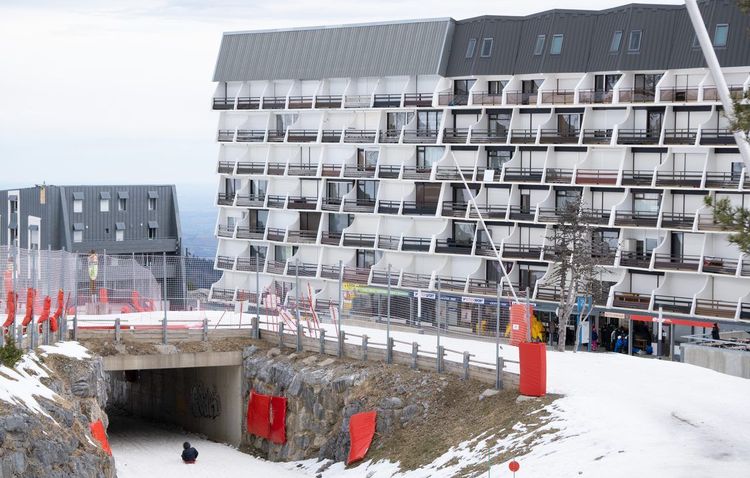
What to visit in the Pyrenees in winter from Oloron-Sainte-Marie has an obvious answer: the Arette-La Pierre Saint-Martin resort, about 45 minutes away by road, offers alpine skiing, cross-country skiing and snowshoeing on a domain situated between 1,650 and 2,100 metres altitude.
The resort's proximity transforms a winter stay in Oloron-Sainte-Marie: unlike other Pyrenean gateway towns, it is possible to ski in the morning and come back down for lunch in town, or even visit the cathedral in the afternoon, without spending a night at altitude.
Always check snow conditions before setting off, especially at the start and end of the season: unlike the large Savoyard resorts, the more moderate altitude of La Pierre Saint-Martin makes snow cover more sensitive to mild spells, especially on the lower runs.
For non-skiers, snowshoeing and walks through snowy forest offer an accessible alternative from the youngest age, with waymarked trails specifically dedicated to the activity around the resort plateau.
Beyond the resort, winter also transforms the face of Oloron-Sainte-Marie itself: the Gave quays, less busy than in summer, offer peaceful walks, and several restaurants in the town centre draw on classic Béarnaise winter dishes — garburade above all — to warm up visitors returning from the slopes.
The Pierre Saint-Martin pothole, mentioned above in connection with the Barétous valley, is logically closed to visits in winter: it is more of a warm-season curiosity, to keep for a summer return to the area.
On the practical side, keep winter equipment in the boot from November if you are driving up to the resort: the mountain road, though well-maintained, can be covered in snow or ice from the first snowfall.
13. Practical Information for Visiting Oloron-Sainte-Marie
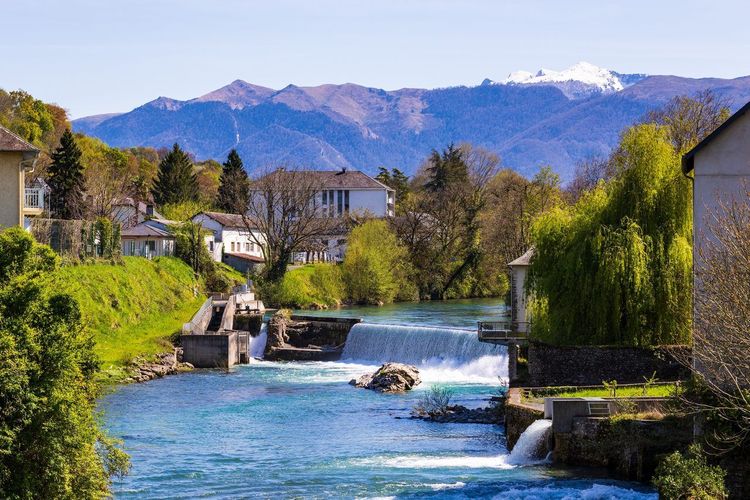
Before you set off, a few practical details for visiting Oloron-Sainte-Marie without any unpleasant surprises. The town is located in the Pyrénées-Atlantiques, approximately 35 km south-west of Pau and 60 km from the Spanish border via the Col du Somport. It is a natural stopping point between the Béarn plain and the high Pyrenean valleys, which explains its historic role as a waypoint town.
How to Get There and Where to Park
By car, Oloron-Sainte-Marie can be reached from Pau via the D920 or the A64/D919 in around 40 minutes depending on traffic. From Bayonne or Biarritz, allow approximately 1h15 via the A64 then the D919.
The Pau-Oloron railway line serves Oloron-Sainte-Marie station several times a day, a good alternative to avoid driving if your accommodation is in the town centre; beyond that, towards Bedous, services depend on the ongoing works on the Pau-Canfranc line. If you are staying in Pau before heading down, the Ryo's audio-guided tour of Pau covers the Château d'Henri IV and the Boulevard des Pyrénées in just under half a day, with 18 audio tracks over 4 km of walking.
For parking, several free car parks exist on the immediate outskirts of the historic centre, notably around the Allées du Comte de Tréville. Parking in the heart of town, particularly near the cathedral, is more limited and sometimes subject to charges during the day: it is better to park a short distance away and walk ten minutes.
Once there, the historic centre can be explored entirely on foot: the distances between the Sainte-Marie district, the Sainte-Croix district and the Gave quays never exceed 20 minutes' walk, making the car unnecessary for the day once parked.
For visitors arriving by train, the tourist office is a few minutes' walk from the station, a good first stop to pick up a town centre map and the updated schedule of guided tours.
Where to Stay: Camping and Accommodation
For accommodation, Oloron-Sainte-Marie and its surroundings offer a varied range, from family camping to bed and breakfasts and a few town-centre hotels. Camping remains an easy and enjoyable option in the area, particularly well suited to families combining swims at the Faget with nature outings.
Several campsites are located within 15 minutes of the town centre, generally beside the Gave, with both bare and rental pitches, a pool and entertainment in high season. Book several weeks ahead in July and August: availability is limited compared to the better-known tourist resorts of the Basque coast.
For a more urban stay, the historic centre has a few independent hotels and bed and breakfasts housed in former manor houses, often a few minutes' walk from the cathedral.
If your stay includes a trip to the Barétous valley or the Pierre Saint-Martin resort, consider spending a night there rather than in Oloron-Sainte-Marie: it avoids the daily return journey on mountain roads that can be tiring at the end of the day.
Whatever option you choose, booking accommodation with a view over the Gave or close to the quays remains a good compromise: you benefit from the tranquillity while staying within walking distance of the historic quarter and its shops.
When planning your visit, bear in mind that the best period is late spring or early autumn: the gaves are full, the temperatures are pleasant for hiking, and the town is less crowded than in the height of summer. To complement these practical pointers, the Ryo app makes it easy to find the places mentioned in this article once you are on the ground, without having to get a paper guide out at every stop.



FAQ
What can you do in Oloron-Sainte-Marie?
Between the Sainte-Marie cathedral and the Sainte-Croix district, the banks of the Gave d'Oloron, the Faget leisure base and the nearby villages of the Barétous valley, Oloron-Sainte-Marie combines Romanesque heritage, nature and Béarnaise gastronomy. Allow one day for the historic centre and more to explore the surroundings and the Pierre Saint-Martin resort.
Is Oloron-Sainte-Marie Worth a Visit?
Yes, particularly for its Romanesque portal ranked among the richest in the Pyrenees and its strategic position between the Béarn plain and the mountains. The town remains less crowded than Pau or Lourdes, making it a pleasant stop for those seeking more authentic tourism in the Béarn.
What Are the Must-See Sights in Béarn from Oloron-Sainte-Marie?
From Oloron-Sainte-Marie, the must-sees include the Jurançon vineyard around Monein, the Barétous valley and Arette-La Pierre Saint-Martin, as well as the church of l'Hôpital-Saint-Blaise, listed as a UNESCO World Heritage Site as part of the Routes of Santiago de Compostela.
What to Do in Oloron-Sainte-Marie This Weekend?
A weekend allows you to combine a visit to the historic heritage on Saturday morning, swimming or a walk along the Gave in the afternoon, then an excursion to a village in the Barétous valley or the Béarn foothills on Sunday, possibly rounding it off with a local market.
What to Do in Oloron-Sainte-Marie Today?
For a day out, try the wheeled trail no. 35 along the Gave d'Aspe in the morning, then visit the Sainte-Croix district and its cathedral in the afternoon, finishing with a stop at the market or a local craft shop before heading off.
How Long Should You Allow to Visit Oloron-Sainte-Marie and Its Surroundings?
One day is enough for the historic centre and the banks of the Gave. Allow two to three days to add the Barétous valley, the villages of the Béarn foothills and an excursion to the Pierre Saint-Martin resort or the Jurançon vineyard.
Throughout this guide, Oloron-Sainte-Marie reveals itself to be far richer than its status as a mid-sized Béarnaise town might suggest: two rival historic districts that have become complementary, a Gave that shapes all local life, mountain and foothill villages accessible in under an hour, and a gastronomy that can be summed up in a single dish — the garburade — embodying an entire facet of Béarnaise identity. Whether you are looking for things to do in Oloron-Sainte-Marie for a short weekend or a base to explore the Béarn for several days, the town offers a practical starting point, far from the crowds of the best-known Pyrenean destinations.
Before you leave, extend the discovery towards the Béarnaise capital: the Ryo's audio-guided tour of Pau, just 35 km away, covers the Château d'Henri IV and the Boulevard des Pyrénées across 19 audio tracks and 1h40 of walking, and pairs very well with a day in Oloron-Sainte-Marie. Further west, the audio-guided tour of Bayonne takes over if your journey continues towards the Basque Country and the ocean — turning a simple stopover into a full exploration of the South-West, between Romanesque heritage, mountains and vineyards.