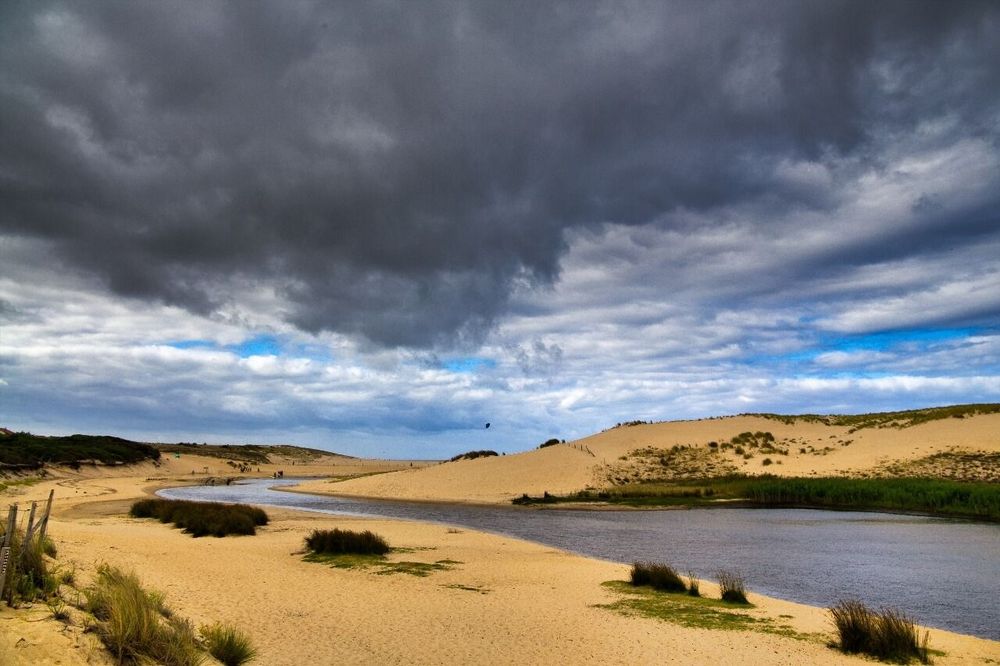
© Shutterstock
 Votre guide Ryo
The Most Beautiful Villages in the Landes in 2026: Bastides, Lakes and Coastal Towns
A 13th-century arcaded square less than two hours from a fishing port perched above an underwater canyon: this is what the most beautiful villages of the Landes hide, far from the image of a coast made only for surfers. Between Labastide-d'Armagnac and its national label, the Lac de Léon and its protected stream, the seaside towns of the coast and a few forgotten abbeys in the hinterland, the department offers a heritage that few itineraries bother to link together. If your route starts or ends in the prefecture, the Ryo audio-guided tour of Mont-de-Marsan provides a good anchor point for planning what comes next.
This overview follows a deliberately geographical order: the two bastides of the Landes Armagnac, the lakeside village of Léon, the coastal strip from Capbreton to Vieux-Boucau, the Pays de Born, then the hinterland between the Grande Lande and the Adour valley. Along the way you will come across a bell tower that served as a landmark for sailors, a forge operated for more than two centuries in the middle of the forest, and a church housing an early Christian marble sarcophagus. It makes for a road trip that is not limited to the beaches.
Labastide-d'Armagnac, the Bastide Ranked Among the Most Beautiful Villages in France
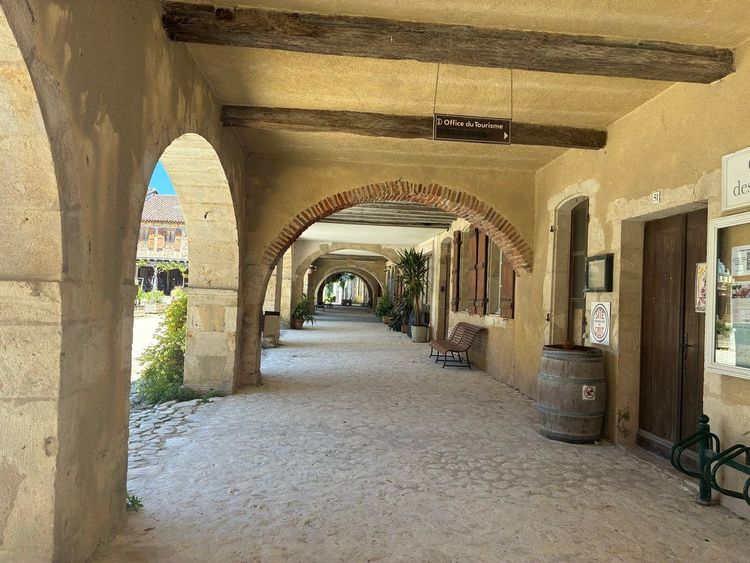
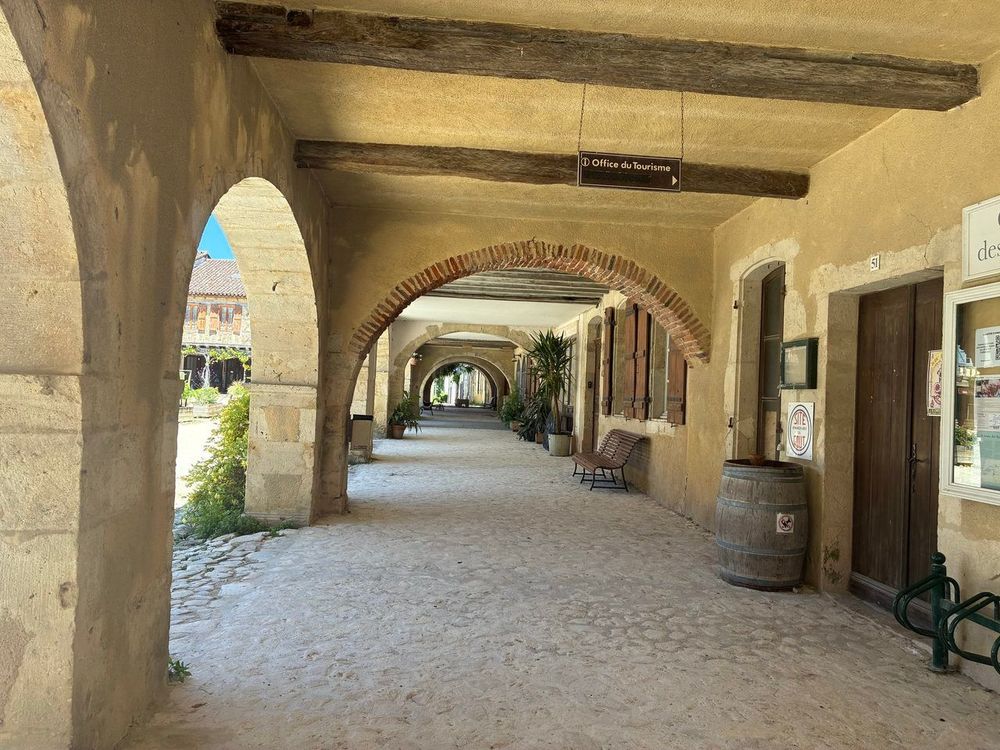
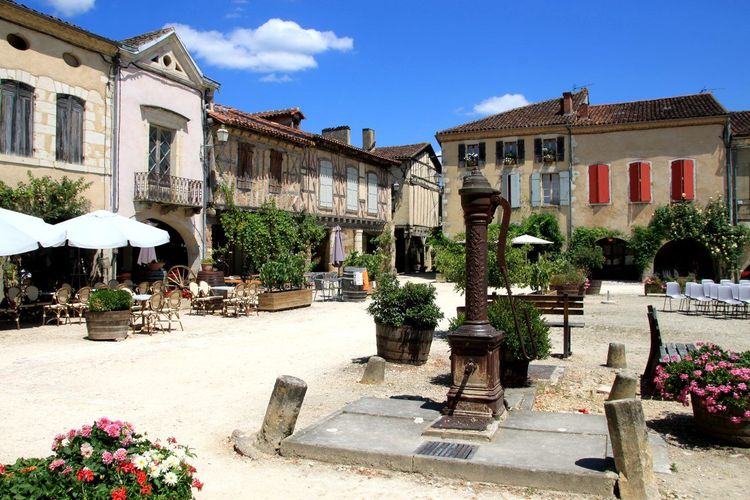
Labastide-d'Armagnac holds the Plus Beaux Villages de France label, and that is about the only thing most visitors know before arriving. The rest is discovered on the spot, especially on the Place Royale, lined with half-timbered houses resting on stone arcades. Its grid layout is that of a typical new town of the South-West: the bastide was founded in 1291 by Count Bernard VI of Armagnac, initially under the name Bolonia.
Under the arcades, shops have replaced the medieval stalls, but the square remains the heart of the village, with its terraces in the shade of the pillars and its Armagnac shops. On one side, the Notre-Dame church (Église Notre-Dame, 40240 Labastide-d'Armagnac, rated 4.2/5 on Google from 28 reviews), a 12th-century Romanesque building, is recognisable by its massive bell tower added in the 15th century, a relic of an era when these frontier villages also had to be able to defend themselves. The town hall occupies the same side of the square.
The village can be visited in an hour if you are in a hurry, or in half a day if you wander the neighbouring lanes and continue to the chapel of Notre-Dame-des-Cyclistes, a sanctuary dedicated to cyclists that attracts cycling enthusiasts from around the world. Mont-de-Marsan is only about thirty minutes away by road: you can follow on with the 20 audio clips of the Ryo audio-guided tour dedicated to the city of three rivers, to keep following the thread of this Gascon history.
Saint-Justin, the Other Bastide of the Landes Armagnac
About ten minutes away by road, Saint-Justin is the older of the two sisters: the bastide was founded in 1280 by the Viscountess of Marsan and the Hospitallers of the Order of Saint John of Jerusalem. It retains its arcaded square typical of the medieval villages of the Landes, remains of ramparts with their wall walk and three octagonal towers, a rarity in the department.
Saint-Justin remains a typical Landes village in the sense that nothing has been reconstructed for tourists: the half-timbered houses are still lived in, and a full tour of the town takes less than thirty minutes. The Manoir Dufour, listed as a historic monument in 2024, and the Château de Fondat, on the outskirts of the municipality, complete the walk. You can visit both bastides in half a day, to compare two villages that came through the Hundred Years' War and the Wars of Religion without losing their original layout.
Léon and the Courant d'Huchet, Between a Protected Lake and a Little Amazon
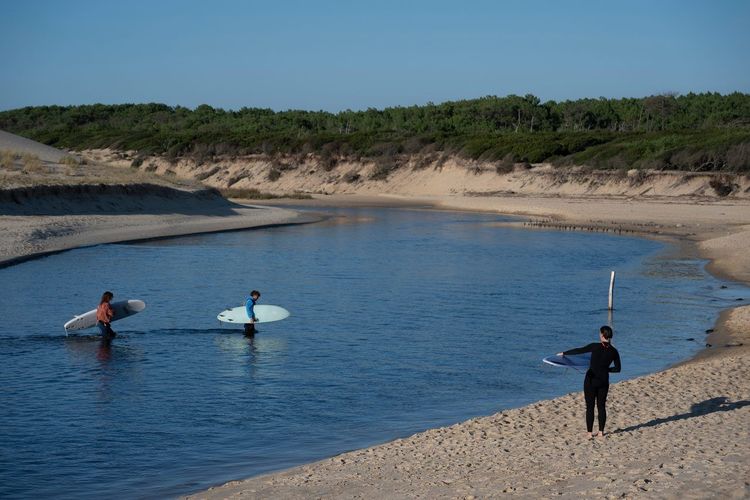
Léon combines two attractions rarely found together in a single Landes village: a town built on the edge of a protected lake (a Natura 2000 site) and direct access to the Courant d'Huchet (Courant d'Huchet, 40550 Léon, rated 4.5/5 on Google from 2,839 reviews), a river classified as a national nature reserve that links this lake to the ocean over about nine kilometres. The village itself, with its low houses running down to the jetties, lends itself to a quiet stroll, especially at the end of the day when the light skims the water.
The Courant d'Huchet is traditionally descended in a galupe, a flat-bottomed boat that local boatmen steer with a pole. The trip crosses a gallery forest so dense, with bald cypresses, royal ferns and wild hibiscus, that it is nicknamed the "little Amazon of the Landes". Early risers spot grey herons and, with a bit of luck, an otter.
Allow half a day for the village and the boat trip, more if you add the nearby ocean beach. One tip: book the galupe outing in advance in summer, as departures are limited and the boatmen are your best guides for understanding the reserve's wildlife.
Capbreton, the Fishing Village by Its Harbour
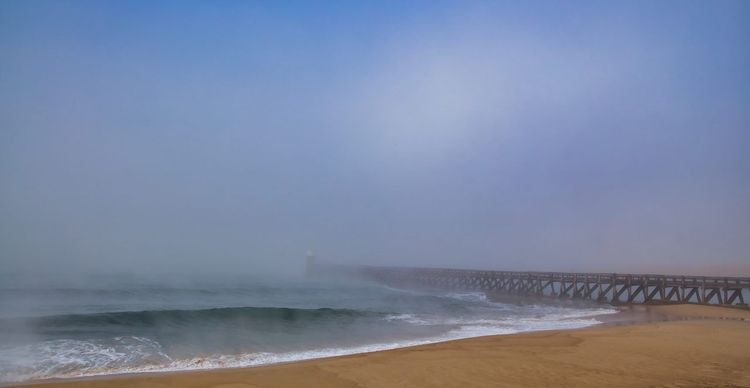
Despite its reputation as a surf spot, Capbreton remains above all a fishing village, organised around a harbour that opens almost directly onto the Gouf de Capbreton, an underwater canyon more than 150 km long that plunges to a depth of over 2,000 metres. This geological feature explains the presence of an active fish auction, where boats still land hake and sole.
The village nearly vanished from the maritime map: until 1578, the Adour flowed into the sea here, before the engineer Louis de Foix diverted the river towards Bayonne. From that prosperous era, when Capbreton exported its "sand wines" to Spain and the Netherlands, there remains the bell tower of the Saint-Nicolas church, a tall tower reworked several times that served as an amer, that is, a visual landmark, for ships. The channel bordering the harbour can be followed on foot to the Estacade, the town's emblematic wooden pier, ideal at sunset.
If you like to understand what you are looking at rather than simply photograph it, follow the natural order of discovery: harbour, fish auction, channel, then pier, in a little over an hour's walk.
Soorts-Hossegor and Its Basque-Landes Architecture
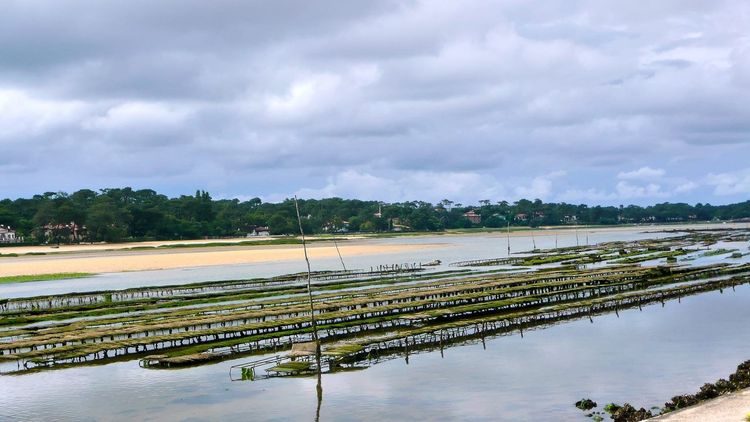
Soorts-Hossegor was built in the 1920s and 1930s around a deliberate architectural wager: to marry the traditional Basque-Landes style (half-timbering, steeply pitched roofs, wooden galleries) with an Art Deco vision of seaside holidays. The result is best discovered by simply strolling between the Lac d'Hossegor (Lac d'Hossegor, 40150 Soorts-Hossegor, rated 4.7/5 on Google from 617 reviews), its opulent villas with blue or green shutters, and the seafront.
You will recognise the great historic villas along the boulevard de la Dune, which gave the whole resort its visual identity. Hossegor has built a reputation as the surf capital thanks to its consistent spots (La Gravière, Les Culs Nuls), but the town centre keeps a contrasting calm, between the covered market and the food halls that enliven summer evenings. It is one of the most magnificent places in the Landes at the end of the day, when the light skims the lake.
Seignosse, Between Historic Village and Surf Spots
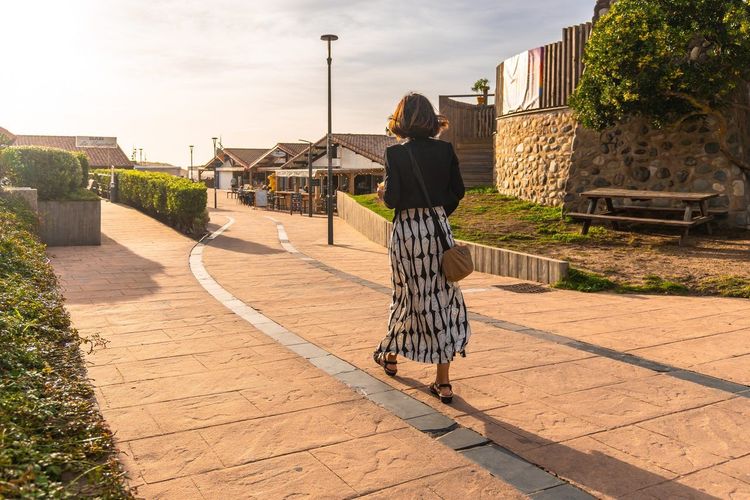
The real centre of Seignosse lies inland from the coast, around a church and a small shaded square far calmer than the neighbouring beaches of Le Penon or Les Bourdaines. You will find a classic village atmosphere, far from the surf bustle that makes the area's reputation.
The municipality nevertheless remains inseparable from its spots: Les Bourdaines and Le Penon are among the most renowned waves on the Landes coast. For anyone seeking a balance between heritage and summer atmosphere, Seignosse offers both within minutes of each other.
Vieux-Boucau-les-Bains, the Authentic Seaside Town
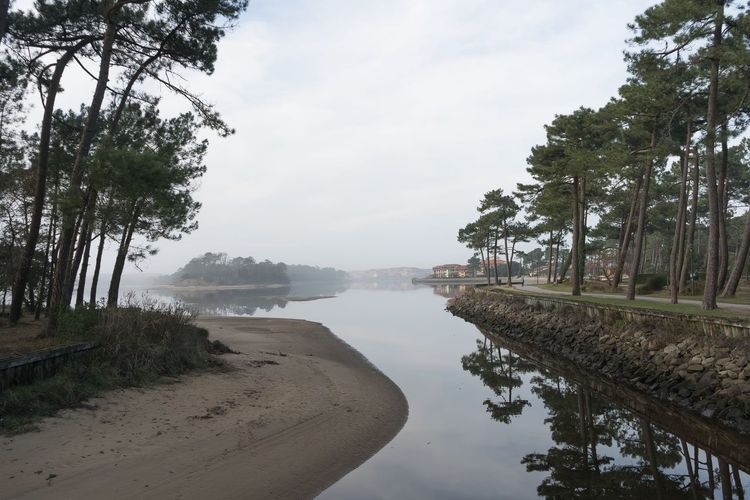
Vieux-Boucau carries the history of the Adour in its name: in Gascon, Lo Bocau Vielh means "the old mouth". The river flowed out here, at Port d'Albret, before the great diversion of 1578 that sent it towards Bayonne and ruined the town's port activity. Today, the heart of the resort is organised around the Port d'Albret (Port d'Albret, 40480 Vieux-Boucau-les-Bains, rated 4.6/5 on Google from 182 reviews), a marine lake developed in the 1970s to offer sheltered swimming, surrounded by green spaces that are pleasant to explore on foot.
Unlike the neighbouring resorts more focused on surfing, Vieux-Boucau deliberately cultivates a family-friendly image, with its streetside shops and summer markets that attract regulars and curious passers-by alike.
Biscarrosse and Its Lakes Between Forest and Ocean
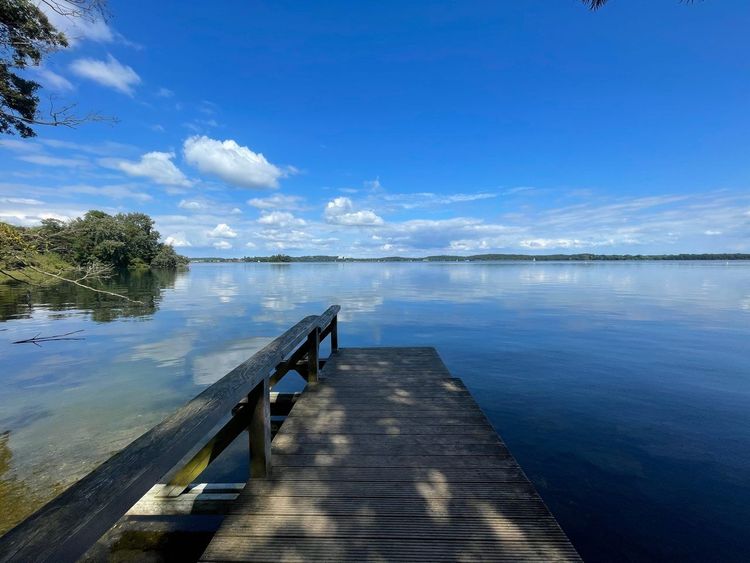
Biscarrosse is shared between three bodies of water, the large Cazaux-Sanguinet lake to the north, the Biscarrosse-Parentis lake to the south and the small Biscarrosse pond, and an ocean front lined with dunes and pines. Few Landes villages offer so many different shores in a single municipality.
Another often-forgotten feature: Biscarrosse was one of the French cradles of seaplane aviation in the 1930s, when the great transatlantic seaplanes landed on the lake. The Musée de l'Hydraviation (Musée de l'Hydraviation, 40600 Biscarrosse, rated 4.4/5 on Google from 2,083 reviews) recounts this era with models and aircraft, on the lakeside. You can easily combine the museum and the lake shores in a day, saving the ocean beach for the end of the afternoon.
Mimizan, Between Beach, Stream and Old Town
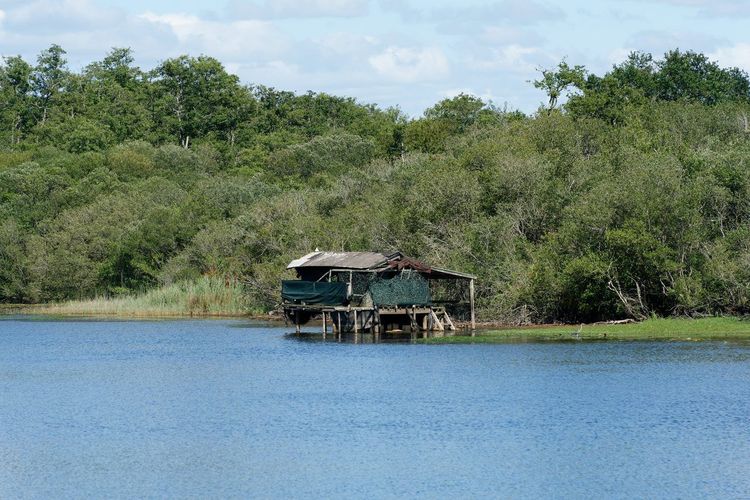
Mimizan is split into two quite distinct parts: Mimizan-Plage, lively and festive in summer, and Mimizan-Bourg, older, a few kilometres inland. Between them lies the Aureilhan pond, where the Cercle Nautique de Mimizan offers sailing and paddleboarding, and from which flows the Mimizan stream, a small river of about 7 km running to the ocean.
It is in the old town that the real heritage curiosity is tucked away: around 1010, monks from the abbey of Saint-Sever founded a priory here, of which only a Romanesque porch bell tower remains, a historic monument listed as a UNESCO World Heritage Site as part of the Routes of Santiago de Compostela. Its great tower once served as a landmark for sailors. You will hardly miss the contrast if you combine the old town and the beach on the same day.
Mézos, a Little Paradise on the Northern Landes Coast
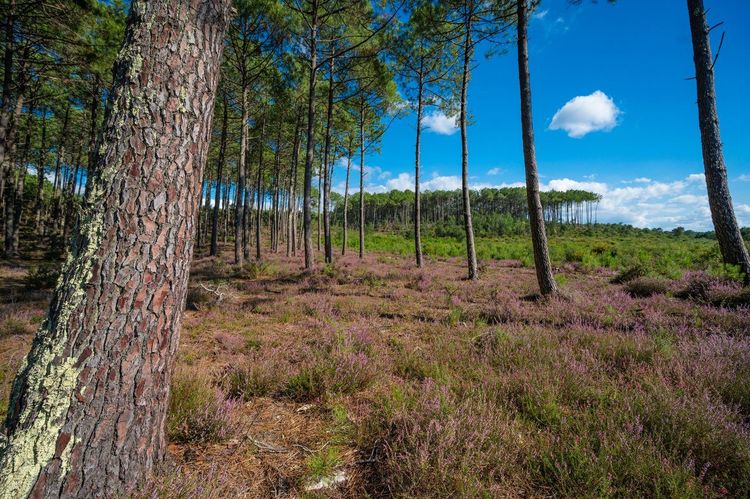
Mézos plays in a different category from the previous heritage villages: here, the appeal lies mainly in the tranquillity of a forest town set between maritime pines and rivers, about fifteen kilometres from the ocean. Its name is said to come from the Latin mansiones, the staging posts that dotted the coastal Roman road between Bordeaux and Dax, passing through Uza and Pontenx-les-Forges.
The village enjoys an unspoiled setting, far from the tourist density of the coast, with a modest but lively centre and cycle paths that run through the forest. Mézos appeals above all to families looking for a quiet base camp from which to head out to Mimizan and the northern beaches.
Uza, the Unspoiled Hamlet of the Grande Lande
Uza has about 180 inhabitants, spread around a pond and a pine forest that covers most of the municipal territory. The village's identity rests on its industrial past: the Forge d'Uza (La Forge d'Uza, 40170 Uza, rated 4.2/5 on Google from 21 reviews), operated from 1759 by Henri de Lur-Saluces and his sister Marie, produced iron from local ore until 1981. Its remains can still be seen today.
The pond, originally dug to power the forge, is now home to remarkable fauna and flora. The Château d'Uza, Italian in style and still owned by the Lur-Saluces family, cannot be visited but can be glimpsed from the road. The contrast with the bustle of the coast, twenty minutes away, is total.
Amou, a Little Flowered Village on the Banks of the Luy
Amou has cultivated an image as a flowered village for decades, with its well-kept flowerbeds and façades covered in wisteria. The Chalosse town is organised around its square and an old bridge over the Luy de Béarn, a river that flows quietly through the municipality.
The Château d'Amou, a 17th-century classical residence surrounded by a park, overlooks the village, as do the producers' markets that fill the central square. It is a typical Landes village in its most discreet form: no major monument to tick off a list, but an atmosphere to be savoured without haste.
Aire-sur-l'Adour, the Episcopal City on the Banks of the Adour
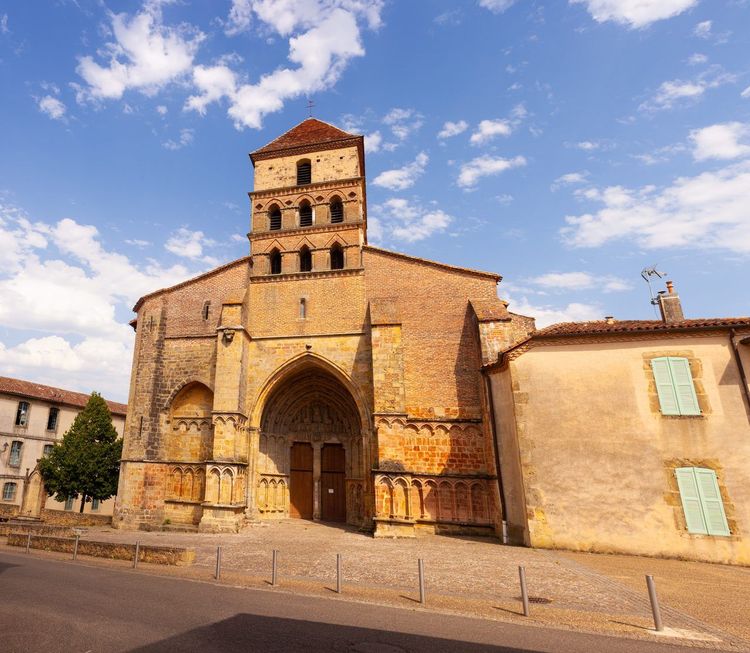
Aire-sur-l'Adour deserves its place among the medieval villages of the Landes despite its recurring absence from classic tourist lists. The former episcopal city, set on the banks of the Adour, hides one of the most surprising monuments in the department: the Sainte-Quitterie church, listed as a World Heritage Site as part of the Compostela routes, whose crypt houses an early Christian marble sarcophagus, one of the oldest sculpted testimonies in the region.
The town, a historic stop on the Via Podiensis towards Santiago de Compostela, also keeps a grain hall and pleasant quays for a break by the water. You can easily combine the visit with a detour to neighbouring Gers, only a few kilometres away by road.
Sorde-l'Abbaye, a Leap into History on the Way of Saint James
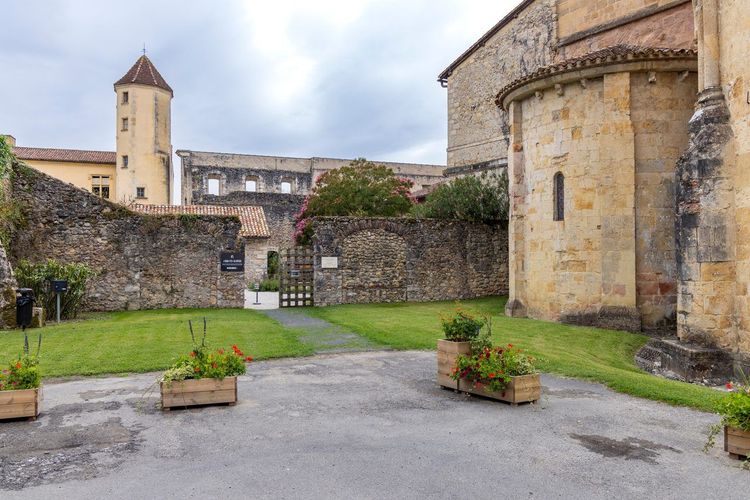
Sorde-l'Abbaye was literally built around its Benedictine abbey of Saint-Jean, a stop on the Way of Saint James to Santiago de Compostela and a UNESCO World Heritage Site. The village above all keeps a rare curiosity: Gallo-Roman mosaic floors in marble, remains of a villa built around the 3rd century and uncovered during excavations carried out from 1958 to 1966.
The village, set on the banks of the Gave d'Oloron, can be explored in a little over an hour, ruins and riverbanks included. It is a stop that calls for a little curiosity rather than a simple photo of a façade.
Hastingues and Arthous Abbey, the Bastide and Its Romanesque Abbey
Hastingues is among the rare English bastides preserved in the Landes. In 1289, the monks of Arthous Abbey (Abbaye d'Arthous, 40300 Hastingues, rated 4.4/5 on Google from 445 reviews) ceded part of their lands to King Edward I of England; the treaty was signed in his name by John Hastings, Seneschal of Gascony, who gave his name to the bastide. The village, a listed site since 1968, can be visited in a few minutes around its central square.
The essentials lie two kilometres away: Arthous Abbey, a 12th-century Premonstratensian monastery restored by the department and turned into an exhibition venue devoted to archaeology and heritage. The Romanesque abbey church, with its remarkably well-preserved carved capitals, remains one of the best-preserved religious monuments in the department.
Mont-de-Marsan, the City of Three Rivers
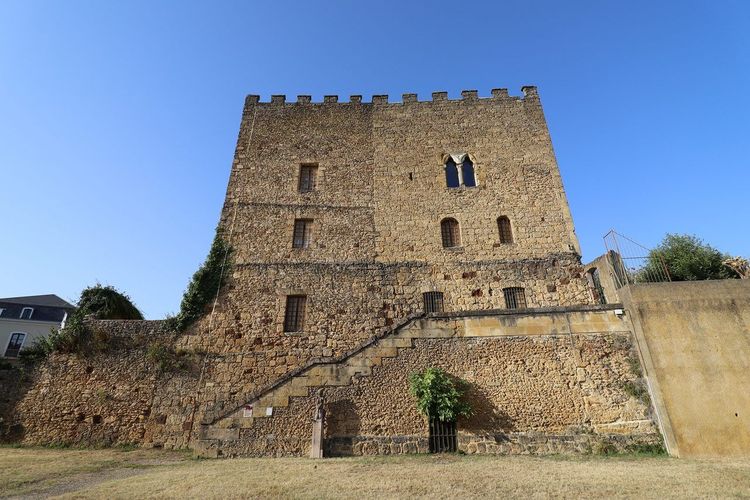
Mont-de-Marsan is not a village, but the Landes prefecture deserves its place in this overview for a specific reason: the city was built at the confluence of two rivers, the Midou and the Douze, which merge here to form the Midouze. This network of quays and bridges gives the town centre a distinctive character, with the Despiau-Wlérick Museum, devoted to 20th-century figurative sculpture and housed partly in the Lacataye keep, which overlooks the Douze.
The city also cultivates a deeply rooted bullfighting tradition, visible at the Arènes du Plumaçon (Arènes du Plumaçon, 40000 Mont-de-Marsan, rated 4.3/5 on Google from 780 reviews), and the Fêtes de la Madeleine, in July, enliven the whole centre for several days. To explore this urban fabric organised around its three waterways without getting lost, the Ryo audio sub-tour of the city of three rivers has 20 audio clips over about 2.1 km, barely an hour, quays included.
The Map of the Most Beautiful Villages in the Landes for Planning Your Itinerary
Rather than an interactive map, it is better to think in terms of major areas to organise your towns and villages in the Landes without multiplying journeys. South of the coast, Capbreton, Hossegor, Seignosse, Vieux-Boucau and Léon can be covered in a short loop, ideal for a base of a few days. Further north, the Pays de Born brings together Mimizan, Biscarrosse and their large lakes, with Mézos and Uza on the edge of the forest.
To the east, the Landes Armagnac brings together the two bastides of Labastide-d'Armagnac and Saint-Justin around Mont-de-Marsan, where the Ryo audio guide to the prefecture makes a good mid-trip stop. Finally, the south of the department, between the Chalosse and the Adour valley, gathers Aire-sur-l'Adour, Amou, Sorde-l'Abbaye and Hastingues, a fourth heritage area often overlooked in favour of the coastline alone.
Practical Tips for Planning Your Road Trip in the Landes
How much time should you allow? Count on five to seven days to properly cover the four areas above without driving more than an hour a day between stops. A weekend is enough, however, to focus on a single area, the southern coast for example, with its surf, lakes and unapologetic summer atmosphere.
The best time remains spring (April to June) and early autumn (September), when the villages can still breathe without the tourist density of July and August, particularly marked around Hossegor and Capbreton. Summer remains viable for those looking precisely for that lively seaside-resort atmosphere.
To get around, a car remains essential between areas: distances between the hinterland and the coast often exceed forty minutes. On the coast, however, the coastal greenway, the Landes section of the Vélodyssée, lets you cycle between Vieux-Boucau, Seignosse, Hossegor and Capbreton, away from the summer traffic.
As for nature, the Landes de Gascogne Regional Natural Park protects part of the great pine forest of the Grande Lande and its airial landscapes, those typical inhabited clearings that the Marquèze ecomuseum, in Sabres, helps you understand in half a day. Before you go, the Ryo article on the must-do things in the Landes usefully complements this overview of villages with outdoor activities across the whole department.

FAQ
Which villages in the Landes are labelled Plus Beaux Villages de France?
Only one village in the Landes officially holds the national Plus Beaux Villages de France label: Labastide-d'Armagnac, for its arcaded Place Royale and its 13th-century bastide layout. Saint-Justin, a few kilometres away, is not labelled but offers an equally coherent medieval ensemble, with ramparts and octagonal towers.
What is the smallest village in the Landes?
No official ranking names a tourist "smallest village". Among the villages in this overview, Uza, in the Grande Lande, is the most secluded, with around 180 inhabitants gathered around its pond and the remains of its former forge. Several municipalities in the Landes hinterland have even fewer inhabitants.
How much time should I allow to visit the most beautiful villages in the Landes?
Allow five to seven days for a full itinerary covering the coast, the Pays de Born and the hinterland. A weekend lets you focus on a single area, for example the bastides of the Landes Armagnac or the seaside trio of Capbreton, Hossegor and Seignosse.
What is the best time of year to visit the villages of the Landes?
Spring and early autumn offer the best compromise between pleasant weather and fewer crowds, especially on the coast, where July and August concentrate most of the seaside tourism. The hinterland, less affected by seasonality, can be visited comfortably all year round.
How do you get around between the villages of the Landes?
A car remains the most practical way to link the four main areas of the department, as distances between the coast and the hinterland often exceed forty minutes. On the coast, however, the coastal greenway lets you cycle between several seaside resorts without using the road.
Are the villages of the Basque Country part of the Landes?
No. The famous Basque Country villages such as Ainhoa, Sare or La Bastide-Clairence are located in the neighbouring Pyrénées-Atlantiques department, not in the Landes. The two areas share the Nouvelle-Aquitaine region but have distinct architectural identities: Gascon bastides and the Landes pine forest on one side, Basque houses with red half-timbering and mountains on the other.
In the end, the most beautiful villages of the Landes tell a different story from that of the surfers' coastline alone: medieval bastides, a protected stream, forgotten abbeys and a bell tower that once guided sailors. It makes for a road trip that alternates heritage and beaches without ever getting boring. If your route passes through Mont-de-Marsan, the Ryo audio-guided tour of the Landes prefecture is a good way to round things off before getting back on the road.