© Shutterstock
 Votre guide Ryo
10 Ideas for a Romantic Weekend Getaway near Paris in 2026
Parisians have a chance that many overlook: within a two-hour radius by car or train, there are white chalk landscapes at Étretat, vintage champagne cellars at Épernay, a 25,000-hectare forest at Fontainebleau and a château that hosted seventeen kings of France at Versailles. Planning a romantic weekend getaway near Paris therefore doesn't require leaving the country: sometimes a 45-minute drive is all it takes to find yourself facing a horizon you'd never have imagined two metro stops from Châtelet. This article brings together ten concrete couple's escapes, with specific places and tips to avoid the classic pitfalls. There's something for every budget: from a night at a Champagne guest house to a suite with a private jacuzzi in the Yvelines. To round off your stay with a return to Paris, the Ryo audio guide to Paris is waiting for you with 18 commented stops across 8.9 km.
Versailles: Royal Excess on Your Doorstep
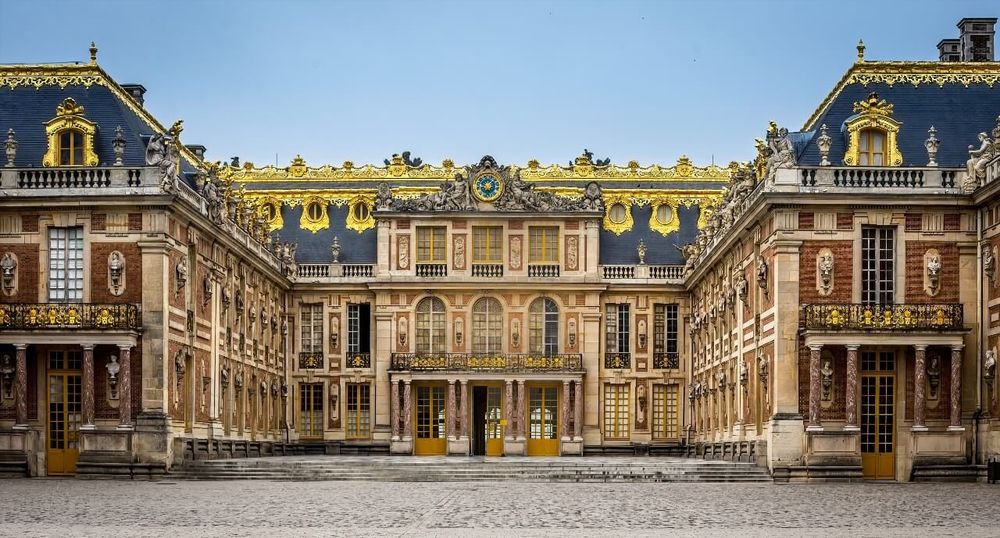
Versailles is 45 minutes from Paris-Saint-Lazare, and yet couples often wait years before making the trip. That's a mistake. The Château de Versailles is not just a 700-room museum: it also boasts 1,800 active fountains during the Grandes Eaux Musicales (April to October, at weekends), a Potager du Roi (6 Rue Hardy, 78000 Versailles, rated 4.3/5 on Google from 584 reviews) that has been in operation since 1683, and a Hameau de la Reine built by Marie-Antoinette to escape the formality of the court.
The Château de Versailles itself deserves a full morning. Arrive at opening time at 9am — the tourist crowds don't really build until after 11am. The Hall of Mirrors seen without the crowds is an experience in itself: the 357 mirrors reflect the morning light in a way that photographs never capture. Try to visit on a Friday, which is a relatively quiet day.
In the evening, Versailles holds a surprise that few visitors know about: the Sérénades de Versailles programme — baroque music concerts held in the royal salons on certain Friday evenings during the low season. It's an unparalleled experience for a dinner-concert for two. Alternatively, the Notre-Dame district of Versailles, a ten-minute walk from the château, hides several good restaurants at reasonable prices, far from the tourist trap brasseries on the Place d'Armes.
For accommodation, two options depending on your budget: hotels in the town centre of Versailles (from €90/night), or, if you really want to do something out of the ordinary, a few guest houses in 18th-century manor houses exist in Bièvres and Jouy-en-Josas, twenty minutes away. The Grand Trianon and the Petit Trianon are included in the main ticket (€20) — don't miss them; they are often less crowded than the château itself and offer an intimate atmosphere that the grand royal halls do not.
A practical note: the Potager du Roi is separate from the château and requires a separate ticket (€9). It's well worth a visit from late September to mid-October, when squashes and apples come back in abundance. This working 9-hectare kitchen garden is one of the most peaceful and photogenic spots in all of Versailles.
Fontainebleau: Royal Forest and Bouldering Rocks
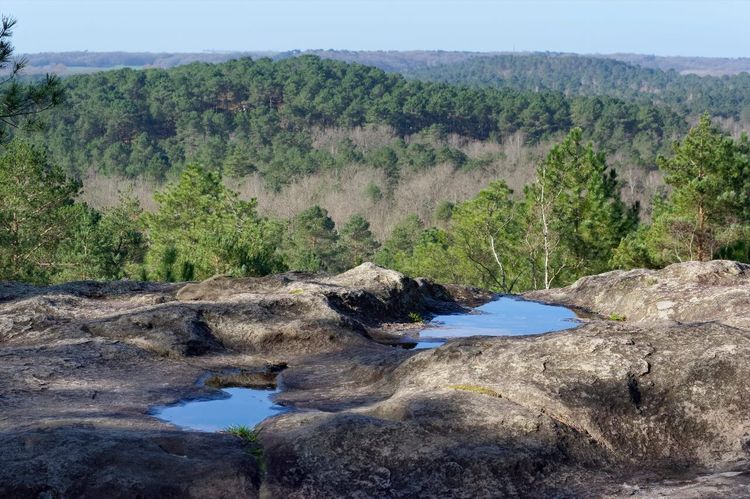
57 km south of Paris, the Fontainebleau forest is the largest forest massif in Île-de-France, with its 25,000 hectares of oaks, Scots pines and sandstone boulders. At the heart of a UNESCO-recognised biosphere reserve since 1998, it is home to around 5,000 plant species and 6,600 animal species. But before being a heritage site, it is a living place: every weekend, hundreds of climbers from around the world come to train on the boulders of Rocher Canon and Rocher des Demoiselles — a fascinating spectacle even for those who don't climb.
The Château de Fontainebleau is often underrated compared to Versailles, which paradoxically makes it one of the most beautiful in France for a peaceful visit. François I had it transformed into a Renaissance palace in the 16th century; Napoleon lived there and signed his abdication in the Council Chamber in 1814. The Galerie François Ier, 64 metres long with its Italian frescoes and woodwork, is one of the finest rooms in all of France's royal heritage. Admission: €14.
For a couple's escape, the village of Barbizon, 10 minutes from the château, is the ideal overnight option. This painters' village, where Théodore Rousseau and Jean-François Millet came to work in the 19th century, now has several charming inns and hotels, some with inner gardens. Expect to pay €120 to €180 per night for a double room. On Sunday morning, the Fontainebleau market (Place de la République) is worth a visit before heading back to Paris.
For hiking enthusiasts, the sentier Denecourt-Colinet, a 150 km waymarked network in use since 1842, crosses the forest's most beautiful boulder formations. The Gorges de Franchard circuit (Lieu-dit Franchard, 77300 Fontainebleau, rated 4.6/5 on Google from 73 reviews) (6 km, easy level) is perfect for a Sunday morning walk for couples without excessive sporting ambitions: views over the gorges, the silence of the pines, moss-covered boulders. Allow two to three hours of leisurely walking, with a picnic break on the sandstone plateaux that overlook the forest.
Finally, for food lovers: Fontainebleau has an interesting small gastronomic scene. The covered market and several bistros in the town offer quality local cuisine, far from the mass tourism of Versailles.
Épernay and the Champagne Route
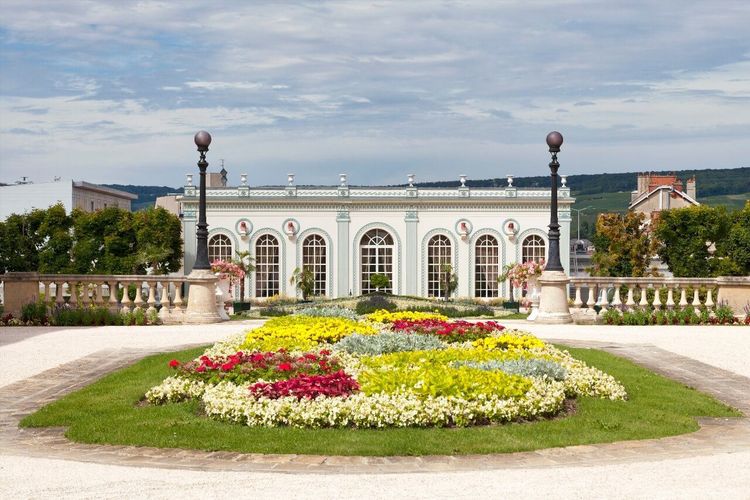
Épernay is 1h25 from Paris-Est, and it may well be the finest wine-related weekend surprise in France. The Avenue de Champagne packs the greatest négociant houses — Moët & Chandon, Perrier-Jouët, Pol Roger — into less than two kilometres. Beneath this avenue lie 110 km of cellars carved into the chalk 30 metres underground, storing more than 200 million bottles. A cellar tour is the central activity of a couple's weekend in Épernay.
The Mercier house offers one of the most spectacular tours: a small electric train through illuminated cellars, an experience that is both kitsch and unforgettable. The Castellane house and its 55-metre Art Deco tower, on the other hand, offers a panoramic view over the Champagne vineyards from the top. Expect to pay €15 to €25 per tour per person depending on the package (tasting included or not).
But the real secret of Épernay is to leave the main avenue and head out on the Route Touristique du Champagne. The villages of Hautvillers (where Dom Pérignon is buried), Aÿ and Mareuil-sur-Aÿ offer panoramic views over UNESCO-listed vineyards, family cooperatives where you can taste directly with the winegrower for just a few euros, and an absolute tranquillity that contrasts sharply with the bustle of the avenue.
For accommodation, charming guest houses exist in the wine-growing villages, some with a direct view over the Champagne hillsides. Expect €100 to €160 per night. On the dining front, restaurant Les Berceaux in Épernay (1 Michelin star) is one of the best addresses in town if you want to make dinner the highlight of the stay; for special occasions, L'Assiette Champenoise (3 stars), on the outskirts of Reims, remains the regional benchmark. Advance booking is essential several weeks ahead, especially during harvest season (mid-September to mid-October), which is also the most beautiful time to visit the region.
Giverny: Monet's Gardens and the Light of Normandy
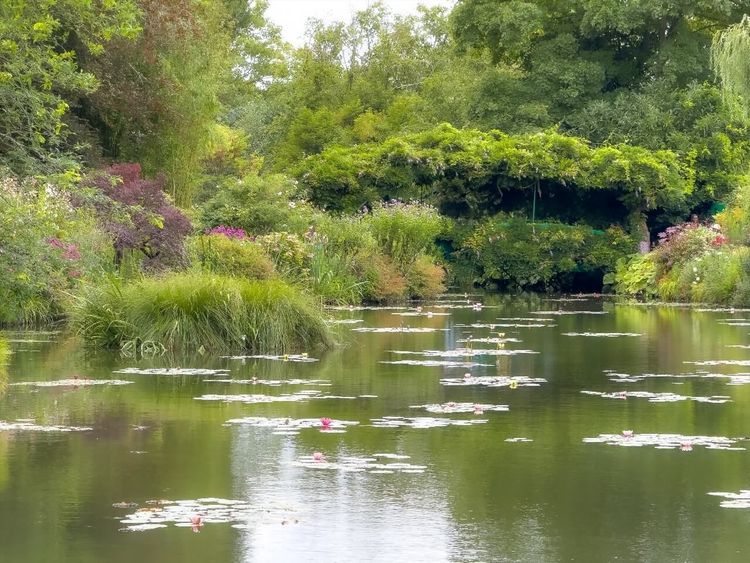
Giverny is 80 km from Paris — 1h15 by car via the A13, or a train to Vernon then 5 km by shuttle or bicycle. A short journey to find yourself in one of the most photographed gardens in the world. Claude Monet lived here from 1883 until his death in 1926, and it was here that he painted his Water Lilies, the series that consumed the last 27 years of his life.
The garden is open from April to November. Come on a weekday if at all possible: at weekends, tour groups can turn the visit into a forced march. The best approach is to arrive at opening time (9:30am): the morning light on the famous Japanese bridge and the water lilies is exactly what Monet was trying to capture. Allow 1h30 to 2h on site. Admission: €12.
Giverny combines very well with Vernon, the neighbouring town, which has a pleasant medieval old town and several restaurants for lunch after the visit. Or with Les Andelys (30 km further on), whose cliffs and Château Gaillard deserve their own escape (see the next section).
For accommodation in Giverny or nearby, several guest houses in Norman farmhouses are available from €90/night. This is a far more intimate option than Vernon's hotels, but places are limited: book two to three weeks ahead during peak season.
The Châteaux de la Loire: a Royal Escape 1h30 Away
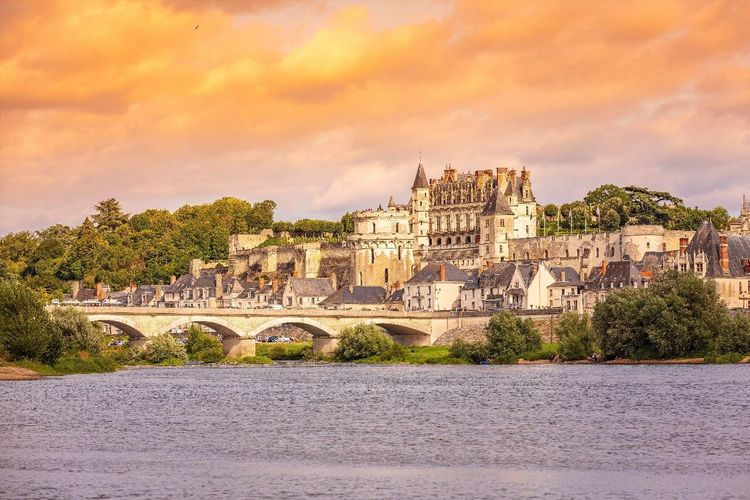
The Val de Loire is 1h15 from Paris-Montparnasse by TGV to Tours, then by rental car or tourist shuttle. It is one of the most celebrated destinations in France, and yet outside July–August, you can visit the greatest châteaux in near-solitude on a Saturday morning.
The Château de Chambord is the most impressive experience: 440 rooms, a double-helix staircase attributed to Leonardo da Vinci, and 5,440 hectares of forested estate enclosed by the longest wall in France (32 km). Sunset from the château's terraces, with the view over the rooftops and moats, is one of the most beautiful moments the region can offer a couple. Admission: €21 (free for under-26s resident in the European Union).
The Château de Chenonceau (37150 Chenonceaux, rated 4.7/5 on Google from 49,602 reviews) has a different appeal: built over the Cher river, its distinctive architecture owes everything to women — Catherine de Médicis, Diane de Poitiers, Louise de Vaudémont. The two-storey gallery spanning the river is the most photographed element, but it is Diane de Poitiers' formal flower garden that surprises most with its rigour and colour. Admission: €17.
If your accommodation budget allows, several Loire châteaux have become luxury hotels. The Château des Tertres (Onzain, Loir-et-Cher) and the Château de Pray (Chargé) offer rooms from €180/night in an authentic setting. For an all-inclusive couple's weekend, some packages include a gourmet dinner and breakfast. The Ryo audio-guided tour of the Châteaux de la Loire is an excellent way to plan the itinerary and make sure you don't miss the most memorable historical anecdotes.
Étretat: Cliffs and the Salt Air of Normandy
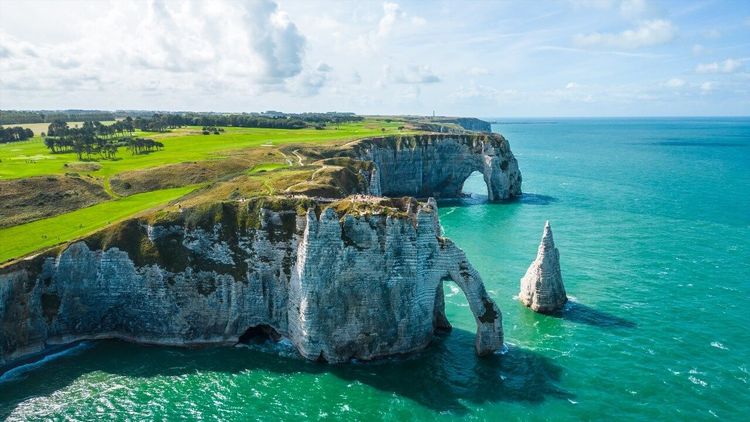
At 200 km from Paris (around 2 hours by car via the A13), Étretat is the quintessential Norman destination for a couple. The alabaster cliffs — l'Amont, l'Aval, la Manneporte — plunge into a Channel that turns an almost Mediterranean blue-green in fine weather. Claude Monet painted more than 60 canvases here between 1883 and 1886. Guy de Maupassant was born here and returned regularly. Arsène Lupin is buried here in a novel by Maurice Leblanc.
The unmissable walk is the ascent of the Falaise d'Aval from the pebble beach — 20 minutes of climbing, but the view from the Aiguille (the 70-metre natural arch jutting out into the sea) is worth every effort. Come preferably in the late afternoon: the raking light on the white cliffs is spectacular, and the crowds have dispersed.
The Jardins d'Étretat, laid out on the plateau overlooking the sea, are a recent horticultural curiosity (opened in 2017) but already well regarded: a series of themed gardens inspired by the Impressionists, with a permanent view over the cliffs. Admission: €12. Open all year, they are particularly beautiful in spring.
For accommodation, the Le Donjon hotel, perched on the cliff in a 19th-century neo-Gothic château, is the most seductive address in Étretat (rooms from €150/night). Otherwise, several guest houses in the village offer rates between €80 and €130. The village itself is small: make the most of it by dining at one of the restaurants on the main street when you arrive, before the tables fill up.
Étretat combines well with Fécamp (25 km), whose Palais Bénédictine — producing the famous liqueur since 1863 — merits an hour's stop. Or with Honfleur (80 km further east), whose old sailing harbour and charming half-timbered houses make it one of the most photogenic towns in Normandy.
Chartres: Medieval City and Its Light Show
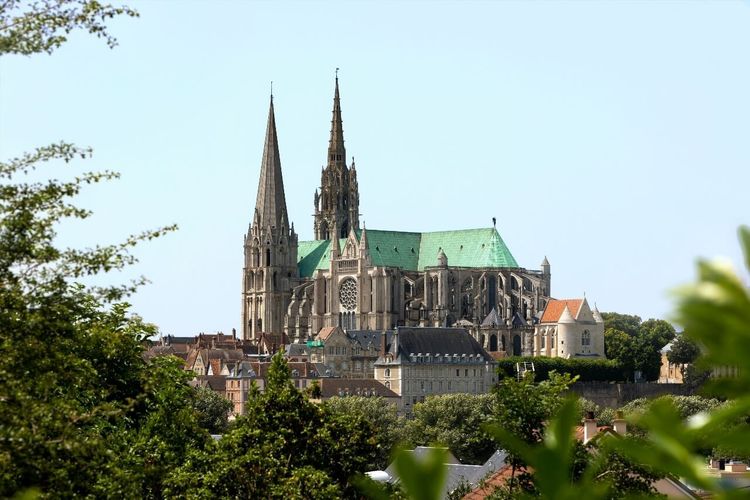
Chartres is 90 km from Paris (1 hour by TER from Paris-Montparnasse). The Cathédrale Notre-Dame de Chartres (16 Cloître Notre Dame, 28000 Chartres, rated 4.8/5 on Google from 19,449 reviews), listed as a UNESCO World Heritage Site, is one of the most perfect expressions of Gothic architecture in Europe. What sets it apart from the great Parisian cathedrals: its 176 original stained-glass windows from the 12th and 13th centuries, including the famous 'Chartres blue' that master glassmakers have never managed to reproduce exactly.
The 'Chartres en Lumières' show takes place every evening from mid-April to mid-October. Around twenty monuments and buildings in the city, including the cathedral, are lit up with artistic projections. It's free, lasts around 1h30 of strolling, and is one of the most successful sound-and-light shows in France. Walking through the old town at night, with its medieval lanes and half-timbered houses, is particularly beautiful hand in hand, as the façades blaze with colour and the terraces empty.
The Eure river running through Chartres, with its old wash houses and terraced gardens, is another asset of the city that hurried visitors often overlook. The banks of the Eure make for a soothing one-hour walk, away from the hustle around the cathedral. Several restaurants line the riverbank, perfect for a riverside lunch.
Accommodation in Chartres is more affordable than in Versailles or Étretat: expect €70 to €120 for a decent double room in the town centre. The lights season (mid-April to October) is the best time to visit, but book your accommodation at least a month in advance.
Le Touquet-Paris-Plage: North Sea and Roaring Twenties Atmosphere
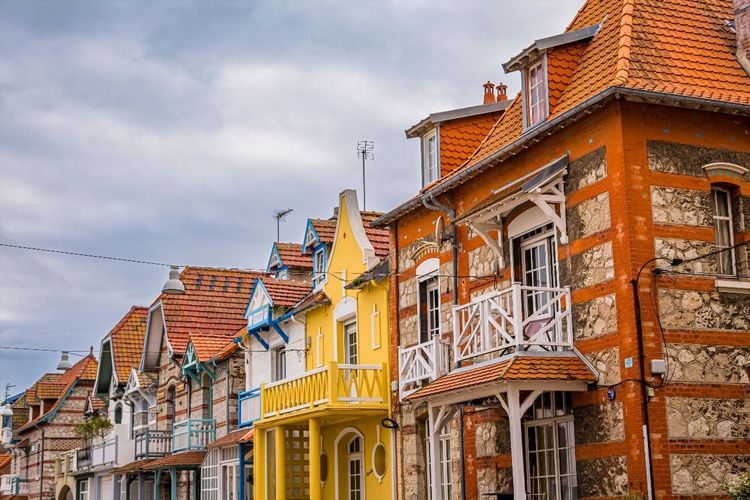
Le Touquet is 2h15 from Paris (train from Gare du Nord to Étaples, then shuttle or taxi 8 km). The chicest seaside resort in northern France packs into one place what other towns take centuries to build: a pine forest that runs down to the beach, perfectly preserved Art Deco seaside architecture, a Belle Époque casino and a serious marine gastronomy scene.
Le Touquet's beach is one of the finest in northern France: 12 km of fine sand at low tide, with dunes forming an almost wild horizon. The town itself is worth exploring on foot: the Art Deco villas of the 1920s in the residential quarter (rue Saint-Louis, allée des Pins) are a delight for architecture lovers. Le Touquet's covered market on weekend mornings is one of the best on the Côte d'Opale: fish, shellfish, cheeses from the north.
For accommodation, the Westminster hotel is Le Touquet's historic address — a 5-star hotel founded in 1924, with a spa and gourmet restaurant. Expect €200 to €350/night. More affordable options exist in the streets behind the beach (€90 to €150). The resort is very busy in July–August; opt for May–June or September for a peaceful stay for two. Our audio-guided tour Le Touquet-Paris-Plage lets you discover the history and architecture of the resort at your own pace.
Senlis and Chantilly: Equestrian Elegance
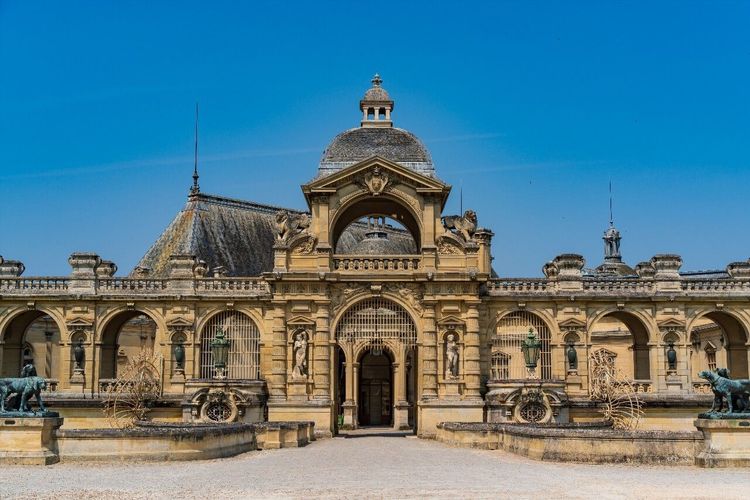
At 50 km from Paris via the A1 (45 minutes without traffic), Senlis and Chantilly make a perfect pairing for a short, elegant weekend. Two very different towns in atmosphere, but complementary in what they offer.
Senlis is one of the most beautiful medieval towns in the Paris Basin. Founded by the Gauls and a royal seat under the Capetians, it has an intact historic centre: its cobbled lanes, its Gallo-Roman amphitheatre, its 12th-century Gothic cathedral and its ancient ramparts preserved over 2 km make it an open-air museum. And yet it remains off the beaten track, which makes it a wonderful setting
Chantilly is 10 km from Senlis, and its château is one of the great houses of France's heritage. The Château de Chantilly houses the Grandes Écuries (built for 240 horses in the 18th century) and the Musée Condé, whose painting collection (Raphael, Botticelli, Ingres) is the second largest in France after the Louvre. The moats and formal French gardens designed by Le Nôtre are open throughout the day.
The Musée du Cheval housed in the Grandes Écuries is not to be overlooked: equestrian demonstrations, a presentation of the history of riding and horse breeds. The Grandes Eaux de Chantilly (April to October, on Saturdays) are much like Versailles' Grandes Eaux but without the crowds. Admission: €17 for full access to the château and museum. And before leaving, don't depart Chantilly without sampling its cream: authentic crème Chantilly is served here, at Le Hameau, in the very setting where it is said to have been invented.
For accommodation, Chantilly has several charming hotels in 19th-century buildings. The Auberge du Jeu de Paume (facing the château) is the finest address, with rooms from €160/night and a gourmet restaurant.
Les Andelys and Château Gaillard
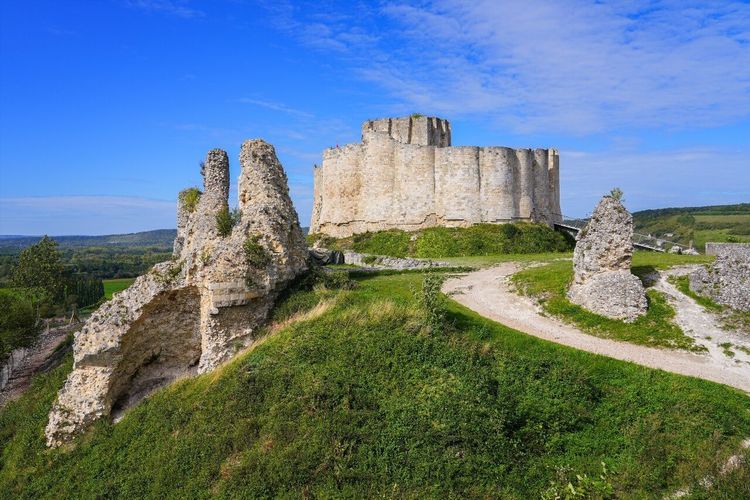
At 100 km from Paris (1h15 by car via the A13 then D313), Les Andelys is a town in two parts — Grand Andely and Petit Andely (Quai Foch, 27700 Les Andelys, rated 4.6/5 on Google from 308 reviews) — separated by the Seine at one of its most spectacular meanders. It was here that Richard the Lionheart had Château Gaillard built in record time (1197–1198): one year for an impregnable fortress perched on a 90-metre cliff. The ruins visible today, attacked and partially demolished under Henri IV, remain impressive from the riverbank.
The climb to the ruins takes 30 minutes from Petit Andely; the path follows the white chalk cliffs and offers views over the Seine meanders that alone justify the trip. At the top, the panorama takes in the valley for several kilometres: an orientation table helps identify the villages below. The site is freely accessible all year; the interior of the ruins can be visited from April to November (€3).
The Petit Andely on the banks of the Seine is the place to have lunch and stroll. Its lime tree-lined quays, its 12th-century Église Saint-Sauveur and its Norman half-timbered houses make for a picture-postcard setting without having to share the space with tourist coaches. Les Andelys is a well-kept secret,
The overnight base can be Vernon (30 km, decent hotels from €80) or Rouen (50 km), which itself deserves an extra half-day with its Gothic cathedral and its medieval Gros-Horloge.
How to Organise Your Romantic Weekend
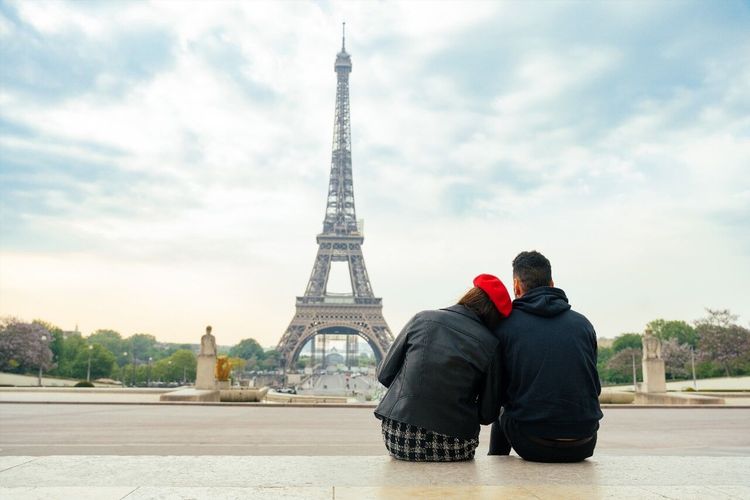
Most destinations in this article are accessible without a car if you are willing to take a train and possibly a taxi or rental bike. Versailles, Chartres, Épernay and Fontainebleau have stations right in the town centre. Giverny, Étretat, Le Touquet and Les Andelys require a connection or a shuttle.
A few practical rules to avoid unpleasant surprises:
- Book early: charming accommodation in Normandy and Champagne often fills up two to three weeks in advance on May–June and September–October weekends.
- Choose the right season: spring (May–June) and the shoulder season (September–October) are the best times — fewer crowds, better light, and sometimes lower prices.
- Check opening hours: châteaux and gardens have annual closure periods (often January and certain Mondays). Check official websites before you go.
- Book dinner in advance: in small towns like Senlis or Les Andelys, the best restaurants fill up quickly on Saturday evenings.
If your weekend extends to Paris, the Ryo audio-guided tour of Montmartre is one of the most beautiful walks for two in the capital, with its staircases, its urban vineyard and its views over the rooftops of Paris.
What Budget Should You Plan For?

Prices vary enormously depending on the destination and the type of accommodation chosen. Here is a realistic range for two people:
Budget weekend (€300–€450): Chartres, Senlis or Les Andelys with a guest house, meals at a local brasserie and train transport. These destinations have the cheapest accommodation and outstanding heritage with no major entry fees.
Mid-range weekend (€450–€700): Versailles, Fontainebleau or Giverny with a 3-star hotel or charming guest house, one château or garden admission, dinner at a good restaurant. Transport by train or car.
Premium weekend (€700–€1,200): The Châteaux de la Loire or Le Touquet with château-hotel or 4–5-star accommodation, a gourmet dinner, multiple admissions. Champagne around Épernay with a high-end cellar tour and a starred restaurant can reach this budget.
One tip: don't always go for the all-inclusive option. A dinner at a gourmet restaurant and a lovely local guest house often works out cheaper than a packaged deal, for comparable or better quality.
Paris: Extend Your Escape in the Capital
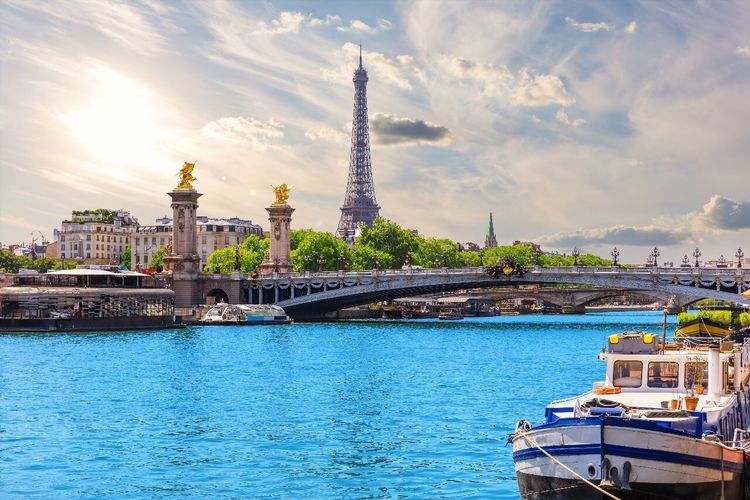
A couple's weekend near Paris naturally pairs with a night or half-day in the capital itself. Paris has its own treasures that even Parisians often rediscover with fresh eyes.
The Père-Lachaise is one of the most beautiful cemeteries in the world — a paradox that makes sense once you stroll along its tree-lined paths and past its 19th-century funerary sculptures. The graves of Oscar Wilde, Édith Piaf, Jim Morrison and Frédéric Chopin make it a place steeped in stories. The Ryo audio-guided tour of Père-Lachaise details the most memorable stories from this open-air museum cemetery.
The Quartier Latin and the Jardins du Luxembourg are a more classic but equally effective option for a morning together: the garden, with its fountains, statues and metal chairs set out on the lawns, is one of the most pleasant places in Paris for doing nothing. The Ryo audio guide to the Quartier Latin tells the story of the Sorbonne, the Panthéon and the streets that have witnessed the birth of so many great French literary works.
For art lovers and fans of great stories, our Paris audio walking tour 'From Mona Lisa to Notre-Dame' connects the Louvre to Notre-Dame in 23 commented stops — a way of experiencing Paris not as a checklist of monuments, but as a story in motion.
FAQ
What is the most romantic destination near Paris?
It's a matter of taste, but Étretat and the Champagne region around Épernay are regularly cited as the most alluring destinations within a 2-hour radius. Étretat for its spectacular cliffs and intimate atmosphere (a small village with little mass tourism outside July–August), Épernay for the unique experience of champagne cellars, the UNESCO-listed vineyard route and charming guest houses in wine-growing villages. The Châteaux de la Loire are the obvious choice when looking for the most 'cinematic' experience: sleeping in a 16th-century château is hard to beat.
What is the most budget-friendly romantic weekend near Paris?
Chartres probably offers the best value for money. Reachable in 1 hour by train, free entry to the cathedral, a free light show from April to October, and accommodation between €70 and €120 per night. Les Andelys and Senlis fall into the same category — high-quality heritage destinations where entry fees remain modest (under €5).
Can you have a romantic weekend near Paris without a car?
Yes, for the majority of destinations in this article. Versailles (RER C or Transilien), Chartres (TER from Montparnasse), Épernay (TER from Paris-Est), Fontainebleau (Transilien R then shuttle), Chantilly (TER from Paris-Nord) are all accessible by public transport without major difficulty. Étretat and Les Andelys, however, require a rental car or a taxi from the nearest station.
Are there options with a private jacuzzi near Paris?
Yes, many packages with a private jacuzzi exist within a 2-hour radius of Paris. Guest houses and small hotels in the Yvelines, Oise and Seine-et-Marne offer rooms with a private spa or jacuzzi from €150 per night. The Île-de-France region itself (outside central Paris) has several eco-lodge or glamping addresses with a private wellness area. Search by département (77, 78, 91, 60) to find the best-positioned offers.
What is the best time of year for a romantic weekend near Paris?
Spring (May–June) and the shoulder season (September–October) are the best periods. The light is beautiful, the temperature pleasant for walks, and gardens are in bloom or displaying autumn colours. Accommodation is more available and often cheaper than in July–August. Avoid long bank-holiday weekends (Ascension, All Saints' Day) if you're targeting popular destinations like Versailles or the Châteaux de la Loire.
How far from Paris can you find a romantic destination?
From just 45 minutes by train (Versailles, Chantilly), you'll find quality destinations. At 1h30–2h (Épernay, Étretat, Loire), the change of scenery is dramatic. A good rule of thumb: look for destinations between 80 and 150 km away, allowing you to arrive early enough on Saturday morning to enjoy a full day without the fatigue of a long journey.
Are there all-inclusive weekends near Paris?
Several all-inclusive packages exist, offered by château-hotels or private estates (accommodation + gourmet dinner + activity or visit). Champagne estates and Loire châteaux are particularly well set up for these offers. Budget €300 to €600 per couple for a quality all-inclusive night. Book directly with the accommodation (often cheaper than platforms) and check what is included — some packages only cover breakfast.
Conclusion
A couple's weekend near Paris can take a dozen different forms: the white cliffs of Étretat, the vintage champagne cellars of Épernay, the royal forest of Fontainebleau, the meanders of the Seine at Les Andelys or the festival of lights at Chartres. The choice is real, varied and often underestimated by Parisians themselves, who sometimes look towards Provence or Brittany without seeing what lies just two hours from home.
If your weekend begins or ends in Paris, the Ryo app is your companion for discovering the capital in a different light. The Ryo audio-guided Paris tour In the Footsteps of Emily Cooper is an original way to explore the city's most photogenic neighbourhoods — Saint-Germain, the Marais, Montmartre — with unusual anecdotes about every place along the way.