Créé par Romane, le 17 nov. 2026
Votre guide Ryo
Rouen, France
Normandy's number-Rouen on the Seine
Parcours audioguidé pour visiter Rouen en 1 jour
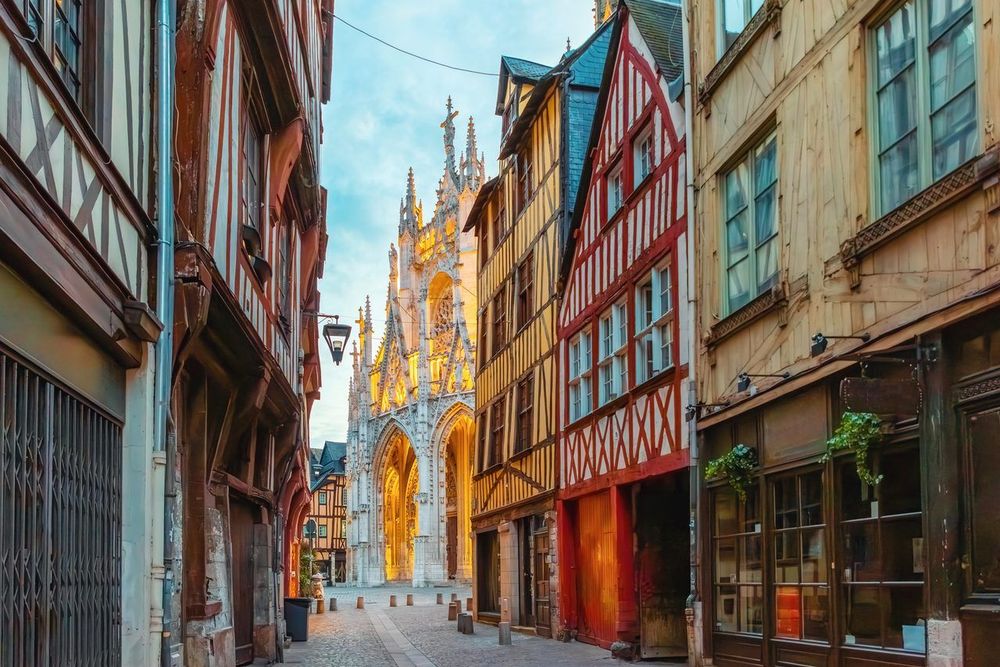
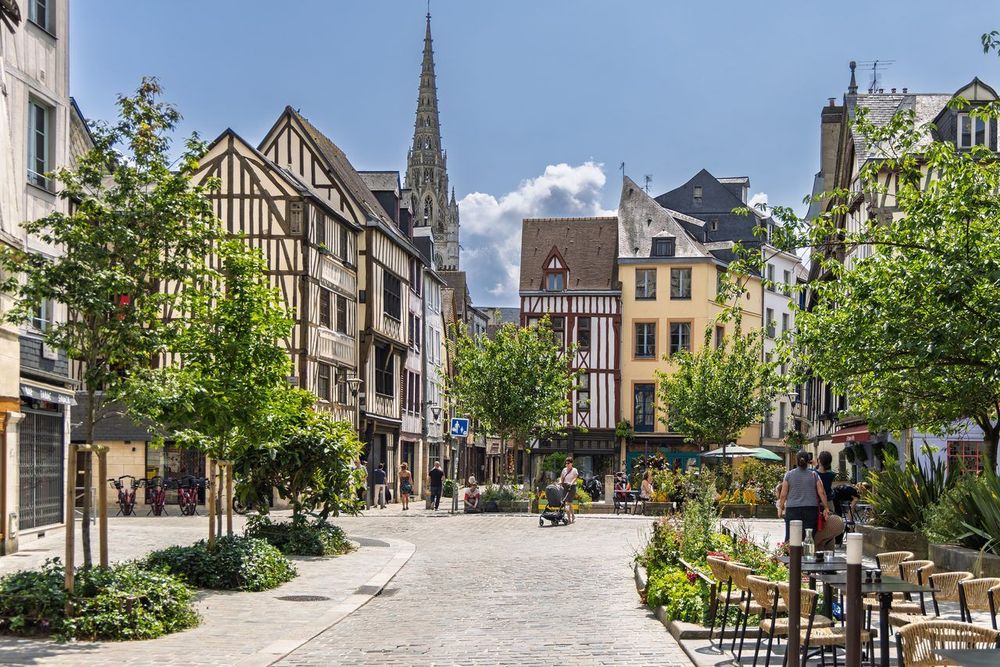
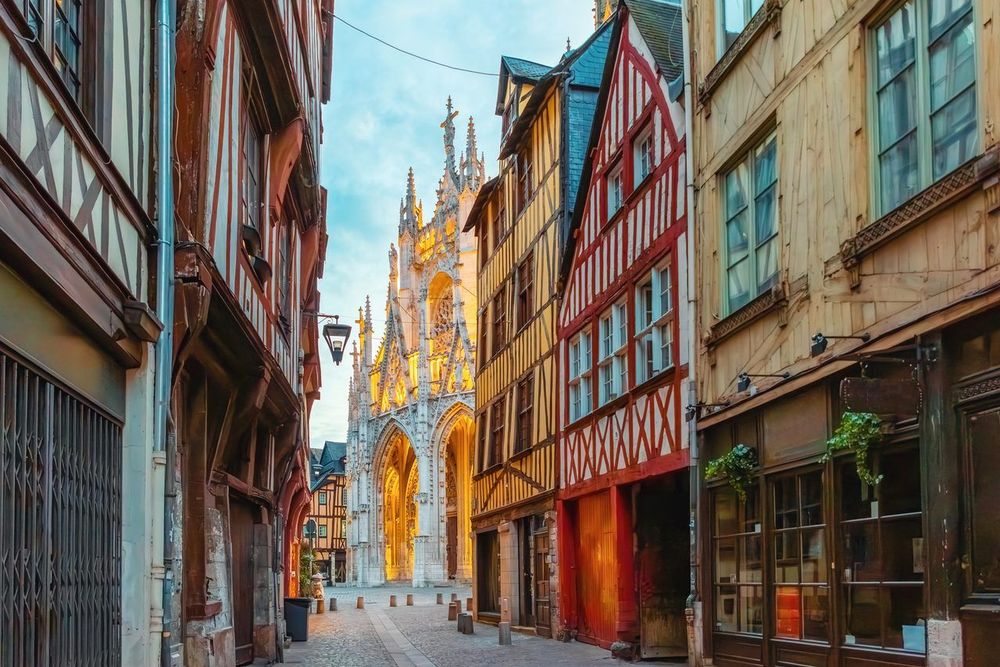
This tour of Rouen draws you into the heart of one of the most beautiful medieval cities in France. Let yourself be guided by the intricate stonework of Rouen Cathedral and the authentic charm of streets lined with half-timbered houses. From the striking presence of the Gros-Horloge to the lasting memory of Joan of Arc, the city reveals a heritage of remarkable richness. It’s a walk through history, from royal echoes to peaceful moments along the Seine River, offering a timeless escape in the historic capital of Normandy.
Quand partir à Rouen ?
Jan.
4°
12
Feb.
5°
10
March
8°
11
April
10°
10
May
13°
11
June
16°
10
July
18°
10
Aug.
18°
10
Sept.
15°
10
Oct.
12°
12
Nov.
8°
13
Dec.
5°
13
Rouen enjoys a temperate oceanic climate, characterized by a certain humidity and moderate temperatures, with mild summers averaging around 22°C and cool winters ranging between 1°C and 7°C. The ideal period to discover the "City of a Hundred Spires" runs from June to September, offering mild weather to admire the half-timbered facades and the cathedral, or to enjoy the banks of the Seine. The month of June is particularly recommended during the years of the Armada (tall ships festival), while December offers a magical atmosphere with its Christmas market and illuminations, despite the Norman chill.
Départ conseillé
No need to worry about where to begin! Our tours are designed as a loop, so you can jump in wherever you are. The navigation system and audio-guide will automatically adjust to your location. However, if you happen to be nearby, we do have a preferred starting point: Place de la Cathédrale.
Parking à proximité
Parking de la Cathédrale-Rouen Normandie: Place de la Haute Vieille Tour.
In Rouen, there are plenty of parking options, both above and below ground. However, if you're looking for free parking, you'll need to head out of the city center (e.g. Parking Eauplet or Rue Joseph Lebas Parking). And rest assured; you can take the metro or bus, and easily reach the city's top attractions in just 15-20 minutes.
During this visit, we'll be passing through the Saint-Maclou Churchyard. To avoid any last-minute surprises, please remember that the site has specific opening and closing hours. If it's closed when you get there, you can continue along Géricault Street and then take Victor Hugo Street and Martainville Street toward our next point of interest.
The same goes for the Petite Horloge passageway, which closes in the evening as it's a private property. If the doors are closed when you arrive, you can take Pont de l'Arquet Street and then Eau de Robec Street toward our next point of interest.
À savoir
Just like any other big tourist destination, Rouen has a City Pass that gives you discounts on public transport and activities. It's a great alternative if you want to explore the city at your own pace.
Découvrez 28 lieux d'intérêt pour visiter Rouen







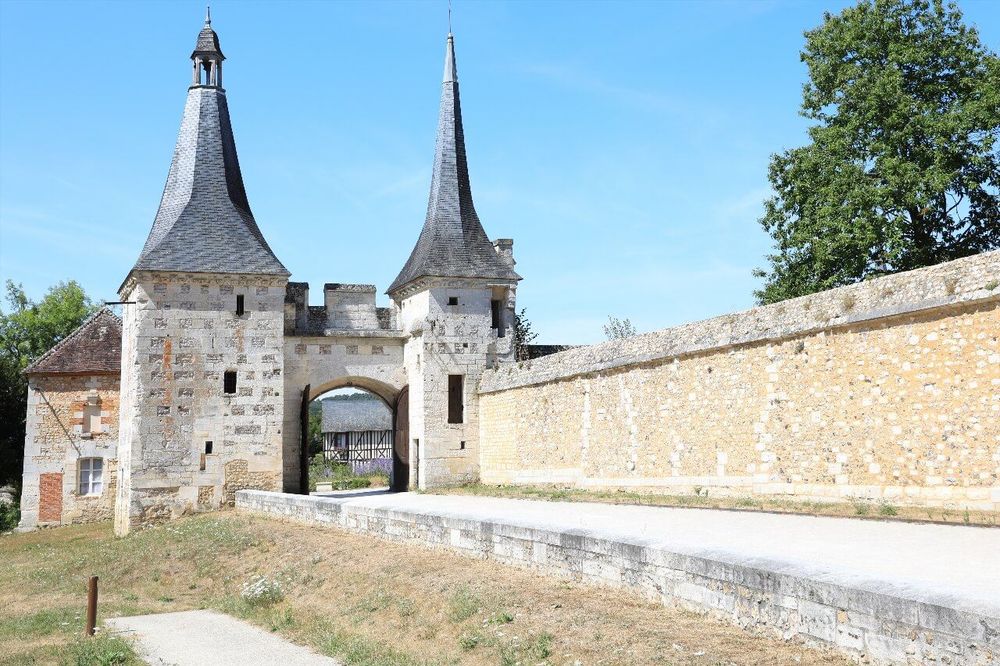
What to see in Rouen on your 1h45 tour?
This 4 km loop takes about 1 h 45 and links 27 sights. From the Cathedral Square it reaches the Old Market Square, where Joan of Arc died, then the Courthouse, before running along the Seine quays. It passes the City Hall, the Abbey Church of Saint-Ouen and the Saint-Maclou district, then loops back to the cathedral via Chanoines Street. With the Ryo app in your ears, every timber frame and every legend tells its own story, at your own pace.
Information checked in November 2026 and subject to change.
1 - Former Finance Office

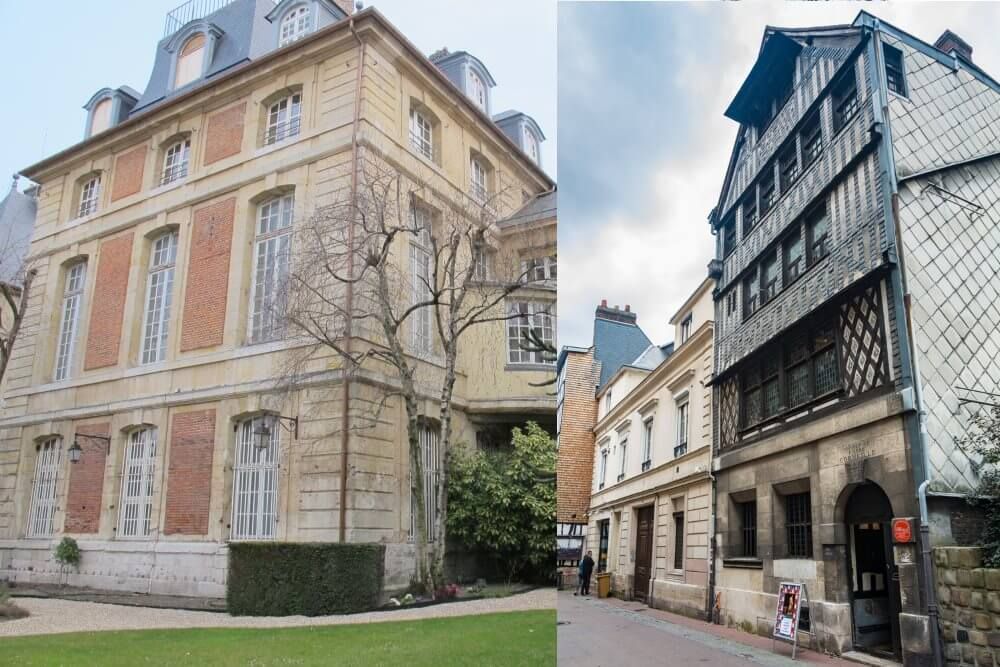
Look away from the cathedral for a moment at this corner building facing it. Around 1510, financier Thomas Bohier asked architect Roulland le Roux, who also carved the cathedral's main portal, to house the regional tax office here. The design blends fading Gothic lines with Italian-inspired Renaissance flourishes. Having survived two world wars with little damage, the building now shelters the tourist office; upstairs, the studio where Monet once painted part of his Rouen series is due to open to visitors soon.
Free entry
2 - Notre-Dame-de-Rouen Cathedral
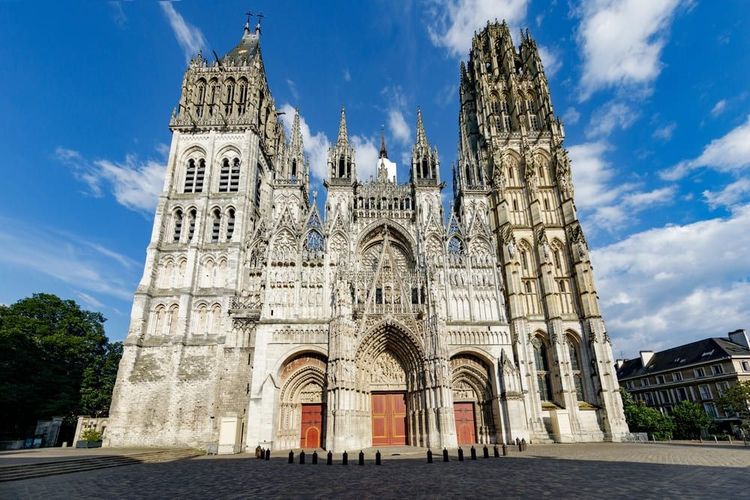
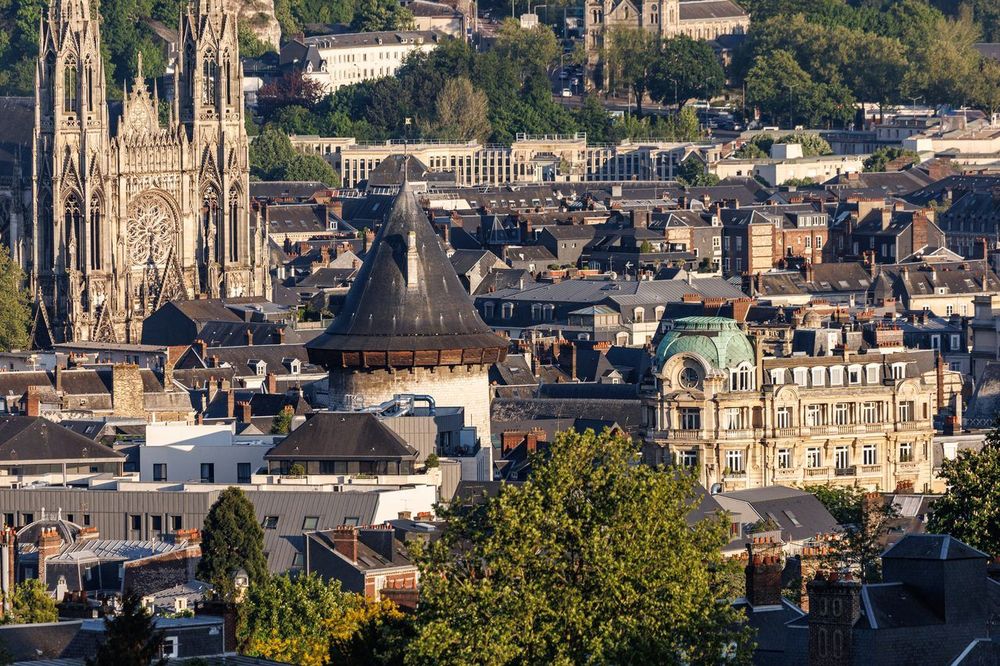
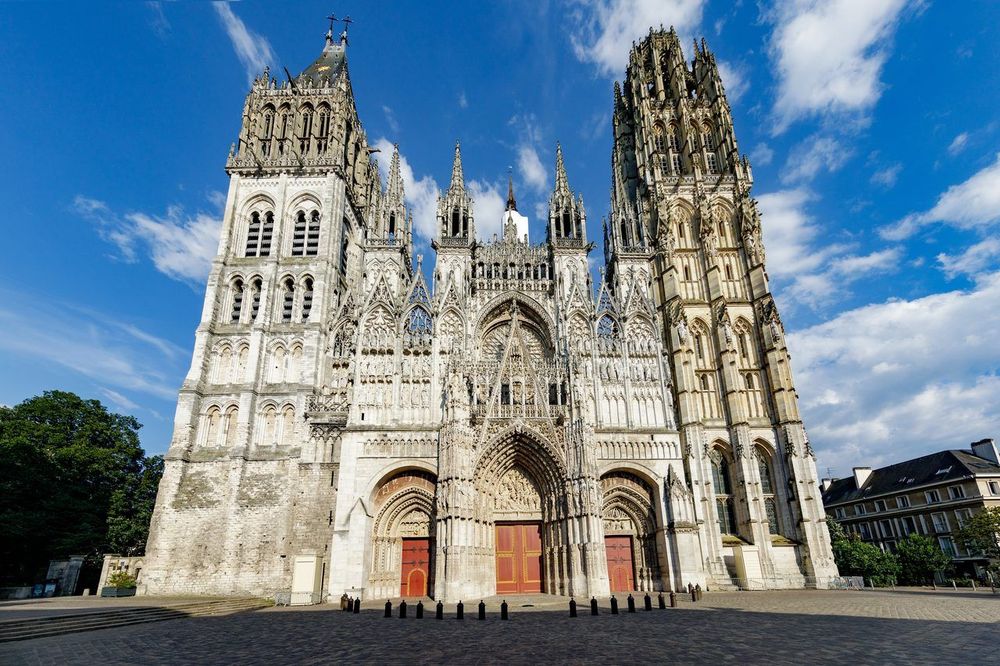
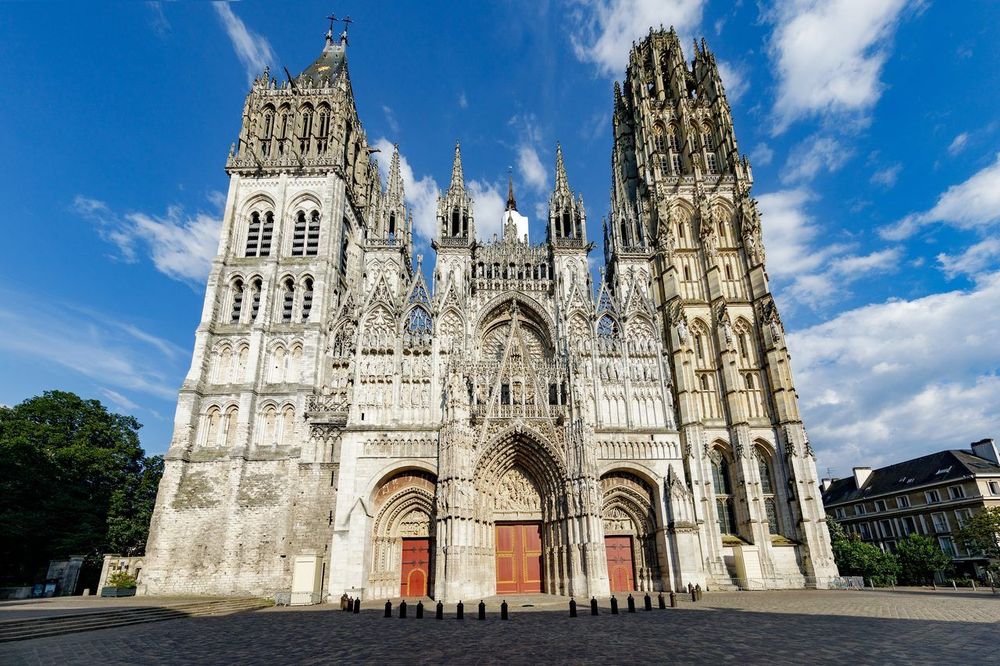
Here stands a monument that took over four centuries to reach its current shape, surviving fires, wars and storms along the way. Its 61-metre façade remains the widest in France, and its cast-iron spire, finished in 1876, briefly made it the tallest building on earth. Monet painted it 30 times and still struggled to fit it on a single canvas. Inside, old stained glass, arcades and the Booksellers' Staircase lead toward the tomb holding the heart of Richard the Lionheart.
Free entry
3 - Gros-Horloge Street
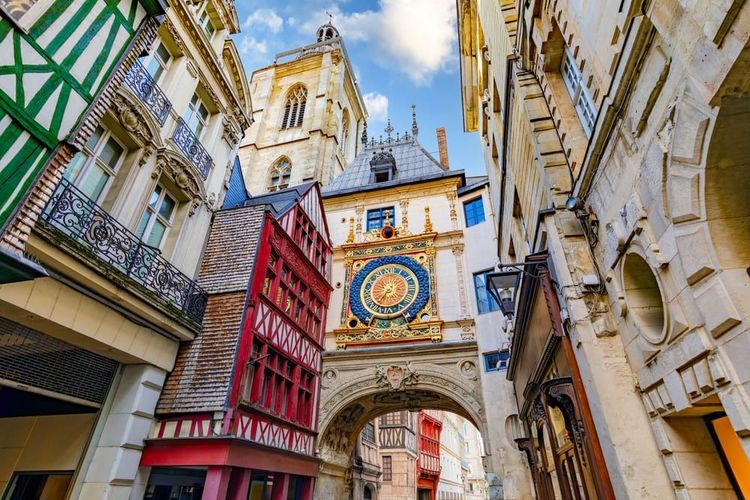
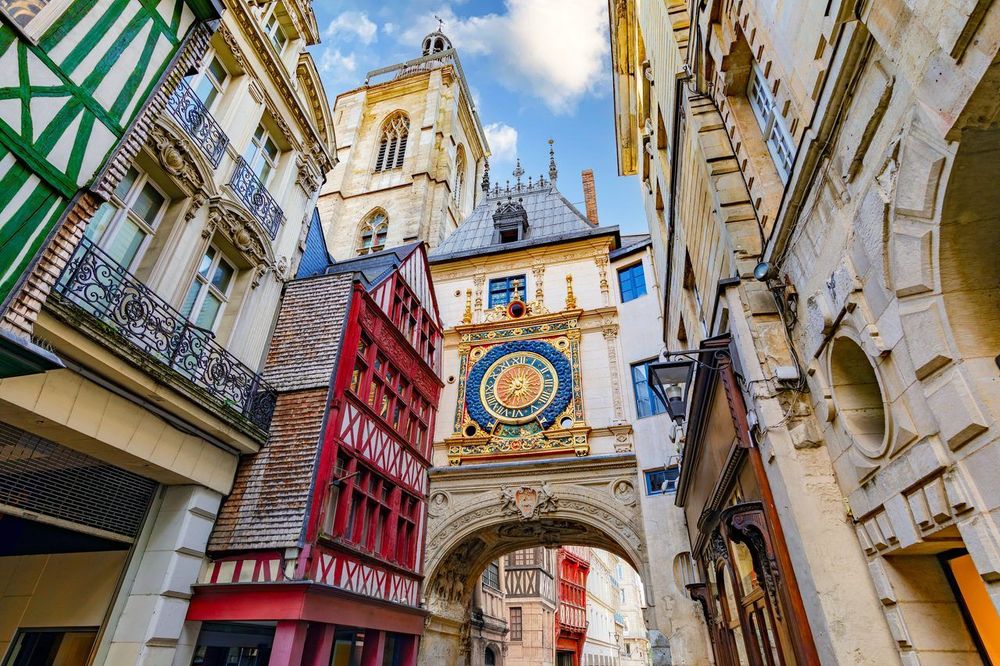
You are walking down Rouen's busiest street. In 1932 it welcomed the country's very first Monoprix store, before becoming France's first fully pedestrian street. Big chains now mix with small independent shops, yet the colourful timber-framed fronts and the famous arch spanning the roadway keep their medieval flavour intact. Pissarro painted it in 1885, and shoppers and strollers still cross paths here from morning to night.
Free entry
4 - Gros-Horloge
You cannot miss it: this 14th-century Gothic belfry holds a clock mechanism dating back to 1389, among the oldest in France. Its two gilded dials, each showing a sun on a starry blue background, use a single hand tipped with a lamb, an old emblem of the town. The clock also marks the moon's phases and a different deity for every day. An exact copy stands in New York, inside a Lebanese cathedral, more than 5,500 km from Rouen.
Paid entry (about €8) · Allow 40 min
5 - Saint-André Tower

Victor Hugo once wrote that Rouen rang with a hundred bell towers: before the Revolution it had 104, against just 38 today. This lone tower is a rare survivor. It once belonged to the church of Saint-André, recorded as early as the 11th century and torn down in 1867 to cut a new street straight through it. Only the tower, 32 metres tall, escaped demolition, saved by a local historian, and it has been protected since 1958.
Free entry
6 - Bourgtheroulde Mansion
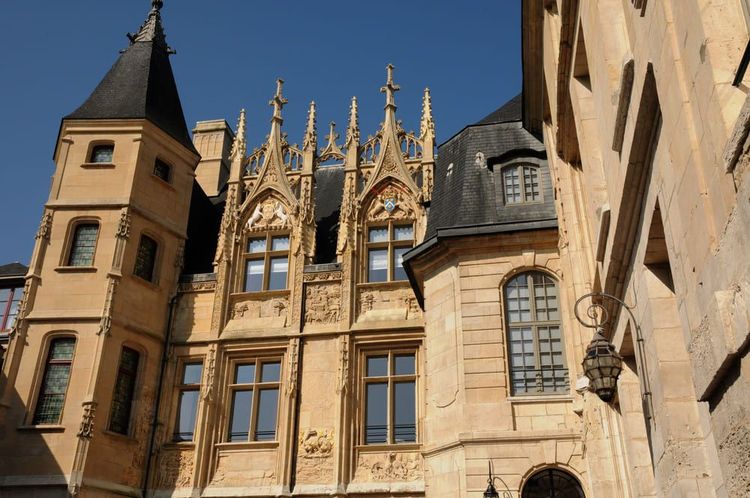
This mansion was built for William II le Roux at the end of the 16th century, in a style blending fading Gothic with restrained Renaissance taste. His son carried on the decoration, commissioning two sculpted panels for the left wing: Petrarch's Triumphs beneath the roofline, and a far more political scene below the windows, the Field of the Cloth of Gold, where Francis I and Henry VIII competed in splendour in 1520 for the imperial crown. A bank until 2006, the building has been a luxury hotel since 2010.
Free to see from outside
7 - Church of St Joan of Arc
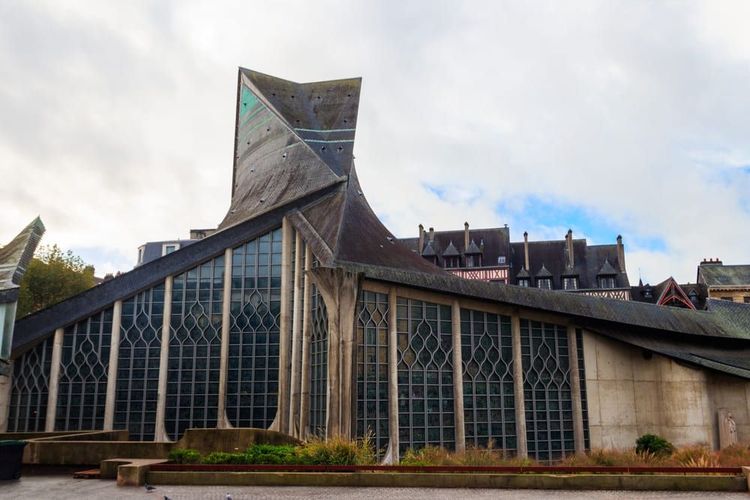
Built in 1979 on the very spot where Joan of Arc was put to death, this church looks like no other in town. Its wavy outline suggests by turns an upturned boat hull and fish scales, thanks to a slate and copper roof that nods to Normandy's maritime past. Inside, thirteen 16th-century stained-glass windows, rescued from a Rouen church destroyed in 1944, flood this otherwise strikingly modern building with unexpected colour.
Free entry
8 - Old Market Square
This broad square, Rouen's trading heart since the Middle Ages, once held covered markets, butchers and fishmongers, plus two churches long since gone. Yet it is a far darker episode that carved its name into history: on 30 May 1431, Joan of Arc was burned alive here before a large crowd. A statue, a memorial cross and a modern church keep her memory alive, while restaurants and half-timbered houses, including the oldest inn in France, still give the square its daily buzz.
Free entry
9 - Pierre Corneille's Birthplace
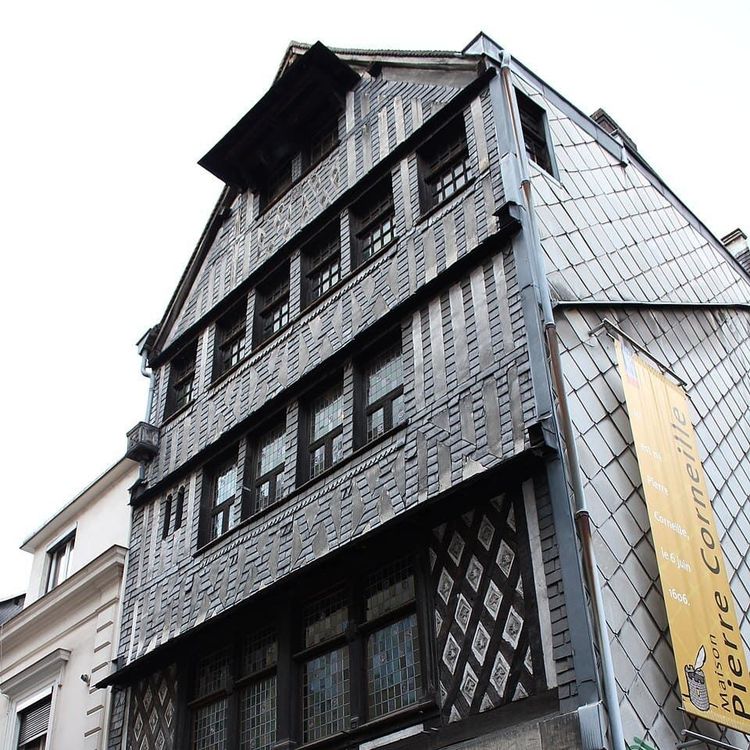
Born here in 1606 into a family of magistrates, young Corneille first bowed to family wishes by becoming a lawyer in 1624, before giving up pleading cases for writing. His first play, Mélite, came out in 1629; his masterpiece, Le Cid, appeared in 1637 and sparked a famous quarrel among classical authors. Forgotten in his later years and dying poor in Paris in 1684, he is remembered here, in the house where he lived for 56 years, through his library, ebony writing cabinet and mementoes of his stage career.
Free entry
10 - The Trial of Joan of Arc
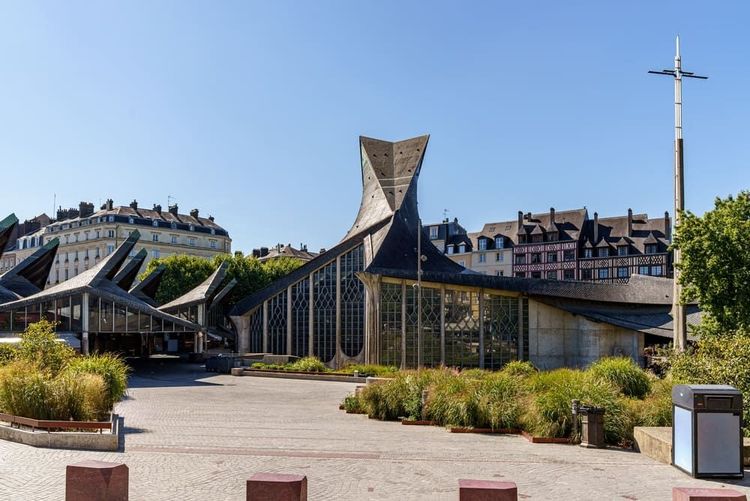
A simple sign on this square marks the exact spot where Joan of Arc, only nineteen, was put to death on 30 May 1431 after a biased religious trial. Three separate fires were reportedly needed to consume her body, its ashes said to have been scattered in the Seine. Rehabilitated in 1456, beatified in 1909 and canonised in 1920, the heroine is honoured here with a huge memorial cross and a statue by Maxime Real del Sarte, copies of which stand as far away as Argentina and Canada.
Free entry
11 - The Legend of the Gargoyle of Rouen
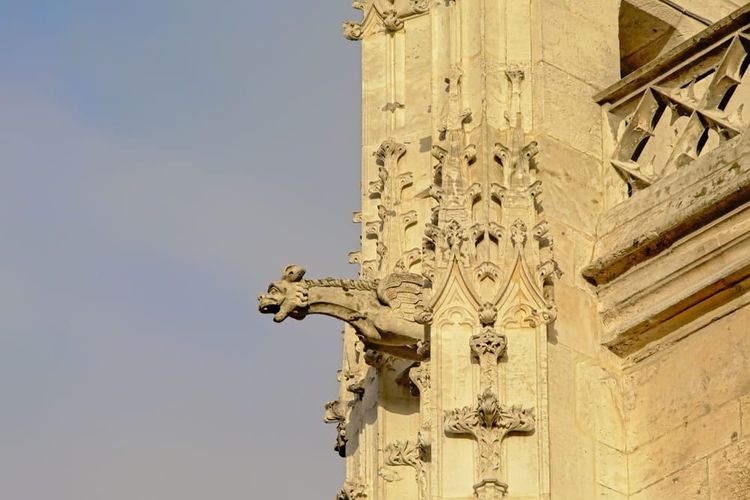
Back in the 6th century, so the tale goes, a water-spitting creature, half dragon and half snake, terrorised the banks of the Seine, ruining crops and frightening everyone nearby. Bishop Saint Romain agreed to face it, on condition the people convert and build a church. He tamed the beast with nothing more than a sign of the cross before it was burned, its head alone resisting the flames. The word gargoyle is said to stem from this tale, along with a famous old privilege: pardoning one prisoner each year.
Free entry
12 - Rouen Courthouse
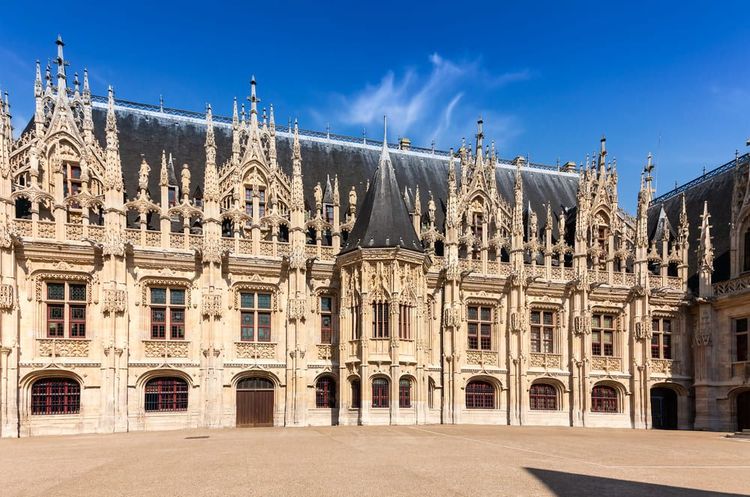
Raised on the ruins of the old Jewish quarter, this flamboyant Gothic complex first housed the Exchequer of Normandy before becoming, under Francis I, the seat of the local Parliament. Its façade bristles with skylights, pinnacles and statues representing every rank of medieval society. The 1944 bombings left shell marks that were deliberately kept on the rear wall. During 1976 renovation works, the remains of a medieval Jewish building were found beneath the courtyard, now seen as the oldest Jewish monument still standing in France.
Free to see from outside
13 - Musée Le Secq des Tournelles
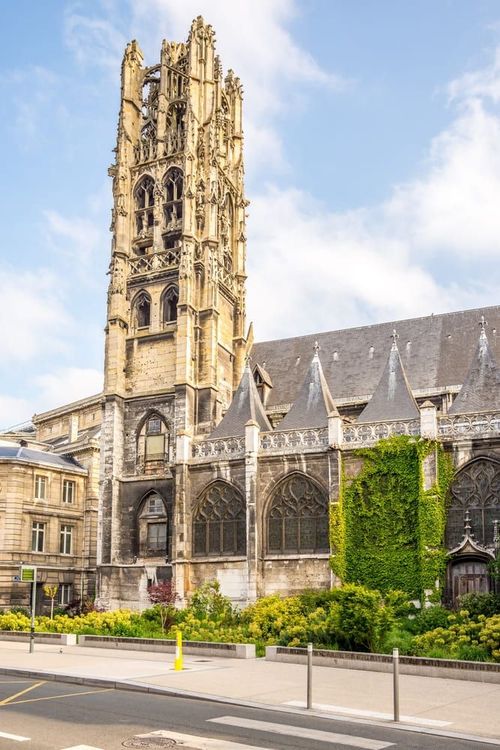
The church of Saint-Laurent, first recorded in the 11th century, went through fire, storms and closure before narrowly escaping demolition in 1891. Since 1921 its Gothic nave has housed an ironwork collection gathered by photographer Henri Le Secq, who rescued many pieces that Baron Haussmann had slated for destruction. Nearly 14,000 objects, ranging from Gaulish antiquity all the way to the 19th century, railings, locks, jewellery and shop signs, trace a Norman craft rooted in locally abundant ore. Admission is free.
Free entry
14 - Rouen Museum of Fine Arts
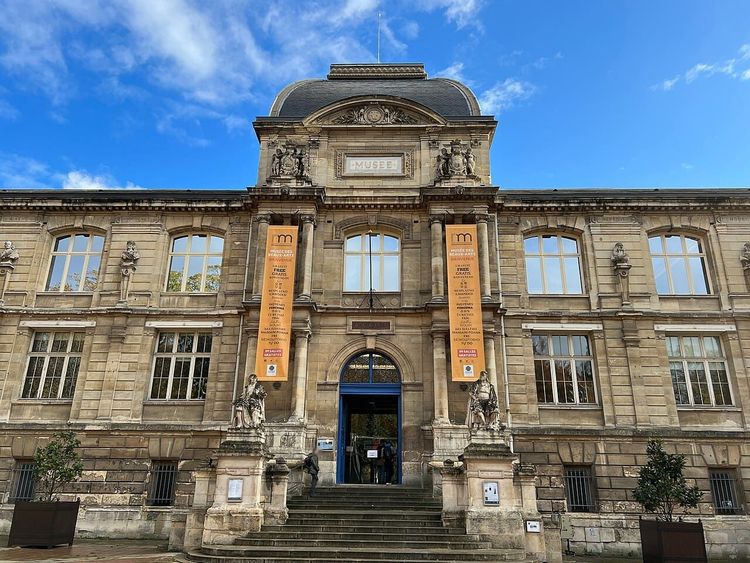
Opened in the years after the Revolution, this museum had become, by 1878, the richest provincial museum after Paris itself. Sixty rooms now hold 8,000 works, from the 15th century to today, by names such as Caravaggio, Rubens, Velázquez and Delacroix. Thanks to a 1909 donation from patron François Depeaux, it also keeps one of the country's finest Impressionist collections, led by Monet and Sisley. Temporary exhibitions regularly add to a visit that is already free.
Free entry
15 - Joan of Arc Tower
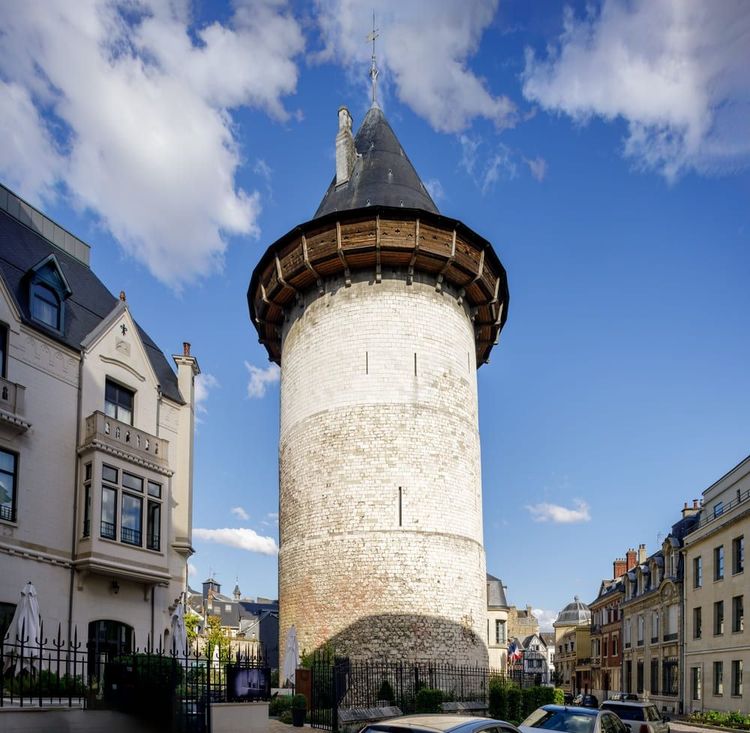
The only surviving part of the castle Philip Augustus built here in 1204, this 30-metre keep once formed part of a ten-tower fortress overlooking the town. Joan of Arc was brought here on 9 May 1431 and threatened with torture to force a confession, without success. Sold to the English after being captured at Compiègne, she had been held since December 1430 in a neighbouring tower that no longer stands. Protected as a historic monument since 1840, the keep now holds a museum and an immersive escape game.
Free entry
16 - The Armada
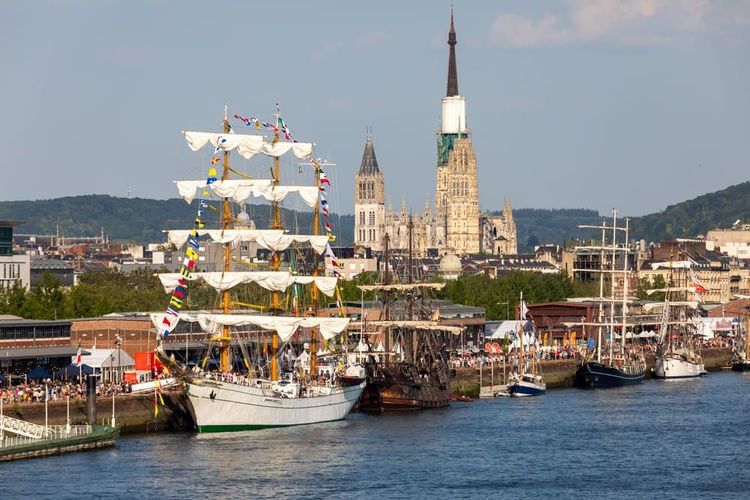
Every few years, between four and six apart, Rouen spends about ten days hosting some of the finest sailing ships on the planet along its quays. The whole thing started with a seemingly wild idea: a 1986 transatlantic crossing to New York to mark the centenary of the Statue of Liberty's journey. Its popularity eventually led to the Armada as it exists since 2008, drawing nearly 8,000 sailors from abroad. Concerts, fireworks and free tours fill every edition, right up to the closing parade down the river.
Free entry
17 - Rouen City Hall
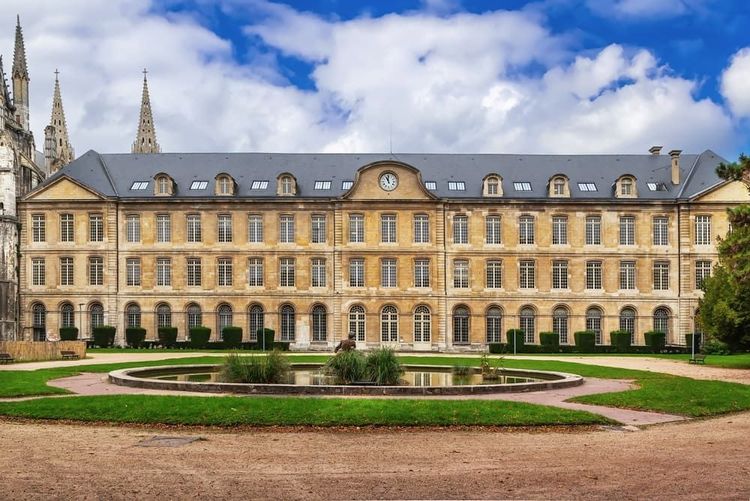
Rouen's town hall moved in 1800 into what had been the monks' dormitory of the neighbouring abbey, right next to the abbey church itself. Its neo-Gothic street-side front dates from the mid-19th century; the garden façade kept its original look. An equestrian statue of Napoleon I has stood out front since 1865, said to be cast from cannons seized at Austerlitz. Rebuilt after a 1928 fire and later damaged by bombs, the forecourt displays the twelve zodiac signs, plus a discreet Norman leopard.
Free to see from outside
18 - Abbatial Church of Saint-Ouen
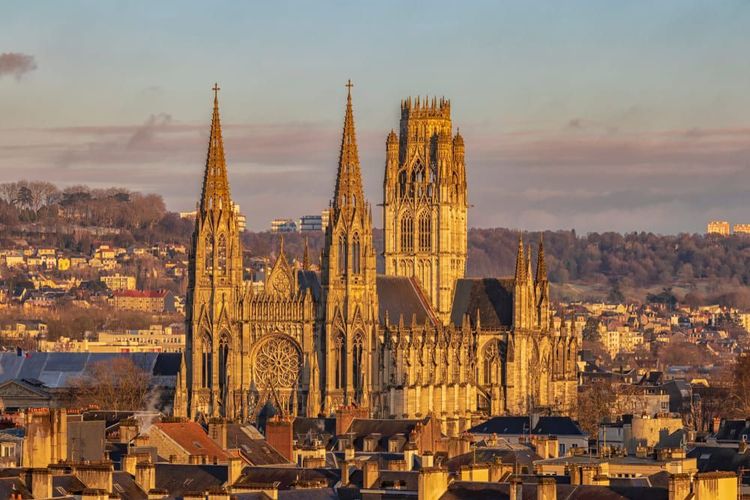
Often mistaken for a cathedral given its 130-metre length, this former Benedictine abbey church was founded around the year 750 and rebuilt from the 14th century in a Gothic style of remarkable unity. Eighty original stained-glass windows and a perfectly preserved medieval oak roof frame fill the nave with light. Its great organ, built by Aristide Cavaillé-Coll, ranks among the most recorded instruments in the world. The neighbouring monastic buildings, meanwhile, became the town hall after the Revolution.
Free entry
19 - Small Clock Passageway
No sign points to this quiet passage tucked between two streets of old Rouen. At the end of a private courtyard hides a miniature version of the famous Gros-Horloge: a modest clock face fitted around 1982 by the father of the current owner, a clockmaker by trade, who had the courtyard opened in 1978 for residents to use. More a charming oddity than a listed landmark, the spot charms visitors with its timeless feel, far from the bustle of the nearby main streets.
Free entry
20 - Eau de Robec Street
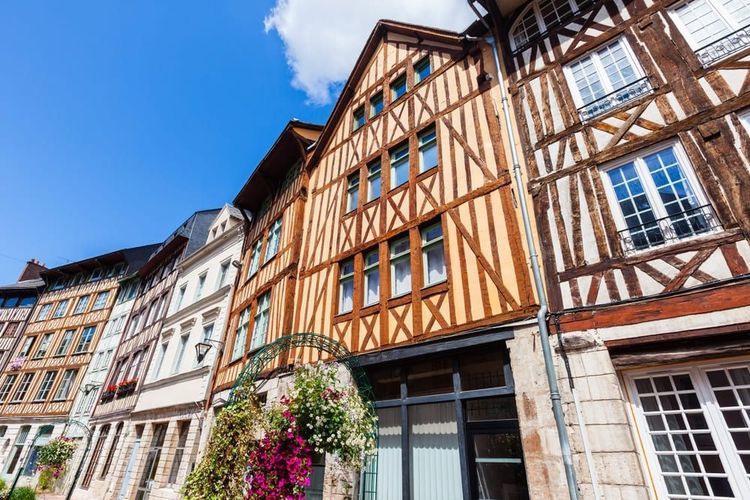
Of Rouen's 1,200 streets, this one was voted the prettiest by its own residents. A stream, once a proper river, still runs at its feet, crossed by small footbridges between half-timbered houses. Until the 19th century, some fifteen mills here powered dyers and cloth makers, whose work regularly changed the water's colour, a sight Flaubert described in Madame Bovary. Under some of the roofs, open drying lofts still remain where fabric was once hung out to dry.
Free entry
21 - Damiette Street
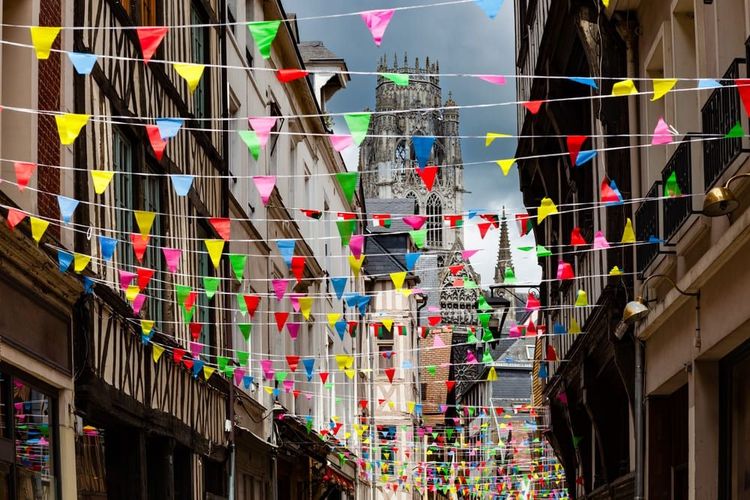
The backbone of the Saint-Maclou district, this cobbled street long lived off rowdy working-class cafés before becoming, in the 1970s, a haven for Rouen's antique dealers. Where its name comes from is still debated: a tribute to a former resident, a nod to the capture of Damietta in Egypt in 1249, or a Latin root tied to an old border. Walk up the street and your eyes drift toward Saint-Ouen's soaring spire in the distance, one of the town's finest views.
Free entry
22 - Saint-Maclou Churchyard
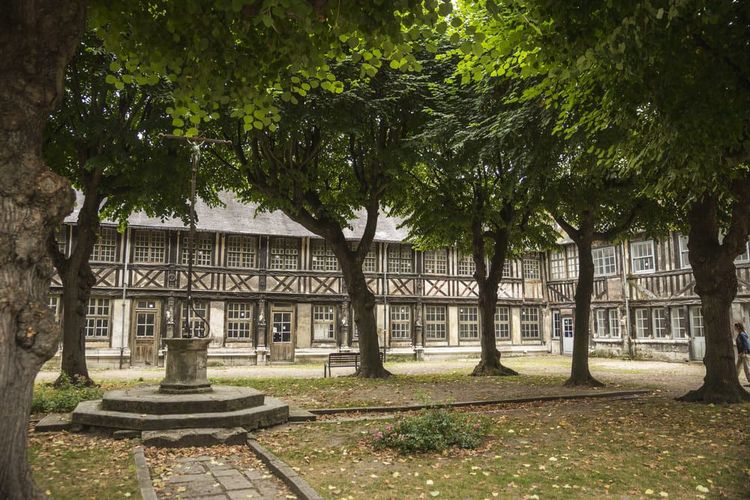
Only the cathedral draws more visitors in Rouen than this peaceful courtyard, which hides a grim past. When parish graveyards ran out of room during the 14th-century Black Death, the town built an ossuary here: three wooden galleries, later a fourth around 1652, held exhumed bones beneath funereal carvings. Deconsecrated in 1790, the site served as a school and then, for 74 years, as the School of Fine Arts, before a 2020 restoration. Visitors still look for the mummified black cat sealed inside one of the walls.
Free entry
23 - The Tilting House
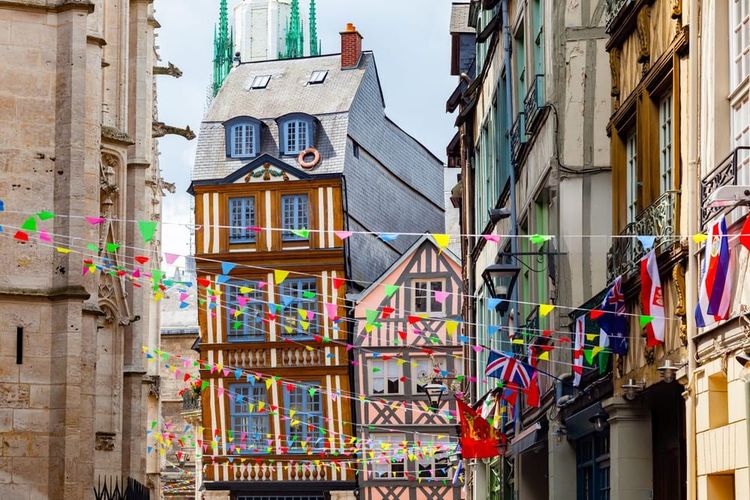
Built perfectly straight in the 1700s, this half-timbered house lost its balance a century later, when the city tore down its neighbour to lay out Saint-Barthélemy Square. Left without support on one side, it gradually tilted, eventually becoming one of old Rouen's most photographed quirks. Run as a guesthouse from the 1970s to around 2015, with views over Saint-Maclou church, it is today a private apartment building despite past efforts to stabilise it.
Free to see from outside
24 - Saint-Maclou Church
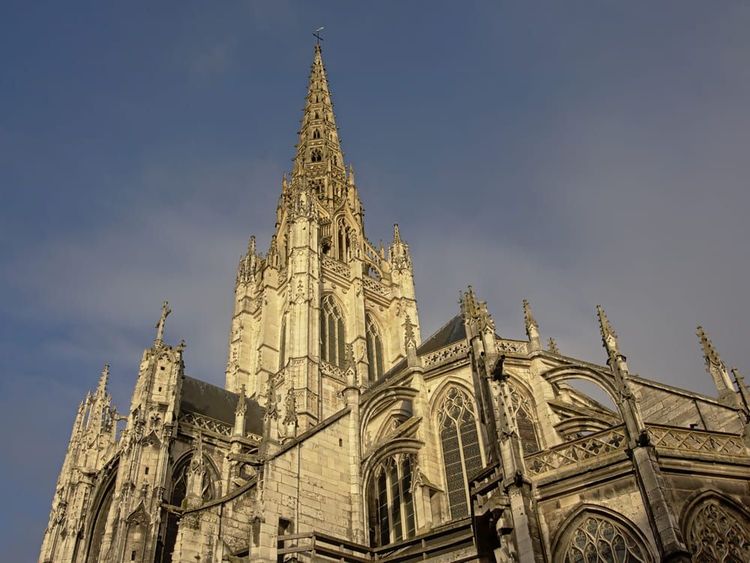
Built between 1436 and 1517 on the old Robec marshland, this church embodies flamboyant Gothic at its peak. Its fan-shaped façade unfolds a five-bay porch curved into a semicircle, an unusually rare layout, while its spire, finished in the 19th century, rises to 83 metres. The central doors, carved during the Renaissance, depict the Last Judgement. Inside, a Renaissance organ case, a spiral staircase and 15th-century stained glass complete an ensemble damaged by wars and more recently restored.
Free entry
25 - Chanoines Street
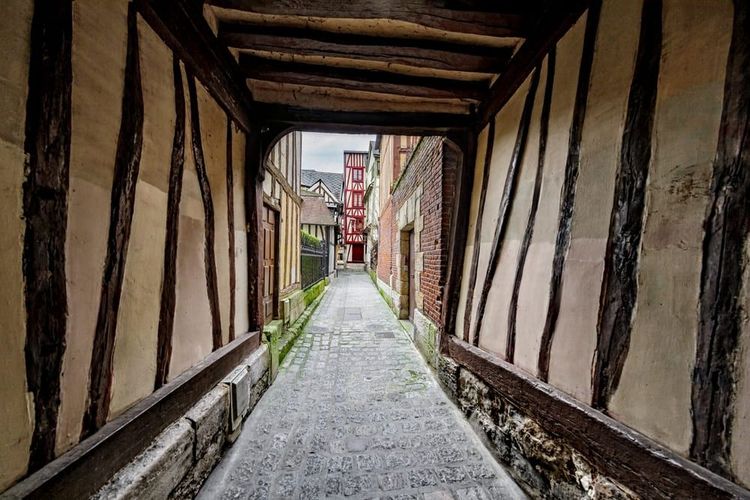
Barely wider than a metre in places, this winding lane takes its name from the canons who once walked it twice a day on their way to cathedral services. Tucked between timber-framed houses and small private gardens, it has kept an intimate, hidden-away feel, far from the bustle of nearby streets. Slip through it and you touch a trace of the old clergy quarter once reserved for Notre-Dame's canons, with pretty glimpses of the surrounding monuments along the way.
Free entry
26 - Historial Jeanne d'Arc
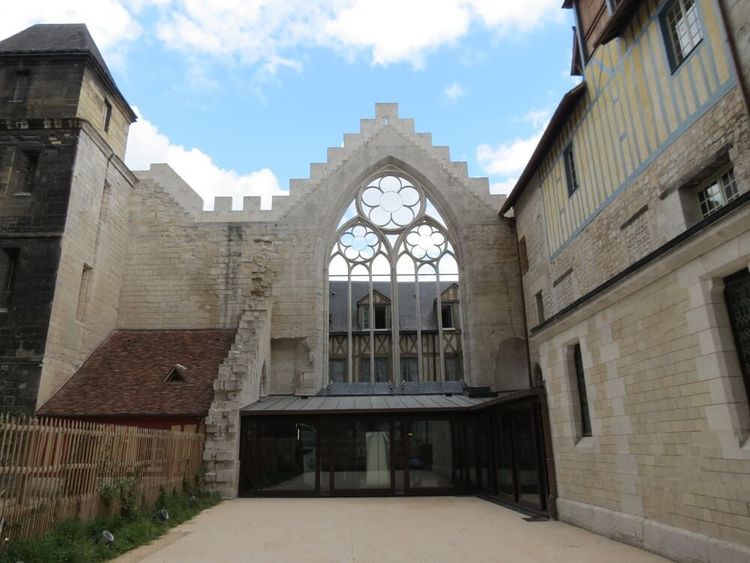
Housed since 2015 in the archbishop's palace, where part of Joan of Arc's trial actually took place, this museum chose immersion over a traditional display of relics. Across nearly 1,000 m², projections and staging devices trace the heroine's fate in two stages: her conviction, then her rehabilitation 25 years later, before explaining how history turned her into a universal icon. It is an original way for every visitor to tell fact apart from legend.
Paid entry (about €12)
27 - Former store of Ferdinand Marrou
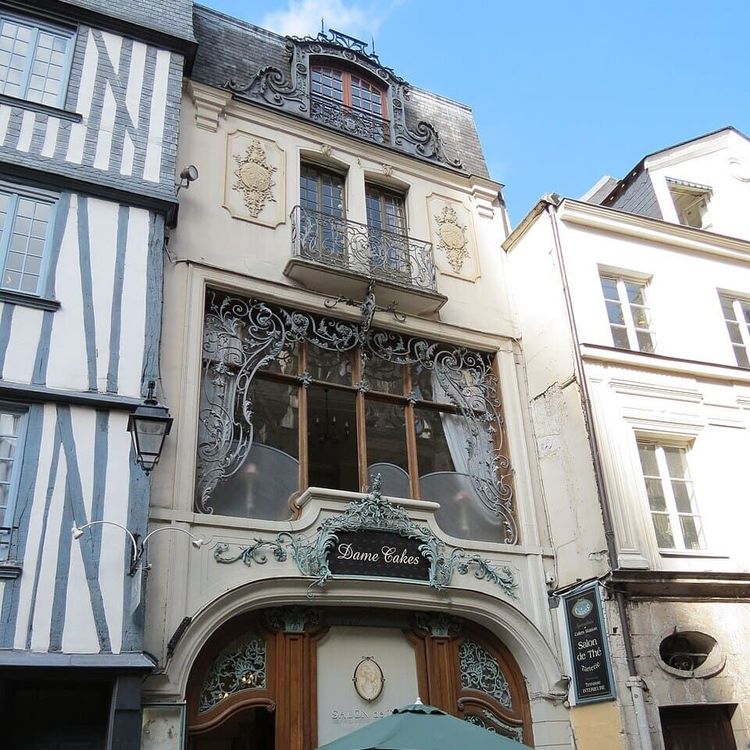
On Rue Saint-Romain, one shopfront stands out for its elegant wrought-iron decoration. Born in 1836 in the Hautes-Alpes, Ferdinand Marrou settled in Rouen in 1868 after years of training and became one of the most celebrated art ironworkers of the 19th century. He is behind the cathedral's small spires and the roof ridges of the Gros-Horloge. This former shop, listed as a historic monument in 1975, is now a tearoom, yet its Art Nouveau curves keep all their original refinement.
Free to see from outside
What to do in Rouen in 2 or 3 days?
The 4 km loop of the audio-guided walk links the 27 stops of Old Rouen in 1 hour 45 minutes, from Notre-Dame Cathedral to Old Market Square. With 2 or 3 days on site, there is time to go inside the museums, take in the city from above and head out of town.
The next day, climb Sainte-Catherine hill early for a view over the whole loop of the Seine, then come back down to step inside the free museums the walk passes, the Museum of Fine Arts and the Musée Le Secq des Tournelles, before a stroll along the quays. Our itinerary for visiting Rouen in 2 days saves the end of the day for lesser-known gems such as the Temple Saint-Éloi or the Maison Sublime.
The third day leaves time for a half-day trip, to the ruins of the Abbey of Jumièges or to Claude Monet's gardens at Giverny. Our guide to visiting Rouen in 3 days details this itinerary day by day.
Which neighbourhoods does the tour cross?
The route crosses several faces of Old Rouen, from the cathedral to the Antiques Quarter, without leaving the right bank; our guide to Rouen's neighbourhoods introduces each of them.
It starts at the Former Finance Office, near the cathedral (stops 1 and 2), runs along Gros-Horloge Street towards the Saint-André Tower and the Bourgtheroulde Mansion (stops 3 to 6), then reaches Old Market Square, where Joan of Arc died in 1431, between the Church of St Joan of Arc and Pierre Corneille's birthplace (stops 7 to 11).
The route then runs past the courthouse, the Musée Le Secq des Tournelles and the Museum of Fine Arts (stops 12 to 14), passes the Joan of Arc Tower and the memory of the Armada (stops 15 and 16), before the City Hall and the Abbatial Church of Saint-Ouen (stops 17 and 18).
The last stretch enters the Antiques Quarter, between the Small Clock Passageway, Eau de Robec Street and Damiette Street (stops 19 to 21), stops at the Saint-Maclou Churchyard, the Tilting House and Saint-Maclou Church (stops 22 to 24), then comes back to the cathedral by way of Chanoines Street, the Historial Jeanne d'Arc and Ferdinand Marrou's former store (stops 25 to 27).
How much does it cost to visit Rouen?
Of the walk's 27 stops, 25 are free or can be seen from the street; only two call for a ticket: the climb up the Gros-Horloge belfry, at €8, and the Historial Jeanne d'Arc, at €12.
The two municipal museums the walk passes, the Museum of Fine Arts and the Musée Le Secq des Tournelles, are free all year round, as is the keep of the Joan of Arc Tower. The Rouen Pass 24h, at €25, combines unlimited public transport with entry to the Gros-Horloge, the Historial Jeanne d'Arc and the Abbey of Jumièges. More ticket-free ideas are gathered in our selection of free things to do in Rouen.
Information checked in November 2026 and subject to change.
Where to stop for a bite along the tour?
For lunch, the walk passes through Old Market Square (stop 8), lined with brasseries; under its covered market hall, fishmongers, cheesemongers and greengrocers set up every morning except Monday.
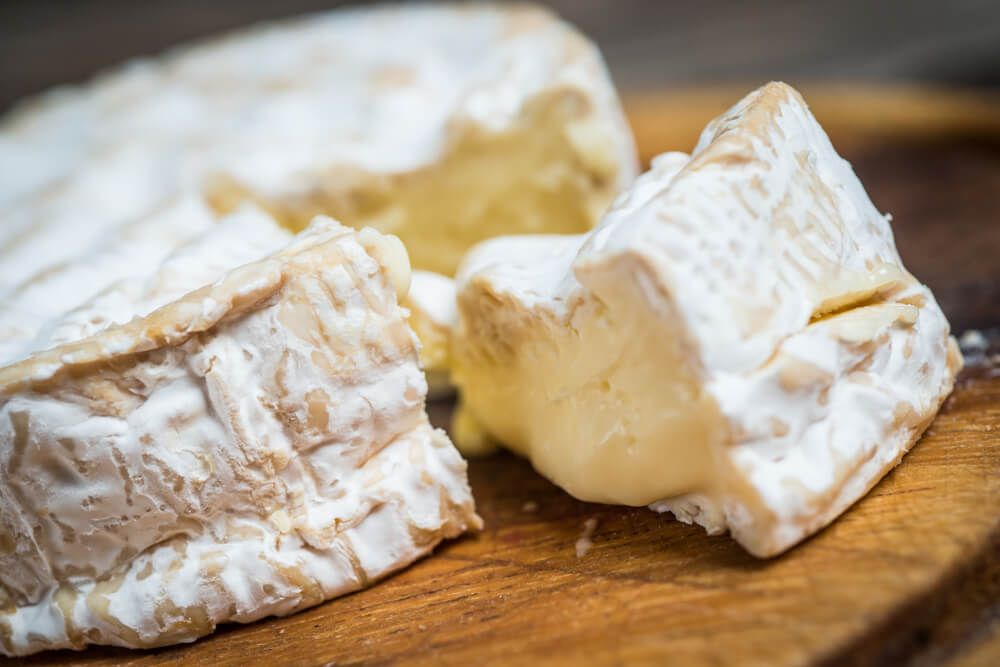
Runny Camembert happily closes a meal, as do tripes à la mode de Caen, a recipe dating back to the Middle Ages, or duckling Rouen-style, coated in a red-wine and shallot sauce. On the sweet side, the city has a taste for confectionery: the chocolate Gros Horloge dial, apple-sugar sticks and the tears of Joan of Arc, roasted almonds coated in chocolate. The Magdala shortbread biscuits, made by Rouen's Benedictine sisters, go well with a coffee.
To drink, cider and Calvados can be discovered in the city's artisan cellars and cider houses; our selection of Rouen's culinary specialties covers the other classics of the region.
What to do in Rouen with children?
Rouen works well for a family outing, between a clock tower to climb, half-timbering to spot and gargoyles to hunt.
Children happily climb the Gros-Horloge belfry, up to the bronze bell and its view over the rooftops, for a ticket around €8; the spiral staircase is narrow, so a baby carrier works better than a stroller. Notre-Dame Cathedral, free to enter, holds the embalmed heart of Richard the Lionheart, and grimacing gargoyles can be spotted on its outer buttresses.
The Saint-Maclou Churchyard, a former plague cemetery with half-timbering carved with skulls, is free to enter and usually fascinates 7 to 12-year-olds, especially the mummified cat on display. The Historial Jeanne d'Arc, better suited to children aged 8 and over, offers a family ticket at €26 for two adults and two under-18s. Animal lovers will find a stuffed rhinoceros at the Natural History Museum on Rue Beauvoisine, also free; more ideas await in our guide to Rouen with kids.
What should you know before visiting Rouen?
Two passages on the walk close in the evening, which means a short detour if you set out late.
The courtyard of the Saint-Maclou Churchyard is open daily from 9 am to 7 pm; once the gates are shut, carry on along Rue Géricault, Rue Victor-Hugo and then Rue Martainville. The Small Clock Passageway, which is private, also closes in the evening: reach Eau de Robec Street via Rue du Pont-de-l'Arquet instead.
As for visits, Pierre Corneille's birthplace is closed for works, with reopening announced for 2027. The Maison Sublime, a medieval underground synagogue at the courthouse, can only be seen on a guided tour, on Tuesdays, Thursdays and Saturdays at 10:30 am and 2:30 pm. The Panorama XXL, still mentioned in older guides, closed in 2021 and its building has been demolished.
What to see around Rouen?
Rouen is a good base for exploring further, between Norman abbeys and villages full of character.
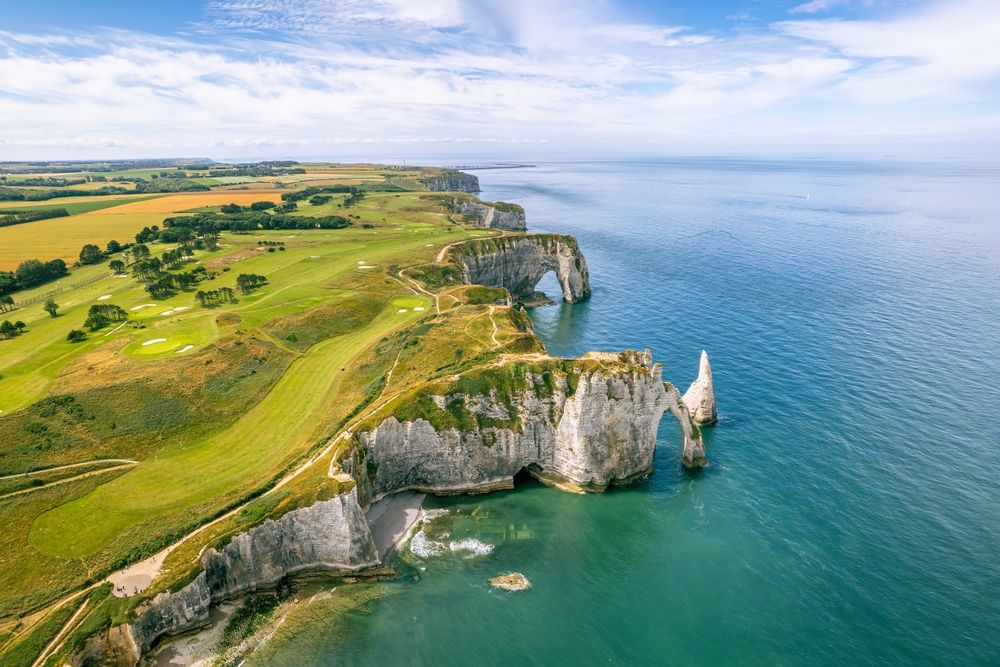
The ruins of the Abbey of Jumièges, founded in 654, make a good half-day trip. Giverny and Monet's gardens are 70 km south via the A13, and the cliffs of Étretat take 1 hour 10 minutes by the A150; our guide to activities in Rouen and the surrounding area covers these trips and more.
For villages, Le Bec-Hellouin and Lyons-la-Forêt, 50 and 35 km away, rank among the most beautiful in France, one around a Benedictine abbey founded in 1034, the other at the heart of a 10,700-hectare beech forest. On the Alabaster Coast, Veules-les-Roses is crossed by the Veules, billed as the shortest river in France; our selection of the most beautiful villages around Rouen covers them all.
Several neighbouring towns also have their own audio-guided walk: Dieppe (54 km) and its white chalk cliffs, Honfleur (62 km) and its picturesque harbour on the Seine, Le Havre (72 km) and its UNESCO-listed Auguste Perret architecture, Deauville (74 km) and its seaside chic, Amiens (100 km) and its Gothic cathedral, or Paris and Caen, both 109 km away, between the Champs-Élysées and the trail of William the Conqueror.
What's on in Rouen right now?
This time of year, Rouen's calendar is shared between Claude Monet and the Christmas festivities.
- the exhibition 'The Rouen Cathedral: from the Studio to the Museum', devoted to Claude Monet's paintings, at the Museum of Fine Arts until 8 March;
- Rouen Givrée, from 25 November to 27 December, with a Christmas market at Cathedral Square and an ice rink on Île Lacroix;
- the Grand Christmas Parade, on 6 December at 5 pm, starting from Place des Emmurées;
- the New Year concert on the great Cavaillé-Coll organ, on 1 January at 5 pm, at the Abbatial Church of Saint-Ouen.
For the events that return every year, our selection of the best events in Rouen fills out the calendar.
Information checked in November 2026 and subject to change.
Le plein d'inspirations
Explorez le monde en totale liberté, à pied au cœur des villes ou au fil des routes. Nos guides audios transforment chaque destination en une découverte culturelle immersive et unique.










FAQ for visiting Rouen
When is the best time to visit Rouen?
The ideal time to visit Rouen runs from June to September, when the temperate oceanic climate offers pleasant conditions with mild temperatures around 22°C. June is particularly magical in the years when the Armada, the great gathering of tall ships, takes place. Autumn remains enjoyable for exploring the city of a hundred spires, while December reveals a fairy-tale atmosphere with the Christmas market and the illuminations that enhance the timber-framed facades. Always pack an umbrella, as Normandy stays true to its damp reputation, but that is part of the charm of this medieval city, which takes on golden reflections after the rain.
How many days do you need to visit Rouen?
Two full days are the ideal length to fully appreciate Rouen. This getaway lets you discover the must-sees such as the majestic cathedral, the Gros-Horloge and the medieval lanes, while taking the time to stroll along the banks of the Seine. A single day is enough for an overview of the main sights if you're pressed for time, but you risk missing the unique atmosphere of the historic districts. With three days, you can enrich your stay with visits to museums such as the Fine Arts Museum or explore the surrounding area. The Ryo audioguide helps you optimise your route according to the time you have, with tours tailored to your pace.
How do you get to Rouen from Paris?
The train remains the most convenient way to reach Rouen from Paris. Direct trains leave regularly from Gare Saint-Lazare and drop you right in the heart of the Normandy city in about one hour and fifteen minutes. If you prefer to drive, allow roughly one and a half hours via the A13 motorway, depending on traffic. The journey offers lovely views of the Seine valley. Long-distance buses also offer this connection at often attractive prices, although the travel time is longer. Once in Rouen, the station is a few minutes' walk from the historic centre, making arrival by train particularly convenient for starting your exploration.
Where can you park for free in Rouen?
Free parking in Rouen is concentrated mainly in the residential districts away from the city centre, particularly on the left bank. The streets around the Jardin des Plantes often offer free spaces, as do certain areas near the outer boulevards. On Sundays, many paid zones become free, making access to the historic centre easier. For a practical solution, opt for the park-and-ride facilities at the entrances to the city, generally free or very cheap, and linked to the centre by public transport. Be careful, however, of regulated parking zones and always check the local signage. The medieval centre is best visited on foot, making parking on the outskirts a sensible option.
What can you do in Rouen when it rains?
The Norman rain shouldn't spoil your discovery of Rouen, which is full of indoor activities. Notre-Dame cathedral offers a majestic refuge where you can admire the play of light through the stained-glass windows. The Fine Arts Museum, one of the richest in France, deserves several hours with its Impressionist collections. The Historial Jeanne d'Arc offers a captivating immersive experience in the former archiepiscopal palace. The covered passageways and the many churches let you continue your exploration while staying dry. Not to mention the historic cafes where you can enjoy a hot chocolate while watching the bustle of the cobbled streets. The half-timbered houses even create a particularly romantic atmosphere in the rain, turning the weather constraint into a charming asset.
What are the must-see monuments in Rouen?
Notre-Dame cathedral majestically dominates the city with its facade immortalised by Monet and its spire rising to more than one hundred and fifty metres. The Gros-Horloge, Rouen's emblem, spans the main pedestrian street with its gilded Renaissance dial. The Place du Vieux-Marché, where Joan of Arc perished, is moving with its modern church featuring old stained glass. The law courts reveal Flamboyant Gothic architecture in all its splendour, while the church of Saint-Maclou impresses with its sculpted facade. The Aître Saint-Maclou, a former medieval charnel house, fascinates with its unique atmosphere. The Ryo audioguide leads you from one monument to the next, revealing their secrets and anecdotes and enriching your journey through this open-air museum city.
Where to eat in Rouen: what are the local specialities?
Rouen's cuisine generously celebrates Norman produce. Duck à la rouennaise, prepared according to a centuries-old recipe with a special press, is the signature dish of the finest tables. Tripe à la mode de Caen and andouille de Vire satisfy lovers of traditional cooking. Norman cheeses such as Camembert, Livarot and Pont-l'Évêque are ideally paired with a glass of local cider. For dessert, apple douillons and Norman tart flambéed with Calvados delight food lovers. The Vieux-Marché district and the streets around the cathedral are packed with restaurants serving these specialities in historic settings, from friendly bistros to gourmet tables.
What can you do in Rouen with children?
Rouen proves surprisingly family-friendly, with many captivating activities for young visitors. The Panorama XXL offers a spectacular immersive experience that fascinates young and old alike. The maritime, river and port museum lets you discover the history of the Seine in a fun way. The landscaped quays invite scooter or bike rides along the river. The botanical garden offers playgrounds and botanical discoveries, while a visit to the Gros-Horloge with its panoramic view is always a hit. The Ryo audioguide offers family routes punctuated with anecdotes and legends that turn historical discovery into an exciting adventure. The pedestrian streets of the centre allow for a relaxed exploration, with plenty of artisanal ice cream breaks.
What can you see in Rouen following in the footsteps of Joan of Arc?
Rouen is the city of Joan of Arc's trial and execution, and her memory can still be read in several places in the centre. Place du Vieux-Marché, where she was burned, now holds a commemorative cross and the Church of Saint Joan of Arc, built in the twentieth century, whose upturned hull-shaped roof shelters superb Renaissance stained glass saved from a church destroyed during the war.
Nearby, the Joan of Arc Tower, the last remnant of Philip Augustus's castle, recalls her imprisonment, while the Historial Jeanne d'Arc, set in the archbishop's palace where her rehabilitation trial was held, offers a staged tour retracing the case and its legacy. The whole route can be covered on foot in half a day, along pedestrian streets lined with half-timbered houses. The Ryo audio guide offers a dedicated Rouen route that links these stops to the rest of the historic centre.
What is there to do along the banks of the Seine in Rouen?
Long given over to port activity, the quaysides have been redeveloped into a promenade. On the left bank, the former warehouses now house restaurants, concert venues and terraces, along a wide tree-lined walkway where people stroll, run and cycle; summer evenings there are especially lively.
The right bank, backing onto the historic centre, invites a walk between the bridges, with a view of the cranes kept as a reminder of the port. Cruises leave from the quays to discover the city from the water, and you can gain height by climbing Sainte-Catherine hill, whose viewpoint reveals the finest panorama over the spires and the bend of the river. The Seine also periodically hosts a great gathering of tall ships that turns the banks into a popular festival.
Which beautiful Normandy villages can you visit around Rouen?
Within 100 to 120 km, the Normandy countryside around Rouen is full of picturesque villages. Le Bec-Hellouin, 50 km away, grew up around a Benedictine abbey founded in 1034 and still home to monks. Lyons-la-Forêt, 35 km away and listed among the Most Beautiful Villages of France, surrounds its 18th-century market hall with half-timbered houses, in the heart of a 10,700-hectare beech forest. On the Alabaster Coast, Veules-les-Roses is crossed by the Veules, France's smallest river. Our selection features twenty villages.
Discover them all in our guide to the most beautiful villages around Rouen.
What is there to do in Rouen and the surrounding area?
The historic centre fits within a radius of less than two kilometres: Notre-Dame cathedral and its 151-metre spire, the Gros-Horloge, whose belfry can be visited for €7.70, Place du Vieux-Marché where Joan of Arc was burned in 1431, and the Aître Saint-Maclou, a Black Death ossuary with free entry. The permanent collections of the municipal museums are free, including the Musée des Beaux-Arts and its series of Monet's Cathedrals. Within 100 km, the guide also suggests Giverny, Étretat, Jumièges Abbey and the Lyons forest.
Plan your stay with our guide to activities in Rouen and its surroundings.
Which events shouldn't you miss in Rouen?
Four free events punctuate the Rouen calendar. In late June, the Cathédrale de Lumière projects a sound and light show onto Notre-Dame, with a new theme every year. On the third weekend of October, the Fête du Ventre celebrates apples, cheeses, ciders and other Normandy produce in the historic centre. From May to September, the Chambre des Visiteurs exhibits works the public has voted to bring out of storage. Every four years, the Armada gathers the world's finest sailing ships on the Seine, with concerts and fireworks.
Check the dates in our pick of the best events in Rouen.
Where can you visit the houses of Corneille and Flaubert in Rouen?
Since 2021, three houses linked to the two writers have formed a literary hub, all with free entry. Pierre Corneille's birthplace on Rue de la Pie, where he wrote Le Cid, displays his reconstructed study and a vast Corneille library. The Flaubert and History of Medicine Museum on Rue Lecat occupies the writer's childhood home and fills eleven rooms with medical objects, including a six-person hospital bed. In Canteleu, the Flaubert Pavilion at Croisset holds manuscripts, an inkwell and quills.
Plan your literary stroll with our guide to the houses of Corneille and Flaubert.
Which typical dishes and sweet treats should you taste in Rouen?
Rouen's cuisine puts dairy produce and apples centre stage. For mains, try duckling Rouen-style, coated in a red wine and shallot sauce, tripes à la mode de Caen or Normandy escalope with cream and mushrooms, not forgetting camembert. For sweet treats, the Cadran du Gros Horloge combines chocolate, apple confit and calvados, apple sugar comes as a stick, and Magdala shortbread biscuits are made by Rouen's Benedictine nuns. Cider, pommeau and calvados complete the picture.
Whet your appetite with our top 11 culinary specialities of Rouen.
What are the best family experiences in Rouen?
With kids, Rouen is easy to explore on foot: the Gros-Horloge and its belfry, the cathedral and the Aître Saint-Maclou with its macabre timber-framed galleries all appeal to children. Joan of Arc's story comes alive at the Historial, immersive from age 8, and then on the Place du Vieux-Marché. Permanent collections in the city's museums are free, including the Natural History Museum and the Fine Arts Museum with its playful trail, so you can pace your visits. The Jardin des Plantes, with its playground, and the Petit Train give younger children a break.
To plan a balanced trip, read our guide to visiting Rouen with kids and our article on family experiences in Rouen.
What can you do for free in Rouen?
Since 2008, Rouen has opened its municipal museums without tickets, including the Musée des Beaux-Arts with works by Monet, Sisley and Renoir and a Flagellation of Christ attributed to Caravaggio. Entry to Notre-Dame cathedral, whose 151-metre spire was the tallest in the world from 1876 to 1880, is free all year round. The Gros-Horloge dial can be admired from the street, and the Aître Saint-Maclou, a former plague cemetery with galleries carved with skulls, costs nothing to explore. Our guide lists fifteen ideas.
Enjoy the city on a budget with our 15 free activities in Rouen.
Which Rouen neighbourhood should you choose for staying or strolling?
The Seine splits Rouen in two. The right bank, around the cathedral, the Gros-Horloge and Place du Vieux-Marché, holds most of the listed heritage and can be explored on foot in half a day. The left bank, long industrial, has noticeably lower prices and several areas undergoing urban renewal. The city has twelve official districts, nine on the right bank and three on the left, but locals tend to name them after their market or church. Property prices per square metre can vary twofold.
Make your choice with our guide to Rouen's neighbourhoods.
What itinerary should you follow to see Rouen in 2 or 3 days?
Over two days, the first explores the medieval heart: Place du Vieux-Marché, Rue du Gros-Horloge, the cathedral, the Aître Saint-Maclou and Rue Eau-de-Robec, before sunset on the Côte Sainte-Catherine. The second starts with Saint-Ouen Abbey, then the municipal museums and hidden gems such as the Temple Saint-Éloi, around a dozen kilometres on foot in all. With three days, you have time for the Historial Jeanne d'Arc and can take a boat down to La Bouille or head out to Jumièges or Giverny.
Follow our itineraries to visit Rouen in 2 days or visit Rouen in 3 days.
Which museums and indoor sites can you visit in Rouen on a rainy day?
Around its cathedral, Rouen has enough to fill a whole day indoors. The Historial Jeanne d'Arc, in the former Archbishop's Palace, retraces the 1456 rehabilitation trial through an immersive digital tour, for €12 or €9 at the reduced rate. The Musée des Beaux-Arts displays Monet, Sisley, Renoir and Pissarro free of charge. The Donjon, the last remnant of Philippe Auguste's castle, can be explored floor by floor. Our guide offers fifteen ideas, including a perfume workshop and trips to Fécamp and Le Havre.
Keep our 15 rainy-day ideas for Rouen close at hand.
Vos commentaires, idées et suggestions
Aucun avis pour le moment