
Créé par Emilie, le 4 oct. 2026
Votre guide Ryo
Honfleur, France
Between Sea and Light
Parcours audioguidé pour visiter Honfleur en 1 jour
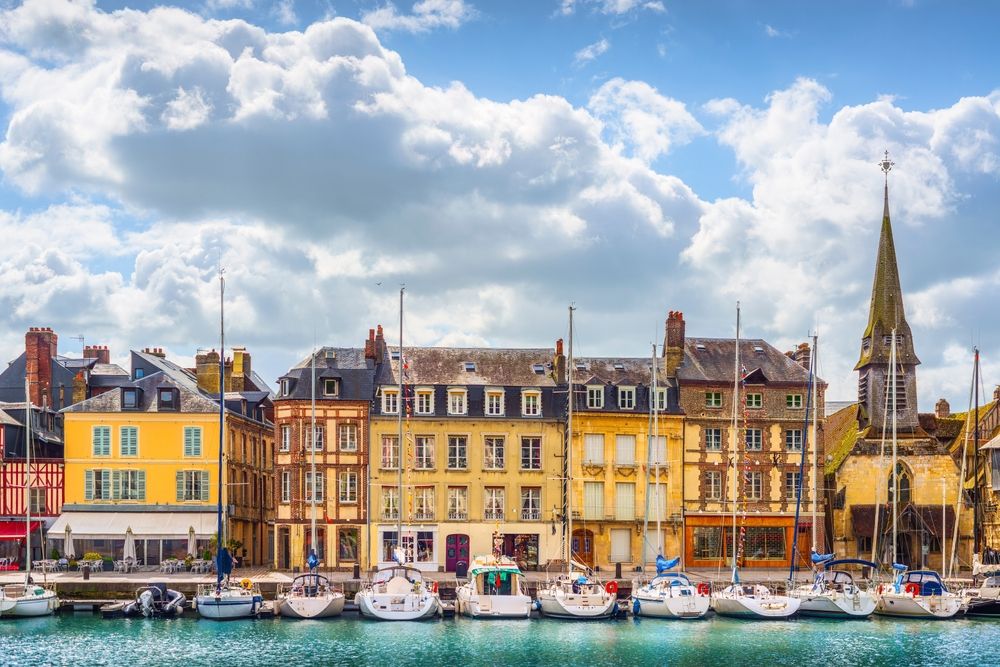
On the banks of the Seine, Honfleur charms with its picturesque harbor, cobbled streets, and rich maritime past. With its historic houses, wooden churches, and unique light, the town has inspired many artists and retains an authentic charm.
Quand partir à Honfleur ?
Jan.
6°
11
Feb.
6°
9
March
8°
10
April
10°
9
May
13°
9
June
16°
8
July
18°
7
Aug.
18°
7
Sept.
16°
8
Oct.
13°
10
Nov.
9°
11
Dec.
7°
11
The climate in Honfleur is oceanic, with cool but generally moderate winters, ranging from 4 to 10°C, and mild summers, most often between 18 and 24°C, with possible variations due to winds from the English Channel; the best times to visit are typically from April to June and then from September to October, when temperatures are pleasant, the light is often particularly beautiful over the Vieux Bassin, and visitor numbers are lower, allowing you to fully enjoy the town in a calmer atmosphere than at the height of summer.
Départ conseillé
No need to worry about where to begin! Our tours are designed as a loop, so you can jump in wherever you are. The navigation system and audioguide will automatically adjust to your location. However, if you happen to be nearby, we do have a preferred starting point: Le Vieux Bassin.
Parking à proximité
Parking du Naturospace (Free) / Jardin des Personnalités
In Honfleur, you’ll find free parking areas such as at the Naturospace or Butin Beach, though they tend to fill up quickly in high season. Parking in the town center is paid from 8 a.m. to 8 p.m. but free overnight. Watch out for blue zones, limited to one hour, and for streets where parking is prohibited (like Rue Haute). To avoid the crowds, it’s best to park on the outskirts and walk into the center.
Découvrez 20 lieux d'intérêt pour visiter Honfleur




Le plein d'inspirations
Explorez le monde en totale liberté, à pied au cœur des villes ou au fil des routes. Nos guides audios transforment chaque destination en une découverte culturelle immersive et unique.


FAQ for visiting Honfleur
When is the best time to visit Honfleur?
The ideal times to discover Honfleur run from April to June and from September to October. During these months, you will enjoy pleasant temperatures and exceptional light that enhances the Vieux Bassin and the colourful facades. Tourist crowds remain moderate, which lets you fully appreciate the authentic atmosphere of the port town. Summers are mild, generally between 18 and 24°C, but attract more visitors. Winters stay gentle thanks to the oceanic climate, with temperatures ranging between 4 and 10°C, perfect for an off-season getaway in a more intimate atmosphere.
How do you get to Honfleur from Paris?
Several options are available to reach Honfleur from the capital. By car, allow about two hours via the A13 motorway towards Caen, then the Beuzeville exit. By train, take the Paris-Caen line to Lisieux or Deauville-Trouville, then finish by bus or taxi. Direct coach connections also exist from Paris, with a similar journey time. If you prefer a more picturesque approach, combine a train to Le Havre with a crossing of the estuary via the Pont de Normandie, offering spectacular views of the bay of the Seine before your arrival in the Norman town.
How much time do you need to visit Honfleur?
A full day lets you discover the essentials of Honfleur: strolling around the Vieux Bassin, exploring the cobbled alleyways of the historic centre, visiting the Sainte-Catherine church and admiring the art galleries. For a more in-depth visit including the museums and a gourmet break, plan for two days. A weekend gives you time to fully appreciate the maritime atmosphere, to sample the local specialities and perhaps to attend the traditional market. Art and history enthusiasts will appreciate a longer stay to explore the traces of the Impressionists and discover the surroundings, notably the nearby Côte Fleurie.
Where can you park in Honfleur?
Parking in Honfleur requires a little forward planning, especially in high season. The Bassin du Centre car park, located near the port, remains the most convenient for quick access to the historic heart. Other paid car parks are available around the town centre, generally well signposted. During busy periods, favour the outlying car parks such as the one at the coach station, which are often less saturated. Free parking exists in some residential streets, but the spaces are limited and far from the centre. Arriving early in the morning or in the late afternoon makes finding a space much easier, especially during weekends and school holidays.
What are the absolute must-sees on a first visit to Honfleur?
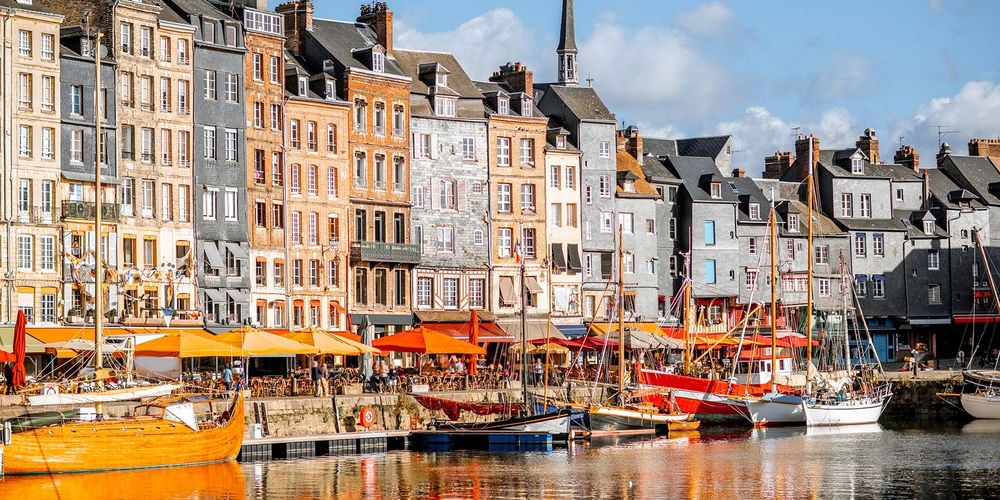
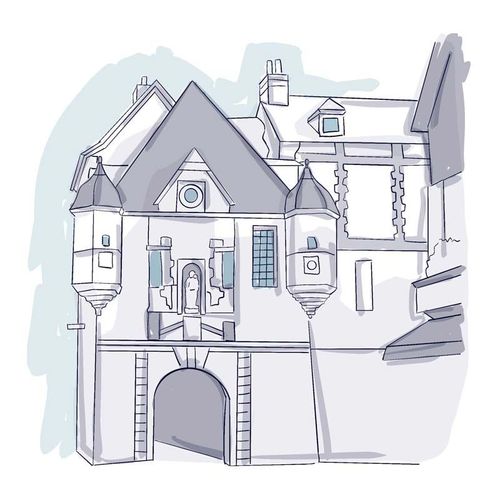
The Vieux Bassin is the beating heart of Honfleur, with its narrow houses and colourful facades reflected in the water. The Sainte-Catherine church, built entirely of wood by naval carpenters, is a unique architectural gem. The Greniers à Sel bear witness to the town's commercial past, while the cobbled alleyways lead you towards old half-timbered houses. The narrated route of the Ryo audioguide accompanies you on this discovery, revealing the hidden stories behind each monument. Do not forget the Lieutenance, a remnant of the medieval fortifications, and the many art galleries that carry on the town's painting tradition.
What can you do in Honfleur with children?
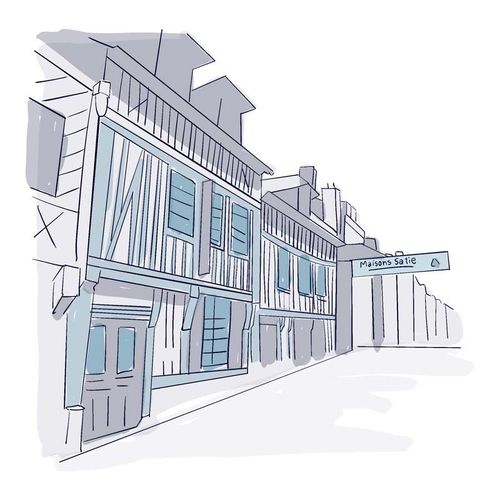
Honfleur offers wonderful family experiences beyond its historical heritage. Children love watching the boats in the harbour and feeding the seagulls from the quays. The Naturospace, a tropical garden with butterflies and exotic birds, fascinates young and old alike. Walks along the Butin beach let you stretch your legs and collect seashells. The Erik Satie museum offers a playful and interactive approach to music. For a family-friendly discovery, the Ryo audioguide includes anecdotes and explanations that hold the attention of the youngest visitors while you explore the town at your own pace.
Where can you enjoy the local cuisine in Honfleur?
Honfleur's cuisine celebrates the produce of the sea and of the Norman terroir. Around the Vieux Bassin and in the adjacent alleyways, you will find many restaurants offering fresh seafood, moules marinières and catch of the day. Norman specialities such as coquilles Saint-Jacques, camembert and dishes made with cream and apples are must-tries. The traditional crêperies offer a convivial and affordable option. For an authentic experience, seek out the establishments frequented by locals, often located slightly away from the most touristy areas. Do not forget to taste the local cider and Calvados as a digestif.
How can you visit Honfleur and its surroundings?
Honfleur is an ideal base for exploring the Norman coast. The D-Day beaches are about an hour's drive away, while Deauville and Trouville, iconic seaside resorts, are reachable in under thirty minutes. The Pont de Normandie quickly takes you to Le Havre and its modern UNESCO-listed architecture. Cheese lovers will appreciate a getaway to the nearby Pays d'Auge, with its cider routes and typical villages. To make the most of your discovery of Honfleur itself, the Ryo audioguide offers a complete walking tour that lets you discover the town at your own pace while keeping time to explore the surroundings.
Why is Honfleur associated with the Impressionist painters?
The shifting light of the Seine estuary drew painters here from the 19th century onwards. Eugène Boudin, born in Honfleur, painted the sky and the sea tirelessly, bringing Jongkind, Courbet and then a young Claude Monet in his wake, who stayed at the Saint-Siméon farm on the Côte de Grâce. Out of these encounters grew a way of painting outdoors that opened the way to Impressionism.
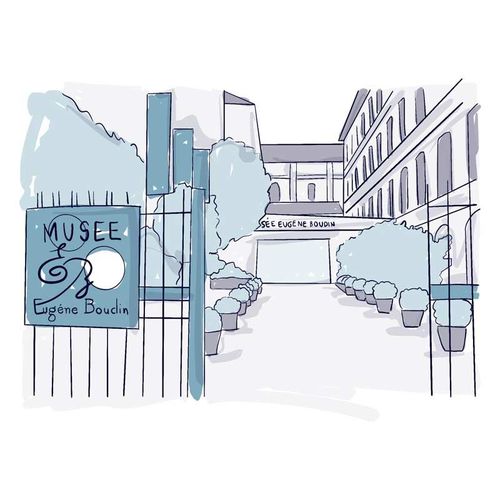
The Eugène Boudin museum holds a fine collection of these canvases and lets you compare the painted views with the landscape in front of you. In town, the galleries around the Vieux Bassin and in the narrow streets keep this artistic tradition alive. The Ryo audio guide offers a dedicated Honfleur route that links these places and tells the story of the painters who spent time here.
What makes the church of Sainte-Catherine so unusual?
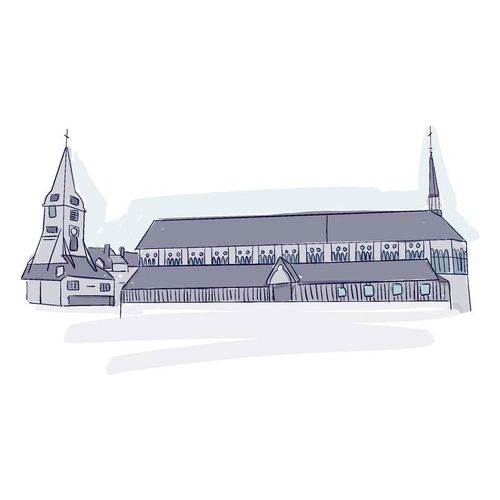
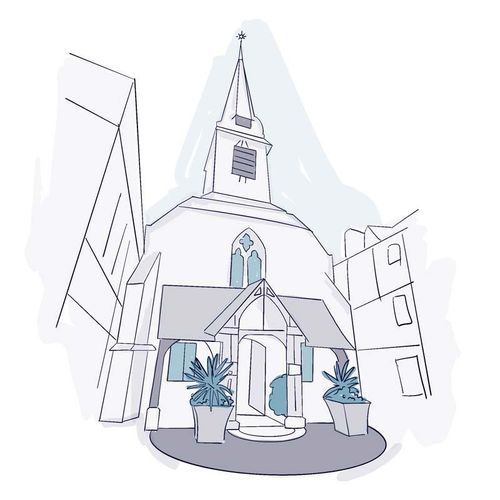
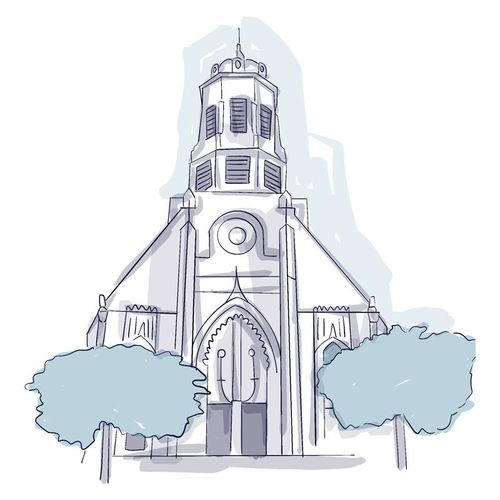
Built after the Hundred Years' War, Sainte-Catherine is the largest wooden church in France. Honfleur's shipwrights raised it using the techniques they applied to vessels: look up and you will recognise two naves vaulted like upturned hulls, carried on oak pillars.
Its bell tower, set apart from the building to keep fire risk and the weight of the bells at a distance, stands on the other side of the square, above the former bell-ringer's house. The interior, plain and warm, is enlivened by a fine organ case and polychrome wooden statues. A visit takes only a few minutes, usually outside services, and rounds off a stroll around the Vieux Bassin nicely.
Vos commentaires, idées et suggestions
Aucun avis pour le moment