



Créé par Emilie, le 4 oct. 2026
Votre guide Ryo
Caen, France
Home of William and Matilda
Parcours audioguidé pour visiter Caen en 1 jour
This visit to Caen invites you to immerse yourself in the heart of the Norman epic, wandering past its majestic abbeys, protective ramparts, and districts built of golden stone. It highlights the legacy of William the Conqueror, the resilience of a reconstructed city, and the lively student life that energizes its historic streets. A simple and immersive way to explore the center of Caen at your own pace, from the serenity of the Vaugueux district to the grandeur of its ducal destiny!
Quand partir à Caen ?
Jan.
6°
13
Feb.
6°
11
March
8°
10
April
10°
10
May
13°
10
June
16°
9
July
18°
8
Aug.
18°
9
Sept.
16°
9
Oct.
13°
12
Nov.
9°
13
Dec.
6°
13
Caen enjoys a temperate oceanic climate, marked by constant mildness and a certain level of humidity, with pleasant summers showing averages around 22°C and cool winters ranging between 2°C and 8°C. The ideal period to discover the city of William the Conqueror runs from June to September, offering optimal sunshine to explore the Abbaye aux Hommes or to reach the nearby D-Day landing beaches. The month of June is particularly symbolic for historical commemorations, while spring remains a charming season to enjoy the city's flowering parks under a typically Norman maritime light.
Départ conseillé
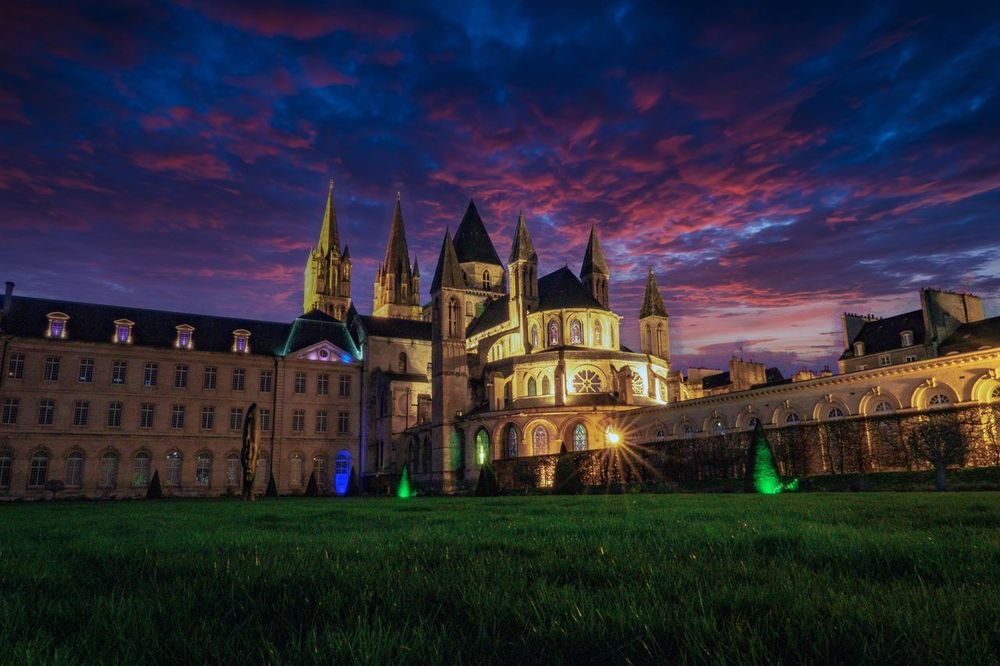
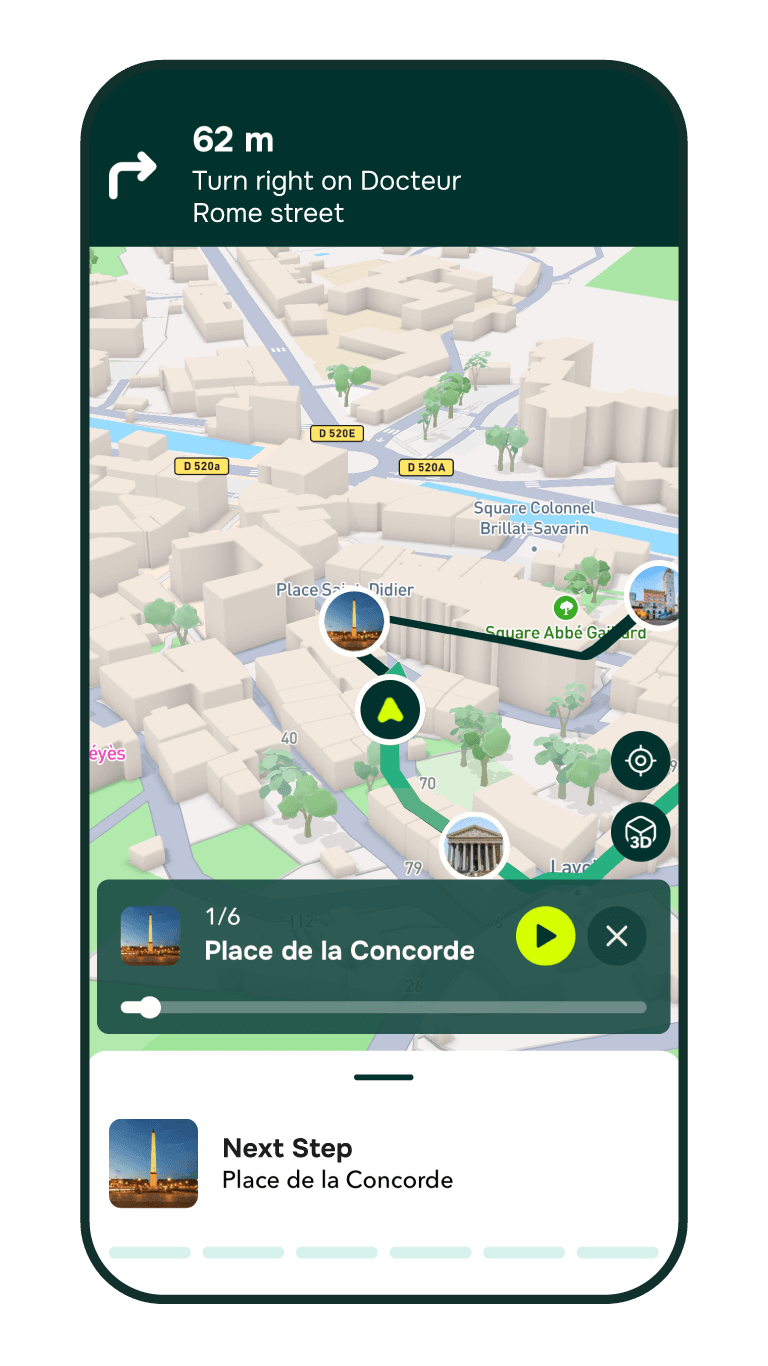
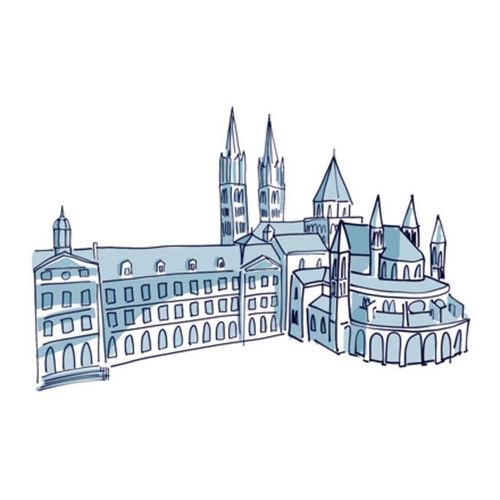
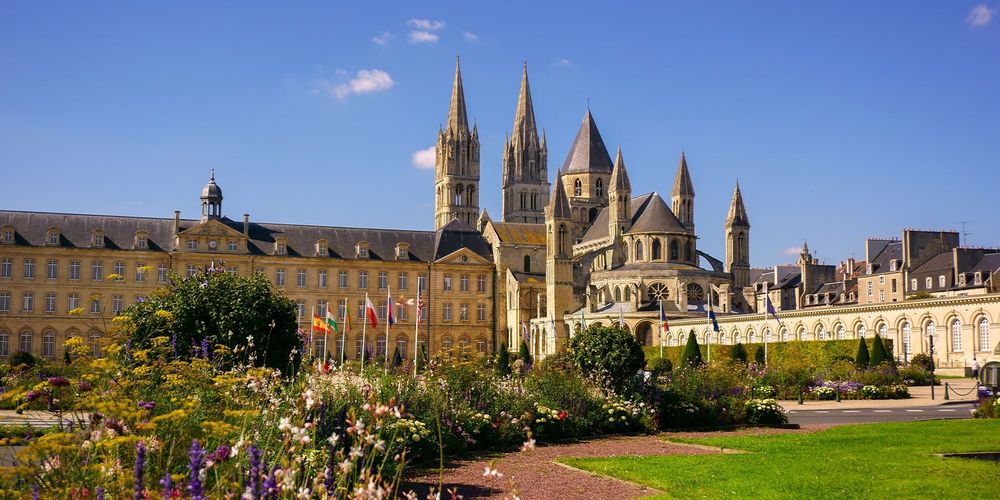
No need to worry about where to begin! Our tours are designed as a loop, so you can jump in wherever you are. The navigation system and audio-guide will automatically adjust to your location. However, if you happen to be nearby, we do have a preferred starting point: Jean-Marie Louvel Esplanade in front of the Men's Abbey.
Parking à proximité
Guillouard car park, 14, Square Louis Guillouard / Indigo Town Hall car park, 16 Gouillard Square
Parking in Caen is free on Sundays and public holidays! It is also free from 11am to 3pm every day.
If you're parking on the street, note that Caen is divided into two zones. In the red zone, in the hyper-centre, you can park for up to 2 hours, but the rates are higher. In the yellow zone covering the extended city centre, you can park for up to 5 hours at lower rates.
If you're looking for a more economical solution, then choose the free parking at the Parc des Expositions. A free electric shuttle bus runs to the city centre every 15 minutes from Monday to Saturday from 7.30am to 8pm. Please note that the shuttle leaves from the "Parc Expo" stop on Petit Vallerent Boulevard, not from the parking area itself.
À savoir
Your tour of Caen will take you to its castle. The castle grounds are open to visitors every day, but are closed at night. Construction work is also ongoing until 2025 and may slightly affect access. Please refer to the directions on site. We also advise you to enter the Michel d'Ornano park behind the Ladies' Abbey. Please note that this park closes at 6.30pm.
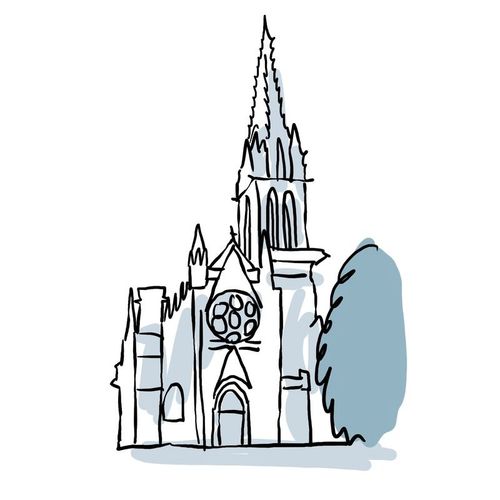
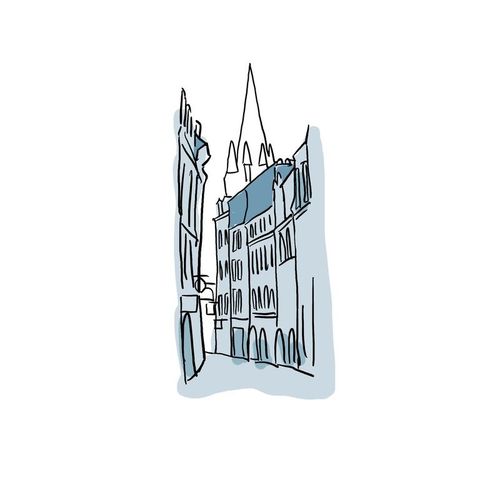
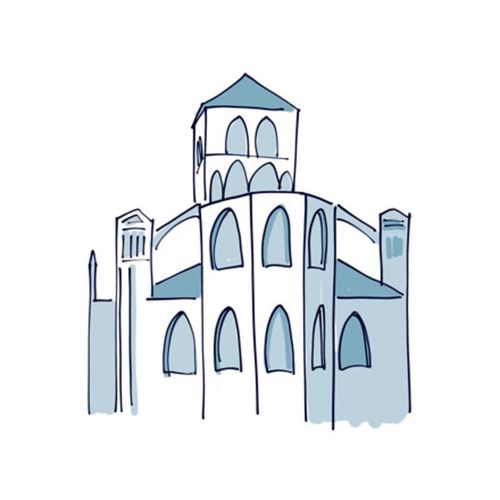
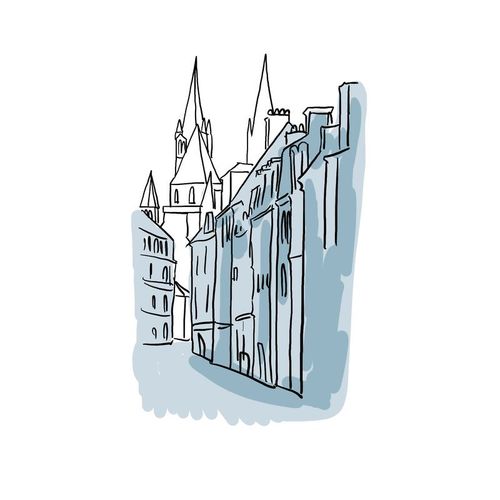
Découvrez 23 lieux d'intérêt pour visiter Caen







Le plein d'inspirations
Explorez le monde en totale liberté, à pied au cœur des villes ou au fil des routes. Nos guides audios transforment chaque destination en une découverte culturelle immersive et unique.




FAQ for visiting Caen
When is the best time to visit Caen?
The ideal time to discover Caen runs from June to September, when the temperate oceanic climate offers its most pleasant conditions with temperatures around 22°C. June takes on a special dimension with the D-Day commemorations, attracting many visitors who come to honour the historical memory. Spring is also an excellent choice, when the city's parks are adorned with flowers under the soft Norman light. Summer will let you make the most of the terraces of the Vaugueux district and comfortably explore the monuments such as the Abbaye aux Hommes. Winters remain mild but damp, with temperatures ranging between 2°C and 8°C.
How many days do you need to visit Caen?
Two to three days is an ideal length of time to fully appreciate Caen and its heritage. A first day will let you discover the historic centre, the two abbeys founded by William the Conqueror and Matilda of Flanders, as well as the ducal castle. The second day can be devoted to the museums, notably the Mémorial to understand the history of the 20th century, and to strolling through the picturesque neighbourhoods such as the Vaugueux. If you have an extra day, you can explore the surrounding area and the nearby D-Day landing beaches. This length of time leaves you room to appreciate the student atmosphere that enlivens the city and to savour Norman gastronomy in its fine restaurants.
How do you get to Caen?
Caen benefits from excellent connections from Paris, with direct trains in about two hours from Saint-Lazare station. The city also has its own airport, mainly served by seasonal flights, but Deauville-Normandie airport is an alternative less than an hour's drive away. By car, the A13 motorway directly links Paris to Caen in about two and a half hours. Coach connections also exist from several major French and European cities. The port of Ouistreham, a few kilometres away, welcomes ferries from England, making Caen a natural gateway for British visitors exploring Normandy.
How do you get around Caen?
The historic centre of Caen is ideally explored on foot, allowing you to appreciate the pale-stone architecture and the atmosphere of the different neighbourhoods. The modern tram network efficiently serves the main points of interest and links the city centre to the outlying neighbourhoods. Buses complete this system to reach the more distant sites such as the Mémorial. The self-service bike system offers a pleasant alternative for getting around along the banks of the Orne or quickly reaching the different monuments. For excursions to the D-Day landing beaches or the Pays d'Auge, renting a car generally remains the most practical solution, although organised coach excursions are also available.
What can you do for free in Caen?
Caen offers many free discovery options that reveal its rich heritage. The two Romanesque abbeys, jewels of Norman architecture, can be visited freely and transport you to the era of William the Conqueror. The ducal castle and its ramparts offer a historical walk with a panoramic view of the city. The old neighbourhoods such as the Vaugueux, with its timber-framed houses, invite you to stroll through lanes full of charm. The Sunday market on Place Saint-Sauveur enlivens the heart of the city with an authentic atmosphere. The parks and gardens, notably the botanical garden, are green havens of peace. The Ryo audioguide accompanies you in this discovery with a narrated route that enriches your exploration of the historic centre.
Where to stay in Caen?
The historic city centre is the preferred choice for staying in Caen, placing you within walking distance of the main monuments and restaurants. The district around the castle offers charm and practicality, while the surroundings of Place Saint-Sauveur immerse you in the local buzz. The Vaugueux charms with its picturesque character and its charming establishments in former residences. For tighter budgets, the neighbourhoods close to the university offer economical options while remaining well served by transport. The city has a full range of accommodation, from chain hotels to characterful guesthouses, as well as short-term rental apartments that let you live like a local.
What can you visit around Caen?
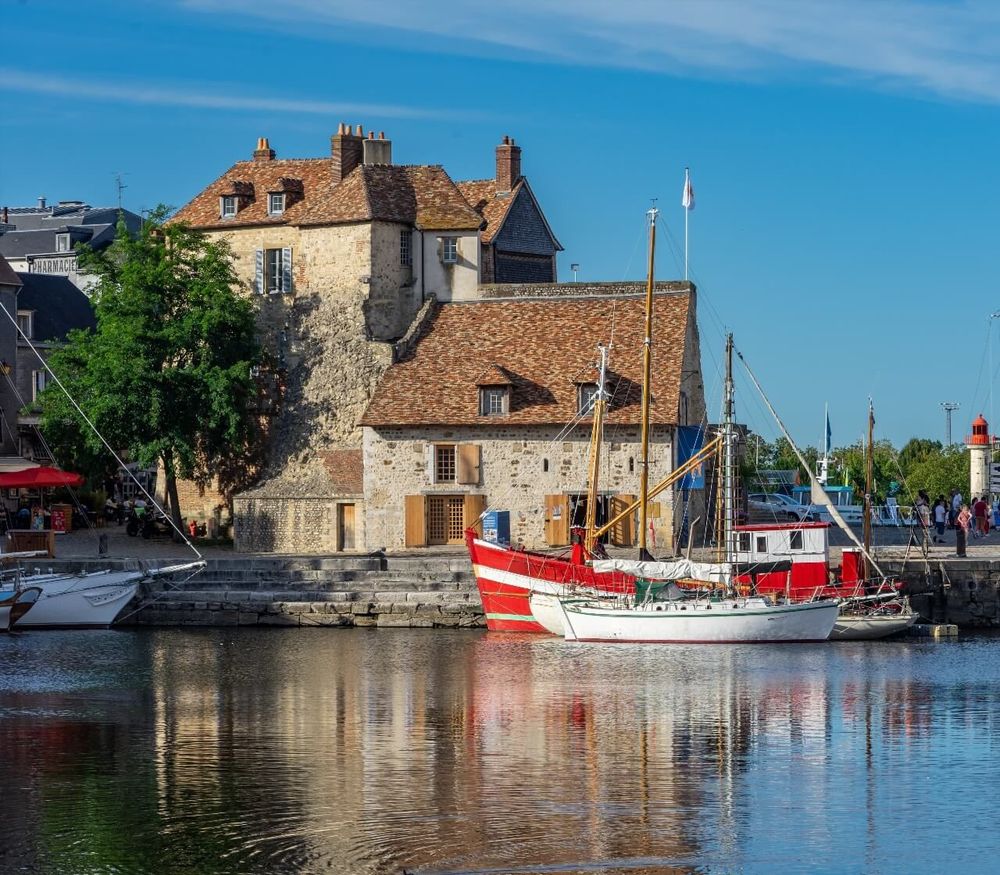
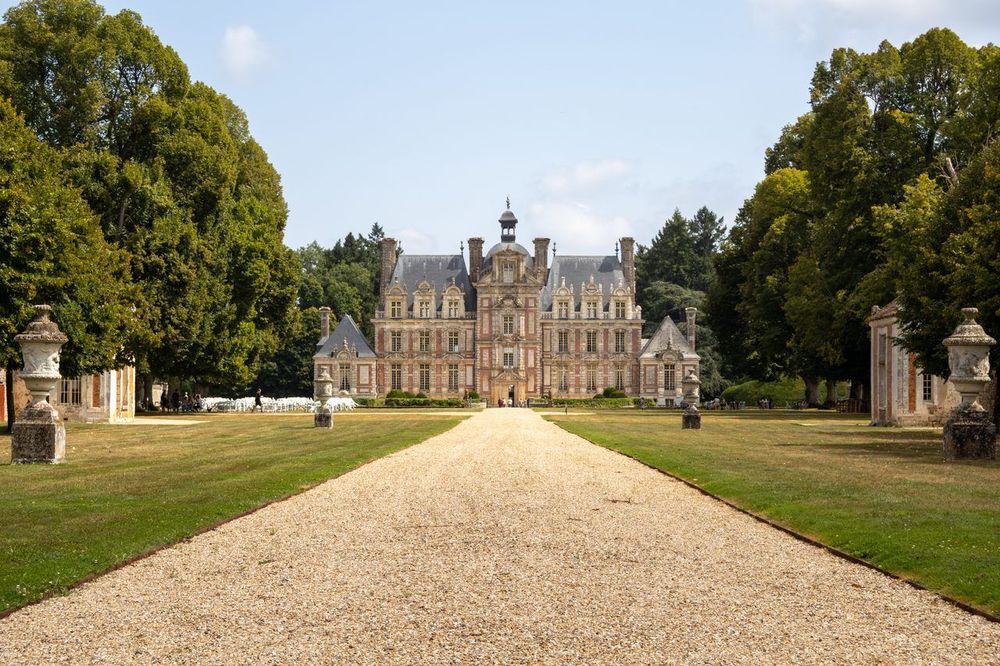
The surroundings of Caen are full of exceptional sites worth the detour. The D-Day landing beaches, about twenty kilometres away, are a must for understanding the history of the 20th century, with Arromanches and its artificial harbour or Omaha Beach. The nearby Pays d'Auge reveals its typical villages with half-timbered houses, its cider houses and its cheese dairies where you can taste camembert and pont-l'évêque. Bayeux, less than thirty minutes away, impresses with its thousand-year-old tapestry and its Gothic cathedral. Norman castles such as Falaise, birthplace of William the Conqueror, or Fontaine-Henry enrich the historical journey. The Côte Fleurie with Deauville and Honfleur offers a refined seaside getaway less than an hour's drive away.
Is Caen wheelchair accessible?
Caen has considerably improved its accessibility in recent years, making visits easier for people with reduced mobility. The tram network is fully accessible with adapted platforms and level-boarding trains. Many major monuments such as the Mémorial, the castle and certain parts of the abbeys have specific facilities with ramps and lifts. The city centre has generally wide and well-maintained pavements, even if some streets of the Vaugueux keep their old cobblestones that are harder to navigate. The main museums and tourist sites offer adapted routes and specific equipment on request. It is still advisable to enquire in advance with the tourist office, which provides detailed information on the accessibility of each site.
Is Caen really worth a visit?
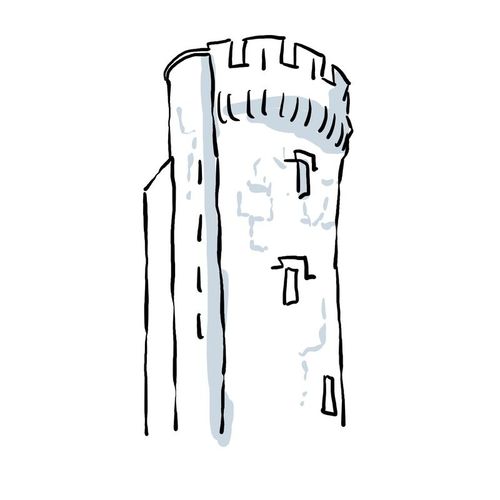
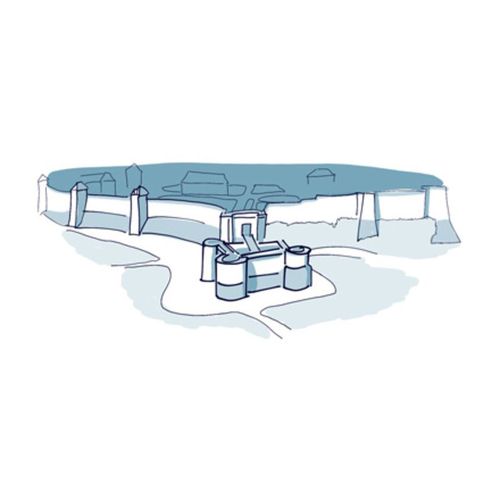
Often driven through on the way to the D-Day beaches, Caen deserves its own stop. The city has kept a rare medieval ensemble: the walls of the ducal castle, among the largest in Europe, overlook the centre and are freely accessible, while the Abbaye aux Hommes and the Abbaye aux Dames frame it with their Romanesque façades in Caen stone, the pale limestone exported as far as England.
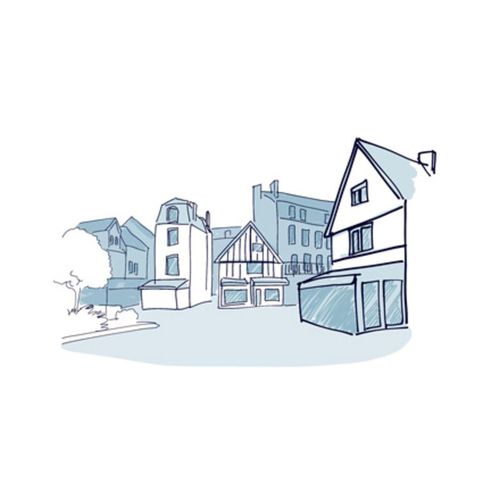
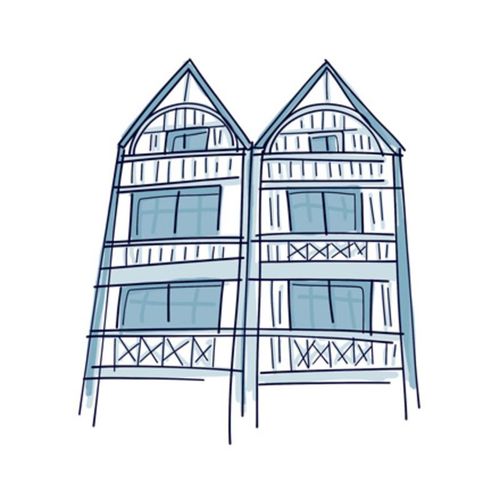
The rest of the city tells another story, that of post-war reconstruction, with broad avenues and light-coloured buildings, which the Mémorial puts in perspective. In between, older pockets survive, such as the Vaugueux, with cobbled lanes and half-timbered houses where people dine in the evening. Add a marina in the very centre, the sea close by and a lively student population: the stop makes obvious sense. The Ryo audio guide offers a dedicated Caen route that links these different faces.
What traces of William the Conqueror and Queen Matilda remain in Caen?
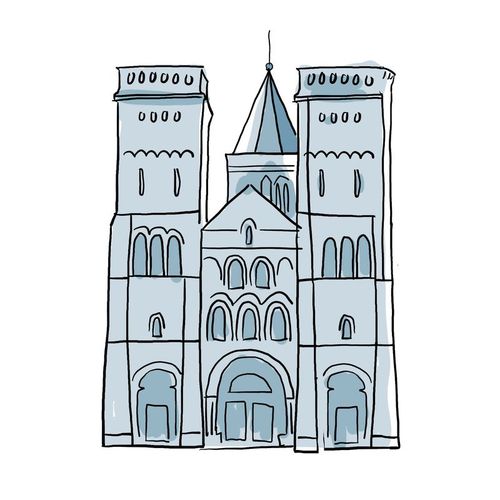
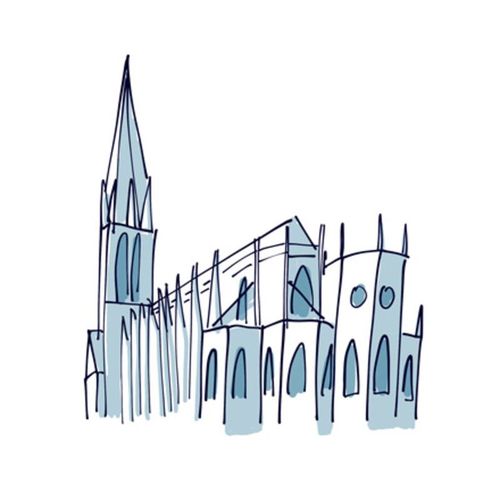
Caen owes its shape to the ducal couple: William, the future conqueror of England, and Matilda of Flanders. Their marriage, long contested by the papacy, was redeemed by the founding of two abbeys that face each other on either side of the centre. The Abbaye aux Hommes, with the church of Saint-Étienne and its twin towers, holds William's tomb; the Abbaye aux Dames and its church of La Trinité keep Matilda's.
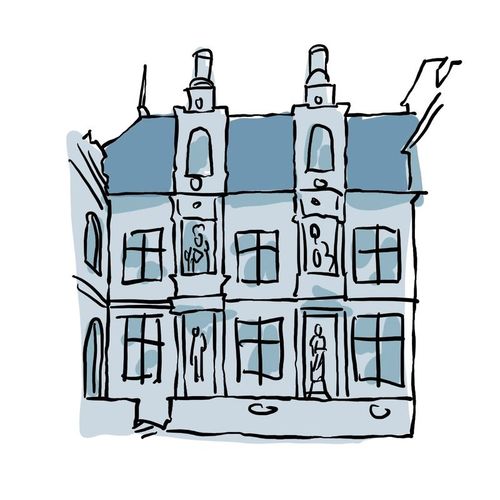
Between them, the castle the duke raised on a rocky spur still has its curtain wall, the Exchequer hall and the church of Saint-Georges, and now houses two museums along with wide lawns open to all. The conventual buildings of the Abbaye aux Hommes, remodelled in the eighteenth century, serve today as the town hall and can be visited. Linking these three sites on foot means following the axis around which the whole city was built.
Vos commentaires, idées et suggestions
Aucun avis pour le moment