
Créé par Romane, le 4 oct. 2026
Votre guide Ryo
Le Havre, France
The Gateway to the Ocean
Parcours audioguidé pour visiter Le Havre en 1 jour
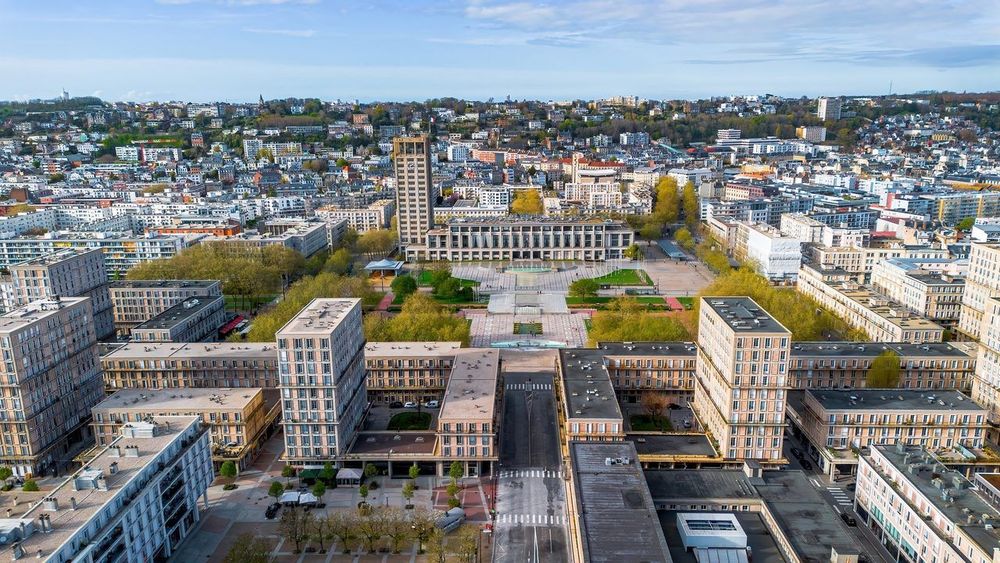
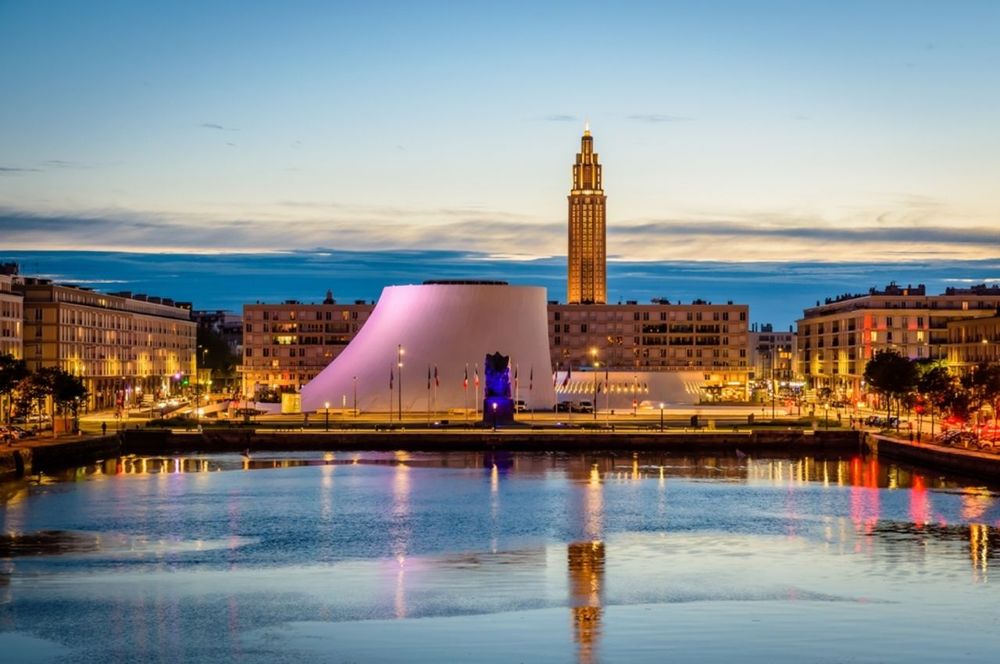
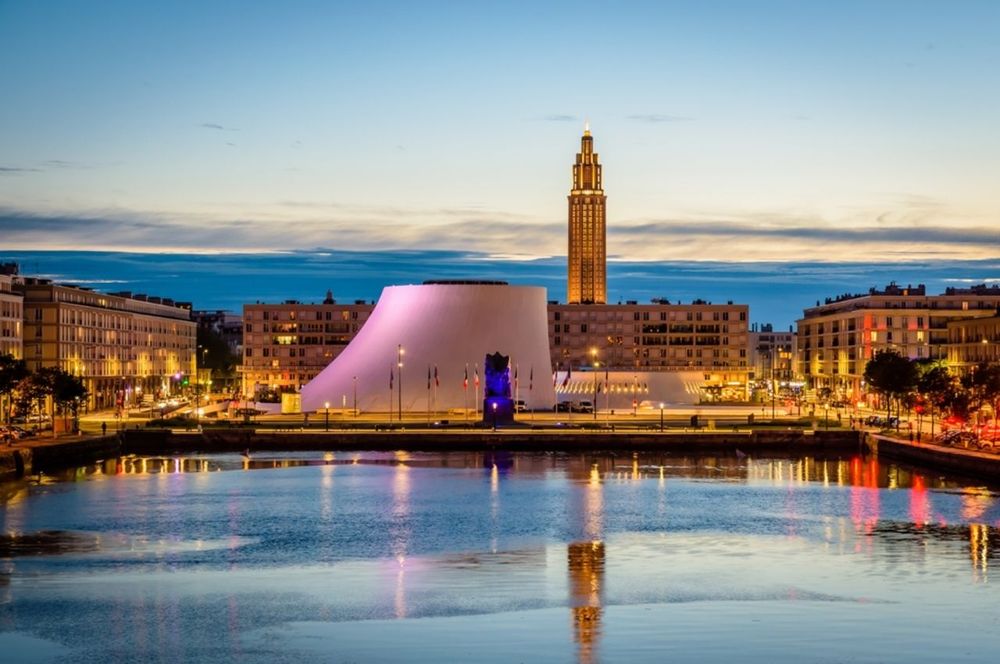
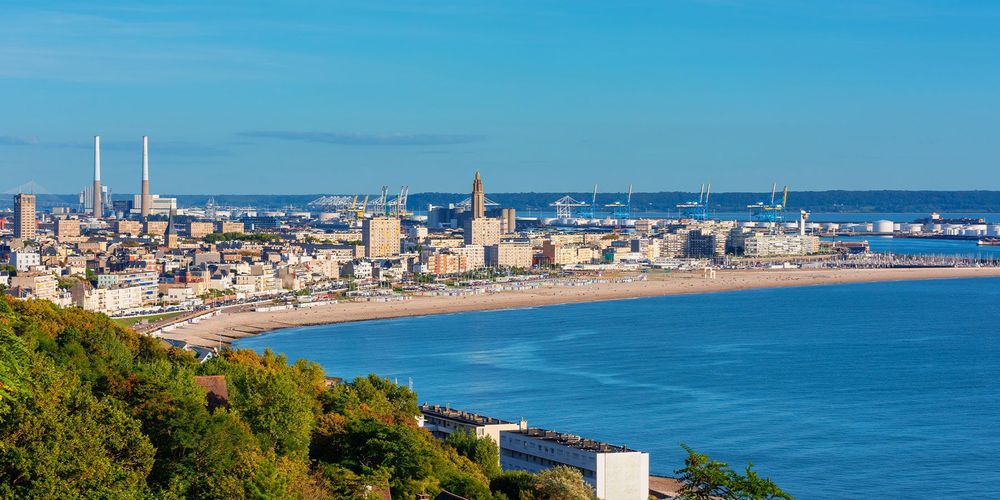
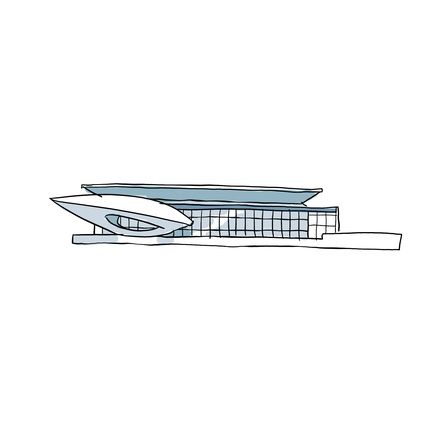
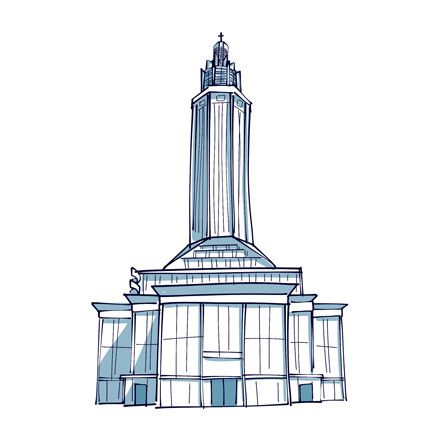
This tour of Le Havre invites you into a world of truly unique architecture, where concrete takes on a poetic quality beneath the shifting light of the estuary. Be surprised by the bold, forward-thinking lines of the rebuilt city center designed by Auguste Perret, recognized by UNESCO, before pausing for a contemplative moment in front of the “Volcano” by Oscar Niemeyer. Between the soaring presence of Saint-Joseph Church and the endless horizon of its pebble beach, the city reveals a bold, seafaring spirit. It’s a walk shaped by modern art and ocean air, offering a powerful sense of a place that has reinvented itself in the face of the open sea.
Quand partir à Le Havre ?
Jan.
8°
13
Feb.
8°
11
March
10°
10
April
13°
9
May
16°
9
June
19°
9
July
21°
8
Aug.
21°
9
Sept.
19°
10
Oct.
16°
12
Nov.
11°
14
Dec.
9°
14
Le Havre enjoys a temperate oceanic climate, strongly influenced by the English Channel which brings great mildness, with pleasant summers averaging around 21°C and cool but rarely harsh winters, fluctuating between 4°C and 9°C. The ideal period to discover the unique architecture of Auguste Perret—a UNESCO World Heritage site—runs from June to September, offering optimal sunshine to enjoy the beach and the Promenade des Régates. The month of June is particularly recommended for the clarity of its light, which so greatly inspired the Impressionist painters, while autumn remains an interesting season to visit the MuMa (André Malraux Museum of Modern Art) while observing the spectacular arrival of large ships into the harbor under a shifting maritime sky.
Départ conseillé
No need to worry about where to begin! Our tours are designed as a loop, so you can jump in wherever you are. The navigation system and audio-guide will automatically adjust to your location. However, if you happen to be nearby, we do have a preferred starting point: on Place de l’Hôtel de Ville.
Parking à proximité
Parking de l’Hôtel de Ville : 41 place de l’Hôtel de Ville
Street parking in Le Havre is divided into two zones: the orange zone, where parking is limited to a maximum of 2 hours, and the green zone, where you can stay for several hours. Don’t forget to use a parking meter to pay for your spot.
There are also several paid car parks in the city centre, offering day rates. However, be aware that some of them are known for being quite narrow and may not be ideal for larger vehicles.
À savoir
This tour takes you through Saint-Roch Square, which is free to access but subject to opening hours. Make sure to check the schedule before your visit. If the park is closed when you arrive, simply go around it via Rue Othon Friesz, then turn left onto Avenue Foch to rejoin the route.
Découvrez 19 lieux d'intérêt pour visiter Le Havre


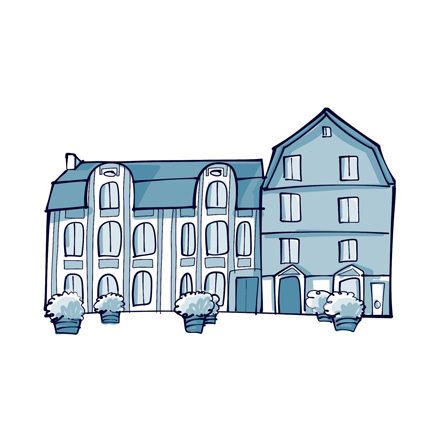
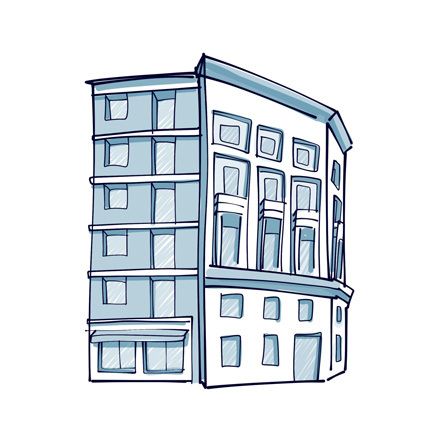
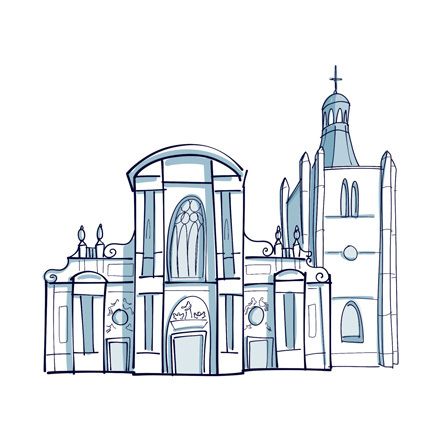
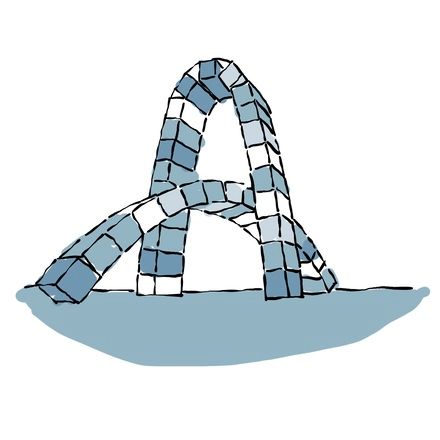



Le plein d'inspirations
Explorez le monde en totale liberté, à pied au cœur des villes ou au fil des routes. Nos guides audios transforment chaque destination en une découverte culturelle immersive et unique.
FAQ for visiting Le Havre
When is the best time to visit Le Havre?
The ideal time to visit Le Havre runs from June to September, when the mild oceanic climate offers sunny days and pleasant temperatures of around 21°C. June is particularly recommended for the exceptional quality of its light, which enhances Auguste Perret's architecture and inspired the Impressionists. Summer lets you make the most of the pebble beach and the Promenade des Régates. Autumn remains an appealing option for lovers of art and shifting maritime moods, with fewer visitors in the museums. The winters, mild but damp, suit cultural getaways if you don't mind the rain.
How many days do you need to visit Le Havre?
A two-day weekend is the perfect length of time to discover the essentials of Le Havre. It allows you to comfortably explore the centre rebuilt by Auguste Perret, a UNESCO World Heritage Site, to visit Saint-Joseph Church and Oscar Niemeyer's Volcan, and then to stroll along the beach and the port. If you want to delve deeper with the museums, particularly the MuMa, and enjoy the maritime atmosphere more fully, three days will give you a more relaxed pace. A single day can be enough for the architectural highlights if your time is limited, but you risk missing the unique character of this ocean city, which deserves to be savoured at leisure.
How do you get around Le Havre?
Le Havre's city centre is best explored on foot, as Auguste Perret's architecture and the main attractions are concentrated within an accessible area. The modern tram network efficiently serves the neighbourhoods and connects the centre to the beach in just a few minutes. Buses round out the service for reaching more distant areas. Cycling is an excellent option, with numerous bike paths and a self-service rental system. To explore the surroundings or the industrial port, a car becomes necessary. Taxis and private hire vehicles are available but less economical for regular trips. Walking remains the best way to soak up the unique atmosphere of this rebuilt city.
What is there to do in Le Havre when it rains?
On rainy days, Le Havre offers plenty of indoor cultural activities. The MuMa welcomes you with its Impressionist and modern collections in a light-filled setting facing the sea. Saint-Joseph Church, a cathedral of concrete and light, impresses with its 107-metre lantern tower. Oscar Niemeyer's Volcan offers a varied cultural programme within its futuristic architecture. Les Bains des Docks, a stylish aquatic centre designed by Jean Nouvel, lets you swim in a contemporary setting. The Docks Vauban shopping centre offers shopping and dining in former warehouses that have been restored. The historic cafés of the Perret centre invite you to a warm break while admiring the UNESCO architecture through their large windows.
Where can you park in Le Havre?
Parking in Le Havre is generally well organised, with several options depending on your needs. The underground car parks in the city centre, notably beneath the Town Hall and near the Espace Niemeyer, offer direct access to the major sites. On-street parking remains paid during the day in the very centre but is often free in the evening and on Sundays. For an extended visit, the park-and-ride facilities on the outskirts offer favourable rates with a tram connection to the centre. The marina area also has parking spaces, handy for exploring the Saint-François district. The rates remain generally reasonable compared to other coastal cities, and some hotels offer their own parking to their guests.
How do you visit the port of Le Havre?
Exploring the port of Le Havre, France's second-largest port, can be approached in several ways. The historic Saint-François district and the marina basins can be visited freely on foot, offering an authentic maritime atmosphere with its old houses that were miraculously preserved. For the commercial port and its impressive installations, guided tours are generally offered by the Tourist Office, giving access to areas normally off-limits to the public and helping you understand the port's activity. The accessible quays offer spectacular views of the giant container ships. A walk along the jetties, particularly the southern one, lets you watch the ships entering the estuary, especially impressive at sunset.
What is there to do in Le Havre with children?
Le Havre offers plenty of family-friendly activities. The pebble beach, with its colourful huts in summer, provides a natural playground for building pebble towers and watching the boats. The hanging gardens, laid out in a former fort, delight with their exotic greenhouses and themed play areas. The Perret Show Flat offers a fun way to discover 1950s architecture. Les Bains des Docks appeal to young and old alike with their play pools and slides. The seafront skatepark draws teenagers, while the little tourist train makes exploring easier for the youngest. The museums regularly offer creative workshops and tours designed for children, for an accessible cultural experience.
Where can you stay in Le Havre?
Le Havre offers a varied range of accommodation to suit your preferences and budget. The Perret centre concentrates charming hotels and modern establishments, ideally located for exploring the city on foot. The Saint-François district, with its preserved maritime atmosphere, offers guesthouses full of character. The major hotel chains are located near the station and the Bassin du Commerce. For a unique experience, some establishments occupy listed buildings from the reconstruction. Apartment rentals let you live like a local amid Perret's architecture. The beach area offers options with sea views, particularly pleasant in summer. Rates remain generally reasonable, rising slightly in high season and during major events.
Which art venues should you discover in Le Havre?
Impressionism and contemporary art are part of Le Havre's identity. The MuMa, set facing the harbour entrance, holds one of the richest Impressionist collections in France, with many works by Boudin and Dufy, in a glass building designed to catch the light off the sea, the very light that gave Monet's Impression, Sunrise its title. A little further on, the white volumes of Le Volcan, designed by Oscar Niemeyer, house the national theatre and a library. For some years now, monumental artworks placed along the shore and around the docks have punctuated the walk, such as the hut of stacked coloured containers that has become an emblem of the city. The Ryo audio guide offers a dedicated Le Havre route that links these places on foot.
What is there to visit around Le Havre?
Le Havre makes a good base for exploring the Alabaster Coast and the Seine estuary. To the north, the cliffs of Étretat and their sea-carved arches are less than an hour away by road, with Sainte-Adresse and Cap de la Hève along the way. To the south, the Pont de Normandie spans the river and leads to Honfleur, its old harbour basin and tall slate-fronted houses, and then on to the Côte Fleurie. In between, the estuary nature reserve protects birds and reed beds, explored along footpaths and from hides. Further inland, Jumièges abbey and the abbey road extend the outing along the Seine, generally quieter outside the summer season.
Vos commentaires, idées et suggestions
Aucun avis pour le moment