© Shutterstock
 Votre guide Ryo
Visiting Le Havre Without a Car in 2026: The Complete Guide, From Arrival to a One-Day Itinerary
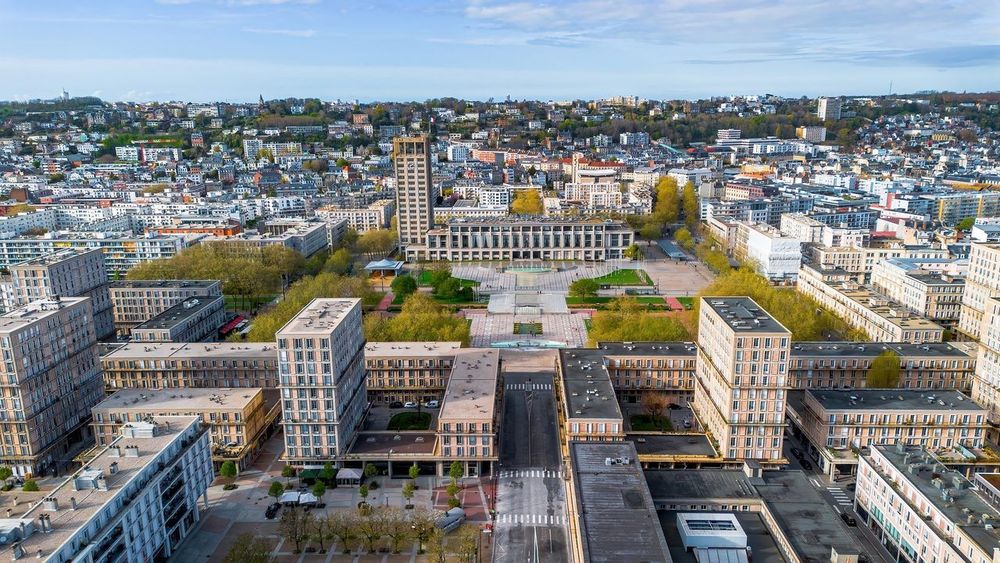
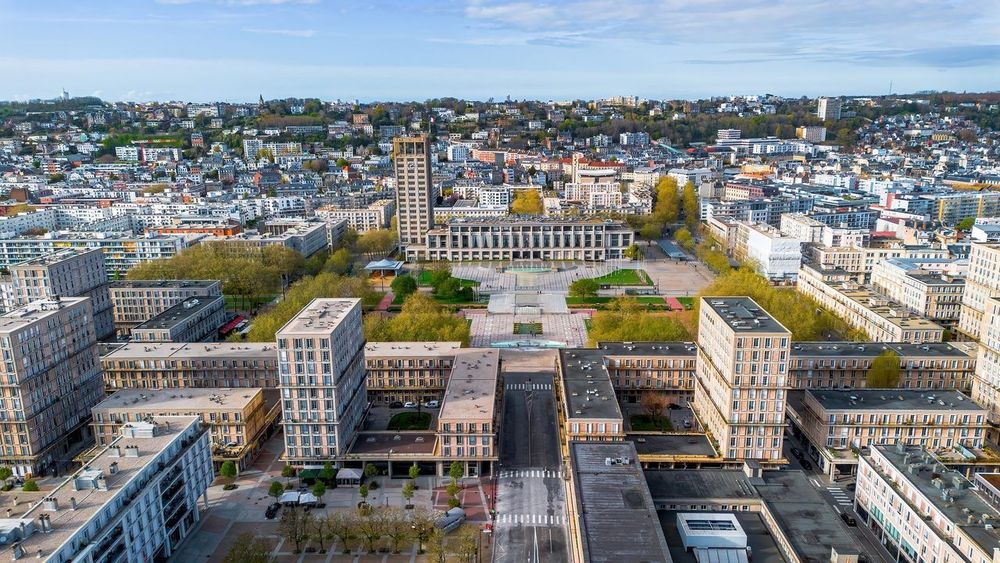
Le Havre wasn't designed for cars. Destroyed at 80% in 1944 and rebuilt from 1945 by Auguste Perret on a wide, airy geometric grid, the city was conceived to be crossed on foot, with your gaze drawn toward the sea at the end of every street. Visiting Le Havre without a car is therefore no constraint at all: it is almost the most logical way to discover this city, provided you know the right sequence of train, tram and walking. The Ryo audio-guided tour of Le Havre follows precisely this pedestrian-friendly route, from the train station to the seafront.
In a few days without car keys, you can walk alongside a hanging garden set in a former military fort, lay your towel on a pebble beach less than ten minutes' walk from the rebuilt centre, enter a museum holding the second-largest Impressionist collection in France after the Musée d'Orsay, and push open the door of a library signed by the architect who designed Brasília. The same weekend, a bus takes you to the cliffs of Étretat or a train to Rouen cathedral. This guide details how to get there, how to get around once you arrive, what to see first and how to organise a full Normandy excursion without ever touching a steering wheel.
How to Get to Le Havre Without a Car
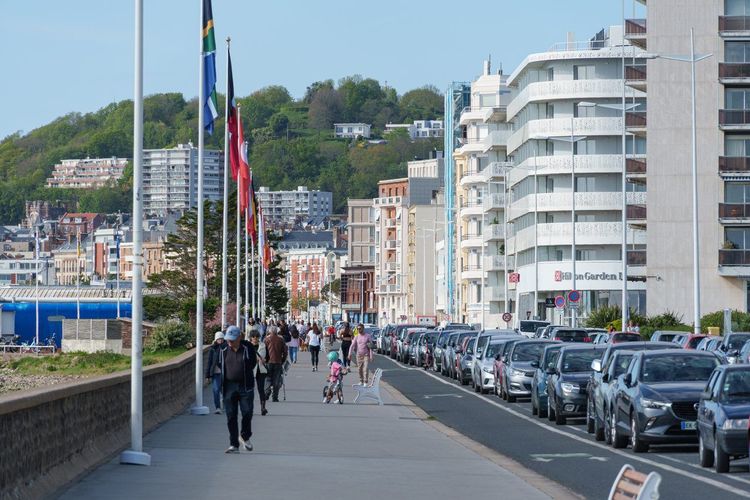
Le Havre sits at the end of the Normandy railway line, which makes it a surprisingly easy destination to reach without a personal vehicle, as long as you aim for the station rather than the motorway.
By Train or Bus from Paris, Rouen and the Region
The Le Havre train station (Cours de la République, 76600 Le Havre, rated 3.8/5 on Google from 498 reviews) is the natural point of entry. Direct trains from Paris-Saint-Lazare take about two hours and drop travellers a few minutes' walk or a short tram ride from the city centre. From Rouen, the connection is even quicker, a little under an hour, with enough departures to consider a day return trip. If you are coming from further away (Lille, Lyon, Belgium), going via Paris or Rouen remains the most reliable combination.
Long-distance coaches (BlaBlaCar Bus, Flixbus) also link Le Havre to Paris and several major French cities at low cost, with a stop generally located near the station. It is an option to consider if you travel light and without a tight schedule, even though the journey is longer than by train. Tip: if you book your train tickets several weeks in advance, Paris–Le Havre fares are often comparable to those of the coach, for a much shorter journey.
By Plane or Boat (Channel Ferry)
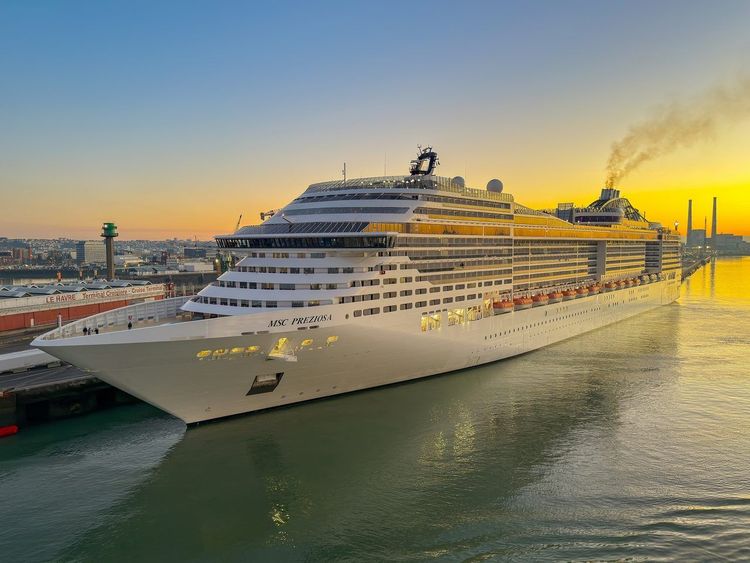
The small Le Havre-Octeville airport receives very few commercial flights; in practice, the vast majority of visitors arrive by rail. On the maritime side, be careful if you are coming from England: the Brittany Ferries Portsmouth–Le Havre route ended in September 2026. Car-free alternatives now go via Portsmouth–Caen (Ouistreham) or Newhaven–Dieppe, then train or coach to Le Havre. Cruise ships still call regularly at Le Havre and drop their passengers within walking distance of the Perret districts.
By car, Le Havre is accessible via the A29 and A131, but parking in the rebuilt centre is restricted and paid, and most of the heritage is better visited on foot anyway. Barring special needs (heavy luggage, a stage of a broader road trip), the car brings no real advantage here over the train.
Getting Around Le Havre Without a Car
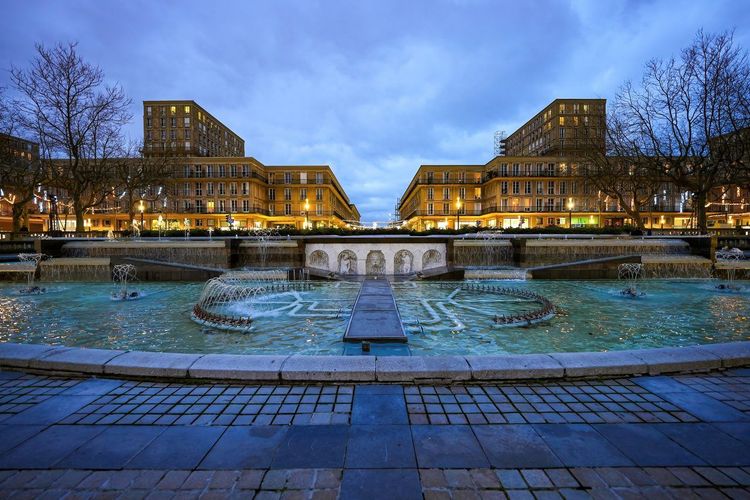
Once you have arrived, the question is no longer whether you can do without a car in Le Havre, but how to split your journeys between public transport and walking, which is more than enough for most trips.
The LiA Tram and Bus Network
The LiA network structures the city around two tram lines linking the beach, the rebuilt centre, the station and the upper districts, complemented by a dense web of bus lines reaching the edges of the urban area, including Sainte-Adresse and its corniche. The main stops (Hôtel de Ville, Gare, Les Halles) are all within walking distance of the tourist sites, which limits transfers. The low-floor trams are accessible to strollers and wheelchairs alike, a real plus if you are travelling with family or with a person with reduced mobility.
Budget-wise, a single journey costs €1.80 and remains valid for one hour, transfers included. For a visit of one or two days, the 24-hour (€4.50) and 48-hour (€7) passes quickly pay off: three journeys are enough to cover the cost of the first. They cover both tram and bus, which greatly simplifies trips between the centre, the Jardins Suspendus perched on the heights and the seafront.
On Foot, by Bike and on a Guided Walk with a Greeter
The rebuilt centre fits within a comfortable walking radius: about twenty minutes separate the station from the seafront. For cycling, the LiAvélos service rents classic, electric or folding bikes, by the day or for several months, and LiA buses accept bikes on board. A pleasant option for linking the beach, the Bains des Docks and the port in a single loop, especially as the seafront and quays have wide cycle paths.
For a more personal approach, Le Havre is one of the cities offering a personalised walk with a Greeter, a volunteer local who shows you the city according to your interests, far from fixed itineraries. It is a good complement to a self-guided visit, before or after following the Ryo audio-guided walking tour: its short version dedicated to the Porte Océane fills the gaps between two buses, with no paper map to unfold at every crossroads.
The Centre Rebuilt by Perret, a UNESCO-Listed Gem
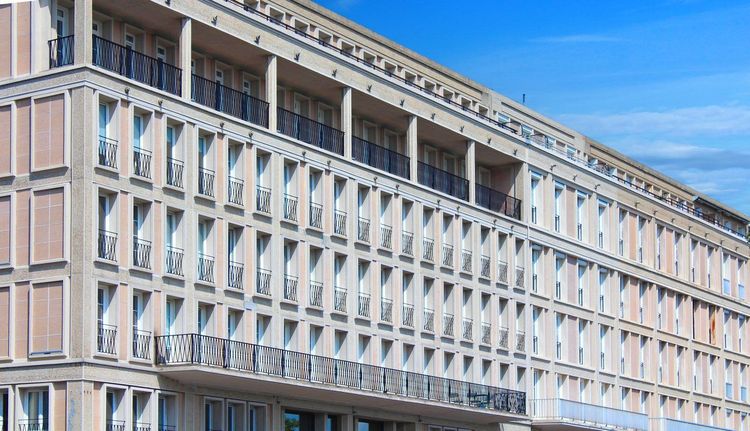
The heart of a visit to Le Havre is the district that the architect Auguste Perret and his studio redesigned after the war on a modular grid of 6.24 metres repeated across an entire city, a gesture singular enough for UNESCO to inscribe the rebuilt city centre of Le Havre as a World Heritage Site in 2005, a rare distinction for a 20th-century urban ensemble.
Place de l'Hôtel de Ville, Place Auguste Perret and the Show Apartment
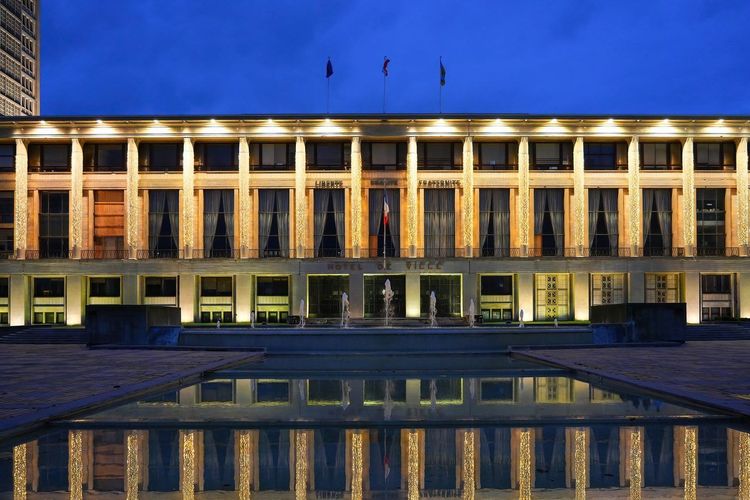
It generally all begins at the Hôtel de Ville (town hall), a massive building dominated by its tower that closes off one of the largest squares in Europe, then continues toward Place Auguste Perret, where the straight perspective toward Saint-Joseph Church (Boulevard François 1er, 76600 Le Havre, rated 4.7/5 on Google from 5,018 reviews) shows the full extent of the urban plan envisioned by the architect.
To understand what this reconstruction meant in everyday life, the Perret Show Apartment recreates a furnished home according to 1950s comfort standards, with its fitted kitchen, central heating and storage designed down to the millimetre. The short visit is only possible in a guided group on slots booked through the tourist office, and it radically changes how you view the district's grey façades afterwards: you suddenly see a social project as much as an aesthetic one, designed to rehouse a population that had lost almost everything.
To measure what disappeared, continue to the Maison de l'Armateur, quai de l'Île, ten minutes' walk away: this 18th-century residence, one of the rare survivors of the bombings, is organised around an octagonal light well and recreates the living environment of a wealthy Le Havre merchant of the time. The contrast with the Perret apartment, two centuries later, tells the story of the city all by itself.
Saint-Joseph Church, Architectural Landmark of the Reconstruction
Visible from much of the city and even from out at sea, Saint-Joseph Church rises to 107 metres and serves as an urban lighthouse as much as a place of worship: its lantern tower, pierced by nearly 13,000 pieces of coloured glass designed by Marguerite Huré, changes hue with the time of day and the weather. The interior, bare of any painted decoration, lets the light do all the work, a radical choice for a church completed in 1957.
Entry is free, every day from 10am to 6pm outside of services. Sit for a few minutes in the centre, under the tower: it is from there that you best understand why this district, which can seem austere at street level, fascinates architects so much. The Ryo audio tour devotes several stops to this reconstruction, from the anecdote about the UNESCO listing to the passage by the Show Apartment, for those who prefer continuous narration to reading signs.
Le Volcan and the Oscar Niemeyer Library, the Contemporary Cultural Scene
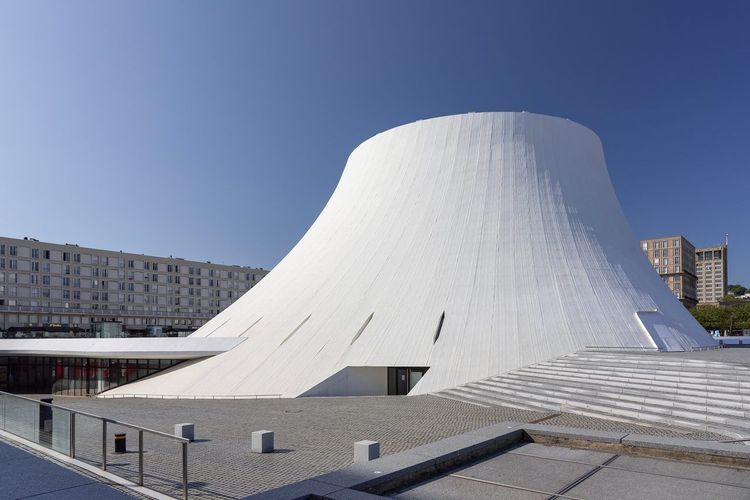
A stone's throw from Place Perret, the white, curved silhouette of Le Volcan deliberately contrasts with the straight geometry of the rest of the district. Designed by the Brazilian architect Oscar Niemeyer, the very man who designed Brasília, this cultural centre programmes theatre, dance and contemporary music in a hall whose shape earned the building its nickname.
Right next door, the Oscar Niemeyer Library (Place Oscar Niemeyer, 76600 Le Havre, rated 4.6/5 on Google from 489 reviews), nicknamed the little Volcano, has housed the city's main media library since 2015 in an equally rounded volume, with exhibitions that change several times a year. Entry is free: a good refuge if a shower catches you out. Both buildings can be seen in under an hour, and their presence in the very heart of the listed district illustrates Le Havre's identity well, a city that has kept innovating rather than freezing into an open-air museum. Slot them in between the Perret district visit and a lunch break on rue de Paris, with no particular detour.
The Jardins Suspendus and Le Havre's Green Spaces
Le Havre is not just a city of concrete: two green lungs accessible without a car let you catch your breath between heritage visits.
The Jardins Suspendus and Their View over the City
Set in the former Sainte-Adresse fort, on the heights overlooking the city, the Jardins Suspendus (Hanging Gardens) spread over several hectares of greenhouses and themed gardens devoted to plants brought back by explorers, with an unobstructed view of the port, the sea and the rebuilt district below. You get there by bus from the centre, with a stop a few minutes' walk from the entrance, or by bike for the more athletic, as the climb is fairly steep.
Allow a good hour and a half to enjoy it unhurriedly. Entry to the gardens is free (9am–8pm from April to October, 9am–5pm in winter); only the greenhouses are paid, €2 and free for under-12s, open in the afternoon. From there, you can walk back down toward Sainte-Adresse: the corniche and the end of the beach, where Monet painted several canvases, offer one of the prettiest walks in the area, before heading back along the seafront to the centre.
The Montgeon Forest, a Bubble of Nature Close to the Centre
Less known to passing visitors, the Montgeon forest (Allée du Belvédère, 76620 Le Havre, rated 4.5/5 on Google from 405 reviews) extends over nearly 270 hectares within the urban area itself, accessible by tram from the city centre. Marked trails, ponds and picnic areas make it a breath of fresh air appreciated by families and local joggers. If you have an extra half-day, it is a quiet alternative to the busiest sites.
The Seafront and Maritime Activities
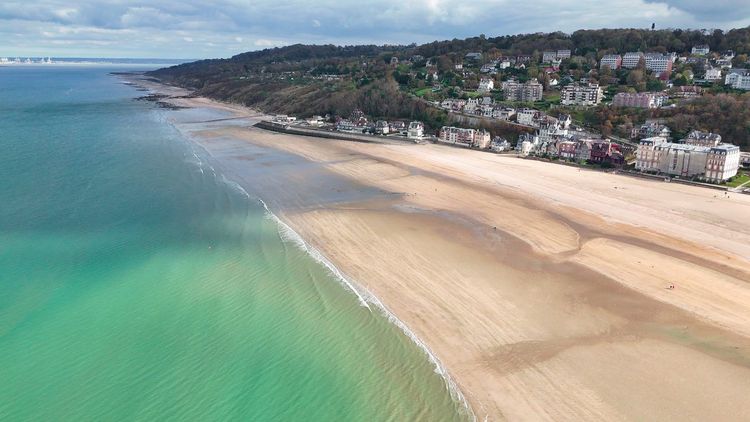
Le Havre remains above all a port city, and it is on its seafront that this maritime identity is most clearly read, between contemporary art, museum and swimming.
The Catène de Containers and the MuMa, Between Port and Impressionism
On Quai de Southampton, two monumental arches made of 36 shipping containers intersect at a height of 28.5 metres: this is the Catène de Containers, a work by the artist Vincent Ganivet unveiled in 2017 for the city's 500th anniversary and become, almost in spite of itself, one of the most photographed symbols of Le Havre. You reach it on foot by following the old docks, a walk that gives a fairly accurate idea of the scale of the Le Havre port.
The Catène was born from Un Été Au Havre, the contemporary art event that, every summer since 2017, scatters new works across the public space. Some have remained permanently, from the beach to the quays: if you visit between late June and September, look out for the temporary installations, all accessible for free and on foot.
A few minutes' walk away, the MuMa (André Malraux Museum of Modern Art) holds the second-largest Impressionist collection in France after the Musée d'Orsay, with canvases by Monet, Boudin and Pissarro often painted facing this very sea, visible from the museum's bay windows. The building, all glass and metal, plays with the changing light of the estuary, a dialogue consistent with the works it houses.
The City-Centre Beach, the Bains des Docks and a Boat Trip in the Port
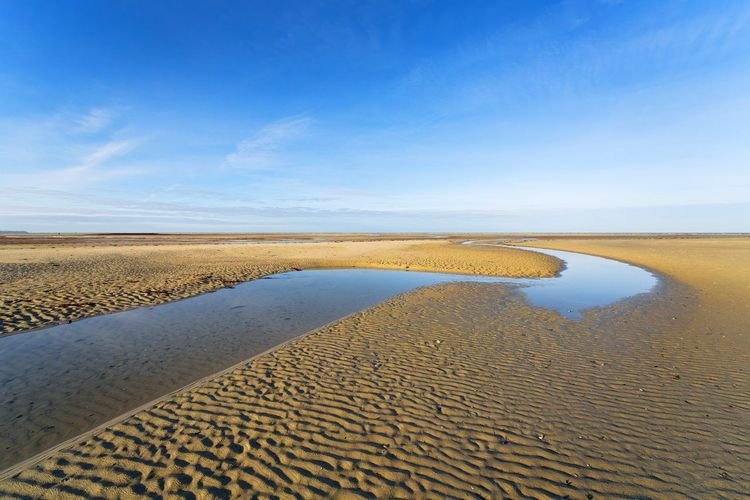
Less than ten minutes' walk from Place Perret, the Le Havre beach stretches for about two kilometres of pebbles, with views of the ships entering and leaving the port. The water is not the warmest on the Normandy coast, but the atmosphere, enlivened in summer by the lines of white beach huts and the terraces, makes you forget you are in the heart of a port city.
Further east, in the docks district, the Bains des Docks (Boulevard Winston Churchill, 76600 Le Havre, rated 3.8/5 on Google from 1,566 reviews) designed by Jean Nouvel offer a rather unique aquatic experience in France: indoor and outdoor pools, hammam and sauna, in an immaculate white building that evokes the neighbouring port basins. For a wider view of the port, boat trips leave from the centre in season, a restful way to see from the water the terminals, cranes and container ships that you often only glimpse from the shore. Sightseeing flights in light aircraft also exist for those who want to gain height over the estuary, a more occasional but spectacular activity in fine weather.
With Ryo in your ears, along this seafront to the Catène, an audio commentary tells the port history of the city: enough not to simply photograph the artwork without knowing its context.
A One-Day Itinerary in Le Havre Without a Car
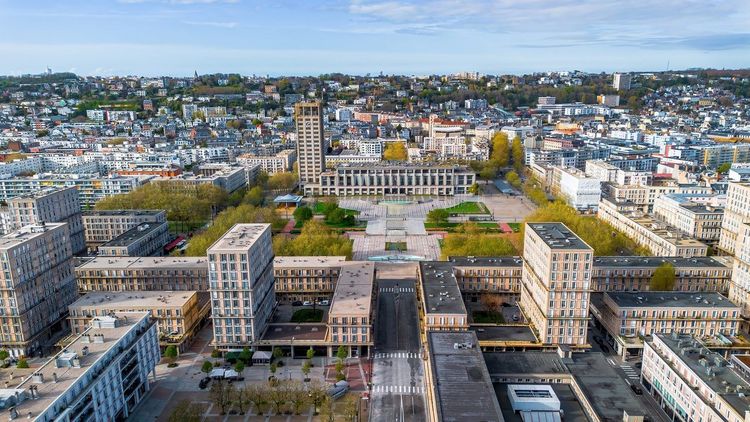
If you only have one day, here is how to string together the essentials without ever needing a vehicle, while keeping some room to wander.
Morning: Post-War Architecture and Saint-Joseph Church
Start early at Place de l'Hôtel de Ville, when the light still skims the façades and the streets are calm. Head up to Place Auguste Perret then Saint-Joseph Church, allowing a good hour for the lantern tower and, if you have booked, the Show Apartment. This immersion in post-war architecture works best in the morning, before groups multiply on the same squares.
Midday and Afternoon: Rue de Paris, Catène de Containers and MuMa
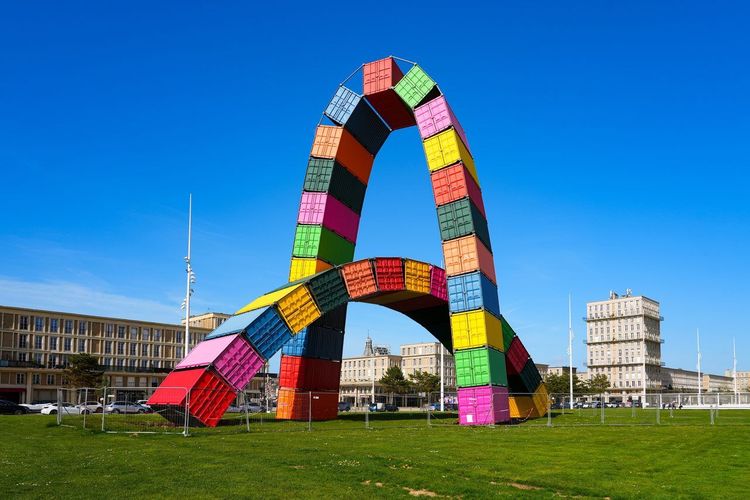
On the way back down to the port, stroll along rue de Paris, the shopping street linking the rebuilt centre to the sea, with plenty of places for a quick lunch or a sit-down meal. Once on the quays, head to the Catène de Containers for photos, then the MuMa for a calmer pause in front of the Impressionist paintings. Allow a good two hours for this port-and-museum duo, more if you like to take your time in every gallery.
Evening: Seafront to the Estacade
Finish by walking along the beach toward the Estacade du Havre (Quai Southampton, 76600 Le Havre, rated 4.5/5 on Google from 1,709 reviews), a pier that juts out into the water and offers one of the best viewpoints to watch the sun set over the Channel, with the ballet of ships in the background. A simple moment, often the favourite of day visitors, and it costs nothing.
This loop is 90% doable on foot, with one or two tram rides to save time. The main Ryo tour, 18 audio stops over 2h30 and 6.2 km, follows broadly this same route from morning to evening: a handy base for missing nothing without a watch or paper map. Its short version dedicated to the Porte Océane suits you if you only have half a day.
On a cruise stopover with only a few hours ashore? Focus on the Perret district and the seafront, linked by a direct walk from the terminal.
With the Family: Adapting the Day with Children
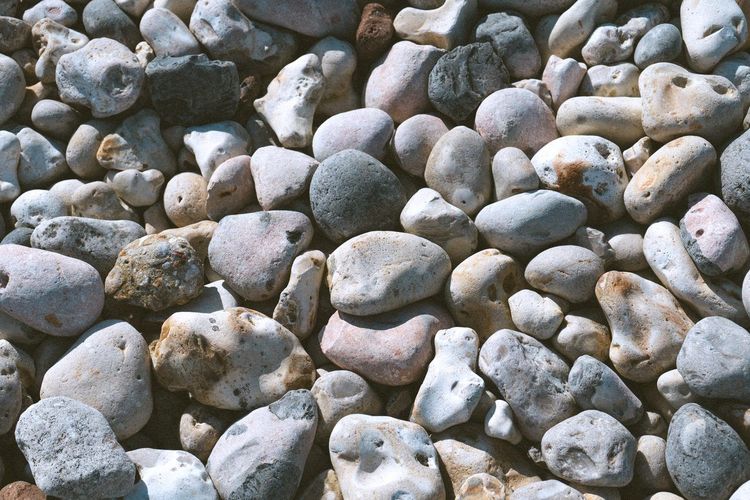
With children, this day can easily be adjusted. Cut down on museum time in favour of a stop at the beach in mid-afternoon, where the pebbles lend themselves to skimming stones and improvised constructions, or replace the Perret morning with the Jardins Suspendus, more fun for the youngest: the greenhouses are free for under-12s and the lawns invite picnics. The Catène de Containers is generally a hit with everyone, as is a visit to the Bains des Docks on a grey day. Logistically, the tram saves little legs from walking too long. Finally, think about snacks facing the sea on the Estacade: this is often where children keep their best memories of Le Havre.
Car-Free Excursions from Le Havre: Étretat, Honfleur and Rouen
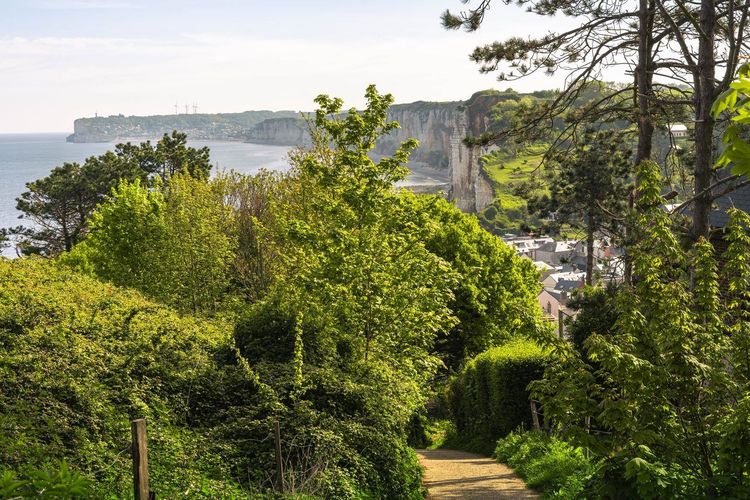
One of Le Havre's great advantages for a car-free stay is its central position in the Seine estuary: three of Normandy's most photographed sites can be reached by bus or train, without renting any vehicle.
Étretat and Its Cliffs by Bus or Train
The cliffs of Étretat can be reached with bus line 13, part of the LiA network, in 45 minutes to an hour depending on stops, with a departure roughly every hour. Once there, the walk along the Étretat cliffs offers a view of the Needle and the Falaise d'Aval that fully justifies the detour, especially at the end of the day when the low light colours the white chalk. Bring good shoes: the coastal path climbs steeply from the first minutes. If you plan to go down onto the foreshore at the foot of the cliffs, be sure to check the tide times: the sea comes in fast and can cut off your return.
Literature lovers will also enjoy the visit to the Clos Lupin, a house-museum devoted to Arsène Lupin and his creator Maurice Leblanc, a few minutes' walk from the village centre. Allow a full day for an Étretat round trip if you want to both walk the cliffs and visit the village, rather than a half-day that is too tight. In summer, take one of the first buses: the village fills up quickly in late morning.
To extend your discovery once there, this article on Étretat details other ideas for things to see.
Honfleur and Rouen by Public Transport
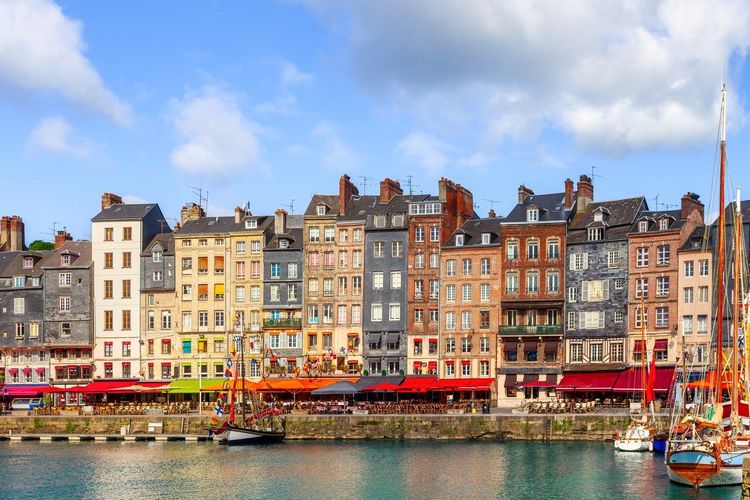
Honfleur, on the other side of the estuary, is reached by the Nomad 20 coach line crossing the Normandy Bridge, in only about thirty minutes. The Vieux Bassin (Quai Sainte Catherine, 14600 Honfleur, rated 4.8/5 on Google from 355 reviews), lined with tall, narrow half-timbered houses, deserves a good half-day of strolling, between the quays painted by Monet and Boudin and the lanes climbing toward Sainte-Catherine church, the largest wooden church in France.
Rouen is reached directly by train from Le Havre station, in about fifty minutes. Once there, you can organise a stay by train and bus around Rouen without difficulty: the Gros-Horloge and the cathedral can be visited on foot from the station, the Historial Jeanne d'Arc, set in the former archbishop's palace, retraces the saint's trial through an immersive museum design, and the Flaubert pavilion in Croisset, the only remnant of the property where the writer wrote Madame Bovary, is reached by bus along the Seine.
By combining these three excursions over two to three days, you get a real little tour of Normandy without a car, with Le Havre serving as a logistical base thanks to its well-served station.
Where to Sleep and Eat in Le Havre Without a Car

The choice of district counts double when you travel without a vehicle: it is better to favour proximity to the tram lines rather than an isolated address, however picturesque.
Where to Stay Near the Centre and Transport
To sleep in Le Havre without depending on a taxi, the Hôtel de Ville and station area remains the most practical: it concentrates most of the hotels, is within walking distance of the Perret district and has direct tram access to reach the beach in a few minutes. The Saint-François district, more picturesque with its rare old buildings that survived the bombings, is also appealing, provided you accept a slightly longer walk to some sites. If you plan several excursions, accommodation near the station saves precious time every morning.
Good Places to Eat and Shop
On the dining side, rue de Paris and its surroundings concentrate most of the good places to eat at reasonable prices, from fresh fish to crêperies, as well as the covered market halls where you can put together a picnic for the beach or the Jardins Suspendus. For shopping, shops are split between rue de Paris and the Docks Vauban shopping centre, set in renovated former port warehouses, accessible by bus from the centre.
To go further on local flavours, this article on Le Havre's culinary specialities lists a few must-tries on the spot, while this guide to things to do in Le Havre adds other ideas for outings.
Practical Info: Weather, Crowds, Budget and Transport Pass
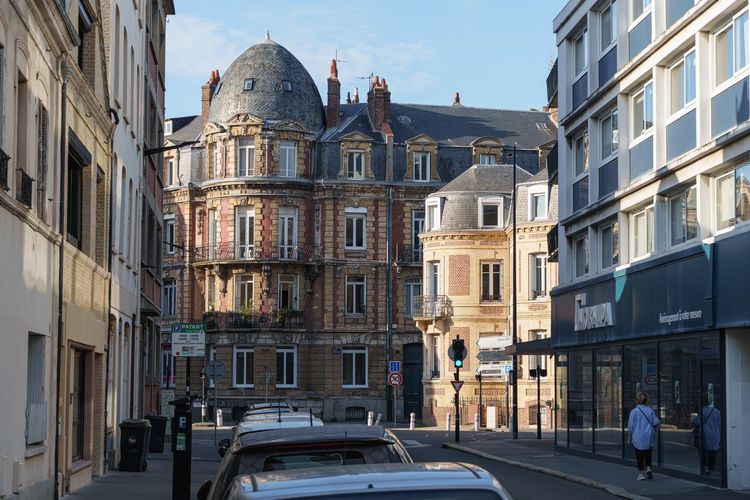
A few pointers before leaving help avoid unpleasant surprises and calibrate your transport budget.
Weather, Crowds and Best Time to Visit
The weather in Le Havre stays changeable all year round, with frequent showers even in summer: always slip a waterproof jacket into your bag, and keep in mind that the MuMa, Saint-Joseph Church and the Niemeyer library are good fallbacks to adapt your itinerary when it rains. Spring and early autumn often offer the best compromise between mild weather and reasonable crowds, with July and August concentrating most visitors on the beach and seafront. In return, summer brings the Un Été Au Havre installations and long evenings on the Estacade.
Budget With or Without the Normandie Découverte Pass
For regional excursions, Nomad's Normandie Découverte pass lets two people travel unlimited for two days on regional trains and coaches, from €20 at weekends (€35 on weekdays), with up to three children under 12 free and €5 per additional adult. An ideal format if you do Rouen one day and Honfleur the next. Without this pass, the budget remains modest: a Le Havre–Rouen round trip by train or Le Havre–Étretat by bus generally costs less than a tank of petrol and parking, without the stress of traffic.
On site, the Pass Tourisme Le Havre Étretat, sold by the tourist office, bundles several visits and can include a 24-hour LiA transport ticket: compare its price with your planned visits before buying it.
Before leaving, a 5-step checklist helps prepare a car-free Normandy stay: book your train tickets in advance for the best fares, check the coach timetables to Étretat and Honfleur (less frequent on Sundays), download the LiA network map, pack rain-appropriate clothing, and book a slot for the Show Apartment, accessible only by guided tour.



FAQ
How do you get around Le Havre without a car?
The LiA network (two tram lines and many buses) covers the whole urban area, with a single ticket at €1.80 or a 24-hour pass at €4.50. Most sites in the rebuilt centre, the beach and the port can be reached on foot in under twenty minutes. LiAvélos bike rental or a walk with a Greeter round out the options.
What are the must-do things in Le Havre?
The UNESCO-listed Perret district, Saint-Joseph Church, the MuMa and the Catène de Containers form the heart of any visit, complemented by the beach, the Bains des Docks and the Jardins Suspendus if you have more than a day.
Is it worth visiting Le Havre?
Yes, as long as you don't expect a historic city in the classic sense: Le Havre's appeal lies in its reconstruction architecture, unique in Europe, its Impressionist collection and its port identity, more than in ancient monuments.
What can I do in Le Havre in one day?
One day lets you cover the Perret district, Saint-Joseph Church, rue de Paris, the Catène de Containers, the MuMa and an end of day on the seafront as far as the Estacade, without a car and largely on foot.
How long should I plan for visiting Le Havre without a car?
A full day covers the essentials of the city centre and the seafront. Two to three days allow you to add the Jardins Suspendus, the Montgeon forest and a trip to Étretat, Honfleur or Rouen.
Can you visit Étretat or Rouen from Le Havre without a car?
Yes: Étretat is reachable by bus (line 13) in under an hour, Rouen by train in about fifty minutes, and Honfleur by coach via the Normandy Bridge in about half an hour. The three excursions combine easily over two or three days.
Le Havre is decidedly well suited to a car-free stay: reconstruction architecture that is best discovered on foot, a LiA network that covers the longer distances and Normandy excursions accessible by coach or train. There is hardly any reason to rent a vehicle. To turn this walk into a real guided tour, slip in your earphones and start the Ryo audio guide of the Porte Océane: 18 stops linking all these places in order, at your own pace.
À lire également