Créé par Romane, le 17 nov. 2026
Votre guide Ryo
Amiens, France
The Heart of the Somme Valley
Parcours audioguidé pour visiter Amiens en 1 jour
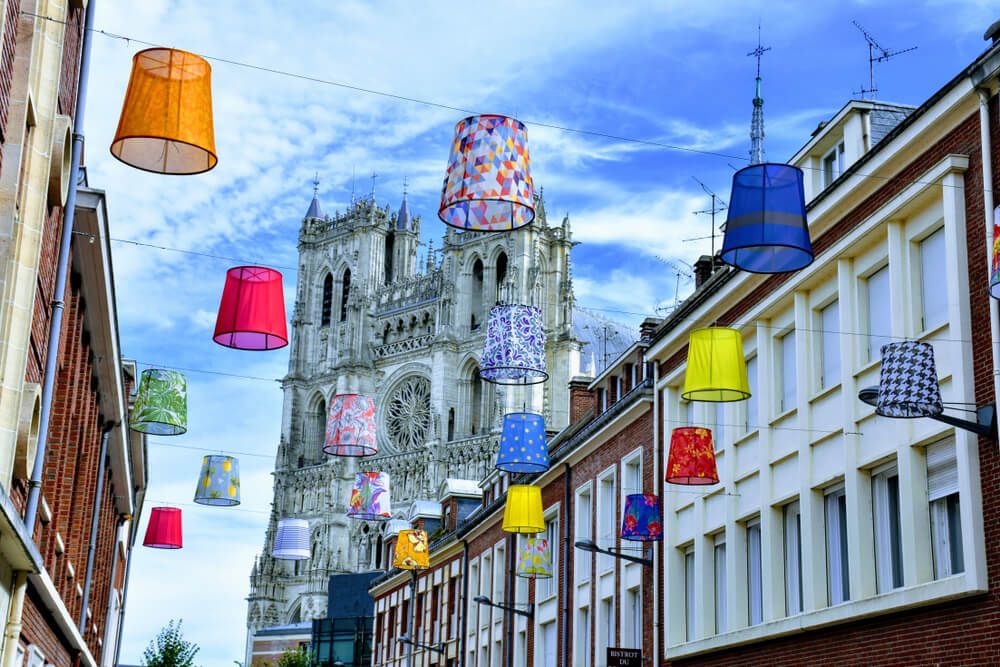
This visit to Amiens invites you to wander between Gothic stone and reflections on the water. Let yourself be carried away by the sheer scale of its cathedral—a dizzying "stone lace"—before strolling through the colorful Saint-Leu district along the canals. Between the imagination of Jules Verne and the serenity of the Hortillonnages (floating gardens), this Picardy city reveals a secret and poetic charm. An intimate and luminous exploration on foot to capture the full magic of a city that lives to the rhythm of the Somme.
Quand partir à Amiens ?
Jan.
4°
12
Feb.
4°
10
March
7°
10
April
10°
9
May
13°
10
June
16°
9
July
18°
9
Aug.
18°
9
Sept.
16°
9
Oct.
12°
11
Nov.
7°
12
Dec.
5°
13
Amiens enjoys a temperate oceanic climate, characterized by mild summers with averages around 22°C and cool, sometimes damp winters, where temperatures generally fluctuate between 1°C and 7°C. The ideal period to discover this Picardy city runs from June to September, offering mild weather to explore the majestic Notre-Dame Cathedral or to get lost among the boats of the hortillonnages (floating gardens). The month of December also holds a special charm thanks to its Christmas market, one of the largest in northern France, while summer evenings are the best time to admire the colorization light show on the cathedral's facade in pleasant temperatures.
Départ conseillé
No need to worry about where to begin! Our tours are designed as a loop, so you can jump in wherever you are. The navigation system and audio-guide will automatically adjust to your location. However, if you happen to be nearby, we do have a preferred starting point: Perret tower
Parking à proximité
Parking Perret : 3 boulevard de Belfort
Découvrez 28 lieux d'intérêt pour visiter Amiens





What to see in Amiens on your 2h30 tour?
This 6.3 km loop links 26 sights in about 2 h 30. From the station district, overlooked by the Perret Tower, it reaches the historic centre and its cathedral, crosses the Art Deco area, then reaches picturesque Saint-Leu, the Venice of the North, before skirting Saint-Pierre Park, the towpath and the floating gardens, then returning through the Vallée district to the Amiénoises houses. With the Ryo app in your ears, every square and canal tells its story.
Information checked in November 2026 and subject to change.
1 - Perret Tower
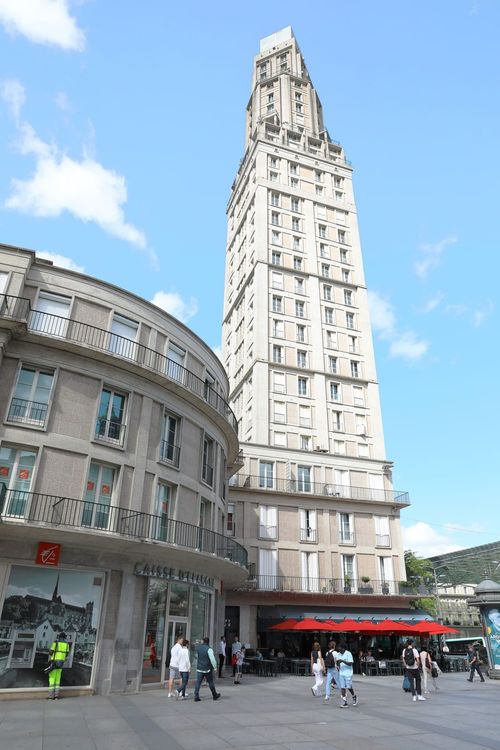
This 110-metre reinforced-concrete tower can be spotted for miles: a bold post-war gamble, when the city had to be rebuilt almost from scratch. Its architect stacked three different volumes, square, then polygonal, then square again, topped with a glass cube. Unpopular at first, seen as too costly and too modern for housing, it stood empty for years until a buyer from across the Atlantic stepped in. Opened in 1960, it is now proudly claimed as a symbol of the city.
Free to see from outside
2 - René Goblet Square

This square bears the name of a lawyer who rose to lead the government in the late 19th century, but a 12-metre monument catches the eye first: it honours an officer from the Somme, who helped liberate Paris and then Alsace at the head of his armoured division, before dying in a plane crash in Algeria. Raised in 1950, the monument marks the entrance to the nearby garden, between the concrete of the rebuilding and the memory of the Liberation.
Free entry
3 - Hotel Bouctot-Vagniez
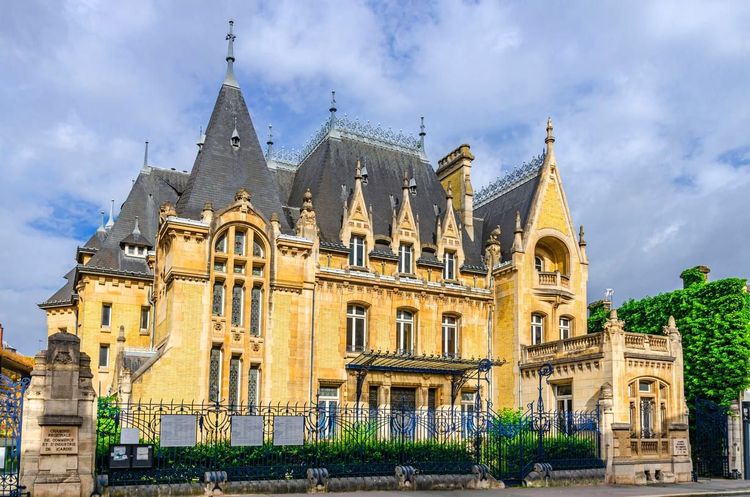
Hard to miss, this early-20th-century mansion was commissioned by a wealthy young couple who had just settled in town. Its outside keeps a Gothic touch, but inside it unfolds in pure Art Nouveau: floral and animal motifs, at the lady of the house's own request. Spared by the bombs of both wars, the building went on to house a tax office, then a natural history museum, then a chamber of commerce; recently bought, it should soon reopen as a hotel-restaurant.
Free to see from outside
4 - Maison Jules Verne
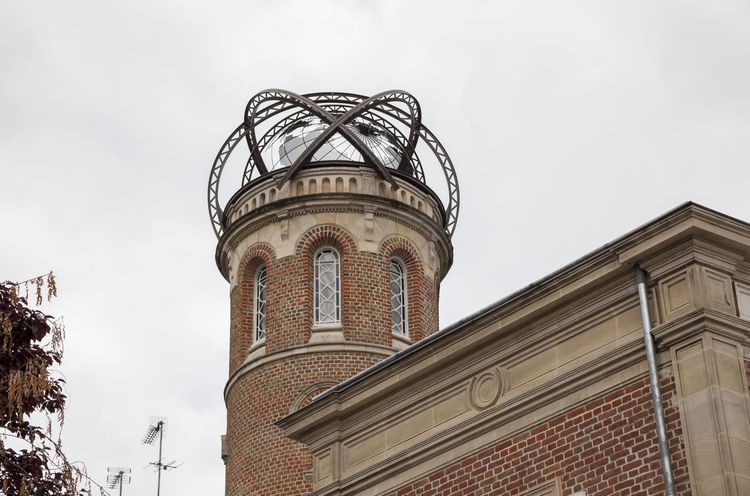
Born in Nantes, this writer moved to Amiens to follow his wife, who came from the region, and lived in this brick house from 1882 until his death in 1905. Author of some sixty adventure novels and plays, he now ranks among the most translated writers in the world. Turned into a museum, the house keeps several hundred personal objects and period furniture that plunge visitors back into the setting where his most famous stories were born.
Paid entry (about €9)
5 - View over the Perret Tower
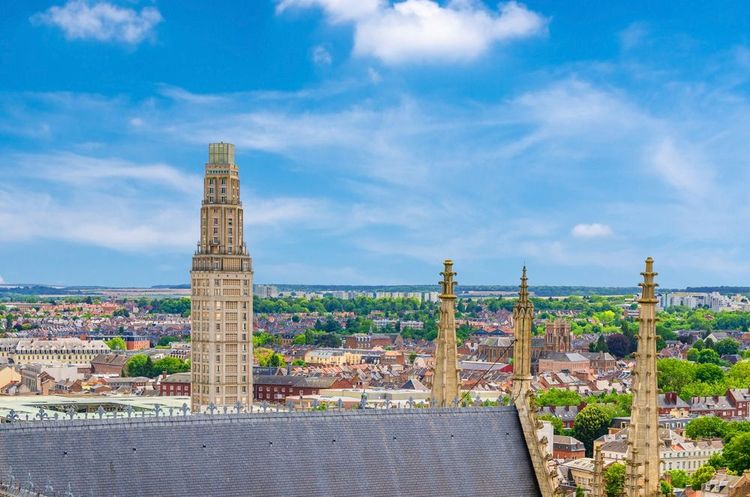
From here, you can clearly make out the tower's three stacked volumes next door, square, then polygonal, then square again, crowned by a glass cube lit up after dark. Planned from the very start, this cube was only built decades later, for lack of budget at the time, by an architect who faithfully followed the original idea. Purely decorative, its lighting strengthens the symbolic weight of this post-war landmark and its modern silhouette, visible from far across the city.
Free entry
Everything you need to know about the view over the Perret Tower
6 - Cirque Jules Verne
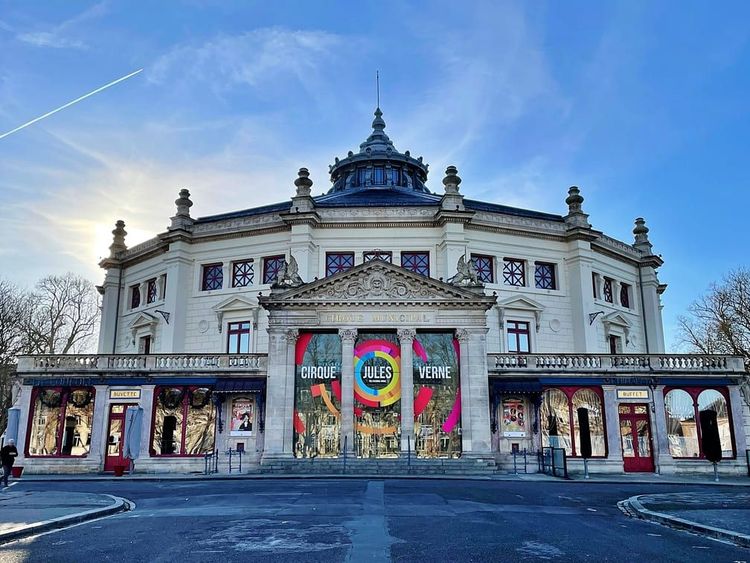
This round building is one of the last traditional circuses still standing on the continent, a type built in the 19th century to replace travelling big tops. Opened in 1889 by a famous local resident, who came to give a speech as a city councillor, it owes its current name to that very presence. Threatened with demolition more than once and hit by bombing, it has survived the decades and still hosts, on its red velvet seats, equestrian shows and a street arts festival every summer.
Free to see from outside
7 - Musée de Picardie
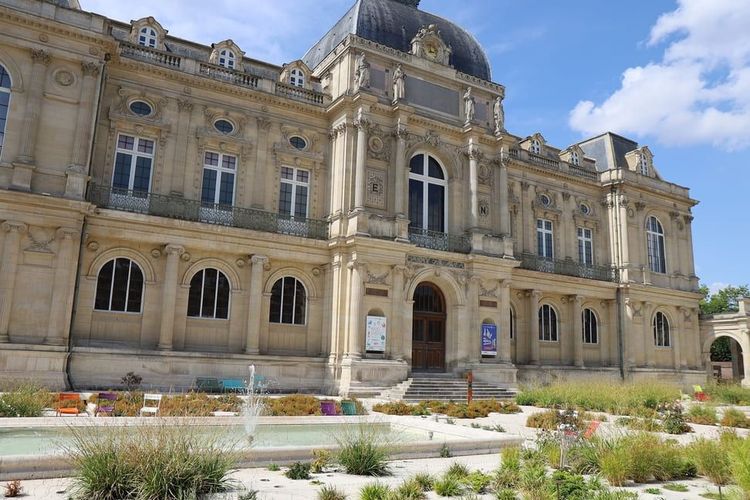
Opened in the late 19th century, this museum occupies a building designed from the start to hold works of art, a rarity in France at the time, partly modelled on the Louvre. Its carefully crafted neoclassical architecture is already worth admiring before you even step inside. Within, the collections span several millennia, from prehistory to the last century, tracing through room after room the city's history and the daily life of its people over the ages.
Paid entry (about €9)
8 - Saint-Rémi Church
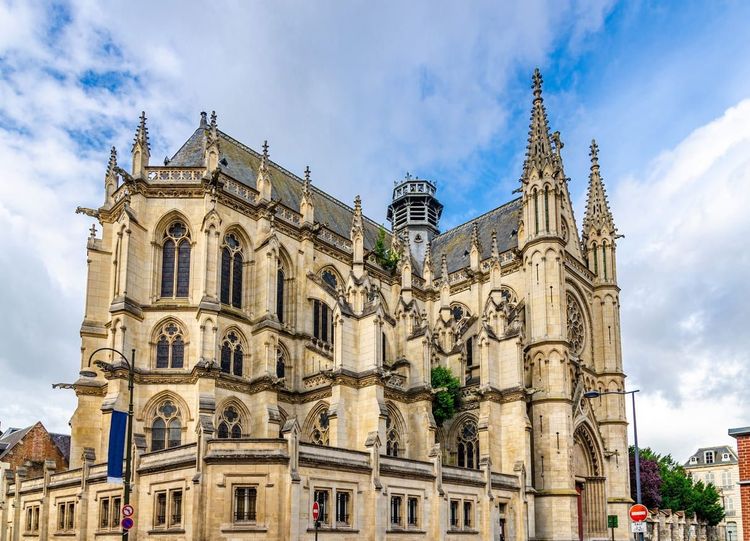
This neighbourhood church takes its name from a bishop of Reims remembered for baptising the king of the Franks, a founding act in the Christianisation of the kingdom, at the turn of the 5th and 6th centuries. Many churches across France bear his name in tribute to this revered saint. Here, far from the grandeur of the nearby cathedral, the building more modestly reflects parish life and the devotion of residents over the generations, keeping worthwhile religious furnishings inside.
Free entry
9 - Amiens'City Hall

The U-shaped town hall seen today dates mostly from the 19th century and was restored after the bombing of the following one. The city has governed itself since the Middle Ages, when it broke free of feudal rule. A first town hall rose here, on the site of a Gallo-Roman amphitheatre, later replaced by today's central section, before wings were added to enlarge the building. The square around it remains a place for markets and gatherings.
Free entry
10 - Rue des Trois Cailloux
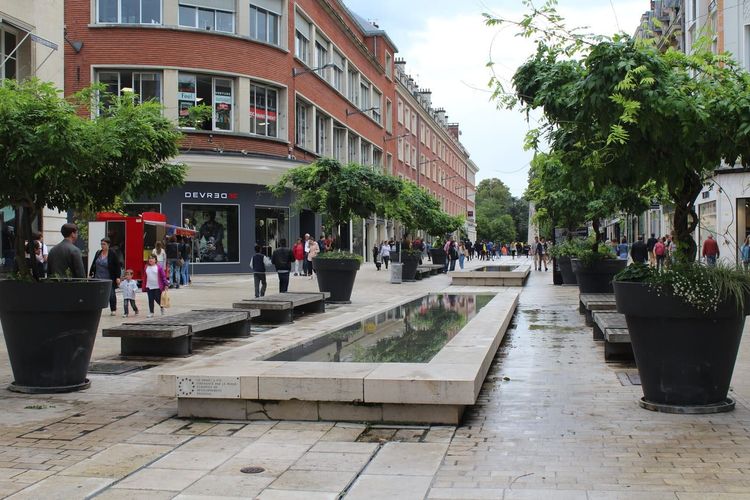
The main shopping street of the centre, this road is thought to go back to the 1400s, when part of the city walls came down. Its name remains disputed: some trace it to a house already known by it, others to three brothers who once lived here. Beneath the paving lie the remains of a two-thousand-year-old Gallo-Roman amphitheatre, visible through two glass shafts set into the nearby square: you are walking on the ancient forum of a city once named for its bridge over the river.
Free entry
11 - Art Deco in Amiens
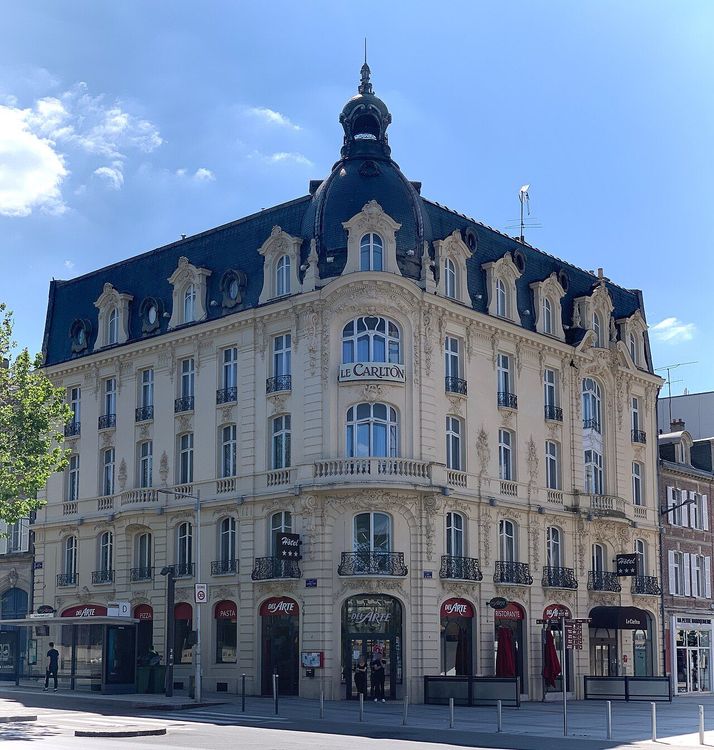
The First World War left deep scars on this area, rebuilt in the 1920s and 1930s in a style then on the rise: geometric, restrained lines, breaking with the floral curves of the previous movement. A former car repair garage nearby, built in the late 1920s, illustrates this new look well. Alongside the tower nearby, Amiens thus holds a notable set of façades from that era, revealed to anyone who looks up while strolling through the centre.
Free entry
12 - Logis du Roi

Before standing empty for two centuries, this early-16th-century building hosted a few notable guests, including a future king still a child and his father's all-powerful minister. Saved from ruin by a heritage listing and later restored after further war damage, it still shows off its polygonal tower and trademark brickwork. Close by, a Renaissance façade carved with two archers is not original either: taken down stone by stone elsewhere, it was rebuilt here after the war.
Free to see from outside
13 - Dewailly Clock
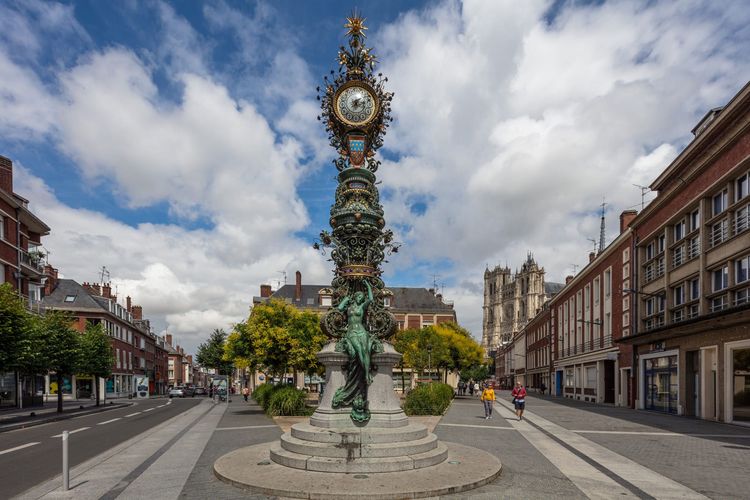
Now here is a monument with a rather odd silhouette. Decided in the late 19th century by a mayor keen that residents should no longer miss their trains, the clock was designed by the same architect who also drew up the city's circus. It is crowned with a half-undressed female statue, fondly nicknamed by locals with a name that stuck. Only this statue survived the bombing that destroyed the rest, having been moved to safety in time; the whole was later rebuilt exactly as it was.
Free entry
14 - Cathédrale Notre-Dame

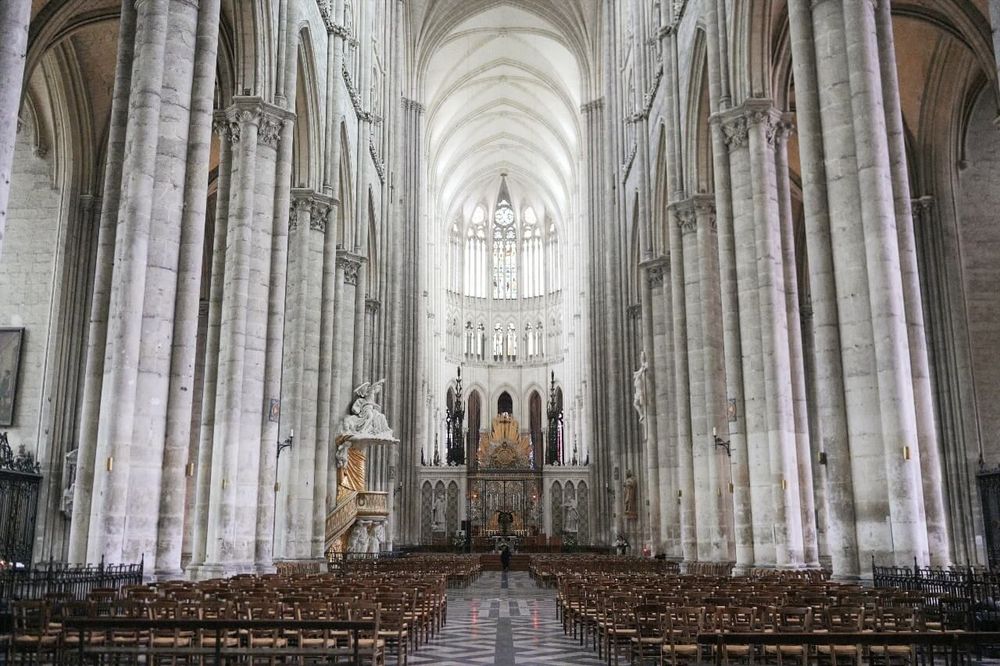
Nothing prepares you for the sheer scale of this building: its inner volume could hold Notre-Dame of Paris twice over, making it the largest Gothic cathedral in the country. Built in a few decades in the 13th century by a handful of master builders working in succession, it gained a remarkable unity of style, rare for a project this vast. Its carved façade told the Scriptures in bright colours to worshippers who could not read. Inside, a floor labyrinth and a tiny, world-famous sculpture are worth seeking out.
Free entry · Best in the evening
15 - Beffroi

Standing 52 metres tall, this tower belongs to a family of landmarks typical of northern France and Belgium, raised in the Middle Ages to assert the independence newly won by towns from their lords. Rebuilt several times after fires since it was first put up in the 12th century, it has served many purposes over time: meeting hall for town elders, archive store, armoury, then prison, whose underground cells still bear inmates' graffiti. Listed by Unesco, it remains deeply symbolic for locals.
Free to see from outside
16 - Saint-Germain Church in Amiens
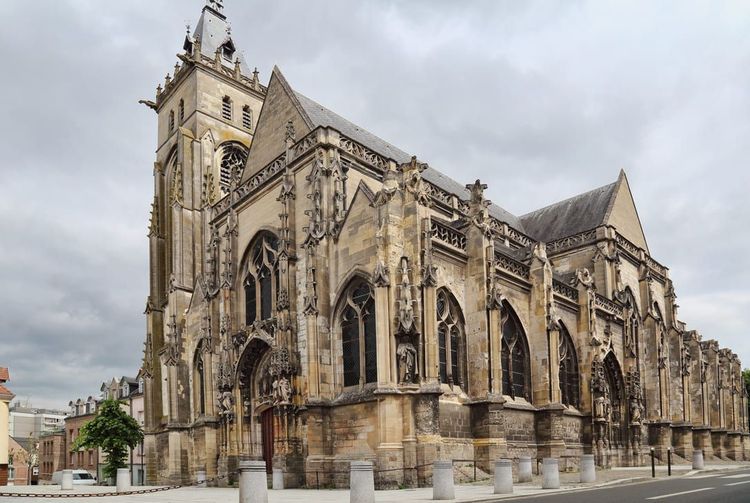
The second most venerable church in the city, this building went up in the 15th century in a Flamboyant Gothic style with particularly delicate ornamentation. Its quirk lies in its bell tower, visibly tilted to the north, which earned it a flattering comparison with a famous Italian tower. Turned into a slaughterhouse during the Revolution before being restored, it now hosts only cultural events, exhibitions and classical music concerts, far removed from its original purpose.
Free entry
17 - Saint-Leu District

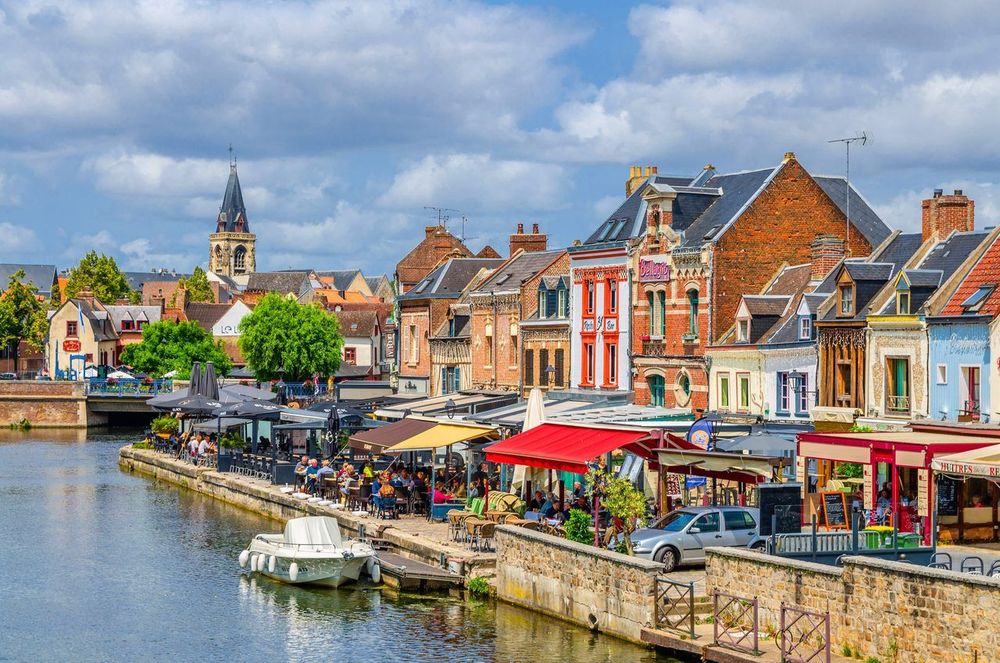
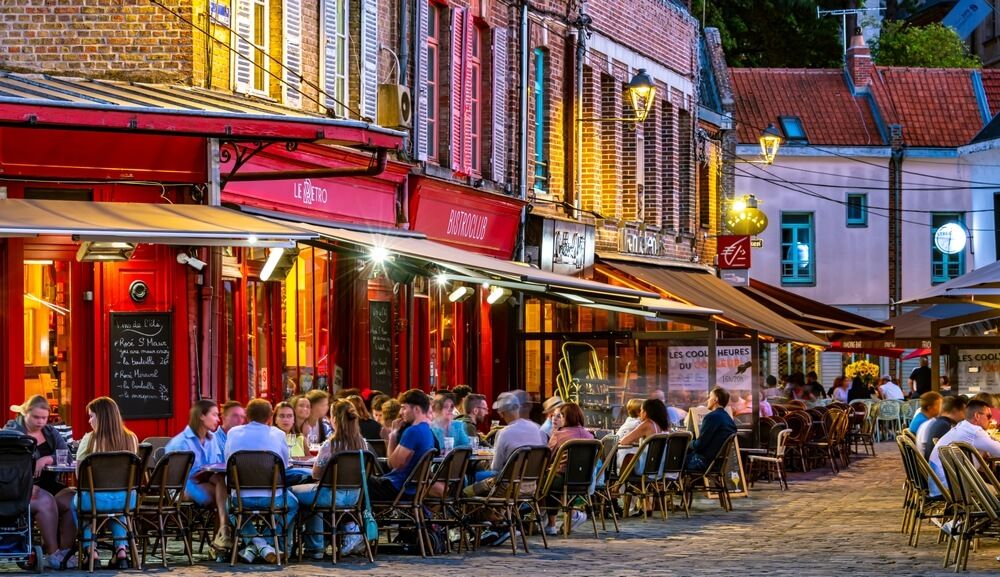
This district was born for the weavers, dyers and tanners who worked thanks to the water and some twenty mills nearby, long ago. It has kept all its charm, with its low timber-framed houses lined up along the canals. A king of France is said to have given it the nickname Venice of the North, so much do boats drifting under footbridges recall the Italian city. Now one of the most sought-after spots after dark, it blends old-world charm with lively nightlife, among bars and restaurants.
Free entry · Best in the evening
18 - Saint-Leu Church
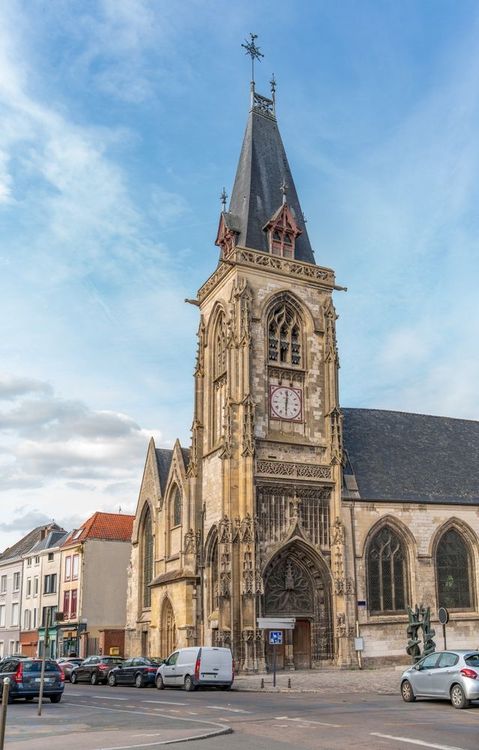
The second-oldest church in the city, this building was put up in the mid-15th century on the site of an older sanctuary, likely destroyed shortly before. Its bell tower would not be finished until the following century. Tragedy struck the building one Easter day, when its spire collapsed in a violent storm, bringing the roof down on worshippers gathered inside. Restored over the centuries, the sanctuary still shows off handsome Flamboyant Gothic features and a richly decorated interior.
Free entry
19 - Place du Don
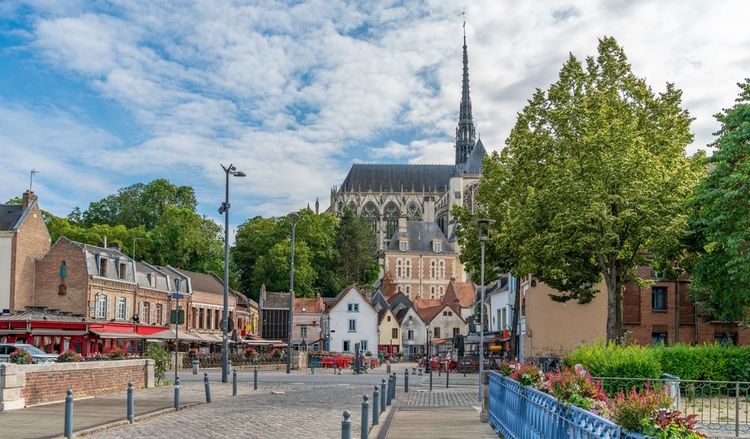
A lively square between dance bars and restaurants, it also offers a clear view of the cathedral's spire, which rises over 100 metres. That spire is not the original one, though, destroyed by fire in the 16th century after a violent storm, then replaced the following year with an oak and lead structure carved with figures, gargoyles and chimeras. On the nearby façades, two statues by a German sculptor face each other, joined by a third one standing in the water behind the square.
Free entry · Best in the evening
20 - Dodane street
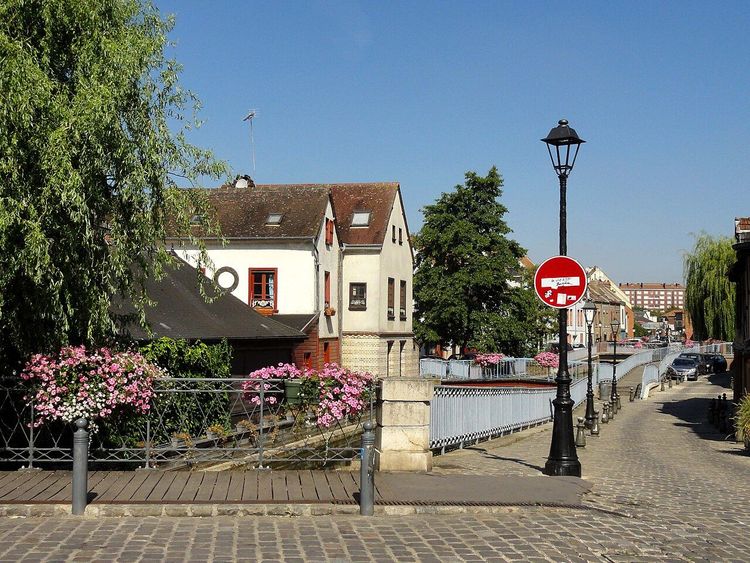
Here you overlook the river that gave its name to the whole valley and which, in Roman times, bore a name meaning tranquil river. This lively lane once gathered workshops and stalls, helped by the river's many branches, which let the textile trade spread from the Middle Ages onward. The river reaches the English Channel some sixty kilometres further on. From here, the view already opens onto the lively quay running along the water a little further ahead.
Free entry
21 - Quai Bélu
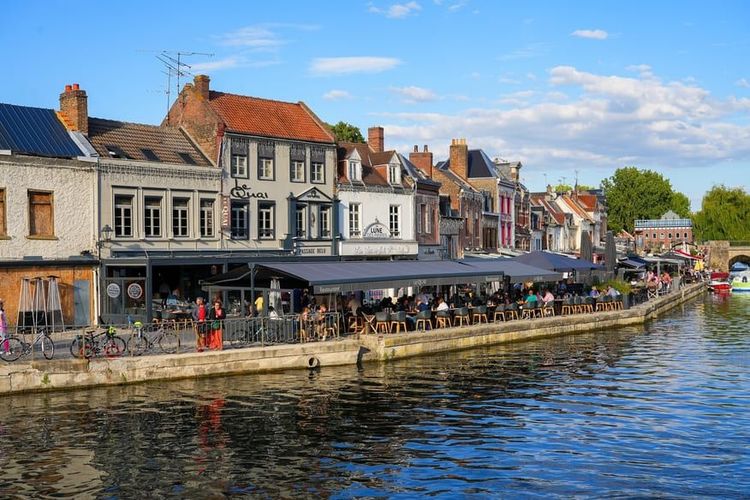
With its row of bars and restaurants by the water, this quay is the liveliest spot in the district. The 1980s gave it its present shape, through a redevelopment that cleared out the rundown housing marking the whole area until then. Across the river, a producers' market sets up every week, turning once a year into a floating market where dozens of traditional boats drift by, loaded with flowers and fresh produce.
Free entry · Best in the evening
22 - Saint-Pierre Park

Between two districts in the north of the city stretches this green space of about twenty hectares, laid out in the late 20th century along environmentally friendly lines. Ducks and swans, settled here since it opened, are a common sight around a pond perfect for picnics and strolls away from city bustle. Crossing this thoroughly modern park also rewards you, if you look up, with lovely views of the cathedral and of the tower that dominates the station district.
Free entry
23 - Chemin de Halage -Towpath
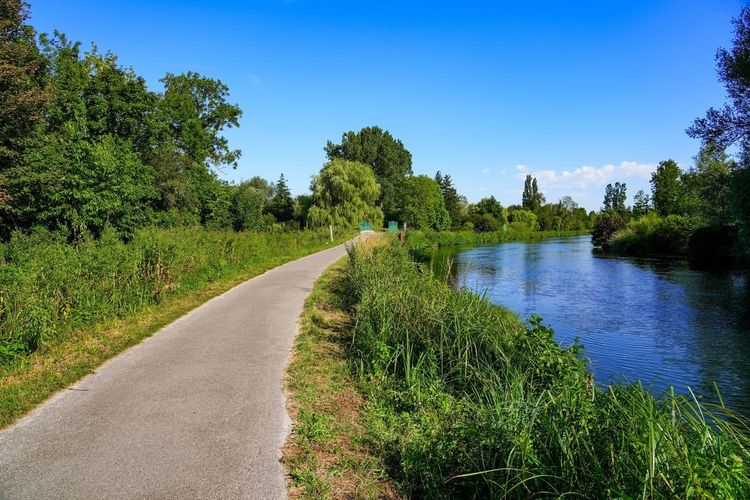
This path, starting not far from the nearby park, follows the river and the floating gardens for several kilometres. Its name recalls an old practice: horses or donkeys were once harnessed here to tow boats without an engine or a favourable wind. Long since obsolete, that role has given way to a simple walking trail, passing under the various bridges spanning the river. It makes for a peaceful stroll, away from the bustle of the centre.
Free entry
24 - The Floating Gardens of Amiens (Hortillonages)
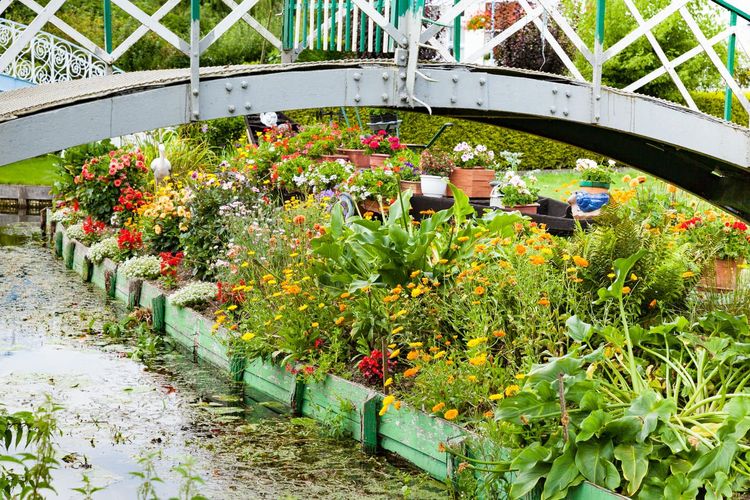
A feature unique in France, this cluster of floating gardens takes its name from a local word meaning little garden. Shaped from the Middle Ages onward out of former marshland to allow market gardening right in the city, the gardens once covered a considerable area, supporting close to a thousand residents. Today, only a handful of growers still farm a fraction of that original expanse. The site remains a valuable reminder of this old form of farming, and a boat trip is still the best way to see it.
Paid entry
25 - Church of the Sacred Heart
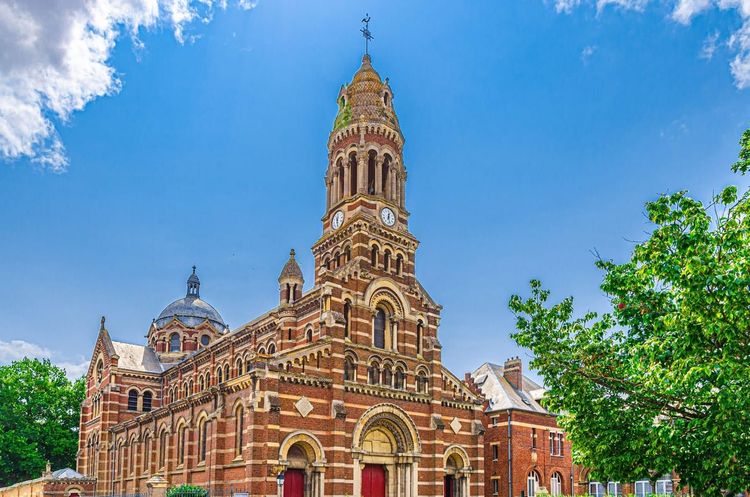
The arrival of the railway cut this district off from the rest of the city, making a new place of worship necessary for its residents. Meant at first to be a simple chapel, it grew thanks to generous donors into a Romanesque-Byzantine sanctuary designed by a local architect. Inside, you can admire a mid-20th-century stained-glass window, statues by the same sculptor behind the clock downtown, and wooden vaults covered in painted decoration, all set within red and white brickwork.
Free entry
Everything you need to know about the Church of the Sacred Heart
26 - The Amiénoises
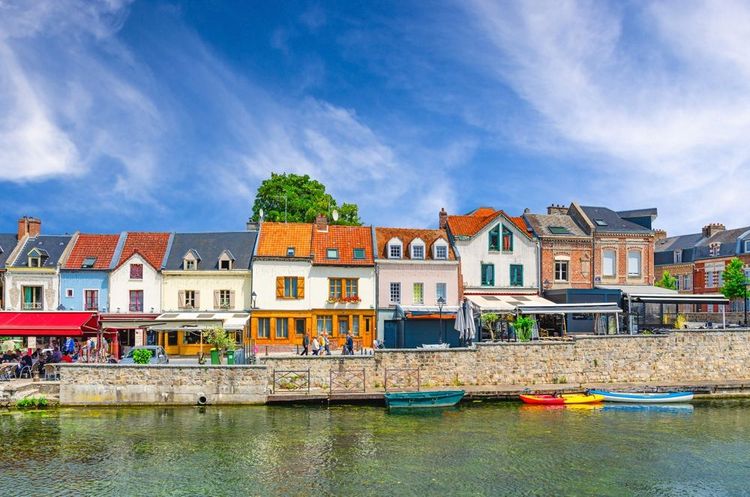
Known simply as the Amiénoises, these terraced houses of red brick, tile and wrought iron mostly date from the industrial revolution, built to house workers and employees of local factories. Modest, a single storey high and pierced by one or two windows, they look alike at first glance, yet no two are truly identical: a single detail on a façade could once reveal its owner's social standing. Well preserved, these houses now rank among the city's most endearing charms, especially in this district, home to the finest examples.
Free entry
What to do in Amiens in 2 or 3 days?
One day is enough to cover the historic heart of Amiens with this tour: 6.3 km and 26 sights in about 2.5 hours, from the station district to the cathedral and the canals of Saint-Leu. With 2 or 3 days ahead of you, the city rewards a slower pace, museums included.
The next day, step inside the two museums the tour only shows from outside: the house of Jules Verne, with its reconstructed study, then the Musée de Picardie and its archaeology collections. In the afternoon, head up to the citadel redesigned by architect Renzo Piano, where you can walk freely along the ramparts, before reaching the Madeleine cemetery, where the writer is buried.
On the third day, take a boat trip through the floating gardens, which the tour only skirts on foot. Our guide to visiting Amiens in 3 days sets out how these days fit together, with tips on where to stay and how to get there without a car.
Which neighbourhoods does the tour cross?
As a loop, the tour links the districts that shaped Amiens over more than a century, from the modern station area to medieval streets built on the water.
It starts in the station district, rebuilt after the war around the Perret Tower and René-Goblet square, passes the Bouctot-Vagniez mansion and the house of Jules Verne, then reaches the Cirque Jules-Verne (stops 1 to 6).
It then crosses the historic centre, from the Musée de Picardie and Saint-Rémi church to the city hall square and Rue des Trois-Cailloux, before passing a 1929 Art Deco garage, the Logis du Roi, the Dewailly clock, the cathedral, the belfry and Saint-Germain church (stops 7 to 16).
The final stretch drops into Saint-Leu, the Little Venice of the North, from Place du Don to Quai Bélu, before running along Saint-Pierre park, the towpath and the floating gardens, then returning through the Vallée district to the Amiénoises houses (stops 17 to 26).
How much does it cost to visit Amiens?
Of the 26 stops on the tour, 23 require no ticket at all, including 5 seen only from the street: the Perret Tower, the Bouctot-Vagniez mansion, the Cirque Jules-Verne, the Logis du Roi and the belfry.
The house of Jules Verne and the Musée de Picardie cost €9 each. The boat trip through the floating gardens is paid at the Maison des Hortillonnages, whose rates are no longer published online; the banks remain freely accessible on foot.
Information checked in November 2026 and subject to change.
Where to stop for a bite along the tour?
For lunch or dinner by the water, the tour passes Quai Bélu (stop 21), lined with bars and restaurants facing the Saint-Leu canals, just after Place du Don, also well stocked with tables and terraces. The classics worth tasting are gathered in our pick of Amiens' culinary specialities.
Sit down for a ficelle picarde, a pancake filled with mushrooms and ham, topped with cream and baked, or for a duck pâté in pastry. For something sweet, try the macaron d'Amiens, firm and almond-scented, chocolate tuiles or gâteau battu, a brioche baked in the shape of a chef's hat.
What to do in Amiens with children?
With children, the cathedral offers a first free game: follow the medieval labyrinth, laid out in black and white on the floor of the nave, all the way to its centre. In the evening, in summer and during the Christmas market, the Chroma show gives the façade back its original colours, free and without booking.
The floating gardens also make a family outing, by boat with a boatman who tells the story of the site: seat the youngest between two adults. Amiens zoo, tucked into the Parc de la Hotoie, rounds out the day nicely; our guide to what to do in Amiens and its surroundings lists other outing ideas.
What should you know before visiting Amiens?
Amiens can be visited all year round, but its temperate oceanic climate makes June to September the kinder months for wandering between the cathedral and the floating gardens, with mild summers around 22 °C. Winters, cooler and sometimes damp, tend to stay between 1 °C and 7 °C.
The house of Jules Verne is closed on Tuesdays, so avoid that day if you plan to go inside. At the cathedral, the nave is free to visit, but the towers and treasury open only on guided tours, at times that vary; ask the tourist office.
What to see around Amiens?
Amiens is a good base for venturing further, between the Picardy countryside, First World War memories and the Channel coast.
Around the city, our guide to activities in Amiens and its surroundings leads to the Naours catacombs, dug into the chalk, the memorials dotting the battlefields and the flower village of Gerberoy, covered in roses every summer.
Several nearby towns also have their own audio-guided tour, starting with Compiègne, 65 km away, an imperial city with exceptional gardens, then Le Touquet, 86 km away, with its wide beaches and dunes, and Dieppe, 88 km away, a historic port backed by white chalk cliffs.
What's on in Amiens right now?
At this time of year, Amiens comes alive around one eagerly awaited event.
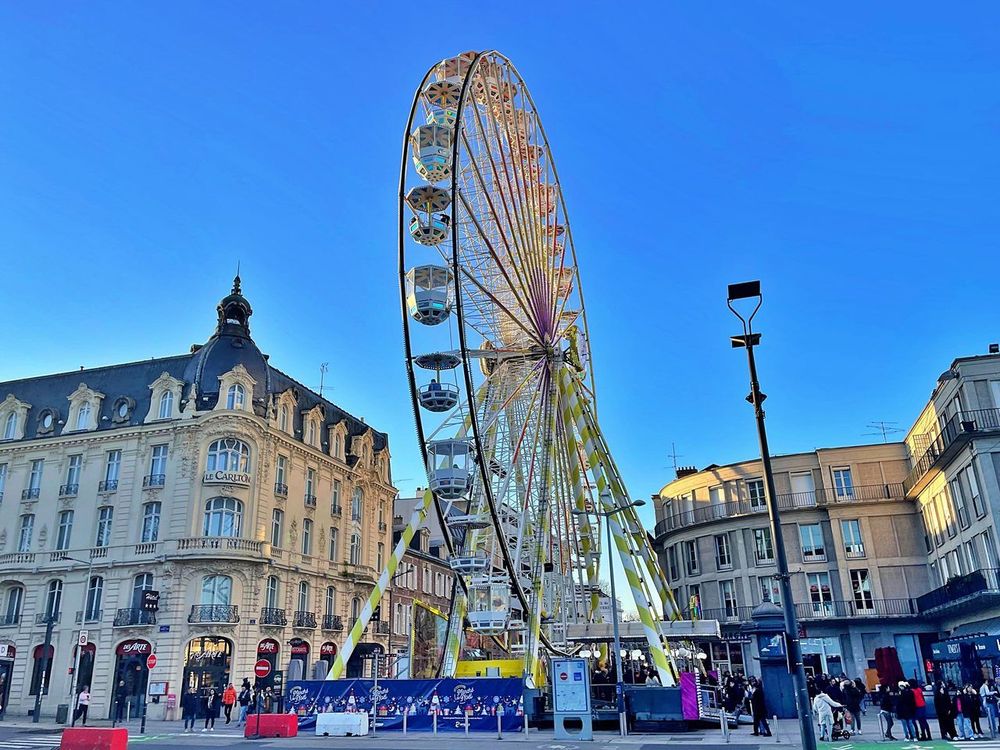
From 20 November to 30 December, the Christmas market, one of the biggest in northern France, sets up its chalets in the city centre; it is also when the Chroma show lights up the cathedral façade every evening. For other dates worth noting, see our pick of events in Amiens.
Information checked in November 2026 and subject to change.
Le plein d'inspirations
Explorez le monde en totale liberté, à pied au cœur des villes ou au fil des routes. Nos guides audios transforment chaque destination en une découverte culturelle immersive et unique.










FAQ for visiting Amiens
When is the best time to visit Amiens?
The ideal time to discover Amiens runs from June to September, when the temperate oceanic climate offers mild temperatures around 22°C. These sunny months are perfect for strolling through the lanes of the Saint-Leu district, cruising along the canals of the Hortillonnages or admiring the Notre-Dame Cathedral at its finest. Summer evenings also allow you to attend the light show projected onto the cathedral's façade in optimal conditions. December is a charming alternative with its renowned Christmas market, one of the largest in northern France, even though the weather is cooler and damper.
How many days do you need to visit Amiens?
Two days are generally enough to appreciate the essentials of Amiens and its unique atmosphere. A first day will let you explore the historic centre with the Notre-Dame Cathedral, the medieval Saint-Leu district and its picturesque canals, as well as Jules Verne's house. The second day will be ideal for discovering the Hortillonnages by boat, visiting the Musée de Picardie and enjoying the landscaped banks of the Somme. If you wish to deepen your discovery with the local markets and take the time to savour Picardy cuisine, three days will offer you a more relaxed pace. The Ryo audioguide accompanies you in this exploration with itineraries designed to optimise your time.
How do you get to Amiens from Paris?
The train remains the most convenient way to reach Amiens from Paris. Direct trains depart regularly from Gare du Nord and drop you at Amiens station in about one hour and a quarter. The frequency is generally good throughout the day. By car, allow about two hours via the A1 motorway then the A29, depending on traffic. Bus lines also exist, offering often more economical fares but with longer journey times, generally between two and three hours. Once in Amiens, the city centre is easily accessible on foot from the station, located a few minutes' walk from the cathedral.
What can you see for free in Amiens?
Amiens offers many free discoveries that reveal its authentic character. The Notre-Dame Cathedral, a Gothic gem listed as a World Heritage Site, can be admired freely and impresses with its dizzying dimensions. The Saint-Leu district, nicknamed the little Venice of the North, invites you to stroll along its canals lined with colourful houses. The landscaped banks of the Somme make for a soothing walk, while the Parc Saint-Pierre offers a haven of greenery in the heart of the city. The traditional markets, notably the Saturday one on Place Parmentier, let you soak up the local atmosphere. The Ryo audioguide enriches these free discoveries with historical commentary and captivating anecdotes about each place.
How do you visit the Hortillonnages of Amiens?
The Hortillonnages, unique floating gardens, are discovered mainly by cornet boat with a local guide who tells you the story of these centuries-old market-gardening plots. Departures generally take place from the towpath, and the tours last about an hour. The opening period usually runs from April to October, with reservations recommended in high season. For a different approach, walking trails allow you to explore certain parts from dry land, particularly along the towpath. The annual Hortillonnages festival, often in June, offers artistic installations in the heart of this aquatic landscape. Prices vary according to the option chosen and the season.
Where can you park in Amiens?
Parking in Amiens is made easier by several well-located car parks. The underground car park at Les Halles, right in the city centre, remains the most convenient for quickly reaching the cathedral and the Saint-Leu district. The Perret car park, close to the station, is perfectly suited to visitors arriving from that area. For generally more advantageous rates, the park-and-ride facilities on the outskirts offer economical solutions with shuttles to the centre. On-street parking is possible but often limited in duration and chargeable during the day in the inner city. Sundays and public holidays usually offer free parking in many zones. Remember to check the specific conditions according to your visit period.
What are the culinary specialities of Amiens?
Amiens cuisine reflects Picardy's generosity with authentic and comforting dishes. The ficelle picarde, a gratinated crêpe filled with ham, mushrooms and cream, is the region's emblematic starter. The Amiens duck pâté, protected by a golden crust, delights lovers of fine charcuterie. The Amiens macarons, made for several centuries from almonds, honey and egg whites, offer a typical sweet treat. The leek flamiche, a savoury pie, pairs perfectly with winter meals. Do not forget to taste the vegetables from the Hortillonnages, grown using traditional methods, which bring freshness and flavour to local tables.
What can you do in Amiens as a family with children?
Amiens offers many activities suited to families that will delight young and old. The boat trip through the Hortillonnages generally fascinates children with its adventurous side and the discovery of local wildlife. Amiens Zoo, set in a leafy setting, lets you observe various species in natural spaces. Jules Verne's house captivates young readers with its period décor and the writer's fantastical universe. The Parc Saint-Pierre offers play areas and green spaces to relax. The evening light shows on the cathedral amaze the whole family. The Ryo audioguide offers routes adapted with playful commentary that holds the attention of the youngest while exploring the city.
What are the must-see sights in Amiens?
Notre-Dame cathedral, the largest in France by volume, towers over the town and is worth seeing as much for its carved portals as for its soaring vaults. At its foot, the Saint-Leu district lines up its colourful houses along the canals, with terraces and a floating market. The house of Jules Verne, where the writer spent much of his life, adds a literary chapter to the visit, while the belfry, the Perret tower and the Musée de Picardie round out an architectural panorama running from the Middle Ages to the twentieth century. The Ryo audio guide offers a route dedicated to Amiens that links these stops and tells the story of the city as you stroll.
Why is Amiens cathedral so remarkable?
Begun in the thirteenth century, it was built in a remarkably short time for the period, which gives it a stylistic unity that is rare in Gothic architecture. Its dimensions are striking: the nave reaches a height that places it among the largest Gothic interiors in Europe, and its inner volume exceeds that of the other French cathedrals. The façade, covered with statues, once served as a picture book for worshippers, and research has shown that it was originally painted in bright colours, brought back to life on some evenings by a light show. The floor labyrinth, the carved choir screens and the weeping angel are among the details visitors look for most. Listed as World Heritage, it can be visited freely.
What can you do in Amiens and the surrounding area, from Saint-Leu to the Bay of the Somme?
Notre-Dame Cathedral, a UNESCO World Heritage Site since 1981, is the largest Gothic cathedral in France, and entry is free. Nearby, the hortillonnages spread 300 hectares of floating gardens to explore by boat. Then stroll along the canals of Saint-Leu, climb the belfry for the view, and visit the Musée de Picardie or the Jules Verne House.
Beyond the city, the Bay of the Somme, less than an hour away, is home to a seal colony, while the Naours catacombs, the First World War memorials, Gerberoy and Parc Astérix round off the day trips.
Plan your stay with our complete guide to activities in and around Amiens and our ideas for things to do in and around Amiens.
Which events should you not miss in Amiens throughout the year?
From late November to 31 December, the Christmas market, billed as the largest in northern France, sets up its red chalets on Rue des Trois-Cailloux, complete with a big wheel and Father Christmas. After dark, from July to September and again in December, the free Chroma show projects light onto the cathedral facade.
In July and August, Un été à Amiens brings free activities to the Parc Saint-Pierre, with a giant zip line and areas for little ones. And on 21 June, the Fête de la Musique fills the Saint-Leu district and the city centre.
Find dates and tips in our selection of the best events in Amiens.
What is ficelle picarde, and which other dishes should you try in Amiens?
Created in 1955 by Marcel Lefebvre, ficelle picarde is a pancake filled with mushrooms cooked with shallots and white wine, rolled in ham, topped with cream and baked au gratin. Local butchers also make duck pâté en croûte, stuffed with meats, foie gras and apple compote, while the Bay of the Somme supplies oysters and moules marinières served with chips.
For something sweet, try the almond macaron d'Amiens, the toque-shaped gâteau battu, chocolate tuiles and beer pancakes, not forgetting cheeses such as rollot.
Discover all ten in our guide to the culinary specialities of Amiens.
How should you spread your visits over three days in Amiens?
Spend day one on foot: Notre-Dame Cathedral, with its Beau Dieu, its 1288 labyrinth and its carved choir stalls, then the belfry, the city centre rebuilt after 1940, the 104-metre Tour Perret and the canals of Saint-Leu. Day two is for museums and history, including the Jules Verne House and the cemetery where the writer rests beneath a striking statue.
Keep day three for a flat-bottomed boat trip through the hortillonnages, and consider an underground city dug by Picardy peasants or a rose-covered village nearby.
Follow our three-day itinerary for Amiens.
Vos commentaires, idées et suggestions
Aucun avis pour le moment