
Créé par Romane, le 17 nov. 2026
Votre guide Ryo
Le Touquet, France
The Pearl of the English Channel
Parcours audioguidé pour visiter Le Touquet-Paris-Plage en 1 jour
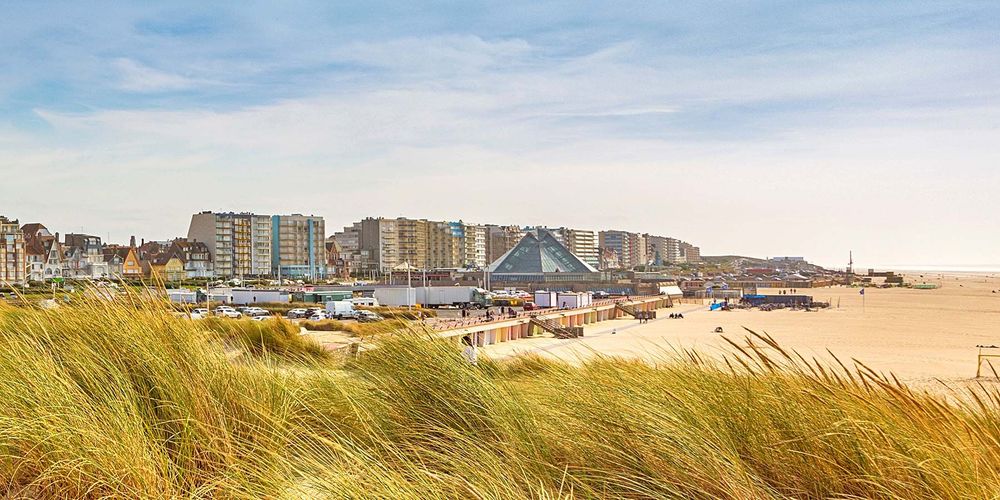
An elegant resort on the Opal Coast, Le Touquet-Paris-Plage charms with its wide beaches, dunes, and pine forests. With its Anglo-Norman villas, chic atmosphere, and wide range of activities, it embodies the seaside lifestyle of northern France.
Quand partir à Le Touquet-Paris-Plage ?
Jan.
6°
8
Feb.
6°
7
March
8°
8
April
10°
8
May
13°
9
June
16°
7
July
18°
6
Aug.
18°
7
Sept.
16°
8
Oct.
13°
9
Nov.
9°
10
Dec.
7°
9
The climate in Le Touquet-Paris-Plage is oceanic, with cool but rarely harsh winters, generally between 3 and 10°C, and mild summers, most often ranging from 18 to 23°C, with possible variations depending on sea winds; the best times to visit are typically from April to June and then from September to October, when temperatures are pleasant, the light is often beautiful along the Opal Coast, and visitor numbers are lower, allowing you to fully enjoy the beach, the dunes, and the resort’s elegant atmosphere.
Départ conseillé
We design our tours as loops so you can easily start your visit from the point closest to you, with the guidance adjusting automatically. If you’re nearby, we recommend an ideal starting point: in front of Sainte-Jeanne-d’Arc Church.
Parking à proximité
Paid parking spaces on Place Edouard VII
In Le Touquet, you’ll find several parking options. In the town centre, numerous paid spaces are available in the red zone (ultra-central) and green zone (wider centre), particularly around Sainte-Jeanne-d’Arc Church and the Jardin d’Ypres. For short stops, some streets offer the first hour free. If you’re staying longer, long-term car parks are available on the outskirts, such as those at the Base Nord or the equestrian centre. During the high season, a free shuttle connects these car parks to the town centre. Finally, apps like Flowbird or PayByPhone make it easy to manage your parking remotely.
Découvrez 18 lieux d'intérêt pour visiter Le Touquet-Paris-Plage






What to see in Le Touquet-Paris-Plage on your 1h30 tour?
This 3.6 km loop takes about 1 hour 30 minutes and links 16 stops across the heart of Le Touquet-Paris-Plage. From St. Joan of Arc Church, it passes the Ypres Garden and the residential villas, crosses the Convention Center and the grand hotels of the golden age, reaches the Canche Lighthouse and Saint-Jean Street, then the seafront to the covered market. With the Ryo app in your ears, every villa tells the chic story of the resort, at your own pace.
Information checked in November 2026 and subject to change.
1 - St. Joan of Arc Church and Le Touquet Town Hall
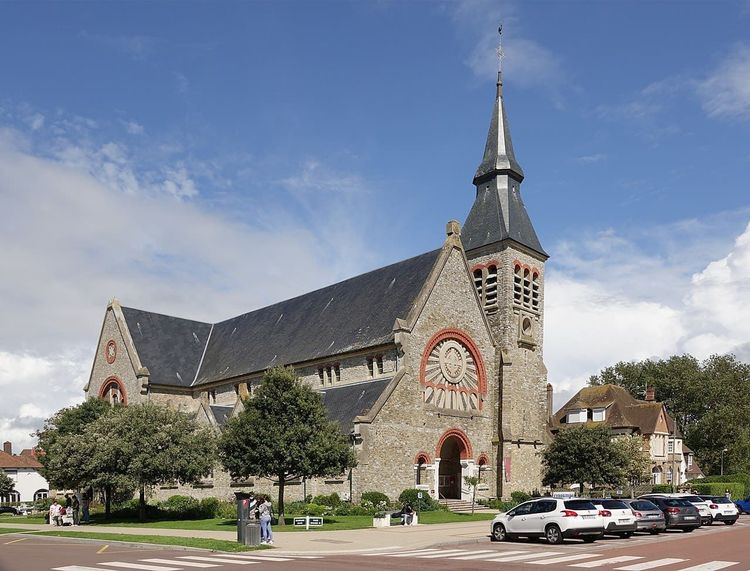
The third building raised on this spot, the current church was completed in 1960 by architect Pierre Bienaimé in a boldly modern style, with a Greek-cross plan and a slender spire. Remarkably, this was France's earliest sanctuary named after Joan of Arc, chosen in 1911, years before she was canonised, a tribute suggested by English donors seeking reconciliation. Just behind, the Anglo-Norman style town hall, opened in 1931, proudly asserts the chic, international image sought for the resort.
Free entry
2 - Ypres Garden
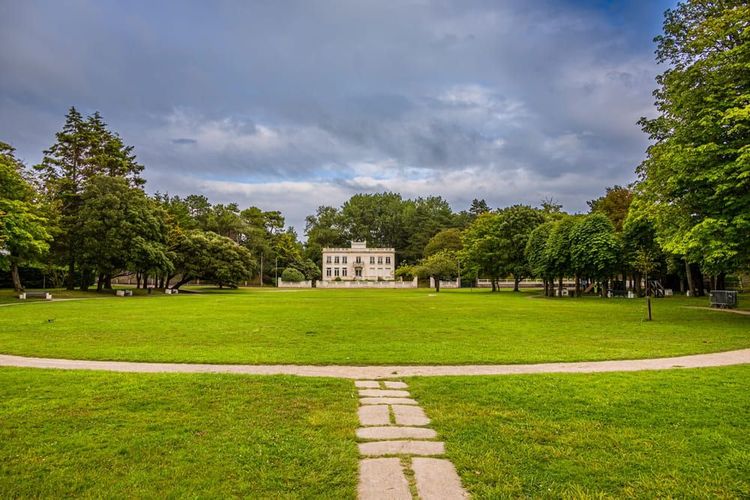
This small public garden takes its name from the Belgian town twinned with Le Touquet since 1920, in memory of British soldiers who fell during the First World War. A commemorative plaque recalls the bond between the two towns, in a peaceful setting far removed from the bustle of the seafront. The elegant villas surrounding it, with half-timbering and hipped roofs, add further charm to this quiet green pause.
Free entry
3 - The Little Castle
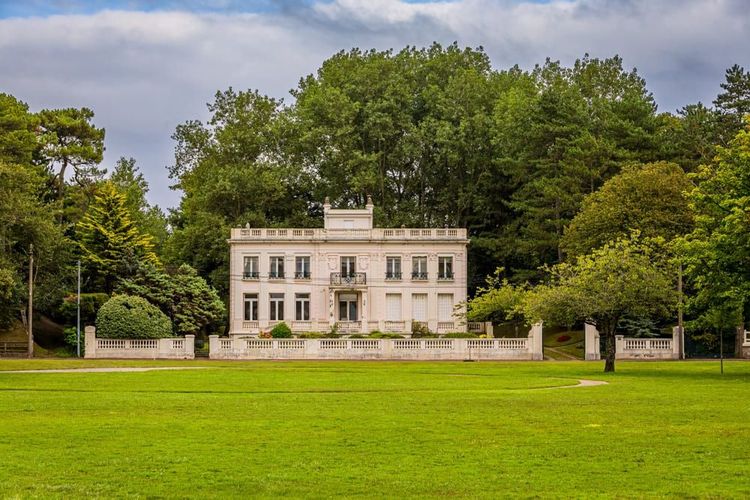
This comfortable Anglo-Norman style villa, built near Avenue de la Reine-Maïté early last century, once sheltered wealthy summer visitors drawn by the sea air. Its facades mix carved wood, fine slate and rounded bow windows, in a cosy style far removed from the grander seaside buildings nearby. Carefully crafted details and small balconies reflect a local craft tradition fed by British influence, now carefully preserved.
Free to see from outside
4 - Convention Center

Built in 1974 on the site of a building destroyed during the war, this clean-lined structure stands apart from the resort's traditional seaside style while now housing the tourist office and many cultural events. Right next door, the Casino occupies the former estate of Alphonse Daloz, the resort's founder, who first planted pines to anchor the dunes before Le Touquet's rise as a seaside town.
Free to see from outside
5 - Hermitage Hotel
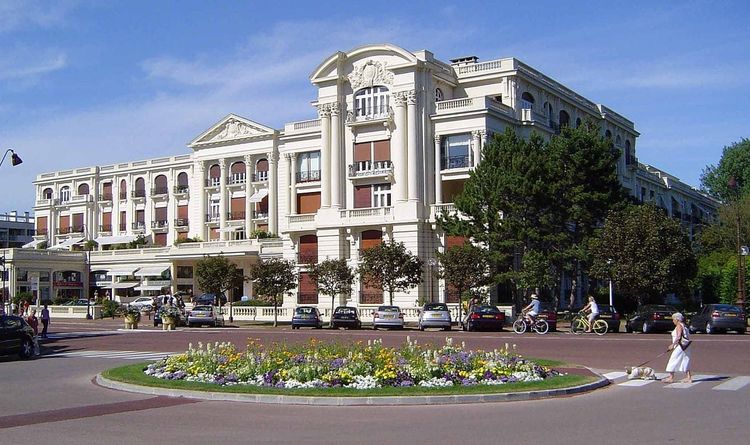
Built in 1904 by architect Henry Martinet, this grand hotel once welcomed wealthy guests drawn by the casino and sea air, before being extended a decade later to meet growing demand. Requisitioned as a military hospital as early as 1914 and partly destroyed during the Second World War, it waited until the late 1960s to be revived, this time converted into flats, without losing its original elegance.
Free to see from outside
6 - Statue of the Nude Woman
Standing without fanfare on the elegant Avenue du Verger, this white stone statue intrigues as much as it charms: no one knows for certain who carved it, though tradition dates it to the 1930s, a time when the resort nurtured bold artistic ambitions. Peaceful, almost meditative in its nudity, it has become a familiar sight for walkers passing the grand century-old villas and hotels nearby.
Free entry
7 - Serge Gainsbourg Bandstand
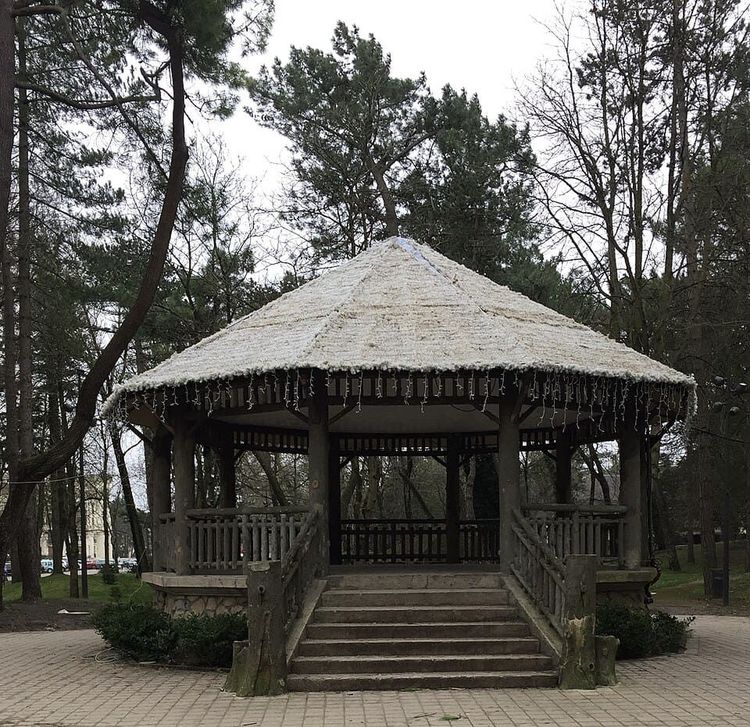
This bandstand, typical of early-century seaside resorts, bears the name of the artist who came here regularly to rest away from the bustle of Paris. Tucked inside the Parc des Pins, laid out in the late 19th century to protect the maritime pine forest covering the dunes, it still hosts free summer concerts amid box hedges, heather and quiet wildlife.
Free entry
8 - Westminster Hotel
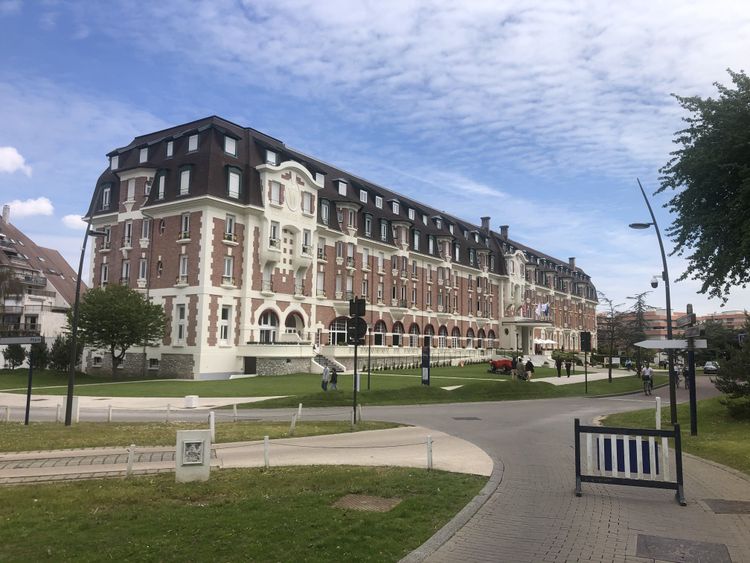
Opened in 1924 by architect Auguste Bluysen, this Art Deco palace with its red-brick facade takes its name from the London district, chosen to appeal to a loyal British clientele. Between the wars, the Prince of Wales, Marlene Dietrich and Edith Piaf all stayed here, the sole palace along this stretch of coast to carry five stars today. Fully renovated in 2020, it keeps its period chandeliers and quiet grandeur.
Free to see from outside
9 - Canche Lighthouse
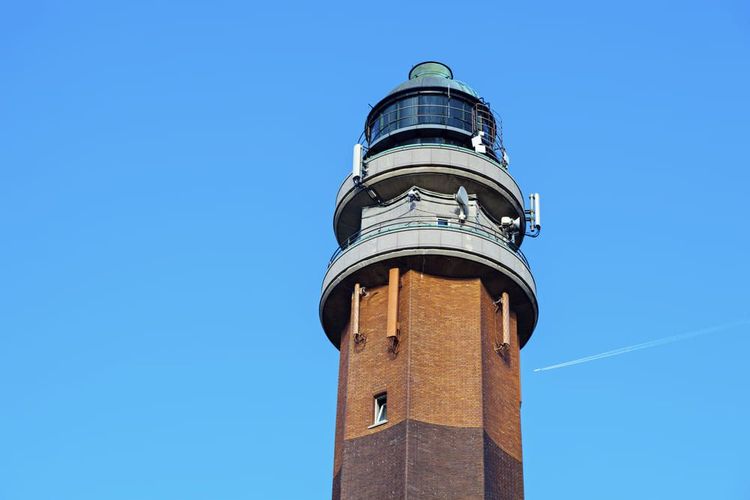
Standing 57 metres tall, this lighthouse has watched over the Canche estuary since 1951, replacing an earlier mid-19th-century structure destroyed during the war. Climbing its 274 steps rewards visitors with a panorama taking in dunes, forest, sea and rooftops, and on clear days even a glimpse of the English coast. A small museum now occupies the former keepers' quarters.
Free to see from outside
10 - Saint-Jean Street
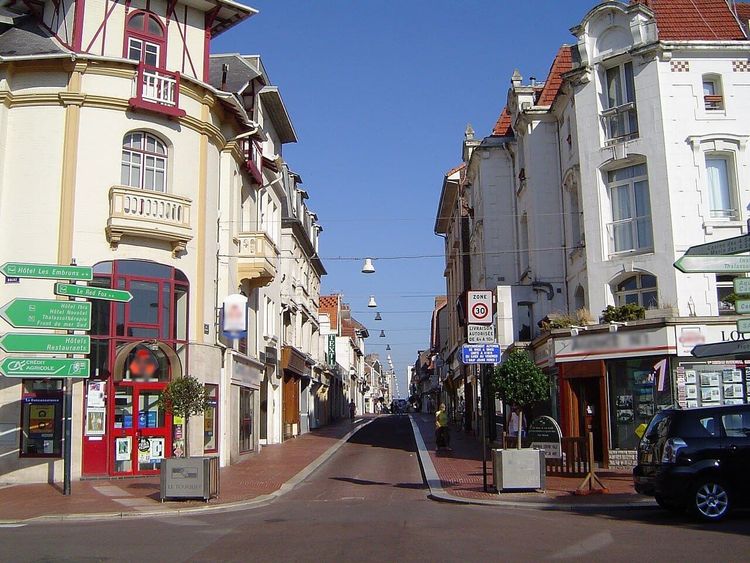
The resort's main street since the late 19th century, lined with Anglo-Norman villas and refined shops, became the glamorous heart of Le Touquet during the Roaring Twenties, reportedly walked by Edith Piaf and Winston Churchill. Today it holds the Village Suisse, a cluster of early-century wooden chalets, and Le Chat Bleu, a historic chocolatier dating back to the late 1920s, among boutiques, cafés and ice cream parlours.
Free entry · Best on weekdays
11 - Robert Lassus Square
This small public garden honours a local cartoonist and columnist who wrote with humour about resort life. Nearby, the Villa Fleur de Thé, designed in the early 2010s in keeping with the traditional seaside style, blends a fashion boutique on the ground floor with a residential feel upstairs. A bench, a few neatly trimmed topiaries: the spot cultivates, on a human scale, the attention to detail so dear to the town.
Free entry
12 - The Touquet Villas
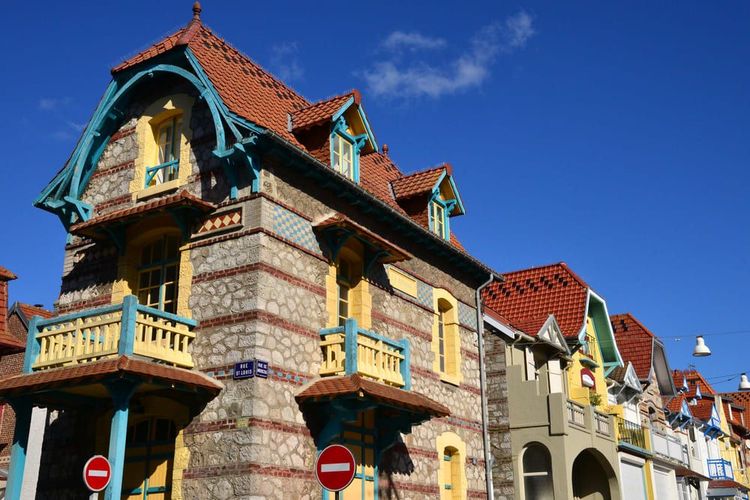
This is the name given to the resort's distinctive villas, blending English, Belgian and northern French influences: dark half-timbering, bow windows, turrets and red brick, mostly dating from the Belle Époque or the Roaring Twenties. More unusual still, they carry no number but a playful name on an enamel plaque, among them Sans Gêne or Ma P'tite Folie. Over a hundred of them are now officially protected.
Free to see from outside
13 - Centenary Square
Opened in 2012 to mark the town's hundredth anniversary, officially founded in 1912, this bright esplanade links several landmarks, including the nearby covered market. Its metal sculpture, a stylised Eiffel Tower, honours the dual heritage of Le Touquet-Paris-Plage, founded by a Parisian, Alphonse Daloz. Right beside it begins the Princes of Monaco seafront promenade, leading to the protected dune at the Pointe du Touquet.
Free entry
14 - The Beach Huts
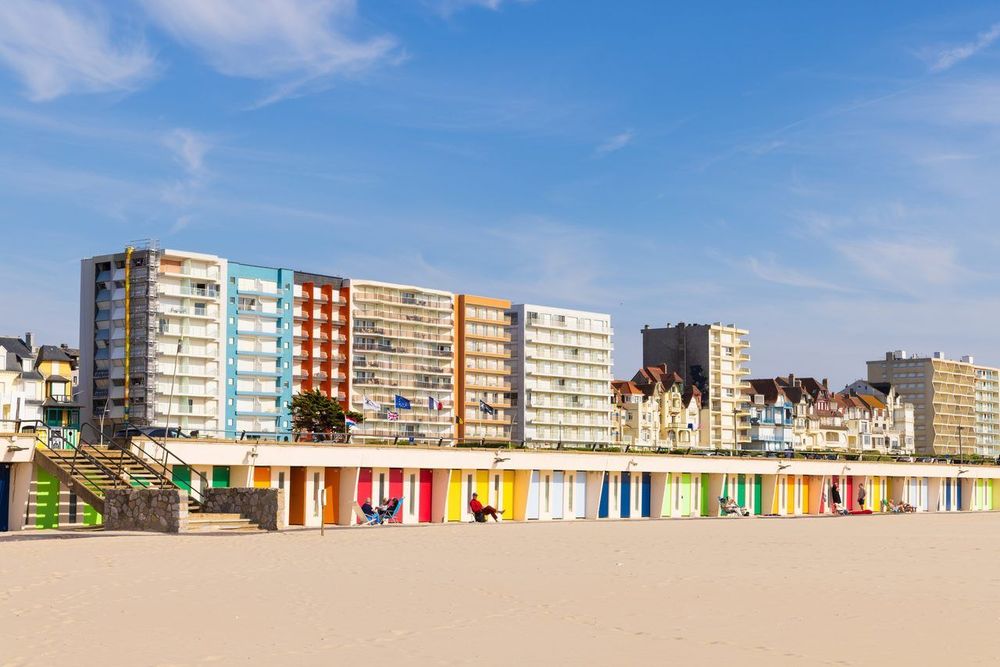
Lined up along the seafront since the 1960s, these small colourful huts originally served as private changing rooms for families staying several weeks by the sea; some were even wheeled right onto the sand. Rented by the season, they now hold toys and deckchairs, in shades from lavender blue to sunshine yellow. The seafront clock nearby still quietly watches over this gentle scene.
Free to see from outside · Best late in the day
15 - Covered Market
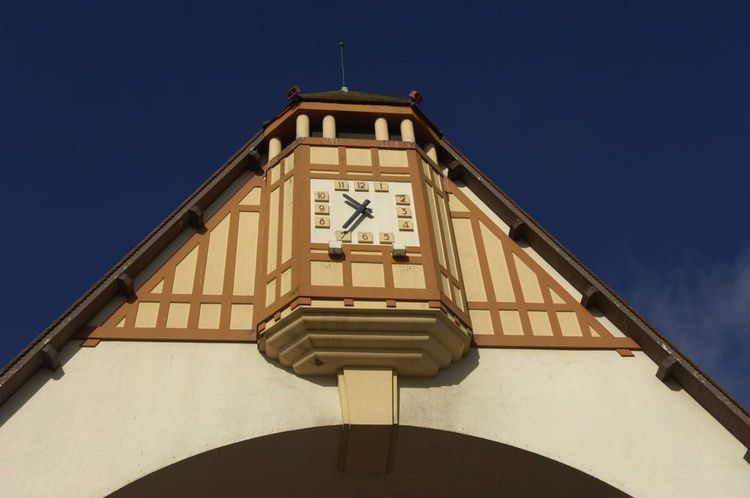
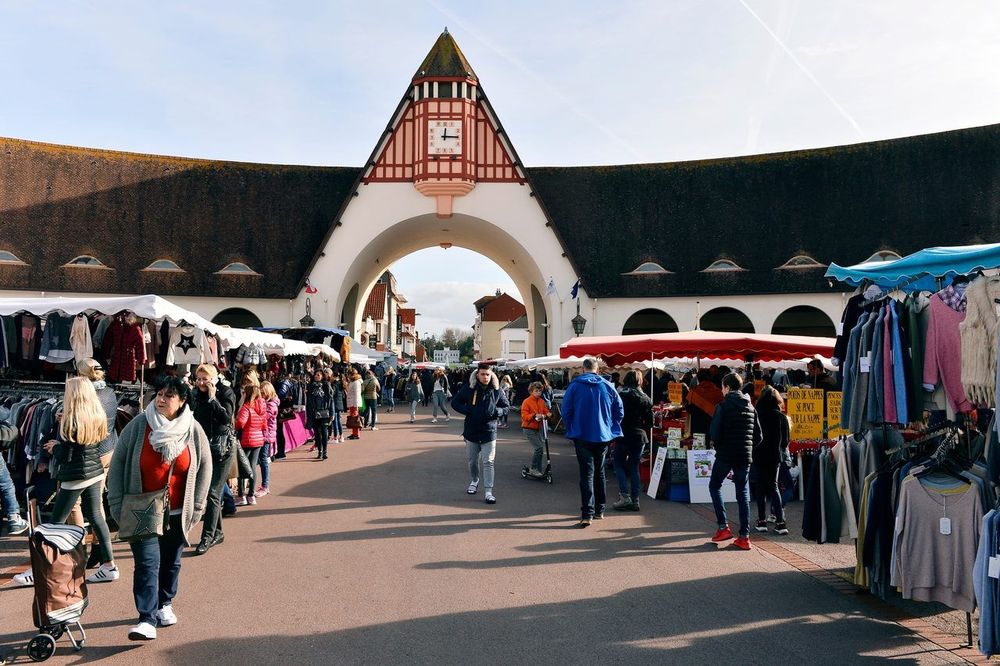
Listed as a historic monument, this 1932 building with its typically neo-regionalist semicircular design brings the town to life two mornings a week, plus an extra day in summer. Around thirty traders sell fish, cheese and seasonal produce, the gateway to a celebrated local cuisine: blue lobster, the Ratte du Touquet potato grown in the surrounding sandy soil, or melted Maroilles cheese, best enjoyed afterwards in one of the resort's many restaurants.
Free entry · Best in the morning
16 - Le Castel Villa
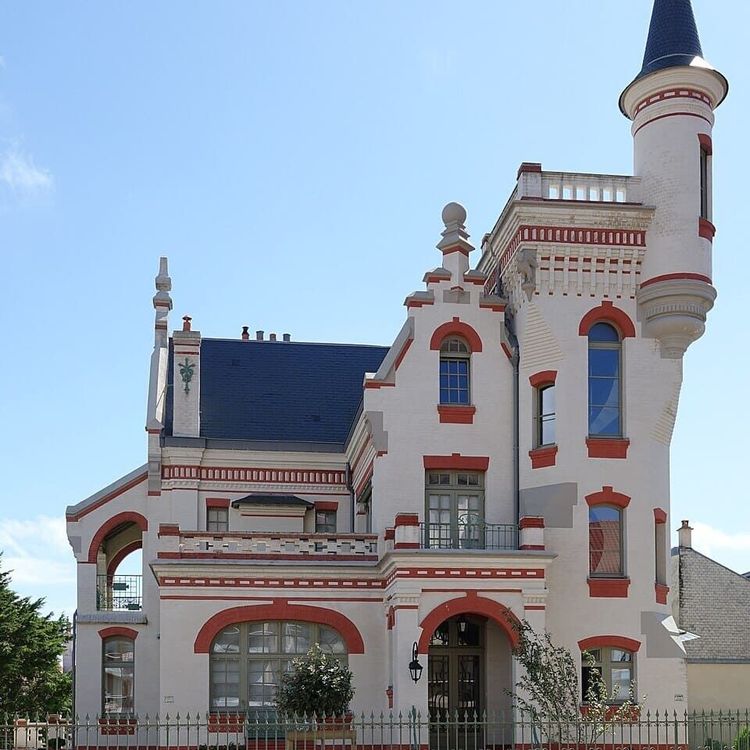
Built in 1904 by architect Henri Valette under the name La Tourelle, this neo-medieval villa with its red-brick arches and pointed roofs was among the resort's very first grand homes, built as it was just taking shape. It was among the very first buildings on the avenue that today bears the name Jean-Monnet. Protected as a heritage building since the late 1990s and carefully restored, it now holds private flats, closed to visitors.
Free to see from outside
What to do in Le Touquet-Paris-Plage in 2 or 3 days?
The audio-guided walk covers the heart of Le Touquet-Paris-Plage in about 1.5 hours, linking 16 stops over 3.6 km, from St. Joan of Arc Church to the covered market. With a day or two more, the visit stretches to the beach, the forest and the table.
The next day, walk on to the protected dune at the Pointe du Touquet along the Princes of Monaco seafront promenade from Centenary Square: sand, pines and sea spray replace the bustle of Saint-Jean Street. The beach runs for about 7 km to the mouth of the Canche, and the roughly 800-hectare forest is best explored by bike.
The third day can be spent beyond the resort, in Étaples or Montreuil for instance. Our guide to visiting Le Touquet-Paris-Plage for the first time suggests these day trips, along with one-day and weekend itineraries and a backup plan for rainy days.
Which neighbourhoods does the tour cross?
Over this 3.6 km loop, the route takes in several faces of Le Touquet-Paris-Plage, from its civic heart to its residential quarters and the seafront.
It starts at St. Joan of Arc Church and the neighbouring town hall (stop 1), passes Ypres Garden (stop 2) and the Little Castle, a private villa in a residential area (stop 3), then reaches the convention and grand-hotel district, between the Convention Center and the Hermitage Hotel (stops 4 and 5).
The route then follows Verger Avenue, between an open-air statue and the Serge Gainsbourg bandstand tucked inside the Pine Park (stops 6 and 7), passes the Westminster Hotel, then reaches the Canche Lighthouse (stops 8 and 9). It continues along Saint-Jean Street, the shopping artery linking the seafront to the church, before skirting Robert Lassus Square (stops 10 and 11).
The last stretch heads for the seafront: the villas known as the Touquet villas (stop 12), Centenary Square (stop 13) and the promenade lined with colourful beach huts (stop 14). All that remains is the covered market (stop 15) and Le Castel Villa (stop 16).
How much does it cost to visit Le Touquet-Paris-Plage?
None of the walk's 16 stops charges an entrance fee. Eight can be visited freely, from St. Joan of Arc Church to the covered market by way of Saint-Jean Street; the other eight, including private villas, the lighthouse and the Westminster Hotel, are seen from the street.
The only budget to plan for on the route is therefore a food break, on Saint-Jean Street or at the covered market on market days. Parking in the centre is paid, but some streets offer the first hour free for short stops.
Information checked in November 2026 and subject to change.
Where to stop for a bite along the tour?
For a food break, the route offers two obvious stops: Saint-Jean Street and the covered market.
The stalls of the covered market bring together the flavours of the Opal Coast: sole, turbot, cockles and grey shrimp, bouchot mussels and line-caught bass, but above all blue lobster, which Le Touquet's chefs love to showcase. On the local side, the Touquet Ratte, a potato grown in the sandy soil nearby, and melting Maroilles cheese round out the plate, with a glass of dry white wine or a craft beer from the Pas-de-Calais.
On Saint-Jean Street, the shop windows alternate cafés, crêperies, ice-cream parlours and chocolate shops, among them Le Chat Bleu, founded in 1929. The resort also has a few long-established pastry shops where you can try tarte au sucre, a sugar tart.
What to do in Le Touquet-Paris-Plage with children?
Between the beach and the bathing huts, Le Touquet-Paris-Plage's seafront works well for a family outing.
Along the promenade, the brightly coloured beach huts (stop 14) still shelter deckchairs and children's toys; many families rent the same one every summer. The sandy beach runs for about 7 km, shared by swimmers and kite flyers, and the roughly 800-hectare forest suits family bike rides.
What should you know before visiting Le Touquet-Paris-Plage?
A few pointers help you choose the right time to set off.
Saint-Jean Street, the walk's commercial heart, is busiest in high season and at weekends; on weekdays, out of season, the stroll is quieter. The covered market is liveliest in the morning on market days, Thursday and Saturday, plus Monday in summer: on other days, its 1932 facade, a listed historic monument, is the main draw.
The beach huts on the promenade look their best in the late-afternoon light. Finally, St. Joan of Arc Church can be visited with respect for its services.
What to see around Le Touquet-Paris-Plage?
Le Touquet-Paris-Plage is a good base for going further, along the Opal Coast or to other towns, from Dieppe to Lille.
The tourist office suggests heading out to the nearby towns of Étaples-sur-Mer, Berck-sur-Mer, Camiers-Sainte-Cécile and Montreuil-sur-Mer for a day trip on the Opal Coast.
Several neighbouring towns also have their own audio-guided walk. Calais, 52 km away, blends maritime power with fine craftsmanship, between the Flemish-style Town Hall, Rodin's Burghers of Calais and the constant comings and goings of ferries on the seafront. Dieppe, 75 km away, looks out over the English Channel from its white chalk cliffs, in the spirit of the earliest seaside resorts.
Further on, Dunkerque, 80 km away, boldly rebuilt itself, mixing traditional russet brick with contemporary lines facing the harbour. Amiens, 86 km away, pairs its towering Gothic cathedral with the colourful Saint-Leu district and its canals, and Lille, 105 km away, invites a stroll through the cobbled streets of Vieux-Lille, among colourful facades and friendly estaminets.
What's on in Le Touquet-Paris-Plage right now?
This time of year, Le Touquet-Paris-Plage is packed with Christmas events, from the lights switch-on to the New Year's Day swim.
- the Christmas lights switch-on, on 27 November, on Avenue de l'Hermitage, with Santa Claus and the Harmonie Jazz Band, followed by a stroll to Place Quentovic;
- the Christmas market, on 5 and 6 December, on the covered market square, Avenue Jean-Monnet, right by one of the route's stops;
- the Grand Christmas Parade, on 12 December at 6 pm, with ten illuminated floats and close to 200 dancers and performers through the town centre streets;
- the New Year's Day swim, on 1 January at 11:30 am, at the Bertrand-Lambert Channel Swimming Centre.
For the other festive events, our guide to visiting Le Touquet-Paris-Plage at Christmas is based on last year's calendar, as the official programme comes out during November.
Information checked in November 2026 and subject to change.
Le plein d'inspirations
Explorez le monde en totale liberté, à pied au cœur des villes ou au fil des routes. Nos guides audios transforment chaque destination en une découverte culturelle immersive et unique.
FAQ for visiting Le Touquet
When is the best time to visit Le Touquet?
The months from April to June and from September to October are ideal for discovering Le Touquet. You will enjoy pleasant temperatures, usually between 15 and 20°C, and beautiful light over the Opal Coast. Visitor numbers are more moderate than at the height of summer, allowing you to take in the resort's elegant atmosphere and its vast beaches at your leisure. Summer remains, of course, very popular for seaside activities, with mild temperatures rarely exceeding 25°C. Winter has its charm too, with its bracing moods and distinctive light, even if temperatures range between 3 and 10°C.
How many days do you need to visit Le Touquet?
A two-day weekend is enough to get a good feel for Le Touquet and its main attractions. In one day, you can wander through the town centre, stroll along the beach and admire the architecture of the villas. With two days, you will have time to explore the dunes, walk through the pine forest and enjoy the activities on offer. For a more relaxed stay including time on the beach, shopping and perhaps a round of golf or a bike ride, three to four days are ideal. This also leaves you the chance to discover the surrounding area, such as the Canche estuary.
How can you get to Le Touquet from Paris without a car?
The train is the most convenient way to reach Le Touquet from Paris. Take a TGV or an Intercités train from Gare du Nord to Étaples-Le Touquet; the journey takes about two and a half hours. From Étaples station, a shuttle bus takes you directly to the centre of Le Touquet in around fifteen minutes. Taxis are also available at the station. Another option is to take the train to Boulogne-sur-Mer or Calais, then a regional bus. During weekends and holidays, direct bus services from Paris are sometimes offered by certain companies.
Where can you park for free in Le Touquet?
Free parking in Le Touquet is mainly found on the outskirts of the town centre. Residential streets away from the beach often offer free spaces, particularly in the quieter neighbourhoods. Outside the tourist season, you will more easily find free spots near the covered market and in certain commercial areas. In summer, you generally need to move further away from the seafront to avoid the paid zones. The car park near the airport sometimes offers attractive or even free rates depending on the time of year. Remember to check the signage, as parking rules can vary according to the seasons and events.
What are the must-see sights and things to do in Le Touquet?
Le Touquet is full of wonders to discover during your visit. The huge beach and its colourful cabins form the heart of the resort, while the sumptuous Anglo-Norman villas of the Westminster district reflect the architectural elegance of the Belle Époque. The Art Deco covered market is well worth a look, as is the pine forest, perfect for a rejuvenating walk. Do not miss the Canche lighthouse and its panoramic views, or a stroll along the promenade. The Ryo audioguide accompanies you on this journey with a narrated tour that reveals the history and secrets of these iconic places, enriching your experience of the seaside resort.
What can you do in Le Touquet when it rains?
Rainy days in Le Touquet offer plenty of alternatives to make the most of your stay. The covered market, a magnificent Art Deco building, lets you wander in the dry among stalls of local produce. The elegant boutiques of the town centre invite you to shop in a warm atmosphere. The casino offers entertainment and restaurants in a refined setting. Culture lovers will appreciate the Touquet-Paris-Plage museum or a film screening in one of the town's cinemas. Thalassotherapy centres and spas are an excellent option for relaxing. Finally, the many cafés and brasseries offer welcoming refuges to savour local specialities.
Where can you eat in Le Touquet without breaking the bank?
Le Touquet offers several affordable options to eat without sacrificing quality. The covered market is perfect for putting together a picnic with fresh local produce to enjoy on the beach. The brasseries in the town centre generally serve daily specials at reasonable prices, especially during the week. Crêperies and pizzerias offer good value for money for families. In the streets adjacent to rue Saint-Jean, you will find small, less touristy restaurants with gentler prices. The food trucks near the beach often offer tasty snacks. Do not hesitate to move slightly away from the seafront, where prices are naturally higher.
What should you know about the villas and architecture of Le Touquet?
The resort is a late creation: the pine forest was planted first, to hold the dunes in place, and then developers, French and British alike, laid out a holiday town here at the end of the nineteenth century. Hundreds of villas remain, hidden among the trees, mixing Anglo-Norman half-timbering, polychrome brick, steep roofs and verandas, to which the 1920s and 1930s added more geometric Art Deco lines.
The town centre completes the picture with its covered market, its Flemish-looking town hall and its shopping avenues. The town has signposted a heritage trail linking the most representative sites, pleasant to follow on foot between the beach and the forest; the Ryo audio guide offers a dedicated Le Touquet route that tells this seaside story.
Which sports can you take up in Le Touquet?
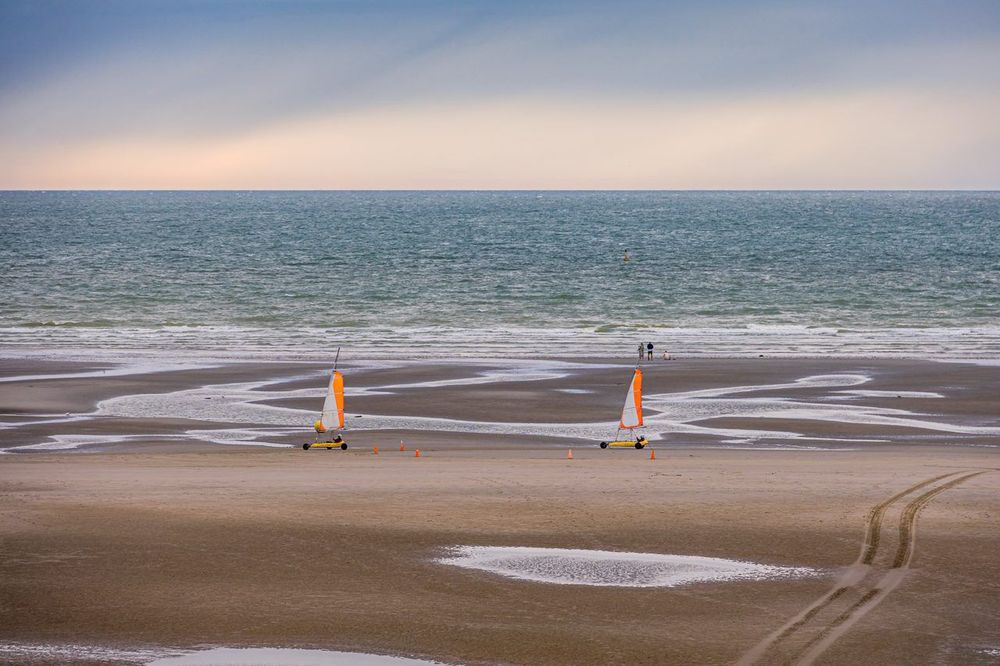
At low tide, the beach reveals a huge expanse of firm sand that made the resort's sporting reputation. Sand yachting is practised there almost all year round, run by clubs based on the seafront, as are power kiting and board sports whenever the wind picks up. Horse riding is also part of the local identity, with rides along the water that are highly sought after at daybreak.
Inland, the forest and the pine-lined avenues lend themselves to cycling, running and the golf courses laid out among the dunes, while the centre concentrates tennis courts, a swimming pool and gyms. In winter, the beach hosts a famous motorbike race on the sand that draws a considerable crowd: it is wise to sort out accommodation early if you come at that time.
How can you explore nature around Le Touquet?
The Canche estuary, north of the resort, is the great wildlife destination in the area: its dunes, salt meadows and mudflats shelter a seal colony that can be watched from a distance from the beach, along with many migratory birds depending on the season. The lighthouse, standing at the mouth of the bay, acts as a landmark for the walk and can sometimes be visited for the view.
The forest wrapped around the town offers another, more sheltered face, with sandy paths winding between the pines and the villas. You can cover it on foot or by bike, joining the cycle routes that run along the Opal Coast. Bring a windproof jacket, as the weather changes quickly by the sea, and respect the protected areas signposted by the reserve.
What is there to see and do in Le Touquet-Paris-Plage at Christmas: market, parade, lights?
From late November to early January, Le Touquet-Paris-Plage offers a packed programme: a Christmas village on Avenue du Verger, a 470 m² ice rink on Place du Centenaire, a toboggan run, Santa's House in the Parc des Pins and a video mapping show on the façade of the Palais des Congrès.
The Grand Parade of 100% electric illuminated floats takes place in December, after dark. The artisan Christmas market, held in the covered market, lasts just one weekend. Access to the sites is free, except for the ice rink, the toboggan run and the rides.
Dates, site map and planning tips are in our guide to visiting Le Touquet-Paris-Plage at Christmas.
What should I know before visiting Le Touquet for the first time?
For a first visit, Le Touquet-Paris-Plage turns out to be more nuanced than its glamorous reputation. The centre is easy to cover on foot: rue Saint-Jean, half-timbered Anglo-Norman villas, the covered market and the town hall.
As for nature, you can enjoy a fine-sand beach about 7 km long, a 57-metre lighthouse (274 steps) and a forest of around 800 hectares to explore by bike. The guide also shows where to eat seafood without overspending, offers a rainy-day plan B and suggests day trips to Étaples, Boulogne or Montreuil.
Planning your trip? Read our complete first-time visitor's guide to Le Touquet.
Vos commentaires, idées et suggestions
Aucun avis pour le moment