© Shutterstock
 Votre guide Ryo
Rouen with Kids: 24 Experiences to Have in 2026
In Rouen, children look up before they can even read: the golden dial of the Gros-Horloge catches their curiosity, and the half-timbered houses of the Vieux Rouen tell a story without a single word. Planning a trip to Rouen with children is less about ticking off a list of museums than finding the right pace between medieval alleyways, gargoyles to spot and tasty breaks. The Ryo audio guide tour of Rouen accompanies this discovery step by step, with anecdotes calibrated to hold the attention even of the youngest visitors. This guide blends Gothic heritage, immersive experiences and nature breaks to put together a trip that stays the course even with very young visitors.
From an astronomical dial installed in 1389 and a 16th-century ossuary whose wooden carved skulls fascinate the curious, to a zoo where flamingos roam freely less than half an hour from the city centre, the city and its surroundings offer endless opportunities to surprise without ever boring. This guide brings together twenty-four experiences, from tours of the Gros-Horloge to rainy-day backup plans, along with the best spots to recharge between visits and practical tips for planning a relaxed stay.
1. Climb the Gros-Horloge
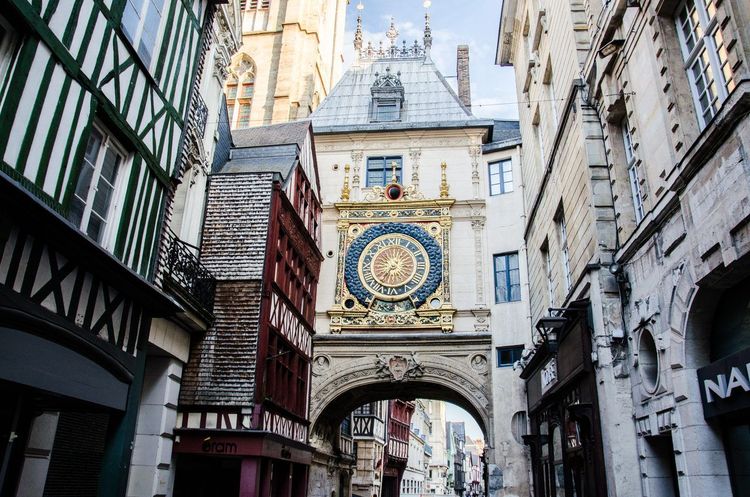
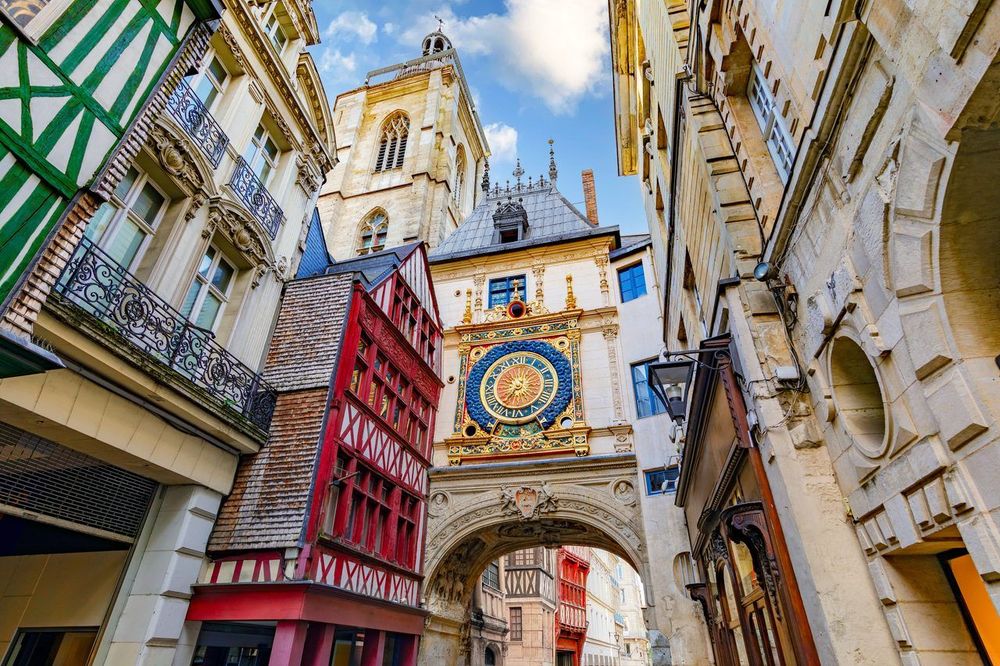
The Gros-Horloge has overlooked the pedestrian street of the same name since 1389, making it one of the oldest astronomical clocks in France still in working order. Its single dial displays the time, the phases of the moon and the day of the week thanks to a mechanism housed in the neighbouring belfry. Younger visitors love spotting the golden lamb, symbol of Rouen and its former wool trade, carved at the centre of the dial.
The visit does not stop at street level: a staircase climbs to the top of the belfry, where a bronze bell weighing over 500 kg still dominates the city's rooftops. From up there, children discover a complete panorama over the cathedral and the surrounding hills, often their first real viewpoint over Rouen. Allow around 45 minutes for the full visit, mechanism included, and aim for late morning to avoid school groups on weekdays. The combined ticket (clock and belfry) costs around ten euros per adult, with a reduced rate for under-18s, valid all day if you wish to return.
A local legend holds that the clock rang the curfew for centuries, setting the rhythm for the craftsmen of the neighbourhood. Even today, the original mechanism, partially preserved, can be visited separately from the tourist section and allows visitors to understand how a clock worked before electricity. For children fascinated by mechanics, this is often the highlight of the visit, well before the view from the belfry. Bear in mind that the spiral staircase has several dozen narrow steps, better suited to walkers from the age of 5 or 6 than to toddlers in pushchairs.
2. Admire the Cathédrale Notre-Dame de Rouen
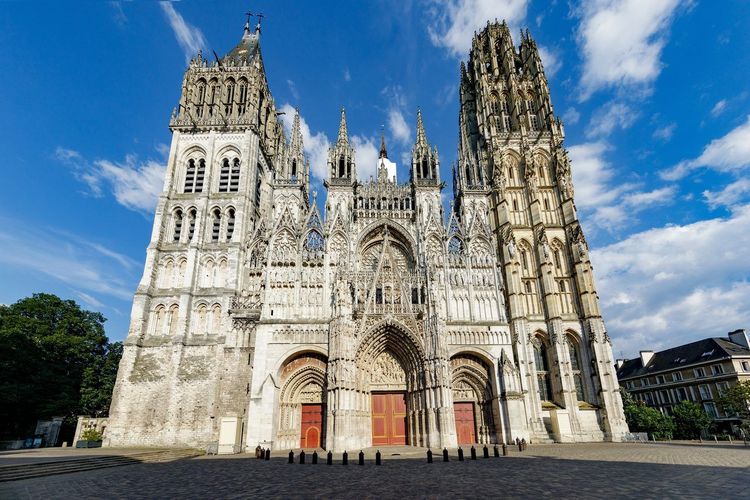
The Cathédrale Notre-Dame de Rouen (Place de la Cathédrale, 76000 Rouen, rated 4.7/5 on Google based on 19,081 reviews) rises to 151 metres, making it one of the tallest spires in Europe and a landmark visible from almost every point in the city. Claude Monet painted it more than thirty times in different lights, a series that younger visitors can later compare with the real façade, stone by stone. The main portal, carved across several registers, lends itself to a simple game: ask the children to find a hidden animal or figure among the hundreds of stone carvings.
The interior, free of charge and lit by 13th-century stained-glass windows, houses the tomb of Richard the Lionheart, who gave the cathedral only his heart, embalmed and kept in a reliquary. Entry remains free throughout the year, a genuine advantage for those fitting in multiple visits without racking up tickets. The more observant will also notice the grimacing gargoyles adorning the exterior buttresses, added to carry rainwater away from the walls. A complete visit, exterior and interior, takes around 30 to 40 minutes depending on everyone's curiosity.
Every summer, the cathedral becomes a canvas in the evenings for a free video-mapping show, a spectacular way to rediscover it after dark, particularly appreciated by children who watch it change colour.
3. Stroll through the Vieux Rouen on a Half-Timbered House Hunt
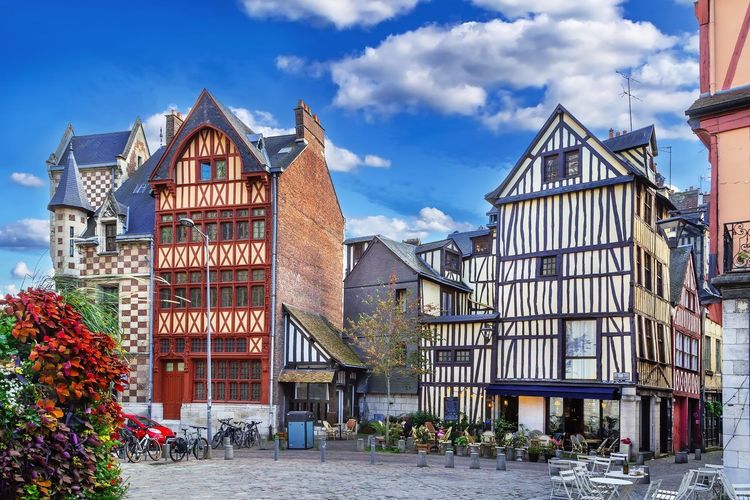
The Vieux Rouen district, between the Place du Vieux-Marché and the rue Saint-Romain, boasts one of the highest densities of half-timbered houses in Europe, over 2,000 according to municipal surveys. The often-leaning, colourful façades create an immediate backdrop for curious minds, without the need for a ticket or a queue. Suggest a small game: spot the beams carved with faces, flowers or animals, a tradition by which craftsmen discreetly signed their work. The confectionery shops and antique toy boutiques along the rue du Gros-Horloge make a pleasant addition to the walk, an effective sweet break to re-energise the troops between photo stops.
The rue Eau-de-Robec, with its former canal running through the roadway, remains a popular stop for its light and colourful façades reflected in the water. Allow about an hour for a relaxed stroll through the main streets of the district, including a break at one of the many crêperies along the way.
4. Explore the Historial Jeanne d'Arc
Housed in the former archbishop's palace where Joan of Arc's rehabilitation trial was held in 1456, the Historial Jeanne d'Arc offers an immersive trail designed for all ages, with monumental projections and reconstructions. Unlike a traditional museum filled with display cases, the venue relies on human-scale rooms where image and sound tell the story, capturing younger visitors' attention from the very first minutes.
The trail retraces the 1431 trial, its rehabilitation twenty-five years later, and the many representations of Joan of Arc across the centuries, from medieval stained glass to cinema. A dedicated audio guide for young visitors, with age-appropriate vocabulary, allows children aged 7 to 12 to follow the story at their own pace without relying solely on their parents' explanations. Allow 1h15 to 2 hours for a complete visit, making it one of the most substantial activities in the city centre.
To continue exploring the city's history without getting back in the car, the Ryo audio-guided tour of Rouen connects several sites linked to Joan of Arc, including the tower where she was threatened with torture and the square where she was executed in 1431, with audio commentary designed to match the pace of little feet. The Historial's ticket office also offers reduced rates that noticeably bring down the cost for groups of more than three people.
5. Discover Impressionism at the Musée des Beaux-Arts
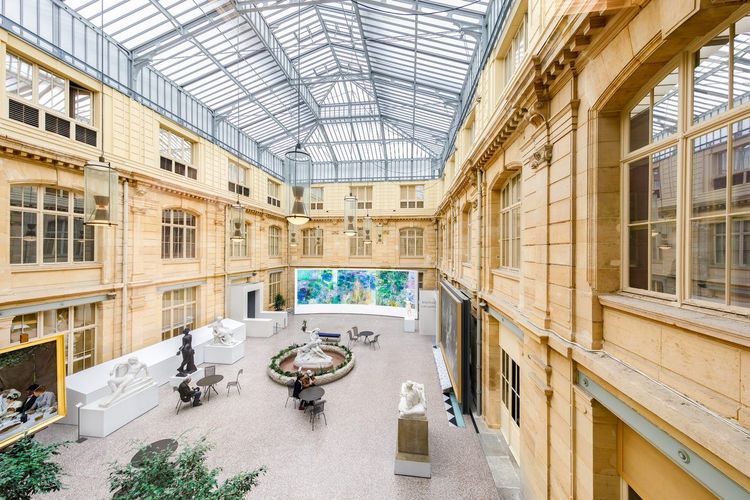
The Musée des Beaux-Arts de Rouen (Esplanade Marcel Duchamp, 76000 Rouen, rated 4.6/5 on Google based on 5,113 reviews) holds one of the richest Impressionist collections in France outside Paris, with several canvases by Monet, Sisley and Renoir. Its collection includes a view of the cathedral painted by Monet, which children can compare directly with the real monument just a few hundred metres away. Free activity booklets, available at the front desk, turn the visit into a treasure hunt: find a colour, a hidden animal or a specific detail in a painting.
Entry to the permanent collections is free, allowing a short, focused visit without worrying about tiring the youngest out: an hour is generally enough for children under 10. The museum also regularly organises creative workshops on Wednesdays and during school holidays, with advance booking required, where participants try their hand at drawing or painting with materials provided on site.
6. Discover Craftsmanship at the Musée Le Secq des Tournelles
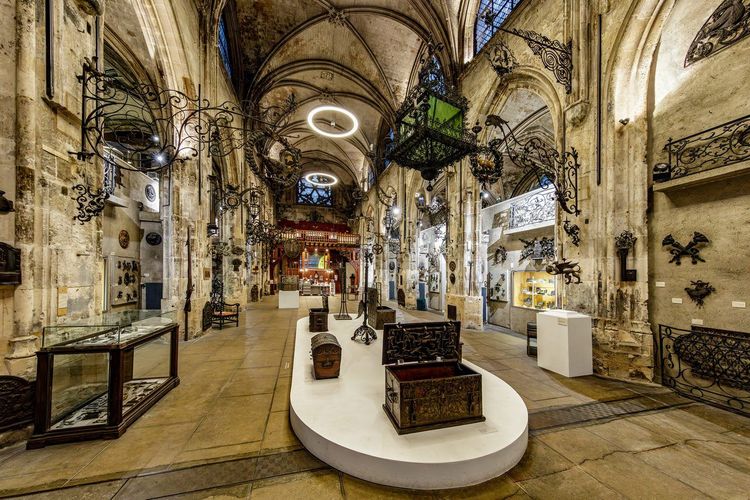
Housed in a former Gothic church, the Musée Le Secq des Tournelles (2 Rue Jacques Villon, 76000 Rouen, rated 4.7/5 on Google based on 819 reviews) holds one of the largest collections of ironwork in Europe: keys, signs, grilles and forged tools from the Middle Ages to the 19th century. The architecture of the building itself, with its stained-glass windows and soaring nave, often impresses young visitors more than the objects on display. Entry is free, making it an easy short stop to slip in between two more substantial visits: fifteen to twenty minutes is enough to go round. Toddlers, for their part, tend to remember mostly the sound of footsteps echoing under the vault of the former church, a distinctive atmosphere quite unlike the usual museum galleries. Give them a goal as you go: finding the smallest key or the most elaborate sign turns the visit into an impromptu treasure hunt.
7. Stroll through the Jardin des Plantes de Rouen
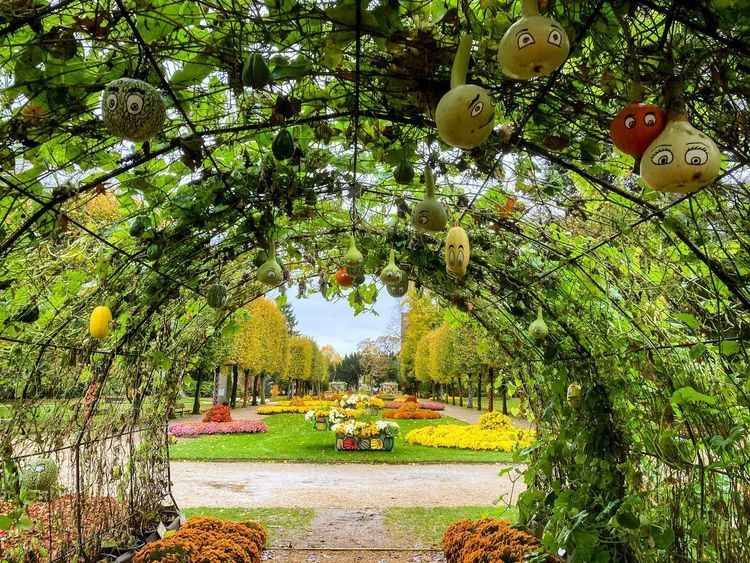
The Jardin des Plantes de Rouen (114 bis Avenue des Martyrs de la Résistance, 76100 Rouen, rated 4.5/5 on Google based on 6,743 reviews) stretches over more than 10 hectares on the southern edge of the city, with tropical greenhouses, a Japanese garden and vast shaded lawns. It is one of the few spaces in Rouen where children can run freely without worrying about traffic, making it a welcome break after a morning of visits in the city centre.
The greenhouses, free to enter at certain times, house giant cacti, orchids and a pond of giant water lilies worthy of Monet's gardens at Giverny. The Japanese garden, smaller in scale, offers a trail of bridges and ponds that particularly appeals to children aged 4 to 8, who are eager to cross every passage. Entry to the park is entirely free; only the tropical greenhouses occasionally charge a nominal fee during temporary exhibitions.
Plan for a picnic: several tables are set up in the shade of century-old cedar trees, and a water point allows you to refill bottles before heading off. At weekends, the garden also occasionally hosts free markets or nature events, worth checking on the town hall's website before visiting with very young walkers.
8. Learn to Throw Clay at the Musée de la Céramique
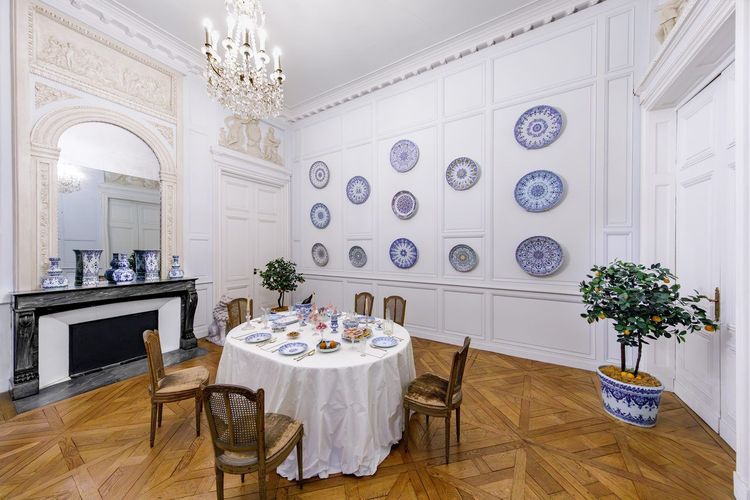
The Musée de la Céramique (1 Rue Faucon, 76000 Rouen, rated 4.4/5 on Google based on 400 reviews), housed in a 17th-century mansion, traces the history of Rouen faience, a craft that brought the city renown from the 16th century onwards. The characteristic blue and polychrome patterns, often inspired by maritime or floral scenes, are easy to recognise once explained to children. The museum occasionally offers introductory pottery workshops during school holidays, a good way to extend the visit with a hands-on activity.
A simple observation game works well in these rooms: ask younger visitors to find the same bird or bouquet painted across different pieces, a thread that keeps them engaged where display cases might otherwise quickly lose their interest. Allow about thirty minutes for a relaxed tour, a little longer if a workshop is scheduled on the day of your visit. Entry to the permanent collections is free, as in most of the city's municipal museums.
9. Marvel at the Muséum d'Histoire Naturelle de Rouen
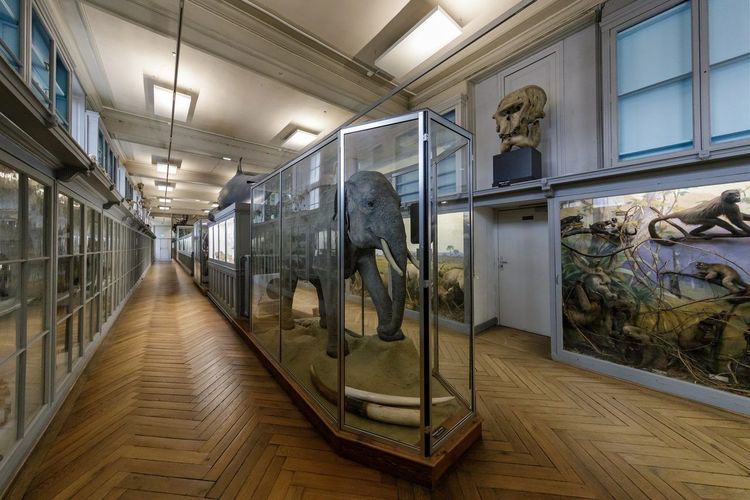
The Muséum d'Histoire Naturelle de Rouen (198 Rue Beauvoisine, 76000 Rouen, rated 4.4/5 on Google based on 906 reviews) ranks among the richest natural history museums in provincial France, with over one million preserved specimens, including a complete mammoth skeleton and an extensive collection of taxidermied birds. It is often the favourite visit for animal-loving children, who discover in a single room species they would never encounter in a traditional zoo.
The comparative anatomy gallery, with its skeletons lined up from the smallest rodent to the whale, captivates toddlers and teenagers alike. Entry is free for the permanent collections, a major advantage for those fitting in multiple visits over several days. Allow about an hour to go through all the rooms, a little longer if your children stop at every case of insects or minerals.
The museum also organises storytelling visits on Wednesday afternoons during school holidays, where a mediator tells the story of an emblematic animal from the collection at a level suited to younger visitors, with prior booking required.
10. Ride the Petit Train de Rouen
The Petit Train touristique de Rouen departs from the Place de la Cathédrale for a commented circuit of around 40 minutes through the pedestrian streets of the historic centre. For younger children who tire easily from walking, or simply to vary the pace of an already busy day, it is a restful way to cover the city's main highlights without straining little legs.
The audio commentary, available in several languages, retraces the major stages of Rouen's history, from the Roman era to the fire that destroyed part of the centre in 1944. Departures run approximately every 45 minutes during high season, with a reduced fare for children under 10.
11. Step into History at the Musée Maritime, Fluvial et Portuaire
Moored on the left bank, the Musée Maritime, Fluvial et Portuaire de Rouen (Hangar 13, Quai Émile Duchemin, 76000 Rouen) traces three centuries of life at the port of Rouen, one of France's leading maritime ports despite being a hundred kilometres from the sea. Ship models, navigation instruments and accounts of Commandant Charcot's polar expeditions make up a concrete trail where younger visitors move from a cargo hull to a whaling harpoon without ever losing interest.
Set in a former port warehouse, the venue favours immersion over static display cases: visitors follow the route of the tall ships that once connected Rouen to New Caledonia, examine the instruments that guided captains, and understand how the Seine made Rouen a gateway to the world. Fully indoors, it is an excellent option on rainy days, and it can be visited in under an hour, an ideal format for a young audience. The museum opens Tuesday to Sunday from 2 pm to 5 pm, including public holidays, and admission is modest, with free entry for the youngest visitors.
To locate this warehouse in relation to the city's other must-sees, the Ryo audio guide of Rouen offers an itinerary that includes the left-bank quays, where the former industrial port can still be read in the landscape.
12. Get a Little Spooked at the Aître Saint-Maclou
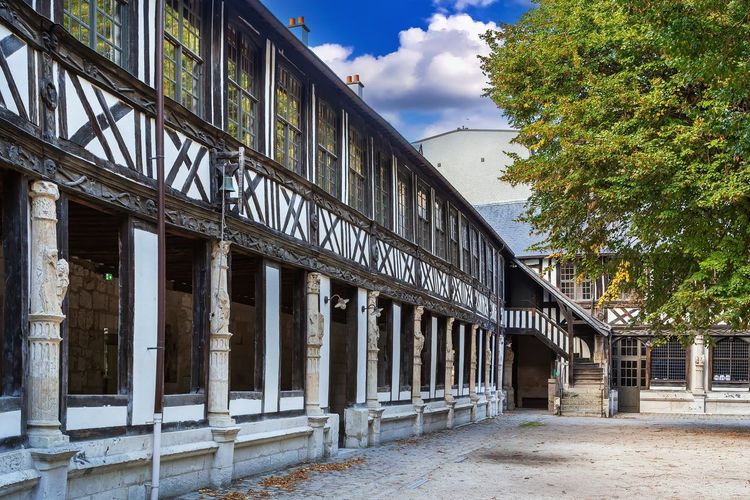
The Aître Saint-Maclou (186 Rue Martainville, 76000 Rouen, rated 4.6/5 on Google based on 2,245 reviews) is a former 16th-century charnel house cemetery, established in the wake of the plague epidemics that struck the city. Its half-timbered galleries, adorned with carvings of skeletons, hourglasses and funerary tools, form one of the rare ensembles of this kind preserved in Europe.
The place is certainly striking, but it is rarely frightening for visitors aged 7 or 8 and above, who tend to be fascinated by the explanations of medieval funerary rites. Entry is free and open during visiting hours, with explanatory panels in several languages allowing a self-guided visit without a guide. Allow 20 to 30 minutes for an attentive visit.
A mummified cat, discovered during renovation works and preserved under glass in one of the galleries, is invariably the detail children mention first when recounting the visit.
13. Sail on the Seine
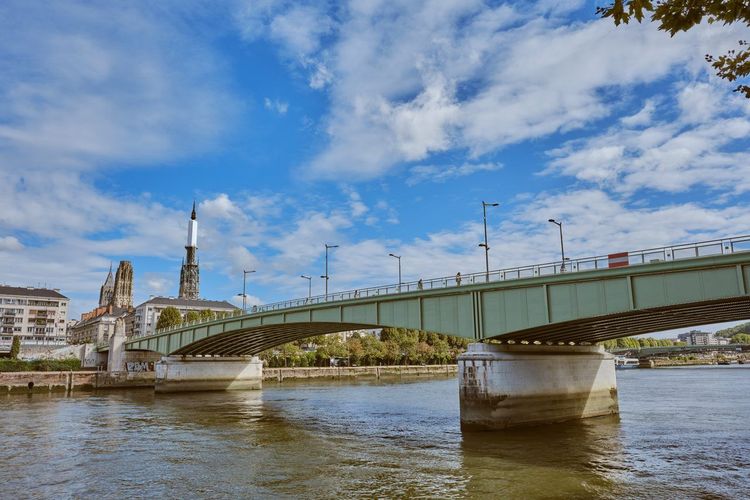
Several companies, including Rouen Normandy Croisières (Quai Ferdinand de Lesseps, 76000 Rouen, rated 4.3/5 on Google based on 248 reviews), offer guided river trips on the Seine departing from the Quai Ferdinand de Lesseps, with one-hour short formats particularly well suited to younger children who start to lose patience on a longer boat ride. Passing under the bridges of the city centre from the water provides a completely different perspective on the cathedral and the quays, which children recognise immediately.
Some cruises include a pass by the industrial port of Rouen, one of the largest cereal ports in Europe, where you can watch cargo ships being loaded near the Pont Gustave-Flaubert, an impressively large lift bridge. Reduced fares generally cut the full adult price in half, and pushchairs are accepted on board most vessels.
Book online the day before during high season: weekend departures sell out faster than you might expect, especially during Norman school holidays and on fine-weather days, so pair the boat trip with our Rouen audio-guided tour on the days when the crossing is fully booked.
14. Walk the Left-Bank Quays to Hangar 23
Redeveloped over the past fifteen years, the left-bank quays form a long pedestrian and cycling promenade dotted with playgrounds, pétanque courts and food trucks open for much of the year. Hangar 23 (Quai Jean de Béthencourt, 76000 Rouen, rated 4.8/5 on Google based on 4 reviews), a former port warehouse converted into an exhibition space, regularly hosts free, family-friendly events, notably around comics or photography.
Bikes and scooters are easy to hire nearby, a good option for covering the 3 to 4 kilometres of quays without exhausting younger legs. Late in the afternoon, the swings and water play areas installed along the route become a natural gathering point for local families.
15. Spend a Day at the Zoo de Clères
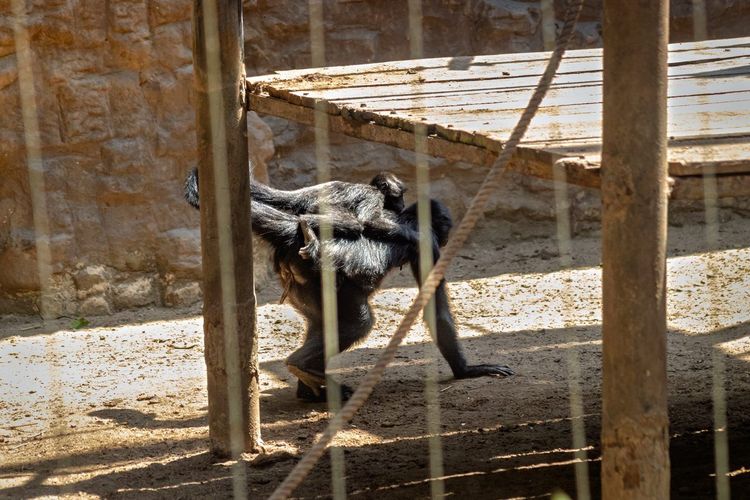
About twenty minutes north of Rouen by car or train, the Zoo de Clères (32 Avenue du Parc, 76690 Clères, rated 4.6/5 on Google based on 4,514 reviews) occupies a landscaped park of over 13 hectares where many animals, particularly birds, roam in semi-freedom rather than in closed enclosures. Flamingos, crowned cranes and wallabies move freely among visitors, which makes for a radically different experience compared to a typical urban zoo.
The park, founded in the 1920s by naturalist Jean Delacour, retains its English garden character with a château visible in the background and shaded paths perfectly suited to a full day in the open air. Allow at least 3 to 4 hours to explore the whole site at a leisurely pace, picnic included on one of the many lawns where this is permitted. A family pass for two adults and two children noticeably reduces the total cost of the day compared to individual tickets.
Younger children particularly enjoy the tropical aviary, where parrots and toucans fly just a few metres overhead, and the area dedicated to Madagascar lemurs, some of which readily approach the low barriers. Educational panels, written in plain language, explain the conservation status of each species, a gentle way to raise awareness of biodiversity among younger visitors without a lecture.
Clères station is a few minutes' walk from the zoo, making it possible to arrive by train directly from Rouen without needing a car, a convenient option for those travelling light. To combine this outing with other gems in the region, the article on the most beautiful villages around Rouen details several possible stops just a few kilometres from Clères, to extend the day without going back through the city centre.
16. Get Some Fresh Air at the Léry-Poses Leisure Base
About 35 minutes south of Rouen, the Léry-Poses leisure base (Chemin des Bacs, 27740 Poses, rated 4.2/5 on Google based on 1,759 reviews) is built around several lakes formed from former gravel pits, now developed for supervised swimming, pedal boating and supervised water sports. It is a good option for those seeking a nature break away from the cobbled streets of the historic centre.
The supervised swimming area, open generally from June to early September, includes a shallow section dedicated to younger children, separate from the larger swimming zone reserved for confident swimmers. Bike hire, floating inflatables and an on-site snack bar round out the offer, with no advance booking required on weekdays.
17. Burn off Energy at the Kindarena
The Kindarena (44 Rue du 24e Régiment d'Infanterie, 76000 Rouen, rated 4.4/5 on Google based on 1,983 reviews), Rouen's large multi-sports arena, occasionally hosts events open to the public, particularly handball and basketball matches, in an atmosphere that young sports fans tend to love. Watching a professional team play in a roaring arena is a memorable experience, often the spark that makes children want to join a club when they get home. Outside events, the surrounding area, with its playgrounds and large car park, remains a handy spot to take a breather between two visits to the city centre. Check the match calendar before heading out: public opening hours vary considerably from one week to the next. Vending machines on site are expensive, so it is better to bring snacks and water bottles before arriving for a full afternoon.
18. What to Do in Rouen with Children on a Rainy Day
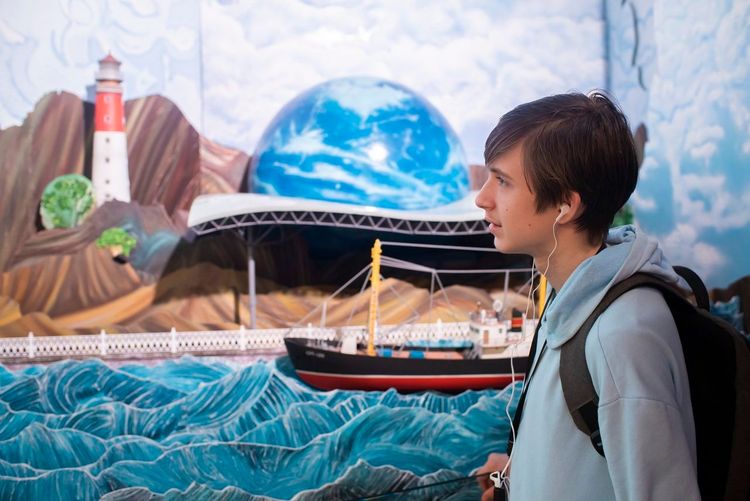
Normandy has earned its reputation as a rainy region, and Rouen is no exception: it is better to have a plan B to avoid ruining a day of your trip. Fortunately, most of the museums listed above, from the Muséum d'Histoire Naturelle to the Musée des Beaux-Arts, can be visited entirely under cover and for free, making them the first port of call when a persistent shower strikes.
The Historial Jeanne d'Arc and the Maritime Museum, both entirely indoors, are also excellent options for a full afternoon without stepping outside. With toddlers, several shopping centres in the city centre, such as the Docks 76, offer covered spaces with varied dining options and a few shops suited to short stops.
The agglomeration's indoor swimming pools, notably the one in the Saint-Sever neighbourhood, also welcome visitors during the day with a play area separate from the main pool, a good alternative if your children need to burn off physical energy rather than sitting still. Book a slot online on busy days, particularly Wednesday afternoons and weekends.
To plan these backup options without wasting time searching on the spot, our Ryo app lists indoor venues accessible on foot from the historic centre, with up-to-date opening hours, handy when the weather changes mid-day.
19. Explore the Place du Vieux-Marché
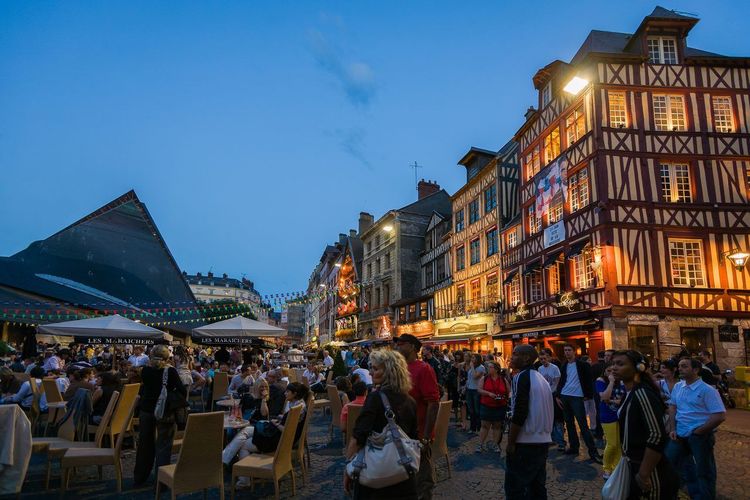
The Place du Vieux-Marché marks the spot where Joan of Arc was burned at the stake in 1431, a history now recalled by a large modern cross and the church of Sainte-Jeanne-d'Arc, recognisable by its undulating roof inspired by waves and flames.
The covered market, open Tuesday to Sunday mornings, lets children discover Norman produce — cider, camembert and seafood — in a lively, colourful atmosphere quite different from heritage visits. The terraces surrounding the square also make a great spot to take a breather with a waffle or an ice cream in hand, while the children run around the central fountain.
20. Where to Eat in Rouen between Visits

Crêperies remain a reliable choice for shared meals in Rouen, with children's menus generally priced around 8 to 10 euros in most establishments in the city centre. The city also boasts several local specialities worth introducing to children, including the famous duck à la rouennaise, as well as more accessible versions such as teurgoule, a baked rice pudding typical of the region.
For quick meals between visits, the many tea rooms in the Gros-Horloge district serve waffles and crêpes to take away, convenient when children's hunger does not coincide with standard meal times. The culinary specialities of Rouen are worth exploring in more depth if your children enjoy trying dishes they have never tasted before.
Book outside peak hours where possible (12 pm–1:30 pm and 7:30 pm–8:30 pm), as the small restaurants in the historic centre fill up quickly at weekends, especially around the cathedral.
21. Where to Stay in Rouen when Travelling with Young Children
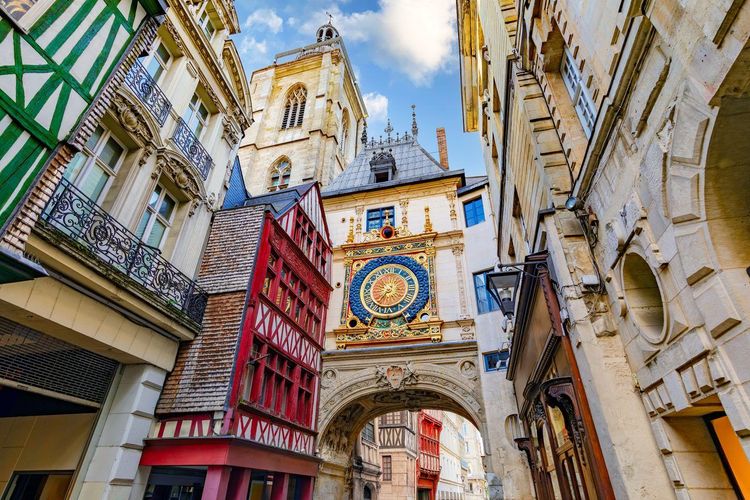
The historic centre, around the cathedral and the Gros-Horloge, remains the most practical choice for doing everything on foot, with most of the sites covered in this guide within a 15-minute walk. Several hotels offer connecting rooms or suites with extra space, an option worth prioritising for stays of more than two nights.
Slightly more peripheral neighbourhoods, such as the left bank near the quays, generally offer more affordable rates while remaining within reasonable walking distance of the centre, with the added benefit of easier parking for visitors arriving by car. Compare walking distances before booking: some accommodation advertised as close to the centre actually involves a good twenty minutes on foot with tired children, which can quickly dampen an already full evening.
22. Cool Off: Swimming Pools and Water Spots around Rouen
Beyond the Léry-Poses leisure base, Rouen has several municipal swimming pools with play areas suited to younger children, particularly in the Petit-Quevilly and Saint-Sever neighbourhoods, open year-round unlike the outdoor swimming spots limited to the summer season.
In summer, some neighbouring communes also set up free outdoor water play areas, usually in a public park, a quick way to cool children down between visits without any extra budget or swimwear. Check with the tourist office for opening times, which are often reduced outside school holidays. Towels and sunscreen should be packed in any case, as on-site shops are rare and more expensive than in town.
23. A Sample Itinerary for a Great First Day
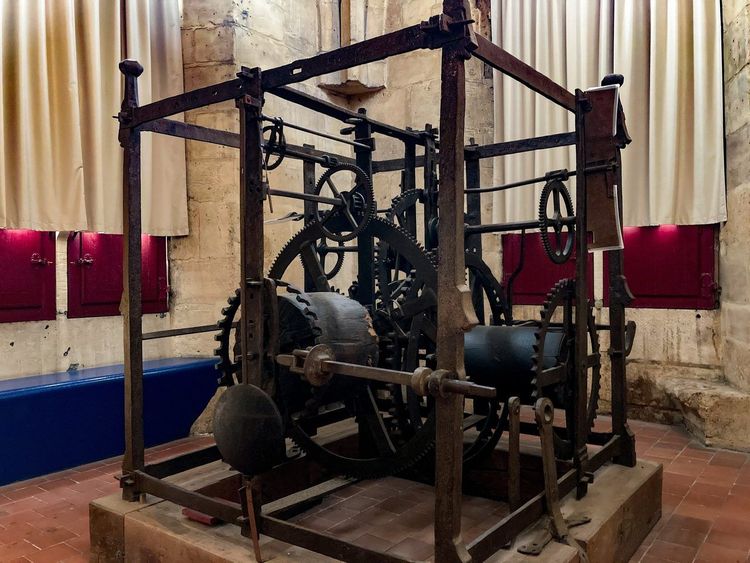
For a first day in Rouen with children, start early at the Gros-Horloge and its belfry, before the street fills with tour groups, then continue to the Cathédrale Notre-Dame just a few minutes' walk away. Late morning, head to the Historial Jeanne d'Arc for a longer historical immersion, ideally before the lunch break to enjoy a quieter pace in the rooms.
The afternoon lends itself well to something more active: the Jardin des Plantes to let the children run around, or the Maritime Museum to stay sheltered if the weather turns. End the day with a walk along the left-bank quays, with a possible stop at Hangar 23 if an exhibition is on, before heading to the Place du Vieux-Marché for dinner.
For a two-to-three-day stay, add a full day at the Zoo de Clères or the Léry-Poses leisure base depending on whether your children prefer animals or water, and save the morning of the last day for any free museums not yet visited — the Musée des Beaux-Arts, the Muséum d'Histoire Naturelle or the Musée de la Céramique — according to individual interests.
This sequence follows fairly closely the route of the Ryo audio-guided tour of Rouen, designed to connect the main points of interest in the historic centre without unnecessary detours, with audio commentary that keeps children entertained during the walks between stops.
24. Plan Your Visit: Transport, Budget and Best Season
Rouen is easy to reach by train from Paris, with a direct journey of around 1 hour 10 minutes from Gare Saint-Lazare, making it an accessible destination for a weekend or even a day trip without a car. Once there, the historic centre is entirely walkable, with most sites in this guide within a 20-minute walk of one another.
Budget around 15 to 25 euros per adult per day for paid activities (Historial Jeanne d'Arc, Maritime Museum, Petit Train), with the free municipal museums noticeably reducing the overall bill over a multi-day stay. Under-6s enjoy free entry almost everywhere, and larger family groups regularly find reduced rates on presentation of the appropriate card.
Spring and early autumn remain the most comfortable seasons to visit Rouen with children, with moderate tourist numbers and temperatures that allow outdoor activities to be strung together without suffering from summer heat. July and August, on the other hand, bring more free open-air events — night markets and concerts included — worth checking on a case-by-case basis depending on your travel dates. Always pack a small foldable rain jacket, even in summer: Norman showers, brief but frequent, often catch visitors from other regions off guard.
To avoid missing a one-off event that could enrich your stay — a festival, a Christmas market or a seasonal event — the events in Rouen calendar lists all the key dates to check before booking your train tickets.

FAQ
What is the best age to visit Rouen with children?
Rouen suits almost all ages, but children between 6 and 12 get the most out of historical visits such as the Historial Jeanne d'Arc or the Gros-Horloge, as they are independent enough to follow the explanations without losing interest. For toddlers, opt for the Jardin des Plantes, the Zoo de Clères and boat trips, which are less intellectually demanding but just as memorable.
How much time should I plan to visit Rouen with young children?
Two full days are enough to cover the essentials of the historic centre at a pace suited to younger visitors, without rushing from one site to the next. A third day allows you to add an excursion — the Zoo de Clères or the Léry-Poses leisure base — without leaving frustrated that you didn't have time to see everything at a leisurely pace.
Are Rouen's museums free for children?
Yes, most municipal museums (Beaux-Arts, Céramique, Le Secq des Tournelles, Muséum d'Histoire Naturelle) offer free entry to permanent collections, regardless of the visitors' age. Only the Historial Jeanne d'Arc and the Maritime Museum, which are managed separately, charge an admission fee with a reduced rate for younger visitors.
Where can you park in Rouen when visiting as a group?
Several underground car parks surround the historic centre, particularly near the Hôtel de Ville and the left-bank quays, with daily rates of around 15 to 20 euros. Many visitors prefer to park on the outskirts and take the tram into the centre, which is less stressful than hunting for a spot on a busy day.
What can you do in Rouen with children on a rainy day?
The free museums in the city centre, the Historial Jeanne d'Arc and the Maritime Museum can easily fill an entire day under cover. The agglomeration's indoor swimming pools and shopping centres offer complementary options if the children need to burn off energy rather than spending the whole day in quiet spaces.
Is the Zoo de Clères accessible without a car?
Yes, a TER train station serves Clères directly from Rouen in about twenty minutes, with the station just a few hundred metres from the zoo entrance. It is one of the rare excursions in this guide that is entirely doable by public transport, making it a straightforward option for those travelling without a vehicle.
Should you book activities in advance in Rouen?
For the Historial Jeanne d'Arc and the Maritime Museum, online booking is not mandatory but speeds up entry during high season, particularly in July and August. Boat trips and certain creative workshops at the museums, however, should be booked in advance as places are limited, especially during school holidays.
Is Rouen pushchair-friendly?
The historic centre, largely pedestrianised, is easy to navigate with a pushchair despite a few uneven cobblestones around the cathedral and the Vieux Rouen. Only the Gros-Horloge (narrow staircase) and the Aître Saint-Maclou (uneven ground in places) require leaving the pushchair at the entrance for the duration of the visit.
Rouen is ultimately one of the rare French historic city centres where you can alternate between a Gothic cathedral, a medieval ossuary and free-roaming flamingos without ever straying more than half an hour from the city centre. This diversity, rare for a city of this size, explains why so many travellers return from a stay in Rouen feeling they have seen far more than a simple Norman stop on the road to Mont-Saint-Michel.
Whether you have a weekend or a full week, always leave room for the unexpected: a shower, a sudden bout of tiredness, a detail that holds attention longer than anticipated. To plan this itinerary without spending hours on it, explore the audio-guided tour of Rouen and let the audio tour do part of the guiding work while you enjoy the present moment with your little ones.
À lire également