© Shutterstock
 Votre guide Ryo
Activities in Rouen and Surroundings: The Complete 2026 Guide
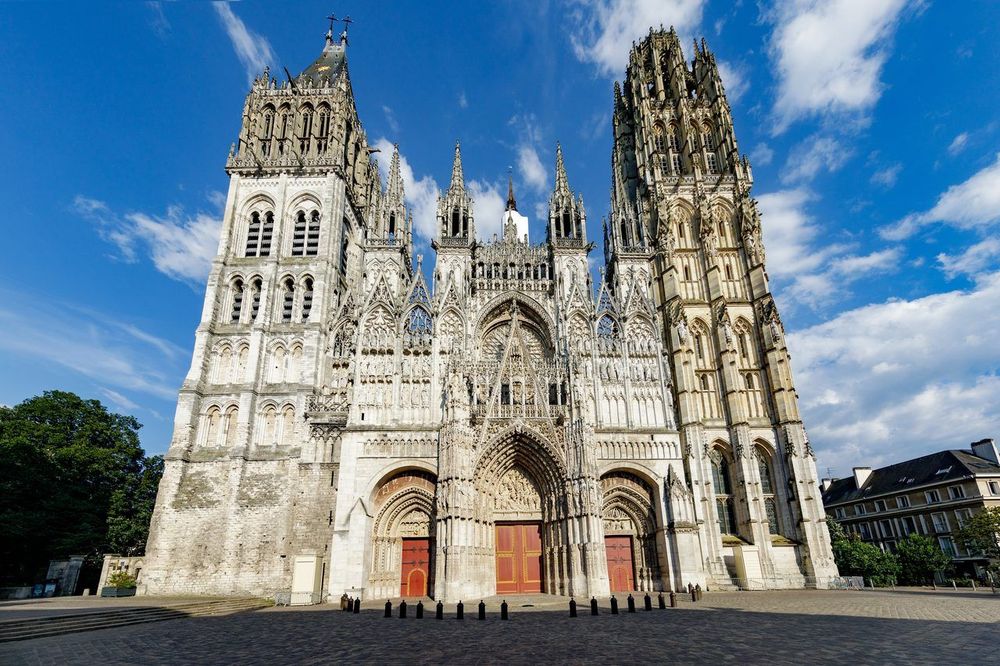
Activities in Rouen and surroundings are full of surprises for visitors arriving with an open mind. The cathedral Monet painted thirty times from the same window on the rue du Grand-Pont, the medieval half-timbered lanes frozen in an intact 15th century, the Aître Saint-Maclou hidden in a cobbled courtyard — one of the rare Black Death ossuaries still standing in Europe. It is not the most famous city in France, and that is precisely what makes it so endearing. To explore the Vieux-Rouen in the right order, the Ryo audio guide for Rouen takes you through 4 km and 27 audio stops, from Joan of Arc's pyre to the quays of the left bank.
Beyond the city, the possibilities overflow in every direction: Monet's gardens in Giverny less than an hour away by car, the cliffs of Étretat plunging straight into the Channel, the ruins of the abbaye de Jumièges nestled in the meanders of the Seine, the sandstone and wattle villages of the forêt de Lyons. This guide covers the city's must-sees and the best day trips within a 100 km radius, with practical information to plan a day trip or an extended weekend.
Right in the Heart of Rouen: the Old Town on Foot
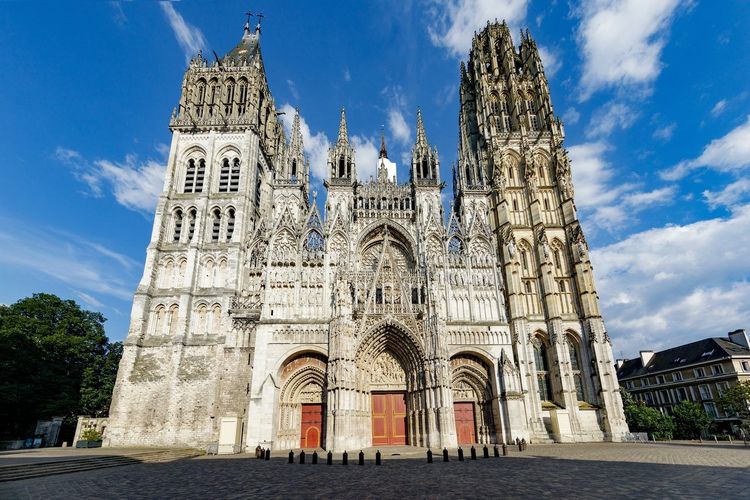
The historic centre of Rouen fits within a radius of less than two kilometres, making it one of the most compact and accessible old towns in Normandy. Start with the cathédrale Notre-Dame de Rouen, whose cast-iron spire, the tallest in France at 151 metres, can be spotted from almost anywhere in the city. The interior is worth a good half-hour: the tomb of Richard the Lionheart, the 12th-century choir windows, the proportions that gently overwhelm the ego. It is also a living cathedral, not a museum — services are held regularly, and the quiet morning hours allow you to visit it in near silence.
A short walk away, the Gros Horloge has straddled the street of the same name since 1527. The single-dial astronomical clock shows only the hours, not the minutes, but it is by climbing the belfry, for €7.70 (reduced rate €3.90), that the visit truly makes sense: a panorama over the rooftops of Rouen, the 14th-century clock mechanism, and a clear view of the cathedral within arm's reach. The climb is worth the slight breathlessness.
Continue to the place du Vieux-Marché, where Joan of Arc was burned at the stake in 1431. The église Sainte-Jeanne-d'Arc, built in 1979 on the site of the pyre, surprises with its resolutely modern architecture: an upturned boat hull that incorporates 16th-century stained-glass windows salvaged from a church destroyed during the Second World War. The bronze cross set into the cobblestones marks the exact location of the pyre — a detail many visitors walk past without noticing.
Five minutes on foot away, the Aître Saint-Maclou (186 Rue Martainville, 76000 Rouen, rated 4.6/5 on Google with 2,242 reviews) hides behind a discreet entrance in a small courtyard. It is one of the rare surviving examples of a Black Death ossuary in Europe: the 16th-century wooden galleries are carved with skulls, tibias, and gravediggers' shovels, in an unsettlingly well-preserved state. Entry is free. Visitors who stumble upon it by chance almost always stay far longer than they planned.
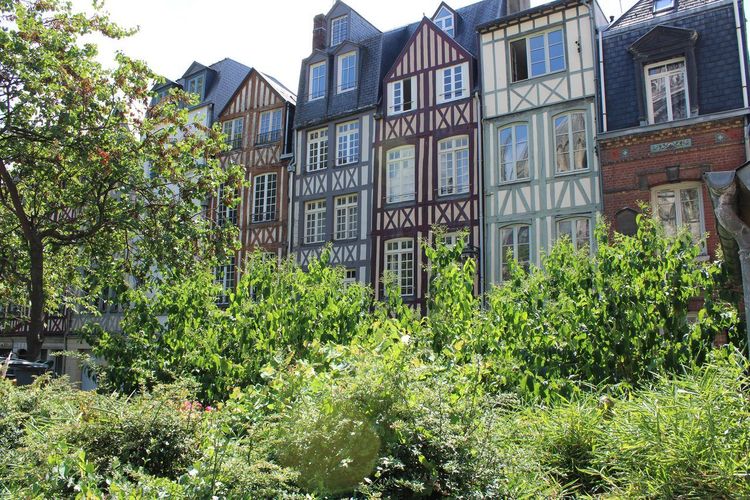
Complete the loop along rue Saint-Romain and rue Damiette, two of the best-preserved half-timbered streets in the centre. The 15th- and 16th-century houses lean slightly toward one another under the weight of the centuries. The Ryo audio tour of Rouen covers this entire historic area with 27 listening points so you don't miss any of the stories and details that appear on no signboard.
Museums in Rouen: Fine Arts, Ceramics, and Medicine
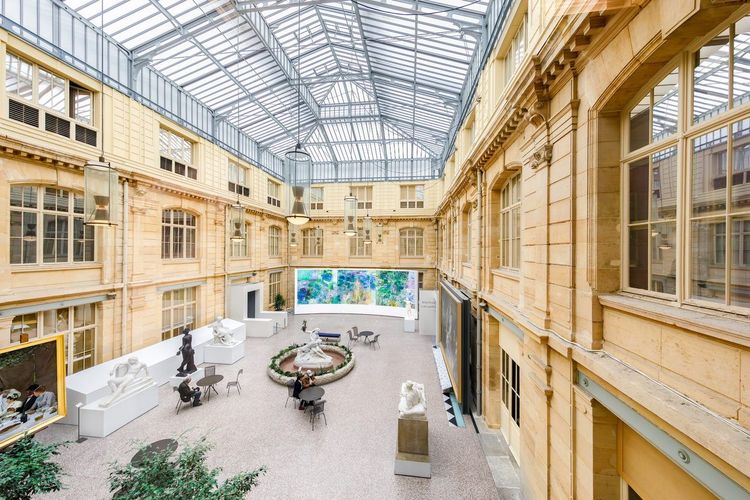
Rouen has a remarkable network of municipal museums. Entry to the permanent collections is always free in the municipal museums — a detail that most mainstream guides rarely mention, and one that changes how you approach a rainy day.
The Musée des Beaux-Arts de Rouen ranks among the ten most important collections in France outside Paris. Monet's series of "Cathedrals" is kept here, alongside an impressive 17th-century Flemish and Dutch collection: Velázquez, Rubens, Géricault — works that hold their own against the great European museums. The galleries remain on a human scale, without the overwhelming effect of the large Parisian institutions. Allow at least two hours to do it proper justice.
The Musée de la Céramique, housed in a 17th-century mansion a short walk from the Beaux-Arts, traces four centuries of Rouen faience. The blue camaïeu patterns that made the local manufacture famous are displayed in accessible rooms, far from the intimidation of major institutions.
For something more unusual, the Musée Flaubert et d'Histoire de la Médecine (51 Rue de Lecat, 76000 Rouen, rated 4.5/5 on Google with 103 reviews) blends the writer's personal effects with a collection of 18th-century surgical instruments, anatomical wax models, and medical curiosities — all housed in Gustave Flaubert's birthplace. The combination is disconcerting at first, fascinating soon after. To explore the connections between Rouen and its writers further, read our article on the Corneille and Flaubert houses in Rouen.
Unusual Activities and Unique Experiences in Rouen
The city offers several alternatives to the classic visit for those who prefer action to museums, or who want to combine both.
Escape rooms have multiplied in recent years in the city centre. Escape 423, Les Gardiens du Temps is one of the local references: highly crafted sets built around a time-travel theme, 60-minute scenarios, groups of 2 to 6 people. Several other venues offer immersive virtual reality experiences or hybrid formats combining a city treasure hunt with a historical investigation — a great way to see Rouen differently.
The Run & Visit Rouen concept invites you to discover the city on the run: a guided 6 km route through the main landmarks, with commentary from a guide who keeps the pace. Offbeat, sporty, and surprisingly memorable — the physical effort anchors memories in a way that passive visits simply do not.
The Docks district, on the left bank of the Seine, is worth an evening exploration: repurposed warehouses, large-scale murals, restaurants in former industrial buildings. The concert venue Le 106 (Quai de Boisguilbert, 76000 Rouen, rated 4.6/5 on Google with 2,058 reviews) programmes top-tier artists in a finely tuned acoustic space — one of the best venues in the region for contemporary music.
Outdoor and Sports Activities around Rouen
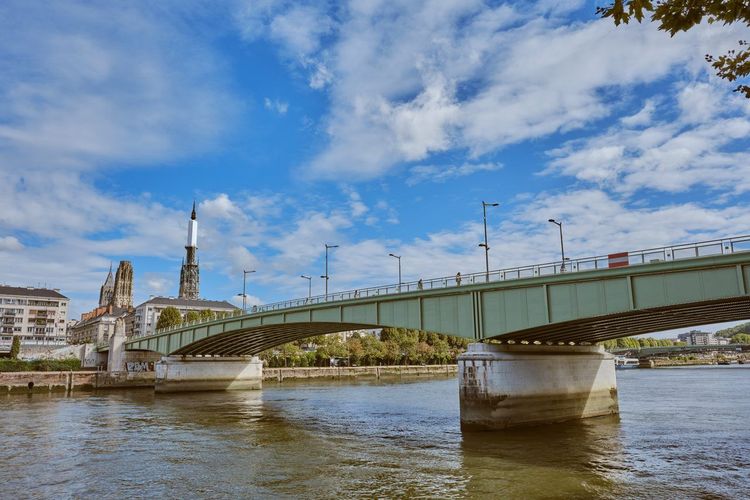
The banks of the Seine and the forests that encircle Rouen offer a generous playground the moment you step outside the historic centre.
The Forêt de Roumare, to the west in a large loop of the Seine, covers around 4,000 hectares of oaks and beeches crossed by forest roads and marked walking trails. It is home to a wildlife park with free admission where you can observe deer, fallow deer, roe deer, and wild boar in large enclosures — an ideal outing for families, just fifteen minutes from the centre. To spot more exotic species — flamingos and gibbons — the Parc de Clères, some thirty kilometres to the north, is worth the detour in a setting of English-style gardens.
Along the Seine, a cycle path allows you to reach Duclair or the river loops at your own pace. The Rouen Tourist Office offers rental of standard and electric bikes — a pleasant way to explore the riverbanks without worrying about timetables.
Accrocamp Rouen (Route de la Forêt, 76250 Déville-lès-Rouen, rated 4.7/5 on Google with 132 reviews) offers treetop adventure courses accessible from age 4, with several difficulty levels up to expert circuits. The Canoë-Club Normand organises outings on the Seine and its tributaries — an angle on the city that few visitors take, and one that radically changes your perception of urban space when you find yourself paddling with the cathedral in front of you.
Giverny: Monet's Gardens 70 km from Rouen
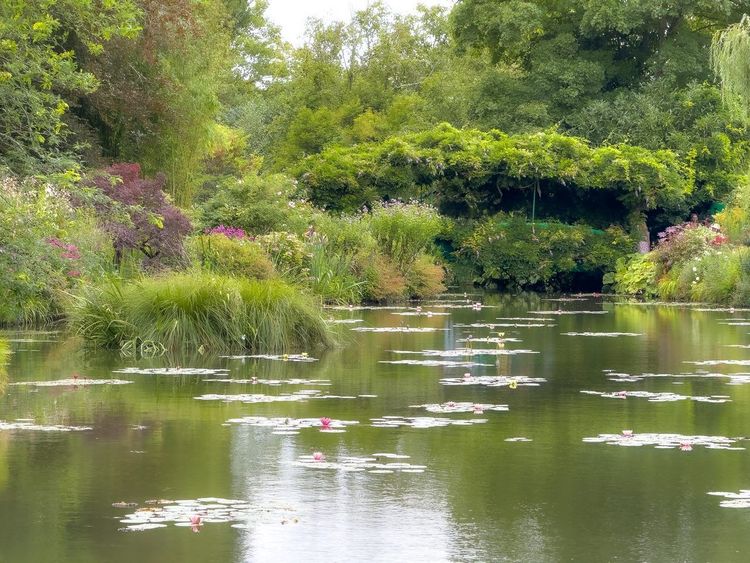
Some 70 km south of Rouen via the A13, Giverny is home to the Maison de Claude Monet and its gardens, among the most visited sites in Normandy. The formal French-style garden, planted with thousands of flowers in colours calculated by Monet himself, and the water garden with its green Japanese bridge — the direct origin of the Nymphéas series — are open from April to November, every day.
The visit lasts between 1h30 and 2h. The inside of the house is also accessible: the kitchen with yellow walls covered in blue tiles, the studios, the collection of Japanese prints that directly influenced the paintings. Book tickets online without fail — morning slots sell out quickly in high season, especially in May and June when the water lilies are in bloom and the colours are at their most intense.
The Musée des Impressionnismes, a few minutes' walk from the gardens, hosts consistently high-quality temporary exhibitions on international Impressionist movements. Entry is separate, and combining both visits easily fills half a day. Some visitors prefer to dedicate the afternoon to the gardens alone, returning after the lunchtime crowds have thinned.
On the way back, a stop at Les Andelys rounds the day off nicely. Château Gaillard (Chemin du Château Gaillard, 27700 Les Andelys, rated 4.5/5 on Google with 5,115 reviews) dominates the Seine from a limestone cliff: a medieval fortress built by Richard the Lionheart in 1196–1197 in under two years according to tradition, at a height of 90 metres. The ruins retain an impressive physical presence, and the view over the meanders of the river from the promontory alone justifies the climb.
The Cliffs of Étretat from Rouen
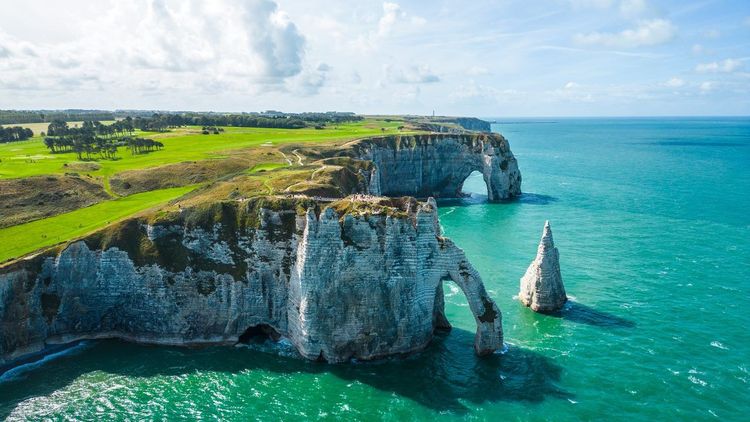
Étretat is about 90 km from Rouen, around 1h15 via the A150. The white chalk cliffs — the Amont, the Aval, and the Manneporte — are among the most photographed landscapes in France, and for good reason: the late-afternoon light on the Arche d'Étretat produces something almost surreal. Guy de Maupassant lived in Étretat, Monet painted several series there, and the cliffs continue to draw visitors from across Europe.
The customs officers' path follows the cliffs for several kilometres in both directions from the pebble beach. The climb to the chapelle Notre-Dame de la Garde, at the top of the Amont cliff, takes twenty minutes and offers the classic panoramic view of the Arch. Walking shoes are recommended: the paths are narrow and steep, and the cliff edges are crumbling in places.
The Jardins d'Étretat, developed from 2017 by Russian landscape designer Alexandre Grivko on the site of a former villa, feature neo-futurist botanical gardens with a head-on view of the cliffs. Entry is paid, but the setting is spectacular — few sites in France offer this kind of encounter between contemporary art and an exceptional natural landscape. The village itself is worth an hour's stroll: wooden covered market halls, a handful of fresh fish restaurants at reasonable prices. Back in Rouen, our audio walking tour covers the old town in 4 km.
Abbaye de Jumièges and the Seine Loop
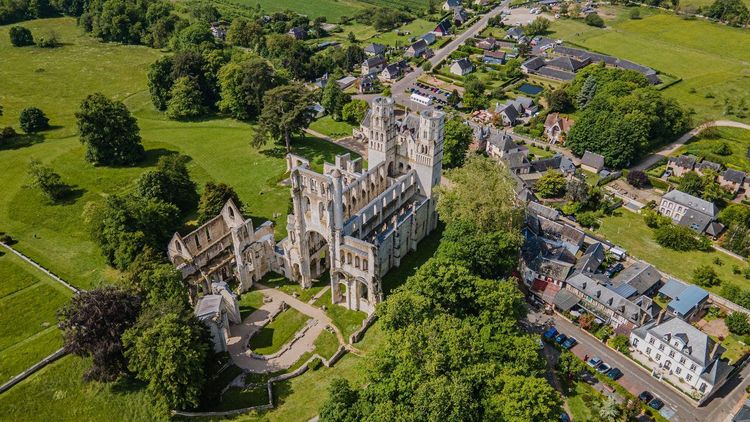
The Abbaye de Jumièges (Rue Guillaume le Conquérant, 76480 Jumièges, rated 4.6/5 on Google with 4,314 reviews), 30 km west of Rouen, is one of the most striking ruins in Normandy. Founded in the 7th century, burned by the Vikings, rebuilt and expanded until the 11th century, then sold during the Revolution to a stone merchant who began demolishing it — the remains that survive carry a melancholy grandeur that is hard to convey in words; you simply have to go. The two façade towers still rise to over 40 metres, framing a typically changeable Norman sky.
Access is via the Jumièges ferry from Duclair in five minutes, or by road around the Seine loop. The on-site guided tour clearly illuminates the different phases of construction. Allow 1h30 on site. Along the way or on the return, the loop offers typically Norman river landscapes: orchards, water meadows, red-brick dovecotes, and the scent of apple blossom in spring.
The Forêt de Lyons and the Norman Villages
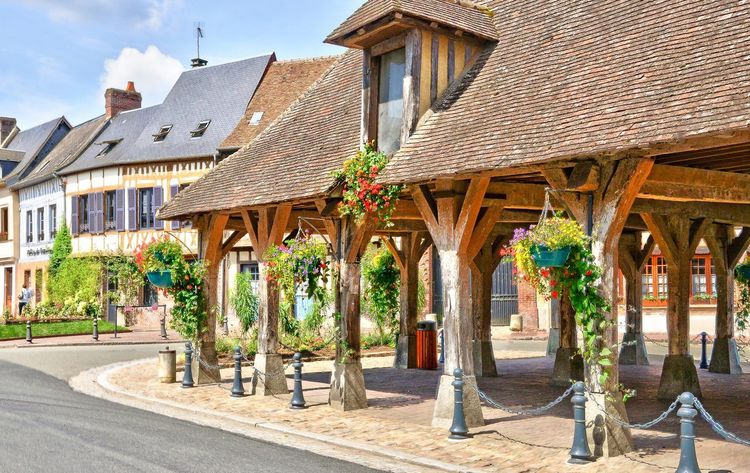
Some 40 km northeast of Rouen, the Forêt de Lyons is one of the most beautiful beech forests in France, and the largest in the country at nearly 11,000 hectares. In autumn, the light filtering through the canopies of centuries-old beeches reaches something quite extraordinary — an orange-yellow that transforms even muddy paths into almost dreamlike scenery. Marked walking trails set off from the village in every direction.
The village of Lyons-la-Forêt (Place Benserade, 27480 Lyons-la-Forêt, rated 4.5/5 on Google with 3K reviews) is itself listed among the most beautiful villages in France: 18th-century wooden market halls, half-timbered houses, the église Saint-Denis. Maurice Ravel stayed here on several occasions and worked on some of his compositions here. The central square is one of the finest village squares in all of Normandy — calm, slightly out of time, and ideal for a lunch break.
A few kilometres away, the Abbaye de Mortemer offers a distinctive visit: the ruins of a 12th-century Cistercian abbey, a museum of medieval wax figures, and local legends that make this a quietly well-kept and highly family-friendly address. The surroundings of Rouen hold several other villages of character worth discovering — see our article on the 6 most beautiful villages around Rouen for the best addresses.
Where to Eat in Rouen: Norman Specialities
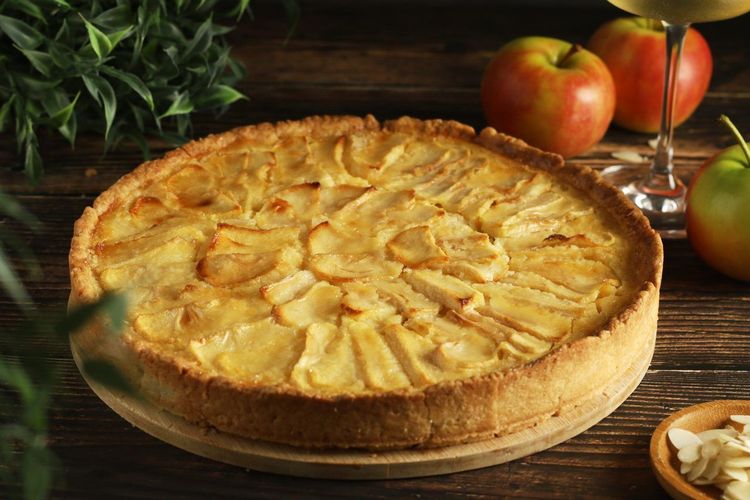
Norman cuisine rests on a founding trio: butter, cream, and calvados. In Rouen, local specialities deserve particular attention, and good addresses cover every budget.
Canard à la Rouennaise is the city's emblematic dish: pressed duck, red wine reduction sauce, prepared at the press in front of you at the finest establishments. La Couronne (31 Place du Vieux-Marché, 76000 Rouen, rated 4.2/5 on Google with 1,374 reviews), founded in 1345, is considered the oldest inn in France still in operation, and the definitive address for this preparation. Prices match the reputation, but the experience is worth the investment.
The covered market at the Vieux-Marché offers Norman cheeses — heart-shaped Neufchâtel, Livarot, PDO Camembert de Normandie — along with ciders, calvados, and charcuterie. Saturday morning is the best time to stock up. For more addresses and specialities, see our guide to Rouen's culinary specialities.
Getting Around Rouen and the Surrounding Area
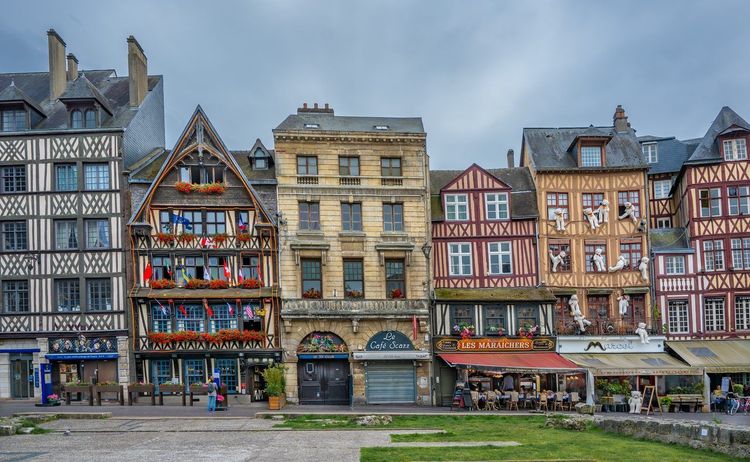
The TEOR (high-frequency bus service) and the metro serve the urban area efficiently. The main sites of the Vieux-Rouen are reachable on foot from the train station in no more than 15 minutes, making a car unnecessary for exploring the centre.
For day trips in the surroundings, a car is strongly recommended. Public transport links to Étretat or the forêt de Lyons are limited, especially outside the tourist season. Giverny is not served directly from Rouen: plan on driving, or take a taxi from Vernon station, which is connected to Paris Saint-Lazare by regional train. The Paris–Rouen train from Saint-Lazare takes 1h10 to 1h20, with very frequent departures on weekdays — convenient for a weekend trip from the capital without a car.
FAQ
What should you absolutely do in Rouen in one day?
In one day, focus on the Vieux-Rouen on foot: the cathédrale Notre-Dame, the Gros Horloge, the place du Vieux-Marché, and the Aître Saint-Maclou form a loop of two to three hours. Add the Musée des Beaux-Arts if you have two extra hours. In the evening, the restaurants around the place du Vieux-Marché offer a good selection for all tastes and budgets.
How long do you need to properly visit Rouen?
A full weekend, two days, allows you to cover the city without rushing and to include a day trip to the surroundings. Three days allow you to add Étretat and Giverny. If you only have one day, Rouen alone is well worth the trip: the Vieux-Rouen on foot is in itself a full and rewarding day.
What are the best day trips around Rouen?
The three must-sees: the abbaye de Jumièges 30 km away (to combine with the Seine loop), Monet's gardens in Giverny 70 km away, and the cliffs of Étretat 90 km away. For a quieter escape, the forêt de Lyons and the village of Lyons-la-Forêt 40 km away offer a complete change of scenery in any season, even outside summer weekends.
Is Étretat easily accessible from Rouen?
It is 90 km via the A150, about 1h15 by car. There is no convenient direct public transport from Rouen. Plan the whole day to enjoy the cliffs, the customs officers' path, and the village; leaving early in the morning helps avoid the crowds on spring and summer weekends.
Can you visit Giverny in half a day from Rouen?
Yes, if you focus solely on Monet's gardens (1h30 to 2h visit). To combine with the Musée des Impressionnismes and a stop at Château Gaillard in Les Andelys on the way back, plan a full day. Tickets for the gardens must be booked online in advance — essential between May and July.
Is Rouen a good destination for children?
Yes, as long as you balance history and activities. The Aître Saint-Maclou generally fascinates children (carved skulls guaranteed). The Parc de Clères, Accrocamp Rouen, and cycling loops along the Seine round out a great day for families. The Musée des Beaux-Arts offers children's workshops on certain weekends.
The richness of the Rouen area far exceeds what you can take in during a single stay. To explore the Vieux-Rouen step by step without missing any of the history-laden sites, the Ryo audio guide for Rouen accompanies you with 27 audio stops over 4 km. Download the Ryo app before you leave and go at your own pace — it's a way of visiting the city that leaves a lasting impression.
À lire également