© Shutterstock
 Votre guide Ryo
Visiting Rennes for the First Time: The Complete 2026 Guide
For many travelers, visiting Rennes for the first time means a TGV station and a city center rushed through between two trains to Saint-Malo. They then miss nearly 300 half-timbered houses packed into the old town, a market that has filled an entire square every Saturday since 1622, and a cathedral whose façade took more than a century and a half to rise from the ground. For a first visit, the Ryo audio-guided tour of Rennes draws a thread between these places so you don't have to open a map at every street corner.
Between historic monuments, hidden architectural gems and strolls along the Vilaine, the Breton capital can be explored in a single day just as well as over a full weekend. Along the way you will come across Art Deco mosaics hidden in the halls of ordinary buildings, a listed historic monument swimming pool where people still swim, a street nicknamed "the street of thirst" by generations of students, and galettes-saucisses sold every Saturday morning at the foot of the halls on place des Lices.
Old Rennes and Its Historic Monuments
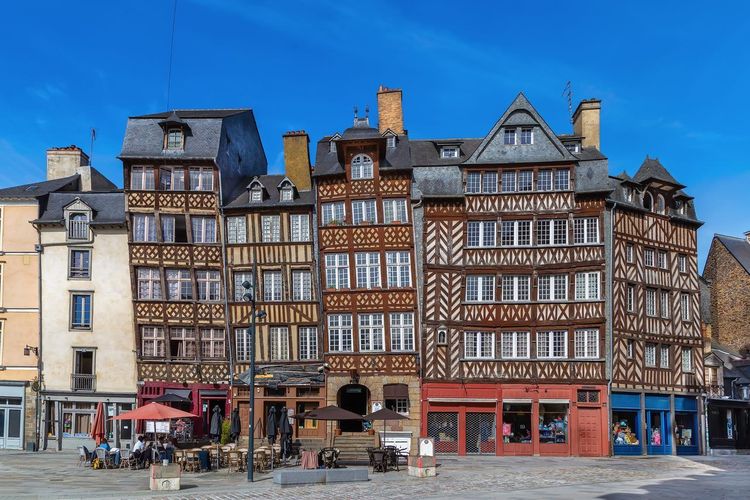
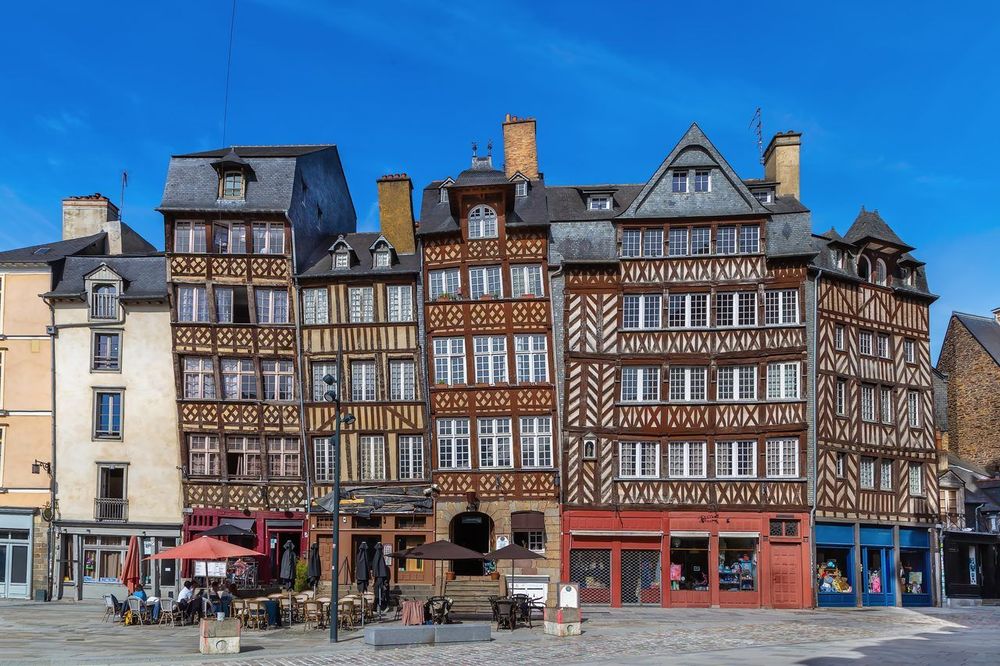
The great fire of 1720 devastated the north of the upper town, but it spared the streets around the cathedral and the Champ Jacquet. That is where the half-timbered houses are still concentrated today, huddled along cobbled lanes too narrow for cars. Getting lost here is part of the pleasure: every leaning façade and every carved overhang tells the story of the city before the 18th century.
The Portes Mordelaises and Place du Champ Jacquet
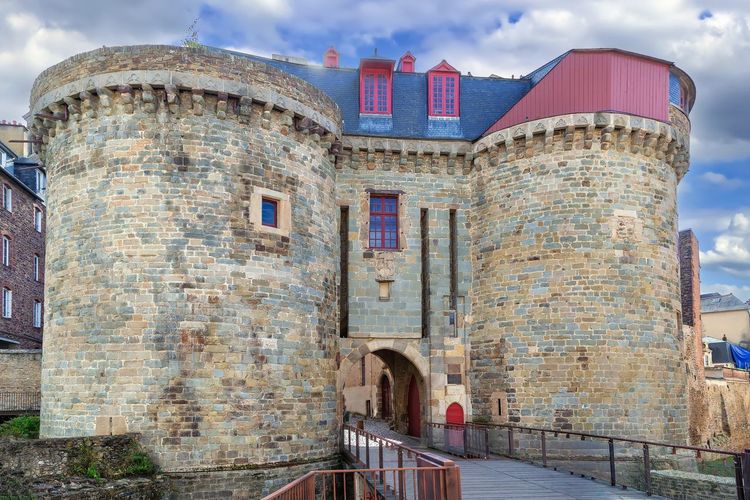
The Portes Mordelaises marked the main entrance to the walled city in the 15th century: this is where the Dukes of Brittany made their solemn entry before being crowned at the cathedral. Today only a gatehouse flanked by two towers and a drawbridge remain, but it is enough to imagine the scale of the ramparts that once encircled the entire old town.
Five minutes away on foot, place du Champ Jacquet (35000 Rennes) lines up some of the most photographed half-timbered façades in Rennes, tall and leaning slightly toward the square. The terraces fill up as soon as the weather turns nice. Look up: you will spot details invisible from the neighboring street, carved beams, engraved dates, ornate corner posts.
Saint-Pierre Cathedral and the Couvent des Jacobins
The Saint-Pierre Cathedral surprises with its double face. Its classical two-tower façade was begun in 1541 and only completed in 1703, while the nave, which collapsed in the 18th century, was rebuilt between 1787 and 1844 in a neoclassical style. Push open the door: behind the austere exterior are Ionic columns, gilded stuccoes and a 16th-century Antwerp altarpiece populated with dozens of carved figures, considered the artistic treasure of the building.
A little further on, near place Sainte-Anne, the Couvent des Jacobins (Place Sainte-Anne, 35000 Rennes, rated 4.6/5 on Google from 2,256 reviews), founded by the Dominicans in 1369, became the Rennes Métropole convention center in 2018. The restoration preserved the cloister and some of the original decor, and the tourist office regularly announces public openings of the cloister: check before you go, as the contrast between medieval stone and contemporary glass roof is worth a look. If you would rather have this history told to you than read it on a sign, the Ryo audio-guided tour of Rennes passes right by the Portes Mordelaises and the cathedral, with an audio commentary for each of these stops.
The Parlement de Bretagne and the Heart of Rennes' Power
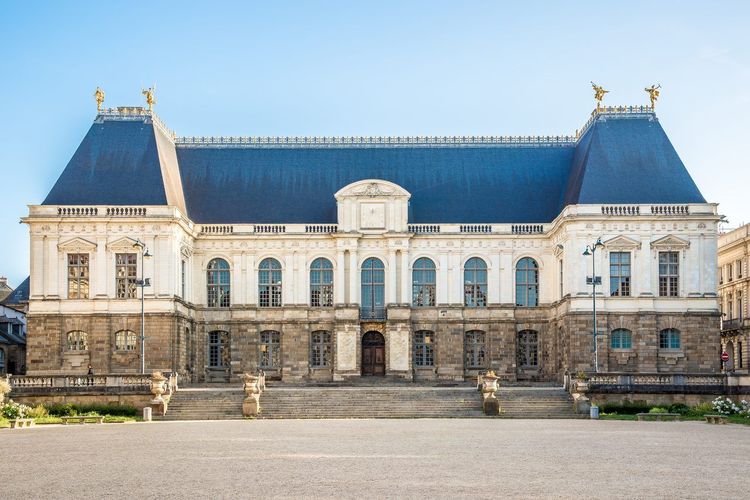
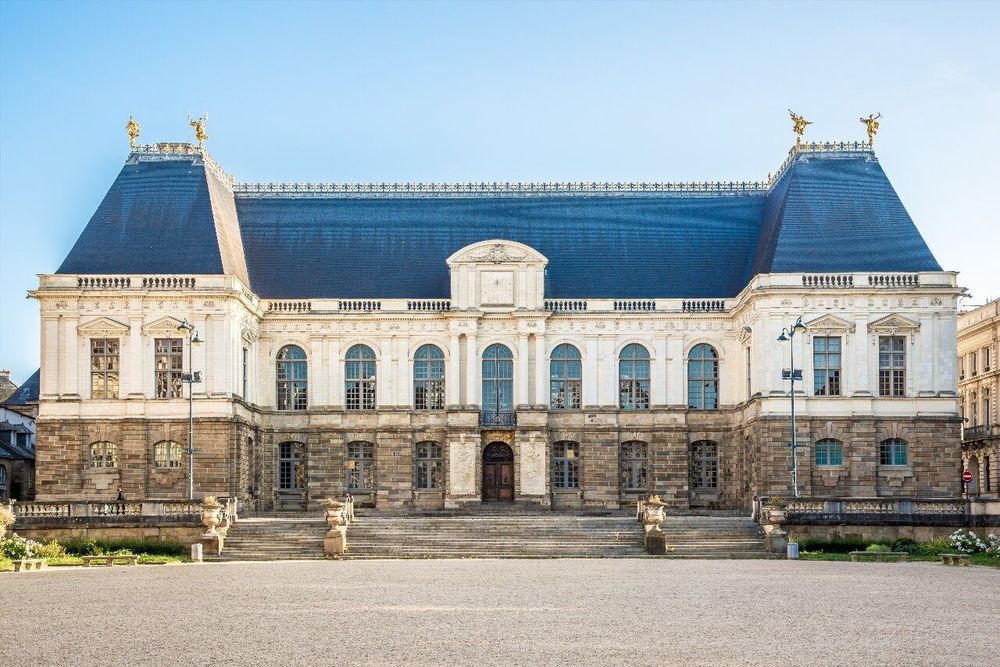
For nearly two centuries, this neighborhood was where justice was dispensed for the entire province. After the fire of 1720, the city was rebuilt in stone according to a regular plan: you clearly shift architectural register as you leave the medieval lanes.
The Palace of the Parlement de Bretagne
The palace of the Parlement de Bretagne, completed in 1655, came close to destruction on the night of 4 to 5 February 1994: a distress flare fired during a fishermen's demonstration set the roof on fire. The timberwork burned within a few hours, but a restoration lasting about ten years brought back the painted ceilings and gilding of the Grand'Chambre. The building still houses the court of appeal and can only be visited on a guided tour, booked through the tourist office. Book a few days ahead in high season, as the groups are small.
Place de la Mairie, the Hôtel de Ville and the Opéra
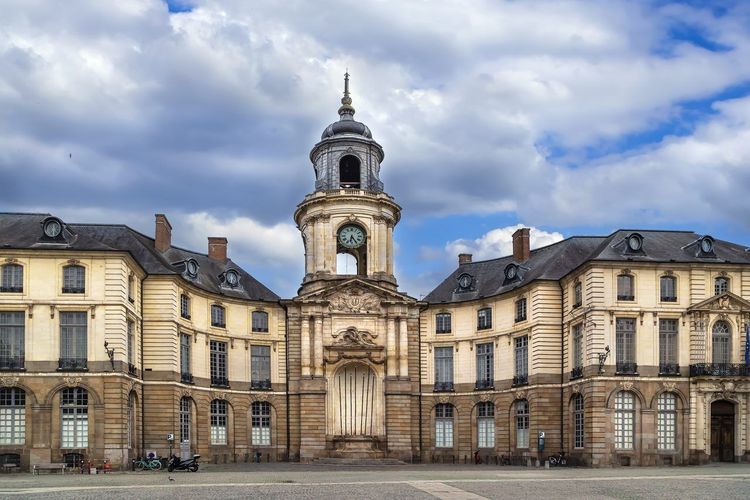
On place de la Mairie (35000 Rennes), two eras face each other. On one side, the Hôtel de Ville designed in the 18th century by Jacques Gabriel, with its clock tower framed by two concave curved wings. On the other, the Opéra de Rennes, inaugurated in 1836 to plans by Charles Millardet, whose convex façade seems to fit into the curve of the town hall. Stand in the middle of the square to take in this dialogue between the two buildings.
The Opéra offers a rich season of opera and dance for a city of this size, and also runs guided backstage tours on certain dates. The Ryo audio-guided tour devotes several of its 25 stops to this area, from place du Parlement to place de la Mairie, enough to understand why the people of Rennes see this as the most beautiful urban setting in their city.
Place des Lices and Its Breton Flavors
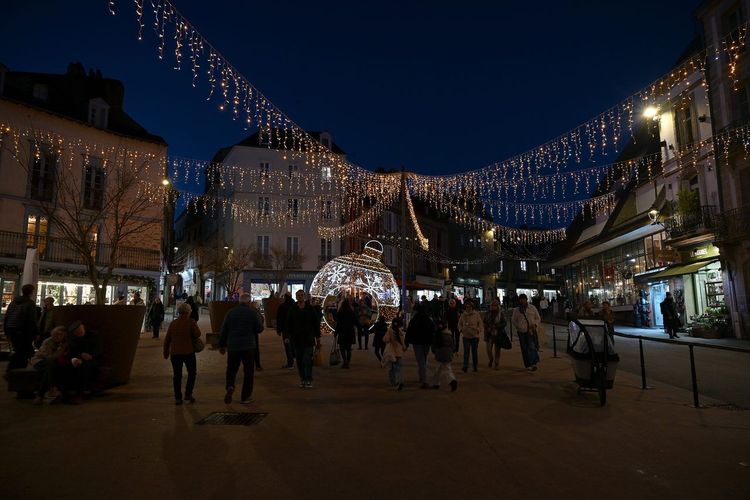
Every Saturday morning since July 1622, this is where Rennes does its shopping. The square has lasted four centuries without losing its original purpose, which remains rare for such a central space.
The Lices Market and Its Halls
The place des Lices (35000 Rennes, rated 4.6/5 on Google from 3K reviews) hosts one of the largest markets in France, with about 300 vendors every Saturday, from market gardeners of the Rennes basin to fishmongers and oyster farmers from the coast. The two Martenot halls that stand on it, built between 1868 and 1871 on the model of the Baltard pavilions in Paris, house the food stalls: cheesemongers, butchers, charcutiers. Arrive before 10am if you want to avoid the mid-morning crowds, especially during the holiday season.
The market spills onto the adjacent streets and onto neighboring place Hoche. Allow a good hour to walk around it without rushing, longer if you stop at every cider or salted butter stand.
Galette-Saucisse and Crêpes: The Classics to Taste
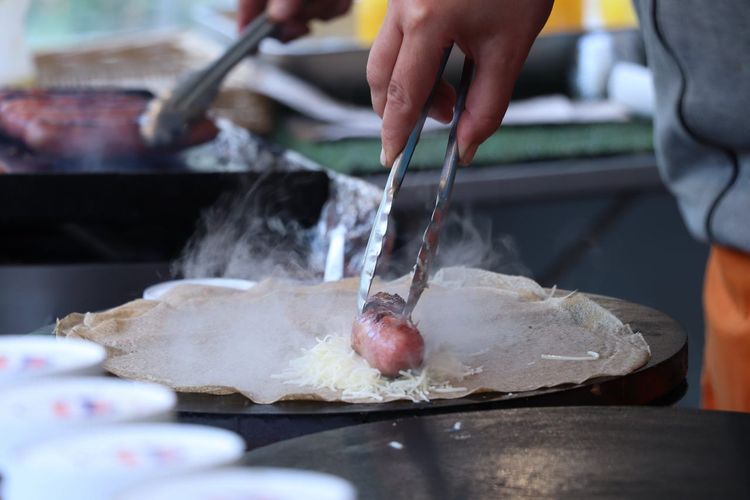
It is impossible to visit Rennes without coming across a galette-saucisse, this local specialty that wraps a grilled sausage in a buckwheat galette, eaten standing up, without knife or fork. The people of Rennes debate it seriously: mustard or no mustard, cold galette or hot, which market stand serves the best. Don't let yourself be intimidated; it's by tasting several versions that you form an opinion.
Classic Breton crêpes and galettes, sweet with wheat flour or savory with buckwheat, can be found in crêperies scattered throughout the city center, from the Sainte-Anne district to rue Saint-Georges. To dig deeper beyond the galette-saucisse, our Ryo article on the culinary specialties of Rennes details the variations to know before sitting down to eat.
The Champs Libres and Rennes' Museums
The Champs Libres: Musée de Bretagne, Planetarium and Library
The Champs Libres (10 Cours des Alliés, 35000 Rennes, rated 4.7/5 on Google from 2,004 reviews), a contemporary building designed by Christian de Portzamparc and opened in 2006, brings together under one roof the Musée de Bretagne, the Espace des sciences with its planetarium, and a large library. The Musée de Bretagne traces regional history from prehistory to the 20th century, and its permanent collections are free all year round. The planetarium offers shows at fixed times, often fully booked on weekends: book online if you are visiting on a Saturday.
The library remains open to everyone. Even if you don't borrow a book, go up to the upper floors: the view over the city center and the train station is worth the small detour.
Other Museums Not to Miss
The Musée des Beaux-Arts, set on the banks of the Vilaine, holds a Tiger Hunt by Rubens and paintings by Gauguin and Picasso, collections that are nonetheless little known outside Brittany. Admission is free on the first Sunday of every month, a detail that changes the budget of a cultural weekend.
Further out, the écomusée du pays de Rennes, set in the Bintinais farm, tells the story of rural Breton life with local breeds of animals grazing in the fields. Check opening hours before you set out: closing days differ from one museum to another.
Thabor Park and the Banks of the Vilaine
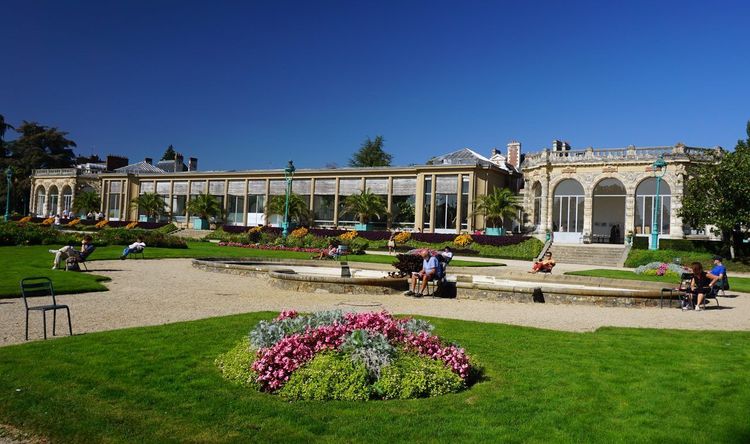
Thabor Park: Gardens and Rose Garden
The Thabor park, often cited among the most beautiful public gardens in France, spreads over about ten hectares on the grounds of the former Benedictine abbey of Saint-Melaine. The French-style garden, with its geometric flowerbeds and aviary, contrasts with the English-style garden and the botanical garden. The rose garden reaches its peak bloom in June: if you come at that time, set aside half an hour for it.
The people of Rennes jog here in the morning, picnic here at noon and stroll here in the evening.
The Banks of the Vilaine and Place Sainte-Anne
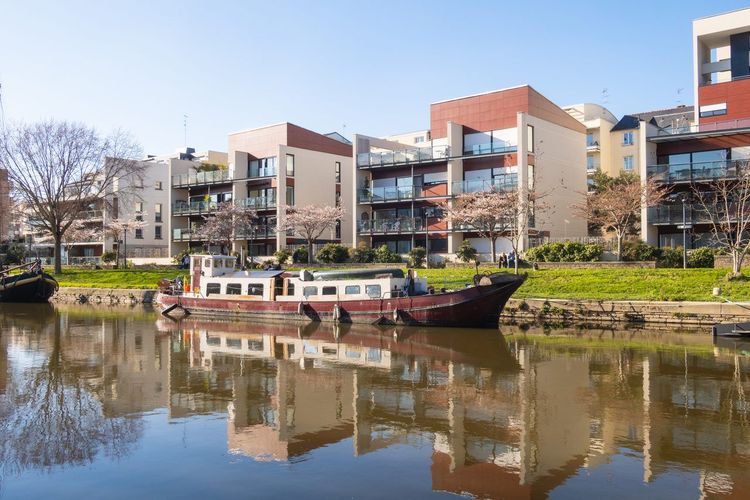
On the way back down toward the center, the banks of the Vilaine run alongside the river that cuts the city in two. The pedestrian promenades offer an open view of the façades bordering the water, particularly around the Musée des Beaux-Arts.
Further north, place Sainte-Anne (35000 Rennes) fills with lively terraces at the first rays of sun, driven by a mostly student crowd in the evening. To link these stops without guessing the way, the Ryo audio-guided tour of Rennes connects the old town, the riverbanks and the major squares over 4.7 km, with an anecdote at every stop.
The Hidden Treasures of Rennes
Odorico Mosaics and Secret Inner Courtyards
Rennes hides, in building halls, façades and shops, a surprising number of Odorico mosaics, made by a family of mosaicists from Friuli who settled in Rennes in the late 19th century. Isidore Odorico the Younger turned the city into a showcase of Art Deco mosaic. The tourist office offers a route to find these works: some halls remain accessible during office hours, provided you open the door discreetly.
The secret inner courtyards of the historic center extend this hunt for details. Several courtyards of private mansions, now occupied by shops or offices, have preserved staircases and façades from the 17th and 18th centuries, visible if you know where to look. The tourist office's themed tours open up some of these discreet addresses.
The Dreyfus Affair and Contemporary Architecture
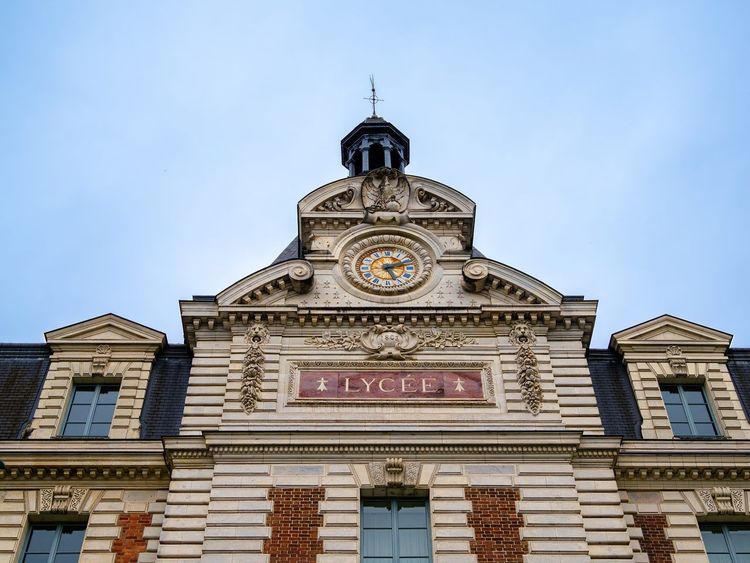
Few visitors know that the second trial of Captain Dreyfus was held in Rennes in 1899, in the assembly hall of the boys' high school, now the lycée Émile-Zola. The affair, which divided France for years, also left its mark on the city, and the tourist office devotes a dedicated tour to it.
At the opposite end of this historical register, Rennes cultivates a fairly rich contemporary architecture: the EuroRennes district, undergoing a major transformation around the train station, or the low-carbon timber and straw buildings of La Courrouze, a former industrial and military site that has been redeveloped. The Rennes region also has a long tradition of building with raw earth, known as bauge or cob, visible on many old farms and brought back into fashion by a few architects. To know where to look for these two faces of Rennes, our Ryo article on the neighborhoods of Rennes details the areas to explore beyond the historic center.
Where to Eat and Go Out at Night in Rennes
Rue Saint-Michel and Rue Saint-Georges for Nightlife
The rue Saint-Michel, nicknamed "the street of thirst" by generations of Rennes students, lines up bars over a few dozen meters, between half-timbered façades and terraces that spill onto the cobblestones from Thursday evening. The atmosphere changes radically between a quiet Tuesday and a Saturday night. Located between place des Lices and place Sainte-Anne, it lies along the route of the Ryo audio-guided tour, which looks back at the history of this neighborhood before it became the students' haunt.
The rue Saint-Georges (35000 Rennes), more subdued, lines up crêperies and restaurants in carefully restored half-timbered houses. You will stroll here more than party, which makes it a good complement to rue Saint-Michel for an evening in two parts.
Good Places to Eat Well
Between street galette-saucisse and more refined restaurants, Rennes caters to every budget. Crêperies remain the safe bet for a simple meal, particularly on rue Saint-Georges and around Sainte-Anne. For more elaborate cooking, the Lices district has several restaurants that work with products from the neighboring market.
In the evening, place Sainte-Anne and rue Saint-Michel remain the obvious meeting points for a drink, with a distinctly more student atmosphere during the university term.
The Saint-Georges Swimming Pool and Unusual Activities
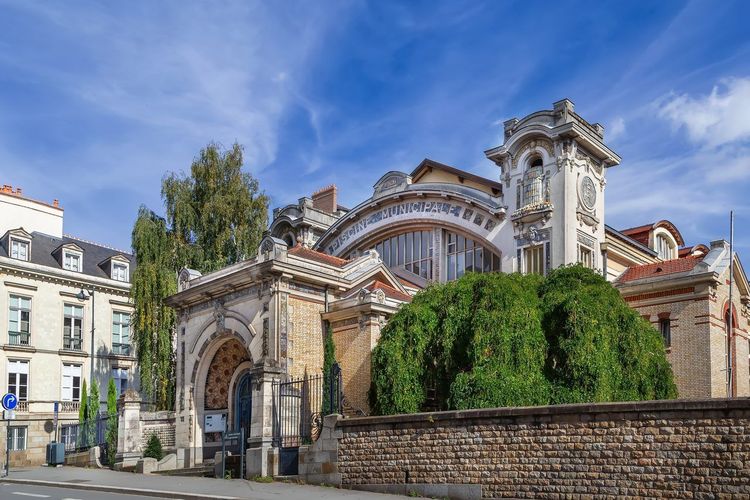
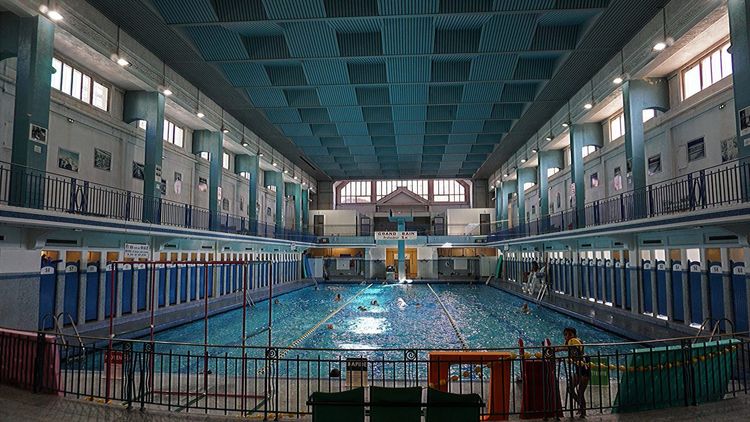
The Saint-Georges swimming pool (2 Rue Gambetta, 35000 Rennes, rated 4.3/5 on Google from 562 reviews), built between 1923 and 1926 by city architect Emmanuel Le Ray on the site of the former Saint-Georges church, is one of the Art Deco jewels of Rennes. Its mosaic frieze by Isidore Odorico runs for 96 meters around the pool, in green, brown and gold undulations that evoke a calm sea. Awarded the Patrimoine du XXe siècle label in 2000, it has been listed as a historic monument since 2016.
The pool is still in use: the best way to enjoy the decor is therefore to buy a ticket and swim a few laps. Time slots vary with the seasons and with the periods reserved for school groups, so check them before slipping a swimsuit into your bag. An unusual activity rarely mentioned by general guidebooks.
Practical Information for Planning Your First Stay
How Much Time to Allow and How to Get to Rennes
For a first stay, plan on one full day to see the essentials of the historic center, and a weekend if you want to add the Champs Libres, the Thabor and an evening on rue Saint-Michel without rushing. Rennes also works very well as a one-day stopover, thanks to a TGV station about fifteen minutes' walk from the historic heart.
To calibrate your first visit, the Ryo audio-guided tour of Rennes lasts 1h50 with 25 audio stops over 4.7 km: a concrete benchmark to know whether it fits into a morning or whether it's better to split it in two around a lunch at the Lices.
As for transport, Rennes is connected to Paris-Montparnasse in about 1h25 by direct TGV, making it accessible as a day round trip from the capital. On site, the historic center can be covered entirely on foot; the automatic metro, with its two lines, links the station to the center and serves the outlying neighborhoods. If you come by car, park in a park-and-ride and take the metro: parking in the hyper-center remains limited and expensive on market days.
Where to Stay and What Budget to Plan
For a first visit, staying in the historic center or around place des Lices makes everything simpler: most sites are then reachable in under fifteen minutes on foot. The station district offers newer hotels, convenient if you arrive late by train, but further from the evening terraces. Travelers on a tight budget will also find hostels near the station, a simple option for a single night.
Budget-wise, a day in Rennes remains affordable: the permanent collections of the Musée de Bretagne are free, the Musée des Beaux-Arts is free on the first Sunday of the month, the Lices market costs nothing to wander and a galette-saucisse costs around 4 to 5 euros. Above all, plan for a higher accommodation budget during major events, such as the Transmusicales in early December.
Extending Your Trip: Excursions Around Rennes
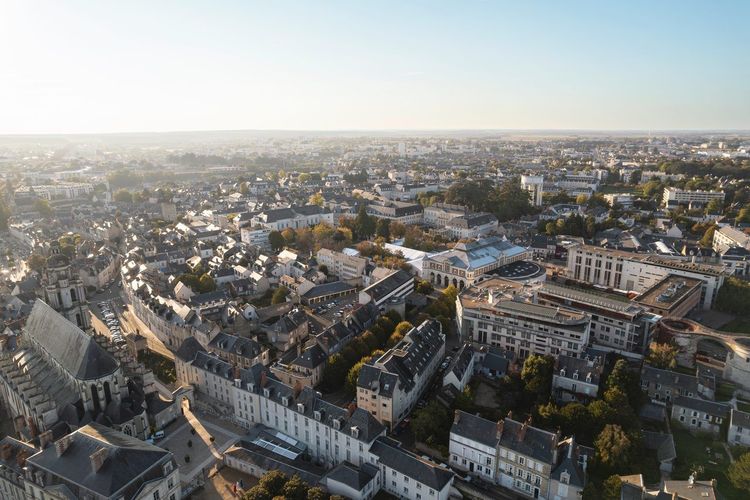
Rennes works very well as a starting point for exploring the rest of Brittany, provided you have a car or are willing to work with regional buses and TER trains.
Heritage lovers will head out to the most beautiful villages in Brittany, with their stone houses and carved calvaries. Our Ryo article on the most beautiful villages in Brittany details the options reachable from Rennes in half a day.
For a seaside break, the nearest Breton beaches are about an hour's drive to the north, between Saint-Malo and the Côte d'Émeraude. Our Ryo selection of the most beautiful beaches in Brittany covers family-friendly beaches as well as wild coves.
Finally, if you extend your stay beyond a weekend, look at the Breton islands, accessible by boat from several ports. Our Ryo article on the most beautiful Breton islands gives an overview of the crossings and their duration.



FAQ
How many days should you plan to visit Rennes for the first time?
One full day is enough to see the essentials of the historic center: Portes Mordelaises, the cathedral, the Parlement de Bretagne and place des Lices. To add the Champs Libres, the Thabor and an evening on rue Saint-Michel without rushing, plan on a weekend.
What is the best time to visit Rennes?
Spring and early summer, for the Thabor rose garden and the café terraces. In early December, during the Transmusicales festival, the atmosphere changes completely, but accommodation must be booked earlier and costs more.
What can you see in Rennes in just one day?
Focus on the historic center: Portes Mordelaises, place du Champ Jacquet, Saint-Pierre Cathedral, the Parlement de Bretagne, place des Lices for lunch, then the banks of the Vilaine or the Thabor in the late afternoon.
How do you get around Rennes without a car?
The historic center can be covered entirely on foot, as most sites are within a twenty-minute walk of one another. The city's two automatic metro lines fill in for the train station and the more distant neighborhoods.
What is free to visit in Rennes?
The Lices market, the Portes Mordelaises, place du Champ Jacquet, the Thabor park and the banks of the Vilaine can all be visited freely. The permanent collections of the Musée de Bretagne are free all year round, and the Musée des Beaux-Arts is free on the first Sunday of every month.
Is Rennes worth the detour compared with other Breton cities?
Rennes offers a density of heritage comparable to Vannes or Quimper, with the advantage of a TGV station about 1h25 from Paris and easy access to the rest of Brittany. It is also a practical base for day trips to Saint-Malo, the surrounding villages or the islands without having to change accommodation.
Conclusion
Rennes can't be told through a checklist of monuments: it is a city that reveals itself in layers, between half-timbered façades you notice on a second look, mosaics hidden in anonymous halls and terraces whose mood changes with the hour. For a first visit, start with the historic center, then head toward the Thabor or the Vilaine depending on how much time you have.
If you would rather let yourself be guided without juggling a map and a paper guidebook, the Ryo audio-guided tour of Rennes strings together the must-see stops at your own pace, headphones on and eyes up rather than on a screen.
À lire également