Créé par Emilie, le 17 nov. 2026
Votre guide Ryo
Vannes, France
The city of the Veneti
Parcours audioguidé pour visiter Vannes en 1 jour
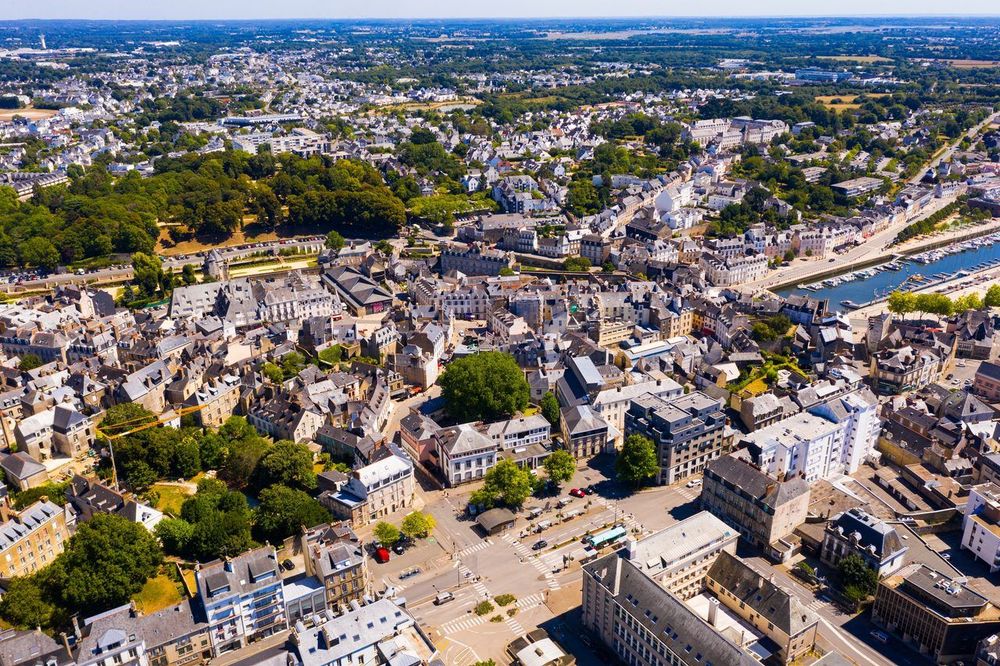
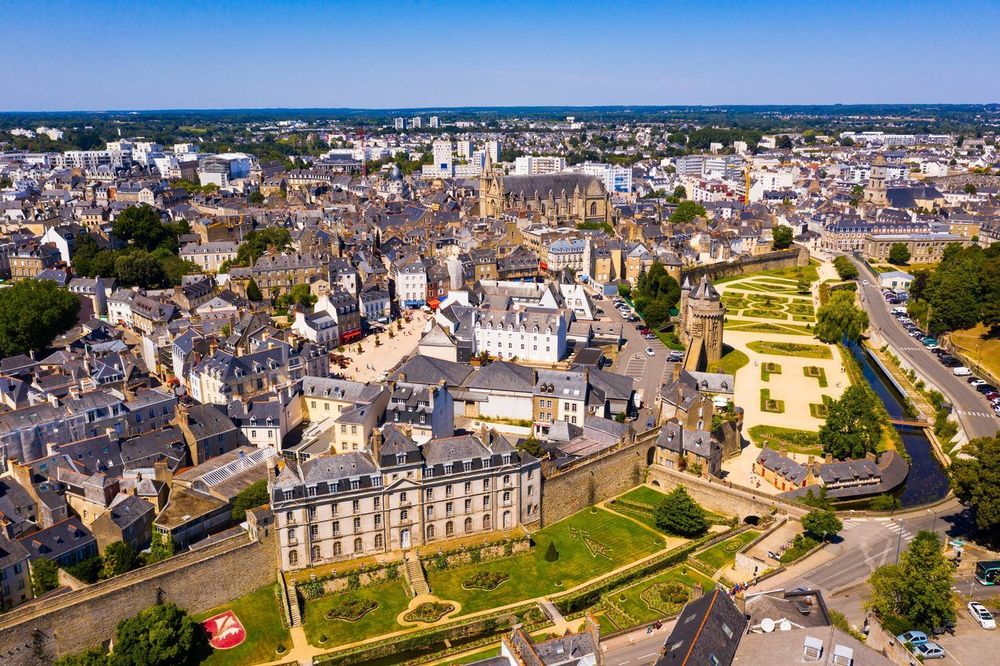
This tour of Vannes invites you into the heart of a beautifully preserved medieval town, where flower-filled gardens wrap around centuries-old ramparts. Let yourself be drawn in by the half-timbered façades of the cathedral district and the famous sign of Vannes et sa femme, before making your way down to the harbor at the foot of Saint-Vincent Gate. Between the quiet charm of its historic washhouses and the lively buzz of its cobbled squares, the city of the Veneti reveals a proud, seafaring spirit. It’s a walk that weaves together ducal heritage and ocean air, offering a graceful way to experience a town shaped by its close connection to the gulf.
Quand partir à Vannes ?
Jan.
9°
13
Feb.
10°
11
March
13°
10
April
15°
9
May
18°
10
June
22°
8
July
24°
7
Aug.
24°
7
Sept.
21°
8
Oct.
17°
11
Nov.
12°
13
Dec.
10°
13
Vannes enjoys a mild oceanic climate, tempered by the protective influence of the Gulf of Morbihan, with pleasant summers averaging around 23°C and mild winters where average temperatures hover near 5°C. The ideal periods to discover this medieval city and sail between the islands of the gulf run from June to September, offering optimal sunshine and perfect conditions for strolling along the harbor or through the gardens of the ramparts. The month of July is particularly lively with the Fêtes Historiques de Vannes, while spring remains a favored season to enjoy the wild nature of the Breton coastline under a changing and magnificent light.
Départ conseillé
No need to worry about where to begin! Our tours are designed as a loop, so you can jump in where ever you are. The navigation system and audio-guide will automatically adjust to your location. However, if you happen to be nearby, we do have a prefered starting pont: Gambetta Square
Parking à proximité
Free Capucins parking lot: 9 Font Budo Street
Découvrez 19 lieux d'intérêt pour visiter Vannes







What to see in Vannes on your 1h20 tour?
This 3 km loop takes about 1 hour 20 minutes and links 18 sights. From the Saint-Vincent Gate on Place Gambetta, the walk crosses the half-timbered old town to Saint-Pierre Cathedral, passes through the Prison Gate into the Saint-Patern district, goes by the Prefecture, then drops through the ramparts gardens to Hermine Castle and the marina. With the Ryo app in your ears, every gate, legend and old façade tells seven centuries of Breton history, at your own pace.
Information checked in November 2026 and subject to change.
1 - Saint-Vincent Gate
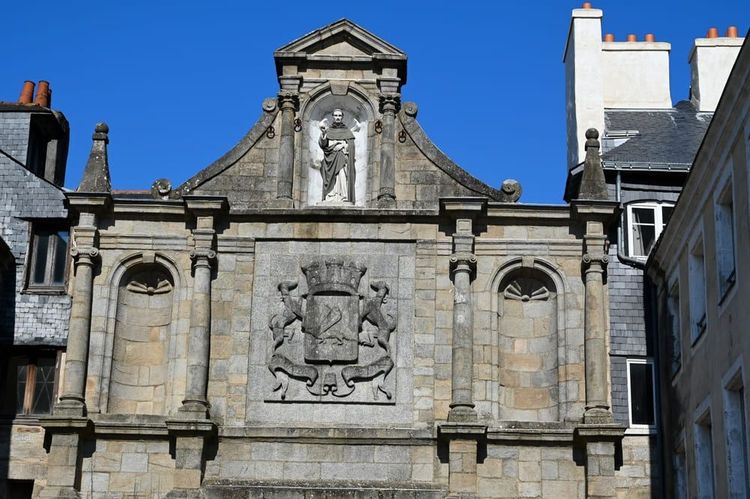
The Saint-Vincent Gate opens onto old Vannes from Place Gambetta, facing the harbour. First opened into the fortification in the early 17th century, it was later rebuilt alongside the curved row of buildings around it. Above the arch, a statue of the town's patron saint blesses your entrance, while the coat of arms displays the crowned ermine and its two greyhounds, a nod to a royal visit. Step through to reach the medieval heart of Vannes at once, once named Darioritum by the Romans.
Free entry
2 - Lices square
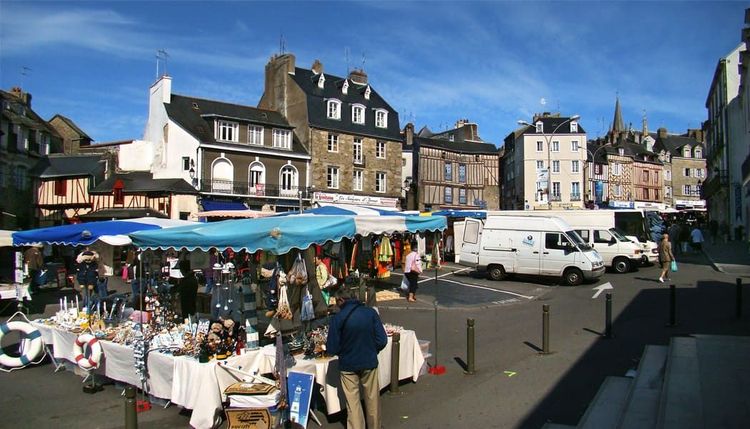
Place des Lices takes its name from the jousts once staged here by the dukes of Brittany in the 14th century, close to the former Chateau de l'Hermine. Lices meant the enclosed field kept for tournaments. The duels are long gone, replaced by cafes, shops and the covered market of Vannes, which hosts a market twice a week. Take a foodie break here, between fresh catch from the coast and specialities from further afield, before walking on.
Free entry
3 - Vannes and his wife
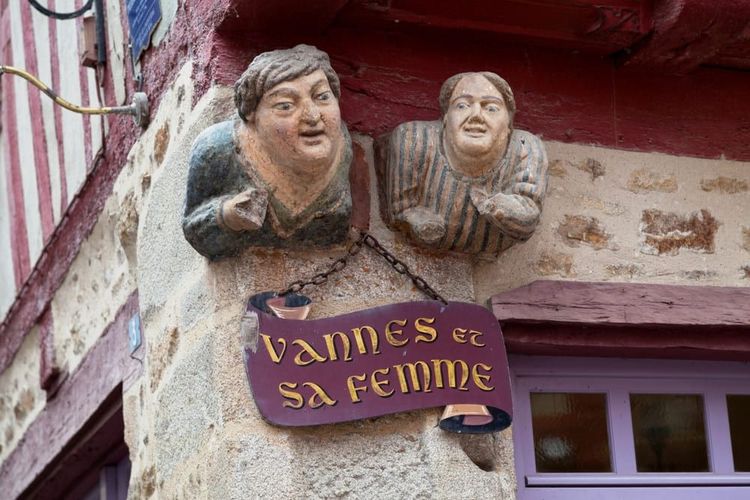
On a corner of the old town, two granite busts form an odd pair: a smiling man and woman, round-faced and missing their hands. Likely an old shop sign for some small business, the couple has become, over time, the most reproduced image of Vannes. Nobody truly knows where the name Monsieur and Madame Vannes comes from: the favoured guess points to a local resident once called Monsieur Vennes. Across the street rises Chateau Gaillard, former seat of the Breton parliament, currently shut for renovation.
Free entry
4 - Timber-framed house
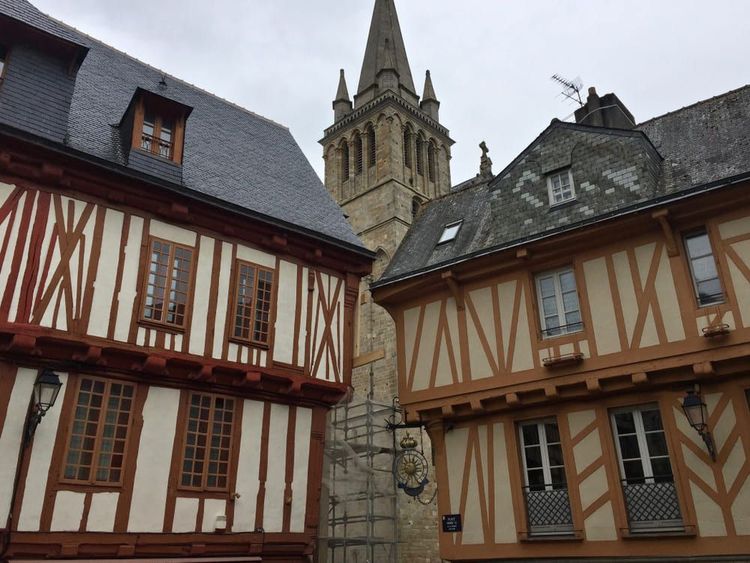
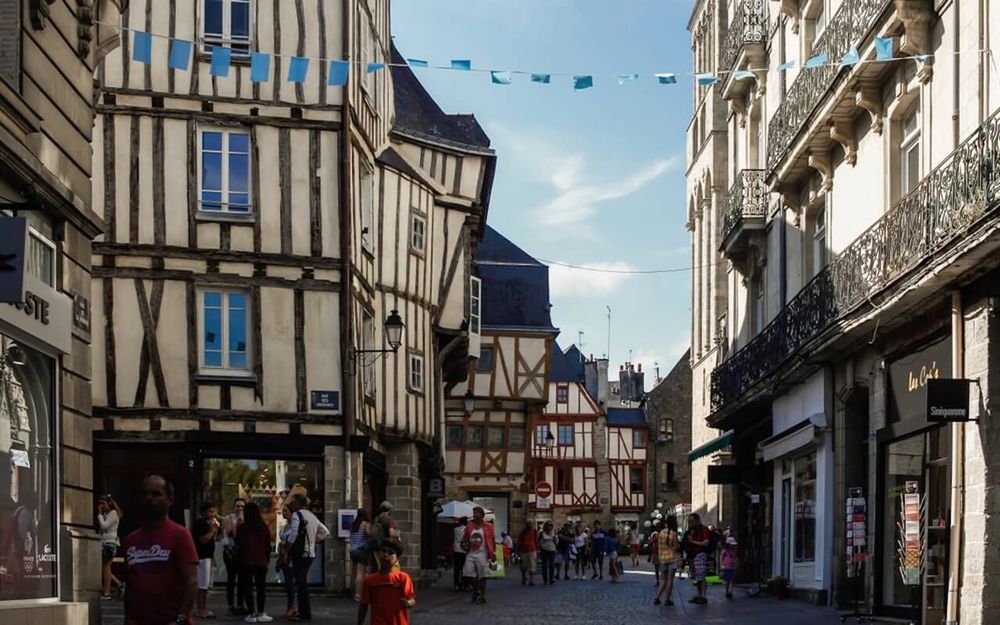
Climbing toward the medieval quarter, the typical streets of old Vannes line up timber-framed houses raised between the 15th and 19th centuries. A stone ground floor carries a wooden frame packed with clay and straw, braced by diagonal timbers. Overhanging upper floors, later banned to slow the spread of fire, mark out the oldest buildings. The bright colours admired today are a modern touch: a grey render once coated the walls, mainly to resist flames.
Free entry
5 - Limur Mansion
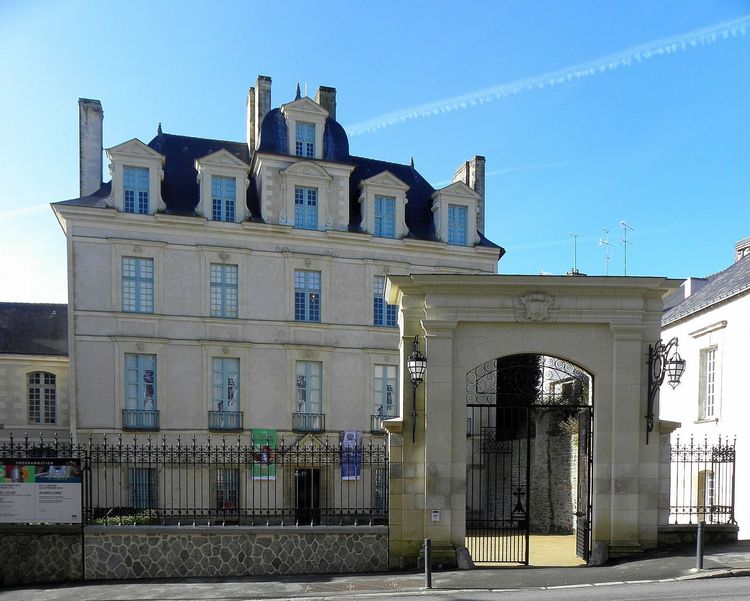
Construction of this white mansion began in 1685, under the earlier name Hotel des Douves. An elderly canon ordered the build, though the architect's identity has never surfaced. Sold, let out and passed down through the years, it finally took the name of the family who lived there for close to a century. Listed as a historic monument and recently restored, it now houses a centre devoted to the city's architecture and heritage, worth a stop for anyone curious.
Free to see from outside
6 - Town Hall
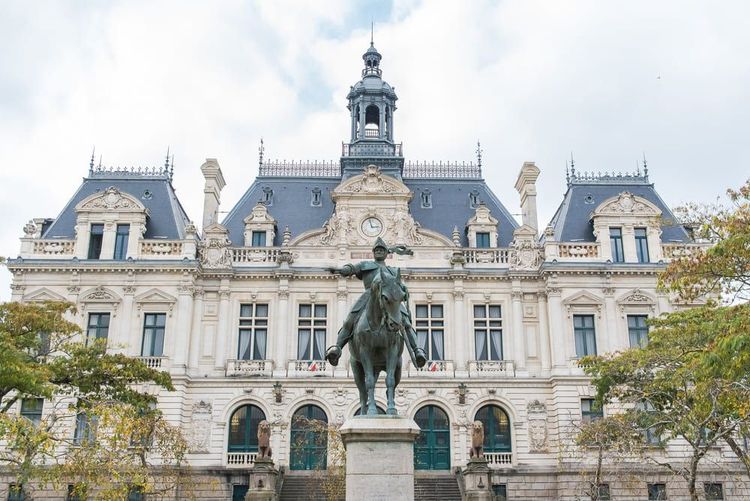
Raised between 1881 and 1886, Vannes town hall echoes, on a smaller scale, the look of Paris's own city hall. Its richly decorated front reflects the standing the municipality wished to project at the time. Inside, a marble staircase climbs beneath a stained-glass window showing the wedding of Anne of Brittany to the king of France, the turning point that tied the duchy to the crown. Local lore even links Brittany's taste for salted butter to that very union.
Free to see from outside
7 - Henri IV square
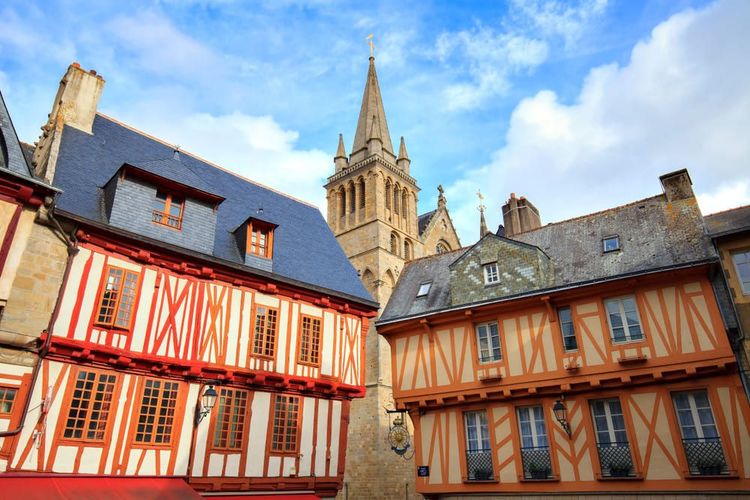
Lined with half-timbered houses, many listed, Henri IV square forms a village-like crossroads at the heart of the walled town. The facades stand almost touching: space was scarce behind the ramparts, and a tax based on ground-floor area pushed owners to widen the storeys above. The square has carried several names over time, from Mallievre to one tied to parliament, before settling on its current one in the 19th century. Admire the timbering before heading to the cathedral.
Free entry
8 - Saint-Pierre Cathedral
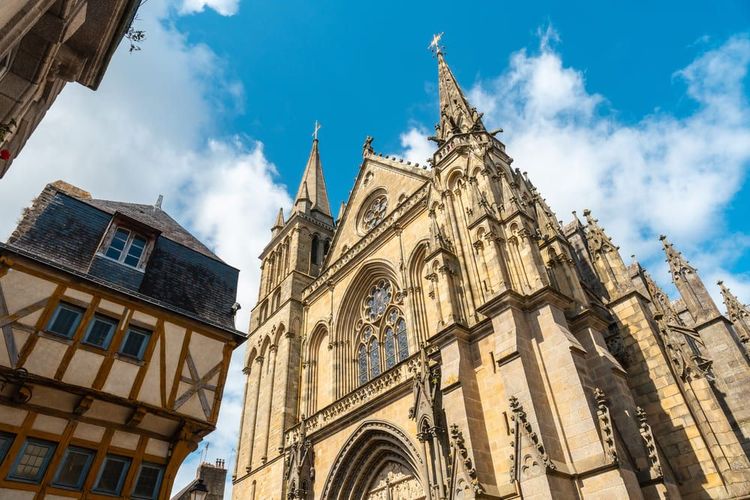
Raised to replace a church destroyed by Norman raiders, Saint-Pierre Cathedral stacks up styles gathered since the 11th century: the Romanesque base of the left tower, a Gothic nave rebuilt from the 15th century as pilgrims flocked in, a Renaissance chapel, 18th-century vaulting and a 19th-century front. It keeps the relics of its patron saint, buried here and long venerated by crowds of pilgrims. Seat of the diocese and a minor basilica, it sums up seven centuries of Breton religious building.
Free entry
9 - Saint-Gwenaël street
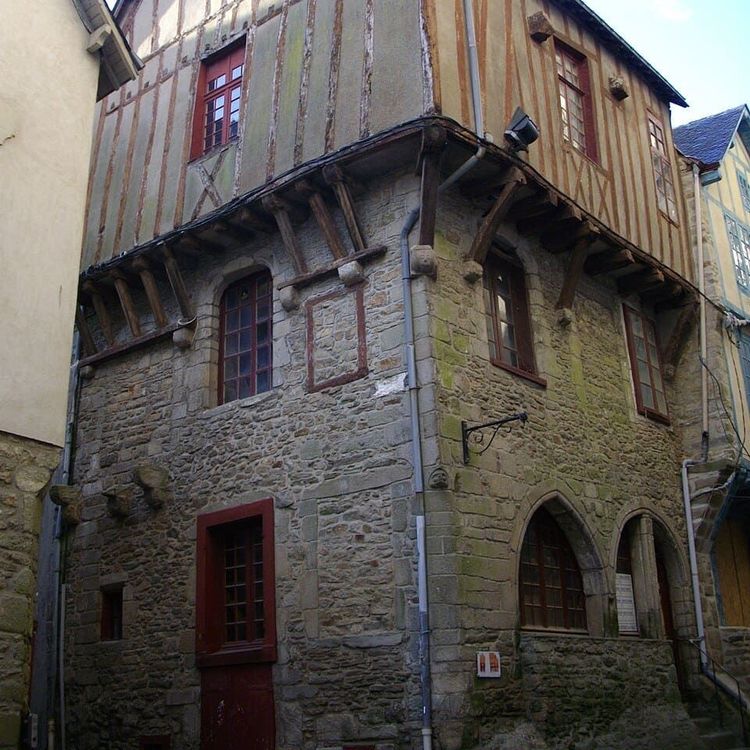
This irregular cobbled lane runs along the cathedral and carried other names first, tied to peace and then to the ducal oven once set up along it. Two neighbouring numbers hold what are thought to be the oldest timber-framed houses in Vannes, recorded as far back as the late 15th century. Walk on to the square opening behind the cathedral: its name recalls a 19th-century blaze that the cathedral's thick stone walls managed to hold back.
Free entry
10 - Prison Gate
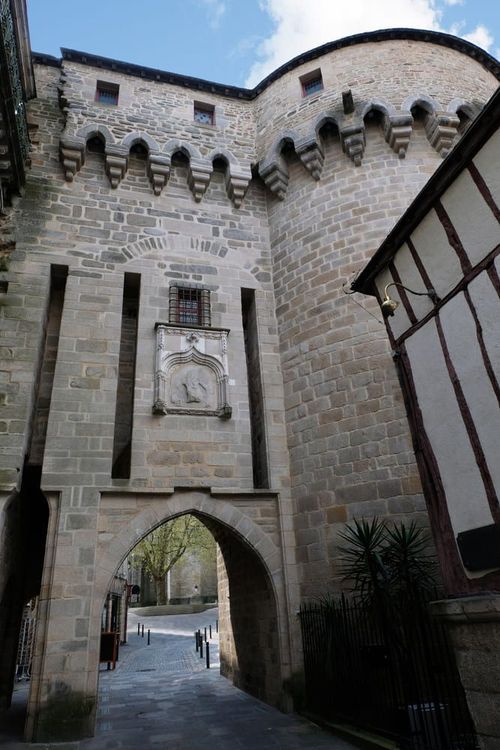
This granite gate from the 13th century stands on the site of the very first enclosure, dating to Gallo-Roman times. Originally dedicated to a local saint, it took on a darker name once it became a prison, and that use stuck in memory ever since. Look for the openings for defenders and the slot for arrows on the surviving tower: a twin tower once stood opposite, pulled down in the 19th century. Listed as a historic monument, it remains one of the best-kept rampart crossings.
Free entry
11 - Saint-Patern district and church
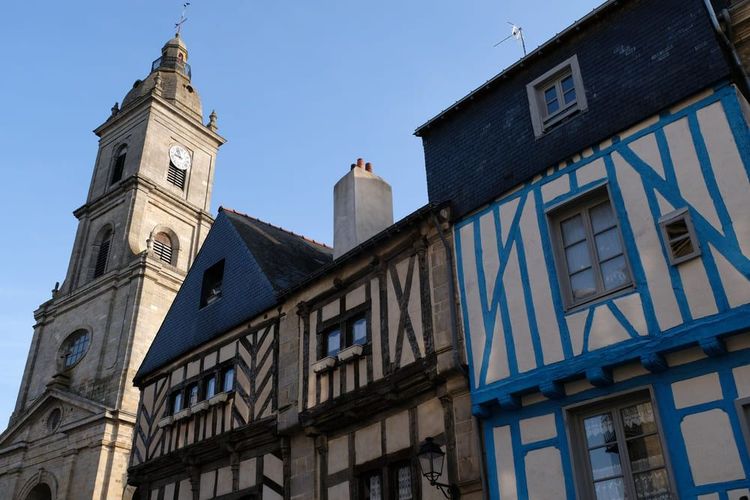
The oldest district of Vannes takes its name from the city's first bishop, one of seven founding saints honoured across Brittany. Romans settled here more than two thousand years ago, long before a church, wrecked by Norman raiders and rebuilt in the 11th century, came to crown the hill. Battered by 18th-century storms, it was rebuilt again and now carries listed status. Wander its lively lanes, past small bars and timber-framed houses.
Free entry
12 - Prefecture

This sprawling U-shaped prefecture was raised on a former convent and opened in the mid-1860s. Its carved pediment stages two towering Breton figures: a 9th-century leader who freed Armorica and opened centuries of independence, and a duke whose name is tied to the duchy's earliest days. Between them sit the eagle of the Second Empire and locomotives, a nod to the railway that reshaped Vannes only decades earlier.
Free to see from outside
13 - Viewpoint on the ramparts
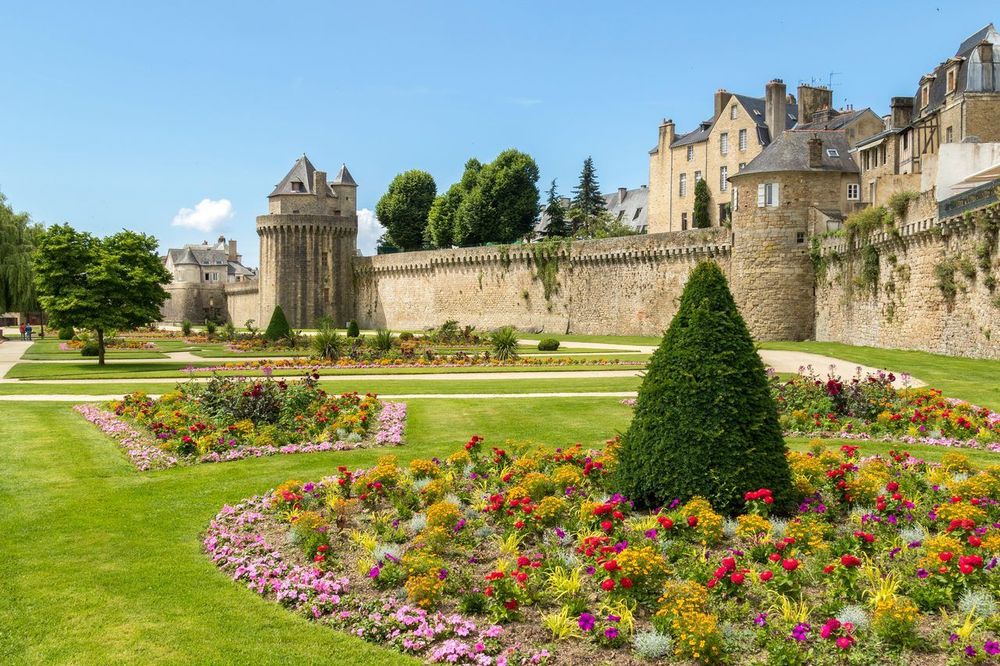
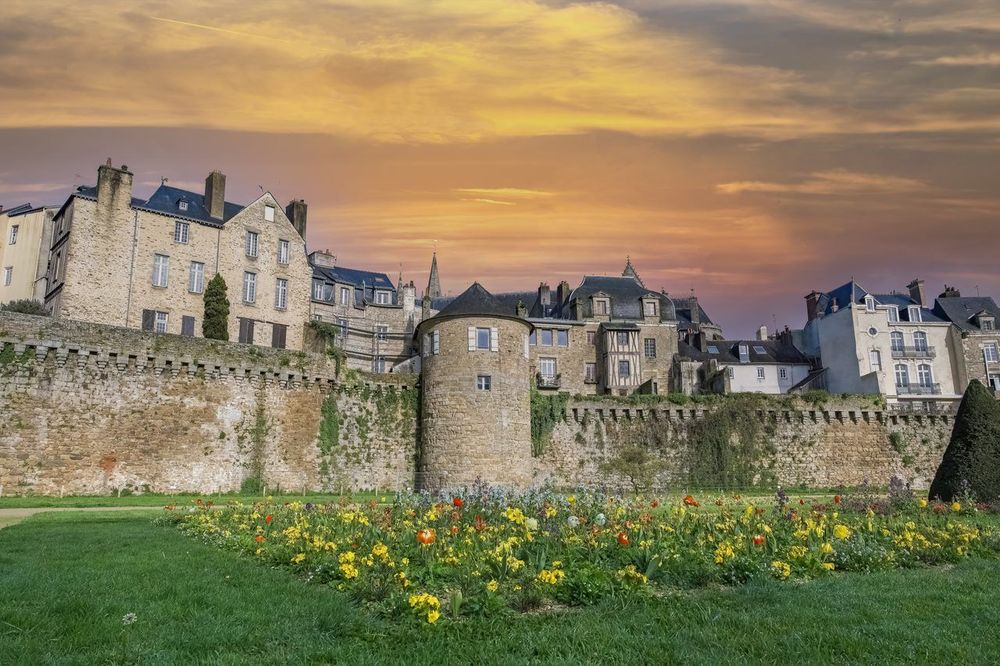
Lined by lovely gardens, this outer viewpoint offers one of the finest views over the ramparts of Vannes. The earliest fortifications, Roman, guarded the city they called Darioritum; ground level back then would now sit several metres under today's surface. Enlarged in the Middle Ages to nearly double the size of the walled town, the wall lost its military purpose as weapons changed, before being restored as a visitor draw. Take your photo of the fortified skyline here.
Free entry · Best late in the day
14 - Remparts Garden
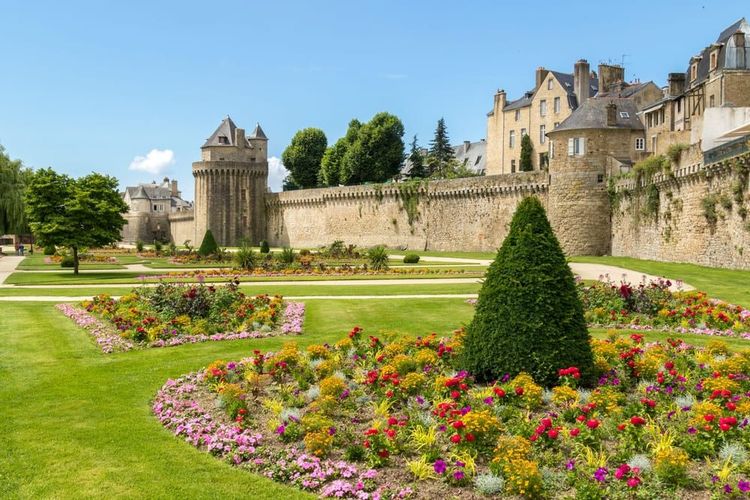
Laid out in the old moat in the mid-20th century on the initiative of the mayor of the day, this garden beautifully frames the fortifications beside it. Thousands of flowers colour its paths each year, and in spring the blooming Japanese cherry trees add to the show. It has become a must-see stop on any visit to Vannes, often pictured from the top of the ramparts. Climb up there for a sweeping view over the flowerbeds.
Free entry
15 - Constable Tower
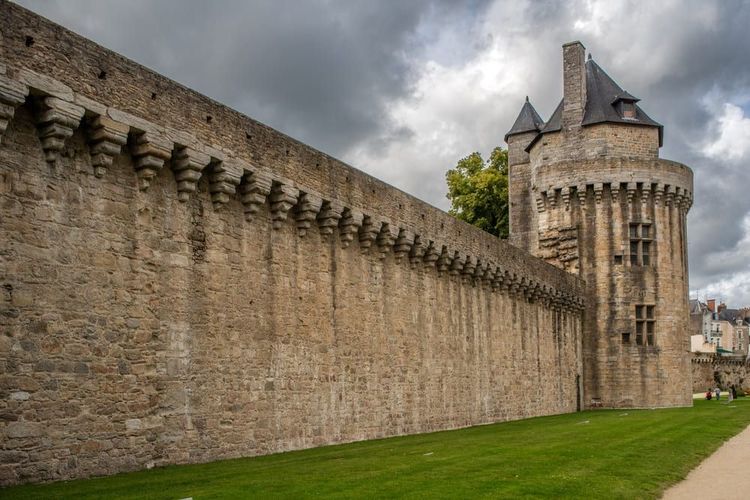
Raised in the first half of the 15th century, this medieval tower mainly served as lodging for the constable, supreme commander of the duchy's armies, rather than as a defensive post. Owned by the city and fully restored, it now hosts temporary exhibitions and guided tours. Note the contrast between its rounded outer shape and its seven-sided inner structure, a rare example of fortified residential building. Its rear opens straight onto the nearby ramparts.
16 - Garenne wash-houses
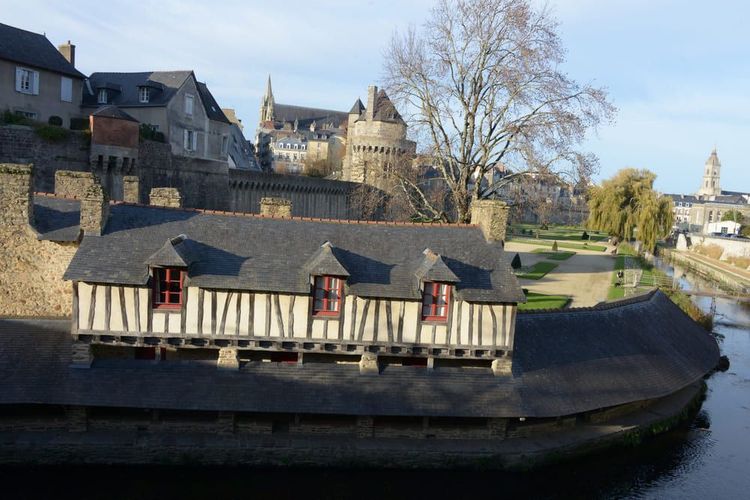
These old public wash-houses, fed by the stream running through the garden, recall the daily toil of washerwomen, who scrubbed laundry by hand with ash and hot water, in every season. The ban on polluting soap in the late 1950s ended that use in favour of other facilities. Badly hit by a flood, they were restored in the early 2000s and now form one of the most charming sights in the garden, with the ramparts as a backdrop.
Free entry
17 - Hermine Castle
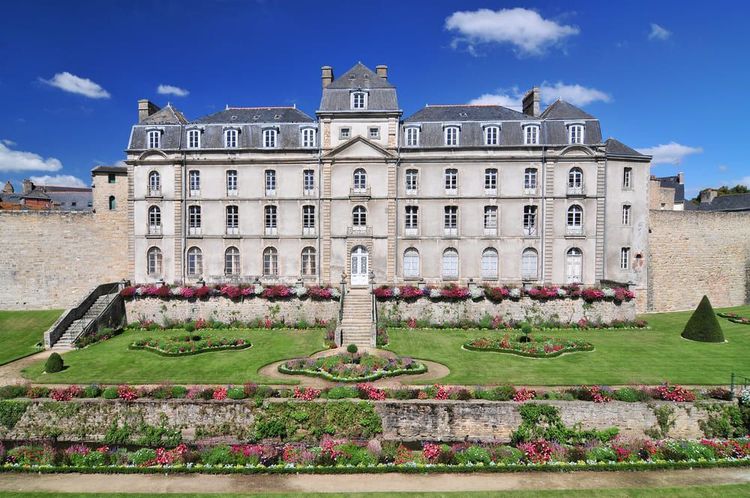
The elegant mansion you see shares almost nothing with the true Hermine fortress, a 14th-century ducal stronghold built into the ramparts and home to the dukes of Brittany until they moved to Nantes. A king of France stopped there in 1532, the year the duchy's union with the kingdom was sealed. Worn down and mostly torn apart, the castle gave way to this mansion built at the end of the 18th century, destined to become the future fine arts museum.
Free to see from outside
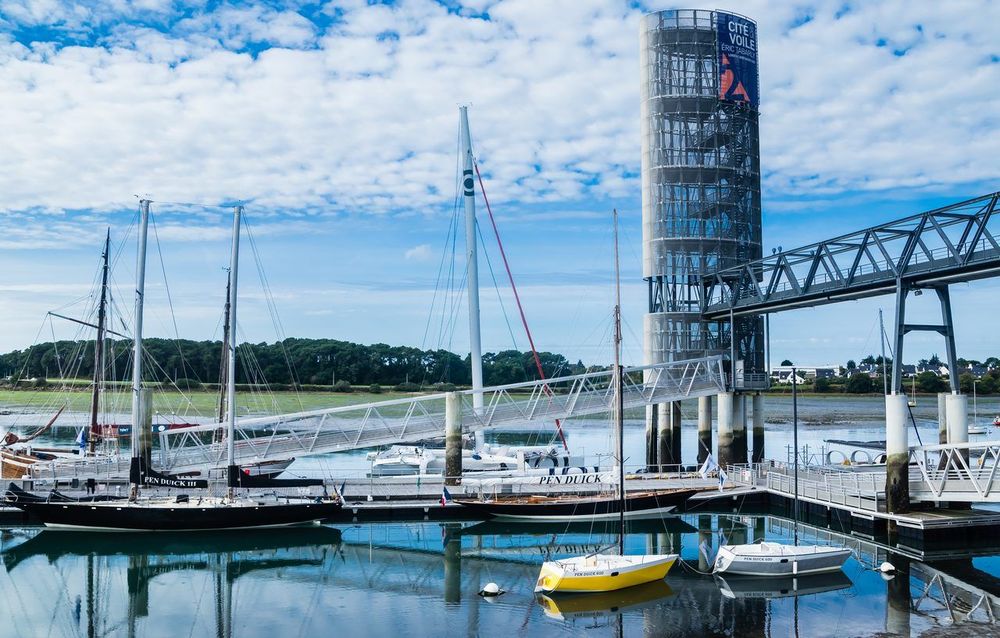
18 - Marina
Where the Gulf of Morbihan comes to an end, this harbour ranked as Brittany's busiest until the 17th century, linked both to the ocean and to the river network. Around its quays and warehouses grew a trade fed largely by salt from the nearby marshes. It still mixes commercial shipping, passenger traffic and pleasure boats, and remains the starting point for the islands of the gulf. Wander either bank, past moored sailboats and terraces, just steps from the Saint-Vincent Gate.
Free entry
What to do in Vannes in 2 or 3 days?
The old town of Vannes loops in 1 hour 20 minutes: 3 km and 18 stops, from the ramparts to Saint-Pierre Cathedral. With 2 or 3 days to spare, there is time to add the Gulf of Morbihan and its surroundings.
The next day, head back to the marina, where the walk ends, to board a boat for the islands of the gulf, Île-aux-Moines or Île d'Arz. On a Wednesday or Saturday, start with the market on Lices square, crossed at the start of the loop, when around a hundred producers set up there. Our guide to visiting Vannes in 2 days plans these days hour by hour.
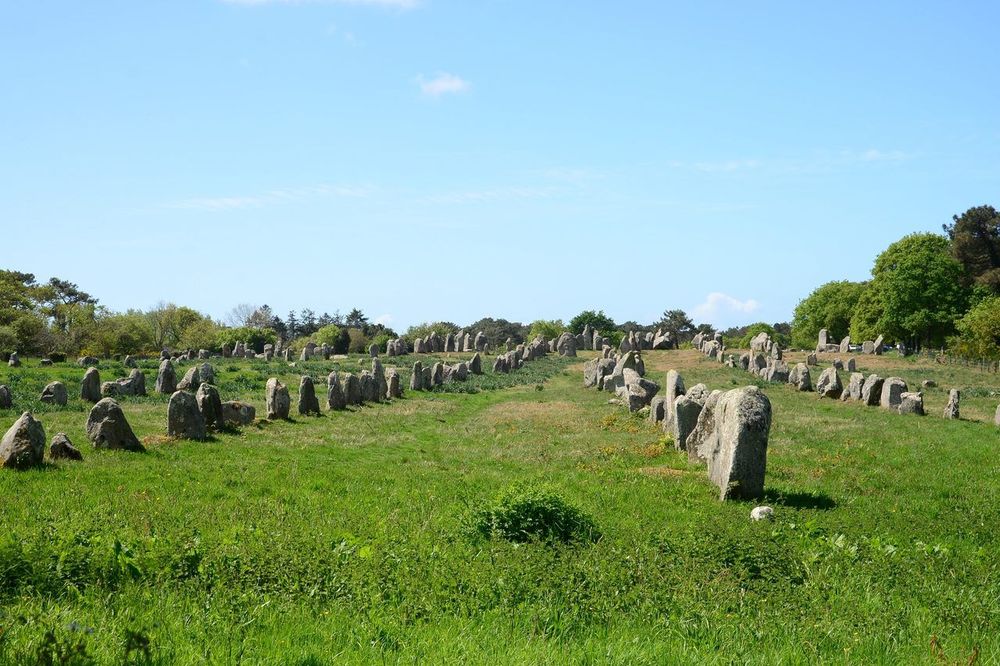
On the third day, leave town: cycle out to the Château de Suscinio, or head for the stone alignments of Carnac, 25 km away, more than 6,000 years old and listed as a UNESCO World Heritage Site since 2025.
Which neighbourhoods does the tour cross?
Looping round, the walk links the districts that shaped Vannes, from the half-timbered merchant quarter to the harbour facing the gulf.
It starts at Saint-Vincent Gate, on Place Gambetta, and enters the half-timbered old town: Lices square and its market, the Vannes and his wife sculpture, then the timber-framed houses of Rue Saint-Salomon, built over five centuries (stops 1 to 4).
The route then passes Limur Mansion and the Town Hall before reaching Saint-Pierre Cathedral via Henri IV square (stops 5 to 8). It continues along Saint-Gwenaël street and through the Prison Gate into the Saint-Patern district, the oldest in town, then passes the Prefecture (stops 9 to 12).
The last stretch runs along the outside of the ramparts, crosses the garden that lines them, passes below the Constable Tower and then the Garenne wash-houses, before closing the loop at Hermine Castle and the marina (stops 13 to 18).
How much does it cost to visit Vannes?
The walk needs no ticket: of its 18 stops, 13 are freely accessible and 4 are admired from outside, such as the Town Hall or Hermine Castle. The Constable Tower hosts exhibitions and guided tours on its own schedule.
The cost to plan for comes after the walk: the boat trip to the islands of the gulf, Île-aux-Moines or Île d'Arz, leaving from the marina, whose fare varies by operator.
Information checked in November 2026 and subject to change.
Where to stop for a bite along the tour?
For a food break, Lices square (stop 2), at the start of the loop, is the obvious place.
The Halles de Vannes gather around thirty stallholders there, with oysters, fish and shellfish from the local catch, and the market is held on Wednesday and Saturday mornings. Further on, at the Town Hall (stop 6), the walk explains why Breton butter stayed salted: when the king raised the gabelle, the salt tax, the privileged Bretons escaped the increase and kept salting their butter.
The Atlantic seafood platter brings together lobster, oysters, prawns and shellfish, while Guéméné andouille sausage and the palet breton, a shortbread biscuit made with salted butter, rank among the classics. Our pick of Vannes's culinary specialities presents the 10 specialities to try during your stay.
What to do in Vannes with children?
The end of the walk, between gardens and harbour, works well for a family outing.
The shaded benches of the Remparts Garden (stop 14) suit a picnic, with the view of the towers keeping younger visitors busy during the meal; right next door, the park of Hermine Castle (stop 17) remains open. A tropical aquarium stands a short walk from the marina (stop 18), and a little tourist train gives tired legs a rest.
What should you know before visiting Vannes?
Two sites near the walk are under works, and the season makes a big difference to the town.
The history and archaeology museum, housed in Château Gaillard opposite the Vannes and his wife statue, is closed for renovation. At Hermine Castle (stop 17), archaeological digs may limit access; the building is due to house the Fine Arts Museum, currently at La Cohue, by around 2028.
Vannes's oceanic climate, tempered by the Gulf of Morbihan, brings mild summers around 23°C and gentle winters close to 5°C; the best time to visit the town and sail among the islands of the gulf runs from June to September. July is especially lively, with the Fêtes Historiques de Vannes.
What to see around Vannes?
Vannes also suits longer outings, between hikes around the gulf and nearby towns to explore on foot.
The GR34 trail skirts the Séné nature reserve and its bird observatories, while the loop around Île-aux-Moines runs for 15 kilometres of path; further out, the 6,000-year-old megaliths of Locmariaquer and an old 19th-century suspension bridge at Le Bono round off these excursions.
Several neighbouring towns can also be explored on foot, each with its own audioguided route. Auray, 17 km away, charms visitors with its historic centre and the port of Saint-Goustan, a starting point for Carnac and the Quiberon peninsula. Hennebont, 42 km away on the banks of the Blavet, keeps its ramparts, fortified towers and a strong equestrian tradition, while Guérande, 44 km away, encloses its medieval town within intact ramparts, beside its salt marshes.
What's on in Vannes right now?
As the year winds down, Vannes's harbour turns into an open-air gallery.
Until 10 January, the 'Regards sur Vannes' exhibition sets up five open-air photography displays along both banks of the harbour, run by local associations; entry is free.
Information checked in November 2026 and subject to change.
Le plein d'inspirations
Explorez le monde en totale liberté, à pied au cœur des villes ou au fil des routes. Nos guides audios transforment chaque destination en une découverte culturelle immersive et unique.


FAQ for visiting Vannes
When is the best time to visit Vannes?
Vannes is ideally discovered from June to September, when the oceanic climate reveals all its mildness with summer temperatures of around 23°C. This period offers perfect conditions for strolling through the medieval alleys and enjoying the harbour terraces. July is particularly lively with the Historic Festival that plunges the town into its ducal past. Spring also remains very pleasant for exploring the city and its surroundings under a changing light, with fewer tourist crowds. Winters remain mild thanks to the influence of the Gulf of Morbihan, allowing you to visit the town all year round, even if some maritime activities are reduced out of season.
How long do you need to visit Vannes?
A full day lets you discover the essentials of Vannes while taking the time to appreciate its unique atmosphere. In a few hours of leisurely walking, you'll cover the historic centre, from the flower-filled ramparts to the half-timbered houses of the cathedral district, right up to the lively harbour. For a more in-depth experience including the museums and a getaway into the Gulf of Morbihan, allow two to three days. A long weekend gives you time to combine urban discovery with a boat trip to the surrounding islands. Heritage and nature lovers can easily devote a whole week to it, alternating cultural visits and coastal walks.
How do you get to Vannes?
Vannes benefits from excellent accessibility from all over France. By train, the SNCF station places you in the heart of the city with direct connections from Paris in under three hours thanks to the TGV. Major Breton cities such as Rennes or Nantes are also well connected. By car, the A165 motorway serves Vannes directly, facilitating access from the west and east of Brittany. The nearest airport is in Lorient, about an hour's drive away, while Nantes-Atlantique offers more international connections. Regional bus lines complete the transport offer, allowing you to reach Vannes from neighbouring towns and the seaside resorts of the gulf.
Where can you park in Vannes?
Parking in Vannes is organised around several car parks strategically placed near the historic centre. The République and Hôtel de Ville car parks offer direct access to the ramparts and the shopping streets, generally paid but practical for a few hours' visit. The Port car park, more spacious, is perfect for discovering the maritime district and then reaching the old town on foot. On the immediate outskirts, free or cheaper park-and-ride car parks let you park for longer, often with shuttles to the centre. During summer and major events, opt for an early arrival or choose public transport from your accommodation to avoid parking difficulties.
What is there to do in Vannes when it rains?
Rainy days in Vannes offer the opportunity to discover its cultural riches under cover. The Museum of History and Archaeology, housed in the Château Gaillard, reveals the treasures of the city from the Gallo-Roman era. La Cohue, a former covered market turned fine arts museum, presents art collections in a remarkable medieval setting. The Lices covered market lets you wander between the stalls while staying sheltered, ideal for sampling Breton specialities. The Vannes aquarium is a popular family outing, while the many crêperies and cafés of the historic centre invite you to long gourmet breaks. The covered passages and local craft shops pleasantly round out these alternatives in dreary weather.
What are the must-sees in Vannes?
Vannes reveals its treasures on a walk that generally begins with the imposing ramparts and their flower-filled gardens, offering a breathtaking view of the city. Saint-Pierre Cathedral and its district of half-timbered houses form the medieval heart, where the emblematic sign of Vannes and his wife draws all eyes. The Saint-Vincent gate marks the historic entrance to the marina, an unmissable place to be where lively terraces and departures for the gulf mingle. The old wash houses bear witness to daily life of yesteryear, while the cobbled squares such as Place des Lices host markets and events. The Ryo audioguide accompanies you on this discovery with a narrated tour that reveals the secrets of each monument.
How do you visit the Gulf of Morbihan from Vannes?
Vannes is the ideal starting point for exploring the Gulf of Morbihan and its many islands. From the marina, maritime companies offer narrated cruises to the Île aux Moines and the Île d'Arz, the two main islands accessible to visitors. Excursions generally range from half a day to a full day depending on your wishes. For nature lovers, kayak or paddleboard outings allow a more intimate approach to the coastline. The coastal path also offers magnificent viewpoints over the gulf, accessible on foot or by bike from Vannes. The more adventurous can rent a boat with or without a licence to sail at their own pace between the wild islets of this small inland sea.
Can you visit Vannes on foot?
Yes, and it is by far the best way to take the city in. The historic centre is remarkably compact: from Place Gambetta and the harbour you pass through the Porte Saint-Vincent and find yourself in a maze of cobbled lanes lined with half-timbered houses, with Saint-Pierre cathedral, La Cohue, Place des Lices and Place Valencia all just minutes apart. The rampart walk and the formal gardens running below it are easy going, with no real climbs.
Allow half a day to cover it all without rushing, longer if you carry on to the Conleau peninsula along the coastal path. Much of the old centre is pedestrianised, which makes wandering a real pleasure. The Ryo audio guide offers a dedicated Vannes route linking the highlights of the old town and telling their stories as you walk.
Which local specialities should you try in Vannes?
Cooking in Vannes looks both to the sea and to the Breton countryside. Oysters and shellfish from the Gulf of Morbihan take pride of place, as does fish landed along the coast, usually served very simply. You will also want to try the buckwheat galette, savoury and generously filled, traditionally washed down with a bowl of cider, then its sweet cousin, the wheat-flour crêpe.
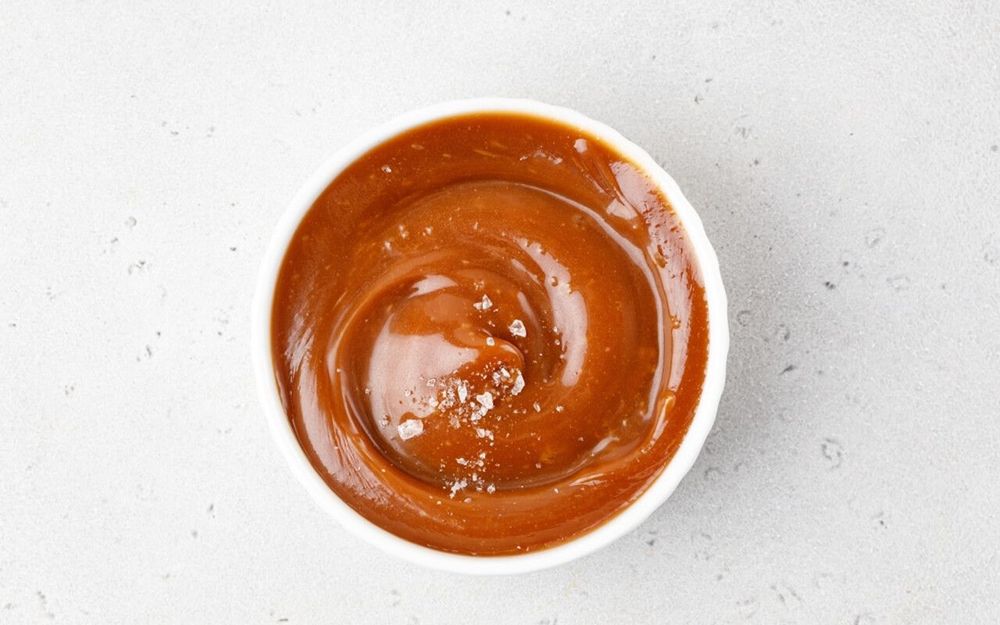
For something sweeter, kouign-amann, far breton with prunes, gâteau breton and salted-butter caramels are sold by most bakers in the old centre. The Lices market, one of the liveliest in the region, remains the best place to pick up butter, andouille sausage, seaweed or tinned seafood to take home. Restaurants around the harbour and in the medieval quarter offer plenty of choice, and the menus shift with the seasons.
What can you do in Vannes with children?
Vannes suits family trips well, first of all because everything can be done on foot and the city stays on a human scale. Walking the ramparts and their gardens goes down well with younger visitors, as do the harbour quays where you can watch the boats manoeuvre. At Conleau, a short stroll from the centre, a sheltered beach and a seawater pool make swimming possible as soon as the season allows.
A boat trip out to the islands of the gulf is often the highlight of the stay, with birds and oyster beds to spot along the way. Nearby, the Séné nature reserve offers easy trails and birdwatching hides that work well with children. The tourist office also puts together treasure-hunt trails for discovering the old town in a playful way.
What should you eat in Vannes, from seafood platters to andouille de Guéméné?
Food in Vannes brings together land and sea. Atlantic seafood platters, with lobster, oysters and prawns, are easy to find in town, as is andouille de Guéméné, served as a main course, on a buckwheat galette or grilled. Tome de Rhuys, made from the milk of black-and-white cows raised around the gulf, is rubbed with Guérande salt. For sweet treats, try butter-rich palets bretons, the niniches of Quiberon, voted France's best sweet in 1946, and Desplousse chocolate oysters. Buckwheat crisps, La Belle-Iloise tinned fish and organic beer round off the list.
Discover them one by one in our top 10 culinary specialities in Vannes.
Which activities can you combine between the old town and the port of Vannes?
Start with the historic centre and its ramparts, the cornerstone of Vannes' heritage, close to the Tour du Connétable. Saint-Pierre Cathedral, the most visited in Brittany, has held the relics of Saint Vincent Ferrer since 1419 and opens daily from 8.30am to 7pm. Then take a break on Place Henri IV with its half-timbered houses before heading to the port, where boats leave for the islands of the gulf. Allow 1.5 to 2 hours for the Fine Arts Museum at La Cohue, and finish with a hike around the gulf.
Get the details in our top 6 things to do in Vannes.
Which walks can you enjoy in Vannes and around the gulf?
Old Vannes is best explored on foot, along the ramparts, the Jardin des Remparts and the slate-roofed Garenne wash houses, then via Place Henri IV and the free-to-visit Saint-Pierre Cathedral. From the port, the Rabine promenade, flat and shaded, runs for almost 2 kilometres towards the gulf, ideal with a pushchair. About 3 kilometres south of the centre, the Conleau peninsula blends sea and countryside, while the protected Séné marshes have five birdwatching hides. Further afield, Arradon, the Île-aux-Moines and Locmariaquer, with its broken Grand Menhir and the Table des Marchands, extend the walk.
Pick your route in our guide to the most beautiful walks in Vannes.
How can you explore Vannes off the beaten track?
To get off the beaten track, look up at the details of the centre. The old ramparts moat has become the Jardin des Remparts, free to enter, and the upper promenade near the Porte Prison offers the finest view. Look for the carved couple known as "Vannes and his wife", the town's unofficial emblem, then the half-timbered houses of Place Henri-IV and Rue Saint-Salomon. An urban rally lasting 1.5 to 2 hours or a food tour of around 2.5 hours with independent shopkeepers gives the visit a fresh twist, while the gulf can be seen by helicopter or crossed by catamaran.
Find more ideas in our guide to unusual things to see in Vannes.
How should you plan a weekend or two-day stay in Vannes?
Two days are enough to cover the essentials. Spend the first in the old town, so compact you can cross it on foot in twenty minutes: the ramparts and the Jardin des Remparts early in the morning, Saint-Pierre Cathedral and the tomb of Saint Vincent Ferrer, La Cohue, now the Fine Arts Museum, then the half-timbered houses of Place Henri IV. On the second day, combine the Place des Lices market and the port with a boat trip to the Île-aux-Moines, or head out to the broken Great Menhir of Locmariaquer, the Carnac alignments or the Rohan castle in Josselin.
Follow our itineraries for a weekend in Vannes and two days in Vannes.
What can you do in Vannes on a romantic getaway?
Vannes suits a getaway for two because everything can be done on foot, from the cobbled lanes to the port. Stroll along Rue Saint-Guenhaël to Place Henri IV, ideal for photos around 6pm, then linger at the foot of the ramparts as the evening light warms them. Stay overnight to enjoy the hours when the day-trippers have gone. From Conleau, a shuttle boat reaches the Île d'Arz in about fifteen minutes, and a coastal path runs past the oyster beds. Half an hour's drive away, the Carnac alignments round off the stay, which can extend to Auray, Josselin or Rochefort-en-Terre.
Plan your trip with our guide to a romantic stay in Vannes.
Vos commentaires, idées et suggestions
Aucun avis pour le moment