
Créé par Emilie, le 16 nov. 2026
Votre guide Ryo
Carnac, France
Standing Stones, Bell Tower, and Salted Butter
@Shutterstock
Parcours audioguidé pour visiter Carnac en 1 jour
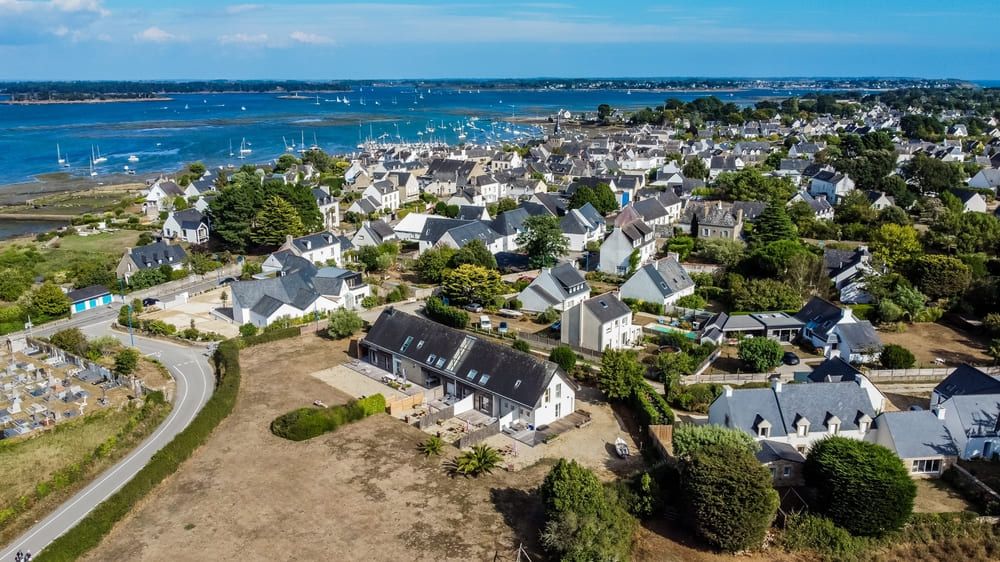
Carnac is a truly distinctive destination, where the great chapters of Prehistory meet the pleasures of the seaside. World-famous for its thousands of standing stones, the town is also home to a lively old Breton centre, chapels, hamlets, long sandy beaches and natural landscapes overlooking Quiberon Bay.
Of course, people come to Carnac to admire its megalithic alignments and try to unravel their mysteries, but also to stroll along the coast, enjoy water sports, discover local seafood or simply take the time to breathe in the fresh sea air.
The town has two complementary sides: Carnac-Ville, with its heritage and traditional village atmosphere, and Carnac-Plage, with a more seaside feel and a livelier atmosphere during the warmer months. Blending history, nature and relaxation, Carnac is equally suited to a cultural getaway or a family holiday by the ocean.
Quand partir à Carnac ?
Jan.
9°
13
Feb.
10°
10
March
12°
10
April
14°
11
May
17°
10
June
20°
6
July
22°
7
Aug.
22°
7
Sept.
20°
8
Oct.
16°
13
Nov.
12°
13
Dec.
10°
14
Carnac enjoys a fairly mild oceanic climate. Summers are pleasant, while winters are moderate but can sometimes be wet and windy, and a quick shower is always possible. The good news is that Carnac can be visited all year round! Summer is ideal for enjoying the beaches and lively atmosphere, while spring and September are quieter. In autumn and winter, the megalithic alignments take on a particularly mysterious atmosphere. Just pack a waterproof jacket and remember to check opening times outside the high season.
Départ conseillé
Our tours are designed as loops, so you can easily start the visit from whichever point is closest to you. The navigation will adjust automatically. If you are nearby, we recommend an ideal starting point: the church square.
Parking à proximité
To park easily before visiting the centre of Carnac, head for the P1 market car park or the Devallen, Saint-Michel and P3 car parks, accessible via Chemin du Tumulus. They are free of charge and just a few minutes’ walk from the old town.
À savoir
Keep an eye out for blue parking zones, where parking is limited to 1 hour 30 minutes and a parking disc must be displayed. In summer, some parking spaces in Carnac-Plage also become paid. If you are staying in the area in July or August, the easiest option is to leave your car at your accommodation or in one of the town’s car parks and use the summer shuttle buses to get to the town centre, the beaches and the megalithic alignments.
Découvrez 17 lieux d'intérêt pour visiter Carnac



What to see in Carnac on your 1h tour?
This 2.4 km loop takes about an hour and links 16 stops. From Saint-Cornély Church, it wanders through the old town between food stalls and souvenir shops, passes the Menhir du Bourg and the Congregation Chapel, climbs to the Saint-Michel Tumulus and its chapel, then comes back down past the Terraqué Cultural Center and the Town Hall. With the Ryo app in your ears, tales of korrigans and Neolithic memory blend into the Breton history of Carnac.
Information checked in November 2026 and subject to change.
1 - Saint-Cornély Church
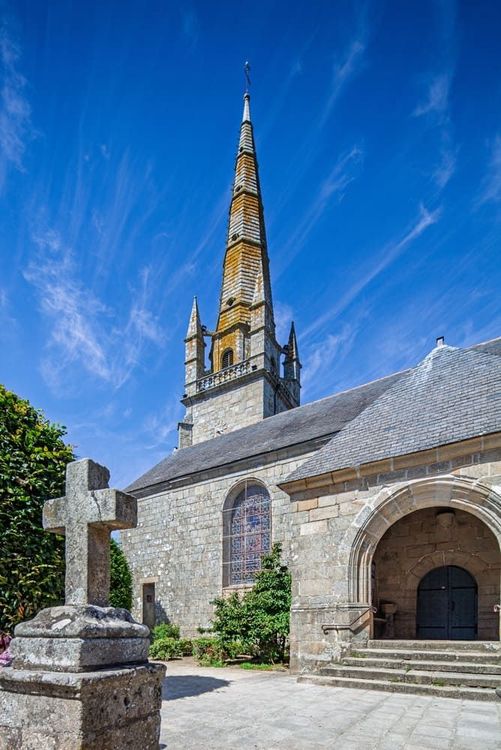
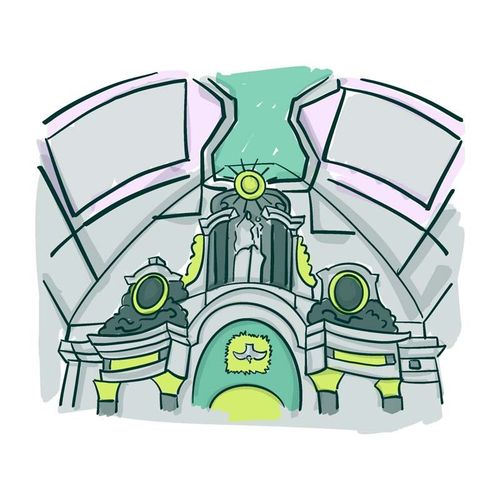
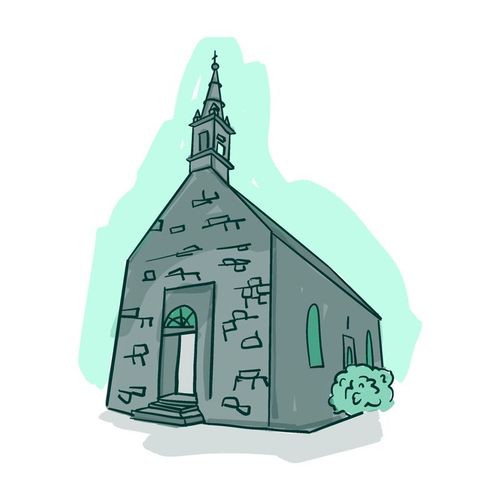
Rising at the heart of the old town, this landmark church, begun in the 17th century, ranks among Morbihan's finest Renaissance buildings. Above the doorway watches Saint Cornély, guardian of horned livestock in a region long devoted to farming. Walk around to the north porch, crowned by a rare crown-shaped granite canopy, then step inside: 750 square metres of painted wooden ceiling, completed in the 18th century, depict the saint's life alongside biblical scenes.
Free entry
2 - Brittany on Your Plate
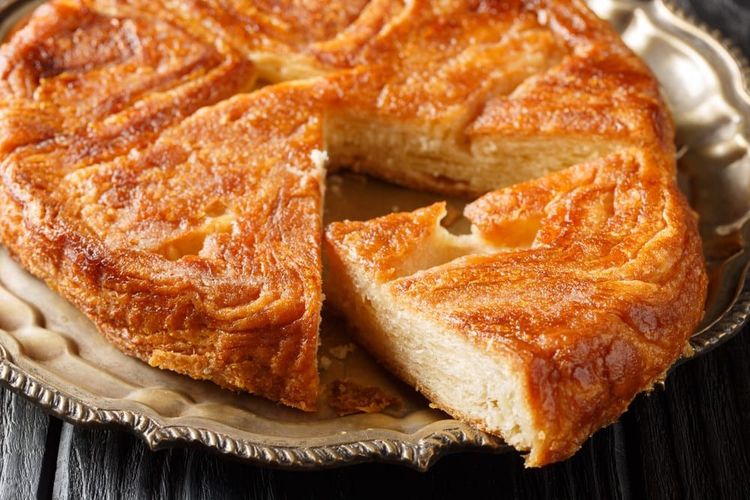
Between lively terraces and the smell of warm butter, it's time for a food break. The undisputed local star is the Carnac oyster, farmed nearby in the Bay of Pô, served alongside mussels and ultra-fresh shellfish. On the land side, buckwheat galettes, once humble peasant fare, come filled with Guéméné andouille and washed down with cider or chouchen. Save room for kouign-amann, its salted butter caramelised into a golden crust, or for far breton, eaten plain long before sailors added prunes.
Free entry
3 - Breton Souvenirs
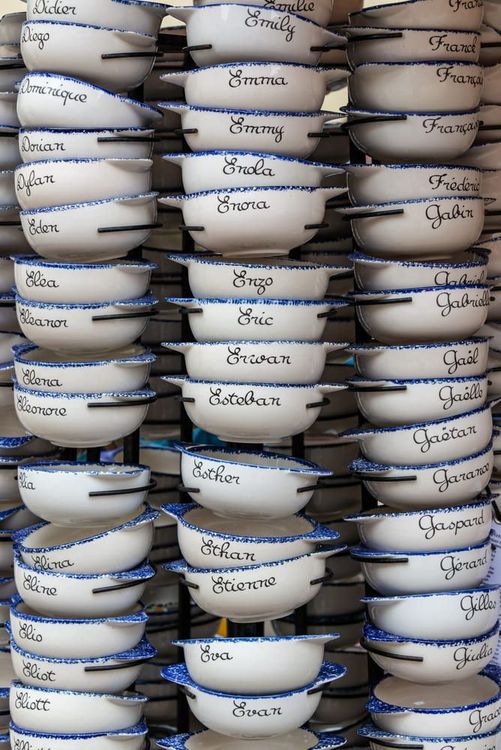
Looking to take a piece of Carnac home? For edible treats, think salted butter caramel, farmhouse cider, tinned fish or pure-butter biscuits. For a truly local keepsake, head to the Prehistory Museum shop, full of books on the Neolithic and games for children. Independent shops in town and the local market sell ceramics and jewellery drawing on the sea and the megaliths nearby. Nobody really leaves without a personalised Breton bowl, even though the design historically comes from somewhere else entirely.
Free entry
4 - Breton Pardons
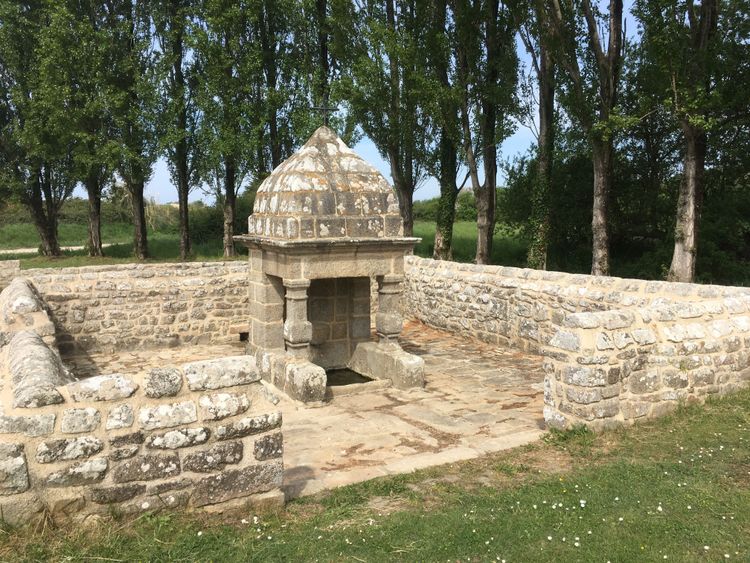
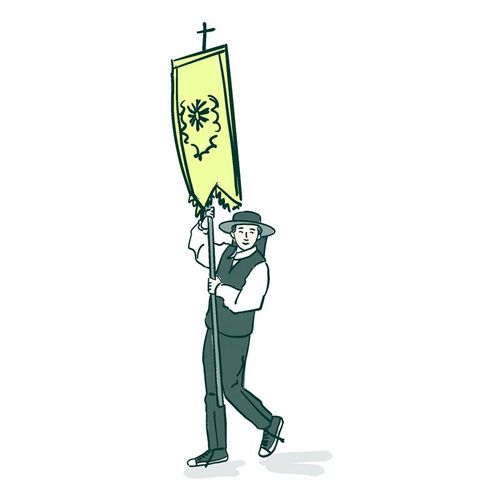
This granite fountain, built in 1661, once welcomed pilgrims and herds during the Pardon of Saint Cornély. A pardon is an annual religious festival that honours the patron saint of a local church: here, people prayed for the health of their livestock. Farmers would walk their cattle down to this fountain, pouring its water over them in hopes of warding off disease. The custom still continues every second Sunday of September, now carried on by residents, horses and other companions rather than large herds.
Free entry
5 - Menhir du Bourg
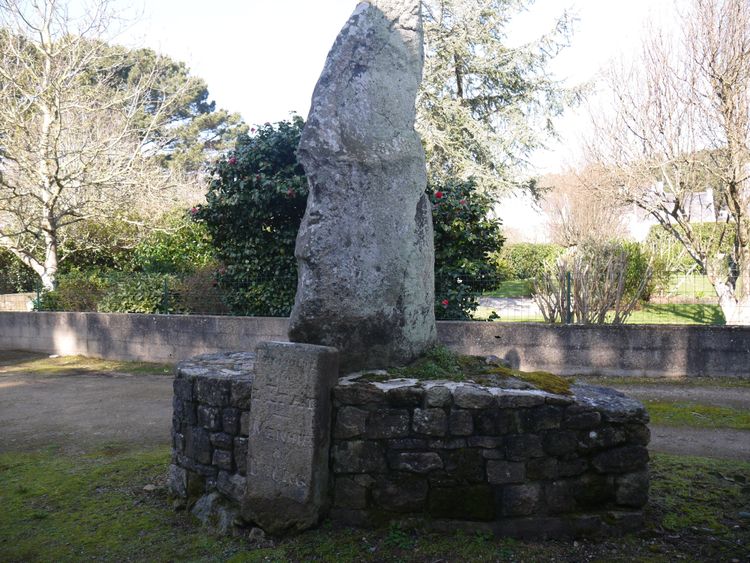
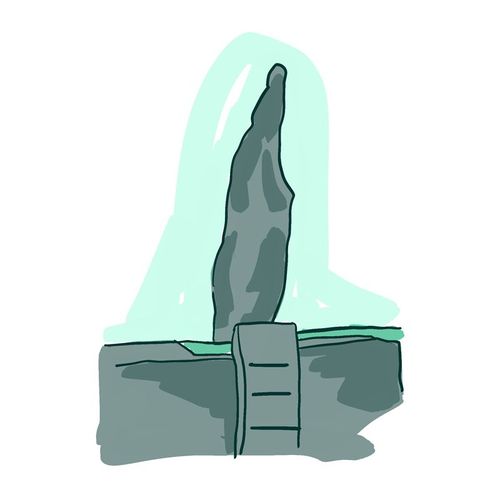
You don't need to leave the town centre to meet what made Carnac famous: a genuine standing stone, listed as a historic monument since 1889. The word menhir comes from Breton for long stone, set upright by Neolithic communities. A shrine, a farming calendar, a boundary marker or a grave: nobody really knows what these stones were for, and that mystery is part of their appeal. Picture this single stone repeated not ten but thousands of times: that's what awaits in the nearby alignments.
Free entry
6 - Getting to the Ménec Alignments
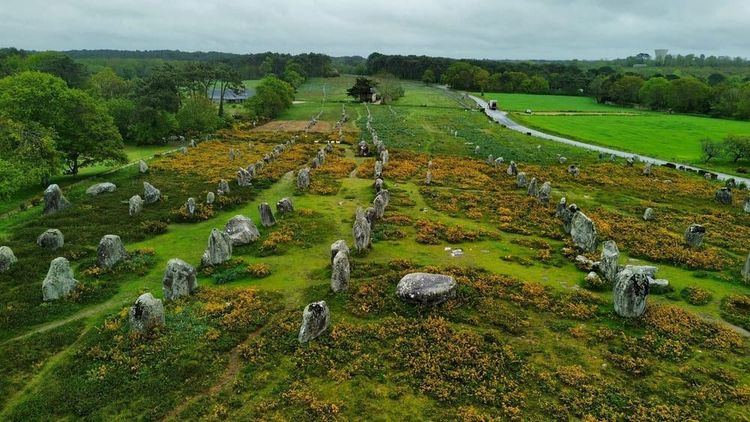
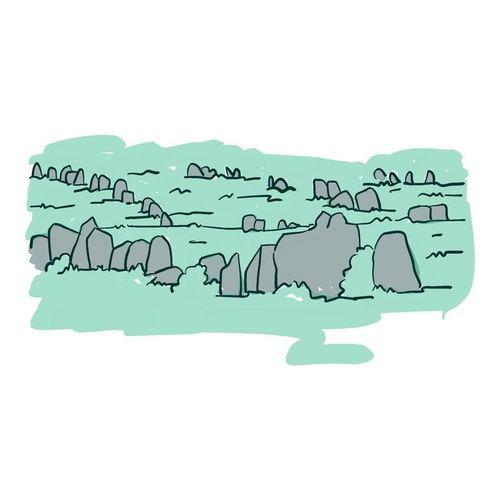
Too far to fit this town-centre loop, the Ménec alignments lie about a kilometre away along Rue de Courdiec. Eleven rows of more than a thousand menhirs stretch for nearly a kilometre, meeting an oval enclosure where a village later settled as early as the Middle Ages. The uneven rows may reveal several building phases. Nobody knows their exact purpose: not an astronomical calendar, nor the work of Druids, who came far later. The Maison des Mégalithes, facing the site, helps unpack this 6,000-year-old puzzle.
Free entry
7 - Congregation Chapel
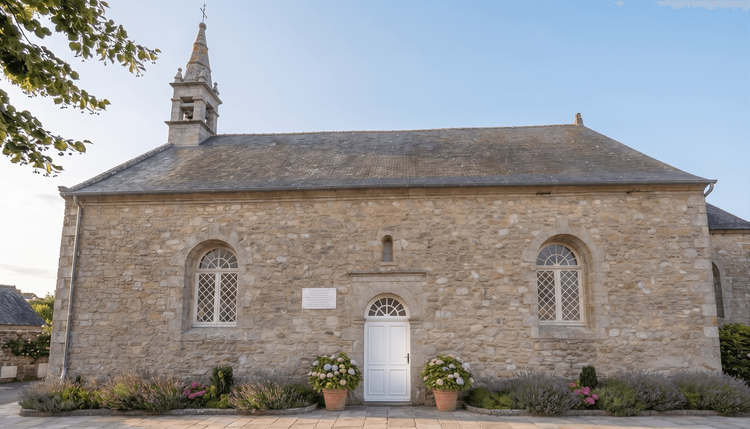
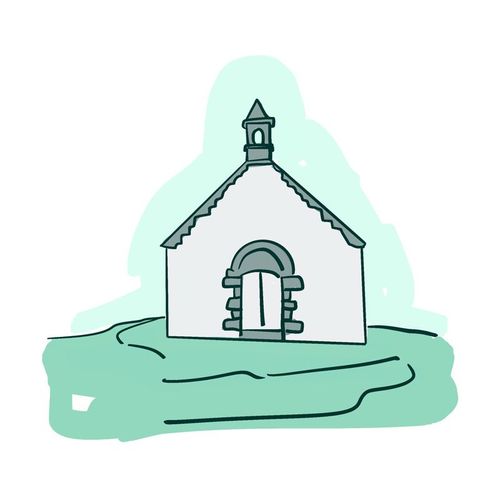
Modest but moving, this chapel sits at the highest point of the old centre. Dedicated to Our Lady of Good Help, it once hosted novenas said for the dying. Its current name, Congregation Chapel, comes from a school that opened nearby in the 19th century, turning the chapel into a meeting place for the neighbourhood. The white building right behind it later became a school for boys. Several of Carnac's chapels carry this same local flavour, as much about shared memory as about faith.
8 - Prehistory Museum
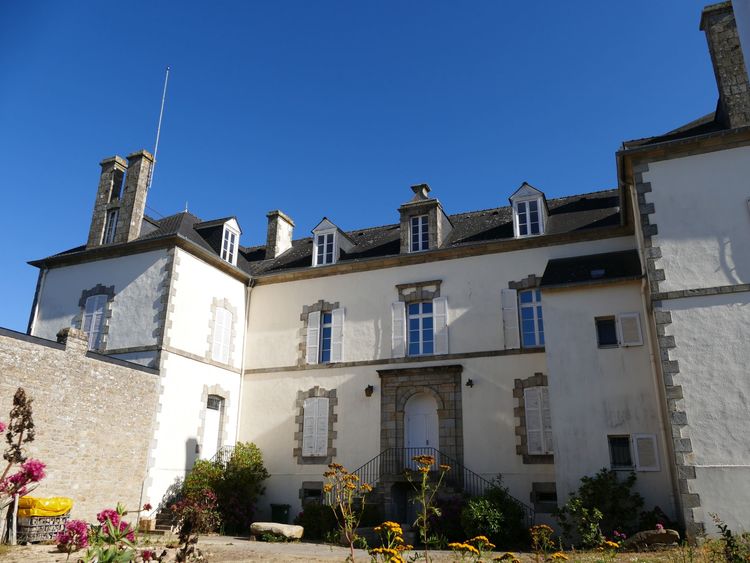
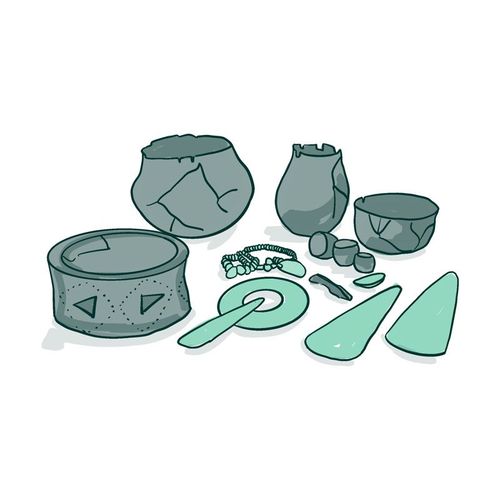
The world's first museum entirely devoted to megalithic culture, it holds one of the continent's richest prehistoric collections. Jade axes from the Alps, ornaments from the Iberian Peninsula: these pieces show that Carnac, as early as the 5th millennium BCE, already belonged to wide trading circuits. The story begins with Scotsman James Miln, who first kept his finds in his hotel room, and continues with Zacharie Le Rouzic. Set inside the old rectory, the museum traces nearly half a million years of human adventure.
Paid entry
9 - The Korrigans
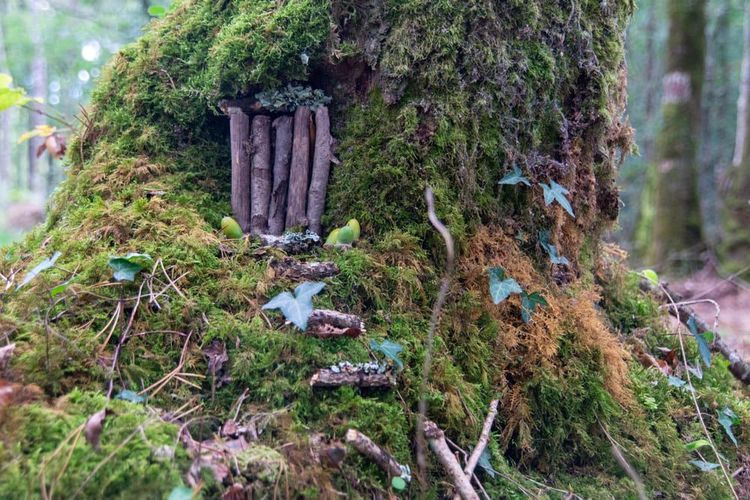
This street takes its name from the korrigans, mischievous spirits of the Breton moors linked to fountains, caves and very old places. Tales describe them as old, hairy-footed and sometimes horned, guarding an enormous treasure while loving to play tricks on anyone who comes too close. At night, legend says, they dance in circles across the moor to honour the ancient Celtic gods, and some stories even make them guardians of the nearby megaliths, the only ones who understand their secrets. Best not to disturb them.
Free entry · Best in the evening
10 - Poul Person Fountain and Washhouse
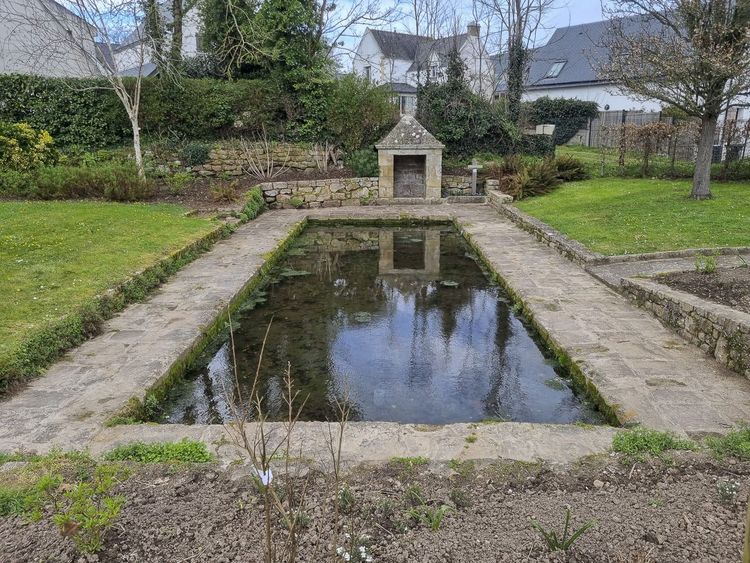
Tucked below the museum, this fountain's Breton name simply means the parish priest's pond, probably linked to the nearby rectory. Like every communal washhouse, it wasn't only for doing laundry: it also served as a meeting spot, where people swapped news from the town during this long, tiring chore. Far from the menhirs and grand monuments, this quiet corner reveals a far more ordinary side of old Carnac life, just as telling of the past as the standing stones.
Free entry
11 - Saint-Michel Tumulus
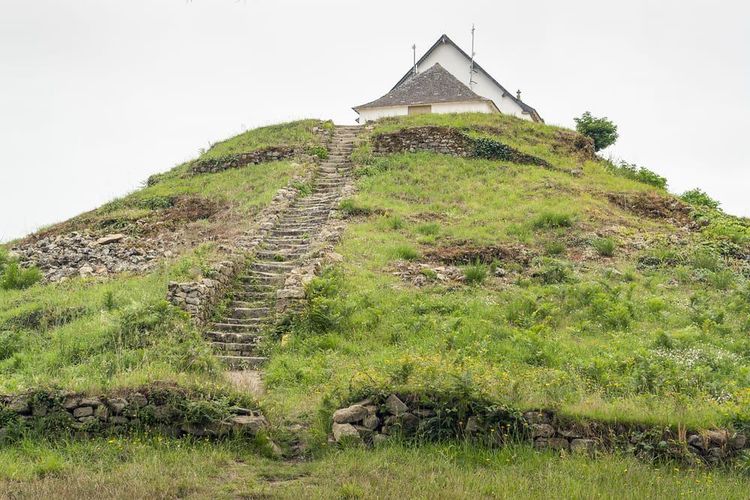
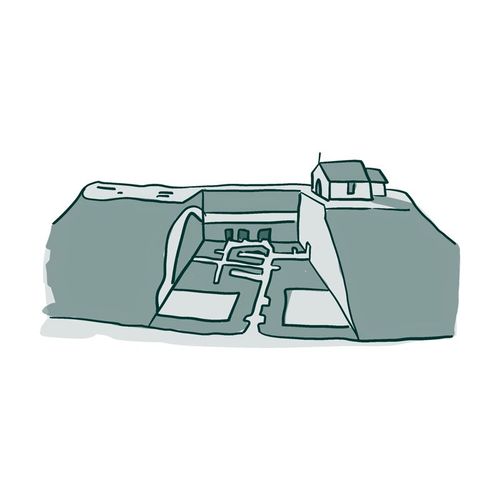
What looks like a simple hill is anything but natural: beneath your feet lies the Saint-Michel Tumulus, a Neolithic burial monument raised during the 5th millennium BCE. About 125 metres long, 60 wide and 10 high, it required moving more than 30,000 cubic metres of stone and earth, without any machinery. Inside, a complex structure hides a main vault, secondary chambers and a passage leading east, perhaps built in stages. Such an effort suggests the people buried here held an exceptional place in their society.
Free to see from outside
12 - Saint-Michel Chapel
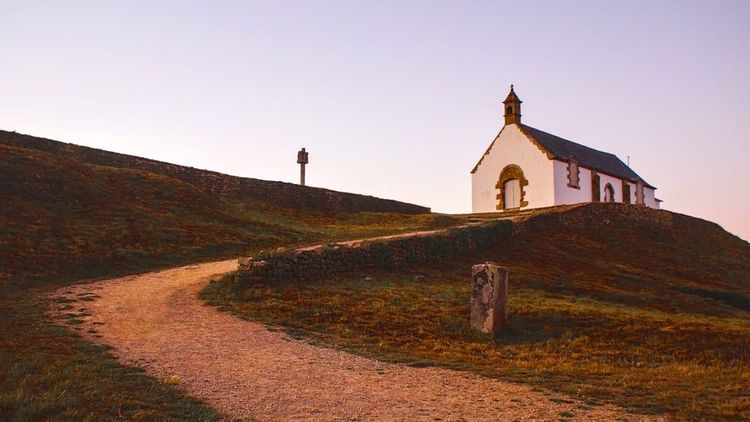
Centuries after the tumulus was raised, Christians claimed the hill for themselves, placing this chapel under the guard of Archangel Michael. The current building, rebuilt in the 1920s, follows an earlier 17th-century chapel; a 16th-century calvary stands right beside it. Its white silhouette, visible from far out at sea, once helped guide sailors travelling through Quiberon Bay. Legend has it that sailors' wives swept its floor, pushing the dust toward the wind they hoped for, as if to hasten their husbands' return.
Free to see from outside
13 - The Best View of Carnac
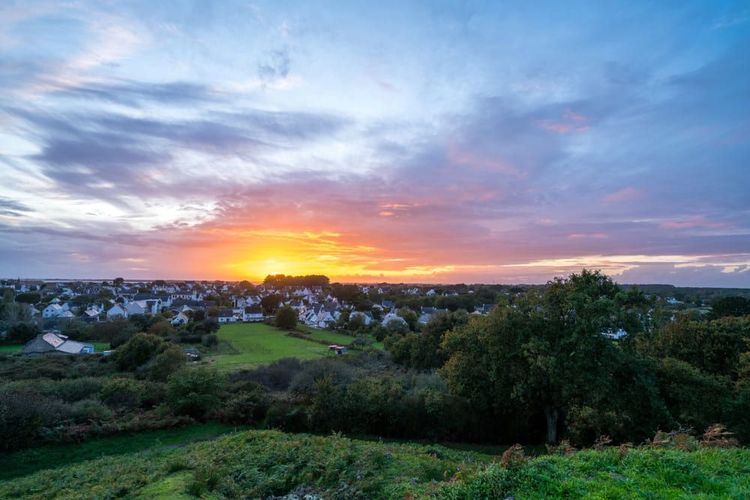
From the tumulus, the highest point around, you likely get the best outlook over the whole area: the rooftops of Carnac on one side, the blue stretch leading toward Quiberon on the other. On a clear day, more common here than the region's rainy reputation suggests, the eye can pick out two further peninsulas in the distance, Rhuys and Belle-Île. The site was obviously never built with photographs in mind, yet nothing beats it for grasping the surrounding geography in a single glance.
Free entry
14 - Terraqué Cultural Center
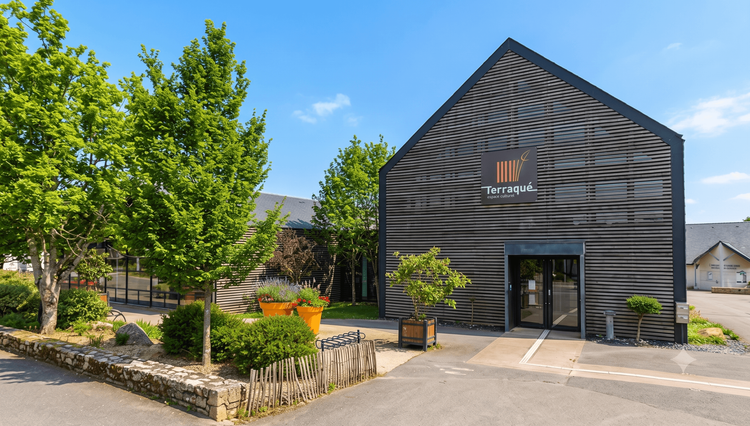
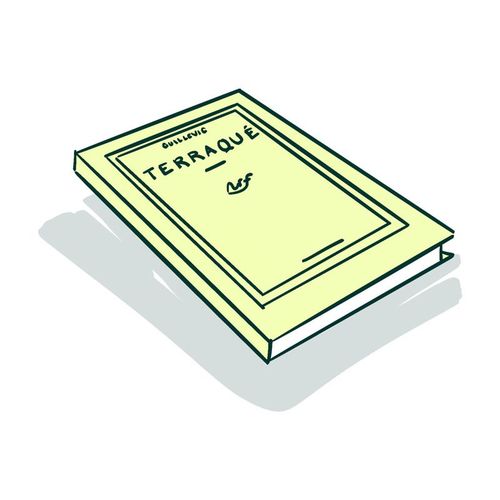
Opened in 2010, this major cultural hub brings together, under one roof in the town centre, a media library, exhibition rooms, a music school and an auditorium. Its curious name means made of land and water, borrowed from a poetry collection by Guillevic, the town's native poet, a fitting choice for a place shared between moor and ocean. Poetry lovers will find his spare world, filled with stones and Breton landscapes. Check the programme during your stay: concerts, shows and exhibitions run here regularly.
Free entry
15 - Carnac City Hall
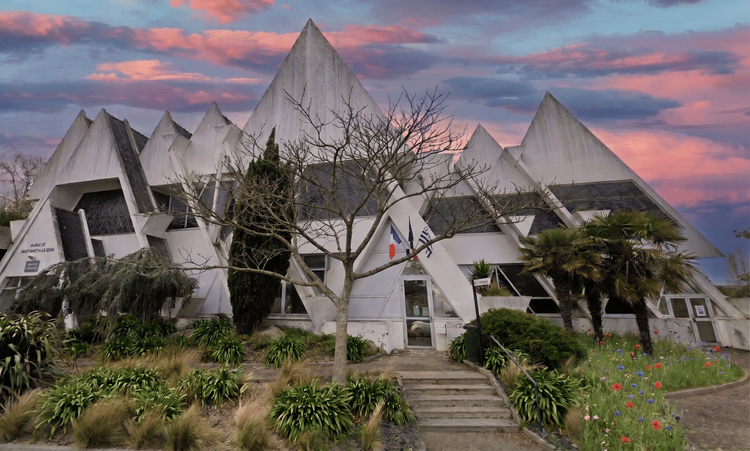
It's hard to miss this mountain-range-shaped building: it is in fact the town hall, home as well to the local police force. The architect behind its bold, almost theatrical profile, Pierre-Alexis Kobakhidze, completed the building in the 1970s, reinterpreting the gables and slate roofs of traditional Breton houses, their familiar shapes repeated and exaggerated into a distinctive sawtooth outline. Love it or hate it, the result, fairly unique in the region, clearly leaves no one indifferent.
Free to see from outside
16 - The History of Carnac
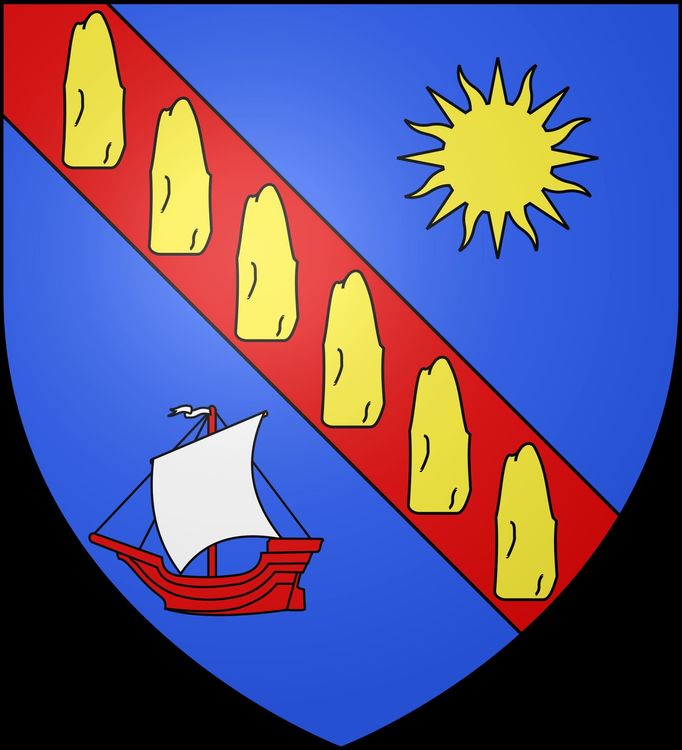
After the megalith builders came the Romans, then peoples from Great Britain who gave the region its name. In the Middle Ages, Carnac belonged to the Duchy of Brittany, united with the Kingdom of France in 1532 under Francis I, while keeping exemption from the salt tax that helped root the tradition of salted butter. In 1795 the bay saw the failed landing of royalist émigrés. Tourism followed, driven by the railway from 1882 and the new fashion for sea bathing.
Free entry
What to do in Carnac in 2 or 3 days?
This 2.4 km loop links 16 stops in about 1 hour, between the old town and the Saint-Michel Tumulus. With 2 or 3 days on hand, there is time to see the alignments, which the loop does not reach, and then the coast.
The next day, walk up Rue de Courdiec, pointed out at stop 6, for about a kilometre to reach the alignments: Ménec, Kermario and Kerlescan stretch across nearly 4 km, with menhirs that reach over 4 metres in height in places. Ménec alone lines up 1,099 stones in eleven rows over nearly a kilometre. For the other sights not to miss, our pick of Carnac's must-see attractions rounds out the visit.
On the third day, see Carnac's other side: the long sandy beaches of Carnac-Plage and its water sports, between coastal strolls and fresh seafood.
Which neighbourhoods does the tour cross?
Looped as it is, the route barely strays from Carnac's old town, except to climb the Saint-Michel Tumulus, an artificial hill raised in the Neolithic.
From Saint-Cornély Church, it winds past terraces, souvenir shops and the standing stone planted at the heart of the town, before skirting the Congregation Chapel and the Prehistory Museum (stops 1 to 10).
It then climbs the tumulus to its chapel, where the view stretches over Carnac, the bay and the Quiberon peninsula (stops 11 to 13), before coming back down past the Terraqué Cultural Center and skirting the Town Hall, a stone's throw from the starting point (stops 14 to 16).
How much does it cost to visit Carnac?
Of the 16 stops on the route, only one charges an entrance fee: the Prehistory Museum. Eleven are freely accessible, and three are seen from the outside, the Saint-Michel Tumulus, its chapel and the Town Hall; access to the Congregation Chapel is not specified.
To visit several megalithic sites in the region, the megaliths pass is handed out free on the first paid visit to one of 5 participating sites (including the museum and the Carnac alignments), then gives reduced rates at the following ones.
Information checked in November 2026 and subject to change.
Where to stop for a bite along the tour?
Near Saint-Cornély Church, stop 2 is devoted to Breton food: between the smell of warm butter and the lively terraces, it is the right moment for a food break.
By the sea, Carnac oysters set the tone, farmed in the Pô inlet; they come with mussels, clams and other fresh seafood. On the land side, buckwheat galettes, filled with egg, cheese or Guéméné andouille sausage, go down with a bowl of Breton cider or a chilled chouchen.
For dessert, kouign-amann, literally "butter cake" in Breton, shares the bakery window with far breton, or farz forn.
What should you know before visiting Carnac?
Parking takes a little care: the blue zones in the centre, limited to 1.5 hours with a parking disc, extend to some spaces in Carnac-Plage, which become paid in summer. In July and August, it's best to leave the car at your accommodation and use the summer shuttle buses to reach the town, the beaches and the alignments.
For hassle-free parking, the market car park (P1), along with Devallen, Saint-Michel and P3, reached via Chemin du Tumulus, are free and just a few minutes' walk from the old town; the church square remains the recommended starting point for the visit.
For the Ménec alignment, it helps to know the rule: visits are free from October to March, but only possible on a paid guided tour from the Maison des Mégalithes from April to September.
What to see around Carnac?
Carnac makes a good base for venturing further, between an island offshore and nearby towns worth exploring on foot.
Offshore, Belle-Île-en-Mer is reached by boat from Quiberon, with a crossing of at least 45 minutes.
Several nearby towns also have their own audio-guided tour. The closest are Auray, 12 km away, with its Saint-Goustan harbour and half-timbered houses, and Quiberon, at the same distance, between the cliffs of the Côte Sauvage and the calm waters of its bay. Next come Vannes, 25 km away, with its ramparts and the harbour lining the old town, Lorient, 28 km away, a city of six harbours rebuilt after the war, and Hennebont, 29 km away, between ramparts, old ironworks and the banks of the Blavet.
Further afield, Guérande, 57 km away, has kept its ramparts and salt marshes, Saint-Nazaire, 74 km away, is built around its huge submarine base and shipyards, and Quimper, 89 km away, combines its cathedral and faience ware at the meeting of the Odet and Steïr rivers.
Le plein d'inspirations
Explorez le monde en totale liberté, à pied au cœur des villes ou au fil des routes. Nos guides audios transforment chaque destination en une découverte culturelle immersive et unique.
FAQ for visiting Carnac
How can you visit the Carnac stones and the area's other megalithic sites?
The alignments stretch for nearly 4 kilometres across three fields, Ménec, Kermario and Kerlescan, raised between 4500 and 3300 BC; Ménec alone has 1,099 stones. Everything starts at the Maison des Mégalithes: guided tours cost 13 €, and access is free and unrestricted from October to March. Arrive at 9 am to beat the coaches. The 125-metre Saint-Michel tumulus offers a free panorama from its chapel. Visit the Museum of Prehistory first (7 €), with around 6,500 objects on display, to make sense of the site.
Plan your stay with our guide to Carnac's 15 must-sees.
Vos commentaires, idées et suggestions
Aucun avis pour le moment