
Créé par Emilie, le 4 oct. 2026
Votre guide Ryo
Quimper, France
Cornouaille’s Capital in All Its Glory
Parcours audioguidé pour visiter Quimper en 1 jour
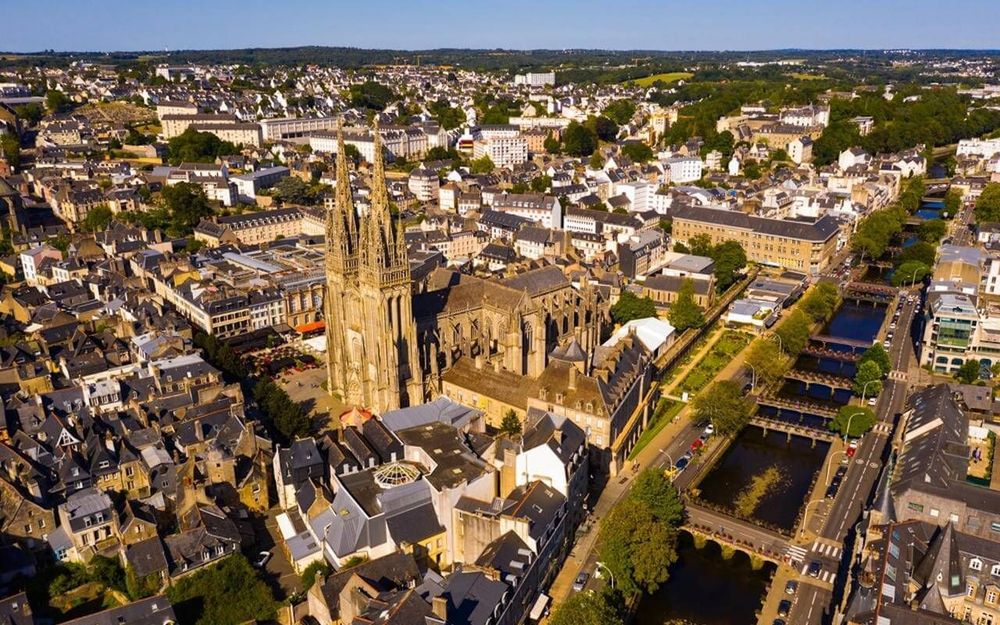
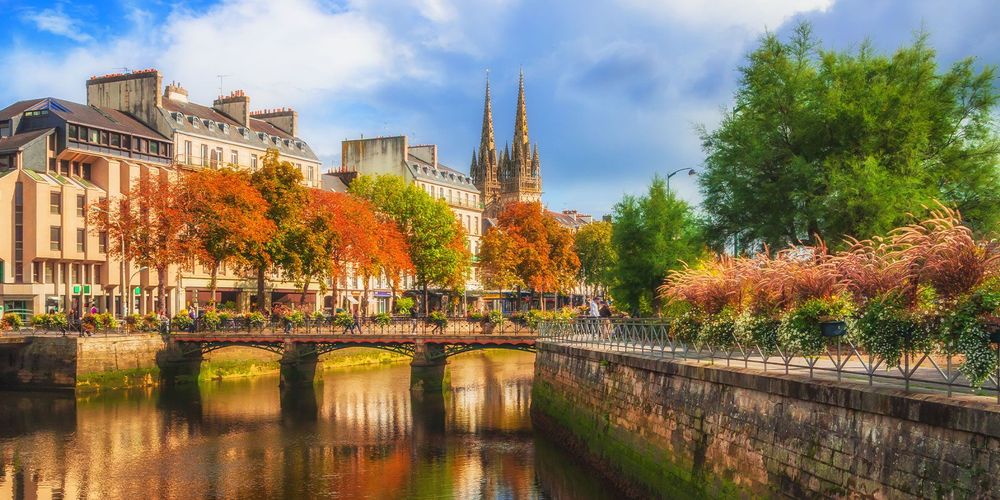
This tour of Quimper invites you into the heart of a storied city nestled at the meeting point of the Odet River and the Steïr River. Wander through the old quarter, where half-timbered houses lean gently over the streets, and look up to the graceful spires of Quimper Cathedral, whose choir curves intriguingly to follow the line of the river. From the delicate artistry of its world-renowned faience to the peaceful charm of flower-lined footbridges crossing the water, the city reveals a character that feels both proud and poetic. It’s a walk that leads you from the Bishop’s gardens to the simple pleasure of butter-rich crêpes, offering a gentle and immersive glimpse into one of Brittany’s cultural capitals.
Quand partir à Quimper ?
Jan.
9°
15
Feb.
10°
13
March
12°
12
April
14°
11
May
17°
10
June
20°
9
July
22°
9
Aug.
22°
9
Sept.
20°
10
Oct.
16°
13
Nov.
12°
15
Dec.
10°
16
Quimper enjoys a pure oceanic climate, characterized by great mildness throughout the year and humidity that sustains the vibrant greenery of the Cornouaille region, with cool summers around 21°C and mild winters fluctuating between 5°C and 11°C. The ideal period to discover this Breton city runs from June to September, offering the best conditions to admire the spires of Saint-Corentin Cathedral or to stroll through the old quarters with their half-timbered houses. The month of July is particularly unmissable thanks to the Festival de Cornouaille, which celebrates Breton culture in a unique and vibrant atmosphere. Spring, though sometimes changeable, remains a magnificent season to explore the gardens of the Château de Lanniron or to sail down the Odet—"the prettiest river in France"—under a maritime light that is often sublime.
Départ conseillé
No need to worry about where to begin! Our tours are designed as a loop, so you can jump in wherever you are. The navigation system and audio-guide will automatically adjust to your location. However, if you happen to be nearby, we do have a preferred starting point: Place Saint-Corentin
Parking à proximité
Parking de la Tourbie : Pl,de la Tourbie, 29000 Quimper
À savoir
During our visit, you'll be passing through the Jardin de la Retraite. To avoid any last-minute surprises, please note that this site has specific opening and closing times. The same goes for the Musée Départemental Breton and the Halles Saint-François.
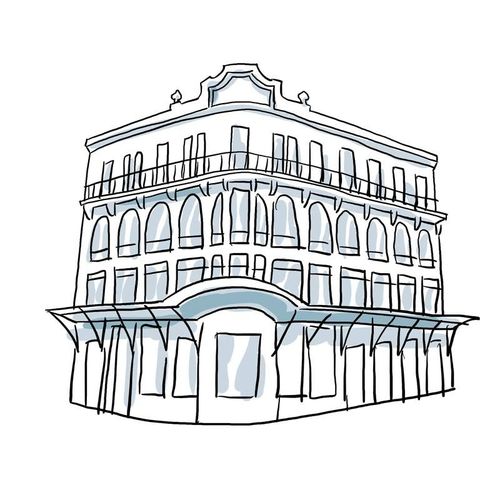
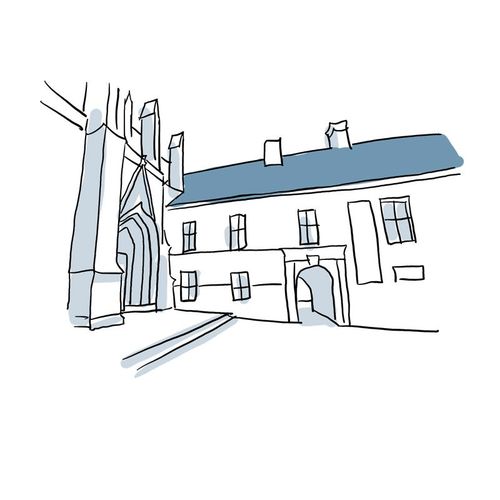
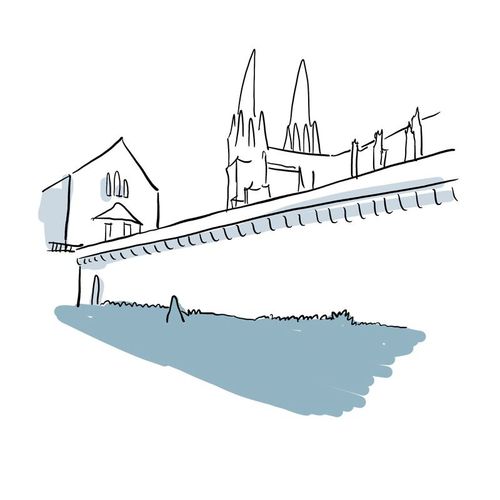
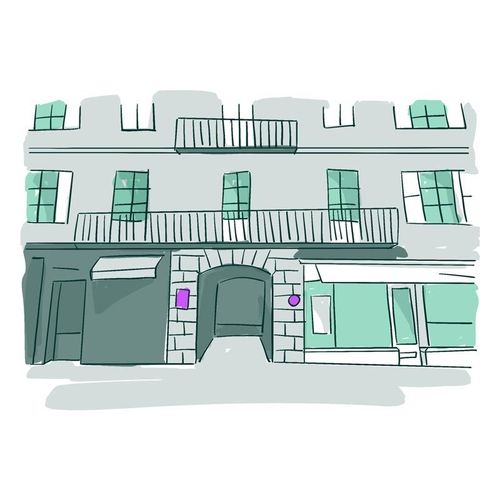
Découvrez 24 lieux d'intérêt pour visiter Quimper











Le plein d'inspirations
Explorez le monde en totale liberté, à pied au cœur des villes ou au fil des routes. Nos guides audios transforment chaque destination en une découverte culturelle immersive et unique.




FAQ for visiting Quimper
When is the best time to visit Quimper?
The ideal time to discover Quimper runs from June to September, when the oceanic climate offers its finest days with pleasant temperatures around 21°C. July is especially festive with the famous Festival de Cornouaille, which brings the whole town to life in an authentic Breton atmosphere. Spring is also an excellent option to enjoy the flower-filled gardens and the distinctive coastal light, even if the weather can be more changeable. Winters stay mild with temperatures between 5°C and 11°C, allowing pleasant visits all year round. The oceanic humidity keeps the town's greenery vivid, creating the sometimes mysterious atmospheres that give this Cornouaille capital all its charm.
How many days do you need to visit Quimper?
Two full days make up the ideal length of stay to properly appreciate Quimper and its treasures. One day lets you discover the historic centre with Saint-Corentin Cathedral, the medieval lanes lined with half-timbered houses and the Fine Arts Museum. On the second day, you can explore the outlying neighbourhoods, visit a traditional faience workshop, stroll along the Odet or discover the gardens of the Château de Lanniron. If you have three days, you will have time to deepen your visit with a boat trip on the Odet or an excursion to the remarkable sites nearby. A single-day stay is still possible but requires making choices among the town's many attractions.
How do you get to Quimper?
Quimper is easily accessible by several means of transport. By train, the SNCF station connects directly to Paris in about three and a half hours by TGV, and many Breton towns are served regularly. By car, the town lies at the end of the free expressway that crosses Brittany, allowing quick access from Rennes, Nantes or Brest. The nearest airport is Quimper-Cornouaille at Pluguffan, offering connections with Paris, while Brest airport an hour's drive away offers more destinations. Regular bus lines also connect Quimper to the main Breton towns. Once there, the historic town centre is easily explored on foot, making the discovery of its treasures particularly enjoyable.
Where can you park in Quimper?
Parking in Quimper is well organised with several options depending on your needs. The town-centre underground car parks such as La Résistance, Tour d'Auvergne or Providence offer secure spaces right next to the tourist sites, usually paid according to duration. For cheaper rates, opt for the park-and-ride car parks on the outskirts, often free and connected to the centre by shuttles or regular buses. On-street parking in the central streets is time-limited and paid during the day, but can suit short visits. On Sundays and public holidays, many spaces become free. Remember to check the information signs that clearly indicate the parking conditions in each zone to avoid any inconvenience.
What are the top things to see and do in Quimper?
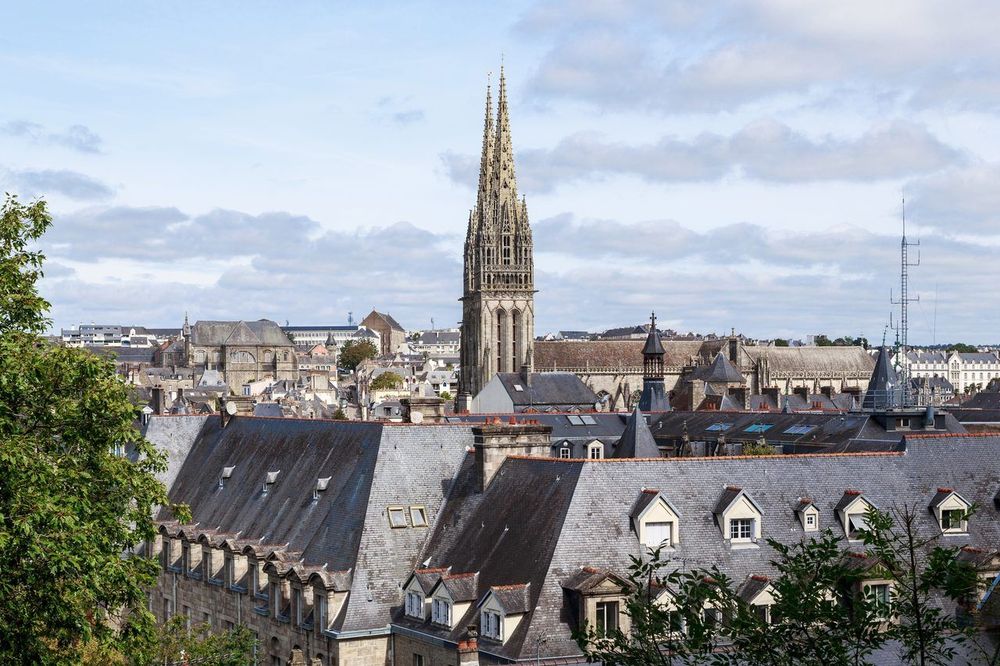
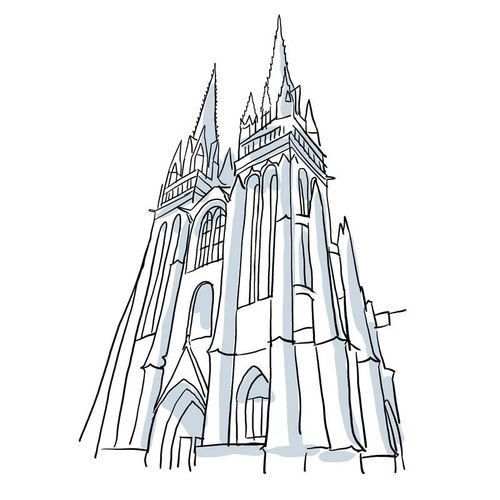
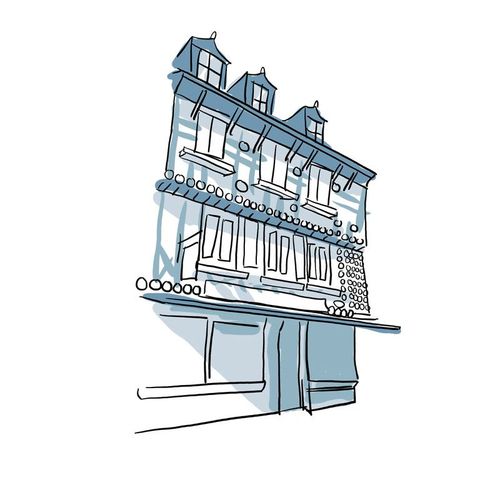
The must-sees of Quimper begin with the majestic Saint-Corentin Cathedral with its Gothic spires and its tilted choir that follows the course of the river. The historic quarter around the Place au Beurre reveals cobbled lanes lined with perfectly preserved half-timbered houses. The Fine Arts Museum houses a fine collection of Breton paintings, while the Breton Departmental Museum traces the history and traditions of Cornouaille. A faience workshop visit is a must to understand this iconic craft. The Bishop's Palace gardens offer a leafy pause with a view of the cathedral. The Ryo audioguide offers a narrated route that links all these major sites while revealing anecdotes and secrets of the Cornouaille capital, ideal for a complete discovery at your own pace.
How can you visit Quimper when it rains?
The Breton rain should not spoil your discovery of Quimper, which offers many sheltered activities. The museums make perfect cultural refuges, notably the Fine Arts Museum with its remarkable collections or the Breton Departmental Museum for a plunge into local history. The HB-Henriot faience works offer covered guided tours to discover this centuries-old craft. Saint-Corentin Cathedral deserves an in-depth visit of its impressive Gothic interior. The covered Saint-François market hall lets you wander among the stalls of local produce while staying dry. Many traditional crêperies will welcome you warmly for a gourmet break. Even in the rain, a stroll with an umbrella through old Quimper keeps its charm, with the colourful façades and reflections on the cobblestones creating a typically Breton romantic atmosphere.
What culinary specialities should you try in Quimper?
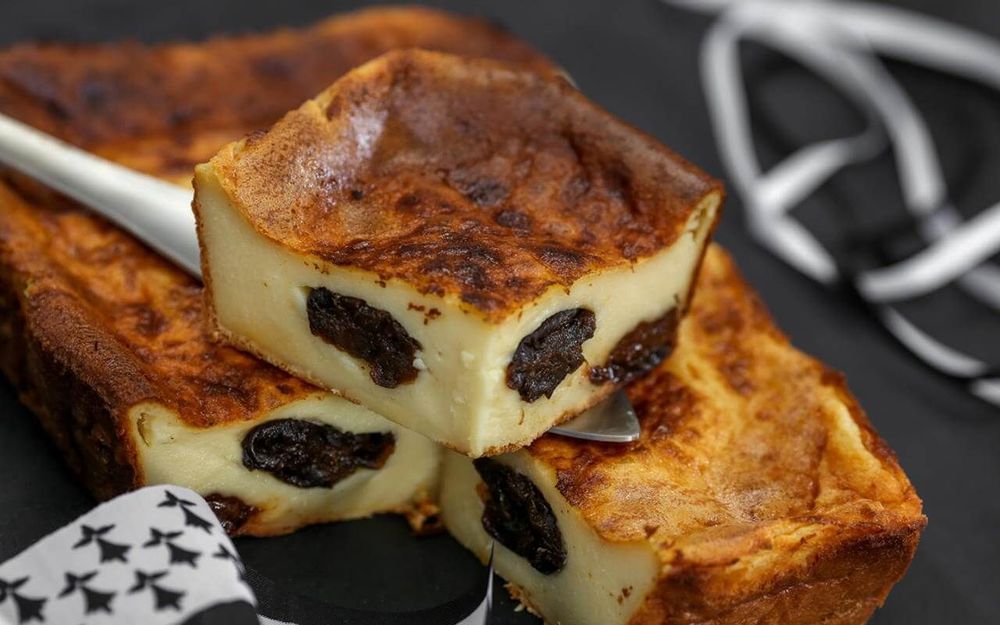
Quimper delights food lovers with its authentic Breton specialities. Crêpes and galettes remain essential, served in the many traditional crêperies with farmhouse cider or ribot milk. Kouign-amann, that layered cake of butter and sugar originating from the region, is best enjoyed still warm to appreciate its melting texture. Freshly caught seafood fills the platters in the central restaurants, served with salted butter and rye bread. Far breton with prunes and lacy crêpes complete the typical desserts. As for drinks, chouchen, Breton mead, deserves a tasting, as do the local craft beers. The markets also offer regional produce such as Guémené andouille, Plougastel strawberries or salted-butter caramel.
Where should you stay in central Quimper?
Quimper's town centre offers varied accommodation suited to all budgets and preferences. The charming hotels set in former residences near the cathedral offer an authentic experience with their preserved architecture and refined décor. For tighter budgets, several budget hotels and family guesthouses can be found in the historic neighbourhoods, making it easy to explore on foot. Apartment rentals are an appealing alternative for longer stays or families, particularly around Place Saint-Corentin. Some establishments offer views of the Odet or the gardens, adding to the charm of the stay. Remember to book in advance during the summer season and the Festival de Cornouaille in July, periods when tourist crowds are significant.
Why is Quimper famous for its faience pottery?
Faience has been made in Quimper since the late seventeenth century, in the Locmaria district on the banks of the Odet, where clay and a waterway gave the earliest workshops everything they needed. The hand-painted designs, figures in Breton costume, stylised flowers and blue motifs, carried the town's name far beyond Brittany. You can still step into a working manufactory to watch the throwing and decorating being done by hand, then round off the visit at the museum devoted to faience, which retraces three centuries of production. Locmaria is worth lingering in anyway, for its Romanesque church, its medieval garden and its quiet, village-like atmosphere. The Ryo audio guide offers a dedicated Quimper route that links the old centre to this potters' quarter.
What is there to visit around Quimper on a day trip?
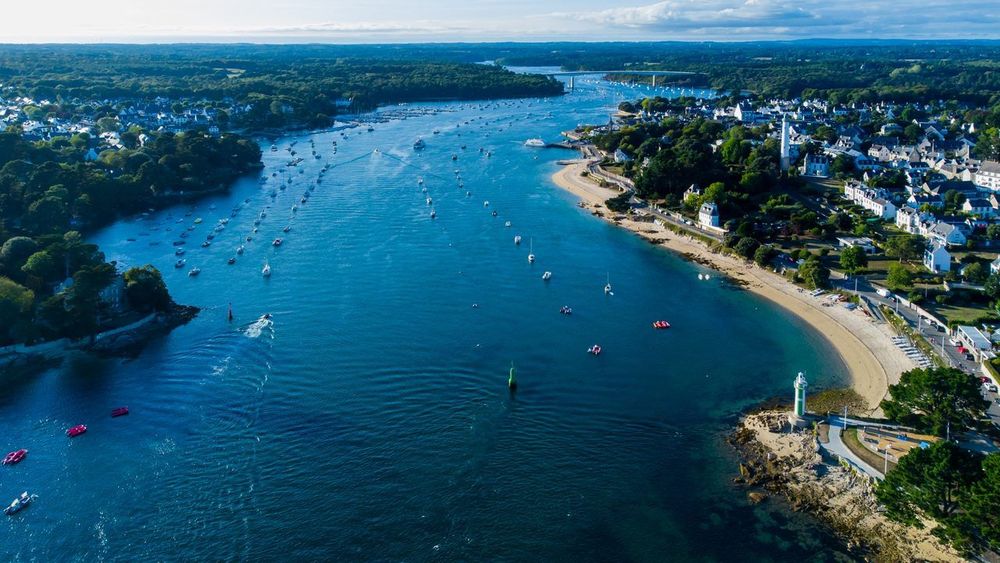
Quimper makes a handy base for exploring Cornouaille. To the south, the Odet estuary leads down to Bénodet and its beaches, reached by bus or, in the warmer months, aboard the boats that cruise the river. To the east, Concarneau and its walled old town are easily seen in a day, while Pont-Aven keeps alive the memory of the painters who settled there. To the north-west, Locronan lines up its granite houses around a square that has remained intact, and further on the Crozon peninsula and the Pointe du Raz unfurl cliffs and ocean panoramas. Douarnenez, for its part, charms visitors with its port museum and its coves. Depending on the season, trains and regional coaches serve a good share of these destinations.
Vos commentaires, idées et suggestions
Aucun avis pour le moment