





Créé par Romane, le 4 oct. 2026
Votre guide Ryo
Brest, France
Capital of the Oceans
Parcours audioguidé pour visiter Brest en 1 jour
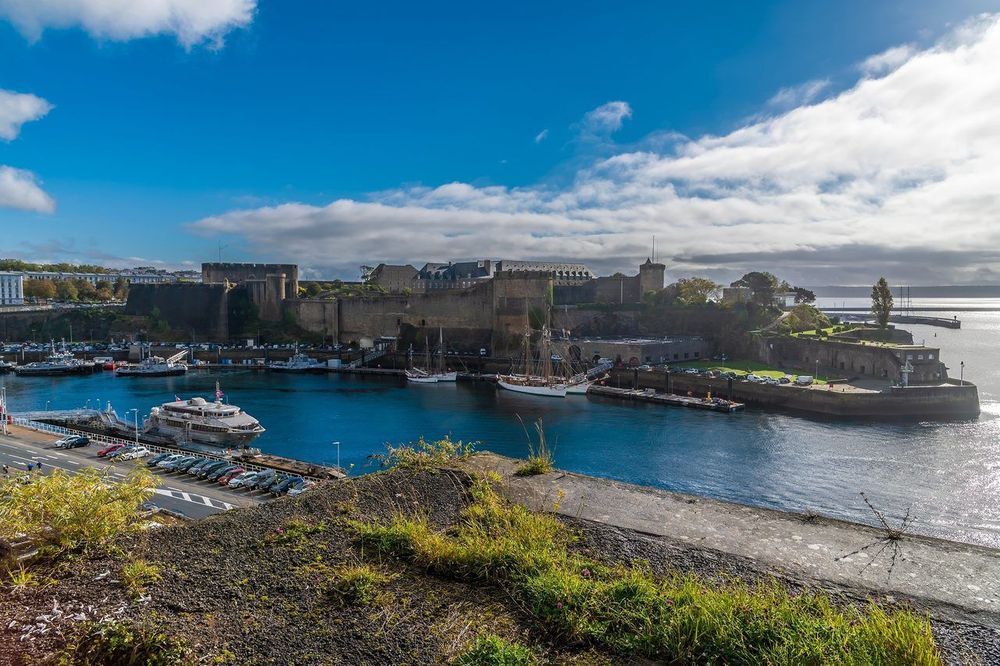
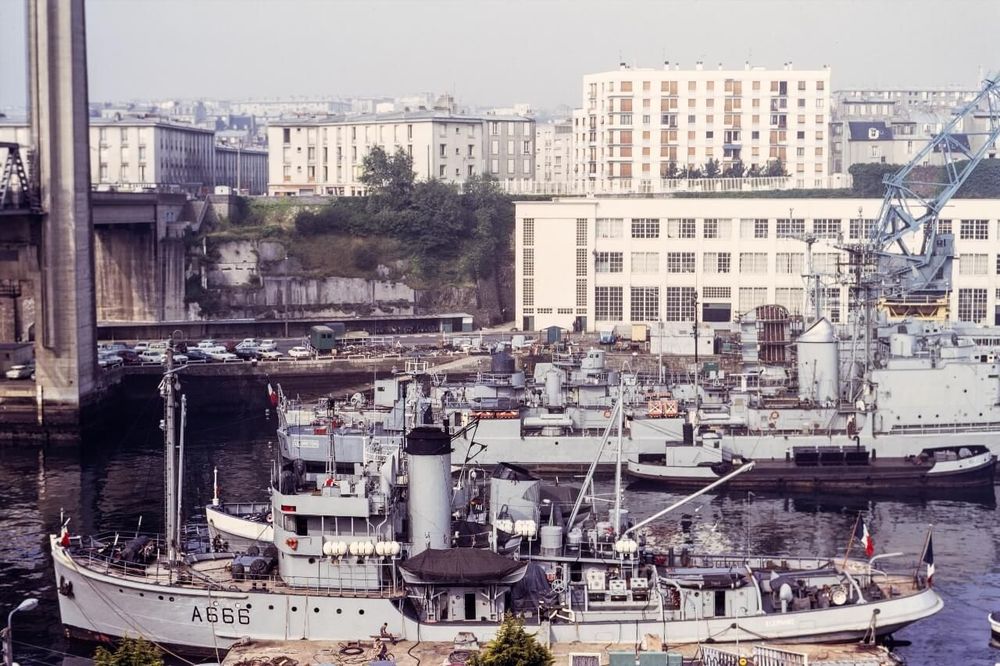
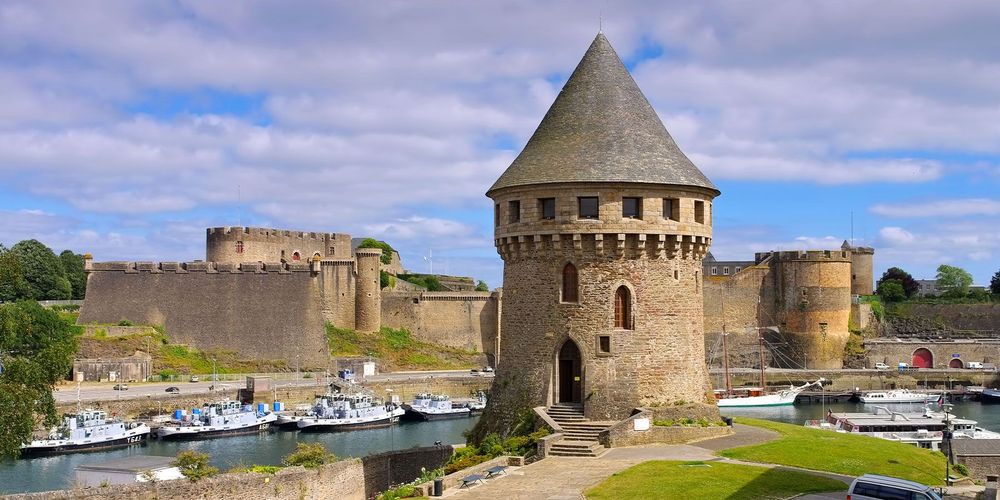
This stroll through Brest takes you on a salt-aired immersion where the pavement meets the Atlantic. Let your footsteps lead you from the ramparts of the thousand-year-old castle to the bustling quays of the commercial port, where cranes etch the skyline. Between the strength of its reconstructed architecture and the hidden charm of Rue Saint-Malo, the city reveals a proud character forged by sea spray and maritime history. A raw and sincere exploration on foot to capture the full singularity of a metropolis that lives to the rhythm of the tides and legends of the open sea.
Quand partir à Brest ?
Jan.
7°
18
Feb.
7°
15
March
9°
14
April
10°
12
May
13°
12
June
15°
10
July
17°
10
Aug.
17°
10
Sept.
16°
11
Oct.
13°
15
Nov.
10°
18
Dec.
8°
19
Brest is characterized by a pure oceanic climate, marked by great mildness throughout the year but frequent humidity, with cool summers averaging around 20°C and very temperate winters where the thermometer rarely drops below 4°C. The most favorable period to discover the "Cité du Ponant" runs from June to August, months during which sunshine is at its peak and rainfall is less frequent, offering ideal conditions to explore the roadstead (la rade) or the botanical conservatory. The month of July is particularly recommended every four years to admire the famous international maritime festivals, though spring remains an excellent option to enjoy the spectacular blooming of Brest's gardens in the invigorating sea air.
Départ conseillé
No need to worry about where to begin! Our tours are designed as a loop, so you can jump in wherever you are. The navigation system and audio-guide will automatically adjust to your location. However, if you happen to be nearby, we do have a preferred starting point: On Liberty Square
Parking à proximité
Q-Park Liberté, on Liberty Square
In Brest, there are two types of on-street parking zones – orange and green. The orange zone is in the very center of town and is limited to 2 hours, while the green one has a 9-hour limit. Both zones require payment. If you want to find free parking, you'll need to park further away from the city center. To pay for parking, you can use a parking meter or a mobile app like Flowbird or EasyPark.
À savoir
On this tour, we'll be passing through the Kennedy Garden. Access is free, but subject to opening hours. Be sure to check opening times before you visit! If the garden is closed when you get there, continue along the Rue du Château towards our next point of interest.
The same goes for the Garden of Explorers. If it's closed when you get there, continue along Denver Street towards our next point of interest.
On this tour, we'll be taking you past the Brest Castle. Should you wish to visit it, remember to buy your tickets in advance!
Découvrez 28 lieux d'intérêt pour visiter Brest















Le plein d'inspirations
Explorez le monde en totale liberté, à pied au cœur des villes ou au fil des routes. Nos guides audios transforment chaque destination en une découverte culturelle immersive et unique.



FAQ for visiting Brest
When is the best time to visit Brest?
The ideal time to explore Brest runs from June to August, when the city's oceanic climate is at its best. During these summer months, you'll enjoy optimal sunshine and less frequent rainfall, even if temperatures stay pleasantly cool at around 20°C. July is particularly magical in the years when the international maritime festivals take place. Spring is also an excellent alternative, offering gardens in full bloom and invigorating sea air. Brest's winters remain mild, with temperatures rarely below 4°C, but the more pronounced humidity can make walks less pleasant.
How many days do you need to visit Brest?
To discover the essentials of Brest and soak up its unique maritime atmosphere, ideally plan for two to three full days. This will give you time to comfortably explore the historic centre, stroll along the harbour quays, visit the main museums and venture into the authentic neighbourhoods. In one well-organised day, you can glimpse the major sites, but you risk missing the soul of this ocean city. With three days or more, you'll have the leisure to explore the surroundings of the roadstead, enjoy green spaces such as the botanical conservatory and truly feel the special rhythm of this city shaped by the tides.
How do you get around Brest without a car?
Brest has an efficient public transport network that makes getting around without a car very easy. The tram, modern and practical, crosses the city from east to west and serves the main points of interest. The bus lines complement this system perfectly, reaching every neighbourhood. For a greener and more flexible approach, the bike-sharing scheme lets you explore the city at your own pace. The city centre is relatively compact and lends itself well to walking, especially along the seafront. Taxis and ride-hailing services are also available for occasional trips. Don't hesitate to combine these different modes according to your needs and the weather of the day.
What are the must-see attractions in Brest?
Brest is full of fascinating sites that tell the story of its maritime history and its resilience. The thousand-year-old castle and its national Maritime Museum are an essential starting point for understanding the soul of the city. Océanopolis, one of the largest aquariums in Europe, immerses you in the mysteries of the oceans. The lively quays of the commercial port offer a constant spectacle of boats and monumental cranes. Don't miss the Rue Saint-Malo with its preserved charm, a witness to pre-war Brest. The national botanical conservatory is also worth the detour for its exceptional collections. The Ryo audioguide offers a narrated tour that links these iconic sites while revealing the city's hidden secrets.
How do you get to Brest from Paris?
Several options are available to reach Brest from the capital. The TGV remains the most convenient and fastest way, with direct connections in under four hours from Montparnasse station. Trains run regularly throughout the day, offering welcome flexibility. If you prefer flying, direct flights connect Paris to Brest-Bretagne airport in about an hour and a half, with several airlines offering this route daily. For road-trip lovers, allow around six hours by motorway, a journey that lets you discover the Breton landscapes. Long-distance coaches are an economical alternative, although the trip is naturally longer, generally between seven and eight hours.
Where can you park easily in Brest?
Parking in Brest is relatively easy, with many options to suit your needs. The city centre has several secure underground car parks, particularly handy near the shopping and tourist areas. The park-and-ride facilities on the outskirts, connected to the tram, offer an economical solution for the day while avoiding city-centre traffic. In residential neighbourhoods, you'll often find on-street spaces, usually paid during the day but free in the evening and at the weekend. The commercial port and the harbour area also offer spacious parking areas. Remember to check the regulated parking zones and the free-parking times, which vary from one area to another. Mobile payment apps make managing parking in the city much easier.
What can you do in Brest when it rains?
On rainy days, which are frequent in this ocean city, Brest reveals its many indoor attractions. Océanopolis is an ideal escape for several hours of wonder in the dry, with its pavilions dedicated to the various marine ecosystems. The national Maritime Museum, housed in the castle, offers a fascinating dive into French naval history. The Ateliers des Capucins, former arsenals now converted, provide a huge covered cultural space with a media library, shops and exhibitions. The Fine Arts Museum is also worth a visit for its eclectic collection. The city-centre shopping centres let you stroll in the warm between shops and cafés. Don't forget that the Breton rain is an integral part of the local identity, and that with a good raincoat, certain walks in the sea spray can prove memorable.
Which neighbourhoods in Brest are best to explore?
Each of Brest's neighbourhoods has its own personality and deserves your attention. The centre, rebuilt after the war, impresses with its bold modernist architecture, while the Rue Saint-Malo miraculously preserves the atmosphere of old Brest. Recouvrance, on the right bank, charms with its down-to-earth authenticity and its breathtaking views over the roadstead. Saint-Marc offers a peaceful residential face with lovely walks along the coast. Les Capucins, a district undergoing a full revival, blends industrial heritage and cultural dynamism around its former naval workshops. The commercial port remains fascinating for watching the daily maritime activity. The Ryo audioguide takes you through these different faces of Brest, revealing the stories and anecdotes that bring every street corner to life.
What is there to discover at the Ateliers des Capucins in Brest?
Set on the plateau overlooking the Penfeld, the Ateliers des Capucins occupy former naval workshops turned into a place open to all. The nave, a vast covered hall where the travelling cranes and a few machine tools have been left in place, now serves as a sheltered public square: people cross it, play in it and sit down in it when the weather turns, which makes it a safe bet on rainy days.
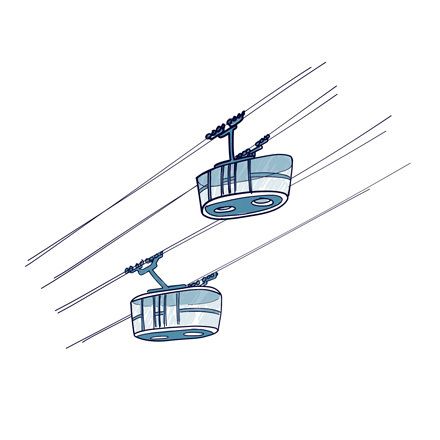
Around that nave you will find a large media library, maker workshops, shops and cafés, a space devoted to marine exploration and the Emperor's barge, a ceremonial boat displayed under glass. The urban cable car crossing the river from the centre offers the finest way to arrive. The Ryo audio guide offers a dedicated Brest route that takes in this emblematic site of the port's reinvention.
What can you do in Brest with children?
Brest is an easy city with children, because its major attractions speak for themselves. Océanopolis fills a whole day without difficulty, with its polar, tropical and temperate pavilions, its penguins and its sharks. The cable car flying over the Penfeld lasts only a few minutes but never fails to impress, and it leads naturally on to the nave of the Capucins, where younger ones can run around under cover.
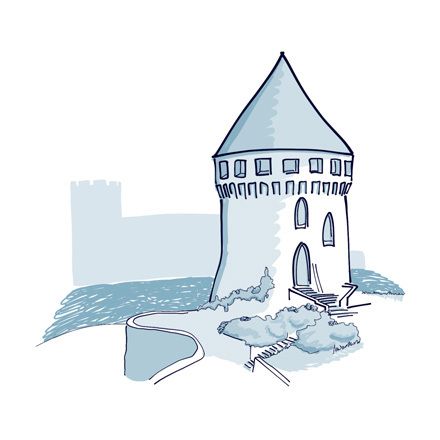
For a breather, the garden of the national botanical conservatory unfolds a valley planted with rare species and tropical glasshouses, while the Moulin Blanc beach, at the end of the harbour, makes for a late afternoon with your feet in the water. The castle and its naval museum, then the Tanguy tower with its models of old Brest, round off the programme without ever wearing thin.
Vos commentaires, idées et suggestions
Aucun avis pour le moment