© Shutterstock
 Votre guide Ryo
Visit Brest in 2 Days: The Complete Itinerary for 2026
Brest is unlike any other Breton city, and that's exactly what catches hurried visitors off guard. Razed 90% in 1944 and rebuilt on a grid of light granite above its harbour, it long carried a reputation as a grey city — until its residents and its maritime frontage proved otherwise. To visit Brest in 2 days, you have to embrace the mix: a fortress whose foundations date back to Roman Antiquity and which still houses the French Navy, an urban cable car soaring over an active military port, sharks and sea otters at Océanopolis, and a 17th-century cobbled street miraculously spared by the bombs in the Recouvrance neighbourhood. This guide follows a chronological itinerary, hour by hour over two days, supplemented by the best options if you have an extra half-day to push on to the Crozon peninsula or the Abers. Our Ryo audio-guided tour of Brest accompanies this walk step by step, with the history of each neighbourhood along the way.
Why Spend 2 Days in Brest
Brest bears the nickname "capital of the oceans", a title the city has earned through Océanopolis, the nearby naval academy and a rare concentration of marine research laboratories. But before it turned its gaze to the open sea, Brest was first a closed port, sheltered behind its Vauban fortifications since the 17th century. It is this military history that explains why the city was a major strategic target during the Second World War: the Allied bombing raids of 1944, aimed at dislodging the German submarine base, destroyed almost the entire historic centre.
From that blank slate emerged a distinctive urban vision, conceived by architect Jean-Baptiste Mathon: wide avenues, light granite buildings aligned with precision, open squares. A visual shock for anyone expecting the half-timbered houses found elsewhere in Brittany, yet a 20th-century heritage that reads like an open-air history lesson.
Two days are enough to understand this double city: the rebuilt Brest, functional and luminous, and the pockets of ancient memory spared by the bombs, in Recouvrance and around the castle. You'll also discover a genuine neighbourhood life, from the halles Saint-Louis to the terraces of the port de commerce, far removed from the austere image sometimes attached to the city. Add a human scale — the centre can be walked in half a day — and a changeable but rarely extreme oceanic climate, and you have a weekend destination perfectly suited to a condensed format.
All this without the crowds of Brittany's major tourist cities: just over an hour's drive from Quimper and around two and a half hours from Rennes, Brest remains slightly off the radar, which works directly in favour of those who visit.
When to Visit Brest and How Long to Stay
The best time to visit Brest runs from May to September, when the long Breton evenings allow you to enjoy the cours Dajot or the cable car until 9 or 10 pm in midsummer. July and August remain the liveliest months, boosted by the free events at the port de commerce and, every four years only, by the international maritime festival that transforms the harbour into a global gathering of tall ships: the last edition was held in 2024, with the next expected in 2028. Spring — April and May — offers particularly clear light over the harbour, with fewer visitors than in high summer.
How long does it take to visit Brest? One day lets you tick off the city centre essentials — castle, rue de Siam, cours Dajot — but forces you to sacrifice either Océanopolis or the surrounding area. Two days, the format used here, strikes the right balance: one day for the urban heritage and Recouvrance, a second for Océanopolis and the Ateliers des Capucins. If you have three days, add a half-day dedicated to the Crozon peninsula or the Abers — more than enough to fill a full-day excursion.
In winter, Brest is perfectly visitable, provided you accept a more museum-focused pace than an outdoor one, and check the reduced opening hours at Océanopolis and outdoor sites.
How to Get to Brest and Get Around
Brest is easy to reach from France's major cities, with a TGV station right in the centre and an airport about ten kilometres from the heart of the city — two assets that greatly simplify the logistics of a 2-day stay.
Getting to Brest by Train, Car or Plane
By train, allow around 3h30 from Paris-Montparnasse on a direct TGV to Brest station, which is about a fifteen-minute walk from the castle. This is the most comfortable option if you don't plan to venture beyond the city centre and its immediate surroundings.
By car, Brest is around 2h30 from Rennes via the N12, and about 6 hours from Paris. A car becomes useful — even essential — if you plan to head out to the Crozon peninsula, Le Conquet or the Abers, which are poorly served by public transport.
By plane, Brest-Bretagne airport serves direct flights from Paris-Orly (around 1h20), Lyon, Marseille and several European cities. A shuttle connects the airport to the city centre in about twenty minutes.
Getting Around Brest Once You're There
Can you visit Brest on foot? Absolutely, for the historic centre: the castle, rue de Siam, cours Dajot and Recouvrance are all connected by a maximum of 20 to 30 minutes' walk, with the Penfeld river crossed via the pont de Recouvrance.
For Océanopolis, the Ateliers des Capucins or the Stang-Alar garden, however, it's better to rely on the Bibus network — buses and tram — or, for crossing the Penfeld in scenic style, the urban cable car, one of the rare ones in the world that serves a genuine daily transport function rather than a tourist one. A single ticket or a Bibus day pass covers the entire network, including the tram and cable car, for around 4 to 5 euros per day.
If you come by car, several reasonably priced multi-storey car parks surround the city centre (Liberté, Château, Jean-Jaurès) — a simpler option than in Rennes or Nantes — and free park-and-ride facilities are dotted along the tram line on the outskirts. Consider downloading the Bibus app for real-time schedules, particularly useful for timing the buses to the surrounding area at the end of day two.
Before you leave, map out your route on the audio-guided tour of Brest, which marks out the main landmarks of the city centre on foot from the moment you arrive at the station.
Day 1, Morning: Brest Castle and the Harbour
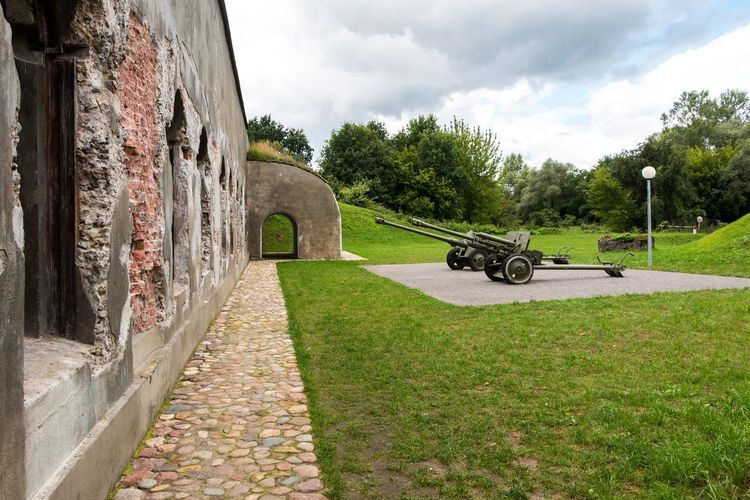
The first day logically starts at the city's oldest point — one of the few buildings to have survived the 1944 bombing raids intact.
Château de Brest and the National Maritime Museum
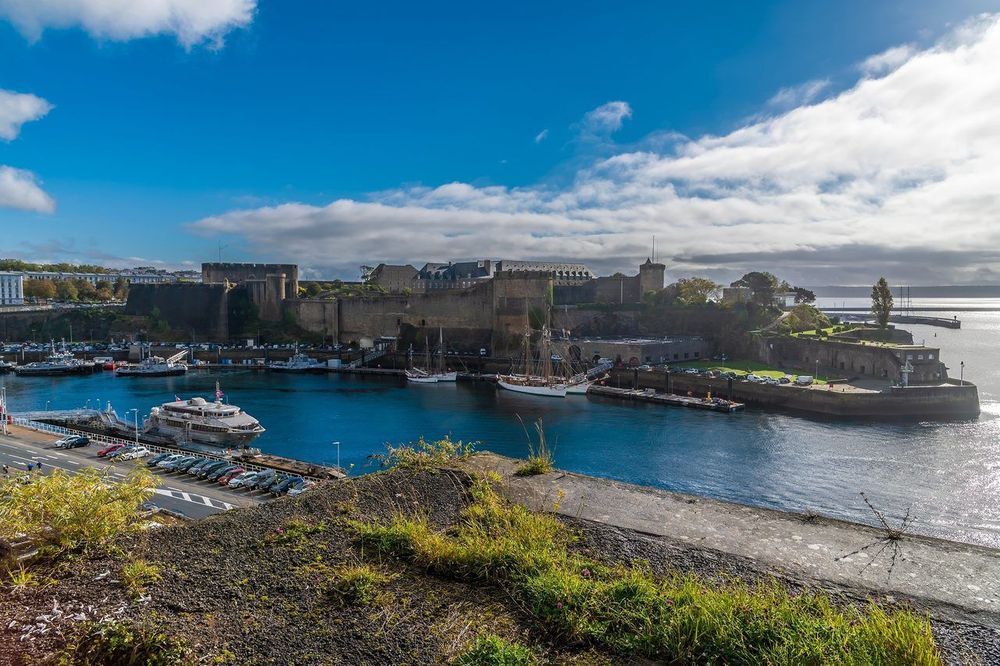
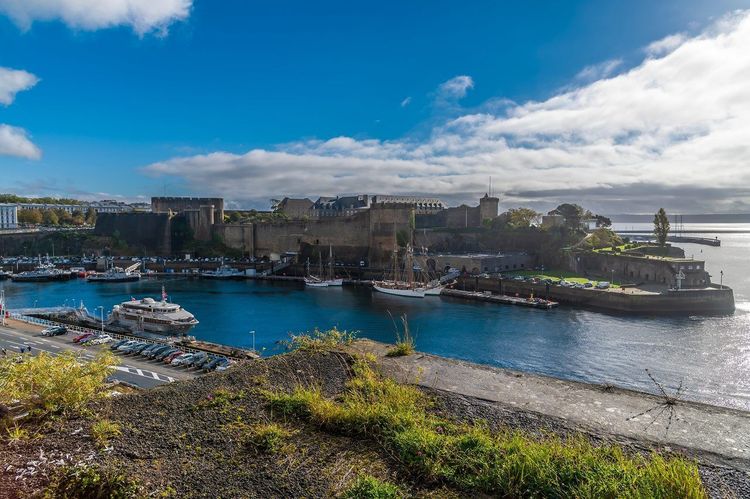
The Château de Brest (Rue du Château, 29200 Brest, rated 4.5/5 on Google from 334 reviews) occupies the rocky promontory that has surveyed the entrance to the harbour since Roman times: every century has added its stone, from the ancient castellum to the medieval keep and then to the fortifications remodelled by Vauban. Seventeen centuries of uninterrupted military occupation make it one of the oldest fortresses still in active use in the world. Part of the site still houses the maritime prefecture and French Navy services; the other part is open to visitors.
Inside, the national Maritime Museum occupies several towers and traces eight centuries of the French navy, from Louis XIV's galleys to nuclear deterrence submarines. Allow 1h30 to 2 hours for the visit, a little longer if you linger over the port models or the figurehead collection. A combined ticket for the castle and museum costs around ten euros for adults, with free entry for under-18s; book the first morning slot in July and August to avoid groups.
The tour stands apart from its Parisian counterpart by the space given to nuclear deterrence and submarines — naturally at home in a city that lives with the Île Longue base directly opposite. A good introduction if you're ever planning to visit the Cité de la Mer in Cherbourg, where the submarine Le Redoutable can be explored from the inside.
Tip: visit the keep in late morning, when the sun is still low enough to light the harbour-side ramparts well in your photos, rather than at midday when the light flattens the pale stone.
The Brest Harbour and the Naval Base
On leaving the castle, take time to walk along the sea-facing ramparts: Brest harbour, one of the largest in Europe at nearly 180 km², connects to the Atlantic through only a narrow channel, and closes to the south on the Crozon peninsula, clearly visible on a clear day.
This deep, sheltered harbour is what made Brest a military port from the time of Richelieu, and still houses the Brest naval base, one of Europe's principal military ports, where frigates and nuclear ballistic missile submarines based at the Île Longue, directly opposite, are moored. The base is not open to visitors for security reasons, but its presence is felt throughout the stay — in the grey silhouettes moored in the distance and in the uniforms you'll cross in the streets.
In fine weather, you can also see from the ramparts the ferries that link Brest and Le Conquet to the island of Ouessant and the Molène archipelago — another way to imagine a third day of your stay.
You'll quickly understand why the people of Brest call their city "the city of the Ponant": here, the sea is never merely a backdrop — it is the economic engine and the very identity of the city, from the naval shipyard to the École navale de Lanvéoc-Poulmic on the opposite shore. This contrast between fortified heritage and still-active military operations is worth dedicating a good hour and a half to, before heading back down towards the centre for the rest of the morning.
Day 1, Midday: rue de Siam, place de la Liberté and cours Dajot
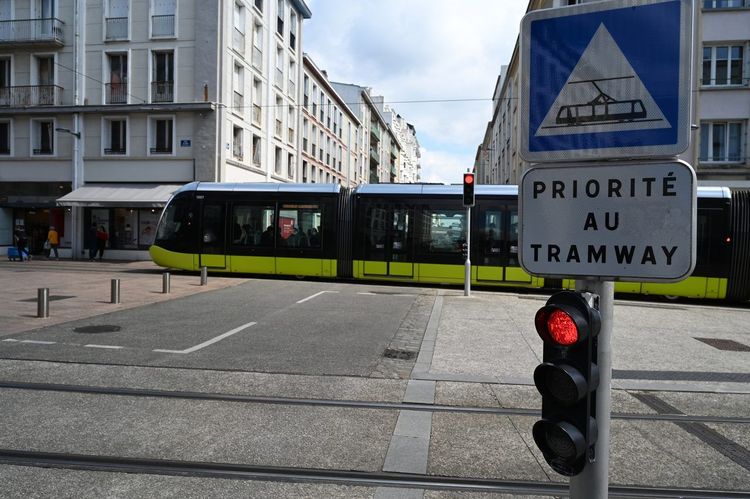
Coming down from the castle towards the rebuilt city centre, the architectural transition is immediately striking.
The rue de Siam is Brest's historic main street, laid out in the 17th century, and it owes its name to the ambassadors of the King of Siam who landed in Brest in 1686 before being received at Versailles by Louis XIV. Destroyed like the rest of the centre in 1944, it was rebuilt in the 1950s following a straight-line plan that descends from the castle to the port de commerce, lined with buildings in Logonna stone, the distinctive yellow-grey stone of Finistère.
The street has carried a reputation since the 19th century as one of France's most beautiful thoroughfares — a compliment the post-war rebuilt version still claims, particularly for its generous proportions and its perfect alignment with the port axis. The city has also greened much of the street in recent years, planting trees and widening pavements, a project that has breathed new life into what was once a very mineral-looking avenue.
Nearby, take a look at the halles Saint-Louis, a covered market where producers and traders sell kouign-amann, Breton charcuterie and shellfish from the harbour — a good stop if you're putting together a picnic for the afternoon.
Halfway along opens the place de la Liberté, the city's administrative and commercial heart, with the town hall and its lively surroundings. This is where the city's major events are held and where much of Saturday's activity unfolds, between the market and terrace cafés.
If you're looking for a café to recharge, opt for the small side streets perpendicular to the rue de Siam rather than the main thoroughfare, which is busier and therefore more expensive.
Continuing south, the rue de Siam leads to the cours Dajot, a tree-lined promenade built in the late 1760s by convicts from Brest's prison hulks — an irony of history for what has become the finest urban balcony overlooking the harbour. From the terrace, the view plunges over the port de commerce, the cranes and, on clear days, all the way to the pointe des Espagnols on the Crozon side. The hundreds of convicts who dug and levelled this terrace came from the nearby bagne, then one of the largest in France — a history recalled on-site today by memorial panels.
It's a good spot for a lunch break on a bench, with a sandwich or crêpe bought on the rue de Siam, before tackling the more active end of the day. In late morning, the benches of the cours Dajot remain relatively quiet, unlike the aperitif hour when the people of Brest claim them enthusiastically.
Day 1, Late Afternoon: port de commerce, abri Sadi-Carnot and Sunset at the Cable Car
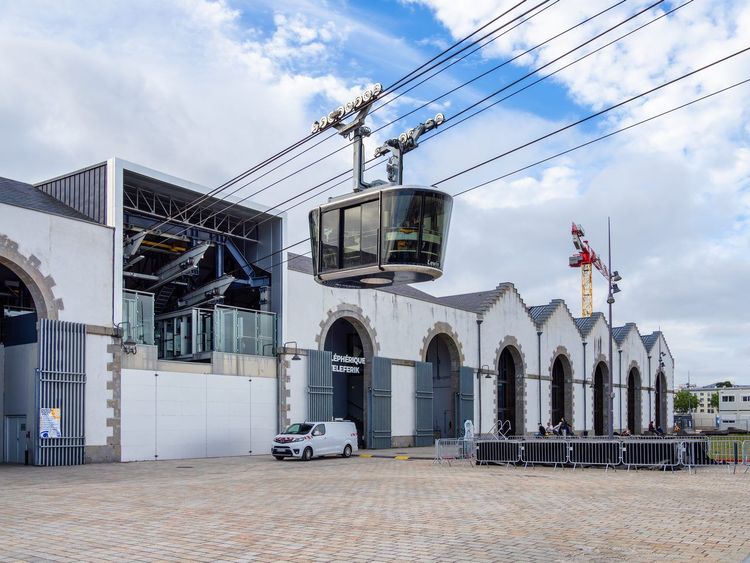
In the late afternoon, head to the quays, where Brest takes on a different face.
The port de commerce de Brest remains a working port, with ship repair yards, ferry services to Ouessant and Molène and fishing activity. Walking along it in the late afternoon, when the raking light gilds the cranes and hulls, gives a different image of the city — more industrial than heritage-focused but just as photogenic.
Just steps from the quays lies the abri Sadi-Carnot, and its history is far from trivial: this tunnel shelter dug beneath the cours Dajot on the eve of the war served as an air-raid refuge for thousands of Brest residents. On 9 September 1944, during the battle for the city's liberation, an explosion followed by a fire trapped civilians and German soldiers inside, killing several hundred people — the greatest civilian disaster in Brest's history, long a taboo subject. The entrance can be found at the bottom of the cours Dajot, but the site only opens to the public on specific occasions, during guided tours or the European Heritage Days. Check with the tourist office before counting on it in your itinerary.
The surrounding quays, meanwhile, have come back to life over the past decade, with several bars and restaurants taking advantage of their west-facing aspect to set up terraces for the sunset.
End the day with the Brest cable car (Quai de la Douane, 29200 Brest, rated 4.4/5 on Google from 2,395 reviews), inaugurated in 2016 to connect the lower city centre — Jean-Moulin station — to the Capucins plateau on the Recouvrance side, crossing over the Penfeld and the naval base. At sunset, the cabin offers a wide view over the harbour, the military port and the rooftops of the rebuilt city centre — arguably the best panorama in the city for the price of a bus ticket. Brest's cable car is remarkable for being one of the rare ones in the world integrated into a standard urban transport network rather than reserved for leisure or mountain use: local residents use it to commute to work just as much as visitors use it for the view.
The crossing takes around three minutes, at the price of a standard Bibus ticket — under 2 euros. Check the timetables: the cable car closes earlier on Sundays and during maintenance, and sunset times vary enormously by season, from 10 pm in midsummer to 6 pm in winter. From the Capucins station, you're already on the right bank to move on to the ancient heart of Recouvrance, ten minutes' walk below. If the sky is too overcast for a sunset, try the crossing instead at the very beginning of the next morning: the raking morning light over the harbour is every bit as worthwhile as the evening light.
Day 1, Evening: the Recouvrance Neighbourhood
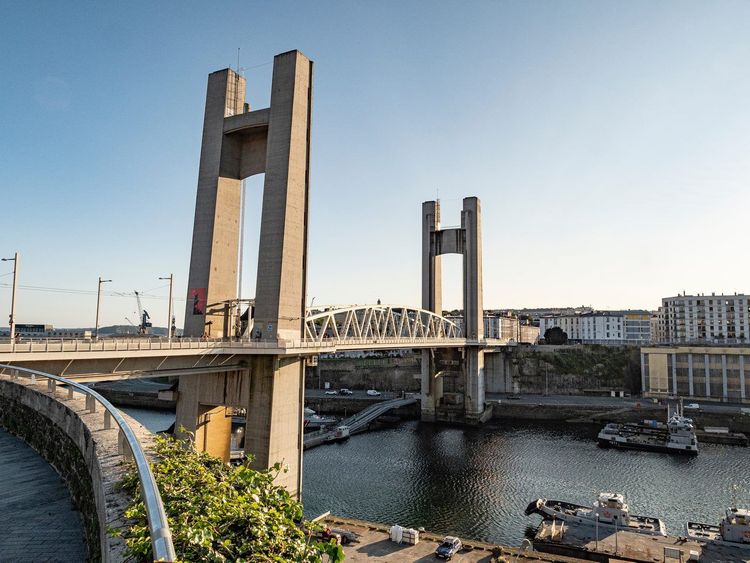
On the other side of the Penfeld begins Recouvrance, Brest's historic quarter, whose oldest streets escaped total destruction. To reach the neighbourhood on foot, take the pont de Recouvrance, Europe's largest bascule bridge when it entered service in 1954, whose deck still rises periodically to let Navy vessels through — an unpredictable but spectacular sight if you happen to witness a manoeuvre.
Tour Tanguy and the View over the Castle
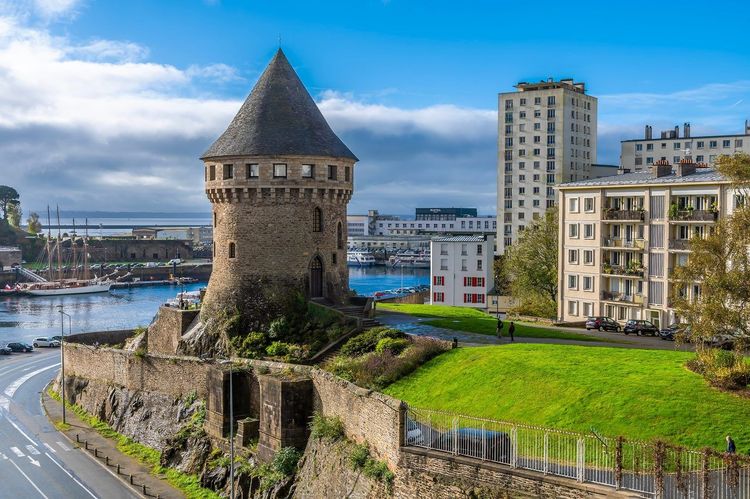
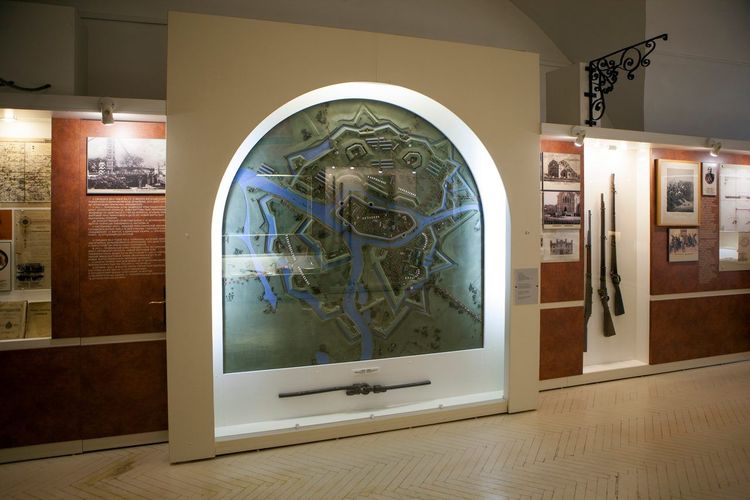
The tour Tanguy, a round medieval tower set at the water's edge, houses the Musée du Vieux Brest, featuring a series of dioramas depicting the city before its destruction in 1944 — a good way to visualise what was lost. From around the tower, the view crosses the Penfeld directly towards the castle, the exact reverse of the panorama seen that same morning.
Entry is free, which is yet another reason to include this short stop — twenty minutes are enough — in an evening already well filled by what follows. Be aware of the opening hours, which are more restricted out of season than in July and August. If you're travelling with children, the tower works well in the late afternoon: the visit is short, free and the models capture their attention before dinner.
Right next door, the jardin des explorateurs is worth a ten-minute detour: this small terraced garden, free to enter, clings above the Penfeld and brings together species brought back by botanist-explorers who set sail from Brest aboard the king's ships. The wooden walkway that winds through it offers a discreet viewpoint over the arsenal, known mainly to local residents.
Rue Saint-Malo and Its Colourful Houses
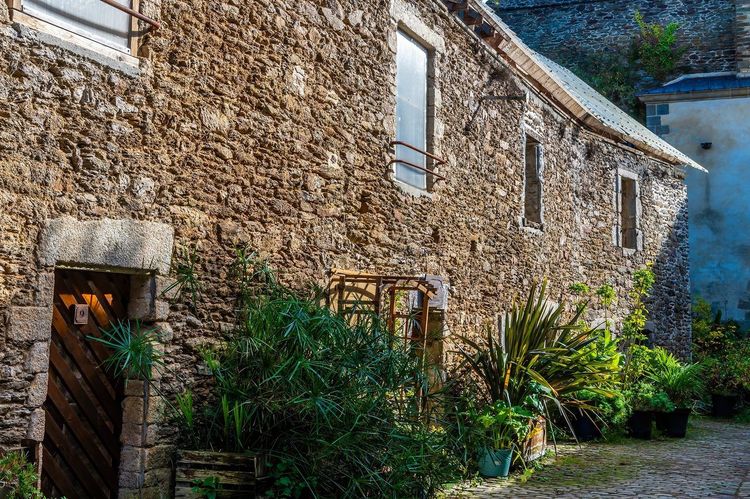
Heading up from the tower, the rue Saint-Malo (29200 Brest, rated 4.6/5 on Google from 700 reviews) is the last authentically old street in Brest, with its 17th- and 18th-century granite houses, cobblestones and gardens sloping down towards the Penfeld. Recouvrance owes part of its identity to the rope-makers, caulkers and workers who served the nearby arsenal — a maritime craft tradition that explains the quarter's ancient presence on this steep bank, long before the current city centre existed.
Earmarked for demolition in the 1980s, the street was saved by a volunteer association that cleared, replanted and transformed it into an open-air cultural venue, with concerts, exhibitions and an association bar during the warmer months. In the neighbouring streets, several facades painted blue, yellow or pink make up what visitors readily call the colourful houses of Brest — a sharp contrast with the light granite of the rebuilt city centre.
This street is worth visiting by day and at dusk alike: the terraced gardens bordering some of the houses create a striking contrast with the functional apartment blocks of the city centre, barely ten minutes' walk away. You'll find artists' studios, small galleries and community bars in the neighbourhood — a distinctly different atmosphere from the rest of the city. Don't come expecting a polished street curated for social media: its appeal lies precisely in the mix of overgrown ruins, volunteer restoration work and genuine neighbourhood life.
End the evening here, at one of the terraces at the bottom of Recouvrance, for a relaxed dinner before heading back to the centre or your accommodation.
Day 2, Morning: Océanopolis, Brest's Must-See Attraction
The second day starts with the site most often cited by visitors to Brest — frequently the one that justifies the trip on its own.
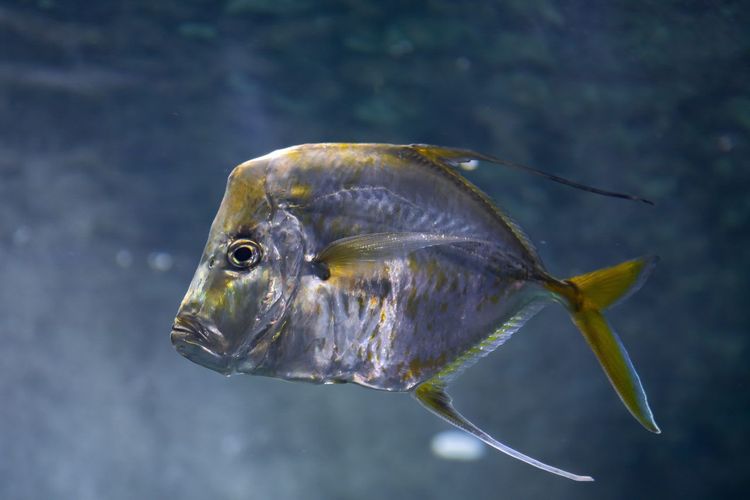
Océanopolis (Port de Plaisance du Moulin Blanc, 29200 Brest, rated 4.1/5 on Google from 20,123 reviews) is Europe's largest ocean discovery centre, organised into themed pavilions housing around 10,000 marine animals in total. Allow half a day — a minimum of 3 hours — to explore it at a leisurely pace.
One point to check before booking: the site has been living with the "Métamorphose" redevelopment project for several years. The tropical pavilion, fully renovated, reopened on 4 July 2026 with its sharks and reconstructed coral reefs. The former polar pavilion, meanwhile, is closed while it is transformed into the Austral pavilion, with its opening announced for early 2027: if you were coming for the penguins, be aware that they are not on display during the works. The Bretagne pavilion, dedicated to the wildlife of the harbour and the Iroise sea, the otter trail and the Cité des Océanautes — an immersive space opened in 2024 for families — all remain accessible.
Opened in 1990 and expanded in 2000, Océanopolis was designed from the outset in partnership with Ifremer, the French research institute for sea exploitation, whose Brittany centre is located a few kilometres away in Plouzané. This scientific grounding is evident in the museography, which is more educational than that of a standard animal park. The site also hosts a care centre for seals stranded on the coastline, which explains the regular presence of convalescing residents.
Book your tickets online: advance booking is the only way to guarantee entry in high season, and buying the day before typically saves around 2 euros. Expect around €24.90 for a full adult ticket, less for children and students, with combined packages including the 70.8 museum at the Ateliers des Capucins.
On site, the restaurant and cafeteria allow you to spend the entire morning without leaving — a practical option if you plan to move on directly to the Ateliers des Capucins in the afternoon. A paid car park adjoins the entrance; without a car, the Bibus bus (Océanopolis stop) is the simplest option from the city centre, taking around twenty minutes, as the tram does not serve the Moulin Blanc area.
If your schedule is tight, the Ryo Brest short version offers a condensed route focused on the city's ocean-facing side — a good option to frame a quick morning between Océanopolis and the rest of the programme.
With young children, start with the Cité des Océanautes then the otter trail: these are the spaces that hold their attention the longest, and visit fatigue sets in more quickly with a young child than with an adult. Even in its reduced configuration, Océanopolis remains — among residents and visitors alike — the site you never regret having booked first for a weekend in Brest.
Day 2: the Ateliers des Capucins and the Stang-Alar Botanical Garden
The second day's afternoon shifts to an entirely different register, between repurposed industrial heritage and protected nature.
The Ateliers des Capucins occupy former arsenal workshops — a complex of 19th-century halls rehabilitated and opened to the public in 2017 as a living space combining a media library, cinema, shops and restaurants. The halls, several thousand square metres under a single roof, impress first by their sheer size: they were built to machine and assemble the steam engines for the king's — and later the Republic's — ships, at a time when the navy was transitioning from sail to steam. They survived the 1944 bombing raids intact, making them one of the rare surviving examples of Brest's pre-war industrial architecture, with their metal roof structures and preserved machine tools kept as decorative elements.
It is also the cable car's arrival station on the Recouvrance side, making it a natural next stop if you're coming from the city centre. The site also houses 70.8, the maritime innovation museum created by Océanopolis, dedicated to ocean exploration technologies: a short visit of around an hour that complements the morning spent at Moulin Blanc and can be booked as a combined ticket. Our Ryo article on the Ateliers des Capucins covers the full history of the site and its current uses — useful if you want to dig deeper than a simple visit.
Take time to wander through the Capucins media library, which occupies part of the hall and whose interior architecture — the original metal structure preserved — is worth the visit even without borrowing a single book. Markets and events regularly set up in the covered square, a good opportunity to leave with a few local products.
In the late afternoon, take the bus to the Stang-Alar botanical garden, about fifteen minutes from the centre. This wooded valley of around thirty hectares is home to the Brest national botanical conservatory (Allée du Bot, 29200 Brest, rated 4.7/5 on Google from 101 reviews), the first botanical conservatory established in the world, specialising in the conservation of plant species threatened with extinction — particularly island plants, some of which now survive only in cultivation.
The park, with its pond, outdoor collections and paths, is free to enter year-round. The tropical greenhouses, which house the most fragile species, require a ticket and have much more restricted opening hours: check in advance if you specifically want to see them, as they are not open continuously like the rest of the site.
Brest residents themselves use Stang-Alar extensively as a daily green lung — for a morning jog or a Sunday picnic by the pond, which is far larger than a typical city-centre public garden.
Allow 1h30 to 2 hours to walk the whole site without rushing — a gentle pace that contrasts with the intensity of the morning at Océanopolis. If you're short on time, choose one or the other rather than rushing through both: the Ateliers des Capucins for a cultural and shopping break, the Stang-Alar garden for a breath of nature — both accessible by public transport from the centre. The short audio-guided tour of Brest covers this stretch of the city too, for a lighter way to link the two.
Museums and Culture in Brest
For a cultural complement or a rainy-day option, Brest has several quality museums beyond the Maritime Museum already visited at the castle.
The Brest Museum of Fine Arts holds a collection focused on Breton painting from the 19th and early 20th centuries, with a notable body of work around the Pont-Aven school and rooms dedicated to the city's history — complementary to what you've already seen in the streets of the centre. The museum also regularly programmes temporary exhibitions on maritime themes, a way of extending the oceanic thread of the stay without returning to Océanopolis.
Entry costs only a few euros, with regular free admission slots — worth checking if your stay falls at the right time.
The Passerelle contemporary art centre (41 Rue Charles Berthelot, 29200 Brest, rated 4.5/5 on Google from 150 reviews), housed in a large former industrial warehouse near the station, offers a more cutting-edge programme of temporary exhibitions focused on international contemporary art. Entry is free and a visit goes quickly — 30 to 45 minutes generally suffice. The raw volume of the building, open floor plates and exposed structure, is part of the experience: it is one of the rare places in Brest where industrial architecture serves directly as an exhibition setting.
These two addresses remain secondary compared to the trio of castle, Océanopolis and Ateliers des Capucins, but offer a welcome breathing space if you're staying more than two days in Brest, or if a rainy Breton afternoon drives you indoors.
If You Have a Little More Time: Beach and a Walk on the GR34
If your schedule allows for a few extra hours, two options round off a stay in Brest nicely without requiring a car.
The plage du Moulin Blanc (29200 Brest, rated 3.9/5 on Google from 2,695 reviews), right next to Océanopolis, is Brest's main urban beach, supervised in summer, with fine sand and a direct view over the harbour. It attracts families in the late afternoon as much as sailing and paddleboard enthusiasts, thanks to the nearby nautical centre. You can rent paddleboards or kayaks there in season — a different way to experience the harbour from the water rather than from the heights of the cours Dajot or the castle.
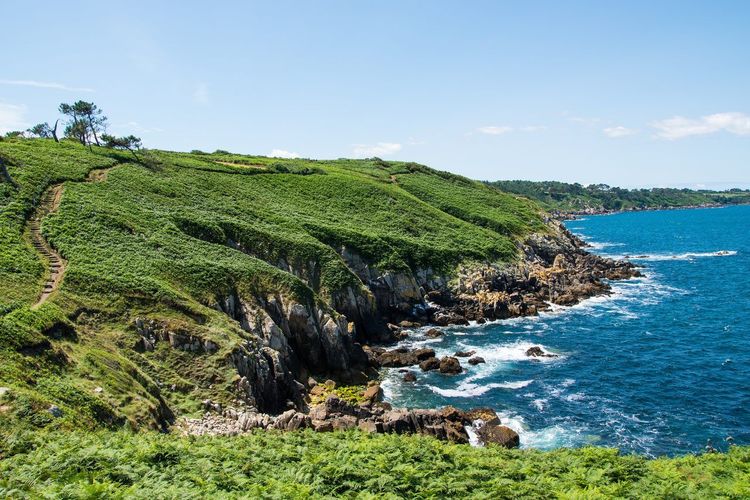
Continuing along the coastal path from the beach, you join the GR34, the customs officers' trail that runs along the Breton coastline. The Brest section, between the Moulin Blanc and the pointe du Portzic, offers a one-to-two-hour coastal walk with no technical difficulty, with views of the boats entering and leaving the harbour. The path continues well beyond Brest, from Mont-Saint-Michel to the south of Brittany, making it one of Europe's most complete coastal routes — around 2,000 marked kilometres.
It's a good way to end a stay in Brest on a more physical and less museum-focused note, before catching the train or plane — provided you keep an eye on the weather, as the wind can pick up quickly on this exposed stretch. If you're walking with children, keep to the first kilometre after the beach: the view of the ships in the harbour is more than enough to hold their attention without exhausting the whole family.
What to Do in Brest When It Rains
Brittany's changeable weather always brings a degree of uncertainty, even over a well-planned 2-day format. Fortunately, Brest has enough indoor options to absorb an entire day of rain without relegating the trip to second best.
Océanopolis remains the number-one option, with its fully covered pavilions and several hours of possible visiting under cover. The Ateliers des Capucins work just as well, between the media library, cinema, 70.8 museum and covered halls, for a complete afternoon without setting foot outside. The national Maritime Museum at the castle and the Museum of Fine Arts round out the offer if you're looking for a third indoor stop.
On the nature side, the tropical greenhouses of the Stang-Alar botanical conservatory offer a heated escape from heavy rain — provided you catch their opening hours, which are shorter than those of the park itself.
Finally, bear in mind that Breton rain is rarely continuous: it often alternates with clear spells, which means that with a little flexibility in the programme, you can slot outdoor walks — rue de Siam, cours Dajot, Recouvrance — between showers rather than cancelling everything. One last useful backup: the halles Saint-Louis and the many cafés on the place de la Liberté, for a dry pause while waiting for a lull — a glass of cider or a crêpe at the ready.
What to Do in Brest with Kids
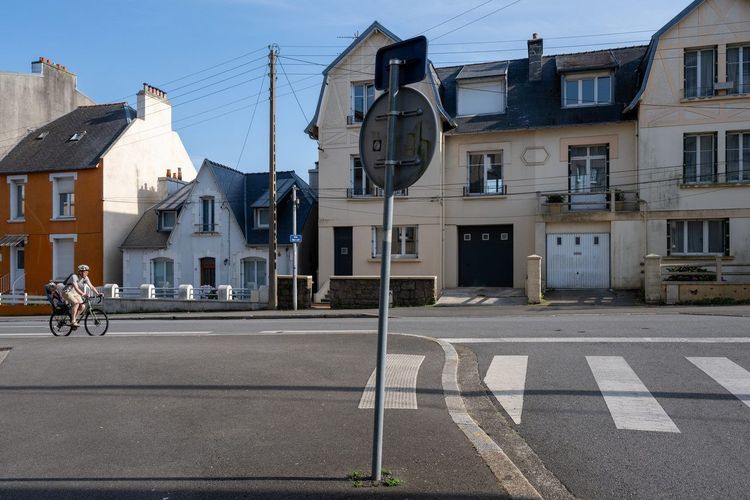
Brest lends itself particularly well to a family stay, provided you balance the pace between heritage and fresh air.
Océanopolis is obviously the highlight for children, with the tropical pavilion's sharks, the otters and the educational spaces in the Cité des Océanautes. The tour Tanguy, free and quick to visit, works well with young children thanks to its dioramas of the pre-war city. The Brest cable car adds a thrill without any danger — always a guaranteed hit with the youngest visitors.
For the afternoon, the plage du Moulin Blanc lets accumulated energy run free, between sandcastles and first paddleboard lessons available for hire. The jardin des explorateurs, just steps from the tour Tanguy, easily turns into a botanical treasure hunt if you ask children to spot plants that came from the ends of the earth.
Over two days, it's better to alternate a dense site — Océanopolis, the castle — with a freer outdoor moment — beach, garden — rather than stacking structured visits: children keep a better pace with these regular breathing spaces. Many restaurants in the centre and at the Ateliers des Capucins offer children's menus, a practical detail that simplifies mealtimes without needing to plan every step in advance.
For more detailed suggestions, our Ryo article on the top 6 activities to do in Brest lists family-friendly options with young children, to complement this chronological guide.
Where to Eat in Brest
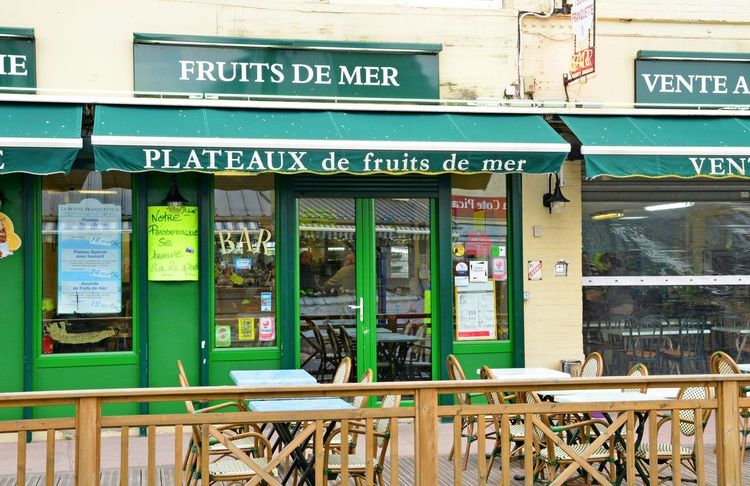
Brest doesn't rival the gastronomic reputations of Rennes or Nantes, but the city is full of solid addresses, driven by the immediate proximity of fresh fish and the produce of the Léon hinterland.
In the centre, around the rue de Siam and the place de la Liberté, you'll find most of the everyday restaurants and crêperies, offering good value for money at weekday lunchtimes. The halles Saint-Louis remain a reliable bet for a quick meal of quality produce — oysters, charcuterie, local cheeses.
Over in Recouvrance and around the rue Saint-Malo, the atmosphere changes: small natural wine bars, community cafés and one or two tables run by young chefs working with short menus and seasonal produce — often less well known to passing visitors but championed by local residents.
On the quays of the port de commerce, several addresses play the fresh fish and seafood card, with a water view from the best-placed terraces — particularly pleasant at sunset, as described earlier in this guide.
Book ahead for dinner in high season if possible, especially at the smaller spots in Recouvrance that rarely seat more than twenty, and where word-of-mouth fills the tables quickly from Friday onwards. Don't leave Brest without trying kig ha farz, the Léon pot-au-feu served with its buckwheat far, or at the very least without biting into a warm kouign-amann bought fresh from a bakery in the centre — far from the industrial versions sold elsewhere in France.
Budget-wise, a set lunch menu in the centre generally runs between €15 and €20, a full evening meal closer to €25–35 before drinks — noticeably gentler on the wallet than in Rennes or Nantes.
For a more detailed selection, our Ryo article on the 10 culinary specialities of Brest reviews the dishes to try on the spot, from kig ha farz to far breton.
Free Activities and Guided Tours in Brest
A stay in Brest can also be built on a modest budget, as the city has several quality free activities to offer.
Free to visit: the tour Tanguy and its Musée du Vieux Brest, the jardin des explorateurs in Recouvrance, the Stang-Alar botanical conservatory park (greenhouses excluded, which remain ticketed), the Passerelle contemporary art centre, and the walks along the cours Dajot, rue Saint-Malo, the quays and the GR34. Add the viewpoint over the harbour from around the castle, and you can easily fill an entire day without spending a euro on entry fees.
Are there guided tours in Brest? Yes, several formats coexist: walking tours organised by the tourist office on specific themes — the reconstruction, Recouvrance, the port — guided boat trips around the harbour, and small-group tours offered by independent local guides.
When choosing, opt for a thematic tour of the reconstruction if post-war architecture intrigues you, or a boat trip if you want to understand the harbour from the water rather than from the heights of the cours Dajot or the castle. Our Ryo audio-guided tour of Brest works like a self-guided tour, at your own pace, with no fixed time to stick to and no group to follow — a good alternative if you prefer to explore the city solo or as a family.
Expect around fifteen euros for a guided walking tour of about 1h30, more for a commented boat trip — tickets to be booked the day before at the tourist office in high season.
What to Do around Brest in Half a Day
If you add a half-day or even a full third day to your stay, two directions open up from Brest, each reachable in under an hour by road. Without a car, both excursions are tricky: it's better to hire a vehicle for the half-day or full day rather than multiplying bus connections, which are rare at weekends on these coastal routes.
Towards the Crozon Peninsula and the Lighthouses (Petit Minou, pointe Saint-Mathieu)
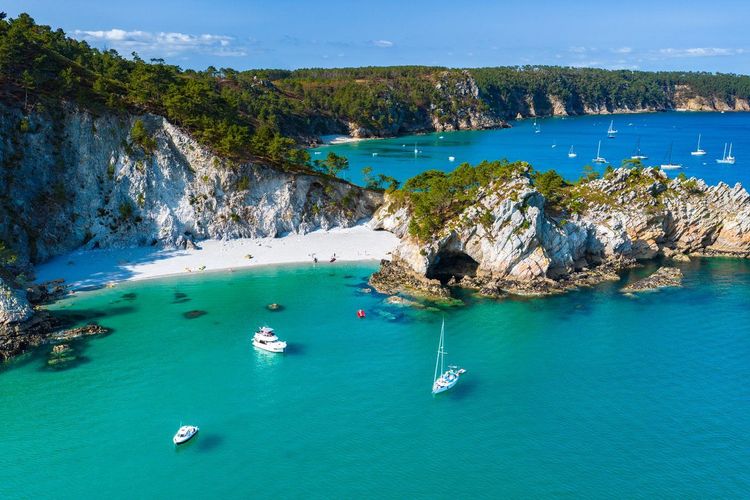
To the south of the harbour, the Crozon peninsula (29160 Crozon) concentrates some of the finest landscapes in Finistère, between cliffs and rocky headlands battered by the Atlantic. Allow about an hour's drive from Brest via the pont de l'Iroise at Plougastel — the neighbouring old pont Albert-Louppe now reserved for pedestrians and cyclists.
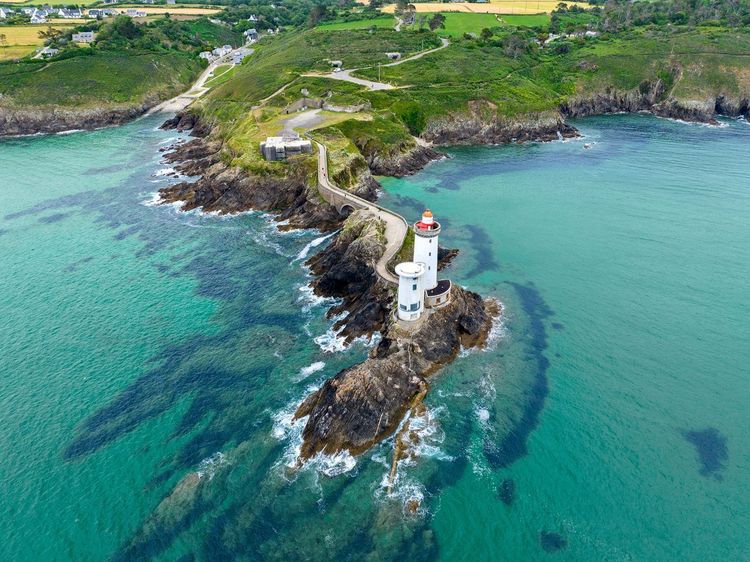
Even before heading south, on the way out of Brest towards Plouzané, stop at the phare du Petit Minou, perched on a rocky promontory at the entrance to the channel — one of the most photographed lighthouses in Brittany, thanks to the footbridge connecting it to the nearby fort.
A little further on, the pointe de Saint-Mathieu combines a still-active lighthouse, the ruins of a Benedictine abbey whose visible remains date mainly from the 11th to 13th centuries, and a signal station — the ensemble offering one of the most complete panoramas over the entrance to the harbour, at the precise point where it meets the ocean.
If weather permits, push on to Camaret-sur-Mer and the pointe de Pen-Hir, with its rocky formations nicknamed the Tas de Pois jutting out into the Atlantic. The peninsula as a whole genuinely deserves a full day to itself if you want to explore it properly: in a half-day from Brest, focus on the two lighthouses and save the rest for a future dedicated stay.
Towards Le Conquet, the Abers and the Côte des Légendes
To the west, Le Conquet is an authentic fishing port, often cited among the most charming stops in Finistère, with its granite houses clustered around the harbour and its weekly market. It is also the main departure point for ferries to the island of Ouessant and the Molène archipelago — worth considering if your stay extends to three days.
Just next door, the plage des Blancs-Sablons stretches over two kilometres of fine sand in a sweeping arc — a far wilder alternative to the plage du Moulin Blanc if you're looking for peace and open air during this half-day excursion.
Heading north, the road runs alongside the Abers and the Côte des Légendes — a string of estuaries (aber means estuary in Breton) and wild beaches stretching to Plouguerneau. In Plouguerneau, the Goémoniers ecomuseum tells the little-known story — outside Brittany — of the seaweed harvest that long sustained this entire coastline, before kelp became an ingredient in the food and cosmetics industries.
Just offshore, the phare de l'Île Vierge, at 82.5 metres, is the tallest lighthouse in Europe built from cut stone. It can be visited in season, subject to sea conditions for the boat crossing from the Aber Wrac'h or Plouguerneau.
End this northern loop around Brignogan-Plages and Kerlouan, where the hamlet of Meneham (Kerlouan, 29890 Kerlouan, rated 4.5/5 on Google from 900 reviews), a restored seaweed-gatherers' village, nestles its granite houses between enormous boulders — including the famous guardhouse wedged between two rocks, one of the most photographed spots on the Côte des Légendes. The "Côte des Légendes" owes its name to the Breton stories that populate the region — shipwrecks, founding saints and tales of wreckers — a reputation that is now largely folkloric but fits the atmosphere of this rugged coastline perfectly.
Logistical tip: if you only have half a day, choose one direction rather than trying to combine the south and north of the harbour on the same day — the distances and winding roads make a complete round trip difficult in under six hours. To plan your loop, our Ryo article on the most beautiful villages to visit around Brest lays out a complete itinerary, village by village, with precise distances from the centre of Brest.

FAQ
How much time do you need to properly visit Brest?
Two days cover the essentials: the rebuilt city centre, the castle, Recouvrance and Océanopolis. With three days, you can add an excursion to the Crozon peninsula or the Abers. A single day is possible but forces you to choose between urban heritage and Océanopolis — doing both comfortably is difficult.
Can you visit Brest on foot, or do you need a car?
The city centre, from the castle to Recouvrance via the rue de Siam and the cours Dajot, can be covered entirely on foot in a day. For Océanopolis, the Ateliers des Capucins or Stang-Alar, the bus, tram and cable car are sufficient. A car only becomes truly useful for exploring the surrounding area — the Crozon peninsula, Le Conquet or the Abers.
What free activities are there in Brest?
The tour Tanguy, the jardin des explorateurs, the Stang-Alar botanical conservatory park, the Passerelle contemporary art centre and the walks along the cours Dajot, rue Saint-Malo or the GR34 are all free. Add the panorama from around the castle and a stroll along the quays, and you can easily fill an entire day without spending a cent on entry fees.
Is Océanopolis worth visiting in Brest?
Yes, even in 2026 with the Austral pavilion — formerly the polar pavilion — closed for renovation until early 2027. The tropical pavilion, which reopened in July 2026, the Bretagne pavilion, the otter trail and the Cité des Océanautes easily fill half a day. Book online — it's the only way to guarantee entry in summer.
Are there guided tours in Brest?
Yes, the tourist office offers themed walking tours covering the reconstruction, Recouvrance and the port, as well as guided boat trips around the harbour. Independent local guides also run small-group tours, which should be booked the day before during high season.
When is the best time to visit Brest?
May to September for long days and summer events, with the liveliest atmosphere in July and August. Spring offers particularly clear light over the harbour with fewer crowds. Winter is still manageable for a stay focused on museums and indoor sites.
Two days in Brest are enough to understand what makes the city unique: an ocean capital that embraces its military past, its radical reconstruction and its preserved pockets of memory in Recouvrance. By combining the castle, Océanopolis, the Ateliers des Capucins and the historic neighbourhoods following this guide's itinerary, you cover the essentials without rushing, with time to spare for a break on the quays or a walk along the GR34.
If you want to deepen the experience once you're there, our Ryo audio-guided tour of Brest covers most of these stops with their detailed history, at your own pace and without any reservation — the perfect way to turn these two days into a genuine immersion in the ocean capital rather than a simple checklist of ticked-off sights.
À lire également