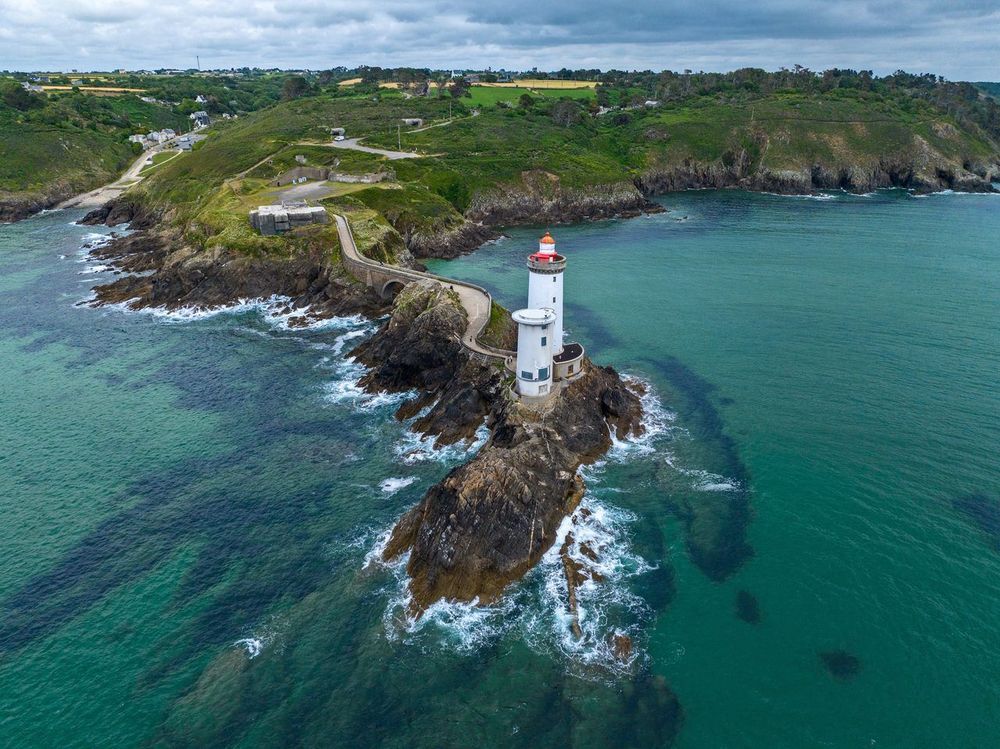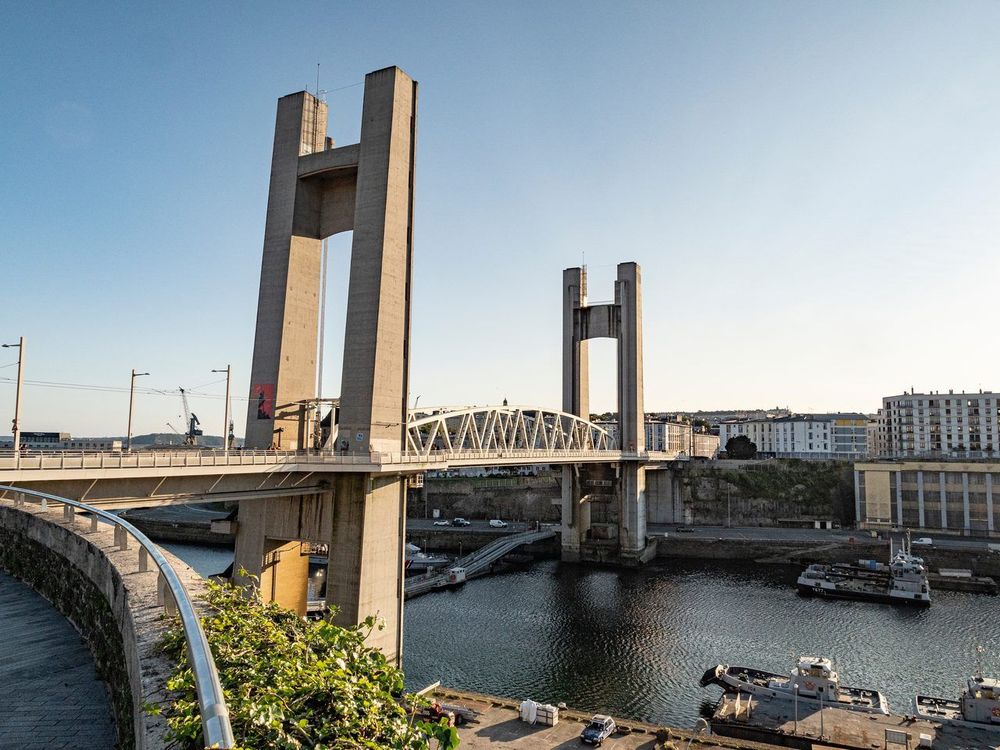
© Shutterstock
 Votre guide Ryo
Visiting Brest Solo in 2026: Complete Itinerary and Practical Tips
Visiting Brest solo means enjoying an advantage few cities offer as well: a post-war rebuilt city with wide, straight avenues where getting truly lost is nearly impossible. Here, a lone traveller checking their phone by the Penfeld raises no eyebrows, and that is precisely the kind of city that puts solo travellers at ease. You move at your own pace, linger in front of a painted wall without negotiating, and change plans if rain sweeps in over the harbour. The Ryo audio guide for Brest starts at the foot of the château and unfolds 27 stops over 3h30 of listening — a handy companion when you're walking alone through a city you're discovering for the first time.
This guide covers the must-sees that form the backbone of a successful solo visit: the château and its Naval Museum, the thousands of marine animals at Océanopolis, the three-minute urban cable car crossing above the Penfeld, and the murals that cover entire gable walls. You'll also find what most Brest guides overlook: how to sleep, get around and budget as a solo traveller, plus two itinerary frameworks depending on whether you'd rather hike or stroll.
The Château de Brest and the Arsenal Quarter
Starting at the Château de Brest is both a logistical and a symbolic no-brainer. Perched at the exact junction of the Penfeld and the harbour, it is one of the oldest fortresses in France still occupied by the military: the foundations date in part to Roman times, and the walls were continuously remodelled up to Vauban. For a solo traveller, the place has a practical merit: leaving the ramparts, you have a panoramic view of the harbour that serves as a reference point for the rest of your stay.
Inside, the Naval Museum (Château de Brest, Rue du Château, 29200 Brest, rated 4.4/5 on Google from 3,148 reviews) occupies several towers and traces centuries of naval history, from the king's warships to today's submarines. Allow one to one and a half hours, more if the ship models hold your attention. Nobody will mind if you spend twenty minutes in front of a single display case.
From the ramparts, the view plunges down onto the arsenal and military port, still in operation and closed to the public, but perfectly legible from above. It is one of France's major military ports alongside Toulon, and it still supports thousands of jobs along the banks of the Penfeld. You can't visit the arsenal, but a single glance from up here makes it clear why Brest was almost entirely rebuilt after 1944: the city paid a heavy price for its strategic position.
The 27 audio stops of the Ryo tour start right here, at the foot of the château, and tell the story of the arsenal over 3h30 of listening in total. A convenient way to anchor a solo first half-day without juggling a paper map and information panels, which are rare around the military port.
Océanopolis: an Immersion in the Marine World
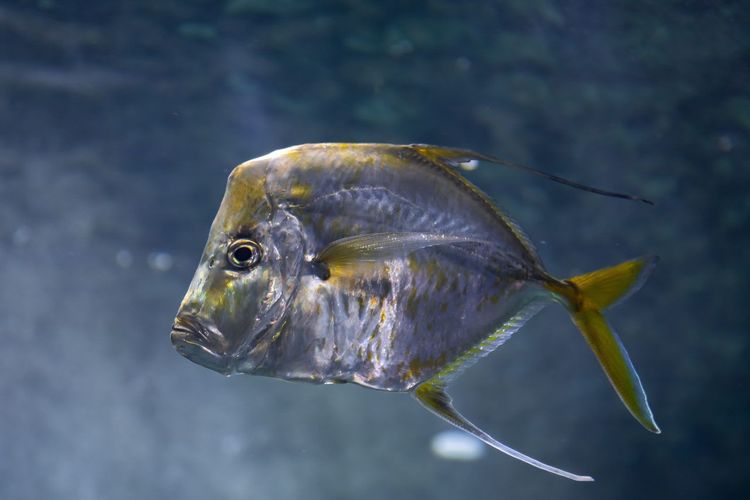
Océanopolis (Port de Plaisance, 29200 Brest, rated 4.1/5 on Google from 20,335 reviews) is often the first thing locals recommend to a solo visitor, and for good reason: the park fills a solid half-day, shelters you from the wind and rain so prevalent on the Breton tip, and is easily explored without anyone to talk to between aquariums.
The site is home to more than 10,000 animals from over 1,000 species, spread across three main pavilions: Brittany, tropical and polar. A note for 2026: the centre is emerging from a lengthy renovation phase — the tropical pavilion reopened in July and the polar pavilion is expected to reopen in autumn. Check what is accessible before you go. The Brittany pavilion, with its grey seals and otter trail, remains the heart of the visit.
Solo, the place has an underrated advantage: you can stay as long as you like in front of the seal pool without anyone getting impatient, and leave as soon as a pavilion has given you enough. The full adult ticket is around 23 euros, slightly less if you book online. Morning visits are recommended: school groups and families pour in during the afternoon, especially during school holidays.
The site also has a restaurant overlooking the Moulin Blanc marina, handy for a solo lunch without hunting for a place in the city centre. If the Brest sky is unpredictable — and it often is — keep Océanopolis in reserve for a rainy day rather than making it a mandatory first-day stop.
Les Ateliers des Capucins and the Cable Car Crossing
A complete change of atmosphere awaits at the Ateliers des Capucins (Rue de Glasgow, 29200 Brest, rated 4.5/5 on Google from 12,210 reviews): this former Navy industrial site, once used to manufacture parts for ships, was converted and opened to the public in 2016. It now houses the largest covered public square in Europe, complete with a cinema, restaurants, a media library and a vast floor that hosts exhibitions and markets. For a solo traveller, it is a place where lingering feels natural: you can read a book, plug in your laptop, or simply watch the neighbourhood go by without looking like you're waiting for someone.
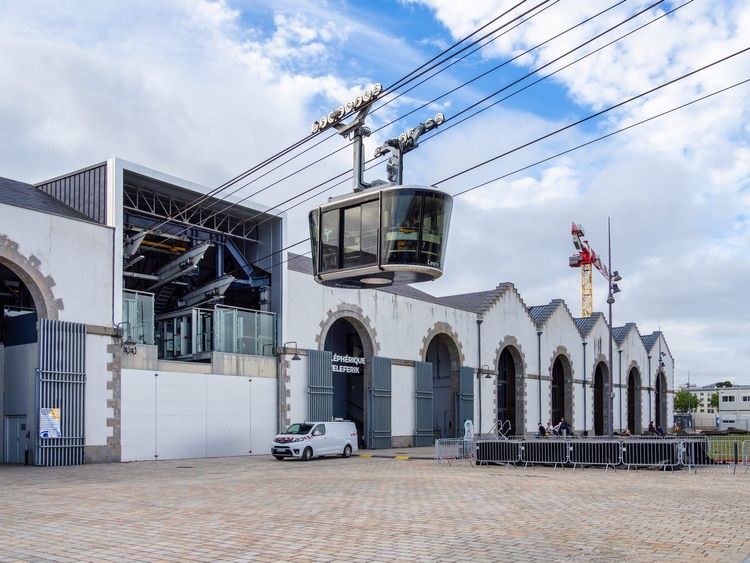
The easiest way to reach the Capucins from the city centre is the Brest cable car, France's first urban cable car to cross a river in the middle of a city. The crossing above the Penfeld lasts about three minutes, offers a view of the arsenal impossible to get any other way, and costs the price of a bus ticket since it is part of the Bibus network.
The short version of the Ryo audio guide leads all the way to the Capucins and narrates this crossing: three minutes listening to an anecdote rather than staring silently at your phone.
The site is open every day until around midnight, free to enter outside paid shows and exhibitions, and remains one of the liveliest spots in Brest on weekday evenings. A natural final stop to round off a solo day without heading back too early.
Another worthwhile venue to know, La PAM reopened in 2023 in a former Brest printing works. You can eat there, catch concerts, screenings or often free workshops, and a small museum space preserves the original machinery. The communal tables and convivial atmosphere make it a good option for a solo dinner without feeling isolated.
Pont de Recouvrance and Tour Tanguy
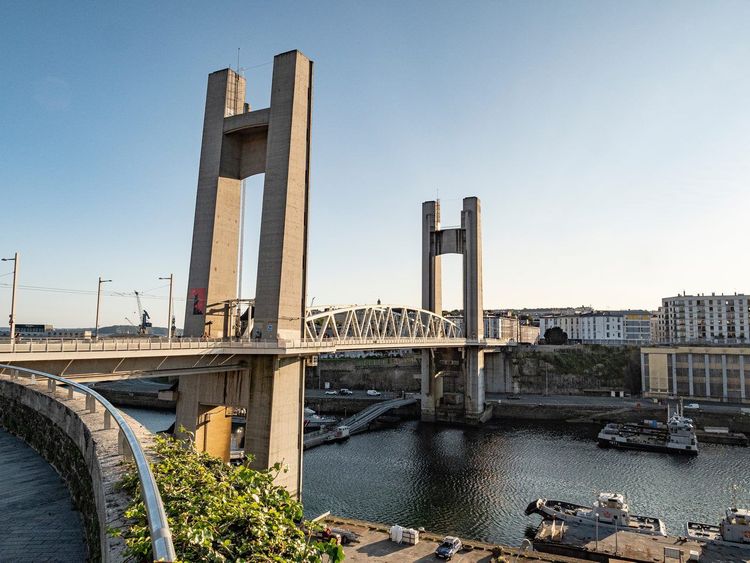
Crossing to the right bank, you can't miss the pont de Recouvrance, Europe's largest lift bridge when it opened in 1954. Crossing it on foot takes just a few minutes and offers one of the best perspectives on the Penfeld and both riverbanks.
At the far end of the bridge, the tour Tanguy (Rue Vauban, 29200 Brest, rated 4.5/5 on Google from 894 reviews) (also known as the tour de la Motte-Tanguy), built in the 14th century, is one of the rare buildings to have survived the wartime bombing. It houses a free museum devoted to old Brest, featuring fourteen dioramas by painter Jim-E. Sévellec, restored and reopened in 2023, showing the city before its destruction. The self-guided visit, audio guide included, takes half an hour: an easy stop to fit in between two neighbourhoods.
The Ryo audio route runs alongside the pont de Recouvrance and pauses at the tour Tanguy for a narrated viewpoint over the Penfeld, so you won't have to search for the best vantage point yourself.
Rue de Siam and Brest City Centre
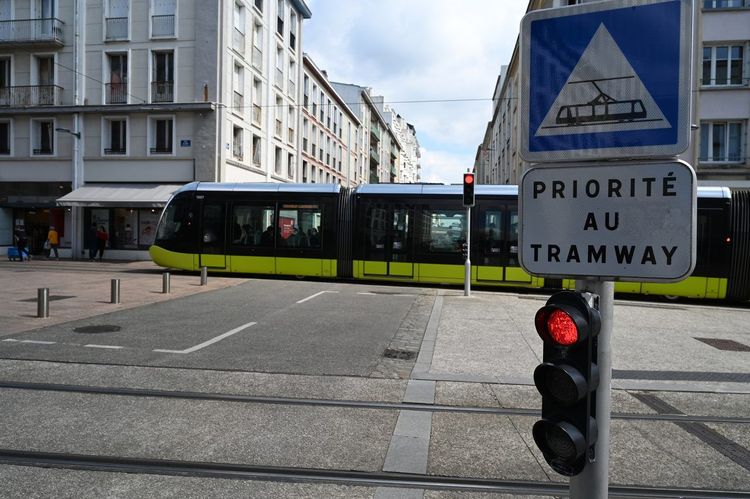
The rue de Siam (29200 Brest) encapsulates Brest's reconstruction in a single street. Largely razed in 1944, the city was rebuilt according to a post-war urban plan, with light-stone buildings aligned in neat rows along this artery that descends from the place de la Liberté down to the Penfeld and the pont de Recouvrance.
The 1950s architecture is as worth looking at as the shops: repetitive façades, continuous balconies and open perspectives create an almost theatrical effect, very different from the medieval lanes found elsewhere in Brittany. Look up — most passers-by are watching the shop windows and missing the upper storeys entirely.
On the other side of the bridge, in Recouvrance, the rue de Saint-Malo offers a total contrast: it is one of the few streets to have escaped destruction, with its stone houses and cobblestones giving a sense of what pre-war Brest looked like. A local association organises concerts and events there in summer, a pleasant place for a late-afternoon break.
This Brest city centre remains the best place to find a café to sit in for an hour with a notebook: the terraces around the place de la Liberté stay lively until evening, without ever making you feel like the only solo customer at a table. Our Ryo audio guide runs along rue de Siam and the city centre, a reassuring thread to follow when walking alone through a rebuilt city you're still getting to know.
Walks and Street Art: Exploring Brest Independently
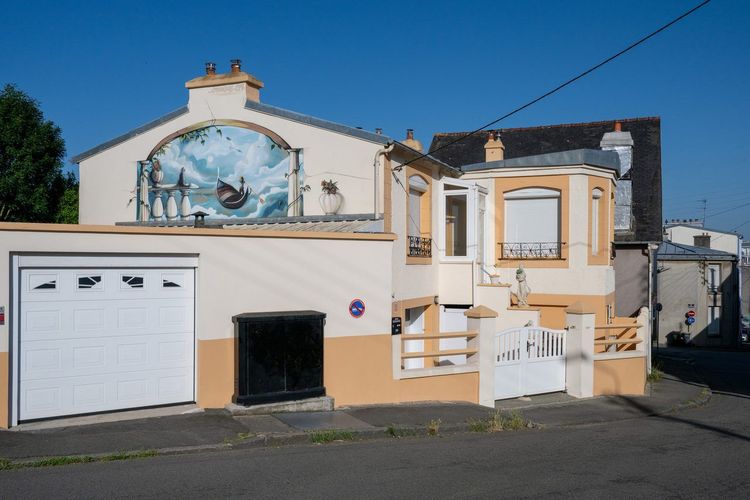
Brest has turned its street murals into a full tourist attraction. For about a decade, the city has been hosting XXL works signed by French and international artists, spread across the gable walls of the city centre, Recouvrance and the outlying districts. Recouvrance and the area around the commercial port concentrate a good share of the most photographed pieces.
The tourist office and the metropolitan authority offer several self-guided walking routes, available free of charge, that connect murals, viewpoints and curiosities without the need for a guided tour. This format suits solo travellers especially well: no group schedule, no pace to negotiate, just a route to follow through the streets.
You'll also come across more spontaneous street art and graffiti, particularly around the Capucins plateau and in the old warehouses of the commercial port — a more underground scene than the official murals, but equally revealing of the city's creative energy.
The Ryo audio guide format meets the same need for independence: following a narrated route on your phone rather than a leaflet you keep forgetting to check, with neighbourhood anecdotes woven into the walk.
Allow one to two hours per walk depending on how many stops you make, and wear sturdy shoes: some routes climb up into the heights of Recouvrance, with gradients that catch you off guard in a city that looks flat from the waterfront. These self-guided walks are accessible year-round, with no booking required.
The Conservatory Botanical Garden and the Stang-Alar Valley
The Conservatory Botanical Garden occupies the Stang-Alar valley, a green corridor just a few minutes from the centre by bus. Specialising in threatened plants, it preserves species that have disappeared in the wild, cultivated here to prevent their extinction.
Admission to the garden is free — a zero-budget breather between two paid attractions. The Stang-Alar valley is worth exploring beyond the garden: a path follows a stream far from city noise, with benches for anyone who simply wants to sit and breathe.
It is not Brest's most spectacular site, and that is precisely what makes it a good solo pause: you come here to slow down. Allow thirty to forty-five minutes for the garden, double that if the valley tempts you.
Exploring the Rade de Brest by Boat from Moulin Blanc Marina
Brest is also best seen from the water, and this is probably the most social activity in this guide for a solo traveller. Several companies offer departures from Moulin Blanc marina (Rue du Moulin Blanc, 29200 Brest, rated 4.4/5 on Google from 666 reviews), ranging from a simple narrated harbour cruise to a crossing to the Crozon peninsula. For Ouessant or Molène, regular ferry services depart from the commercial port instead.
The rade de Brest is one of Europe's largest natural harbours, almost an inland sea closed off by the goulet, and it is far better appreciated from the deck of a boat than from the shore. Expect to pay between 15 and 40 euros depending on the length of the trip, with seats sold individually.
It is also a good opportunity to meet other travellers: unlike a museum where everyone visits in their own bubble, a two-hour boat trip naturally sparks conversation, especially when the crew narrates the passage past the military port and the forts guarding the goulet.
The marina at Moulin Blanc is worth visiting even without boarding a boat: it is one of the largest marinas on the Atlantic coast, with several restaurants with terraces facing the water. If the weather is hesitant, check departure times and sea conditions with the operators before making the trip.
What Kind of Solo Trip in Brest: Active or Contemplative?
Not all solo travellers have the same energy, and Brest suits both paces as long as you choose your framework in advance. The active solo traveller will happily chain together the château, the cable car, the Capucins and a walk along the coastal paths in a single packed day, with Océanopolis and a boat trip lined up for the next day if energy allows.
For a 1-day itinerary at a contemplative pace, trim the programme: morning at the château and the Naval Museum, a lunch break on rue de Siam, the afternoon in the Stang-Alar valley then at the tour Tanguy, finishing with a sunset from the ramparts or the pont de Recouvrance. This format leaves room for improvisation or last-minute changes of plan.
For a solo weekend itinerary, devote one day to the city centre and Recouvrance (château, rue de Siam, bridge, tour Tanguy, rue de Saint-Malo) and a second to the Capucins and the waterfront (cable car, Océanopolis, boat trip from Moulin Blanc). This split avoids unnecessary back-and-forth; our guide to visiting Brest in 2 days breaks this schedule down step by step.
In both cases, build in some slack: the Atlantic wind and changeable weather often force you to reorganise your day at the last minute — a luxury that solo travel allows without having to consult anyone.
Where to Stay, Getting Around and Budget for Visiting Brest Solo
Where to stay in Brest solo depends mainly on the balance you're looking for between atmosphere and quiet. The city centre, around rue de Siam and place de la Liberté, concentrates most mid-range hotels and remains the most practical choice for a first solo stay: everything is walkable, the streets are lit and busy in the evening. Expect to pay between 70 and 110 euros a night for a decent city-centre hotel, slightly less if you book several weeks in advance.
For a tighter budget, economy hotels can be found near the train station and in Recouvrance, with basic rooms from around 40 to 60 euros a night. Hostel options exist but are limited; it is better to book early in summer.
Getting around Brest without a car poses no difficulty: the Bibus network now includes two tram lines (line B opened in February 2026), a dense bus network and the urban cable car. A single ticket costs €1.70 and a day pass €4.50, quickly worthwhile once you start making multiple trips. The train station, right in the city centre, is around 3h30 to 4 hours from Paris by direct TGV.
On the solo travel budget side, allow between 70 and 90 euros per day for an economy stay (simple hotel, snack meals, free activities such as the murals, the tour Tanguy or the botanical garden), and 110 to 150 euros per day for a more comfortable trip including a good hotel, a restaurant in the evening and a paid activity like Océanopolis or a boat trip. Travelling solo tends to cost a little more per person than travelling as a couple, especially on accommodation, but Brest remains more affordable than Nantes or Rennes on that front.
On the question of solo traveller safety, Brest is a city of around 140,000 inhabitants that presents no particular issues in tourist areas, by day or in the evening. The city centre, rue de Siam and the area around the château remain lively and well-lit. The usual caution applies near the train station at night and on quiet streets after midnight — nothing that sets Brest apart from other French cities of this size.
One last useful habit for solo walkers: download the Ryo audio guide for Brest before you leave, so you're not relying on a mobile signal in the Stang-Alar valley or on the heights of Recouvrance.

FAQ
Is it safe to visit Brest alone?
Yes. Brest is a mid-sized city whose tourist areas — city centre, château, Capucins — remain lively and well-lit late into the evening. The usual precautions apply, as in any French city of this size: normal vigilance near the train station at night and on quieter streets after midnight.
How much time should I allow to visit Brest solo?
A full day is enough for the château, the cable car and the Capucins, but a weekend lets you spread the visit between the city centre and Recouvrance, add Océanopolis and a boat trip, and keep some flexibility depending on the weather.
What budget should I plan for a solo weekend in Brest?
Budget between 70 and 90 euros per day for an economy stay (simple hotel, light meals, free activities) and up to 150 euros per day for a more comfortable trip including a hotel, restaurant and a paid activity such as Océanopolis or a boat excursion.
Where should I stay in Brest when travelling alone?
The city centre around rue de Siam is the most convenient and liveliest option in the evening. The area around the train station and Recouvrance offer more budget-friendly alternatives.
How do I get around Brest without a car?
The Bibus network (two tram lines, buses and an urban cable car) covers the whole city for €1.70 per single ticket or €4.50 for a day pass. The centre and the main sights are also very walkable.
What is the best time to visit Brest solo?
Brest enjoys a mild but changeable oceanic climate. The most pleasant period runs from May to September, when the days are longer and boat trips are most frequent. Every four years, the Brest International Maritime Festival draws tall ships from around the world (the last edition took place in July 2024). Autumn and winter are still manageable if you accept wind and showers, with the bonus of nearly empty sites.
Brest ultimately ticks all the boxes of a successful solo destination: a compact city where you won't get lost, a mix of paid and free sites to suit any budget, and enough variety (museum, science, street art, nature, sea) to fill two or three days without running out of things to do.
For those who prefer a ready-made thread rather than planning their own route, our Ryo audio guide for Brest connects most of the places in this guide across 27 stops over 8.2 km, to follow at your own pace, with no group schedule to worry about.
À lire également