
Créé par Camille, le 16 nov. 2026
Votre guide Ryo
Quiberon, France
The Peninsula That’s a Breath of Fresh Air
Parcours audioguidé pour visiter Quiberon en 1 jour
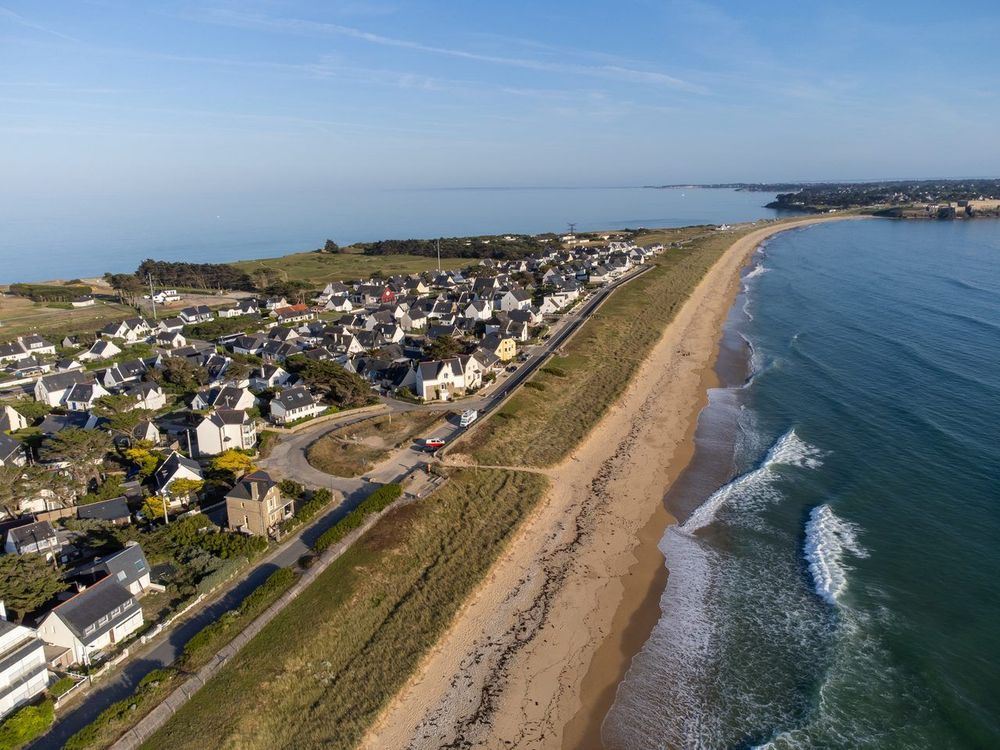
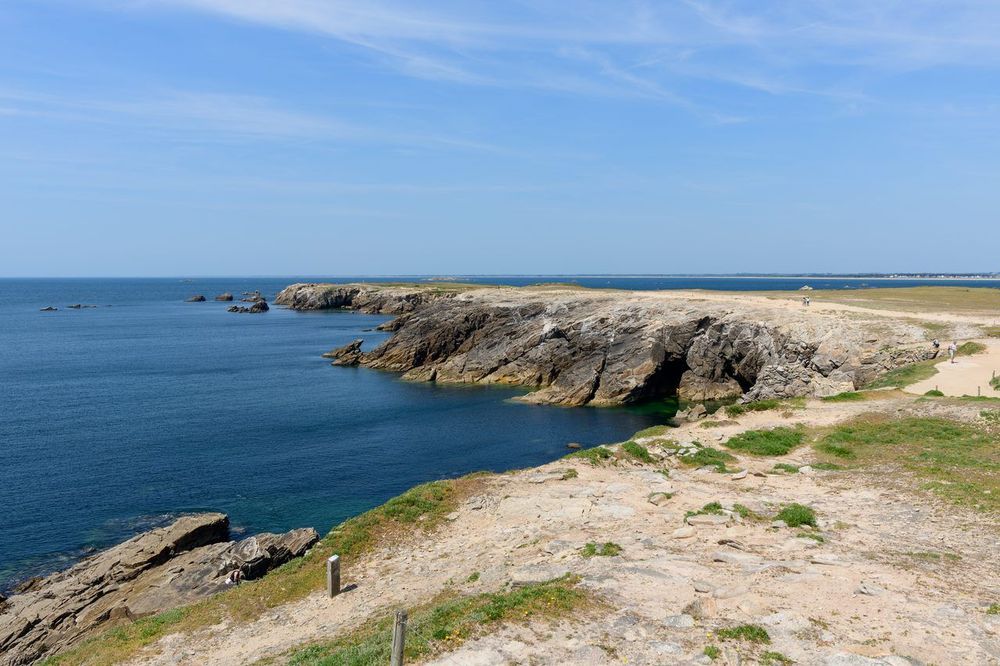
Perched at the tip of a spectacular peninsula connected to the mainland by a narrow strip of sand, Quiberon reveals two very different sides. To the west, the storm-battered cliffs of its Côte Sauvage; to the east, the calm waters and wide beaches of the bay. Once a thriving sardine-fishing port, Quiberon has transformed into an elegant seaside resort and a leading destination for thalassotherapy. This lively maritime town is also the main departure point for Belle-Île, Houat and Hoëdic.
Quand partir à Quiberon ?
Jan.
9°
13
Feb.
10°
10
March
12°
9
April
14°
9
May
17°
8
June
20°
7
July
22°
7
Aug.
22°
7
Sept.
20°
7
Oct.
16°
12
Nov.
13°
13
Dec.
10°
13
Bathed in Brittany’s oceanic climate, the Quiberon Peninsula enjoys a particularly mild and sunny microclimate thanks to its location jutting out into the sea. Summers are pleasantly warm without being stifling, with average temperatures of around 20°C to 24°C, while winters remain very mild but are often windy. As everywhere along the southern coast of Brittany, the weather can change quickly: clouds are swept along by the sea breeze, often giving way to bright sunny spells throughout the day.
Départ conseillé
This route is one-way and follows a continuous path. The visit begins in front of Quiberon railway station.
Parking à proximité
Centre Ville–Résistance car park, Quiberon railway station.
If you're visiting between June and September, we recommend starting your tour early in the morning. Free parking spaces near the town centre are very popular with locals and holidaymakers heading to Belle-Île for the day!
À savoir
For a stress-free journey to Quiberon, bear in mind that the only road leading onto the peninsula can become heavily congested in summer. The seasonal “Le Tire-Bouchon” train from Auray is a great way to avoid traffic jams. If you're planning a trip to Belle-Île, Houat or Hoëdic from Port-Maria, remember to book your ferry tickets several weeks in advance, or you may find yourself unable to board. Enjoy your visit!
Découvrez 12 lieux d'intérêt pour visiter Quiberon

What to see in Quiberon on your 1h tour?
This 2.2 km crossing takes about an hour and links 11 sights. Starting from the train station, it reaches the Notre-Dame-de-Locmaria church, the town centre and the statue of General Hoche, follows the Grande Plage seafront to Port-Maria, then runs along the working quays to Château Turpault, on the wild coast. With the app in your ears, every square, harbour and facade tells the story of Quiberon at your own pace.
Information checked in November 2026 and subject to change.
1 - Quiberon Train Station
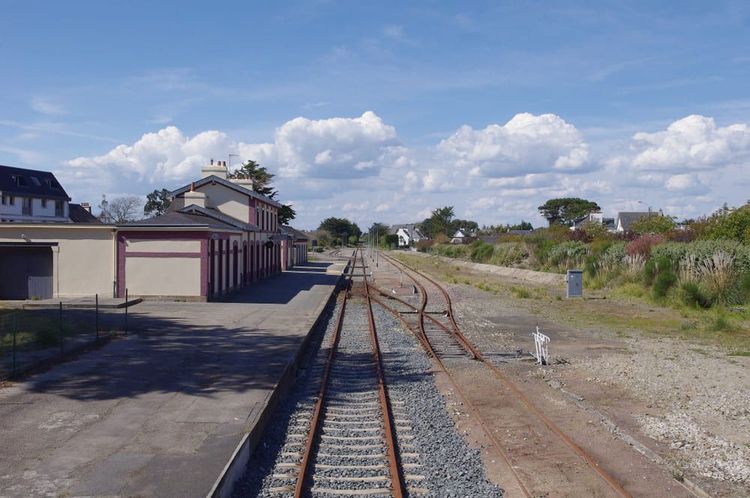
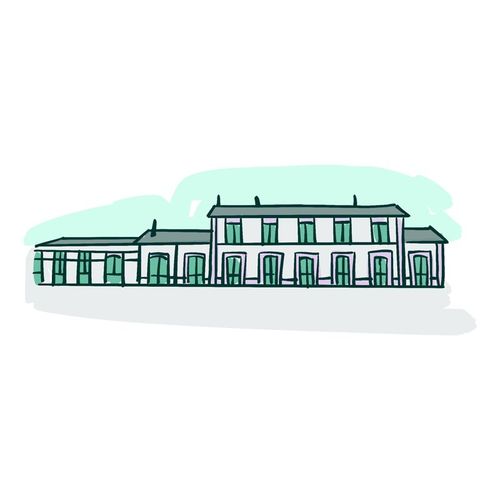
The walk sets off from this modest station, opened in 1882 for military and trading reasons, long before tourism: moving troops and guns quickly to this exposed headland, and shipping out the catch of a port then known for its sardines. Laid over marshy ground, the tracks soon turned into a fashionable express, nicknamed after the husbands it brought back every Friday to wives already on holiday. Closed in 1972, the line rose again in 1985 to escape the very traffic jams that had killed it.
Free entry
2 - Notre-Dame de Locmaria and Quiberon Museum “Between Land and Sea”
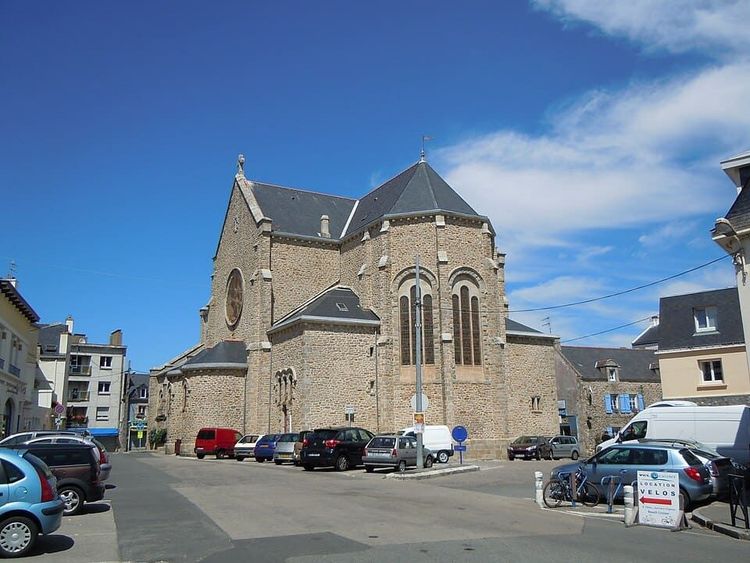
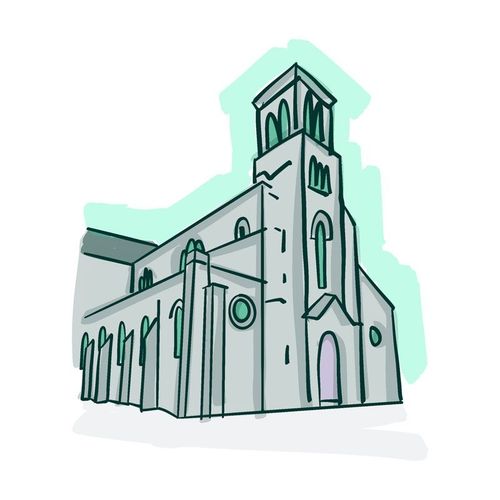
In two steps, you leap here from the Belle Époque to prehistory. The church, rebuilt at the very start of the 20th century, keeps in one window a trace of a gift from wealthy holidaymakers who helped fund the local parish. Next door, a three-floor museum retraces daily life of old, a tragic landing from the late 18th century and tales of shipwrecks, before offering a 3D glimpse of a hunter-gatherer camp thousands of years old, found further south on the peninsula.
Paid entry (about €5)
3 - Brétinio Garden
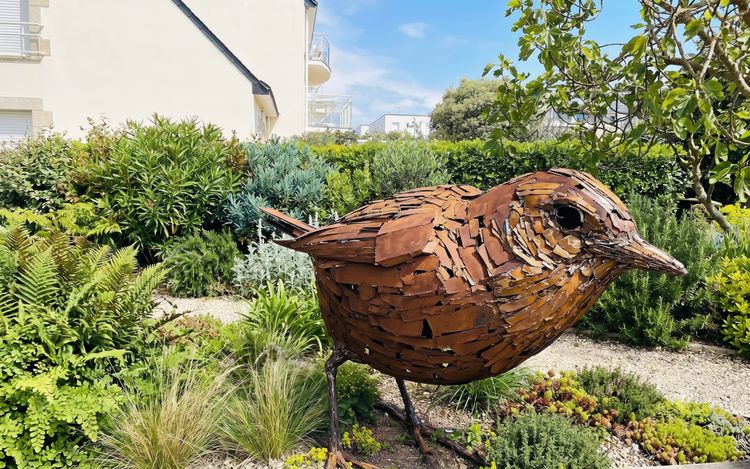
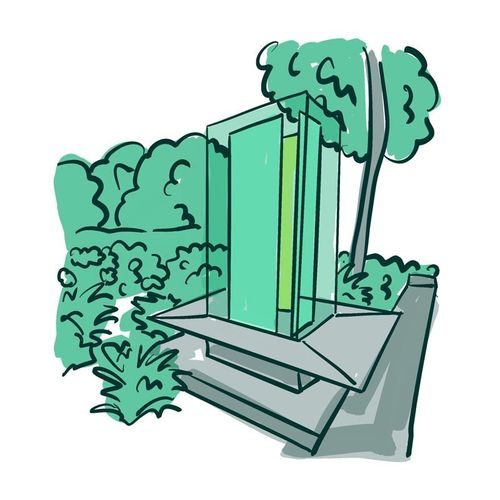
Between flowered paths and children's play areas, two artworks tell the peninsula's story differently. The first playfully turns a tiny bird from the nearby heathland, discreet and known for its orange breast, into a scrap-metal mass weighing almost 150 kilos. The second, born the morning after a storm, spends two years assembling plastic waste gathered from a nearby cliff and sorted by colour into a compact block that turns marine pollution into a visual warning, both poetic and unsettling.
Free entry
4 - Quiberon Town Hall
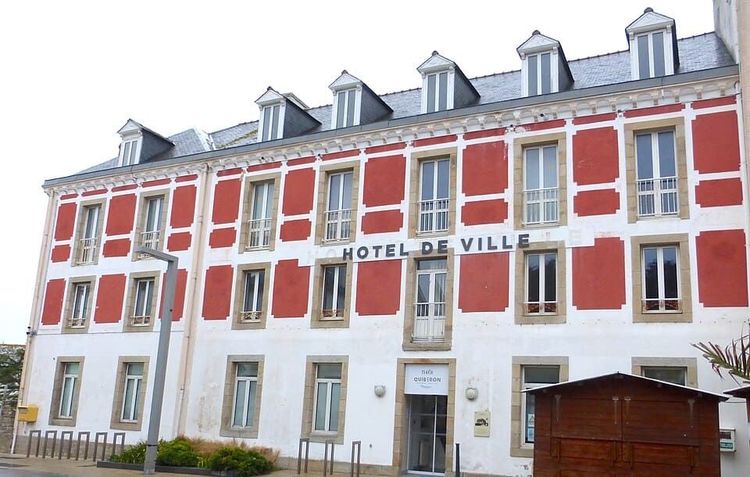
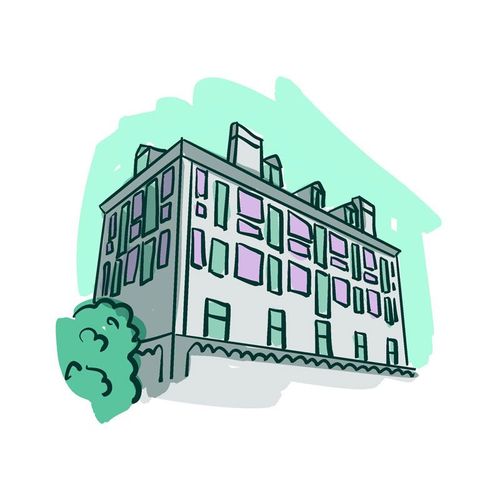
Behind this red facade hides a former grand hotel, a legacy of late-19th-century fashionable Quiberon, when the railway turned the fishing village into a sought-after resort. A legendary actress passing through on her way to a nearby island, and several noted writers, are said to have stayed here. One of them, visiting from 1847 onward, sketched in his notebooks a colourful innkeeper, before dwelling, struck by the local cemetery and ossuary, on the dark memory of a bloody episode from the century before.
Free entry
5 - Statue of General Hoche
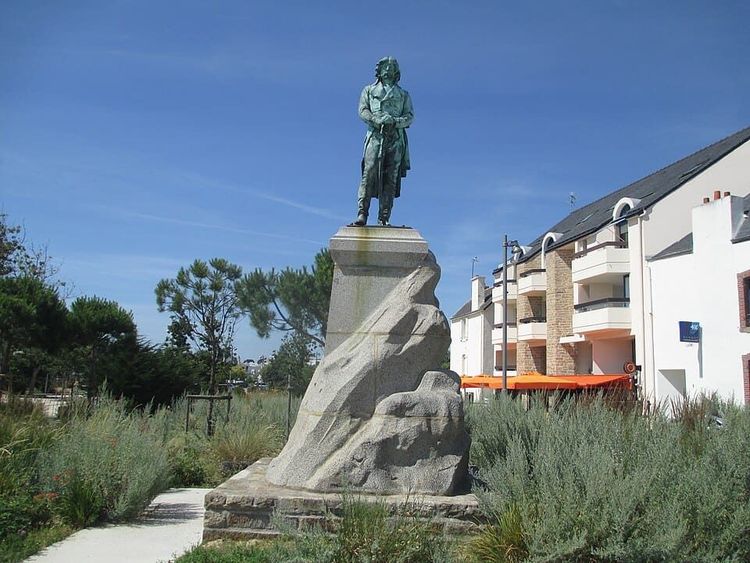
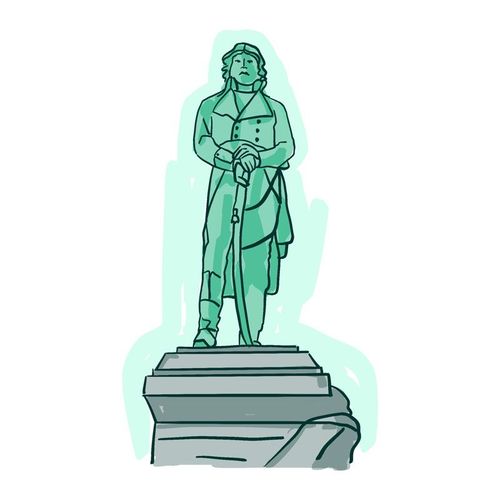
This statue is not just a square's ornament: it casts a battle of memory in bronze. That summer, thousands of exiled royalists sought to reach the coast with foreign backing, before falling back into a nearby fort. The young general who confronted them retook the position within a single night, and the crackdown that followed ran into hundreds of executions. Raised a century later through a national fund-raising drive, against a rival plan for a memorial chapel, the work carves one side's victory into stone.
Free entry
6 - Quiberon War Memorial
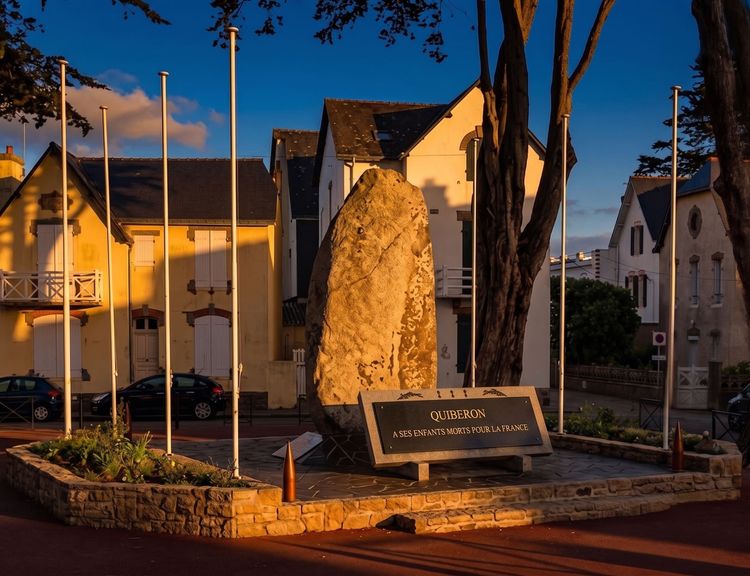
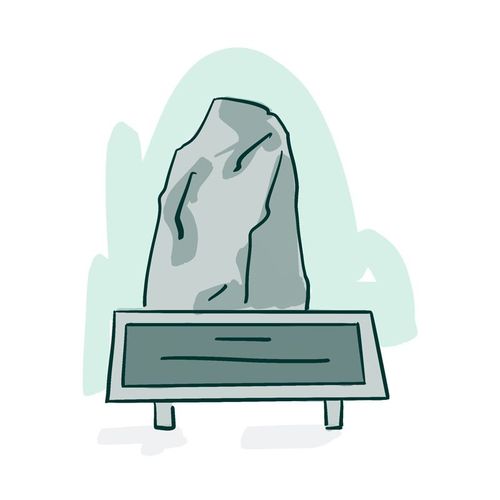
No bronze soldier here, but a far older block of stone: a genuine megalith, quarried from a nearby village and raised in 1921 after a full week of effort. The word for this kind of standing stone comes from Breton, where it plainly names a tall stone; appearing in the Neolithic era, it served neither as a home nor a grave, but as a landmark in the landscape or a sacred marker. Choosing this shape to honour the fallen links recent grief to millennia of local memory.
Free entry
7 - From the Beach to Seawater Therapy
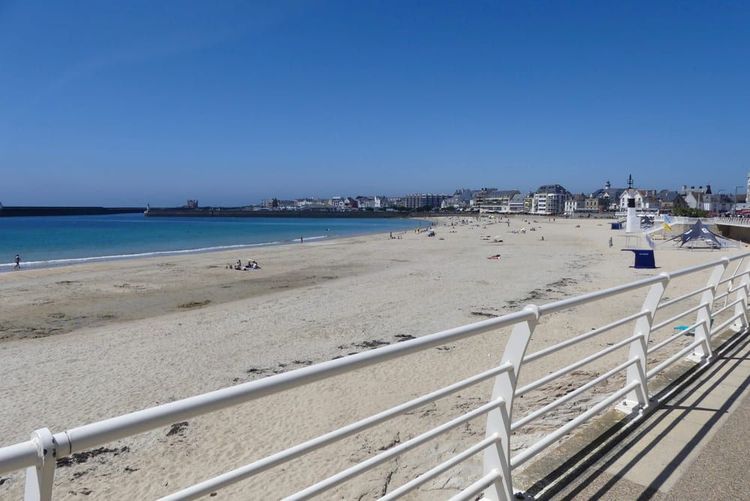
This boulevard turned a plain wild shoreline into a chic seaside showcase. Conceived as early as the 1880s, it saw architects compete with theatrical facades to display their owners' social success, along a fine sandy beach facing due south. The town's romance with sea water continues in the mid-20th century, when a cycling champion recovering from injury discovered here the curative powers of the ocean and founded one of the country's very first major seawater therapy centres.
Free entry
8 - Port-Maria and Its Lighthouse
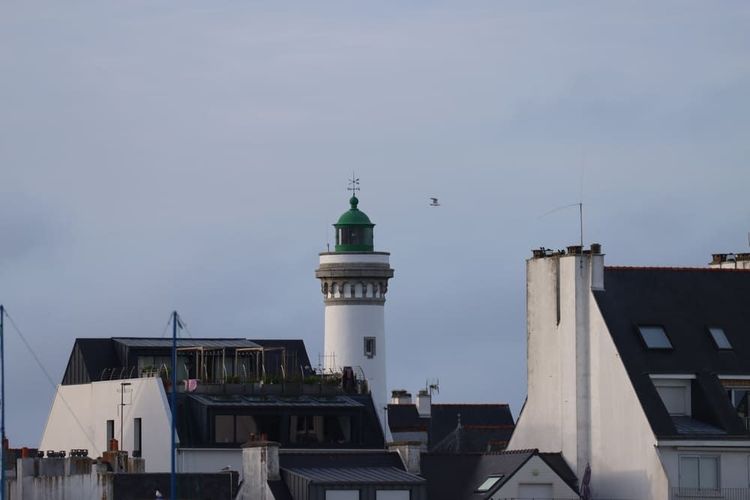
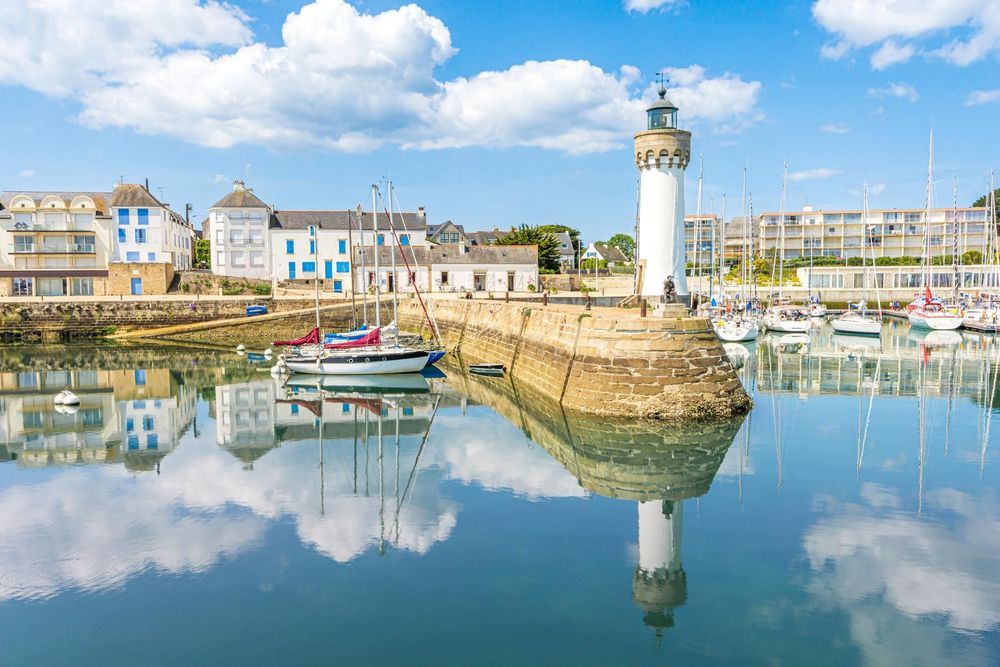
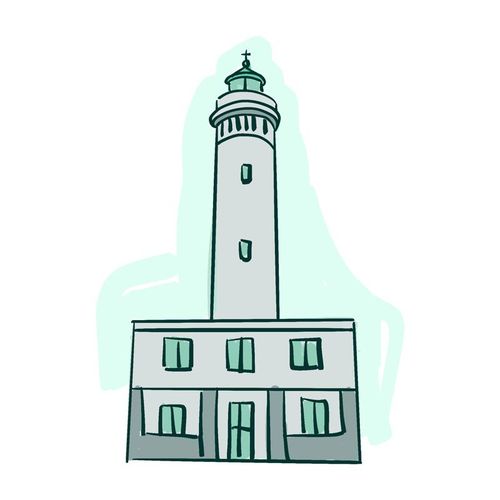
Tucked between two rocky points, this harbour is the main gateway to the nearby islands, busy all year round with travellers coming and going. Walking up the street opposite, a stone tower comes as a surprise, wedged among houses more than a hundred metres from today's shoreline. First lit at the end of the 19th century to make a dangerous rocky shoal safer to approach, it never actually moved back: it is the town that, growing denser and reclaiming land from the sea, eventually surrounded it.
Free entry
9 - The Canneries
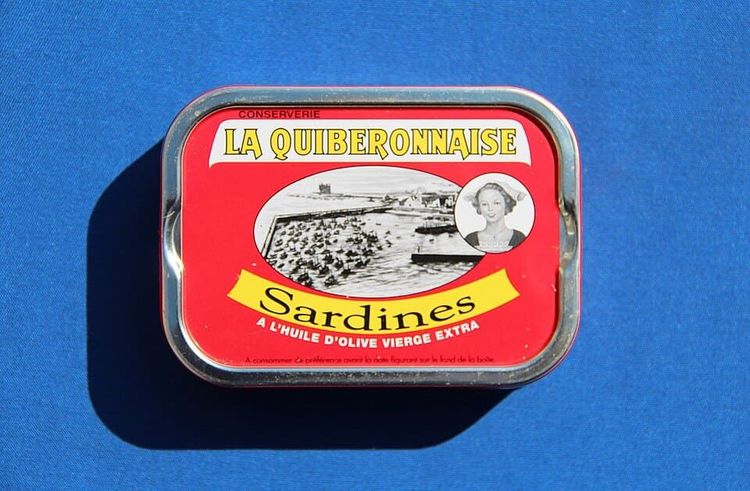
Before becoming a seaside resort, this harbour was a formidable working machine. Thanks to a preservation technique invented in the early 19th century, the town quickly became one of the leading ports for a small blue fish caught locally. Men braved the waves at sea while women, on land, prepared and packed the catch at an impressive speed before it was shipped across the country. In the 1930s, as many as a dozen or so factories ran here at full tilt.
Free entry
10 - Quiberon Fish Auction
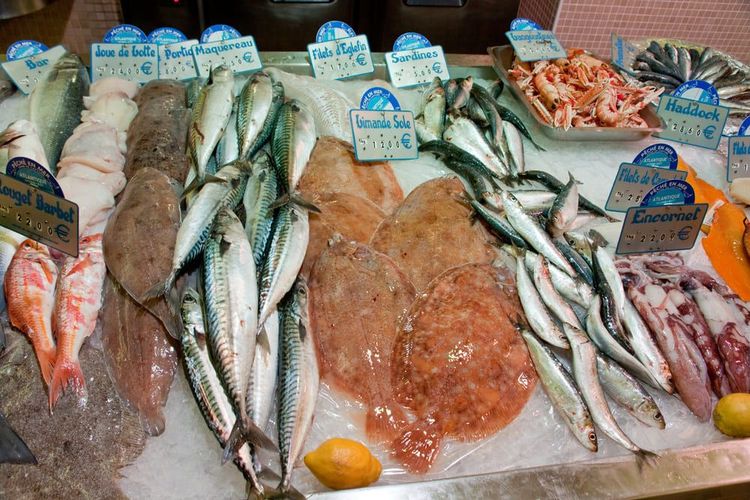
Here, fishing is no relic of the past: a fleet of several dozen boats still lands more than a thousand tonnes of goods every year. Rather than chasing volume, the harbour chose the very top end of the market, with some fishermen using an age-old technique of Japanese origin that neutralises the fish stress-free the moment it is caught, for flesh of exceptional delicacy. A mural, painted along the quays, immortalises net menders, boats setting out and the daily round of the women who once worked here.
Free entry
11 - Shipwrecks and Château Turpault
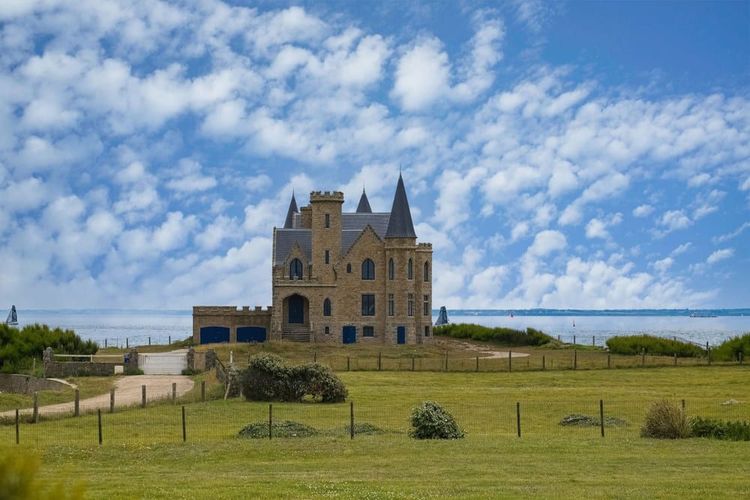
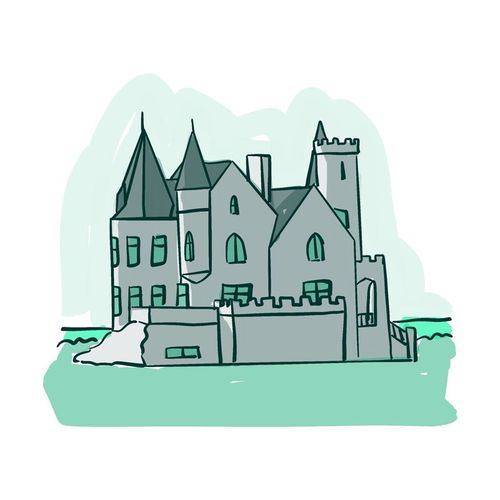
A stele here honours all the sailors lost at sea off the peninsula, in particular the crew of a Norwegian three-master swallowed by the waves one stormy day in the early 20th century, under the helpless gaze of residents gathered on the shore. Yet just steps from this memorial stands a manor house in an extravagant Anglo-medieval style, built in the same decade by a wealthy textile magnate, which locals eventually named after its owner rather than the more poetic name he had chosen.
Free entry
What to do in Quiberon in 2 or 3 days?
This crossing takes about an hour, from the station to Château Turpault, enough to see historic and seaside Quiberon in a morning. With two or three days to spare, the peninsula also reveals its wild side, on foot, by bike or by the water.
The next day, head to Port Haliguen, the peninsula's marina, where rental outfits offer bikes and kayaks by the half-day. A twenty-minute walk away, the Pointe du Conguel takes in Quiberon Bay on one side and, on a clear day, the outlines of Belle-Île, Houat and Hoëdic. Our guide to visiting Quiberon in 2 days covers this day step by step.
The third day suits the Côte Sauvage, along the GR 34 trail between Portivy and Port-Maria: about ten kilometres of granite cliffs, coves and sea caves, in 2.5 to 3 hours of easy walking, or just under an hour one way by bike along the coast road. The cove at Port-Blanc, guarded by a natural arch carved by erosion, is worth a stop on the way, as is the sunset seen from the heights.
Which neighbourhoods does the tour cross?
In one continuous stretch from the station, the walk crosses Quiberon's historic centre, follows the seafront to Port-Maria, then the fishing quays as far as the rocks of the Côte Sauvage.
It starts at the station, opened in 1882 for cannons and sardines and revived in 1985 as the Tire-Bouchon, then reaches Notre-Dame-de-Locmaria church and the Brétinio garden, where contemporary sculptures stand alongside a children's play area. The town hall, a grand hotel in Quiberon's railway-era boom, comes before the square with the statue of General Hoche, then the war memorial, a menhir raised in 1921 instead of the usual bronze soldier (stops 1 to 6).
The route then follows Boulevard Chanard and the Grande Plage, a seafront laid out around 1900 for wealthy holidaymakers, where Louison Bobet founded a pioneering thalassotherapy centre in 1964, before reaching Port-Maria and its lighthouse, the departure point for Belle-Île, Houat and Hoëdic (stops 7 and 8).
The last stretch dips into working Quiberon, past the former sardine canneries and the still-active fish auction, before ending near the Beg-er-Vil memorial to those lost at sea and Château Turpault, on the Côte Sauvage (stops 9 to 11).
How much does it cost to visit Quiberon?
The walk costs next to nothing: only one of its 11 stops has a paid entry.
Ten stops can be enjoyed without a ticket, either freely or from the street, such as Château Turpault, a private manor that is not open to visitors and is admired from the path. The exception is stop 2: next to Notre-Dame-de-Locmaria church, the Quiberon Museum “Between Land and Sea”, formerly the Maison du Patrimoine, tells the peninsula's story across three floors for €5, during the periods when it is open.
Information checked in November 2026 and subject to change.
Where to stop for a bite along the tour?
Quiberon's flavours are best told in the last part of the walk, around the former canneries and the fish auction.
At the canneries (stop 9), you learn that the town had as many as 14 sardine factories in the 1930s. At the fish auction (stop 10), some fishermen use ikejime, a Japanese technique that keeps the flesh exceptionally fine, and the wild sea bass, sole and sardines of Port-Maria are sought after by top Parisian restaurants. Along the quays, the mural 'Les Sardiniers' by Gildas Thomas recalls the net menders and the sardine women's round dance.
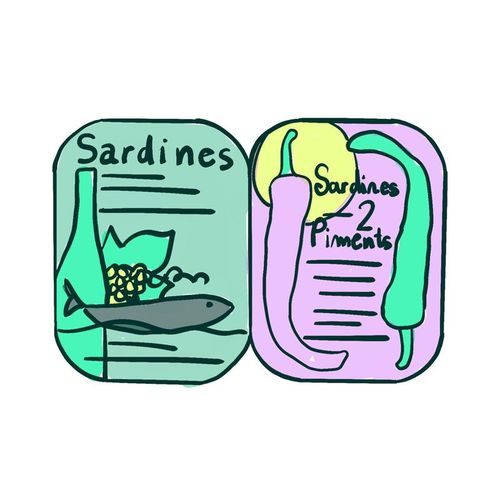
For treats, the peninsula offers artisan tinned sardines, lobster bisque, kouign-amann, salted-butter caramel and pure-butter biscuits, and a niniche, a local sweet, makes a good snack on the stroll towards Port-Maria.
What to do in Quiberon with children?
Quiberon works well for a family day out, between outdoor play and a calm, easy beach.
The Brétinio garden (stop 3) mixes flowery paths and a children's play area, plus a surprising sculpture: a stonechat, that small heathland bird, turned by artist Christian Hirlay into a scrap-metal giant weighing almost 150 kg, sure to amuse younger visitors.
Further along the route, the Grande Plage (stop 7) remains the easiest spot for a family swim, with its gentle slope, water sheltered within the bay and beach clubs for children in season. In July and August, the crowds are easily avoided by arriving early in the morning or late in the day, when the beach settles back down.
What should you know before visiting Quiberon?
Quiberon sits at the end of a peninsula served by a single road, which changes how the day should be planned.
In summer this road gets congested easily: the seasonal Tire-Bouchon train from Auray is a good way to dodge the jams. If Belle-Île, Houat or Hoëdic are on the agenda, book your crossing several weeks ahead, or risk being left on the quay.
The “Between Land and Sea” museum (stop 2) only opens in season, during the spring school holidays, on long weekends in May and then from late May to late September, and closes on Tuesdays; the rest of the year it stays shut. Finally, swimming is banned along almost all of the Côte Sauvage, where the walk ends, because of the currents: admire the waves from the path rather than from the rocks.
What to see around Quiberon?
From Quiberon, you can sail to the islands or head out to other Breton towns worth exploring on foot.
At Port-Maria, Belle-Île-en-Mer is under an hour away by boat with Compagnie Océane, and boats for Houat and Hoëdic leave from the same terminal.
Several neighbouring towns also have their own audio-guided walk. Closest of all, Carnac, 12 km away, pairs its thousands of standing stones with an old Breton centre and long beaches. Auray, 23 km away, hides the port of Saint-Goustan at the end of its inlet, and Vannes, 34 km away, the city of the Veneti, blends ramparts, flower-filled gardens and a harbour.
A little further, Lorient, the city of six harbours, is 35 km away, Hennebont, on the Blavet, 38 km, Guérande, ringed by ramparts and salt marshes, 55 km, and Saint-Nazaire, built around its submarine base and shipyards, 73 km.
Le plein d'inspirations
Explorez le monde en totale liberté, à pied au cœur des villes ou au fil des routes. Nos guides audios transforment chaque destination en une découverte culturelle immersive et unique.
FAQ for visiting Quiberon
How many days do you need to visit Quiberon, and what can you see in 2 or 3 days?
Two to three days are enough to explore the Quiberon peninsula, which is only 14 km long. Day one is devoted to the seaside resort, Port Haliguen, the Grande Plage and Port Maria. Day two follows the Côte Sauvage, with its headlands, coves and the Penthièvre fort, using the GR 34 trail to link everything on foot.
With a third day, you can discover granite villages like Portivy and the standing stones of Saint-Pierre-Quiberon, or choose to head out to the islands.
Read our detailed itineraries: Quiberon in 2 days or the complete 3-day itinerary.
Vos commentaires, idées et suggestions
Aucun avis pour le moment