© Shutterstock
 Votre guide Ryo
14 100% Free Activities in Rennes in 2026: Parks, Museums and Top Tips
In Rennes, you can spend an entire weekend outdoors and indoors without ever reaching for your wallet. Search "free activities Rennes" in a search engine and you will mostly find the Thabor: the reality of Rennes goes much further, with municipal museums open without a ticket, open-air medieval heritage and festivals that fill the streets every summer. The Ryo audio-guided tour of Rennes connects most of these sites in the historic centre on foot in a single commented walk.
A ten-hectare botanical garden with an aviary and rose garden, a regional contemporary art fund open free of charge to visitors under 26, one of the largest markets in France on Saturday mornings, a pop-up beach installed every summer on the banks of the Vilaine: the list goes well beyond the usual highlights. Add to that street art murals refreshed every two months, an urban farm with Breton cows twenty minutes on foot from the cathedral, a giant fest-noz in November and youth workshops year-round in the libraries. This guide covers the fourteen ideas that truly deliver, from the Vieux Rennes to student tips, with opening times and pitfalls to avoid.
1. Parc du Thabor and the City's Green Spaces
Parc du Thabor, Rennes's Iconic Garden
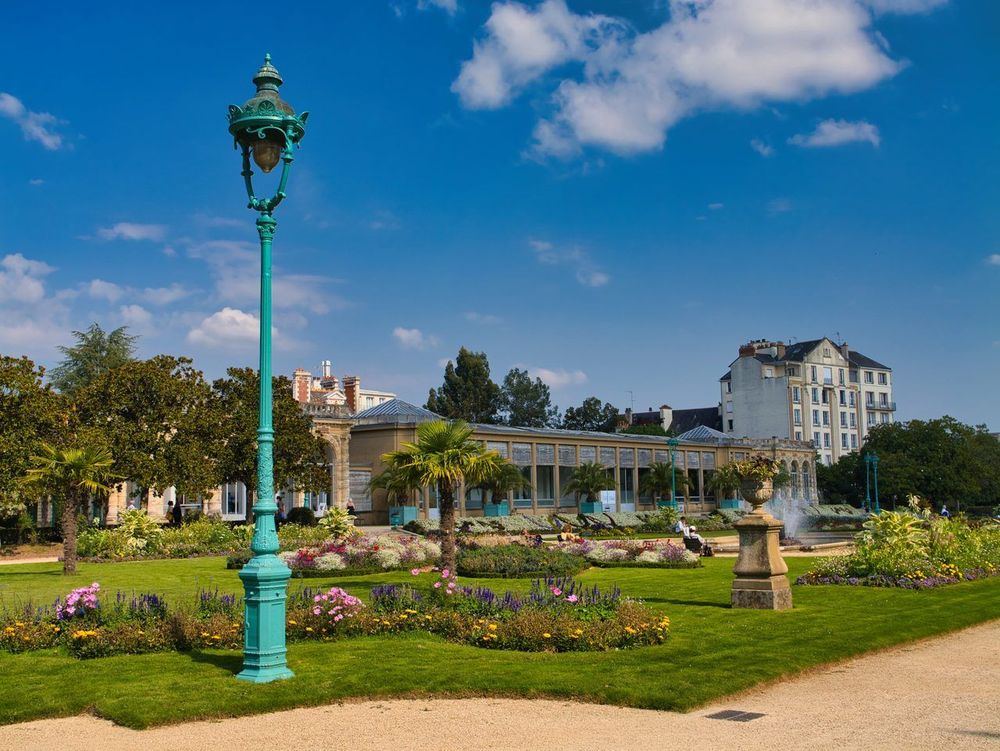
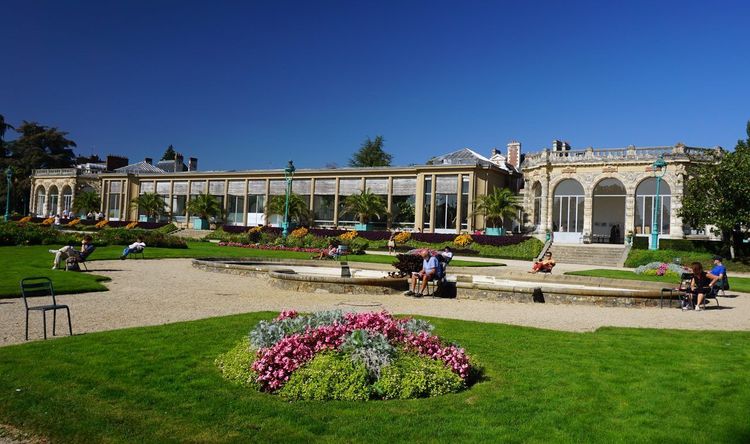
The Parc du Thabor stretches across nearly ten hectares in the heart of the city, making it one of the largest urban gardens in Brittany. Laid out on the former grounds of the Saint-Melaine Benedictine abbey and redesigned in the 19th century by landscape architect Denis Bühler, it combines several worlds within a single perimeter: French-style flowerbeds, a botanical garden, a plot of rare plants, and a cascade and artificial grotto in the English garden section.
The rose garden brings together some 2,000 rose bushes, in full bloom from June to October. Right next to it, the 19th-century orangery hosts free temporary exhibitions, while the aviary near the bandstand is home to parakeets, pheasants and peacocks visible year-round. You can picnic on the grass beneath the tall cedars, a local ritual so deeply ingrained that the people of Rennes readily speak of a picnic at the Thabor at the first sign of fine weather.
The park opens as early as 7:30 am on weekdays and closes at dusk, with extended hours into the evening in summer. Come early on a weekday: at 8 am, the paths belong to joggers and city gardeners, and the low-angle light over the rose garden is worth the trip in itself. The bandstand hosts open-air concerts on Sunday afternoons in the warmer months, a free municipal programme open to all with no booking required.
Two details that hurried visitors often miss: the Enfer, a small wooded valley in the northern part of the park, planted with rare species and far wilder than the flowerbeds at the top; and the medicinal plant garden, a legacy of the abbey's botanical tradition, where every species carries its Latin label. The city's gardeners regularly hold pruning demonstrations and guided tours here in the warmer months, announced on the municipal events calendar a few weeks in advance.
Parc des Gayeulles and the City's Other Green Lungs
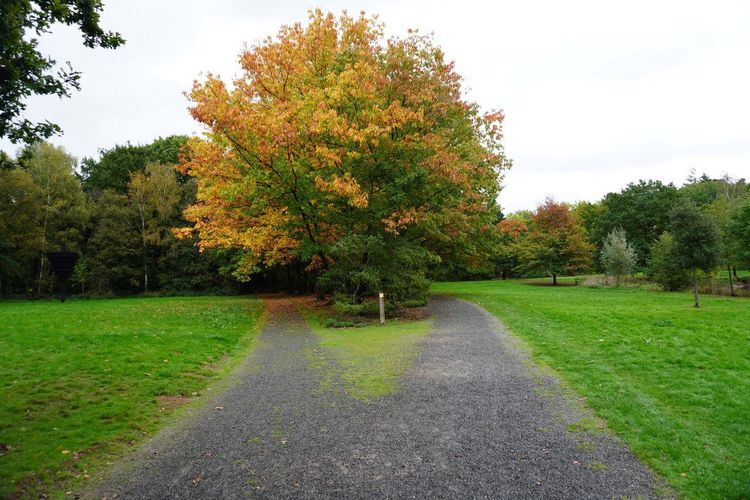
On the opposite side of the historic centre, the Parc des Gayeulles (Avenue des Gayeulles, 35700 Rennes, rated 4.5/5 on Google with 6,463 reviews) unfolds across around a hundred hectares of woodland, meadows and ponds. Visitors run, picnic and watch the fallow deer in the forest enclosure, and the entire site remains permanently open.
This large green space perfectly complements the Thabor for anyone seeking nature beyond the city centre: allow around fifteen minutes by bus from Place Sainte-Anne, or half an hour by bike along the riverbanks. Other green lungs are worth the detour in the same spirit of free activities in Rennes: the Parc Oberthür, more intimate, to the east of the centre, with its pond and remarkable trees; the Parc des Tanneurs along the canal; and the Esplanade Charles-de-Gaulle, where the people of Rennes gather on summer evenings. None of these sites require a ticket or booking, and all remain open from sunrise to sunset.
2. The Canal d'Ille-et-Rance and the Prairies Saint-Martin
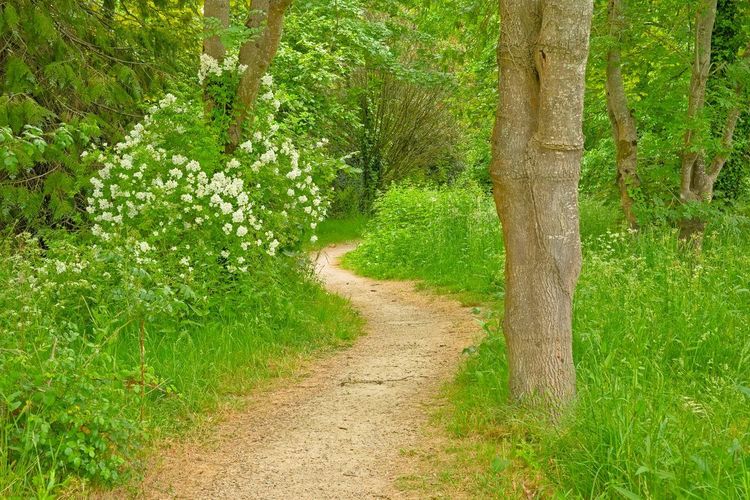
The Prairies Saint-Martin, a Waterside Walk
The Prairies Saint-Martin form a vast protected natural area to the north of the city centre, where the Ille river and the canal meet. Some thirty hectares of former allotment gardens and wetland meadows have been transformed into an urban nature park, with wooden footbridges, educational ponds and meadows left to grow late in the season to allow wildlife to settle.
People come on foot or by bike to spot grey herons and kingfishers, then make their way to the Villejean neighbourhood without crossing a single road. This is also where part of the summer outdoor programme is set up, which we return to below. The interpretation panels dotted across the site explain the local wildlife and the management of the Ille's floods: enough to turn a simple stroll into a nature outing for the whole family, without spending a penny.
The site is reachable in ten minutes on foot from Place Sainte-Anne, via the Quai Saint-Cyr, making it the quickest breath of fresh air within reach of the historic centre. Come in the early morning or late afternoon: that is when the wildlife shows itself, and the light over the wetland meadows gives the place its genuinely bucolic feel, just ten minutes from the terraces of Place Sainte-Anne.
The Towpath Along the Canal d'Ille-et-Rance
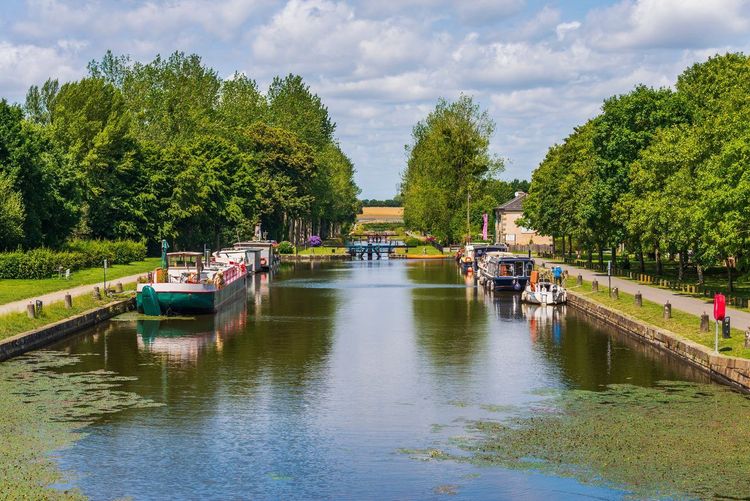
The Canal d'Ille-et-Rance, dug between 1804 and 1832 to link Rennes to Saint-Malo by waterway, runs alongside the city with a towpath entirely accessible on foot or by bike. Along this route, the Écluse du Comte (Quai Saint-Cyr, 35000 Rennes, rated 4.6/5 on Google with 64 reviews) serves as an easy landmark, with its lock keeper's cottage and basin where barges moor.
Follow the towpath northwards and you leave the city entirely within an hour's walk, passing moored boats and anglers settled along the water's edge. Cyclists can push on as far as Hédé-Bazouges and its staircase of locks, around thirty kilometres away, on a flat, car-free route. The Rennes stretch of the canal remains one of the city's best playgrounds: no entry fee, no opening hours, just the water, the trees and as many kilometres as you care to cover.
3. Les Champs Libres and the Museums Open Without a Ticket
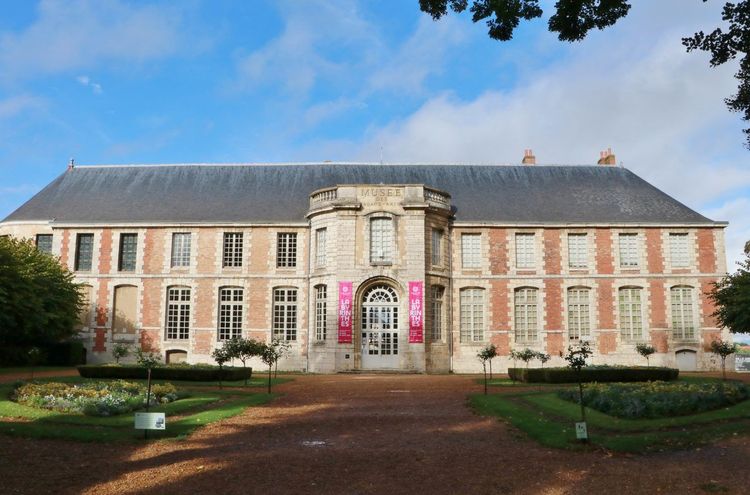
Les Champs Libres: Library, Musée de Bretagne and Espace des Sciences
Les Champs Libres bring together under one roof, designed by Christian de Portzamparc, the Bibliothèque de Rennes Métropole, the Musée de Bretagne and the Espace des Sciences, since their opening in 2006. The building has become the city's cultural benchmark, and it naturally tops the list whenever you search for museums open without a ticket in Rennes year-round.
The library can be visited without a card or registration: on-site access to the collections, daily press and workspaces, a refuge appreciated by students on rainy days. The Musée de Bretagne, dedicated to the region's history from prehistory to the present day, opens its permanent collections free of charge, with only temporary exhibitions being ticketed. The Dreyfus Affair, whose second trial was held in Rennes in 1899, occupies an entire space there with archival pieces rarely displayed elsewhere. The planetarium and the Espace des Sciences galleries, however, operate on a paid ticketing basis: access to the building itself, its lobby exhibitions and its cafeteria is free.
In terms of organisation, the venue is open Tuesday to Friday from early afternoon and from mid-morning at weekends, with a closing day on Monday. Allow a good half-day if you are combining the library and the Musée de Bretagne, and keep Saturday late afternoon for the nave, which is often enlivened by talks and conferences open to all.
The Musée des Beaux-Arts and Its Sundays Open to All
The Musée des Beaux-Arts holds one of the finest provincial collections in France, from Georges de La Tour's The Newborn, its centrepiece, to landscapes from the Pont-Aven school, along with works by Rubens, Chardin and Picasso. Admission is usually charged, but the museum opens its permanent collections free of charge on the first Sunday of every month.
This monthly appointment draws a very varied public, from families to art history students. Arrive at opening time to avoid the midday crowds: the room devoted to the Pont-Aven painters fills up quickly late in the morning. Another date worth marking in the diary is the European Museum Night in May, which opens the building in the evening with guided tours and performances, again with no admission charge.
The FRAC Bretagne, Free for Under-26s
The FRAC Bretagne (19 Avenue André Mussat, 35000 Rennes, rated 4.3/5 on Google with 649 reviews) is the regional contemporary art fund, housed since 2012 in a black monolith designed by architect Odile Decq. The contrast between this dark mass and the residential neighbourhood surrounding it surprises on a first visit, and its programme changes several times a year around emerging or established artists.
Admission to exhibitions is free for all visitors under 26, on simple presentation of an identity document, a real bonus in a city where students make up a significant share of the population. Adults can walk in during opening nights and certain special events announced on the FRAC's website. Allow an hour for the visit, and extend the outing with the nearby Parc des Longs Champs if the weather permits. The building is closed on Mondays and between exhibitions: a quick check of the exhibition calendar avoids a wasted trip, as the Beauregard neighbourhood is not exactly on the way to the city centre.
4. The Cloître des Jacobins and City-Centre Exhibitions
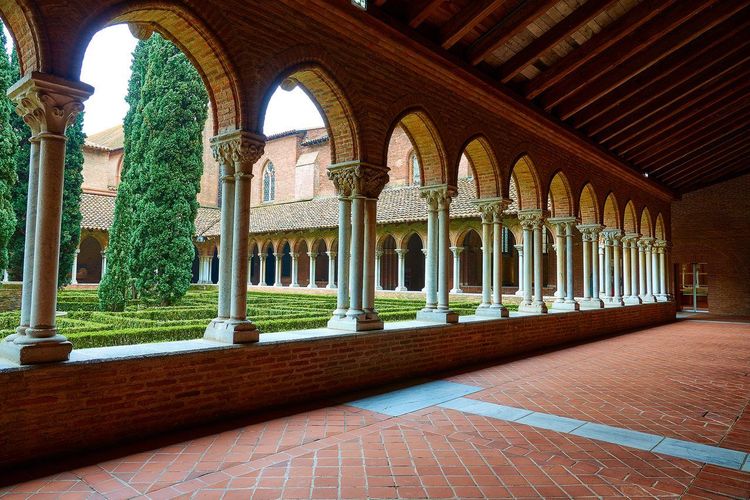
The Cloître and the Couvent des Jacobins
The Couvent des Jacobins is a former Dominican convent founded in the 14th century, now converted into a convention centre following a large-scale archaeological dig. The excavations carried out before construction yielded hundreds of burials and several lead coffins, including that of a 17th-century Breton noblewoman found in an exceptional state of preservation, which made headlines in the scientific press.
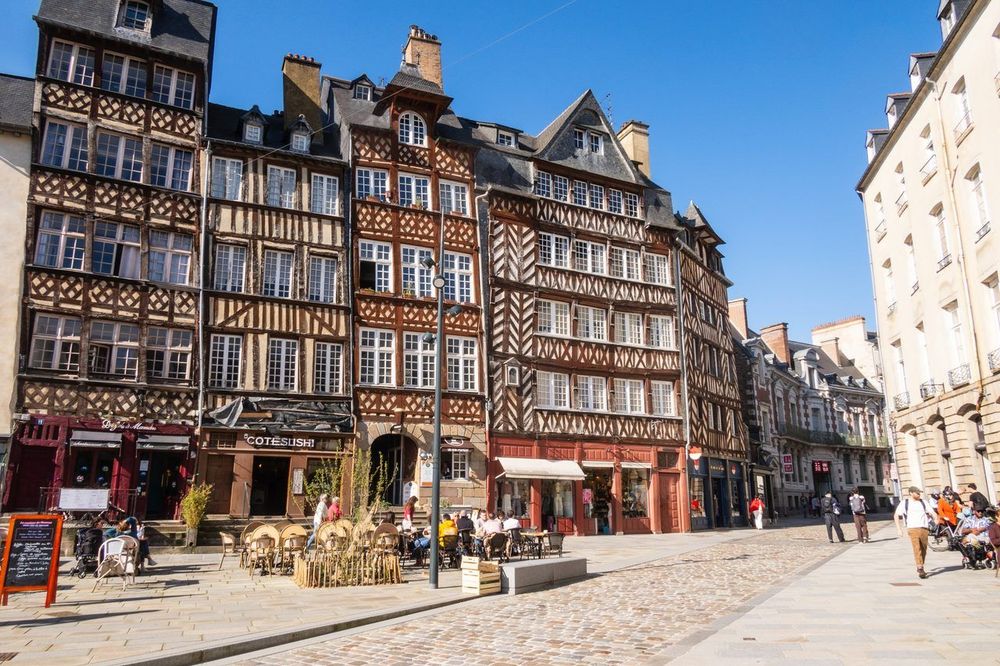
The medieval cloister, restored and integrated into the new complex, can be discovered during open days, the European Heritage Days in September and the many public events held on site. Check before you go: the building operates on a congress schedule and is not open continuously. Place Sainte-Anne, right in front of it, can be admired at any time of day, with its half-timbered houses and the church of Saint-Aubin, whose neo-Gothic façade dominates the entire crossroads.
Free Temporary Exhibitions to See in the City Centre
Nearby, several municipal exhibition venues offer a regularly updated programme with no admission charge. La Criée, a contemporary art centre housed in the former market halls, presents exhibitions by international artists each season in a compact format that can be visited in half an hour.
Other municipal and non-profit galleries in the centre add to the offering throughout the seasons: association display windows on Rue Saint-Michel, exhibition lobbies in neighbourhood facilities, temporary shows in the library network. The best approach is to check the city's cultural calendar before visiting, as these city-centre exhibitions turn over quickly: what is showing in March may be gone by June.
A useful habit for combining several free activities in Rennes in a single afternoon: all these venues are within a ten-minute walk of each other, between Place Sainte-Anne, the market halls and the quays of the Vilaine. In one loop, you can see a contemporary art exhibition, a medieval cloister and two landmark squares, without ever getting back on the metro.
5. The Vieux Rennes in the Open Air: Heritage and Historic Streets
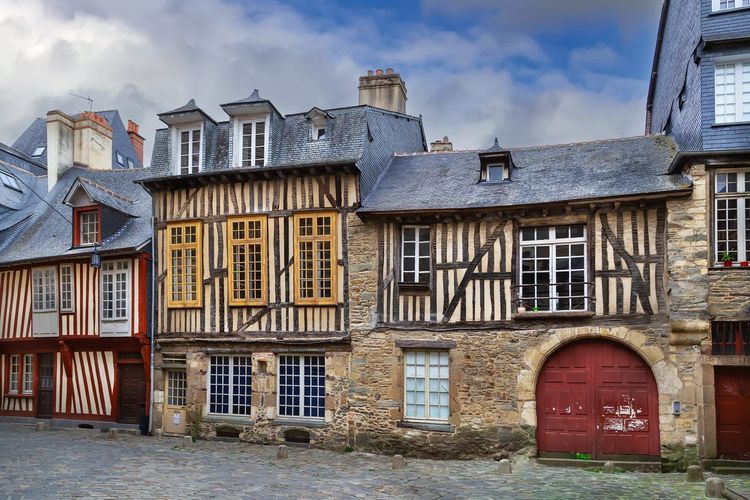
The Half-Timbered Houses of the Saint-Sauveur Quarter
The Vieux Rennes concentrates the bulk of its heritage, all freely accessible without a ticket. Around Rue Saint-Georges, dozens of half-timbered houses from the 15th and 16th centuries line cobbled lanes, with their colourful façades and characteristic overhanging upper storeys.
This neighbourhood escaped the great fire of December 1720, which destroyed nearly nine hundred houses in the northern part of the city and led to the reconstruction in stone of what is now the city centre. Hence the striking contrast, just a few metres apart, between the classical alignments of the rebuilt centre and the warped timber of Rue du Chapitre or Rue de la Psalette. Take time to look up: the carvings on the corner posts, often naive or grotesque, tell the story of the artisan guilds who once occupied these houses. A loop taking in Saint-Sauveur, Place des Lices and Place Sainte-Anne takes an hour and remains the best way to understand the city before 1720.
The Portes Mordelaises and the Remains of the Ramparts
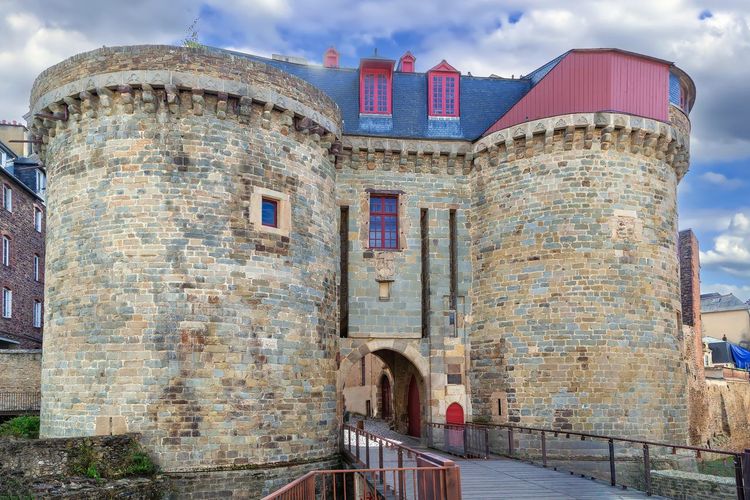
The Portes Mordelaises are the last monumental remains of the medieval ramparts. It was through this fortified gate that the Dukes of Brittany entered the city to take their oath before their coronation at the cathedral, a ritual that has made the site a place steeped in Breton symbolism.
The site reopened to the public after a lengthy restoration campaign, with a walkway laid out at the base of the towers that allows visitors to take in the defensive structure as a whole: machicolations, turrets, the vanished drawbridge and filled-in moat. Traces of the ancient rampart, reused in the medieval ducal fortification, can still be read here. It is one of the most photographed historic monuments in Rennes, especially at sunset when the stone takes on a golden hue.
The Cathédrale Saint-Pierre and the Parlement de Bretagne Seen from Outside
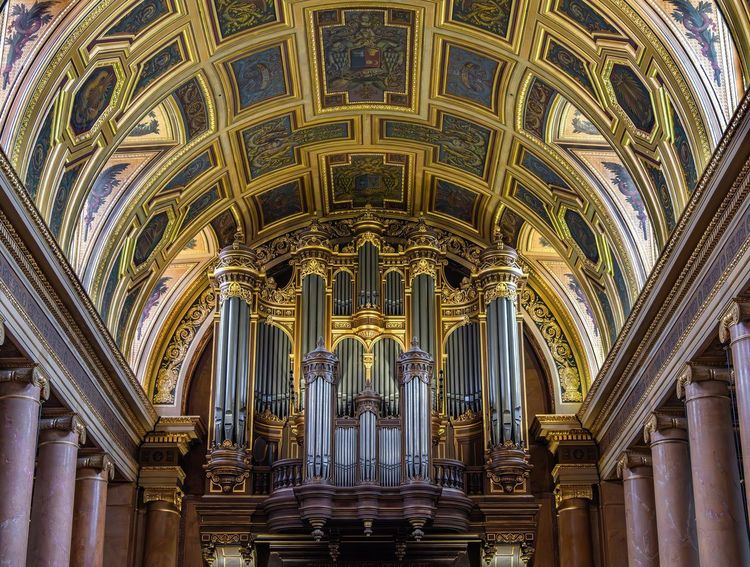
The Cathédrale Saint-Pierre surprises with its classical granite façade, completed in the early 18th century, while the nave was entirely rebuilt and redecorated in the 19th. The interior, saturated with gilding, stucco and faux marble, is open to visitors free of charge during public opening hours. Do not leave without seeking out the 16th-century Flemish altarpiece, a polyptych of rare craftsmanship installed in a side chapel.
A few minutes' walk away, the Parlement de Bretagne presents its imposing 17th-century stone façade, restored after the 1994 fire that devastated the roof and the grand chamber. The interior visit is ticketed and runs on guided slots booked through the tourist office: the surrounding square and the exterior architecture, however, can be admired at any time, especially in the evening during the illuminations organised by the city.
To place these monuments in their context, the Rennes audio-guided tour provides detailed commentary on this historic core and connects the cathedral, the Parlement and the Portes Mordelaises in under two hours on foot.
6. Street Art and Urban Murals in Rennes
The MUR Route in Rennes and Its Large-Scale Murals
Rennes has its own outpost of the Le M.U.R. network (Modifiable, Urban, Reactive), a dedicated street art billboard whose mural changes approximately every two months. Each new creation, entrusted to a different artist, transforms the same surface into an open-air gallery, and the unveiling takes place in public, paint still wet.
This rotating format has a rare advantage: unlike a fixed work, you can return several times throughout the year and discover a brand-new piece each time. Few travel guides mention this spot, which makes it a curiosity to seek out if you are looking to step off the beaten track of the historic centre.
Open-Air Contemporary Artworks Across the City
Beyond Le M.U.R., street art in Rennes spreads across several neighbourhoods: painted gable ends along the railway lines, large-scale murals in Le Blosne, ephemeral installations around les Champs Libres, artistic interventions in Villejean and Maurepas. The city has for years supported a public art commissioning policy in urban spaces, and some walls have become genuine neighbourhood landmarks in their own right.
These works are discovered on a stroll, with no set route or timetable: a map, a bike-share and two hours are enough to take in a dozen of them in sequence. The rebuilt neighbourhoods of the 1960s and 1970s, often overlooked by visitors, concentrate the largest formats: it is there that building gable ends offer artists surfaces several storeys high. Follow the city's culture-dedicated social media accounts to spot recent creations before they disappear beneath the next layer.
7. The Ferme de la Prévalaye and Educational Farms
The Ferme de la Prévalaye, Urban Farming and Animals
The Ferme de la Prévalaye occupies a large agricultural estate on the banks of the Vilaine, to the west of the city. The site is home to market gardeners, permaculture workshops and farm animals grazing just a few hundred metres from the first Rennes apartment blocks.
Access to the paths and surroundings of the plots remains open year-round, and the Vilaine towpaths lead directly there by bike from the city centre in around twenty minutes of car-free cycling. It is one of the best places to see animals in Rennes without going through a paid wildlife park: chickens, sheep and cows can be spotted simply by walking along the farm tracks. Farm visits and producers' markets are organised here periodically, especially in spring, and the estate also serves as a starting point for exploring the Vilaine valley, heading towards Bruz and the Rennes countryside.
The Écomusée de la Bintinais, Free on the First Sunday of the Month
The Écomusée du pays de Rennes, at la Bintinais, recreates Breton rural life around a historic farm and its cultivated land. Visitors encounter local breeds rescued from oblivion: black-and-white Breton cows, Brittany moorland sheep, Breton draught horses and regional poultry.
Admission is usually charged, but as at the Musée des Beaux-Arts, it drops to zero every first Sunday of the month. Many families in Rennes plan their monthly outing around this slot: arrive at opening time to avoid queuing in the car park. The interpretation trail that winds through the agricultural plots can be walked outside the museum without going through the ticket desk, passing orchards of heritage varieties and overlooking the countryside south of Rennes.
8. The Marché des Lices and Local Life in Rennes
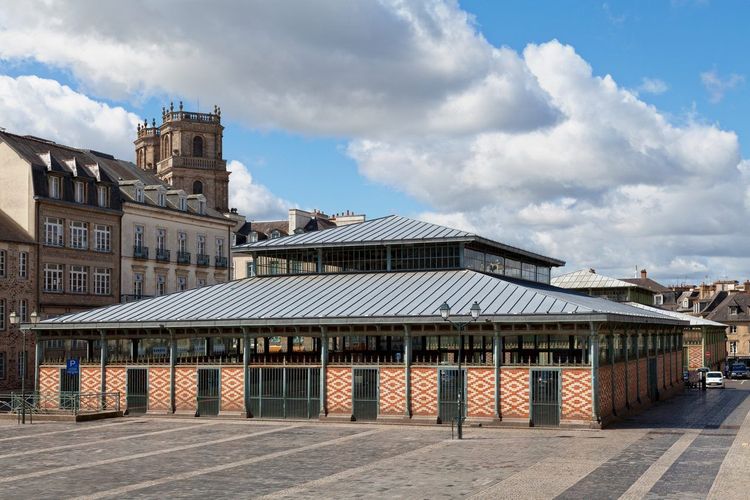
It cannot be filed under museums or monuments, yet the Marché des Lices (Place des Lices, 35000 Rennes, rated 4.8/5 on Google with 591 reviews) deserves its place in any list of free activities in Rennes, given how much it reveals about the city. Held every Saturday morning on a square that was born in the Middle Ages for jousting tournaments, it now ranks among the largest markets in France, with several hundred stalls under the Martenot market halls and in the surrounding streets.
Wandering among galette-saucisse producers, farmhouse cheesemakers and oyster farmers up from the coast requires no ticket: the strolling itself is already the activity. The market is in full swing between 9 am and noon, then winds down in early afternoon. Add the nearby canal quays, where the people of Rennes settle in the sun after their shopping, and you have the most efficient snapshot of local life in the whole week. The Rennes audio-guided tour passes right by these canal quays too, worth combining with a stroll through the market.
9. Transat en Ville and the Major Summer Events
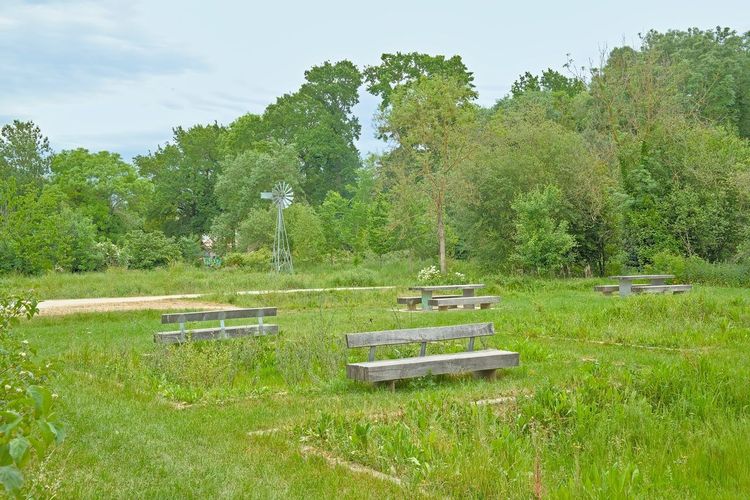
Transat en Ville, the Pop-Up Beach on the Banks of the Vilaine
Every summer, the city rolls out Transat en Ville, its outdoor summer programme: sand, deckchairs, children's games and sports activities are set up for several weeks in July and August on the banks of the Vilaine and in the parks, notably around the Prairies Saint-Martin. The premise can be summed up in one sentence: offering a local holiday to those who are not going away.
Access to the sites remains open to all; only certain supervised activities such as paddleboarding or sports taster sessions require prior registration, also free of charge. Slots fill up quickly during heatwaves: register online as soon as the programme opens, usually published at the start of summer on the city's website dedicated to the summer season.
Exporama and Other Summer Highlights

Exporama animates the other side of the Rennes summer with its big wheel, rides and fairground attractions. Entry to the site is free, with each ride paid for individually: nothing stops you from coming for the atmosphere and the lights without going on a single attraction.
Other highlights punctuate the season: open-air concerts in the parks, outdoor film screenings on summer evenings, non-profit guinguettes, popular dances and night markets. July concentrates most of the municipal programming, while August gives more room to neighbourhood and community initiatives, often less crowded. To keep track of these annual events, our Ryo article on events in Rennes lists the dates throughout the seasons.
10. Festivals and Cultural Events Throughout the Year
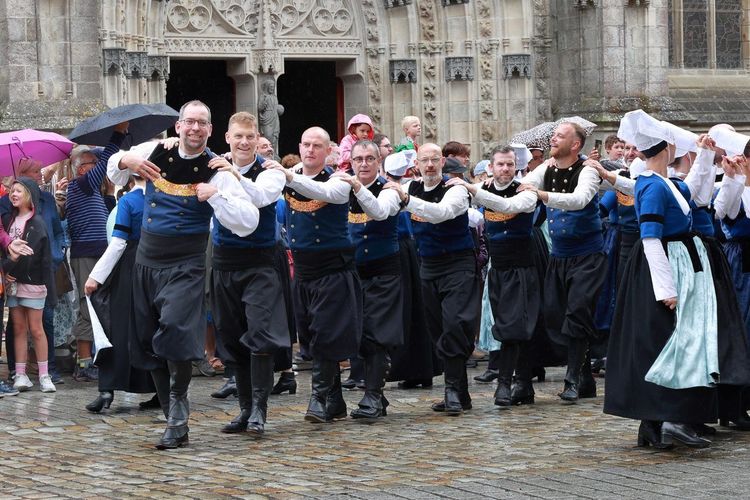
Les Tombées de la Nuit and the Summer Festivals
Founded in the early 1980s, the Tombées de la Nuit festival transforms the historic centre into an open-air stage each summer: street theatre, concerts, visual arts and performances unfold over several days in the courtyards, gardens and squares of the Vieux Rennes. The vast majority of the programme is free of charge, making it one of the most popular street events in western France.
The atmosphere changes completely after dark, when illuminated façades and street companies transform places you may have walked through during the day, from the cathedral forecourt to the surroundings of the Couvent des Jacobins. Keep the whole evening free: the full programme is released in spring, and the most anticipated shows often run twice in the same night.
Yaouank and Other Breton Events
Yaouank closes the Rennes autumn with what is billed as the largest fest-noz in Europe, a gathering of several thousand dancers around traditional Breton music in mid-November. The closing fest-noz itself is ticketed, but the week leading up to it spreads across the city with dance introductions, concerts and free events, often held in bars, libraries and community centres.
In December, the Rencontres Trans Musicales follow the same logic: the festival itself is ticketed, but the city buzzes on the fringes with showcases and participatory projects that can be attended without booking. Other identity-driven events mark the calendar: neighbourhood fest-deiz on Sunday afternoons, story evenings in Breton and Gallo, producers' markets enlivened by traditional pipers. These events, driven by community organisations, almost never appear in tourist listings: look instead to the Celtic circles and local community centres.
Seasonal Events at Les Champs Libres and in the Libraries
Year-round, les Champs Libres and the Rennes library network offer workshops, readings and talks open to all. The range is broad: story time for toddlers on Wednesday mornings, digital workshops for teenagers, science lecture series and author meet-and-greets on weekday evenings.
This programme changes every quarter and remains the simplest way to turn a winter evening into a show without spending a penny. Online booking, when required, opens a few weeks before each session and involves no payment: that is often the only constraint, as seats fill quickly for literary meet-and-greets and science talks.
11. Sports and Outdoor Leisure
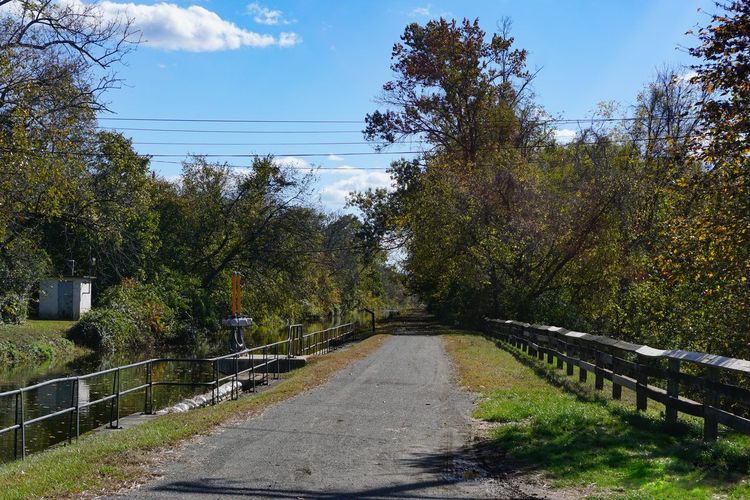
Running and Cycling Along the Vilaine and the Canal
Between the canal towpath and the developed banks of the Vilaine, Rennes lines up several dozen kilometres of cycle paths and pedestrian routes that can be used without interruption. These flat routes suit both morning joggers and family cycling outings, and the metropolitan authority provides a bike-share service for those without their own.
The Parc des Gayeulles, already mentioned for its woodland, also serves as a popular running venue thanks to its marked fitness trail and outdoor exercise stations dotted along the route. The cycle paths of Rennes extend into the countryside: within an hour's cycling northwards, you leave the urban area entirely. A perfect setting for weekend sporting activities without getting in the car or paying a subscription.
Shared Sports Facilities with Open Access

The city makes a wide range of facilities available with no booking or membership required: outdoor basketball courts, skateparks, concrete ping-pong tables in several parks, strength training equipment along the riverbanks, urban fitness circuits. These installations, spread across around ten neighbourhoods, allow sporting activities to be enjoyed at any time of day.
The city-stades near the campuses run at full capacity in late afternoon, when students come out of lectures. Simply check the opening times posted on site: some municipal facilities close after sunset for safety reasons, and school slots take priority on weekdays at certain sports pitches. Worth noting for running enthusiasts: group running clubs meet several times a week on the riverbanks, open to all levels, and offer one of the easiest sporting activities to join when you first arrive in the city.
12. Free Family Activities in Rennes
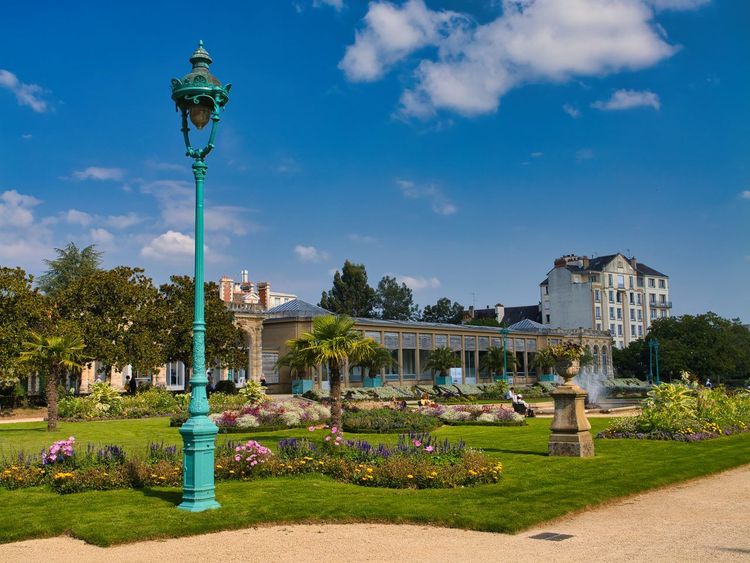
Playgrounds and Parks for Young Children
When it comes to playgrounds, families in Rennes are spoilt for choice: the Thabor has a dedicated children's area with wooden climbing structures and a sandpit, while the Parc des Gayeulles adds a light adventure course, a seasonal miniature train and vast shaded lawns for picnicking. These facilities require no booking or set time slot, and most neighbourhood parks have their own playground.
Beyond the parks, several outings combine nature and learning without spending a euro: spotting animals at the Ferme de la Prévalaye, following the towpath by bike as a family, picnicking at the Prairies Saint-Martin while watching waterbirds, or counting heritage breeds along the Bintinais trail. For teenagers, harder to win over than a six-year-old, the best activities in Rennes are to be found in the street art, the skateparks and the digital workshops at the libraries.
Youth Programmes at the Libraries and Museums
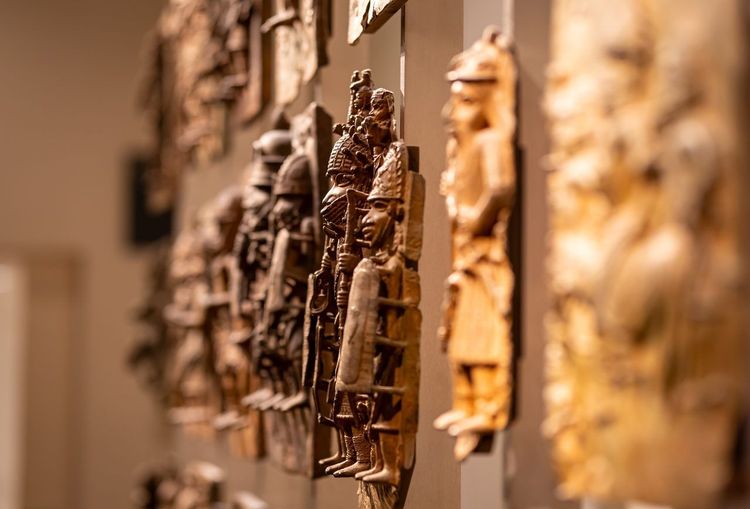
Indoors, les Champs Libres regularly organises workshops for children aged 3 to 12 on science, reading and digital topics, mainly on Wednesdays and during school holidays. The Musée de Bretagne also offers child-friendly discovery trails through its permanent collections, with booklets available to pick up at the front desk.
The municipal toy libraries and community centres round out this network with board game afternoons and reading sessions, spread across all neighbourhoods and open to local families and visiting tourists alike. These youth programmes, entirely free and open to all, usefully complement a family outing in Ille-et-Vilaine without blowing the weekend budget. Our Ryo article on activities in Rennes and the surrounding area details further ideas for extending the trip beyond the city centre.
13. Student Tips: Free Activities in Rennes for Those Who Study Here
Guided Tours and Museums Open to Students
With its two universities and grandes écoles, Rennes has one of the largest student populations in France relative to its size, and the city has taken note: most municipal museums charge nothing or very little on simple presentation of a student card. The FRAC Bretagne, already mentioned, remains free for all visitors under 26, regardless of student status.
Free guided tours are also offered periodically by the tourist office and student associations, particularly at the start of the university year in September, to introduce newcomers to the historic centre. These slots, limited in number, can be booked online a few days in advance and sell out very quickly at the start of September.
The Perks of Campus Life in Rennes
Beyond the museums, student life in Rennes is full of opportunities to go out without spending money: talks open to the public in the lecture halls of Villejean and Beaulieu, outdoor film screenings in summer, student concerts, inter-residence sports tournaments, and workshops run by the universities' cultural departments. Many of these events circulate on student social networks rather than in tourist listings.
The university libraries remain accessible for on-site reading to any visitor, which is handy for working in peace on a rainy day. And if you are studying in Rennes or spending a few months there, keep an eye on the campus notice boards and student groups: that is where, far more than in any guide, you will find the best tips for things to do in Rennes on zero budget, from student society gigs to community clothes swaps and public rehearsals by university theatre companies.
14. Practical Info: When and How to Make the Most of Free Activities in Rennes
The first Sunday of the month rule shapes a good part of Rennes's cultural offering: the Musée des Beaux-Arts and the Écomusée de la Bintinais (Route de Châtillon-sur-Seiche, 35200 Rennes, rated 4.6/5 on Google with 878 reviews) open that day without charging admission. The rest of the time, favour weekdays for a peaceful visit to the Vieux Rennes and les Champs Libres, and keep Saturday morning for the Marché des Lices, which concentrates the bulk of weekend activity.
Another useful reference: most municipal museums close on Mondays, parks follow seasonal hours tied to sunset, and the main outdoor events are concentrated between June and September. Two national events are worth noting in the diary: the European Museum Night in May and the European Heritage Days in September, which throw wide open venues that are normally closed or ticketed, from the Parlement de Bretagne to the reserve collections of the Musée de Bretagne.
For planning a last-minute outing in Ille-et-Vilaine, the Sortir d'Ouest-France events calendar remains the local reference and lists every week the fêtes and events in the département, including those added at the eleventh hour. The city's website dedicated to the Rennes summer rounds out this resource from June to August, when Transat en Ville, Exporama and les Tombées de la Nuit all overlap.
In terms of getting around, the entire historic centre can be crossed on foot in under thirty minutes from one end to the other, and the two metro lines serve the more outlying sites such as the FRAC and the Gayeulles. A few simple principles allow you to pack as many free activities in Rennes as possible into a single day: start early at the Thabor or the Portes Mordelaises before the crowds arrive, plan lunch around the Marché des Lices on a Saturday, keep the afternoon for les Champs Libres or a walk along the canal, and finish with a sunset over the quays. The Rennes audio-guided tour follows exactly this walking-route logic, connecting the main sites of the historic centre in order.

FAQ
What Are the Free Activities to Do in Rennes?
Parc du Thabor, the Vieux Rennes with its half-timbered houses, the Portes Mordelaises, the Marché des Lices on Saturday mornings and the permanent collections of the Musée de Bretagne at les Champs Libres are among the must-sees. In summer, Transat en Ville, Exporama and les Tombées de la Nuit round out the programme without charging admission.
Which Museums Are Free in Rennes All Year Round?
The FRAC Bretagne is open year-round at no charge to visitors under 26. The Musée de Bretagne, at les Champs Libres, gives free access to its permanent collections, with only temporary exhibitions being ticketed. The Champs Libres library can be visited without a card or registration, at any age.
When Can You Visit Rennes Museums for Free?
The Musée des Beaux-Arts and the Écomusée de la Bintinais open their collections free of charge on the first Sunday of every month. The European Museum Night in May and the European Heritage Days in September offer two further annual occasions to visit without paying admission.
Is the FRAC Bretagne Free for Students?
Yes: admission to the exhibitions is free for visitors under 26, whether students or not, on simple presentation of an identity document at the front desk. Adults can walk in during opening nights and special events announced on the FRAC's website.
Are There Free Guided Tours in Rennes?
The tourist office and several student associations periodically organise free guided tours of the historic centre, particularly during the university start of term and the European Heritage Days. Places are limited and must be booked online in advance.
What Free Activities Can Families Do in Rennes?
The playgrounds at the Thabor and the Gayeulles, the Ferme de la Prévalaye to see animals, the youth workshops at les Champs Libres and cycling along the canal suit all ages. In summer, Transat en Ville adds a pop-up beach and sports activities along the banks of the Vilaine.
When Does Transat en Ville Take Place in Rennes?
The event is set up every year in July and August along the banks of the Vilaine and in several parks in Rennes, for the duration of the school holidays. The exact dates and programme of activities are announced at the start of summer on the city's website dedicated to the summer season.
Between century-old parks, medieval heritage, museums open without a ticket and festivals drawing tens of thousands of people, Rennes proves that a mid-sized city can rival major tourist destinations on a zero-budget level. The key lies in planning: first Sunday of the month for museums, Saturday morning for the Marché des Lices, a summer evening for les Tombées de la Nuit, rather than trying everything in a single day.
To connect these places without wasting time between neighbourhoods, the Ryo audio-guided tour of Rennes turns this list into a concrete itinerary, with historical commentary that brings the Vieux Rennes fully to life.
À lire également