© Shutterstock
 Votre guide Ryo
16 Best Things to Do in Mexico City with Kids in 2026
Landing in Mexico City with a stroller in tow sounds like a logistical nightmare until you actually try it: sidewalks widen into tree-shaded parks every few blocks, taxis are cheap, and half the best things to do in Mexico City with kids cost less than a movie ticket back home. Ryo's audio-guided walk through the historic center strings 25 audio stories along a 6.5 km loop, about 2h40 at a pace toddlers and teenagers can both handle, narrating the Aztec empire that built this valley long before Spanish ships ever reached the coast.
Over the next few thousand words you'll find a free zoo that is home to the last giant panda in Latin America, a lake where families still paddle wooden boats painted the color of a birthday cake, and a wrestling arena where an eight-year-old can boo a villain in a sequined mask without anyone batting an eye. There's a museum built entirely around touch, pyramids you can float over at sunrise in a hot-air balloon basket, and a Monday-closure rule that trips up nearly every first-time visitor. Altitude headaches, unleashed street dogs, and the absence of daylight saving time round out the practical surprises waiting below.
1. Spend a Day at Chapultepec Park and Zoo
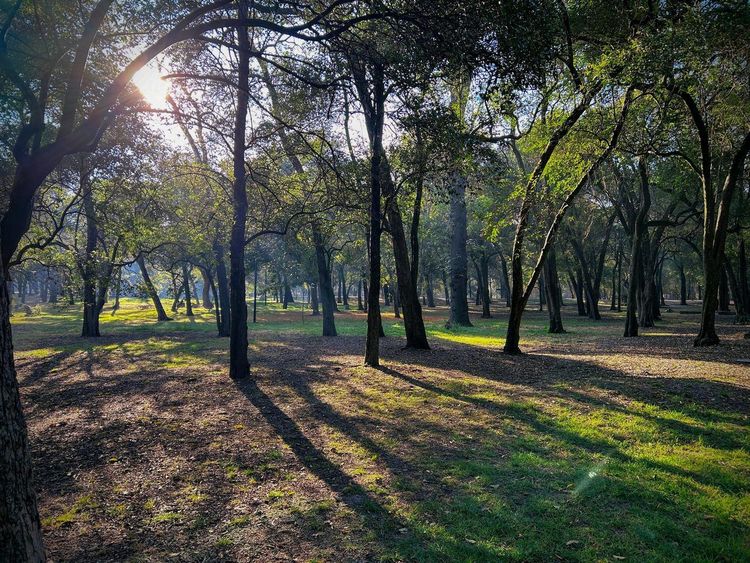
Bosque de Chapultepec) is where most Mexico City families spend an entire Saturday, and once you've walked its shaded paths you'll understand why. At roughly 686 hectares, the park is nearly twice the size of New York's Central Park, split into four sections locals number I through IV, though nearly everything a family needs sits inside the first section nearest downtown.
The Zoológico de Chapultepec) sits in the heart of the first section; it opened in 1923 and still charges nothing at the gate, despite the crowds it draws on weekends. Inside, more than 200 species share sixteen hectares of naturalistic enclosures, and Xin Xin, born at the zoo in 1990 and now the last giant panda in Latin America, remains the star for young visitors clutching a paper map at the gate. Arrive right at opening, especially on a Sunday when Mexican families pour in by the thousands, or you'll spend more time in line than in front of an enclosure.
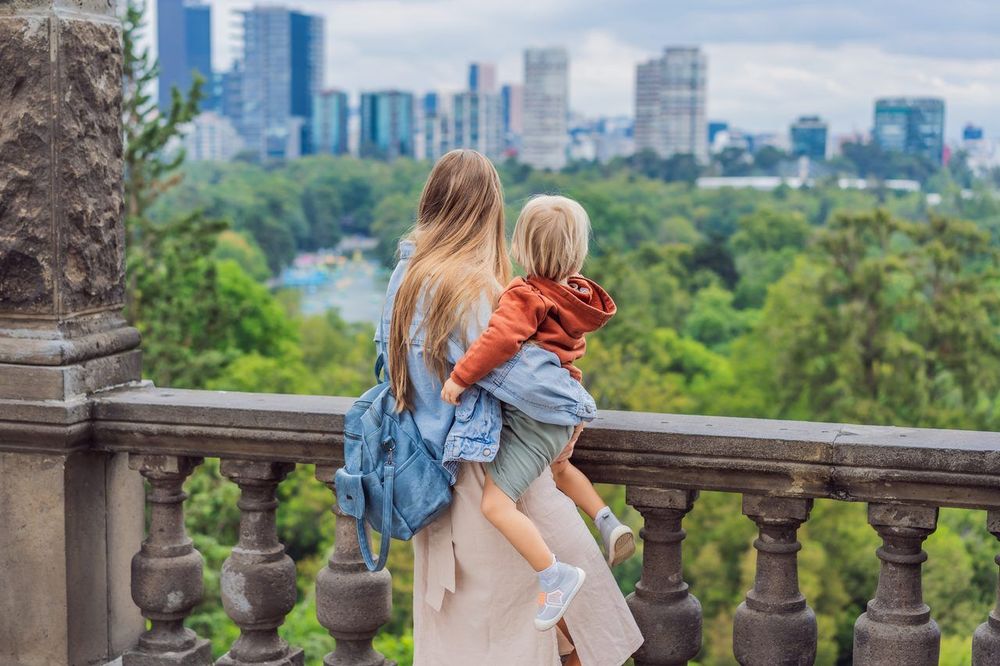
Uphill from the zoo, Castillo de Chapultepec (Bosque de Chapultepec I Secc, 11850 Ciudad de México, rated 4.8/5 on Google (88 941 avis)) occupies the only hilltop castle in North America that ever housed a reigning monarch, Emperor Maximilian I, during his brief and doomed rule in the 1860s. A small tourist train has shuttled visitors up the hill in past seasons, but service is irregular, so check ahead if a stroller or a tired toddler makes the ten-minute uphill walk a dealbreaker. Kids tend to gravitate toward the stained-glass windows and the wraparound terrace, which frames a view stretching clear down Paseo de la Reforma.
Back at ground level, the park's central lake rents out rowboats and pedal boats by the half hour, a low-key activity that somehow never fails to delight kids under ten. Vendors circle the shoreline selling grilled corn and ice cream, so budget a little cash for snacks beyond whatever you packed. If you're wondering how to sequence it all, start at the zoo, climb to the castle before noon, and save the boats for late afternoon, when your kids will be glad to sit down while someone else does the pedaling.
Getting there is straightforward: the park has its own metro stop, Chapultepec, on Line 1, and a second entrance near Auditorio further down Reforma if you'd rather start at the castle and walk downhill toward the zoo instead. Note that both the zoo and the castle close their doors on Mondays along with nearly every other museum in the city, a pattern worth memorizing now since it resurfaces throughout this guide. Weekday mornings, especially Tuesday through Thursday, offer the quietest version of the park; by early afternoon on any day, food vendors and school groups thicken the paths considerably.
If you only have one full day carved out for Mexico City with kids, this park earns it. With the zoo in the morning and the castle after lunch, you can easily fill four or five hours without ever backtracking, and the surrounding paths offer enough shade that even a Mexico City summer afternoon feels manageable pushing a stroller.
2. Cruise the Floating Gardens of Xochimilco
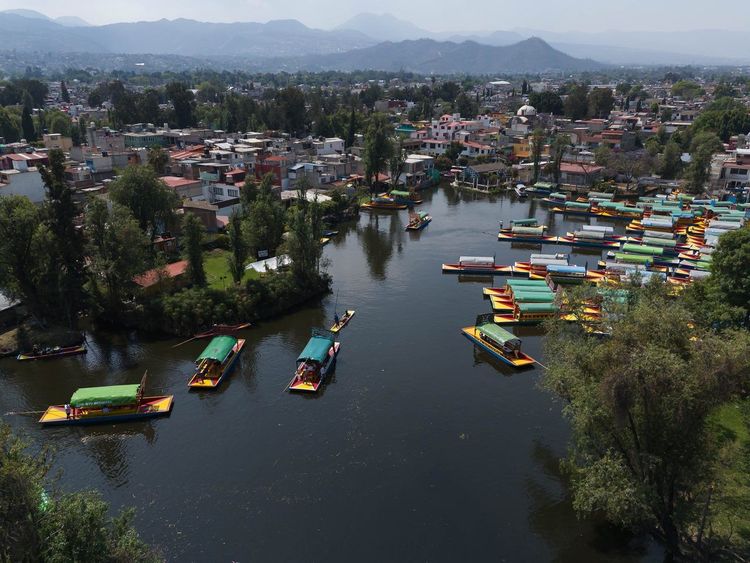
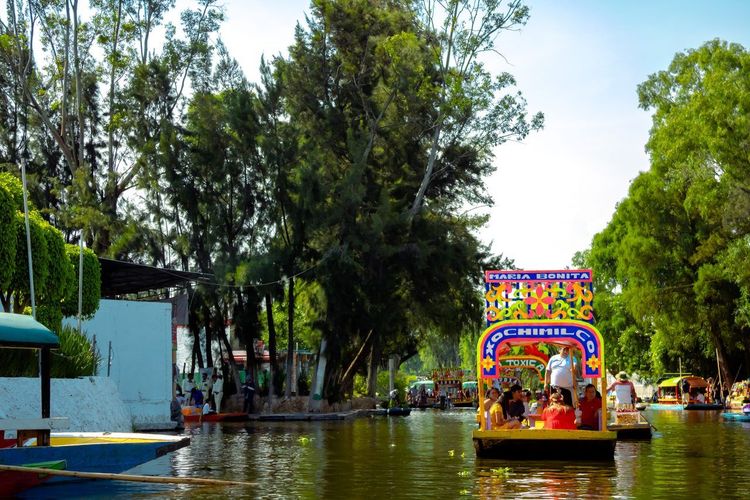
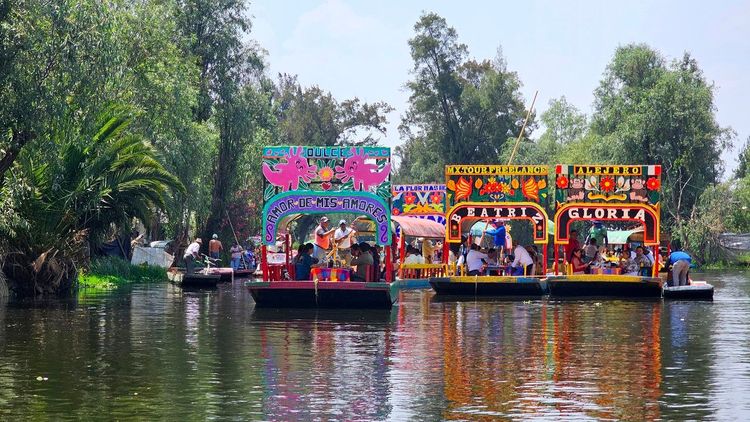
Xochimilco (Embarcadero Nuevo Nativitas, 16030 Ciudad de México, rated 4.4/5 on Google (16 429 avis)), in the city's south, preserves a network of canals and artificial islands, chinampas, that Aztec farmers built more than five centuries ago to grow food for the valley below. UNESCO listed the district as a World Heritage Site in 1987, less for any single monument than for the fact that this floating agricultural system still functions almost exactly as it did before the conquest.
Families rent a trajinera, a flat-bottomed wooden boat painted in bright colors and usually named after a woman, by the hour rather than the person, which makes group outings surprisingly affordable. Smaller boats loaded with mariachi bands, quesadilla griddles and even floating mini-markets paddle alongside, so you can flag one down mid-cruise rather than plan the whole outing in advance.
Point out the chinampas as you glide past: many are still farmed, and kids who spot rows of lettuce growing on an island in the middle of a canal understand the whole Aztec idea in five seconds.
Weekdays and Saturday mornings suit younger children best: the canals stay calm, the music stays at a conversational volume, and nobody on your boat is holding a cup that isn't theirs. Sunday afternoons flip that script entirely, turning Xochimilco into something closer to a floating block party, complete with speaker-stacked party boats and a crowd that skews college-age rather than kindergarten. If your children are younger than seven or eight, aim for an 11am arrival on a weekday and you'll likely have long stretches of canal almost to yourselves.
Prices are negotiated per boat, not per person, and a two-hour ride for a family of four typically runs less than a sit-down dinner would cost back home. Life jackets are required by law and the boat operators hand them out before you push off, though the sizes rarely accommodate a toddler well, so pack your own if you're traveling with a child under three. Getting to the embarcadero from the city center takes about 45 minutes by taxi or rideshare, longer by public transit, which is worth factoring into a day that also includes a stop in nearby Coyoacán.
3. Explore Coyoacán and the Frida Kahlo Museum
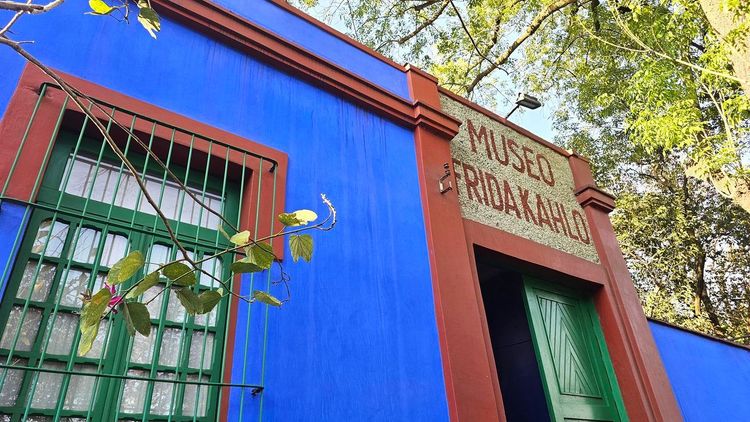
Coyoacán, a formerly independent village swallowed by the city's sprawl decades ago, still feels like its own town, one built around a leafy zócalo, a Saturday market and cobblestone streets where Frida Kahlo grew up. It's an easy pairing with Xochimilco since both sit in the city's south, roughly twenty minutes apart by car.
The Frida Kahlo Museum, universally known as La Casa Azul for its cobalt-blue exterior walls, occupies the house where the painter was born in 1907 and died in 1954. Inside, her wheelchair, her corset braces and unfinished canvases sit exactly where she left them, a detail that tends to land differently with kids once you explain, in age-appropriate terms, the childhood illness and later accident that shaped so much of her work. Tickets sell out days in advance online during high season, and the museum, like nearly everything else on this list, closes on Mondays.
A few blocks away, the Coyoacán Market and the adjoining plaza fill weekends with churro stands, artisan stalls and, on many weekends, kiddie rides that draw a younger crowd than the museum does. Walk the few blocks between the Casa Azul and the market slowly; Coyoacán is at its best at a stroll, and nobody needs to be rushed between the plaza's ice cream cart and the next stop.
Younger children who tire quickly of glass display cases usually perk back up in the plaza itself, where organ grinders, balloon vendors and a rotating cast of street performers turn the square into a low-effort playground. If the museum line looks daunting, note that same-day tickets are rarely available; buying online at least a week out saves an hour of standing in the sun with a stroller.
History buffs traveling with older kids can extend the outing to the nearby Museo Anahuacalli, Diego Rivera's pyramid-shaped house of volcanic stone, though it adds another hour and isn't essential for a first visit.
Budget at least half a day here. Between the museum queue and a stop for tostadas or ice cream in the plaza, Coyoacán rewards a slow pace far more than a checklist approach.
4. Watch a Lucha Libre Match
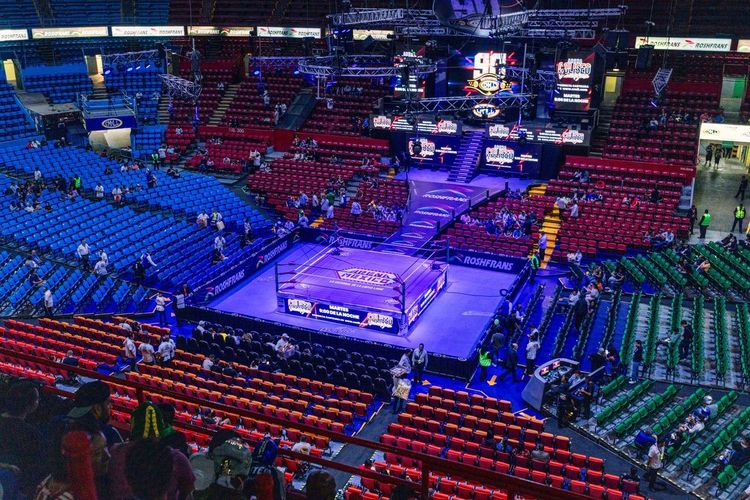
Lucha Libre delivers exactly the kind of sensory overload most kids secretly want from a trip: flashing lights, masked wrestlers flying off the ropes, and a crowd chanting insults at the villain, or rudo, with theatrical glee. Arena México (Dr. Lavista 189, Doctores, 06720 Ciudad de México, rated 4.7/5 on Google (29 075 avis)), the sport's biggest venue in the country, hosts family-friendly matinee cards on Sunday afternoons that run tamer than the rowdier Friday night shows.
Vendors inside sell the wrestlers' signature sequined masks for kids to wear home, and plenty of families end up buying two, one for each side of the sibling rivalry. Fair warning: the noise level rivals a rock concert, with a live announcer, blaring music and a crowd that never really sits still, so this works better for kids who like loud, chaotic fun than for a toddler who startles easily. Tickets are cheap enough that splurging on ringside seats, close enough to feel the ropes shake, rarely breaks a family budget.
Doors typically open an hour before the first match, and arriving early buys you time to browse the mask vendors before the arena fills. Sunday matinees start mid-afternoon and wrap up before dinner, a schedule that fits neatly around an otherwise packed day in the historic center just a few metro stops north.
5. Discover Mexico City's Best Museums for Kids
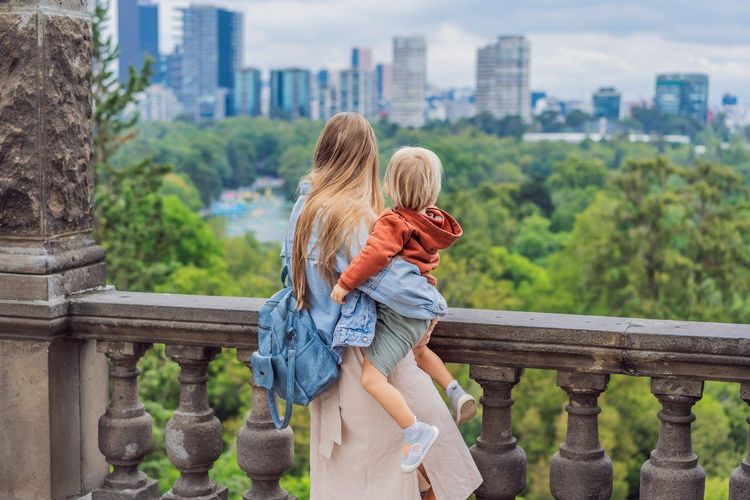
Mexico City's museum scene rivals any capital in the world, and four in particular reward a family detour, each with a different rhythm depending on your kids' ages and patience for reading wall text.
Papalote Museo del Niño), inside Chapultepec's second section, is built almost entirely around hands-on exhibits rather than glass cases: kids climb through giant structures and run their own experiments across themed zones instead of reading labels. It's the kind of museum where a five-year-old can spend three hours without once complaining of boredom, which makes it the default pick for families traveling with children under ten.
The Museo Nacional de Antropología), widely considered one of the finest anthropology museums anywhere, houses the Aztec Sun Stone and full-scale replicas of Maya temples inside a building organized around a central courtyard with its own umbrella-shaped fountain. It rewards older kids, roughly eight and up, who can handle a couple of hours moving room to room; younger children tend to gravitate toward the outdoor courtyard and its enormous bronze fountain rather than the display cases inside.
For dinosaur-obsessed kids, the Museo de Historia Natural), tucked into a different corner of Chapultepec park, delivers dinosaur skeletons inside a row of ten concrete domes kids love counting, without the crowds that pack the anthropology museum on weekends. Entry costs a fraction of what similar natural history museums charge abroad.
The smallest and quirkiest of the four, Museo del Juguete Antiguo México (Dr. Olvera 15, Doctores, 06720 Ciudad de México, rated 4.3/5 on Google (5 186 avis)), packs four floors of vintage Mexican toys, from tin robots to Lucha Libre action figures, into a building in the Doctores neighborhood near Arena México. It's less interactive than Papalote but genuinely fascinating for kids who like spotting the toys their grandparents might recognize.
Families who'd rather take their culture outdoors can plan a gentler museum day downtown: Ryo's audio tour of the historic center stops outside the Palace of Fine Arts, the Diego Rivera Mural Museum and the Museum of Popular Art, where the neon-painted alebrijes tend to win over even museum-weary kids. And since it bears repeating: the anthropology and natural history museums close on Mondays, while Papalote keeps its own schedule, so check its website before you go.
Mexican citizens and residents enter most federal museums free on Sundays, a policy that turns the anthropology museum's courtyard into one of the busiest patches of the entire park; if you're visiting as a tourist, a weekday morning nets you a noticeably quieter, and often cooler, visit. Budget roughly two hours for Papalote alone if you have a child under eight; three museums in a single day is plenty even for enthusiastic parents, since kids tire of walking between wings faster than an itinerary usually accounts for.
If you're short on time, pair Papalote with the natural history museum since both sit inside Chapultepec's leafier sections and are a fifteen-minute walk apart; save the anthropology museum for a separate morning when everyone's rested enough to appreciate the Sun Stone without a meltdown thirty minutes in.
6. Play at the Best Parks and Playgrounds
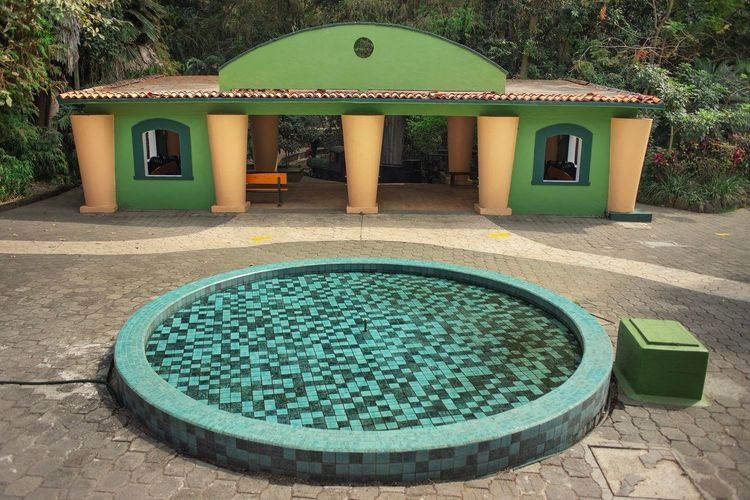
Beyond Chapultepec, a handful of neighborhood parks give kids room to run that a packed museum itinerary rarely allows.
In the Condesa neighborhood, Parque España (Parque España, Hipódromo, 06100 Ciudad de México, rated 4.6/5 on Google (18K reviews)) and Parque México) sit close enough to walk between in ten minutes, each ringed by Art Deco buildings and shaded by jacaranda trees that turn the whole area purple every spring. Parque México has the better playground equipment of the two, plus a small outdoor amphitheater where local kids often put on impromptu shows, while Parque España's paths suit stroller laps and its resident population of dogs off leash tends to delight or unsettle young children in roughly equal measure.
In Polanco, Lincoln Park, known locally as Parque Lincoln), packs an aviary, a small amphitheater and a genuinely good playground into a compact, walkable footprint surrounded by some of the city's more upscale shopping streets, useful if a parent needs a coffee refill while the kids climb.
Further out in Azcapotzalco, Parque Bicentenario) trades charm for scale: built on the site of a former oil refinery, it's one of the largest green spaces in the city, with bike paths, a lake and enough open lawn that kids who've spent two days weaving through museum crowds can finally sprint without bumping into anyone.
None of these parks charge admission, and each works as a reset button between the ticketed attractions that otherwise dominate a Mexico City itinerary with kids. Weekday late afternoons, once the sun softens and local families start arriving from school and work, tend to be the liveliest and safest time to visit any of these four; midday sun can be intense at this altitude, and shade is more limited in Parque Bicentenario than in the tree-canopied Condesa parks.
7. Bike or Skate Along Paseo de la Reforma
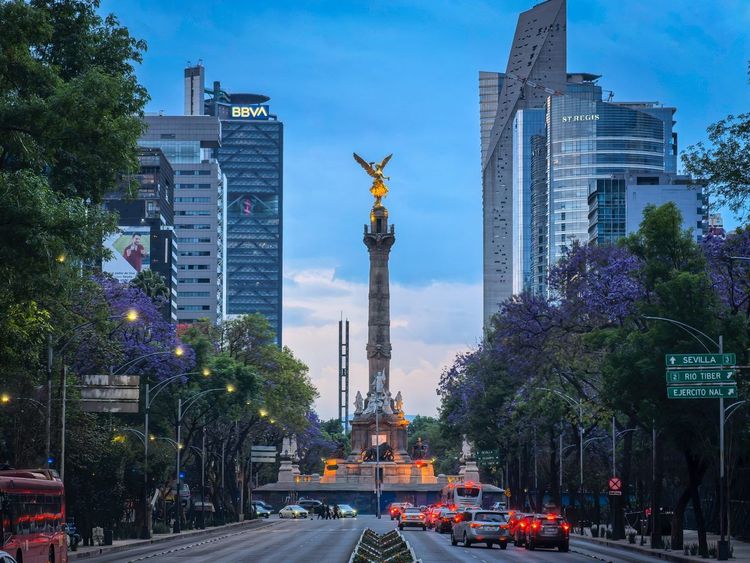
Every Sunday morning, Paseo de la Reforma (Paseo de la Reforma, Ciudad de México, rated 4.7/5 on Google (1 196 avis)), the city's grand boulevard, closes to car traffic for the Muévete en Bici Sunday ride, turning its central lanes into a rolling playground for cyclists, skaters and kids on training wheels. It runs from 8am to 2pm, and rental kiosks pop up along the route renting bikes, tandems and kid-sized options by the hour.
The route passes the Angel of Independence, the gold-winged column that doubles as the city's most recognizable landmark, which makes a natural turnaround point for families not up for the full stretch. Even without renting a bike, walking or scooting a portion of car-free Reforma on a Sunday morning is one of the easiest, cheapest things to do in Mexico City with kids, and it pairs neatly with a Chapultepec visit since the boulevard runs straight into the park's eastern gate.
Bring sunscreen rather than relying on shade, since the boulevard's median trees offer only patchy cover by mid-morning, and expect the rental kiosks to run out of kid-sized bikes first on holiday weekends.
8. Take a Hot-Air Balloon Ride Over the Teotihuacán Pyramids
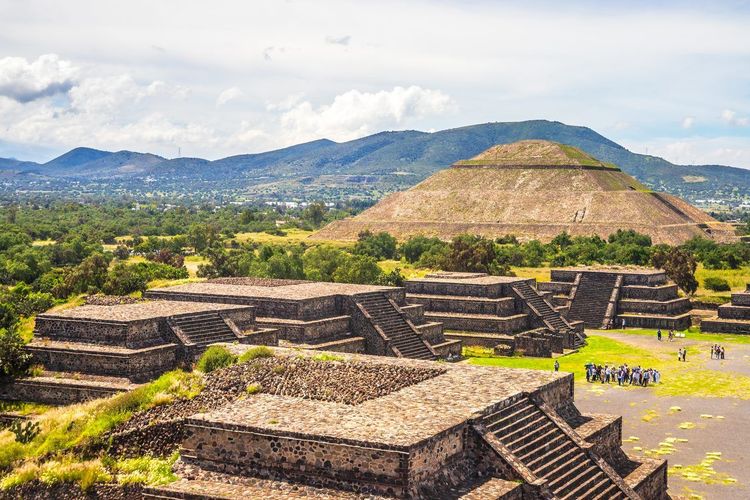
An hour northeast of the city, the Pyramids of Teotihuacán (San Juan Teotihuacán, Estado de México, rated 4.7/5 on Google (110K reviews)) rank among the largest pre-Columbian structures ever built, and seeing them from a hot-air balloon at sunrise turns an already impressive site into something closer to unforgettable.
Balloon operators typically require a minimum age around six, sometimes older depending on the company, and pickup times fall absurdly early, often 4:30am, to catch the calm morning air currents that make ballooning possible in the first place. Flights last roughly 45 minutes to an hour and drift over the Pyramid of the Sun and the Pyramid of the Moon before landing in a nearby field, usually followed by a champagne toast for the adults and hot chocolate for everyone else.
Whether or not you splurge on the balloon, the pyramids themselves are worth the day trip on their own terms. The Pyramid of the Sun, one of the largest pyramids on Earth by base area, has been closed to climbers since 2020 for conservation, so warn kids who've seen old photos of people waving from the top. The smaller Pyramid of the Moon reopened in 2025 for limited access to its lower platforms and offers arguably the best photo angle looking back down the Avenue of the Dead; check the access status posted at the ticket booths when you arrive.
Guides recommend arriving by 9am regardless of whether you've booked a balloon, both to beat the worst of the midday sun and the afternoon tour bus crowds. Pack more water than seems necessary; the altitude here sits even higher than Mexico City itself, and dehydration creeps up faster than most visitors expect.
Most families book a combined tour that bundles balloon flight, breakfast and pyramid entry into one early-morning departure, which simplifies logistics considerably given the pre-dawn pickup. If you'd rather skip the balloon and just visit the ruins, second-class buses leave regularly from Mexico City's northern bus terminal and take about an hour each way, making a half-day trip feasible even without an organized tour. Either way, treat Teotihuacán as a full morning at minimum: between the site's sheer size and the drive there and back, it doesn't compress well into a quick add-on to a day already packed with downtown sightseeing.
9. Have Hands-On Fun at KidZania
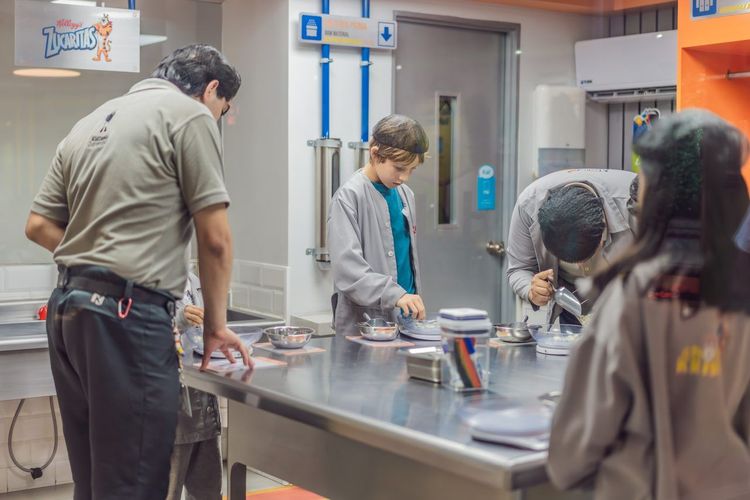
KidZania, inside the Santa Fe shopping district on the city's western edge, lets kids role-play more than 60 professions, firefighter, pilot, TV news anchor, inside a scaled-down replica city complete with its own currency, paid in kidZos for completed jobs.
Sessions run in half-day blocks, morning or afternoon, and tickets are priced by age band, with the steepest jump between toddlers and school-age kids who can actually participate in the activities rather than just observe. Expect to commit three to four hours minimum; this isn't a stop you fold into a busier day alongside two other attractions.
It suits kids roughly four to twelve best, since younger toddlers often need a parent shadowing every activity and older tweens sometimes find the role-play a bit young for their taste. Book online rather than at the door: popular sessions, especially weekend afternoons, sell out days in advance during school holiday periods.
Santa Fe itself sits a fair drive from the historic center and Chapultepec, so most families treat KidZania as a standalone half-day rather than pairing it with anything else on this list. Lockers are available for bags, and a food court inside covers meals without needing to leave the complex once you're checked in for a session.
10. Walk the Historic Center: Zócalo, Templo Mayor and Ballet Folklórico
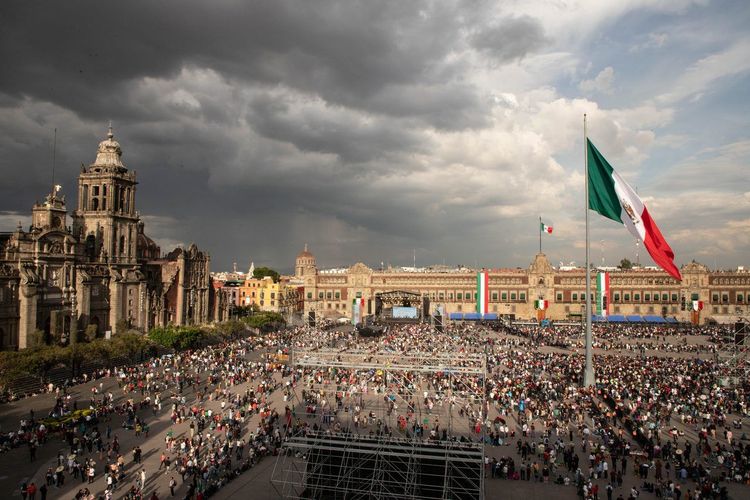
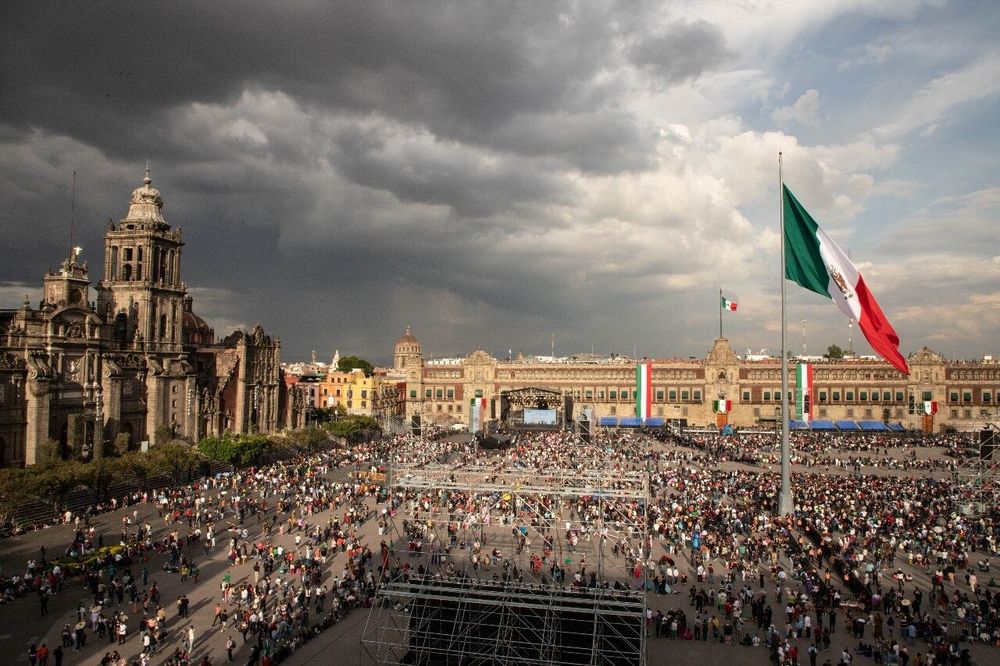
Mexico City's historic center centers on the Zócalo), one of the largest public squares on the planet, ringed by the Metropolitan Cathedral, the National Palace and, just off its northeastern corner, the ruins of the Aztec empire's main temple.
The Templo Mayor Museum protects excavated remains of the temple that once stood at the literal center of the Aztec capital, Tenochtitlan, discovered almost by accident in 1978 when electrical workers hit a carved stone disc while digging. The open-air ruins sit alongside a museum housing thousands of artifacts pulled from the site, including sacrificial offerings that tend to fascinate kids in that slightly morbid way ancient history often does.
Ryo's short tour retracing the steps of the Aztecs threads from the Zócalo to Templo Mayor with audio stops recounting the rise and fall of Tenochtitlan, giving older children a narrative thread to follow between the cathedral's bell towers and the temple's excavated stones rather than a straight list of dates.
For families staying into the evening, the Ballet Folklórico de México, performed inside the marble Palacio de Bellas Artes (Av. Juárez, Centro Histórico, 06050 Ciudad de México, rated 4.8/5 on Google (195 605 avis)) a few blocks from the Zócalo, stages a colorful, high-energy showcase of regional Mexican dance that works well for kids around seven and up who can sit through a two-hour show. Younger children sometimes struggle with the seated format, but the costumes and live orchestra rarely fail to hold attention for at least the first act.
Plan for a full morning across the Zócalo and Templo Mayor alone, since both the cathedral and the ruins reward unhurried wandering, and consider saving the ballet for a separate evening rather than cramming a stage show onto the same day as a pyramid-heavy morning.
11. Browse the San Ángel Saturday Bazaar
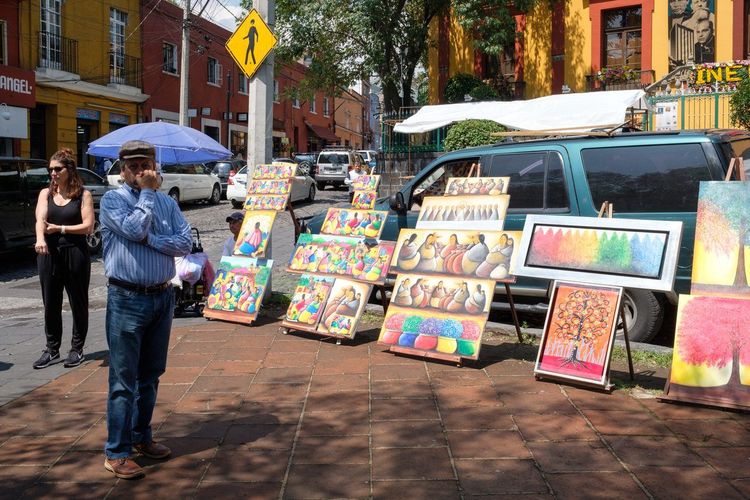
Every Saturday, the San Ángel neighborhood, a short drive south of Chapultepec, hosts the Bazar Sábado, a crafts market spilling out of a colonial-era plaza and down the surrounding cobblestone streets. Painters set up easels around the square's edges, selling watercolors and oils alongside jewelry, textiles and folk art stalls that make for a slower, browsier morning than the city's bigger tourist sites.
Street performers, mimes, musicians, the occasional living statue, work the plaza throughout the day, which tends to hold younger kids' attention far longer than the craft stalls themselves do. Pair the bazaar with a stop at a nearby green space if your children need to burn energy between browsing stalls, since the market itself involves a lot of standing and looking rather than moving.
Arrive by mid-morning for the best selection before the day's heaviest foot traffic sets in, and bring small bills, since many stall vendors don't accept cards. The market only runs on Saturdays, so build it into whichever day of your itinerary already has a lighter morning planned.
12. Ride the Rides at Feria de Chapultepec (Aztlán)
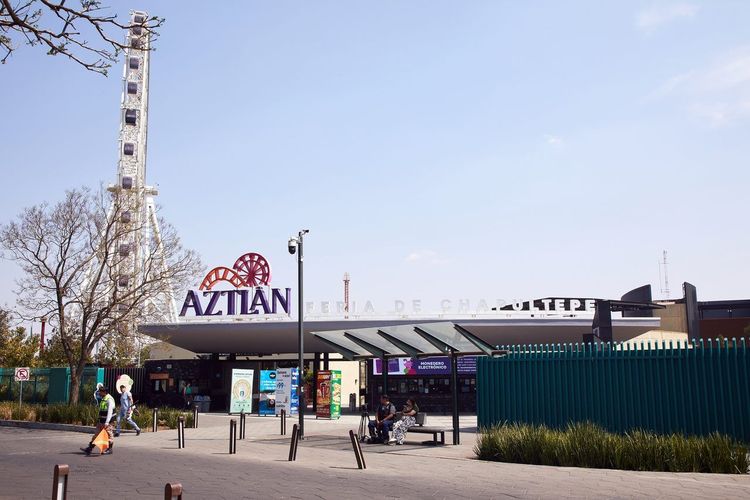
Inside Chapultepec's second section, right next to Papalote, the old Feria de Chapultepec closed in 2019 and reopened in 2024 as Aztlán Parque Urbano, with a giant Ferris wheel, thrill rides for older kids and a dedicated zone of smaller rides themed around pre-Hispanic Mexico.
Height restrictions apply to the bigger rides, as they do anywhere, but a dedicated kids' zone covers smaller rides that toddlers and early-elementary kids can handle without a height chart ruling them out. Many guides still skip it, partly because visitors remember the old fair as closed, which is exactly why you should know it's back.
Tickets are sold either as single-ride passes or an unlimited day wristband, and the park tends to run quieter on weekday afternoons than weekend mornings, when local school groups and families both converge on the same handful of coasters. Pair it with a morning at Papalote next door and you have a full second-section day; like the museums, Aztlán closes on Mondays.
13. Where and What to Eat with Kids in Mexico City
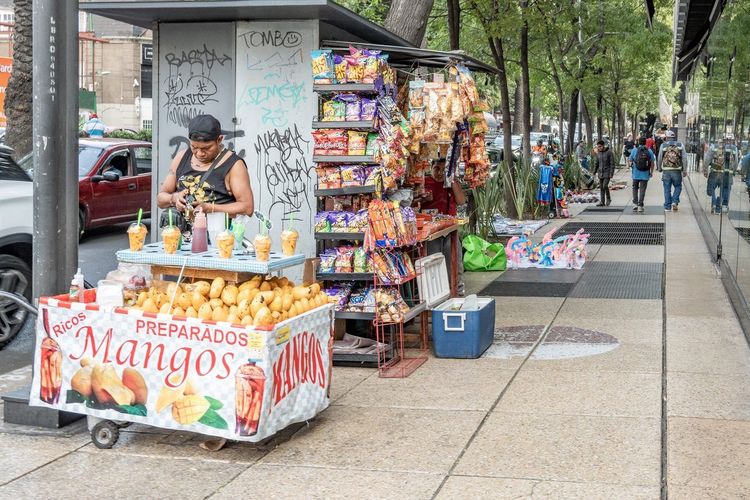
Street food safety worries keep some parents from letting kids near Mexico City's best food, which is a shame given how central eating well is to the experience.
Quesadillas and tacos al pastor sold from street carts are typically cooked to order in front of you, which makes it easy to judge freshness before ordering; stick to carts with a steady line of local customers and you'll rarely go wrong. For kids sensitive to spice, ask for salsa on the side rather than pre-mixed into the filling, and skip toppings like raw onion or cilantro if a child's palate hasn't caught up yet.
Agua fresca, fruit water blended fresh with ice and a touch of sugar in flavors like horchata, jamaica or watermelon, makes a far better kid-friendly drink than soda and is sold at nearly every market and street corner in the city.
For a sit-down option that won't test a picky eater's patience, look for a fonda or comedor near whichever neighborhood you're exploring: these small, family-run lunch spots serve a fixed daily menu at prices well below tourist-district restaurants, and the pace tends to be relaxed rather than rushed. Condesa and Roma Norte, both walkable from Chapultepec, cluster dozens of casual, family-tolerant restaurants within a few blocks of each other, useful if you'd rather browse options in person than book ahead.
Ice cream and paletas, popsicles often in fruit flavors that don't exist back home, like mamey or tamarind, are sold on nearly every corner and make an easy bribery tool between attractions on a long day of sightseeing.
Tap water isn't recommended for drinking, but bottled and purified water is sold everywhere, including at every convenience store chain you'll pass on foot, so restocking a kid's water bottle is rarely more than a block away.
14. Where to Stay in Mexico City with Kids
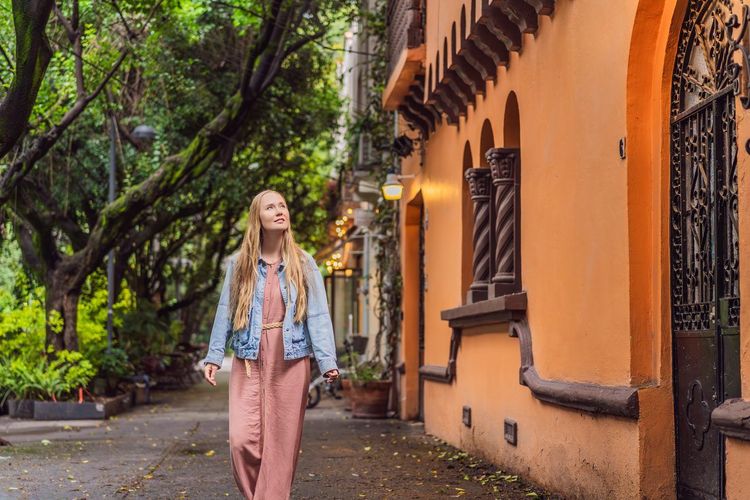
Where to stay shapes how much of this list is realistically reachable on foot versus by taxi, so it's worth choosing a neighborhood before booking a specific hotel.
Polanco and the stretch of Paseo de la Reforma near it put families closest to Chapultepec park, the zoo, the castle and several of the museums on this list, all within a short walk or a five-minute cab ride. The St. Regis and the Four Seasons, both along Reforma, offer family rooms and concierge support that smooth over jet lag and altitude adjustment for younger kids, at a price point to match. For a smaller boutique option, the Kimpton Virgilio sits in Polanco a few steps from Parque Lincoln's playground.
Condesa and Roma Norte, just south of Reforma, trade five-star polish for walkable, tree-lined streets packed with cafes and parks, Parque España and Parque México sit right in the neighborhood, and a younger, more residential feel. Boutique hotels and apartment rentals dominate here, which suits families who'd rather wander a neighborhood than shuttle between sights.
For longer stays, an Airbnb in Coyoacán or Roma Norte often works out cheaper than a hotel room once you factor in a kitchen for breakfast and snacks, plus the extra space a family of four inevitably needs after a few days of shared hotel rooms. Coyoacán specifically puts you close to the Frida Kahlo Museum and Xochimilco, though it sits further from Chapultepec and the historic center than either Polanco or Condesa does.
Whichever neighborhood you choose, prioritize a hotel with a pool if traveling in the dry, sunny months between November and April: Mexico City's altitude means afternoons can turn intensely bright even when temperatures stay mild, and a midday swim break does more for cranky kids than another museum ever will.
15. What to Know Before Visiting Mexico City with Kids
Altitude sits at the top of nearly every seasoned traveler's warning list for Mexico City, and for good reason: the city sits at roughly 2,240 meters (7,350 feet) above sea level, high enough that kids and adults alike can feel unusually tired, short of breath on stairs, or mildly headachy for the first day or two. Build in a slow first afternoon rather than launching straight into Chapultepec off a flight, and keep everyone drinking more water than usual.
Mexico City is generally safe for families, including in the neighborhoods and attractions covered in this guide; petty theft and pickpocketing in crowded tourist areas are the realistic risk, not the violent crime headlines sometimes suggest, and standard precautions cover most of it.
Have some pesos on hand before you need them: street food vendors, market stalls and the Bazar Sábado rarely take cards, and small bills matter more than large ones, since a 500-peso note can be genuinely hard for a taco cart to break. ATMs inside bank branches, rather than standalone street kiosks, offer the safest and often cheapest exchange rates.
Most museums and major attractions close on Mondays, a pattern that hits this guide especially hard given how many entries are museums: the anthropology museum, Frida Kahlo's house, the natural history museum, the castle, the zoo and Aztlán all shut their doors that day. Plan Mondays around outdoor stops instead, such as Xochimilco's canals or a Condesa park morning, or head downtown with Ryo's historic-center audio guide, which plays entirely outdoors and works any day of the week.
Mexico abolished daylight saving time in 2022, so there's no daylight savings in Mexico City anymore, which means the time difference between Mexico City and your home city can shift by an hour depending on the season, sometimes catching families off guard when booking flights or video-calling home.
Noise is a constant here, car horns, street vendors calling out their wares, music spilling from open doors, and it's worth preparing kids and light sleepers for a city that rarely goes fully quiet, even at night in residential neighborhoods.
You'll also notice unleashed dogs everywhere, particularly in Condesa and Roma Norte, where a strong stray-adoption culture means friendly, collared dogs wander parks off-leash with their owners nearby. Most are well socialized, but it's worth a reminder for kids not to approach an unfamiliar dog without asking first.
For getting around, the metro is fast and absurdly cheap but can get packed enough to make a stroller impractical during rush hour; taxis booked through a rideshare app or hotel concierge are the more reliable option for families carrying a car seat, diaper bag or simply a tired toddler who's done walking for the day. Uber and its local rideshare competitors operate throughout the city and tend to be the easiest way to move between far-flung attractions like Xochimilco or KidZania without navigating transit transfers with kids in tow; fares are low enough that a 30-minute cross-town ride rarely costs more than a coffee back home.
16. Best Time to Visit and What to Pack
The dry season, roughly November through April, gives Mexico City with kids its most reliable weather: sunny days, cool nights, and none of the sudden afternoon downpours that define the rainy months from June through September. Rainy-season storms are typically short and predictable, arriving mid-afternoon and clearing within an hour, so they're more of a planning nuisance than a trip-ruining one if you build in flexibility.
Pack layers more than you'd expect for a destination this far south: mornings and evenings run cool at altitude even in the hottest months, sunscreen matters more than usual given the thinner atmosphere, and comfortable walking shoes matter more than anything else on this list given how much of it involves cobblestones and park paths. A reusable water bottle and a light rain jacket cover the rest.
Most families need four to five days to cover a reasonable share of this list without exhausting themselves; trying to squeeze Chapultepec, Xochimilco, Coyoacán, a museum day and Teotihuacán into three days usually means arriving home more tired than when you left. Building in one deliberately unscheduled afternoon, ideally around a park or hotel pool, keeps altitude fatigue from catching up with younger kids partway through the trip.
If your dates are flexible, aim for a shoulder-season window in April or October, when the dry season's clear skies overlap with slightly cooler daytime temperatures than the peak of the winter high season.
FAQ
Is Mexico City worth visiting with kids?
Yes: between a free zoo, canal boat rides, hands-on museums and an amusement park tucked inside Chapultepec, Mexico City offers more genuinely kid-focused activities than most Latin American capitals, at a fraction of the cost families pay for similar experiences in the US or Europe.
How many days do you need in Mexico City with kids?
Plan on four to five days to cover the highlights in this guide without over-scheduling. Three days works if you skip the Teotihuacán day trip, but altitude adjustment alone makes a slower pace worth building into the schedule.
Is Mexico City safe for families with young children?
Generally, yes. Tourist-frequented neighborhoods like Polanco, Condesa, Roma Norte and Coyoacán see heavy foot traffic and visible security, and the realistic risks are pickpocketing and traffic rather than violent crime. Standard precautions, watching bags in crowds and using registered taxis or rideshare apps, cover most concerns.
What is the best time of year to visit Mexico City with kids?
November through April, the dry season, offers the most reliable weather for a family trip: sunny days, cool evenings and no afternoon rain to interrupt outdoor plans at Chapultepec or Xochimilco.
Do kids need a passport to visit Mexico City?
Yes. Every traveler, regardless of age, needs a valid passport to enter Mexico by air from most countries, including the United States. Check your specific country's entry requirements ahead of booking, since rules occasionally change for minors traveling with only one parent.
Is Xochimilco safe for young children?
Yes, particularly on weekday mornings and Saturdays when the canals stay calm and family-oriented. Life jackets are required and provided, though it's worth bringing a properly fitted one for children under three. Sunday afternoons draw a rowdier, more adult crowd best avoided with very young kids.
Mexico City rewards families who give it more than a long weekend: a zoo and castle inside one park, floating gardens older than the Spanish conquest, and a wrestling arena where even a shy eight-year-old ends up chanting along by the second match. None of it requires the kind of advance planning theme parks demand, just a loose itinerary, comfortable shoes and a tolerance for altitude-induced afternoon naps during the first day or two.
Before you land, download Ryo's Mexico City audio guide for your downtown day: 25 audio stories on a 6.5 km loop, from the Aztec temple buried beneath the Zócalo to the tiled Casa de los Azulejos, easy to pause whenever someone needs a churro. It's the kind of companion that turns a list of attractions into a trip your kids will actually remember.